

O Plant-based Thao Dien Cafe丨xưởng xép
xưởng xép ,Release Time2025-06-06 12:22:00





Completion Year: 2024
Category: Architecture, Furniture
Gross Built Area (m2): 93m2
Project Location: Thao Dien, Dist 2, HCMC, Vietnam
Usage: F&B
Design team: Lam Bao, Nguyen Anh Dung, khongphainhan, Trong Nhan, Devon, Kim Nhat Thanh, Nai, Chau Thao Vy
Structure & construction: lam.weavingspace
Furniture: Mettacons
Drawings: Nai
Photography: Quang Dam
Copyright Notice: The content of this link is released by the copyright owner xưởng xép. designverse owns the copyright of editing. Please do not reproduce the content of this link without authorization. Welcome to share this link.
In architecture, we are often accustomed to adding—a new structure emerging as a mark of human presence imprinted on nature. However, for this project, we chose a different approach: instead of adding, we deliberately subtracted artificial interventions.
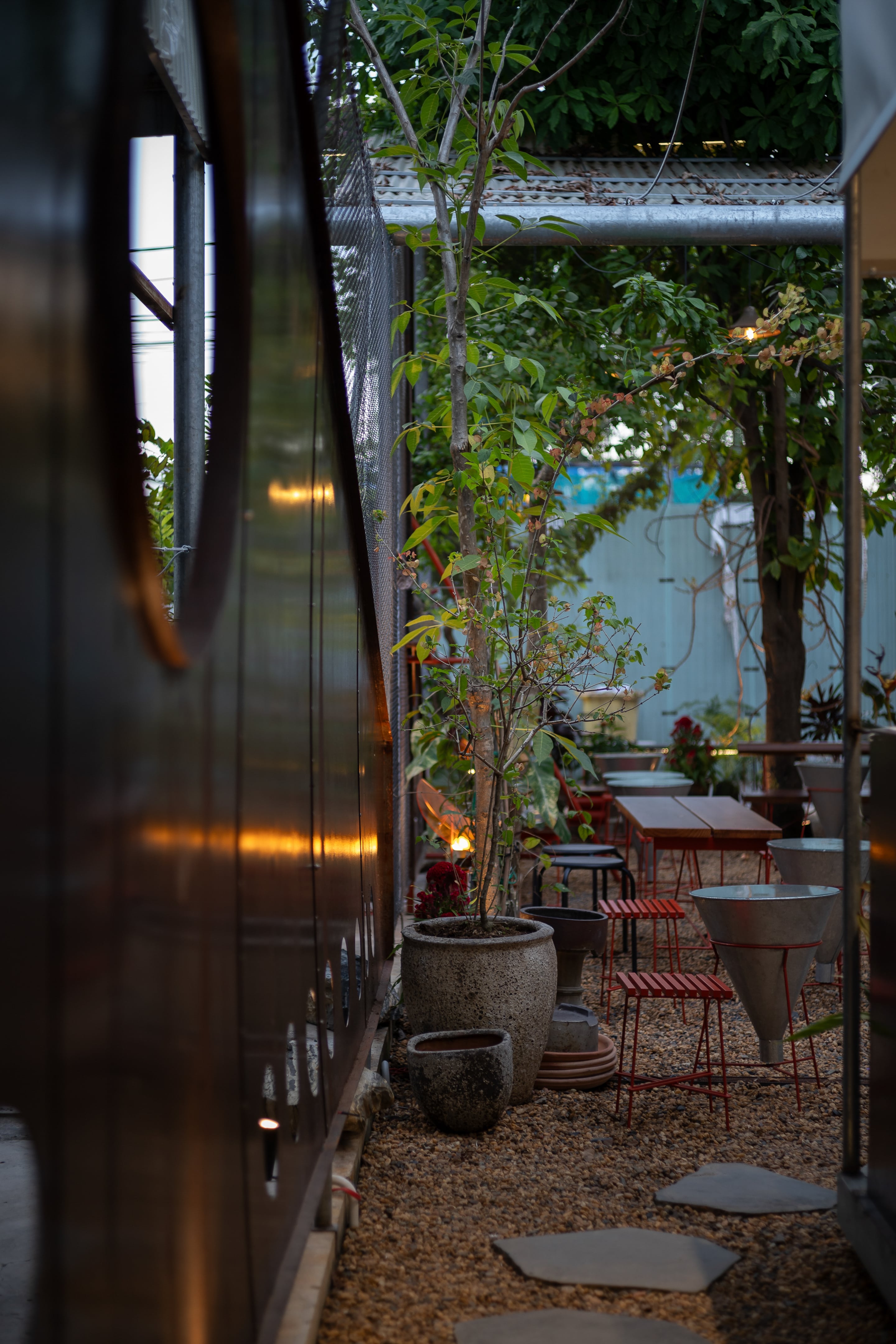
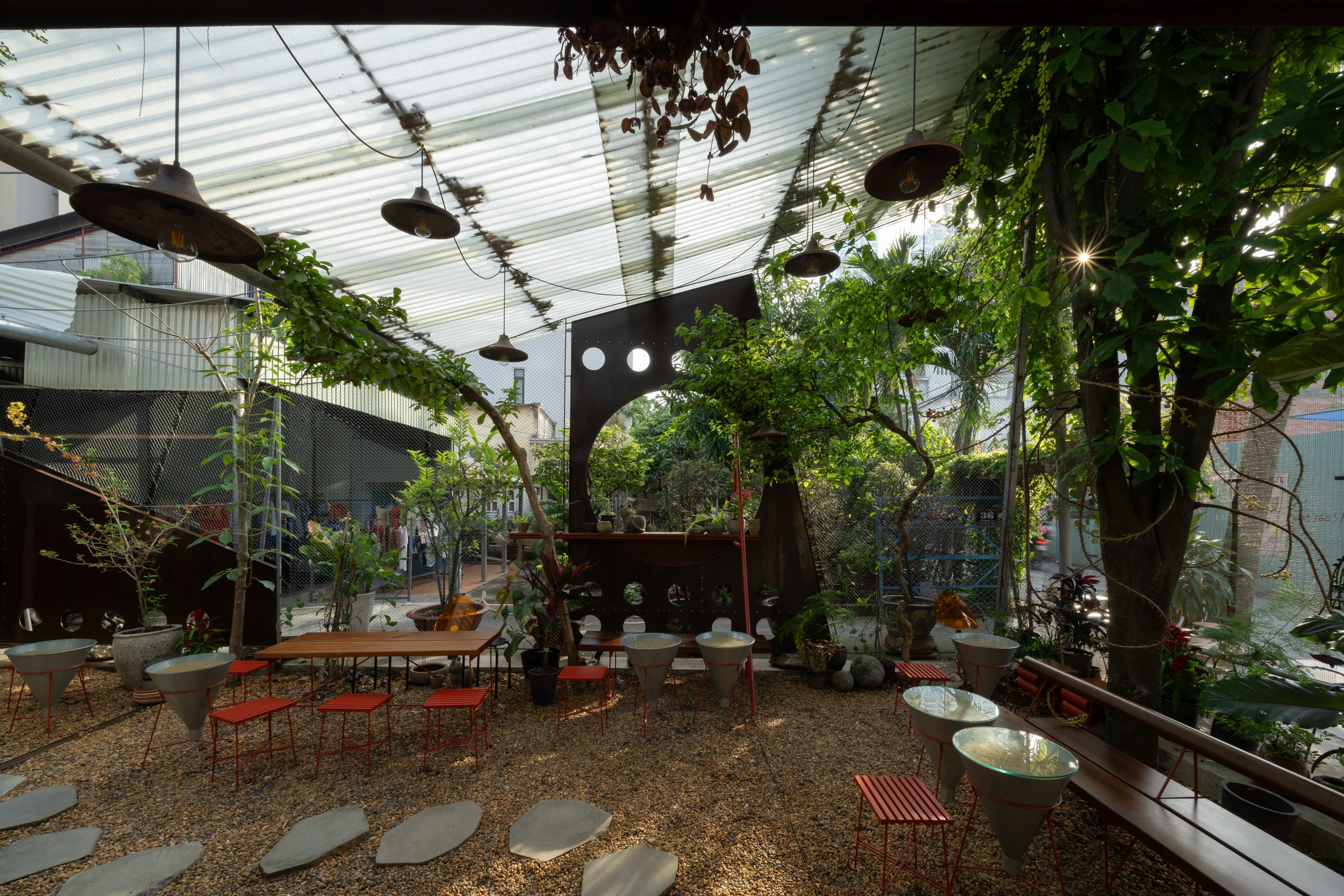
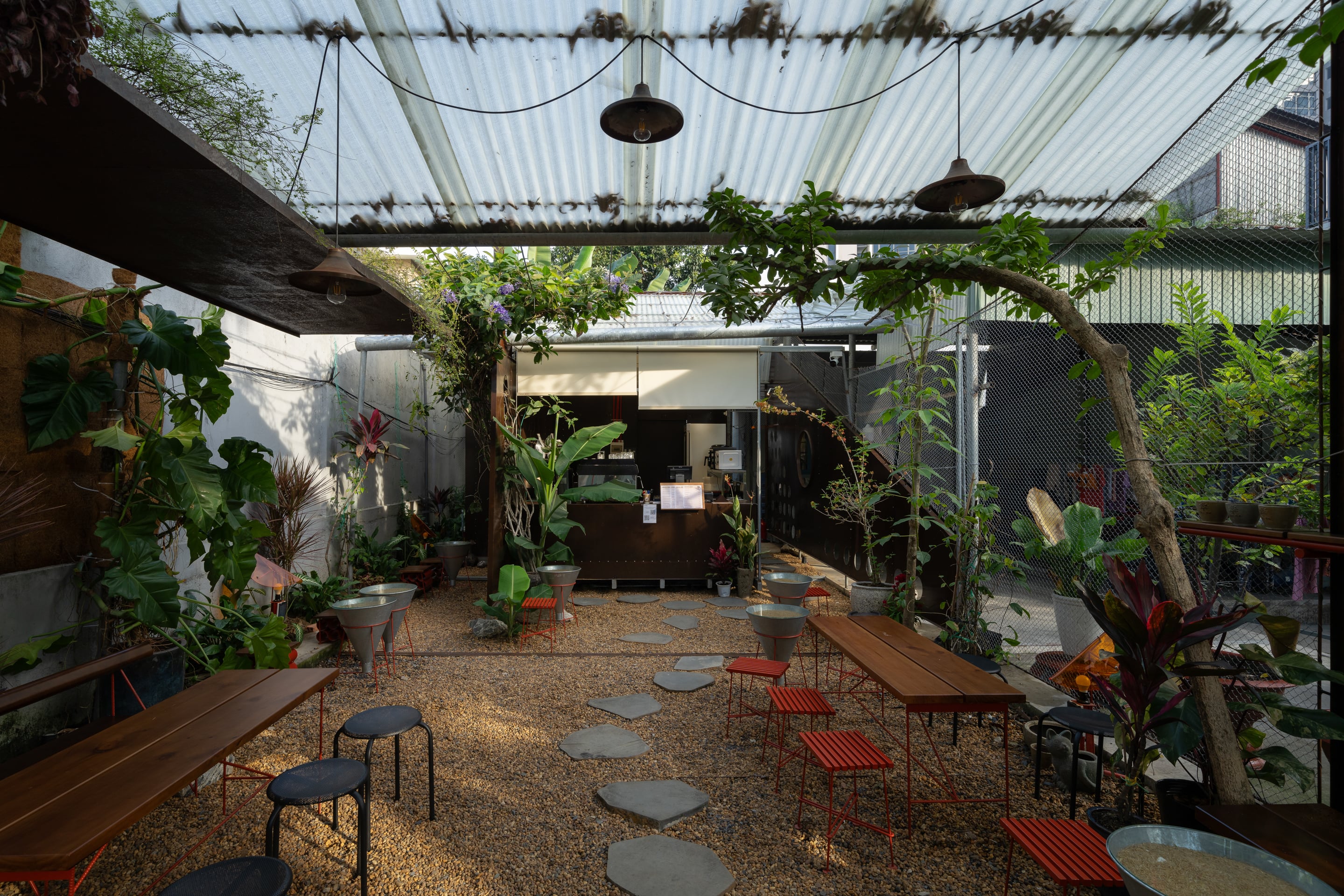
The site was originally a small garden attached to an old house, now repurposed into a café serving plant-based food and beverages. We did not want the presence of architecture to diminish the inherent value of the garden. How could the garden remain part of the house while simultaneously becoming an inseparable part of the café? We opted for a minimalist approach, preserving the essence of the site, making only subtle adjustments to shape a new space without disrupting its existing balance.
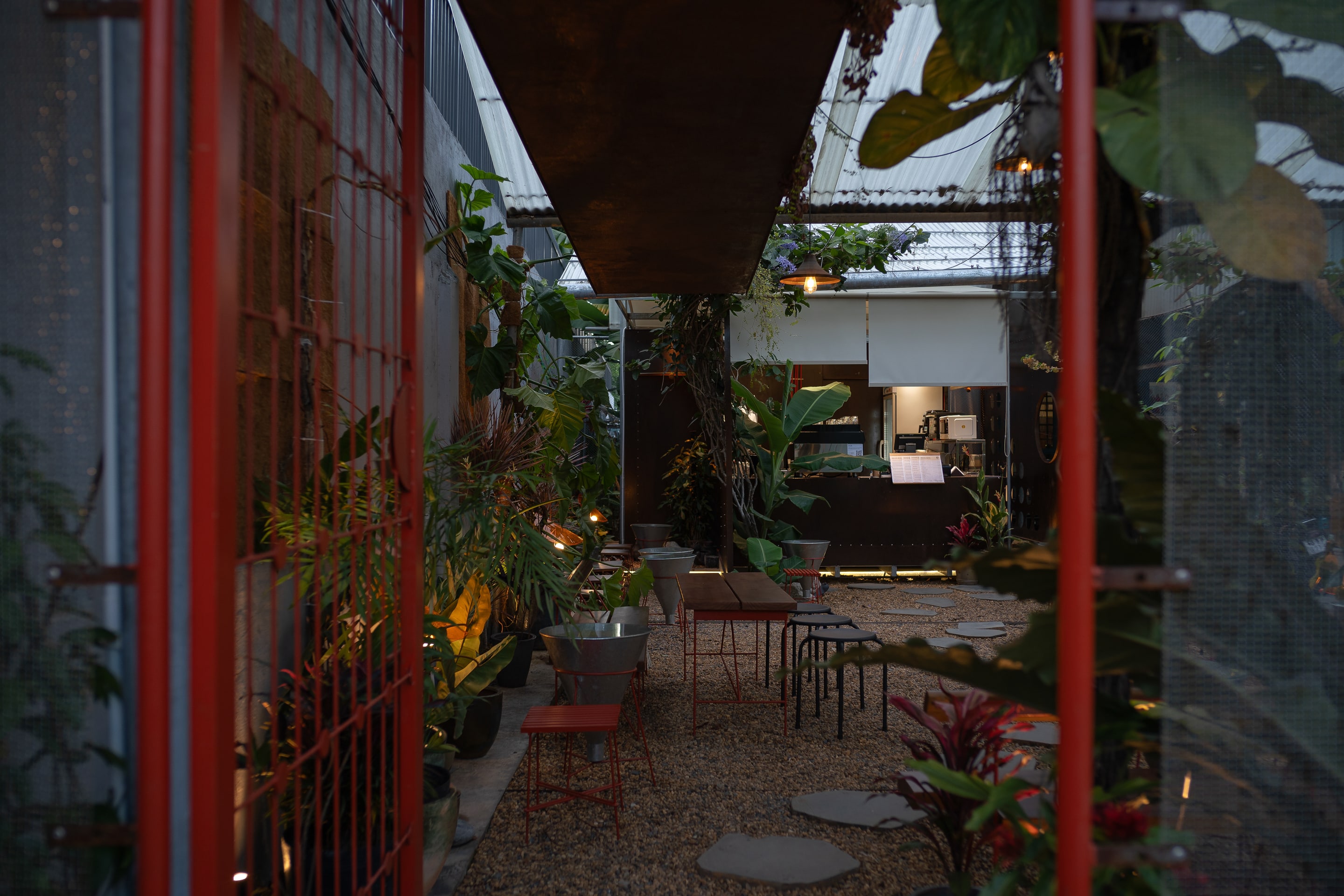
Soft, implied partitions were introduced to define the space in a way that allows for fluid transitions rather than rigid boundaries. These elements establish functional zones naturally, ensuring privacy while maintaining a strong connection to the garden. The same green space now serves both the house and the café, allowing them to coexist and share its value in a new way.
Beginning with volumetric studies, we refined the design through multiple iterations, gradually eliminating unnecessary elements until the space reached its purest form. Throughout this process, it felt as though the site itself was engaging in a dialogue with us: it did not need more; it needed less—an approach that was lighter, more restrained. And so, we began a process of subtraction—removing unnecessary boundaries to make the architecture more open, allowing it to converse more harmoniously with nature.
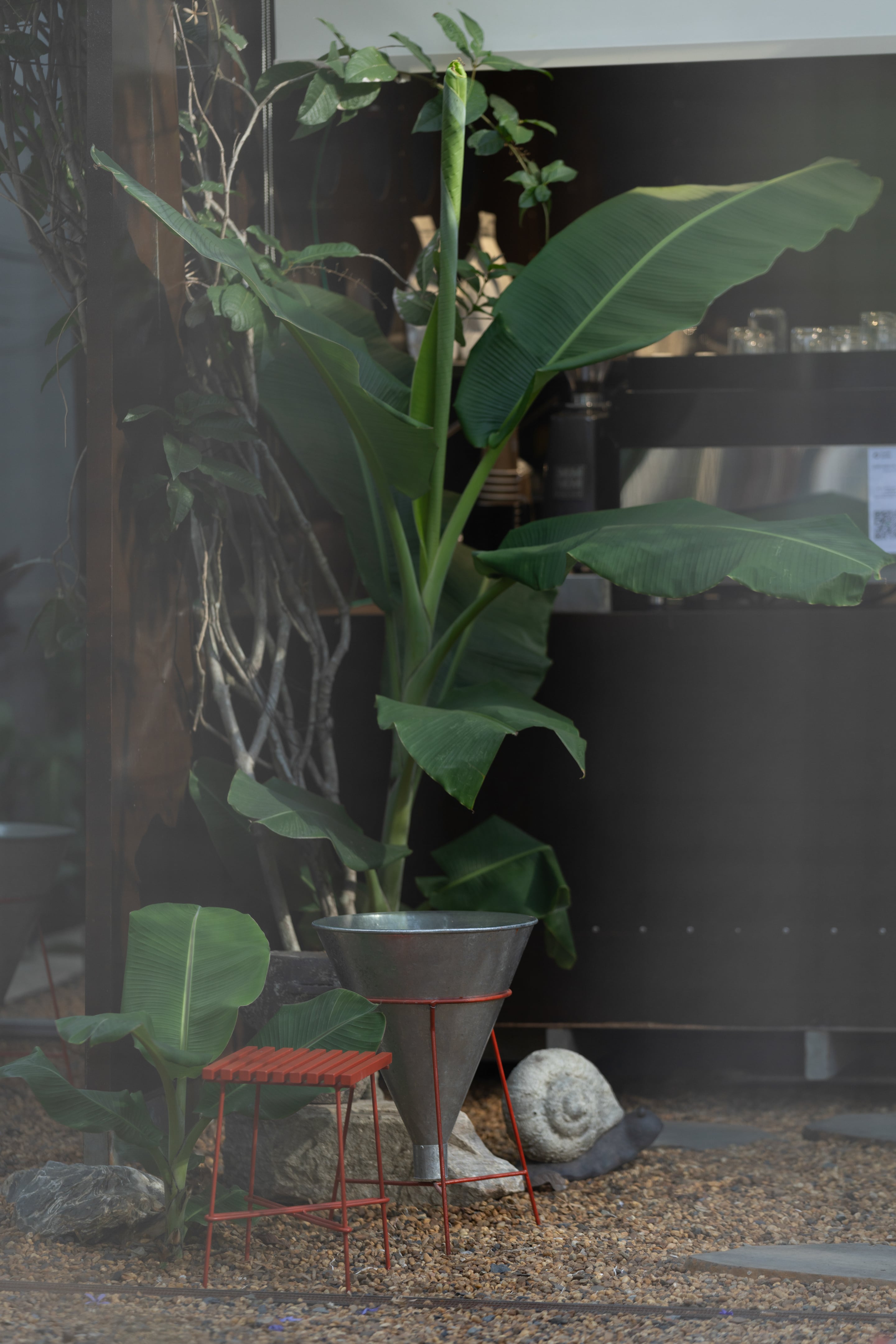
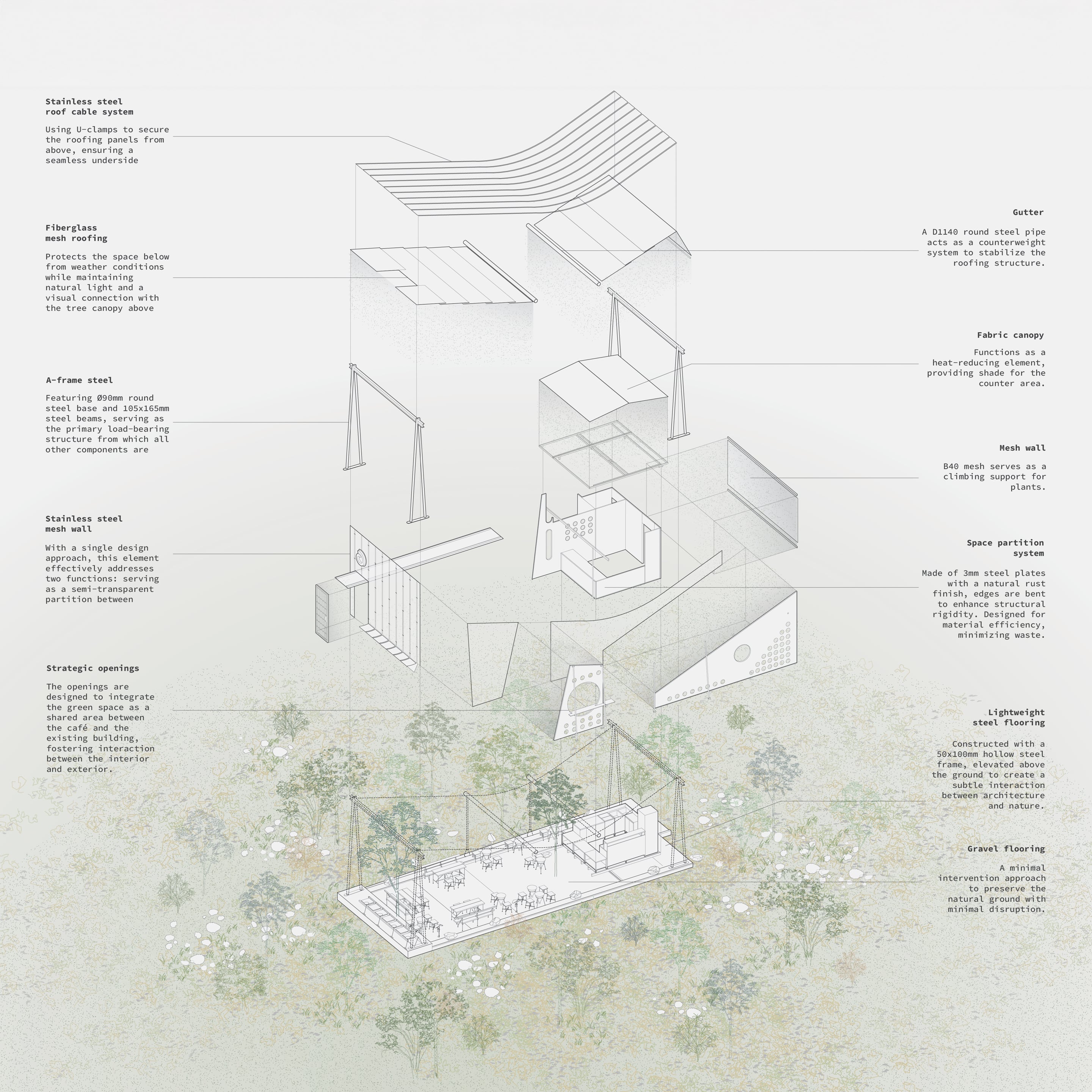
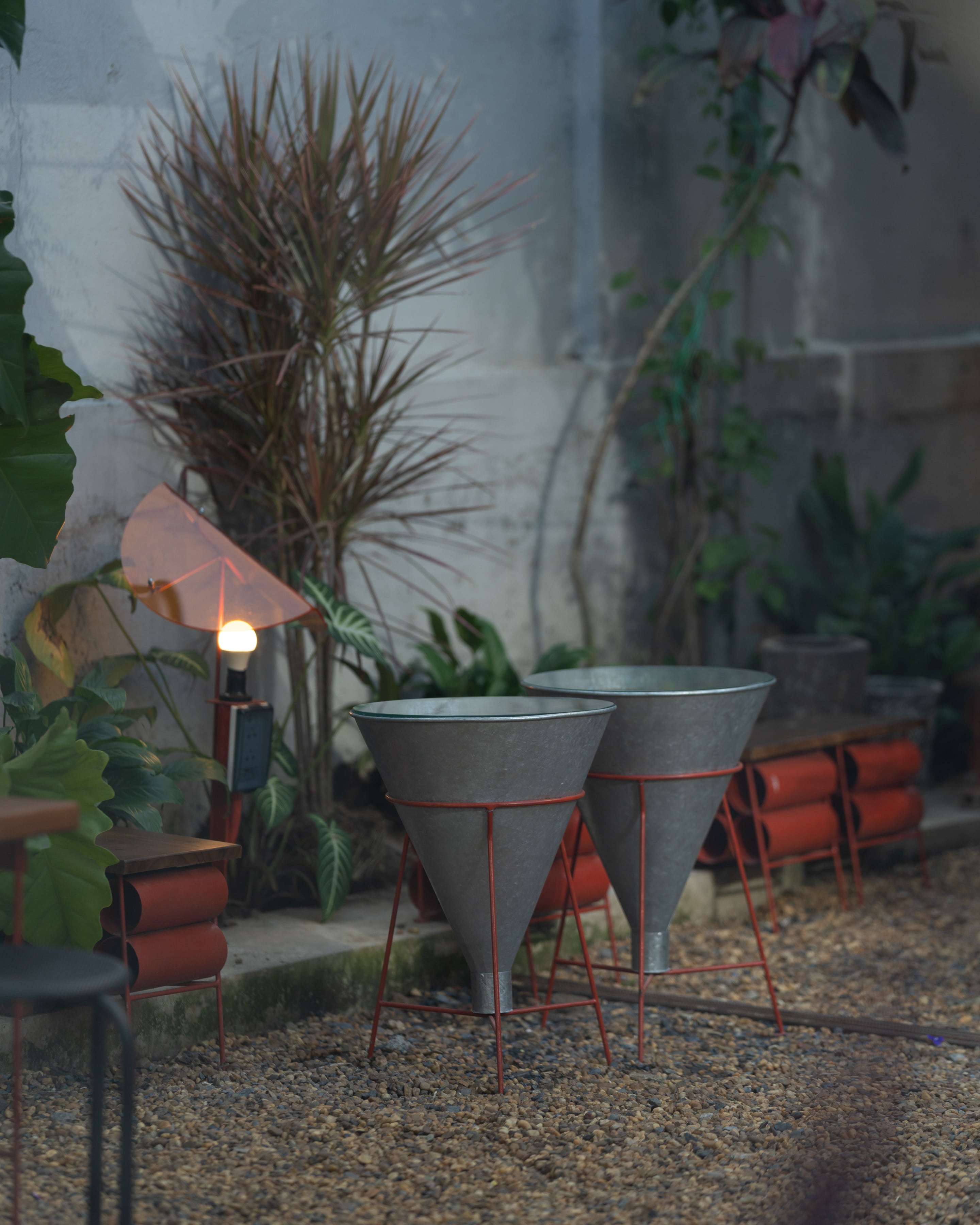
The structural system follows a minimalist yet effective principle. Columns, roofing, and gutters were all carefully refined so that each element serves a clear purpose, with nothing in excess. In terms of materials, we selected lightweight solutions that interact naturally with the surroundings. The roofing system is designed as a delicate, undulating layer—like a drifting cloud—providing shade without completely blocking natural light. The partitions are “tailor-made” from 3mm weathered steel sheets, their edges bent for reinforcement, evoking the warmth of aged wooden beams. The façade, woven from steel mesh, helps reduce the visual mass of the structure while fostering a seamless integration between architecture and greenery.
With this approach, architecture does not impose itself upon the space but instead acts as a subtle intervention that enhances what already exists. The garden remains a garden, but now, it is no longer just part of the old house—it has become an integral part of a shared communal space—a natural transition between people and landscape, between old and new, between the present and future possibilities.













2025-2026 Designverse Awards 设计宇宙大奖 超越奖 获奖名单(完整版)| 空间/产品/品牌大事件类14家机构上榜

2025-2026 Designverse Awards 设计宇宙大奖 特别荣誉奖 获奖名单丨空间/产品/品牌大事件类232家机构上榜(完整版)

2025-2026 Designverse Awards 设计宇宙大奖 提名奖 获奖名单丨空间/产品/品牌大事件类187家机构上榜(完整版)
O Plant-based Thao Dien Cafe丨xưởng xép
xuong xep Office and Reading Room丨xưởng xép

汤山星空餐厅丨孟建民本原设计

塞伦斯 · 密境民宿 | 無隐建筑

【品牌/大事件类超越奖长名单】设计宇宙大奖DesignverseAwards2024-2025大奖结果公布

Subscribe to our newsletter
Don't miss major events in the global design industry chain and important design resource companies and new product recommendations
Contact us
Report
Back to top