
Onça Warehouse丨Pedro Haruf
Pedro Haruf ,Release Time2024-11-05 11:08:01






Project name: Armazem da Onça / Onça Warehouse
Architecture firm: Estudio Pedro Haruf
Location: Onça De Pitangui, Minas Gerais, Brazil
Photography: Manuel Sá
Principal architect: Pedro Haruf
Design team: Sofia Vasconcelos
Collaborators: Aloisio Ventura, Thabatta Zuba
Interior design: Estúdio Pedro Haruf
Built area: 76 m²
Site area: 500 m²
Design year: 2021
Completion year: 2024
Landscape: Atila Meireles
Lighting: Estudio Pedro Haruf
Tools used: SketchUp, Enscape, Adobe
Client: Armazem da Onça
Status: Completed
Typology: Commercial, Warehouse, Restoration
Copyright Notice: The content of this link is released by the copyright owner Pedro Haruf. designverse owns the copyright of editing. Please do not reproduce the content of this link without authorization. Welcome to share this link.
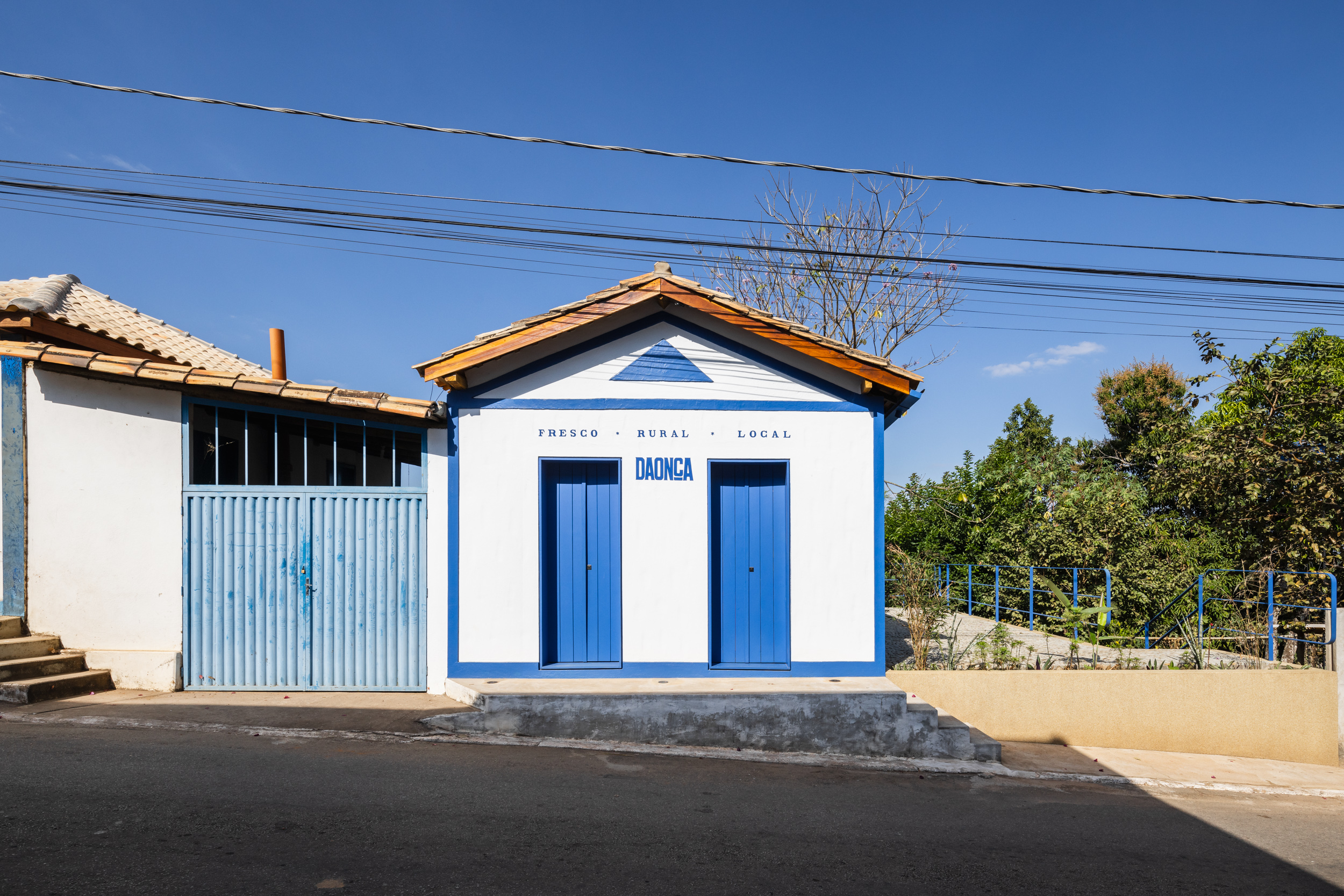
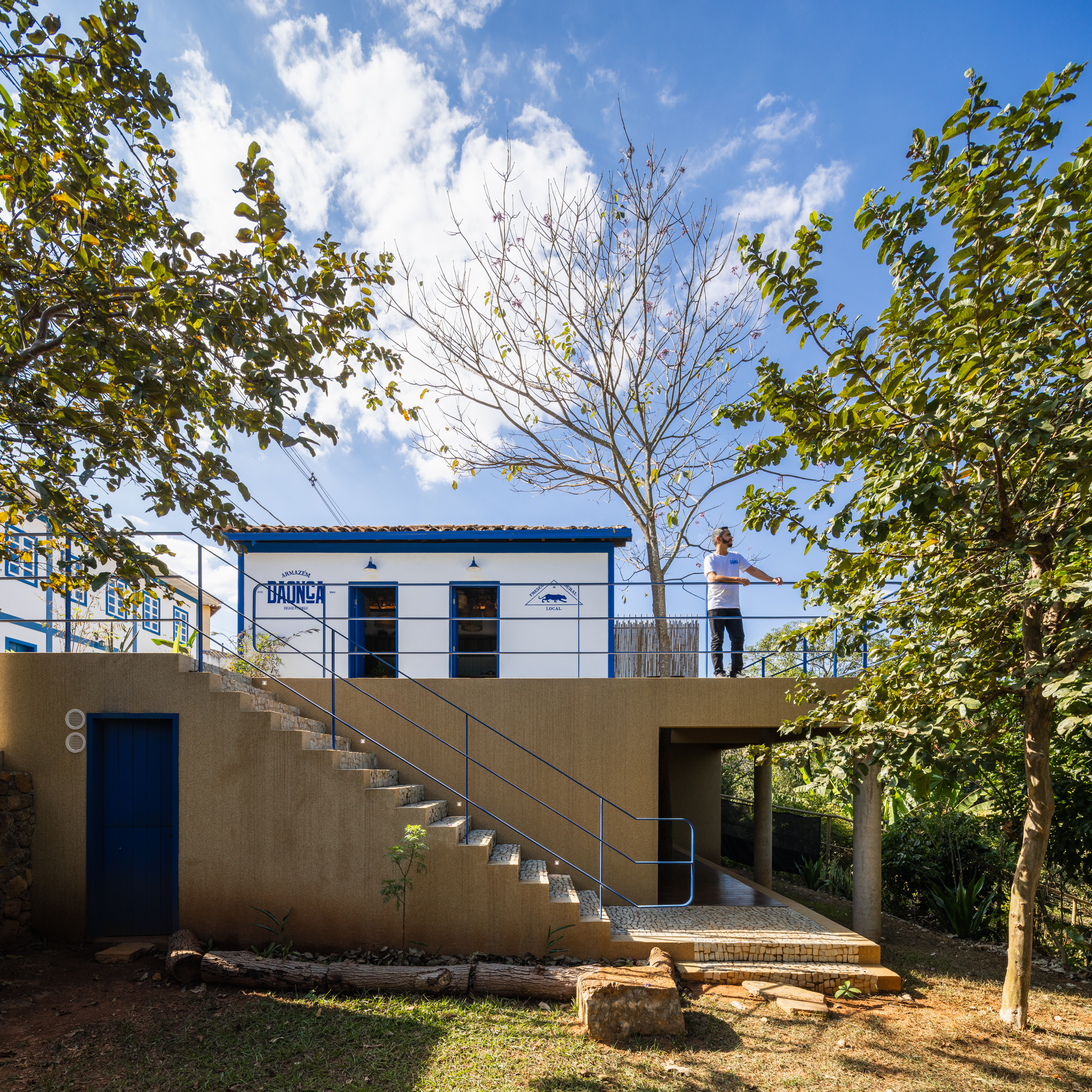
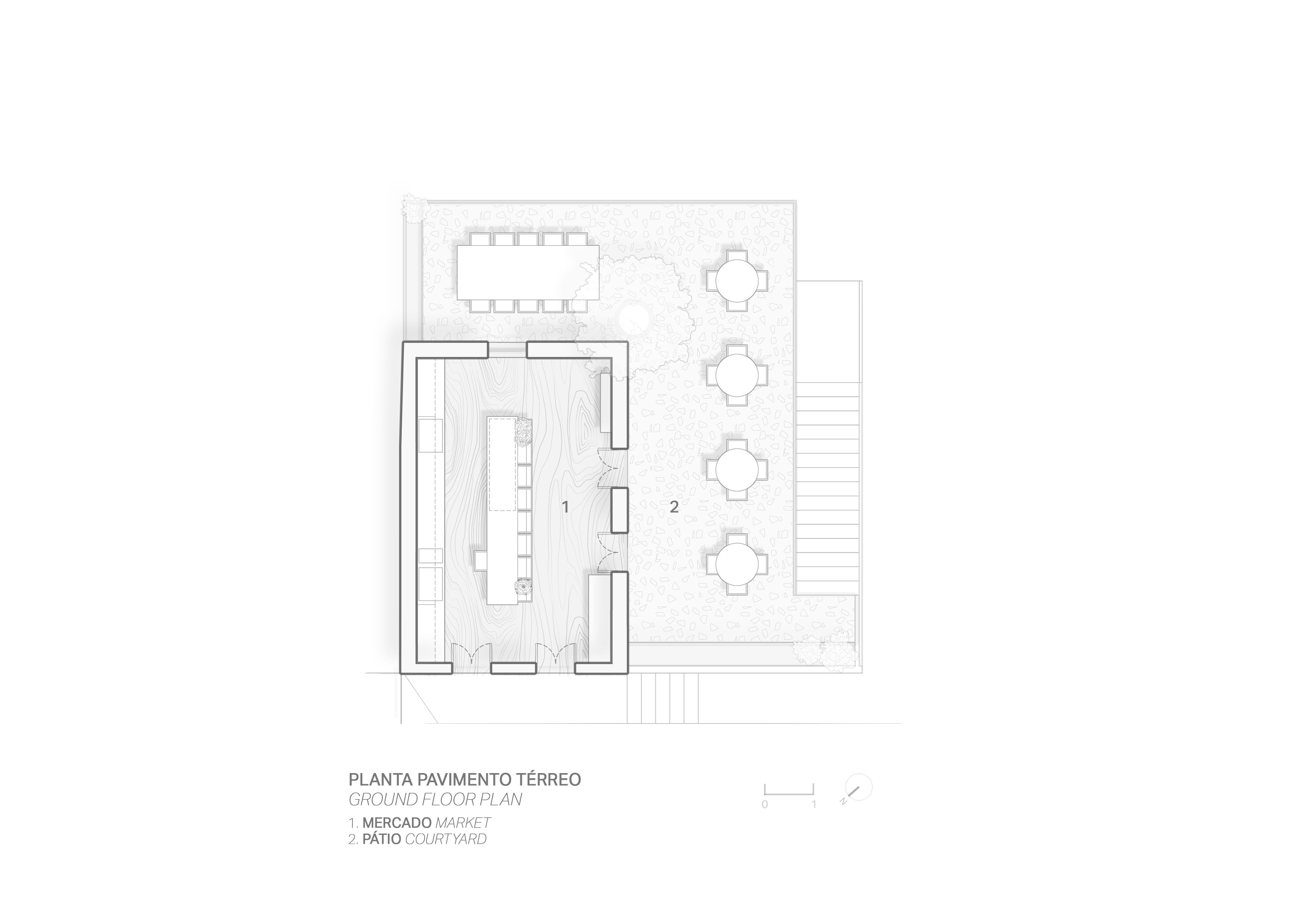
The warehouse is a commercial and service space located in the small town of Onça do Pitangui, in Minas Gerais. It offers products from agroforestry systems and handicrafts made by local small-scale producers, as well as serving coffee and regional baked goods to both residents and tourists. The project occupies a small building from the early 20th century. The construction, adjacent to a colonial house, has two floors: the ground floor, which sits slightly above street level, and a basement that adapts to the slope of the land. The property is located on the right side of its lot, at the entrance to the town, just before the town hall square.
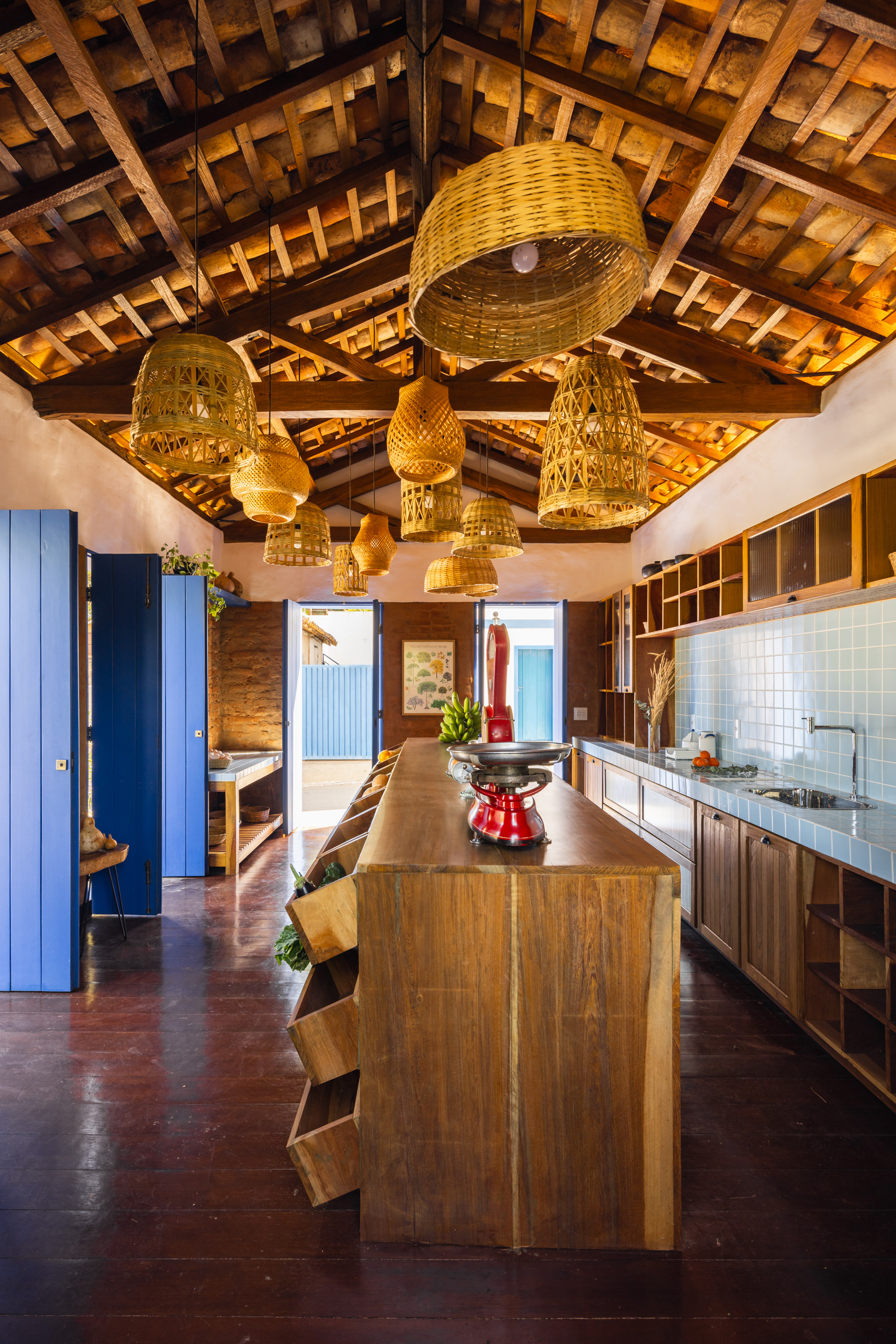
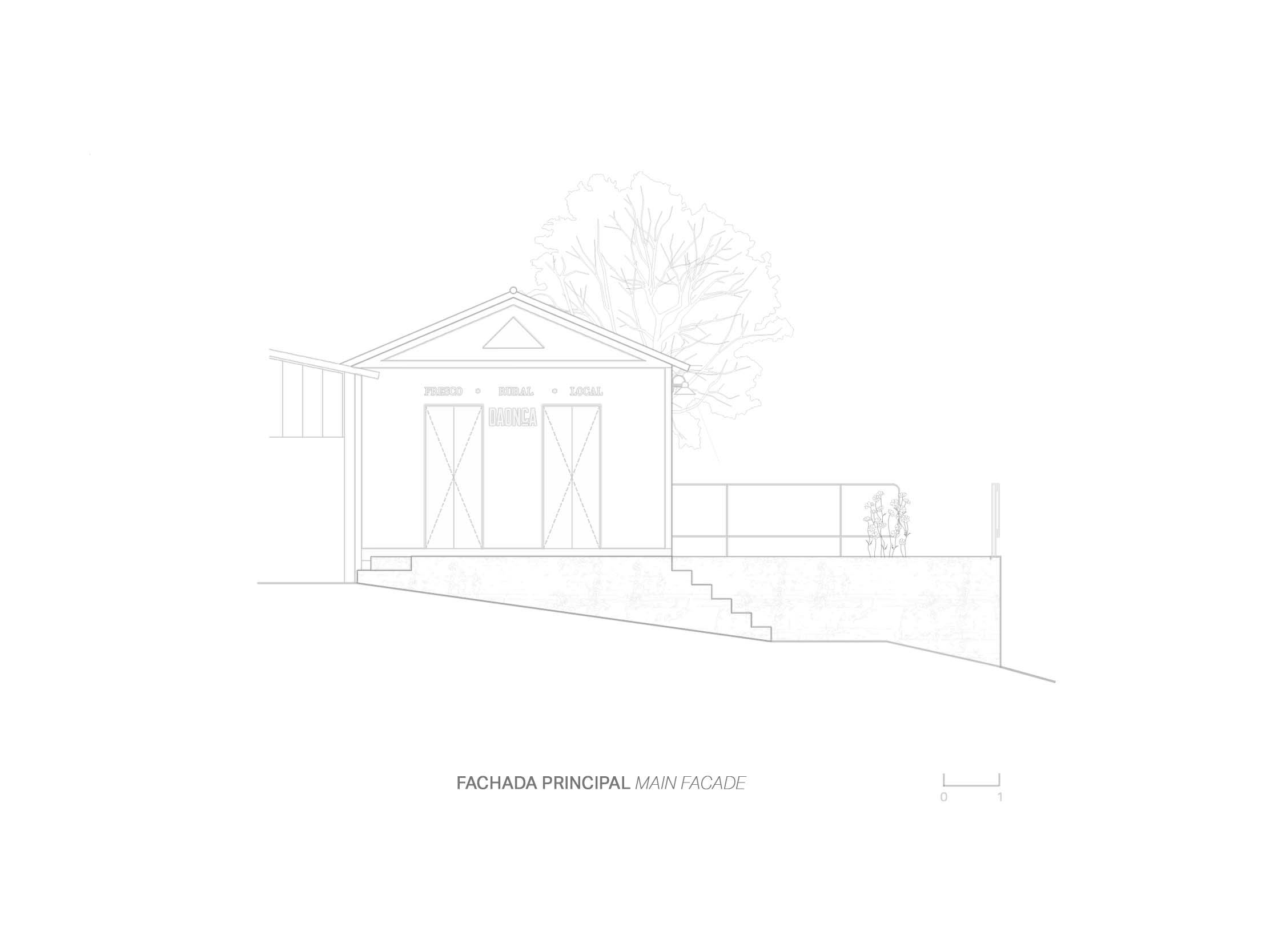
We approached this requalification project through three distinct fronts: restoration of the original elements, architectural expansion, and interior design. We started by highlighting the historic architecture, removing a PVC ceiling to reveal the timber trusses and colonial roof. We stripped the walls to expose the solid brick used in the original construction and restored all the woodwork, including windows, flooring, and trusses.
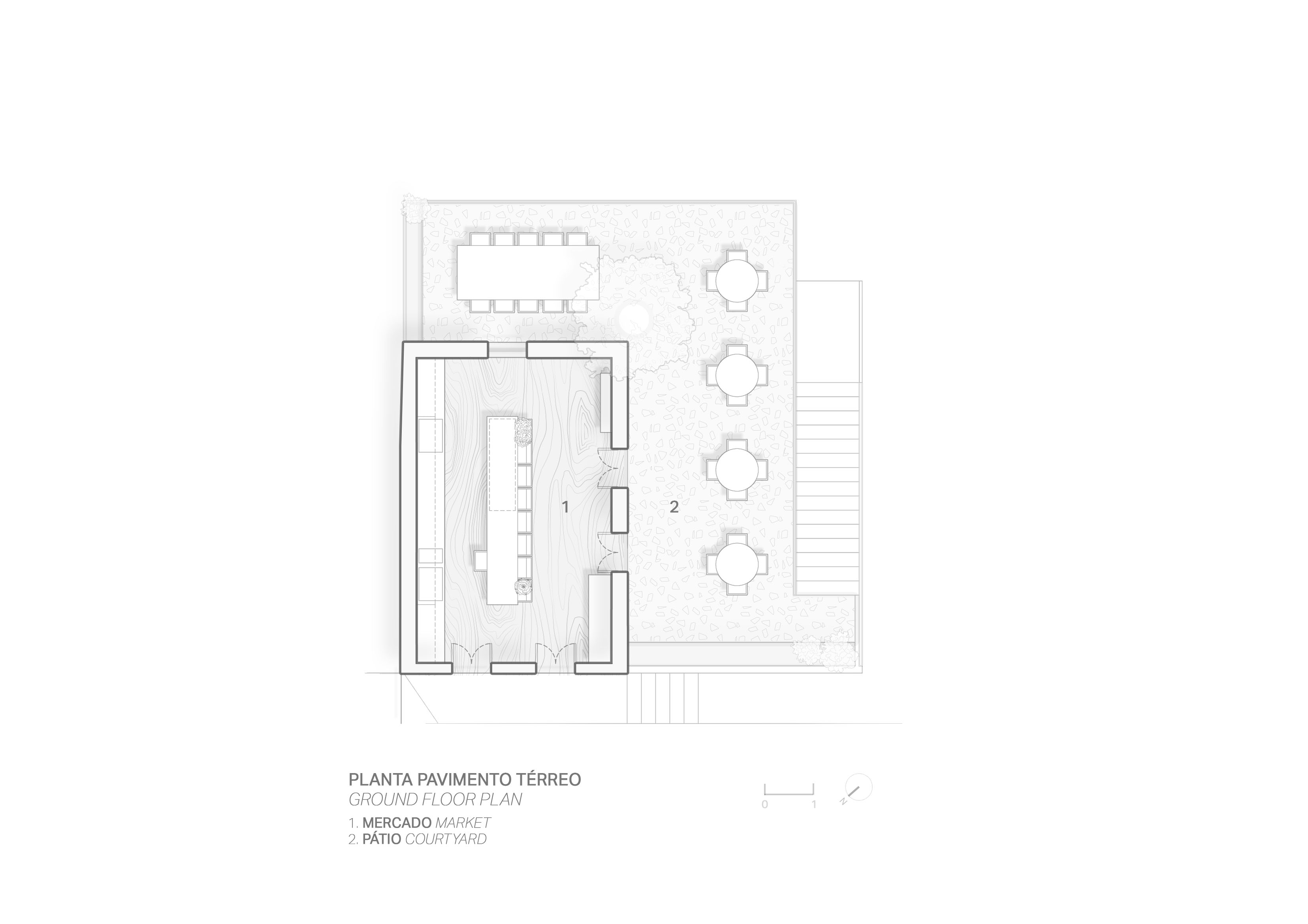
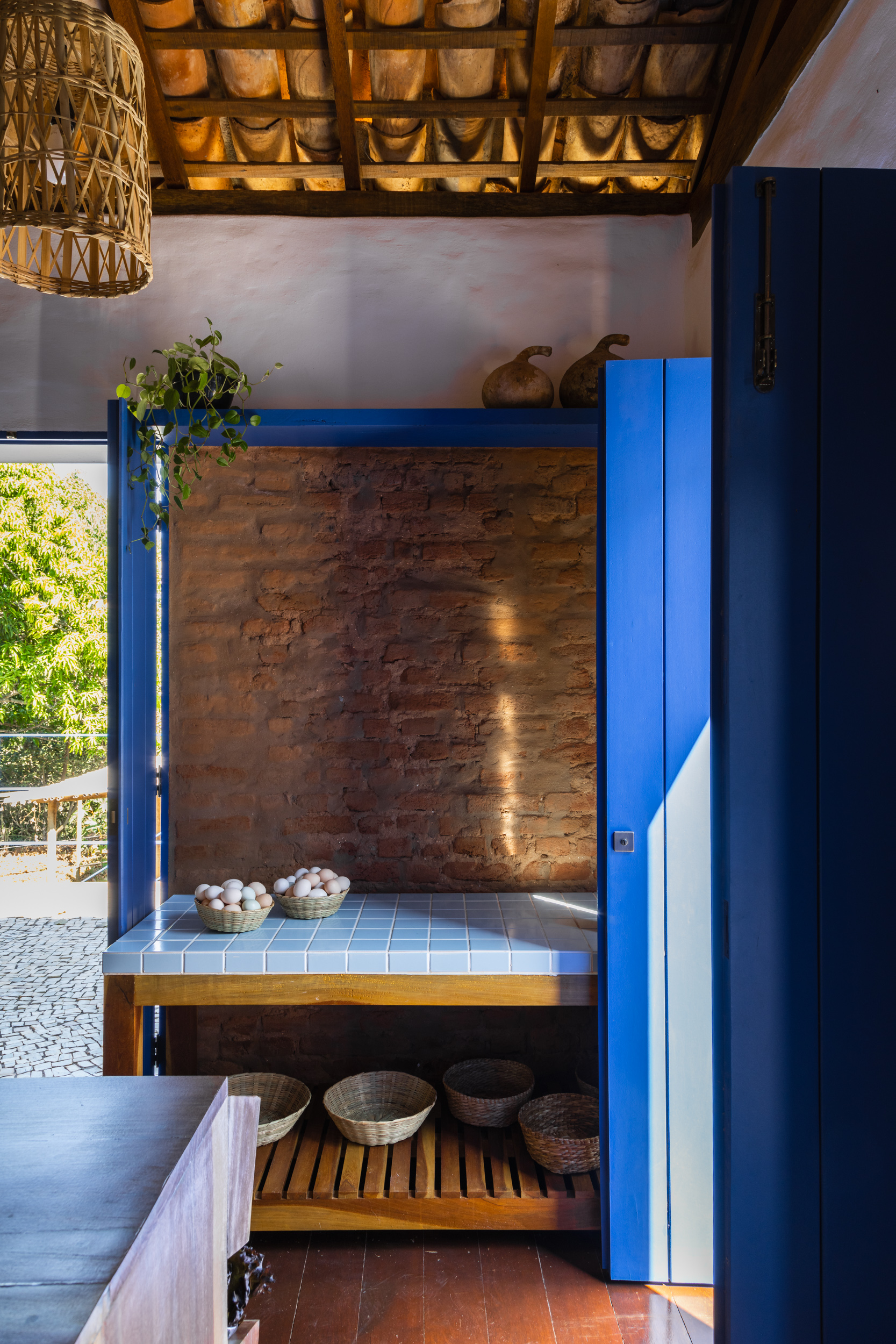
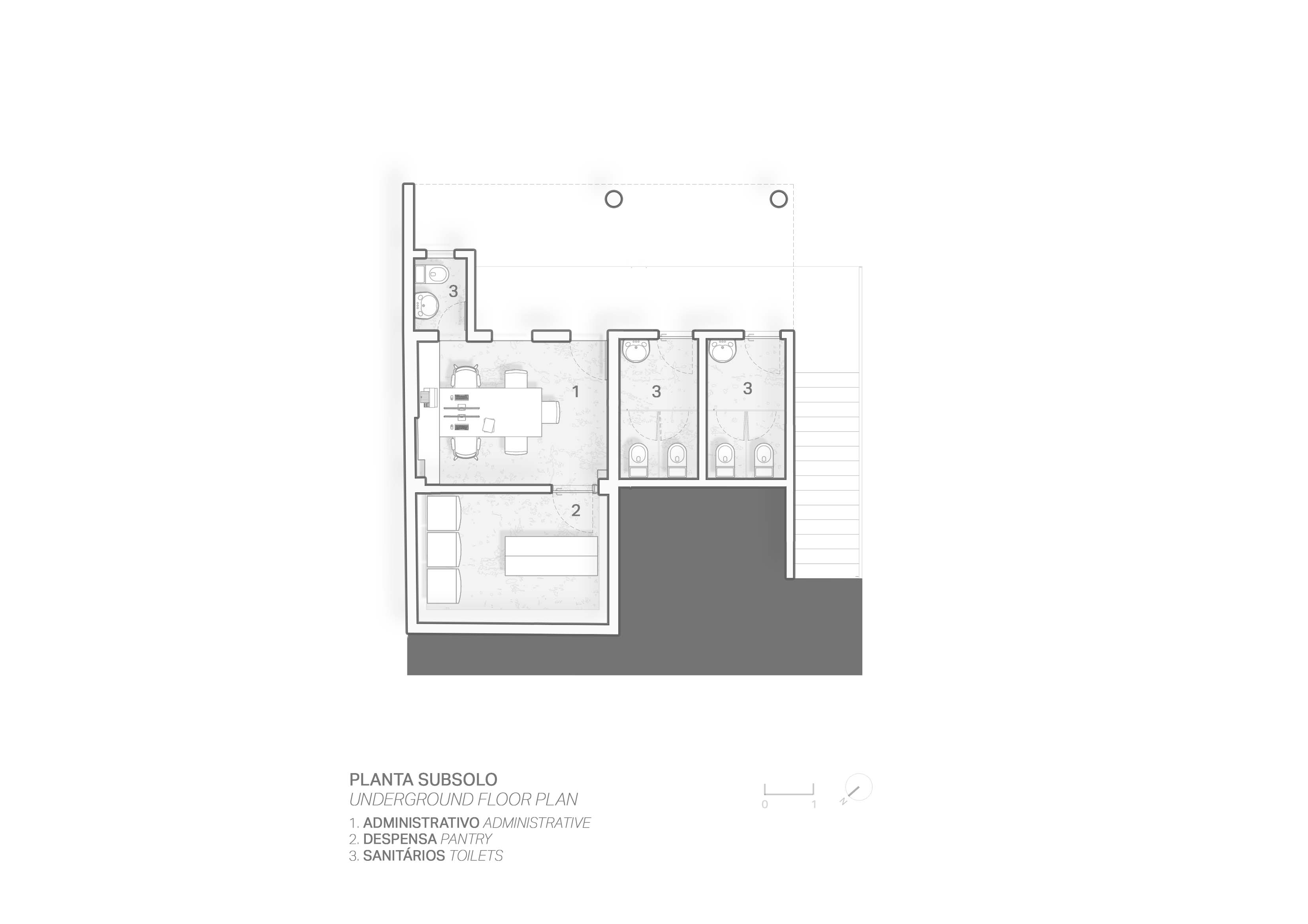
On the front and rear facades, we restored the original decorative elements, reopened windows that had been blocked, and revived the painting using traditional whitewashing techniques. Another design move was to create an architecture that serves as a kind of pedestal for the existing building—a discreet structure presented as an open space at street level. In the basement, we placed the administrative areas and public restrooms. The staircase also leads to the natural terrain, where we plan to host community events.
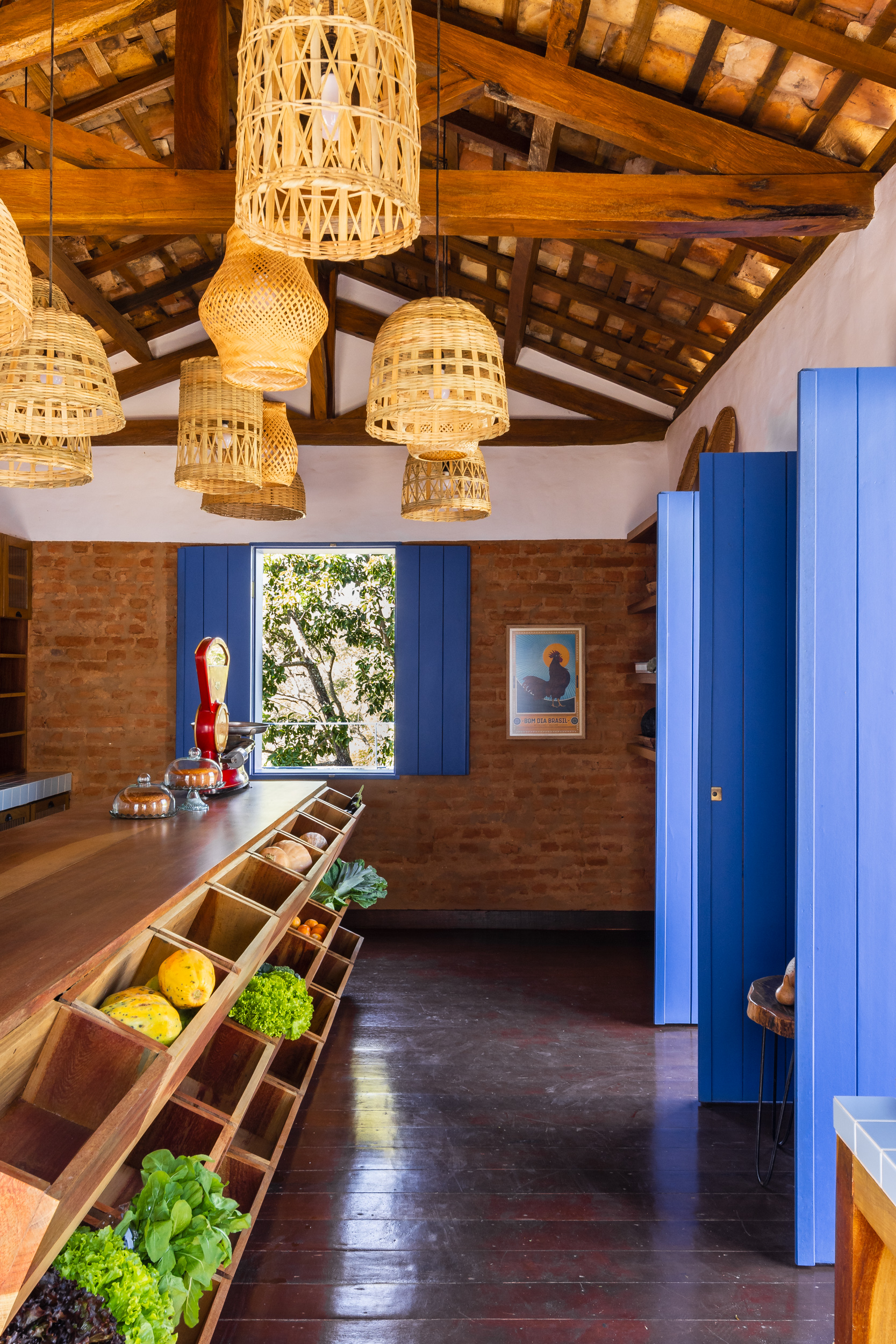
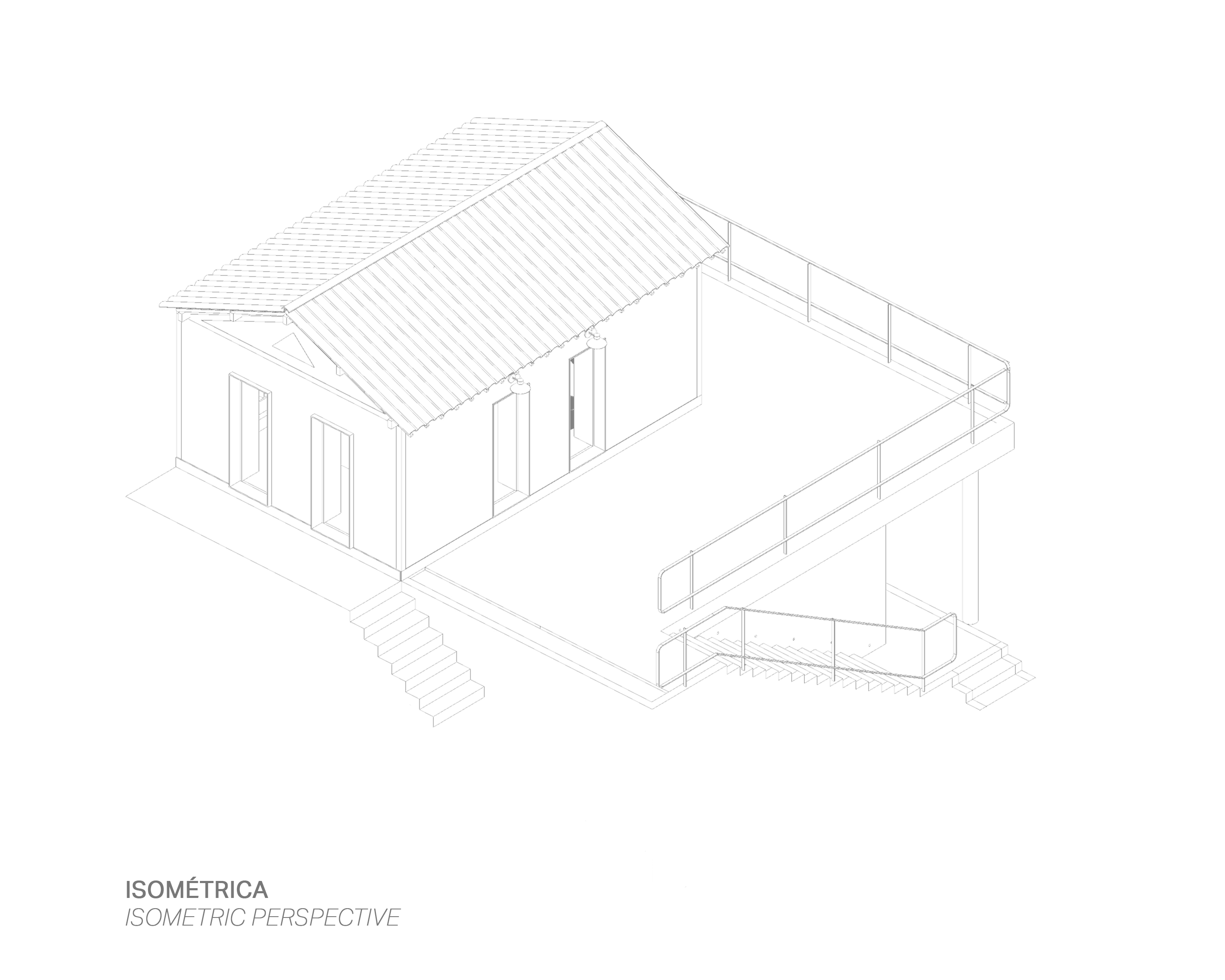
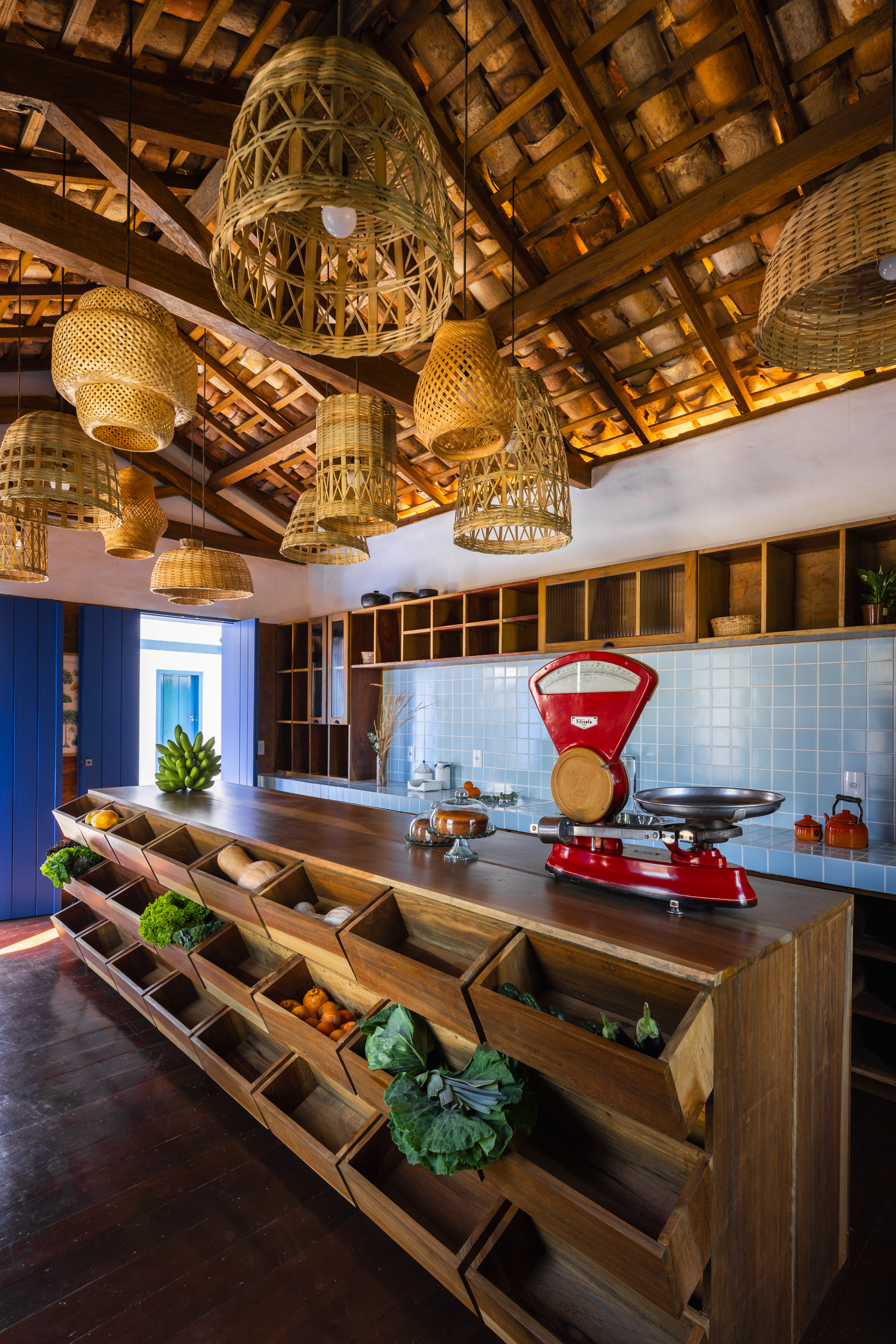
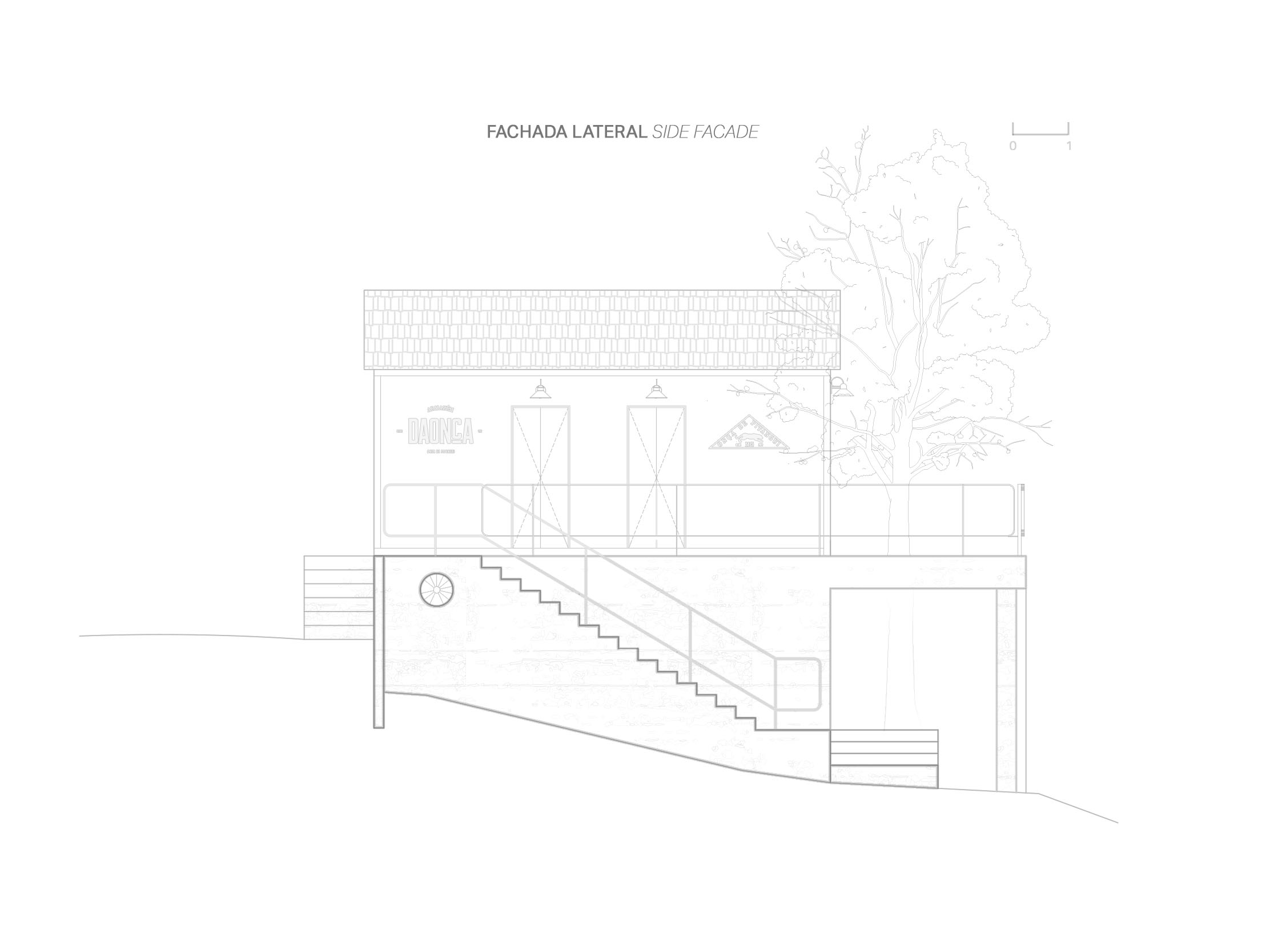
To access the courtyard and, consequently, the basement, we modified the side facade of the building, transforming windows into doors and replicating the baseboard and crown molding patterns from the front and rear facades. For the shop’s interior, we designed a large central piece of furniture that organizes the flow of the space, functioning as a checkout counter, display area for refrigerated counters, and a showcase for agroforestry products. On one side, a large tiled countertop and a solid wood cabinet complement the café’s functions, providing space for a coffee machine, sink, and storage for items both for sale and for use, such as cups, plates, and utensils.
缦居丨末染空间设计
新荣记·台州芙蓉无双丨大相设计
松延动力办公总部:从“理性研发场”到“感性社交域”的双层叙事丨北京格微建设工程有限公司
Onça Warehouse丨Pedro Haruf

昆山玉山书房设计,探索新型复合型书店的多种可能性丨GLC(中国)

HAY!YoungBirds! 2020年亚洲优秀青年大赛三强作品《削笔刀》设计师访谈

“长三角G60科创之眼”城市设计方案|孚提埃FTA

Subscribe to our newsletter
Don't miss major events in the global design industry chain and important design resource companies and new product recommendations
Contact us
Report
Back to top