


Restaurants in Bakurocho | UENOA
UENOA ,发布时间2026-01-28 12:08:21





Project Name:Restaurants in Bakurocho
Architect or Architecture Firm:UENOA architects / Yoshinori Hasegawa+Fumie Horikoshi
Completion Year:2022
Built Area:70.41 m²
Project Location:Tokyo,Japan
Photographer:Naomichi Sode(architecture),UENOA(model)
Logo design:ido Shouhei Iida
Lighting design:ModuleX Katsumasa Asada
Cooperation:Kurashikihampu
版权声明:本链接内容均系版权方发布,版权属于 UENOA,编辑版本版权属于设计宇宙designverse,未经授权许可不得复制转载此链接内容。欢迎转发此链接。
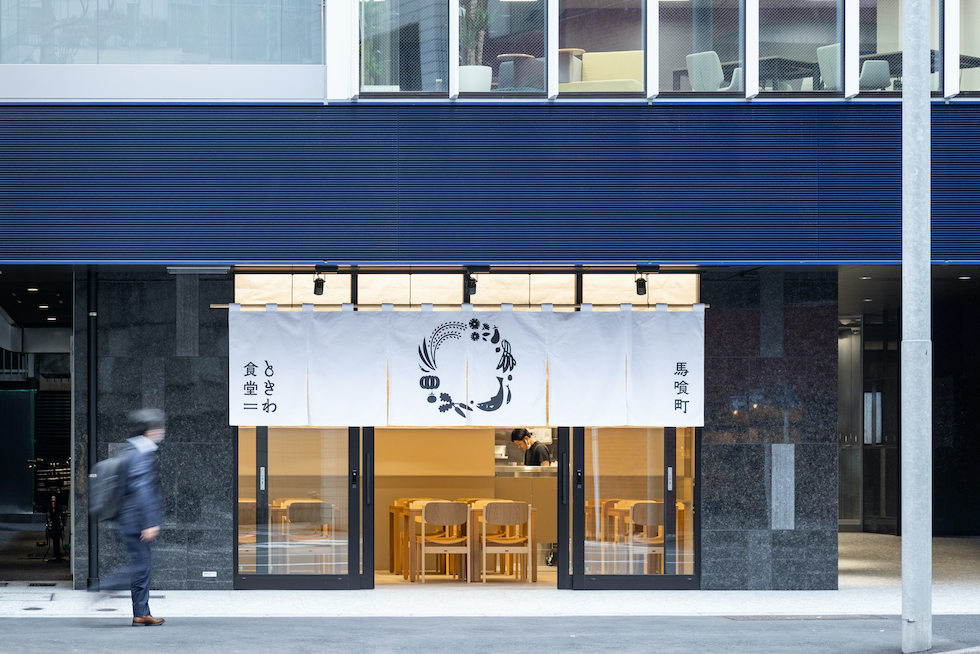
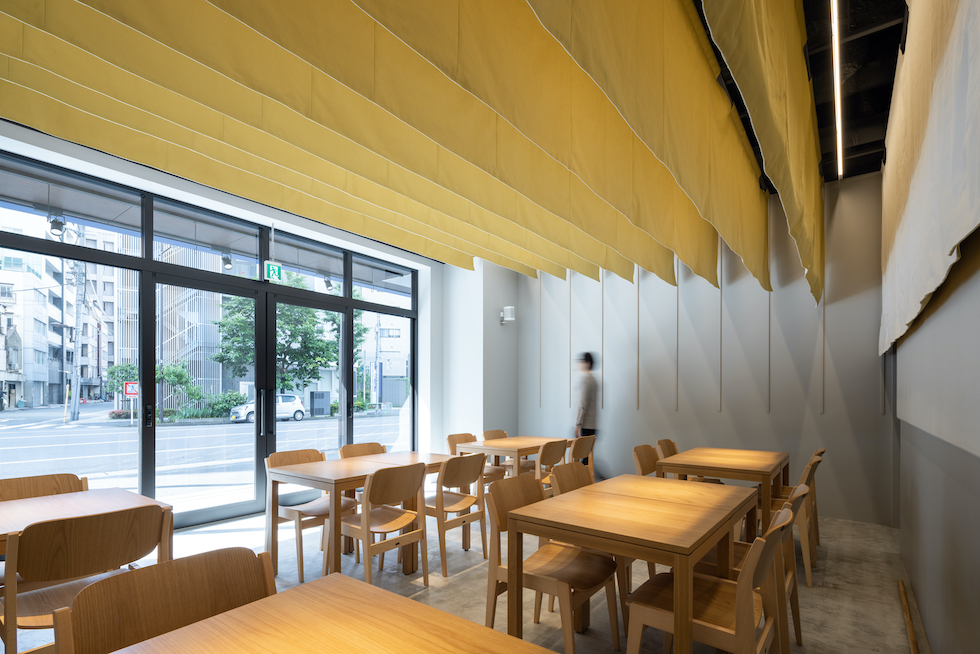
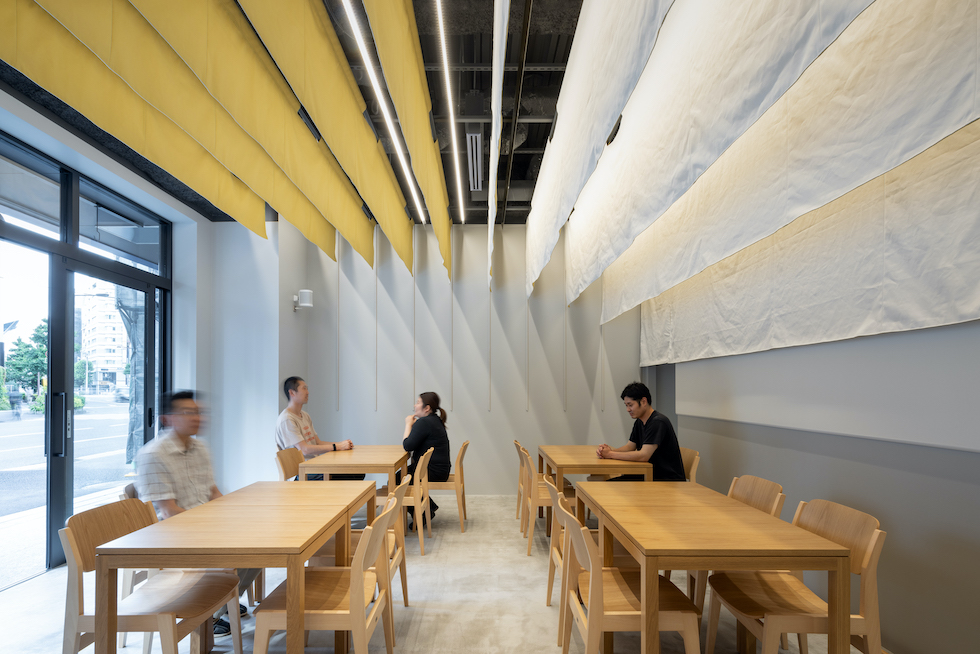
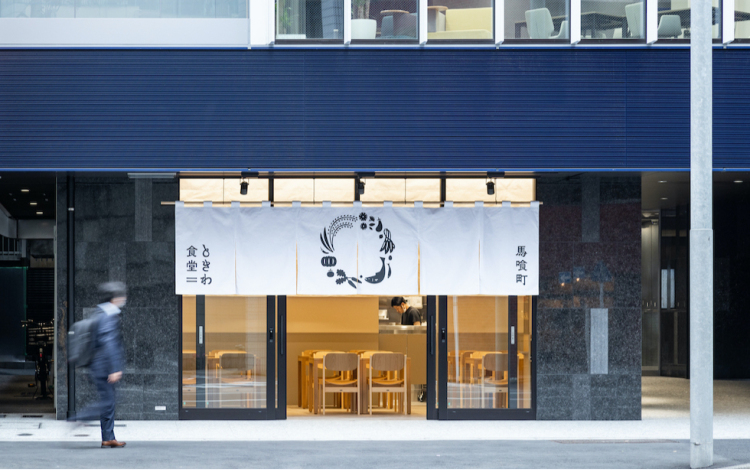
This is an interior design project for a new restaurant of "Tokiwa Shokudo", a long-established diner that has been in business for 100 years.
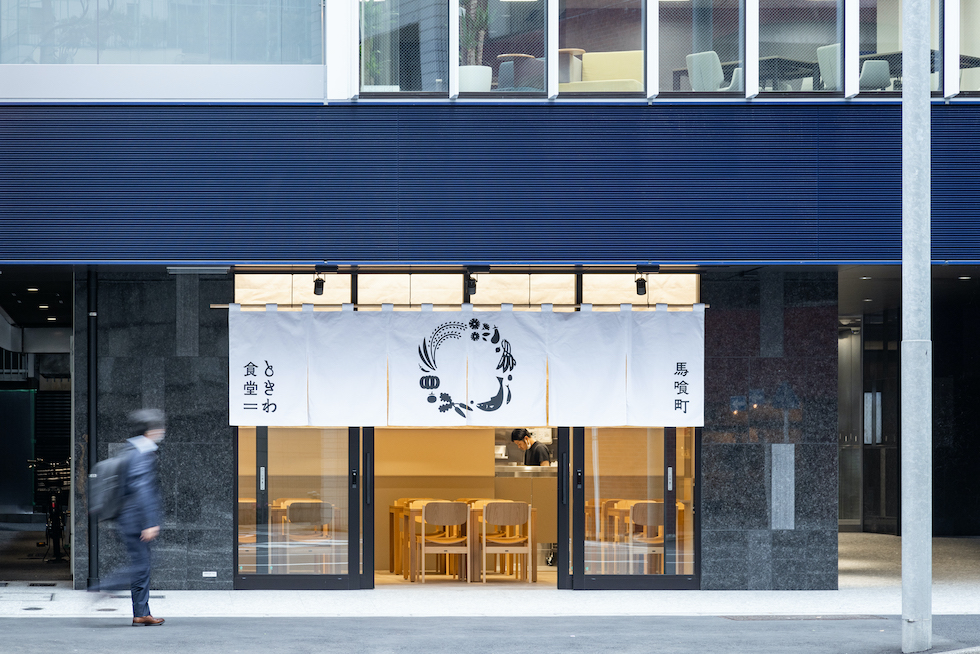
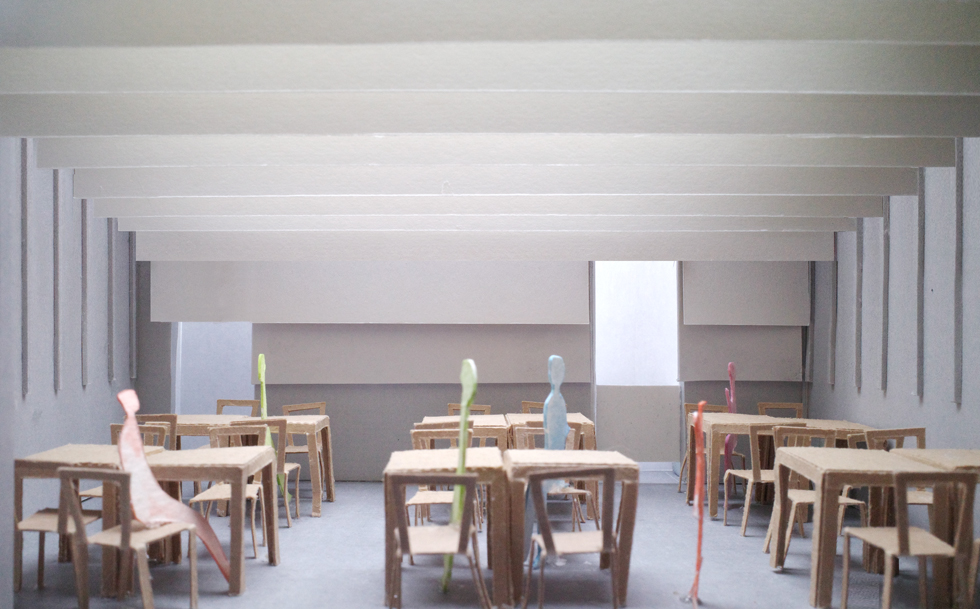
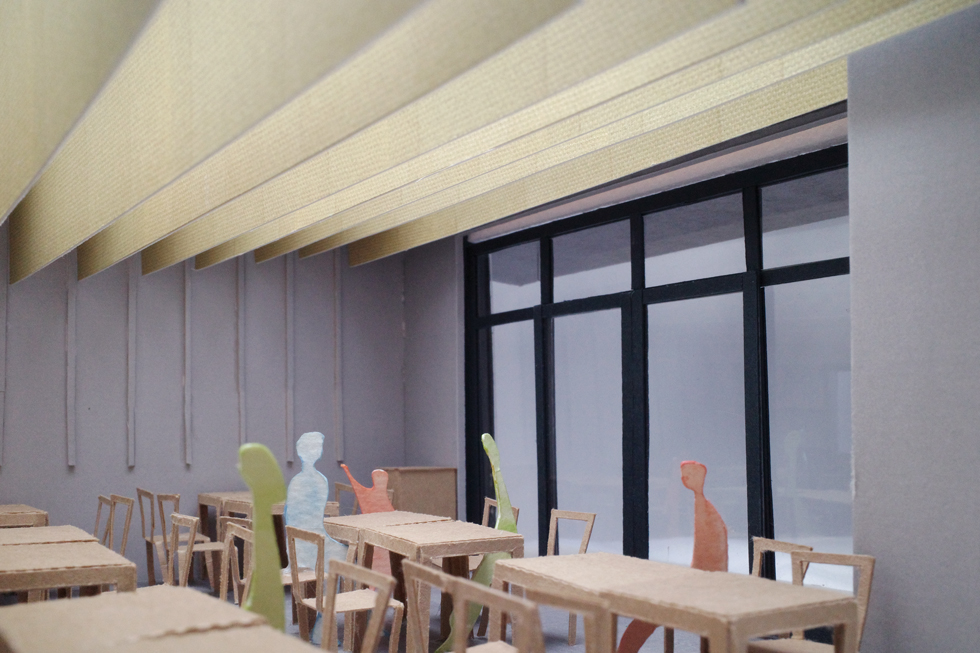
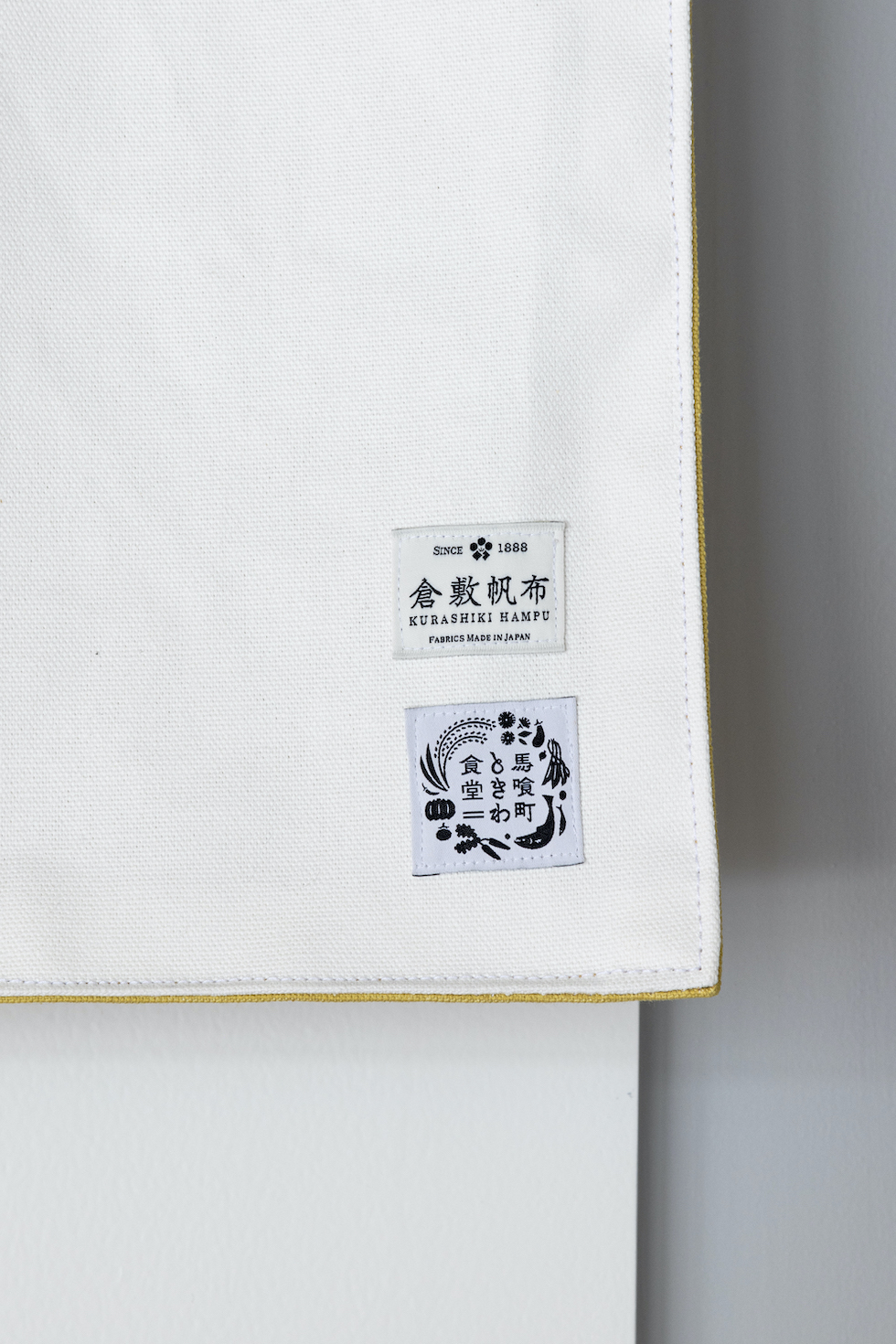
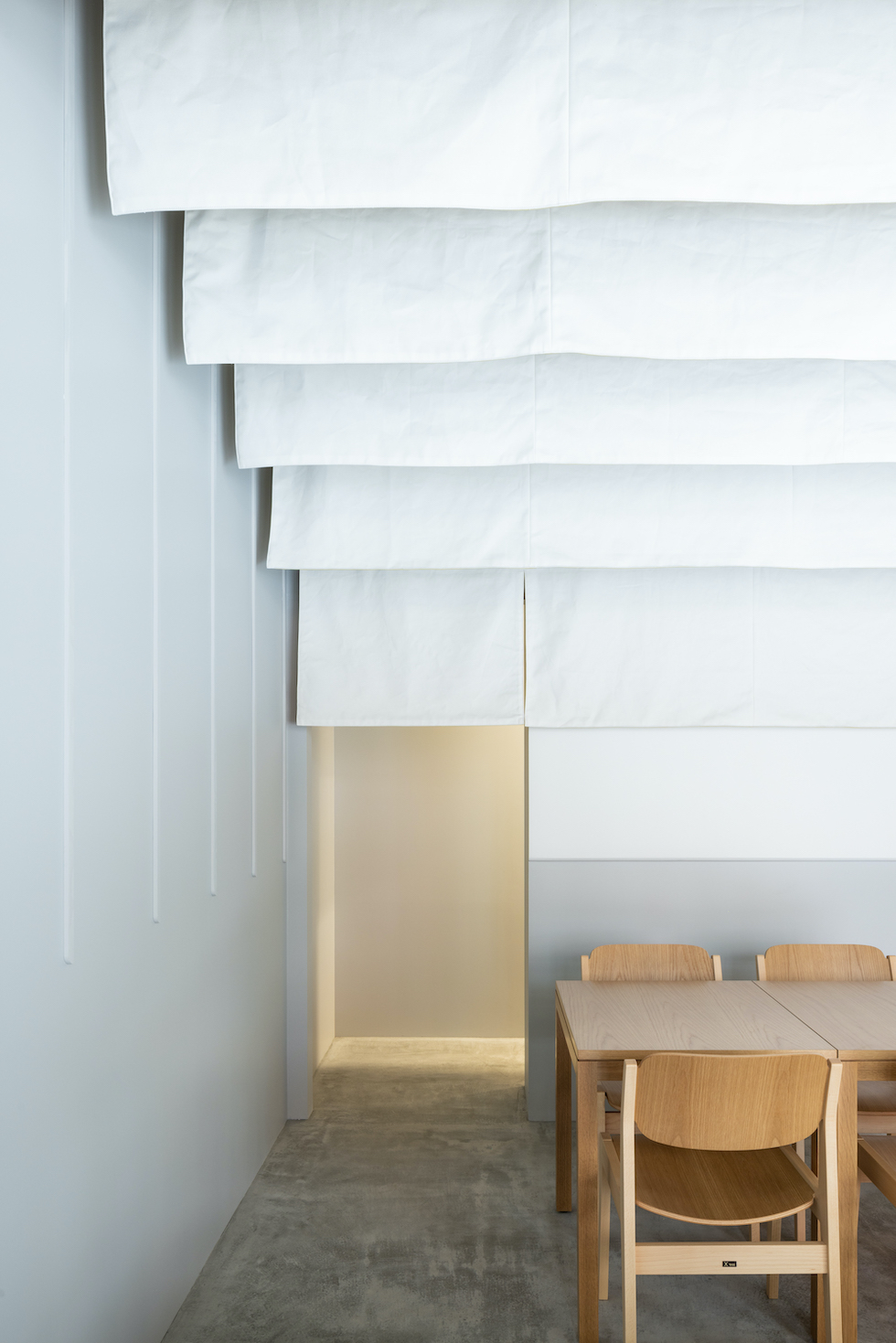
We focused on the "noren," a traditional blind curtain, to create a new look for the next 100 years while preserving 100 years of tradition. Originally installed at entrances and exits to block sunlight or to shield people's eyes from the sun, the noren, which is a uniquely Japanese cultural element, began to incorporate unique designs such as family crests around the Kamakura period and began to function as a "media". The noren has become a common recognition among Japanese people that it is a sign that a store is open for business, and as the phrase "noren wo mamoru" ("to protect goodwill") suggests, it has become a special presence that includes time for those who are in the business of doing business. In this way, the noren displayed in front of the storefront is a symbol with multiple meanings, and we wanted to bring out the charm of the noren as an object by incorporating it into the interior design.
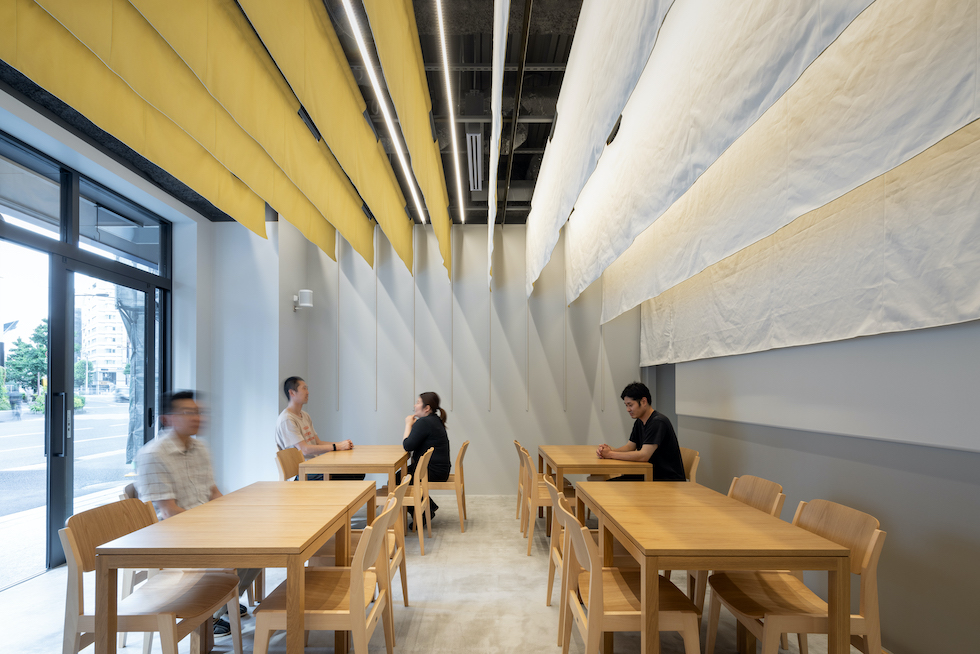
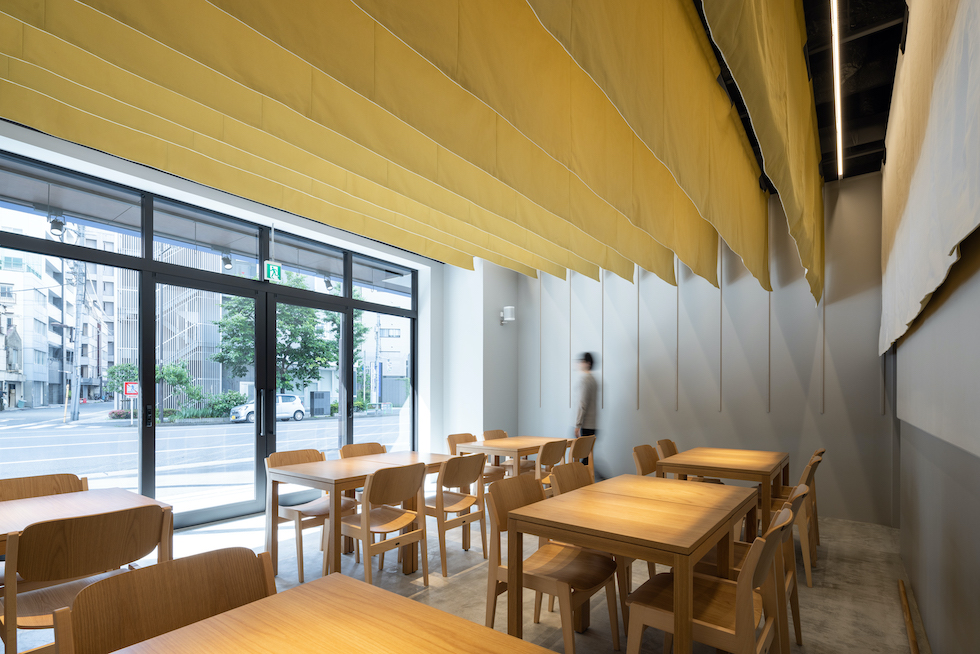
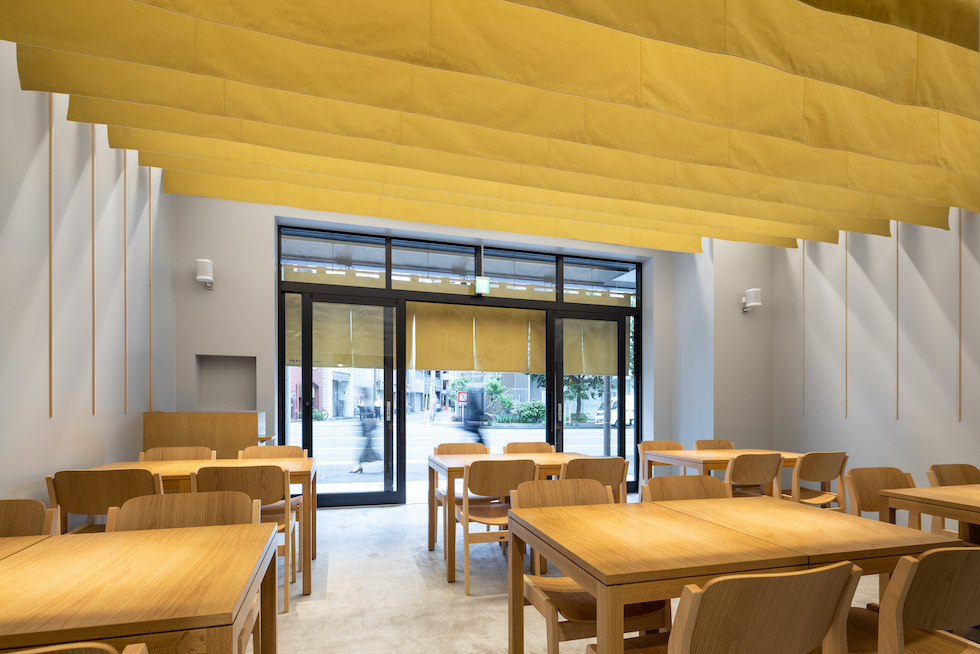
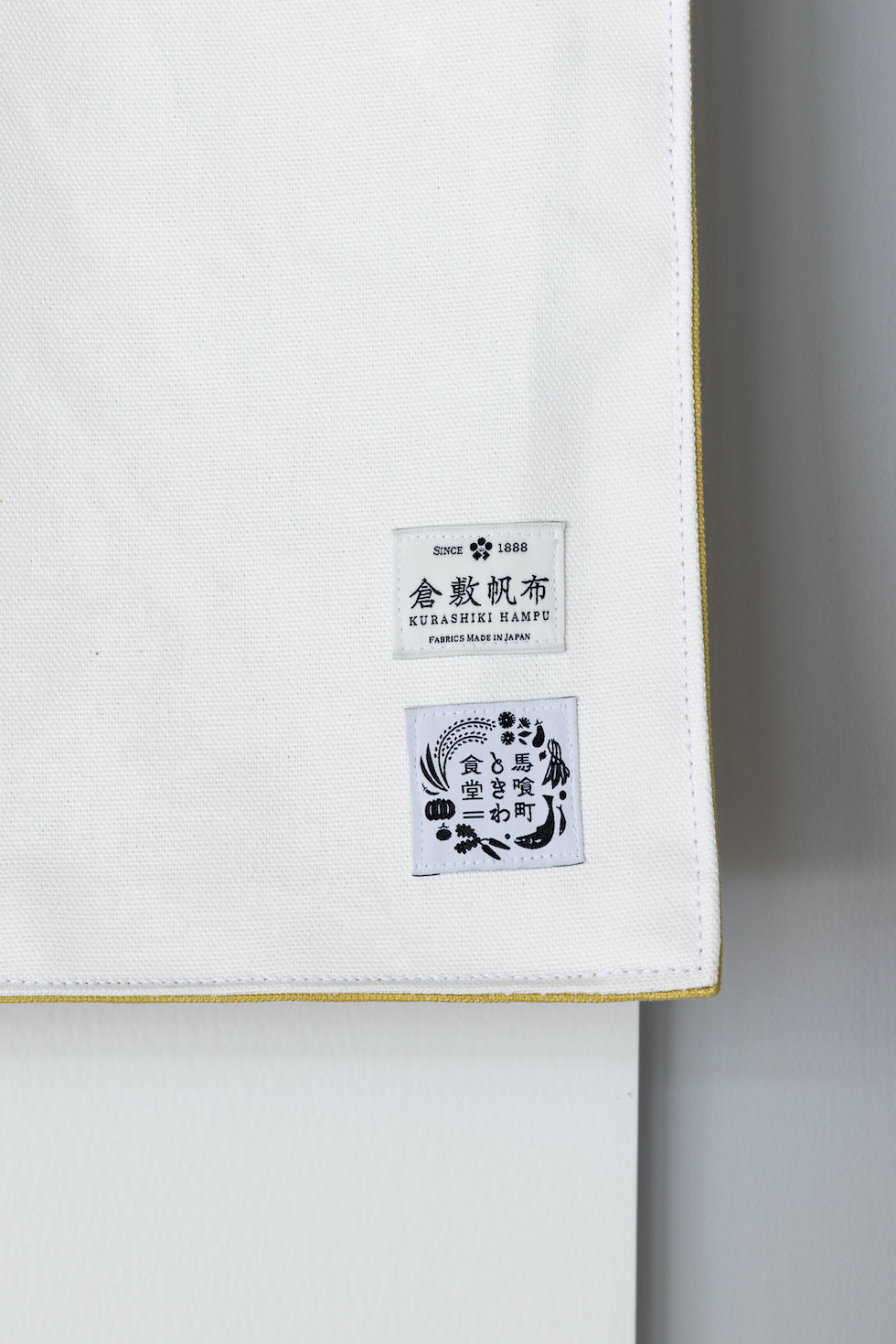
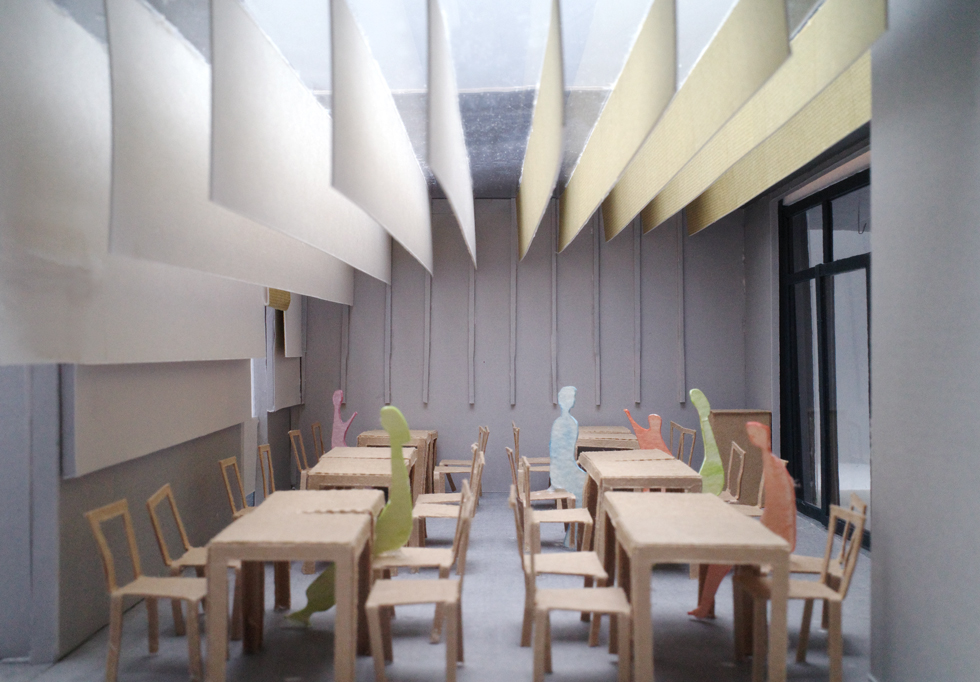
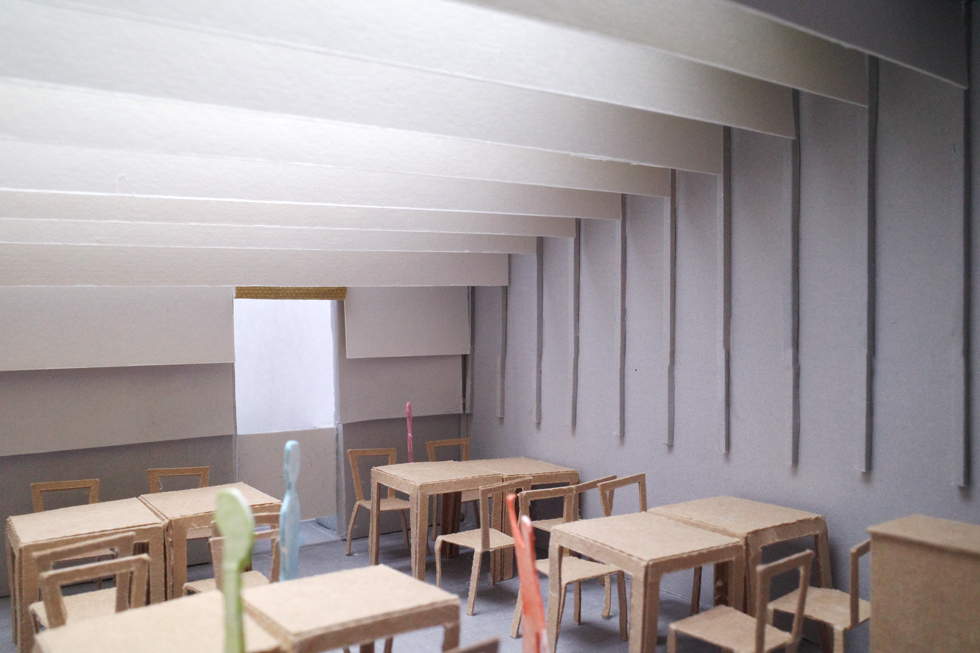
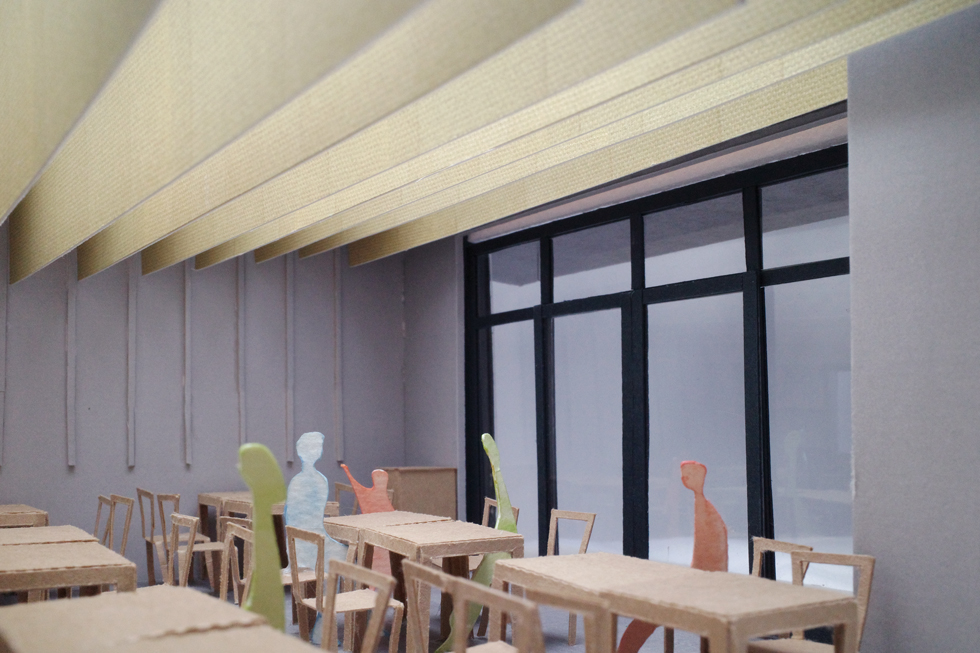
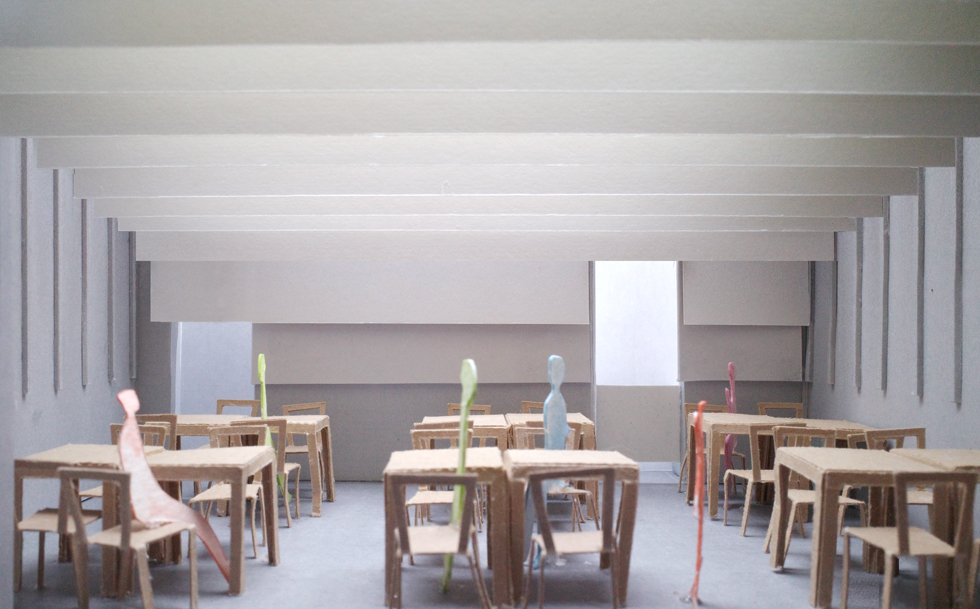
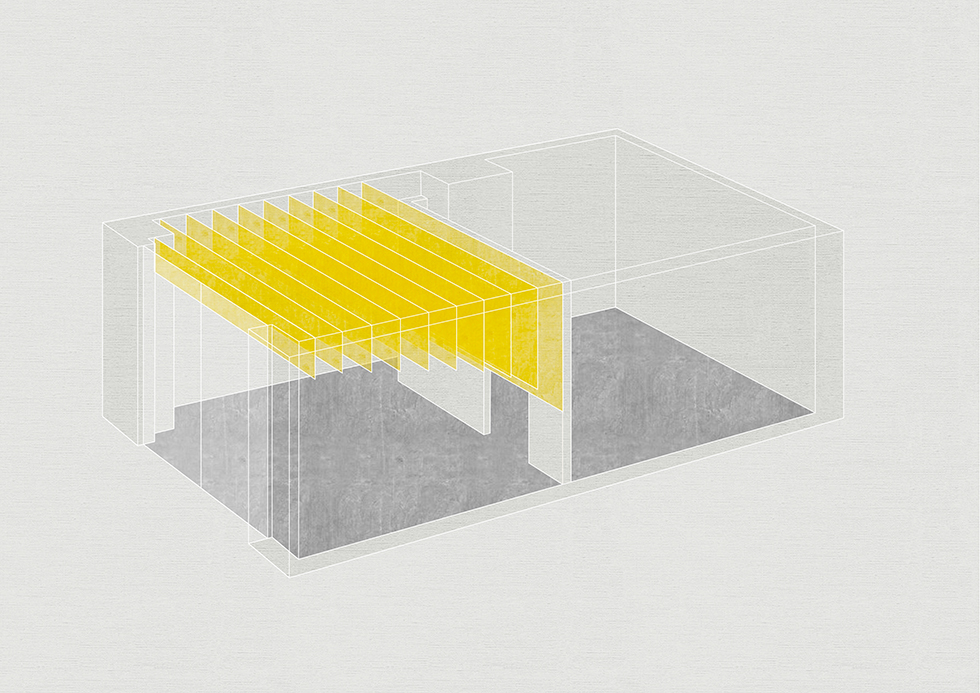
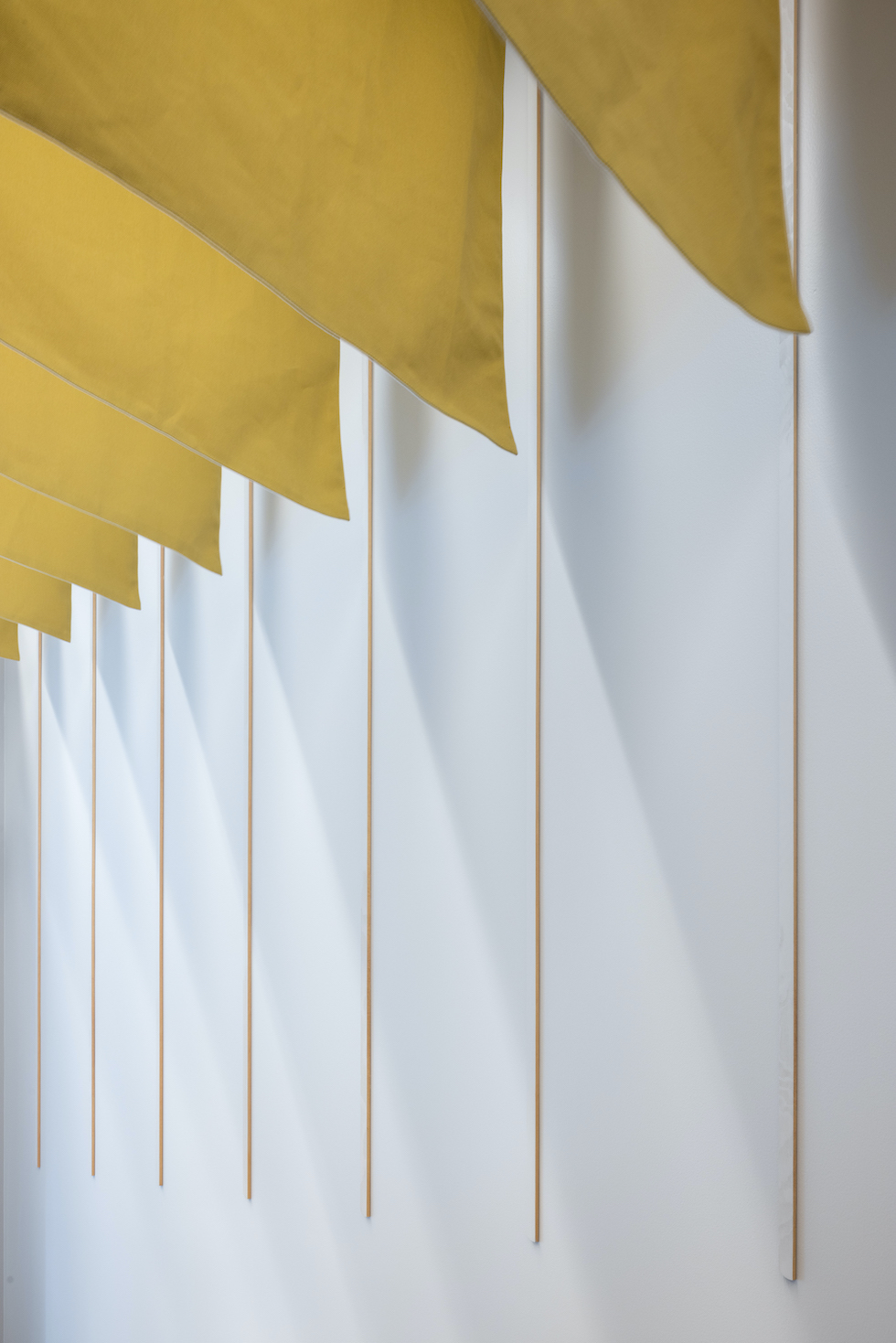
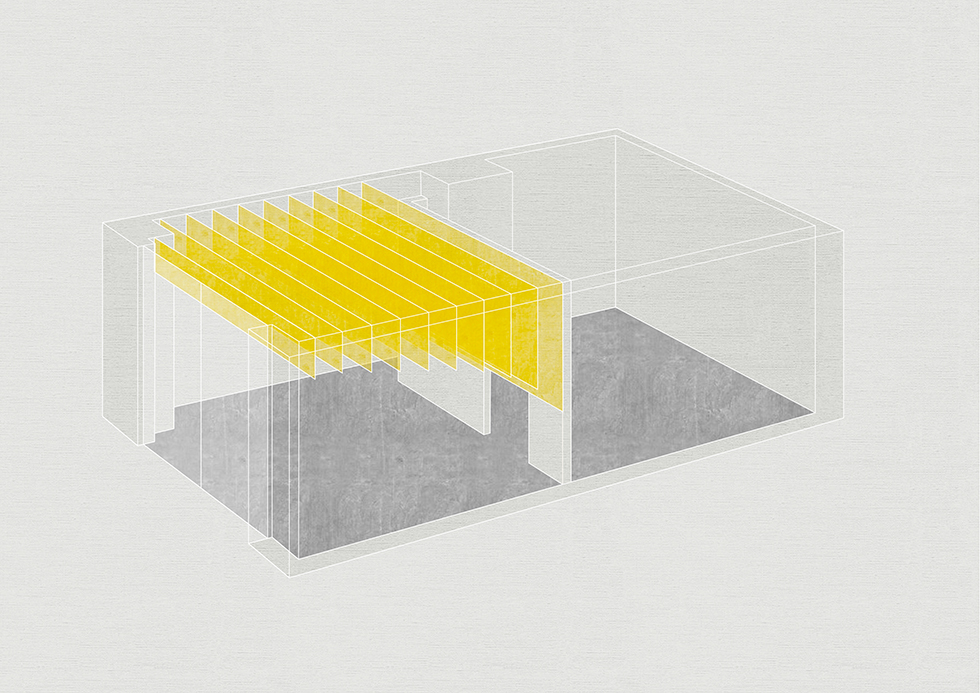
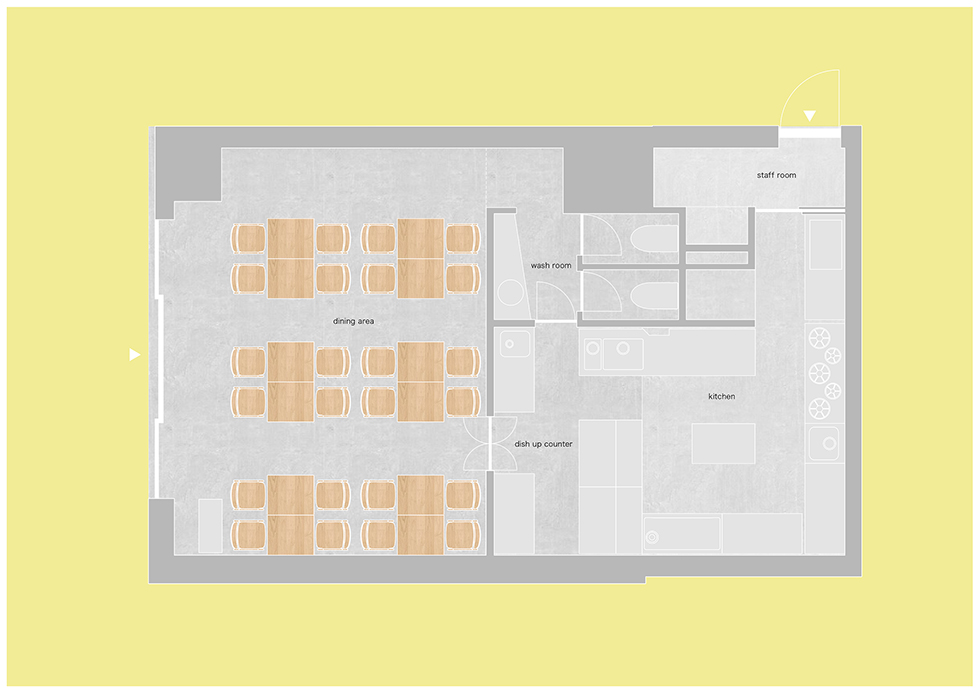
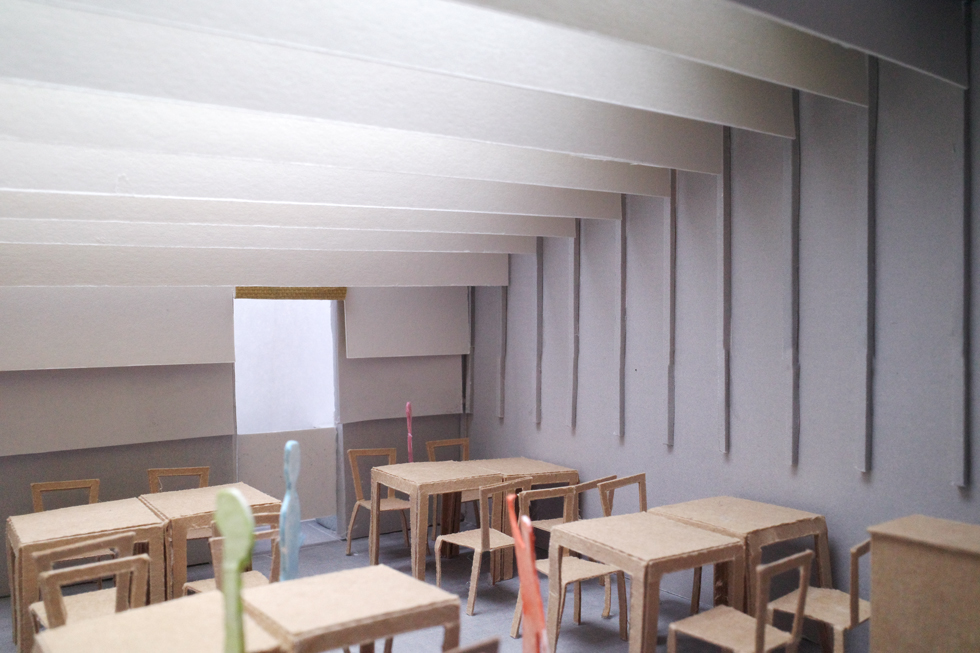
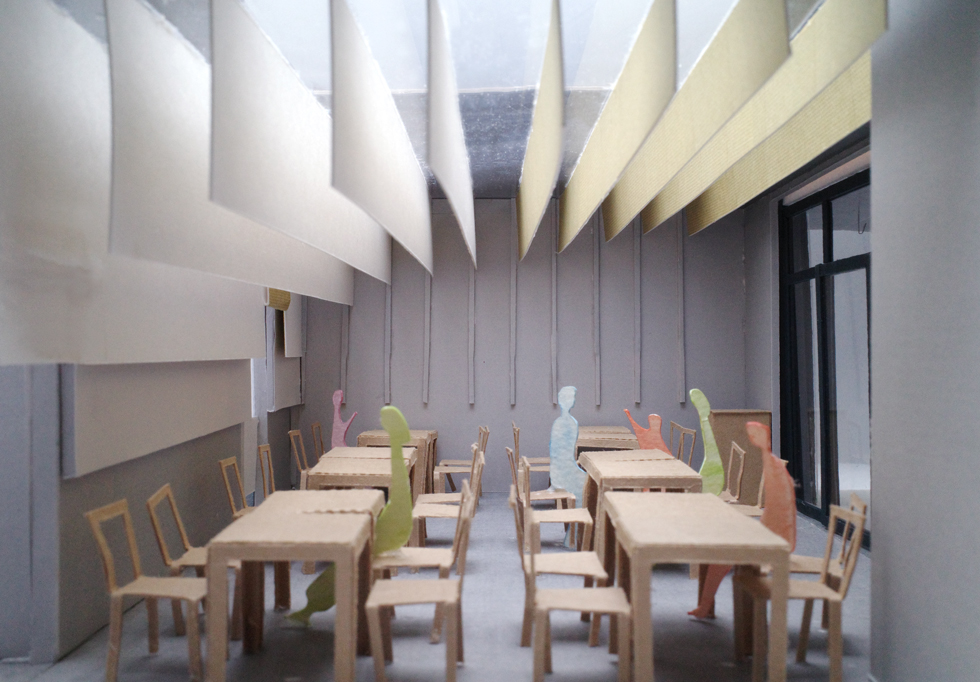
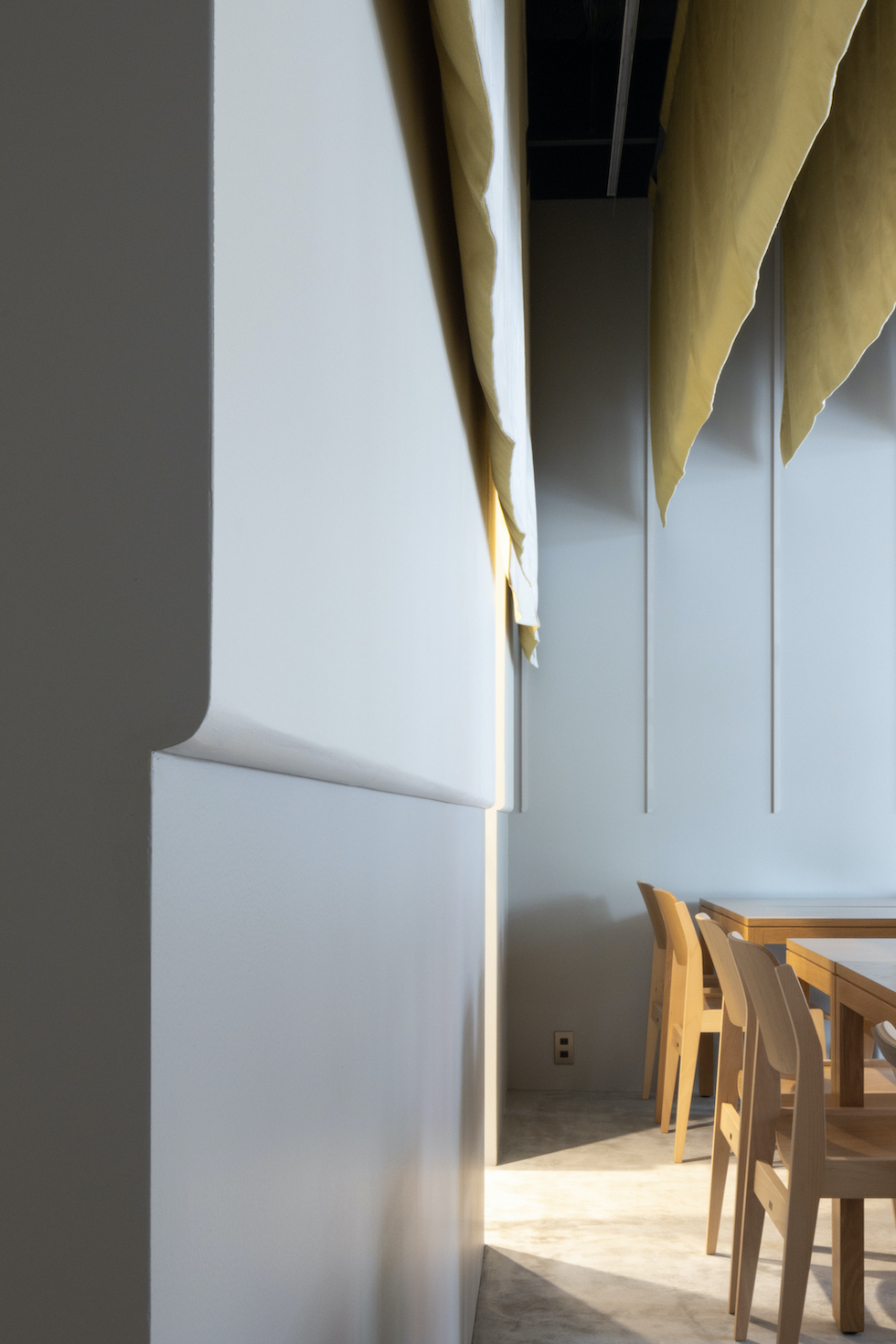
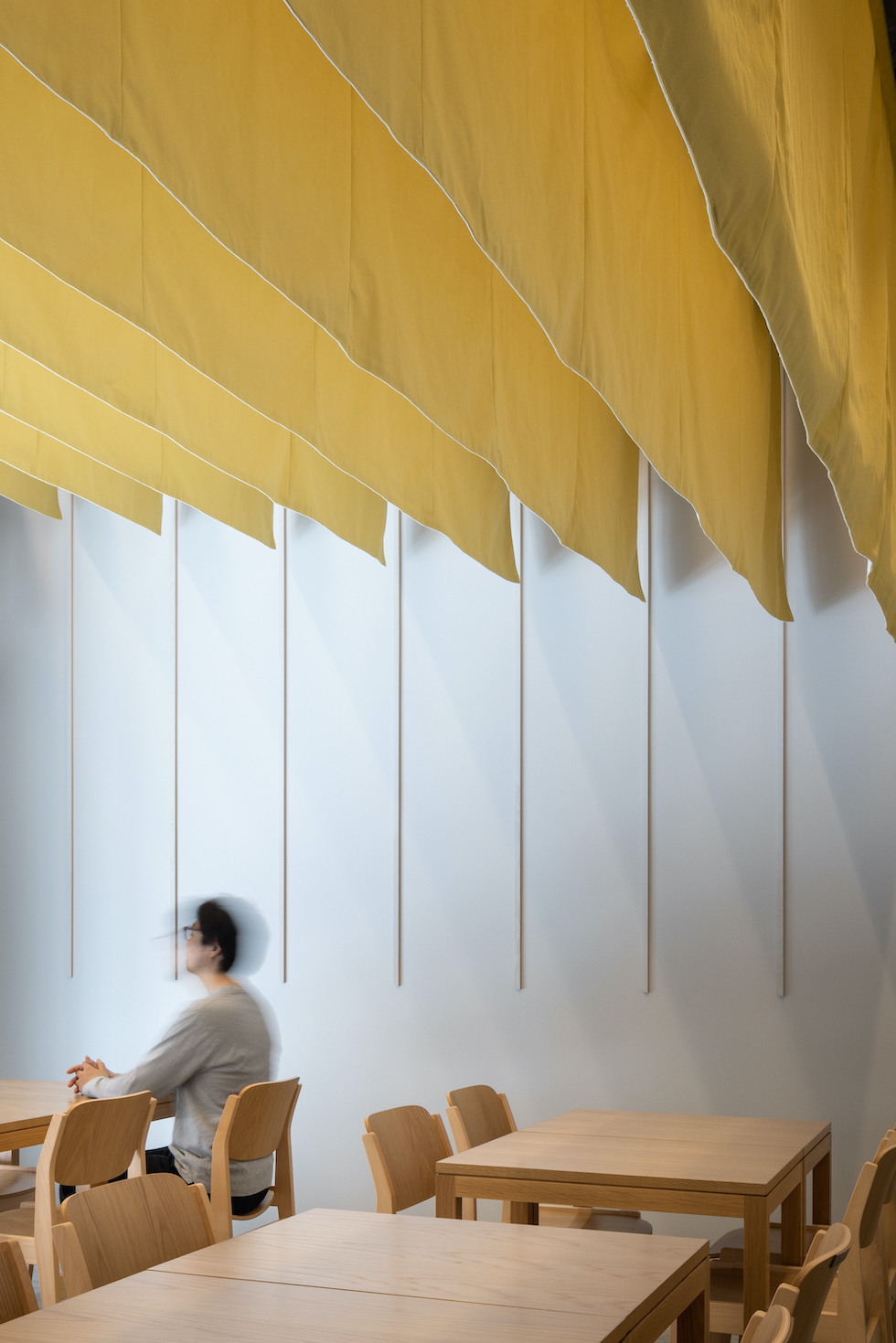
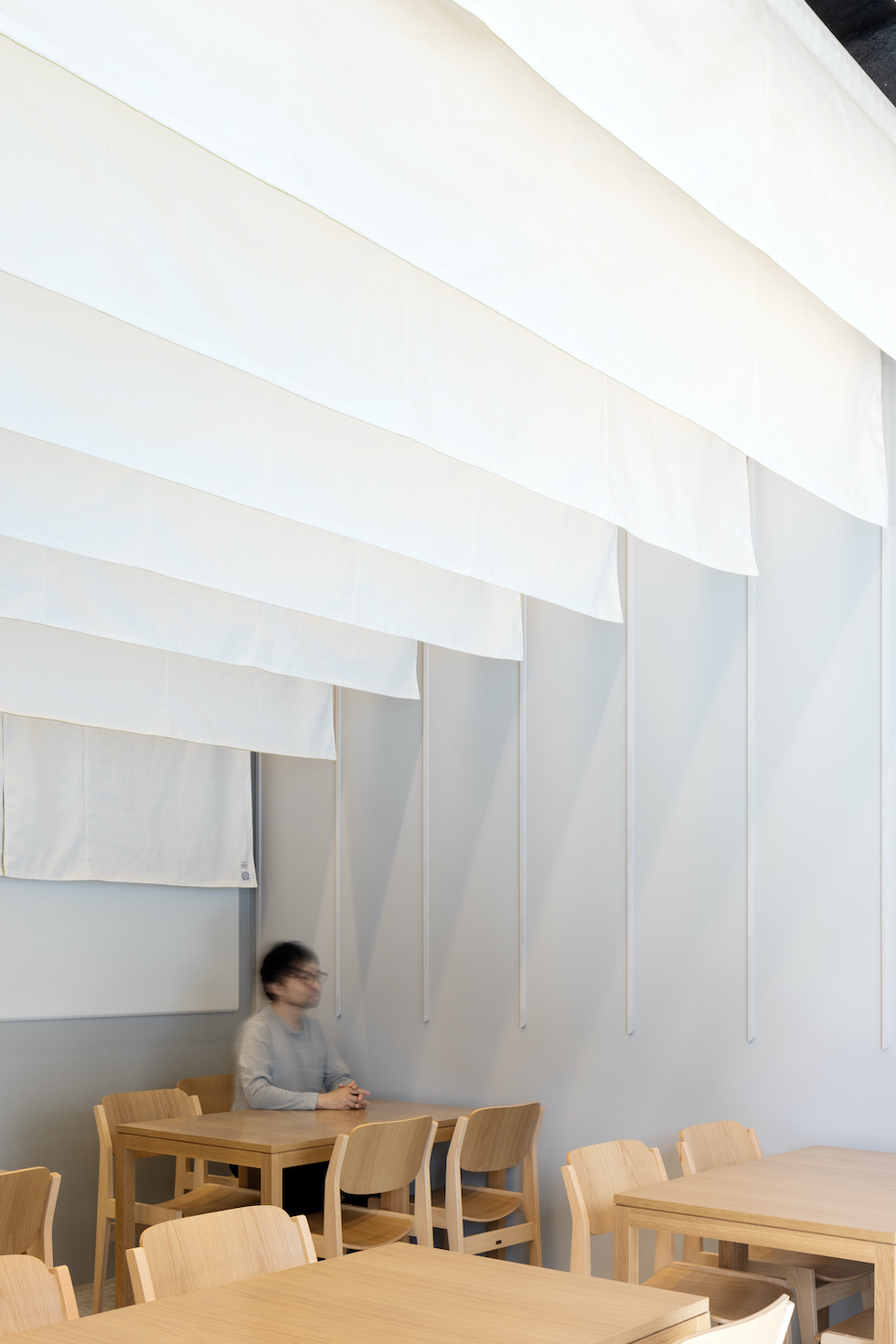
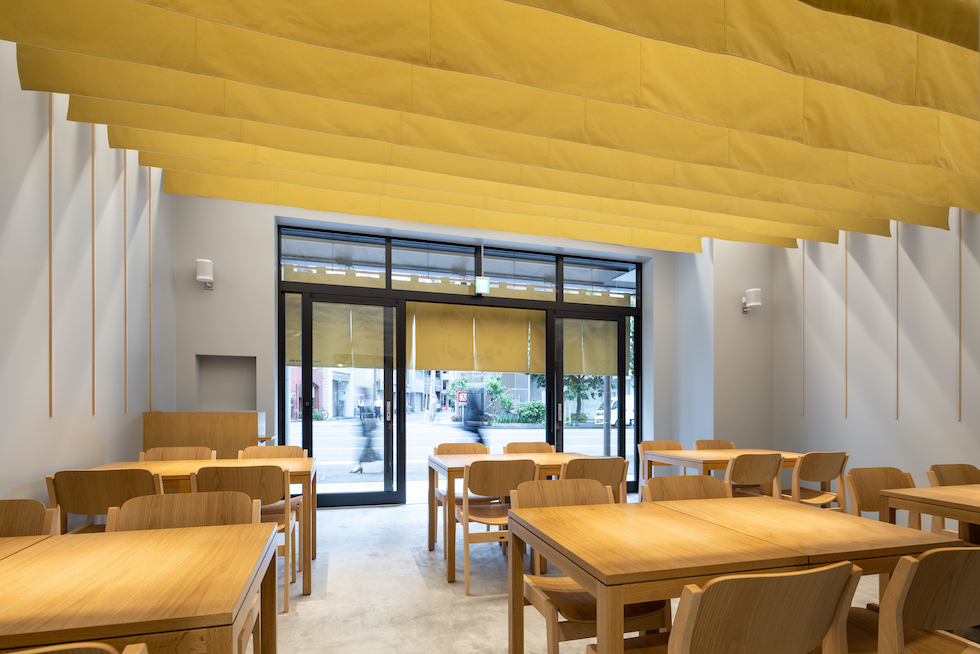
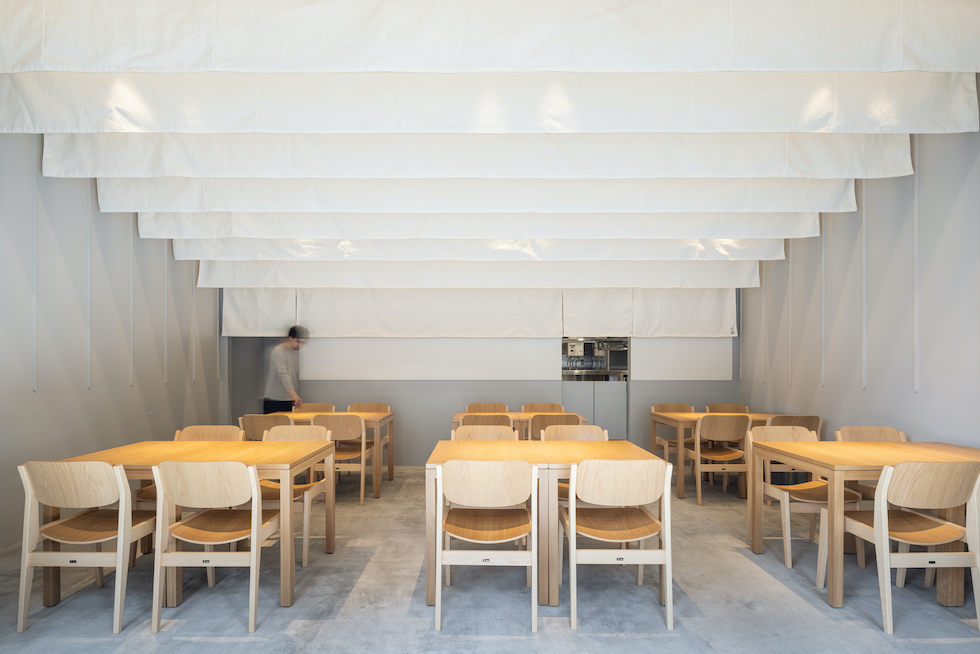
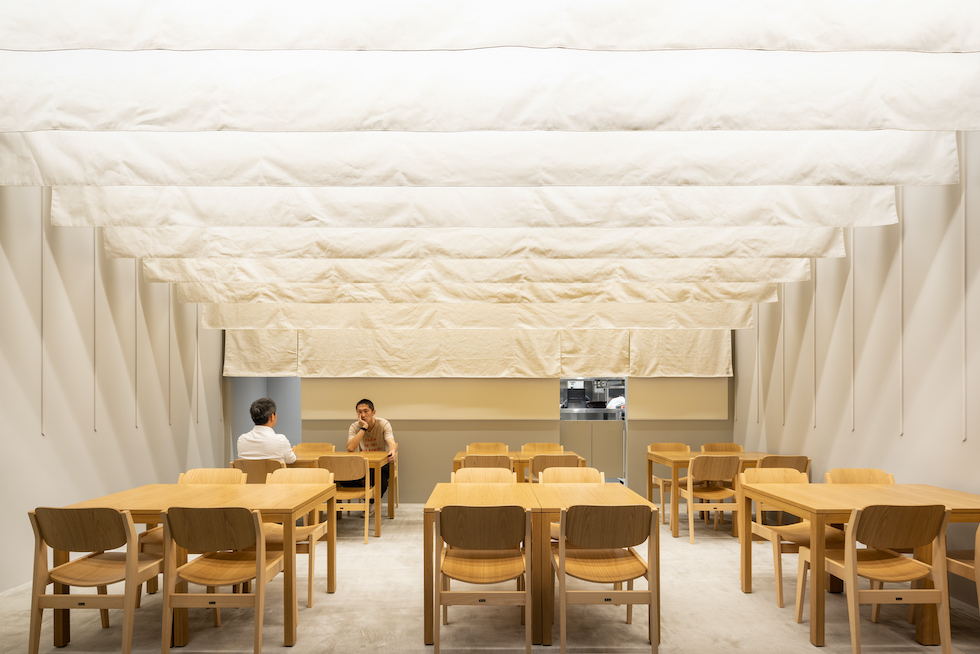
Ten large "noren" curtains are hung in a series of layers in the seating area. While a typical noren is made of No. 11 canvas, the curtains used for the interior are made of thicker No. 8 canvas, sewn together in a bag-like shape, and are very large and heavy, measuring 6 meters wide. These curtains are soft, yet have a sense of weight, and move when touched.
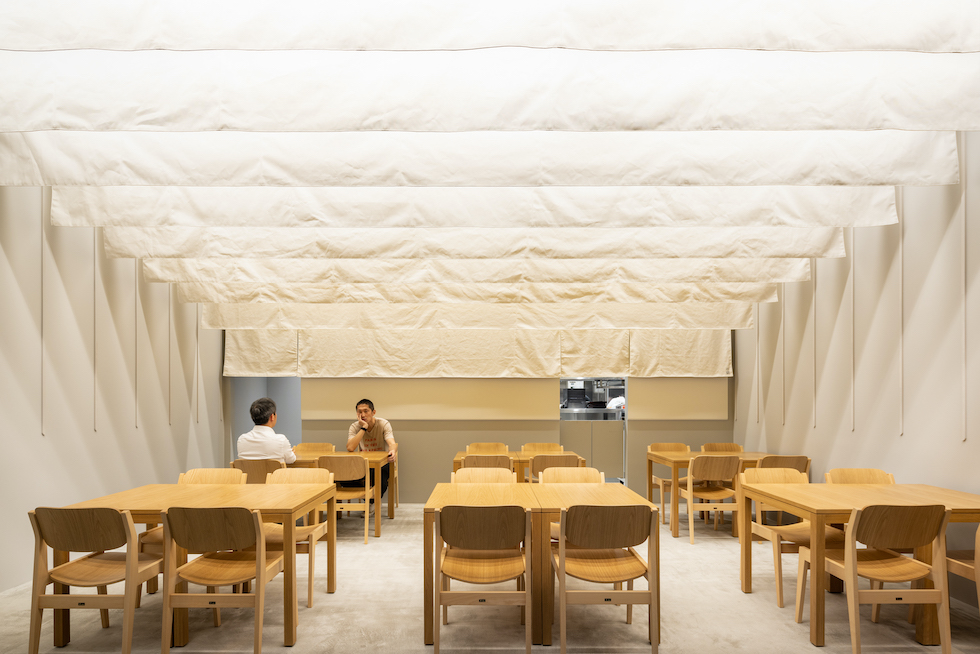
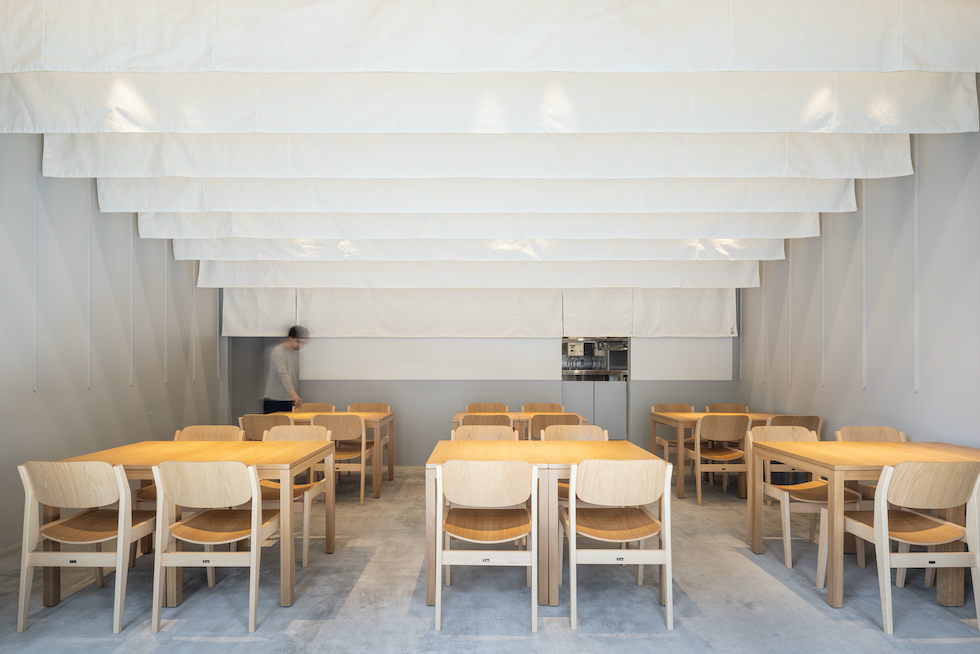
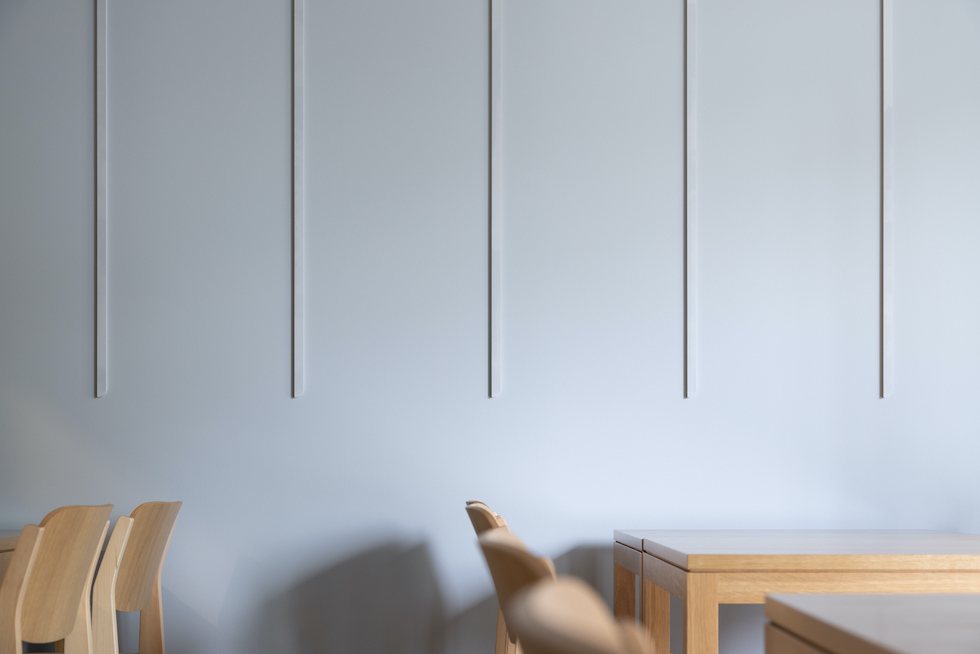
The front and back sides of the curtain are made of different colors of canvas, and the length of each side increases as one moves toward the back. The length of each side is longer the further back you go. This gives a different impression when you stop by the restaurant from the street and when you take a seat or leave the restaurant after finishing your meal. The intention was to create a sense of space in the dining area, which tends to be a fixed background for dining. Unlike the hard, immobile wall surface, the noren, which sways slowly when people actually move, is used to create a more relaxed atmosphere.
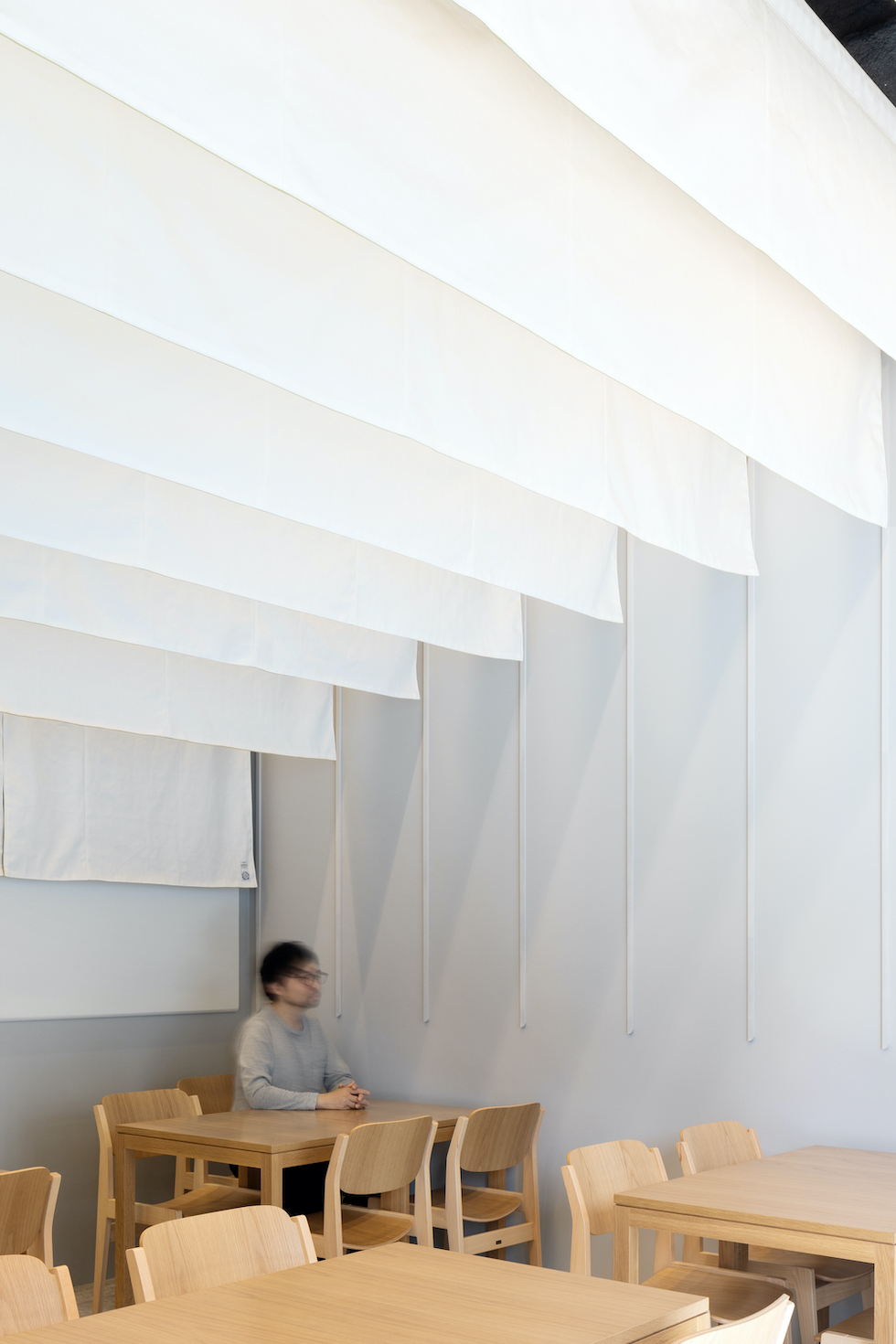
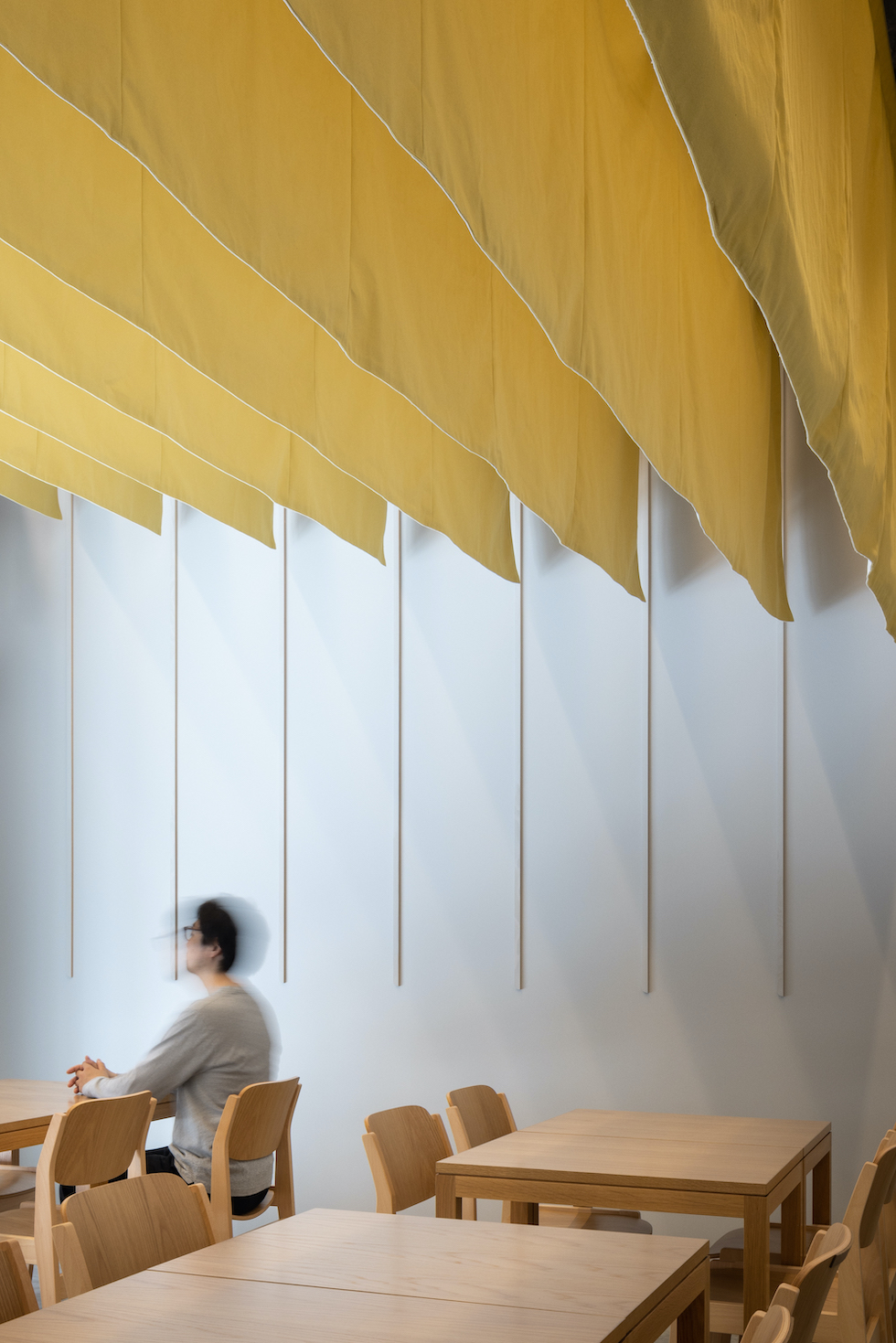
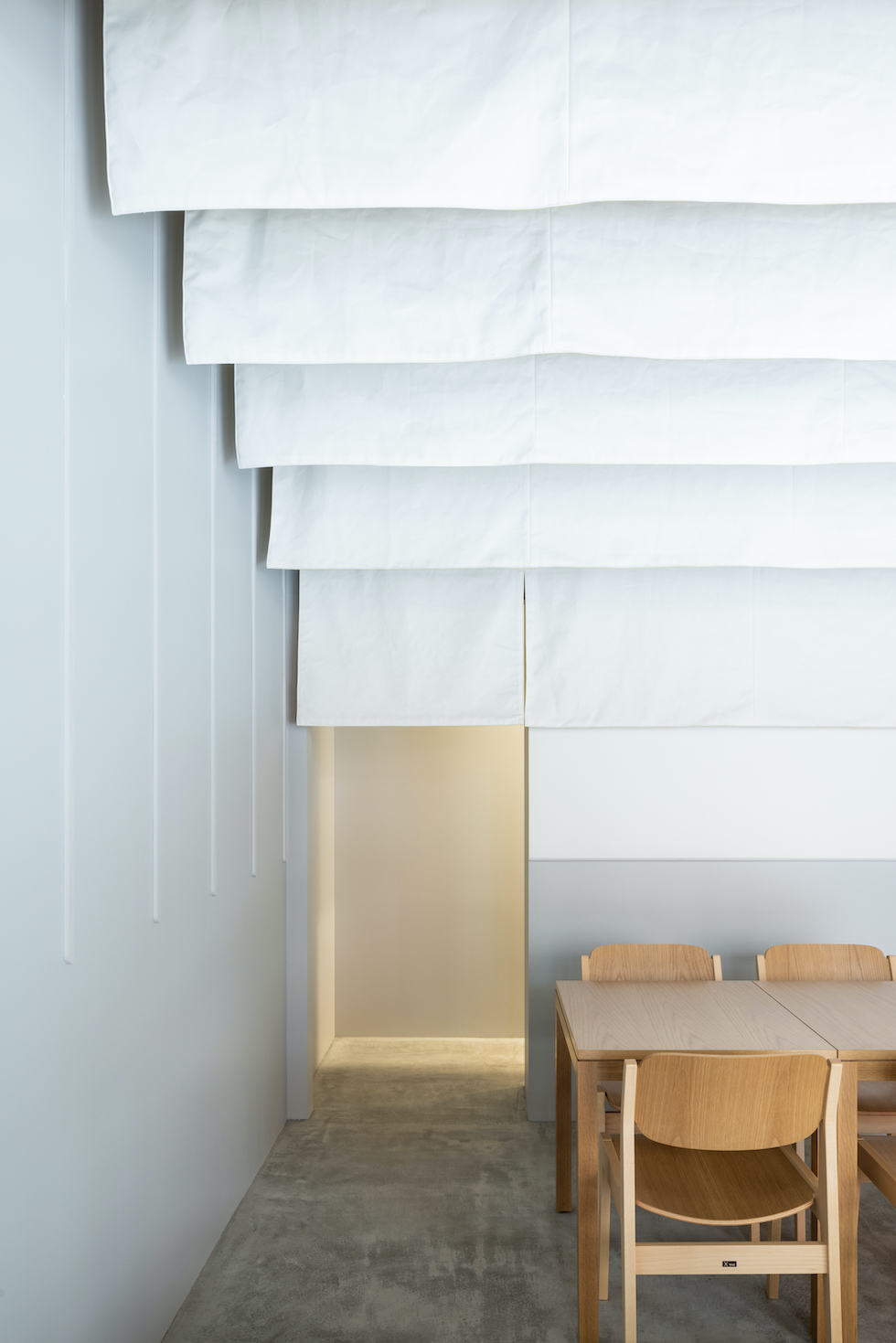
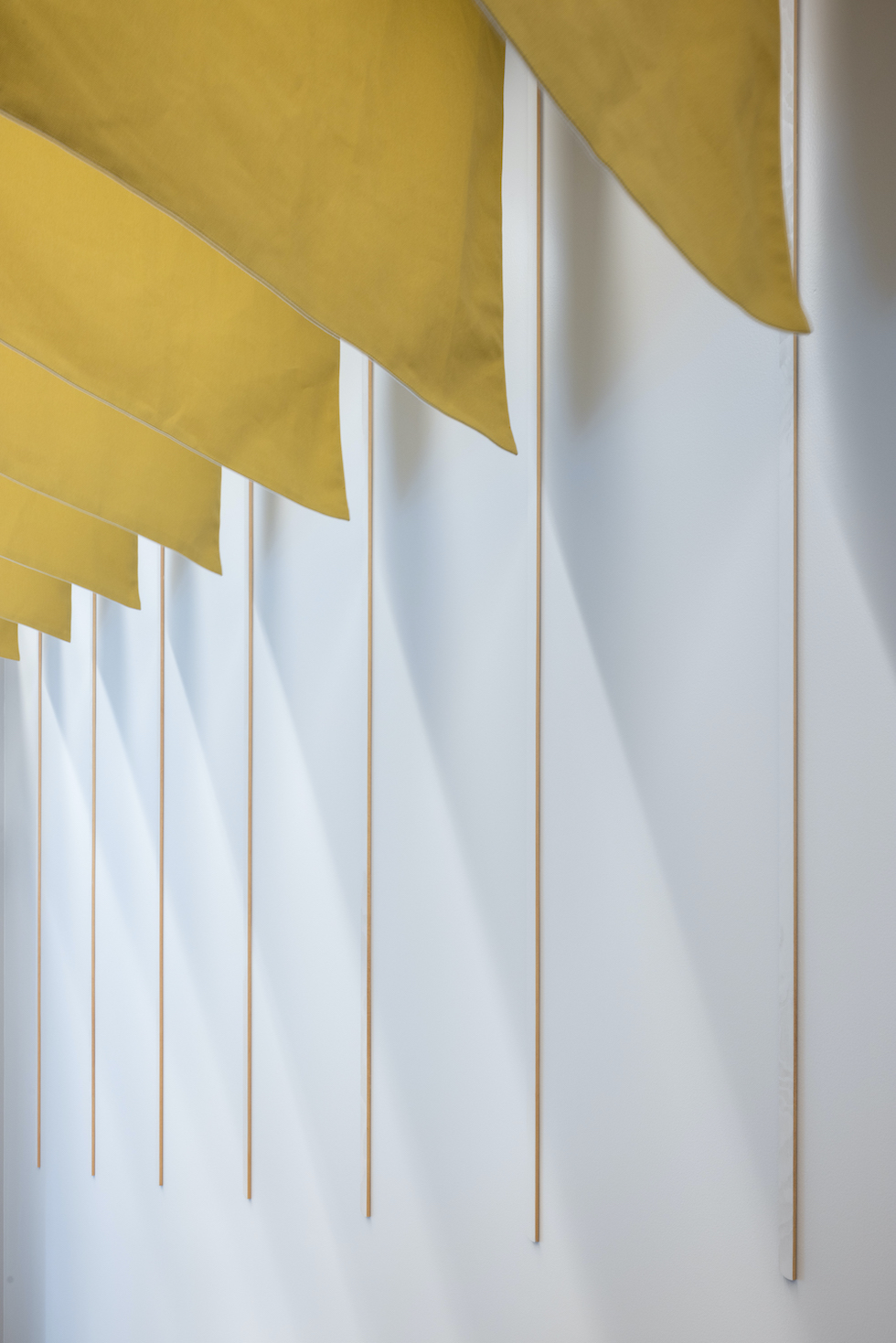
While respecting the tradition of the noren, we attempted to create a relationship between the noren and the architecture and interior design. We feel that we were able to embody the store's philosophy of "enriching daily life through Japanese culture" through Noren.
松延动力办公总部:从“理性研发场”到“感性社交域”的双层叙事丨北京格微建设工程有限公司
TRECA崔佧成都睡眠艺术馆 | 李想
ECCO创意新空间,一处为创意工作者而生的灵感孵化场丨红山设计
Restaurants in Bakurocho | UENOA

GREEN BASE | UENOA

SYNEGIC office | Fumie Horikoshi + Yoshinori Hasegawa / UENOA


Heidentempel Pavilion | Christoph Hesse Architects

昆山玉山书房设计,探索新型复合型书店的多种可能性丨GLC(中国)

HAY!YoungBirds! 2020年亚洲优秀青年大赛三强作品《削笔刀》设计师访谈

订阅我们的资讯
切勿错过全球大设计产业链大事件和重要设计资源公司和新产品的推荐
联系我们
举报
返回顶部