


Cycle and Pedestrian Crossing Over the Fareja Bridge | Rómulo Neto
Rómulo Neto ,发布时间2026-01-26 10:53:16





Architects: Rómulo Neto Arquitetos. Lead architect.- Rómulo de Almeida Neto.
Project team: Liliana Dias.
Collaborators: Engineering.- Eng. Pedro Grave.
Builder: MWT Metalworking Technologies.
Area / Dimensions: 375.00 m².
Dates: Completion.- 2024.
Location: Ponte da Fareja, M333, Vagos, Aveiro, Portugal.
Manufacturers:
Metal structure.- MWT Metalworking Technologies.
Permeable concrete.- Pavidren.
Wooden flooring.- R6 Living.
Photography: Ivo Tavares Studio.
版权声明:本链接内容均系版权方发布,版权属于 Rómulo Neto,编辑版本版权属于设计宇宙designverse,未经授权许可不得复制转载此链接内容。欢迎转发此链接。
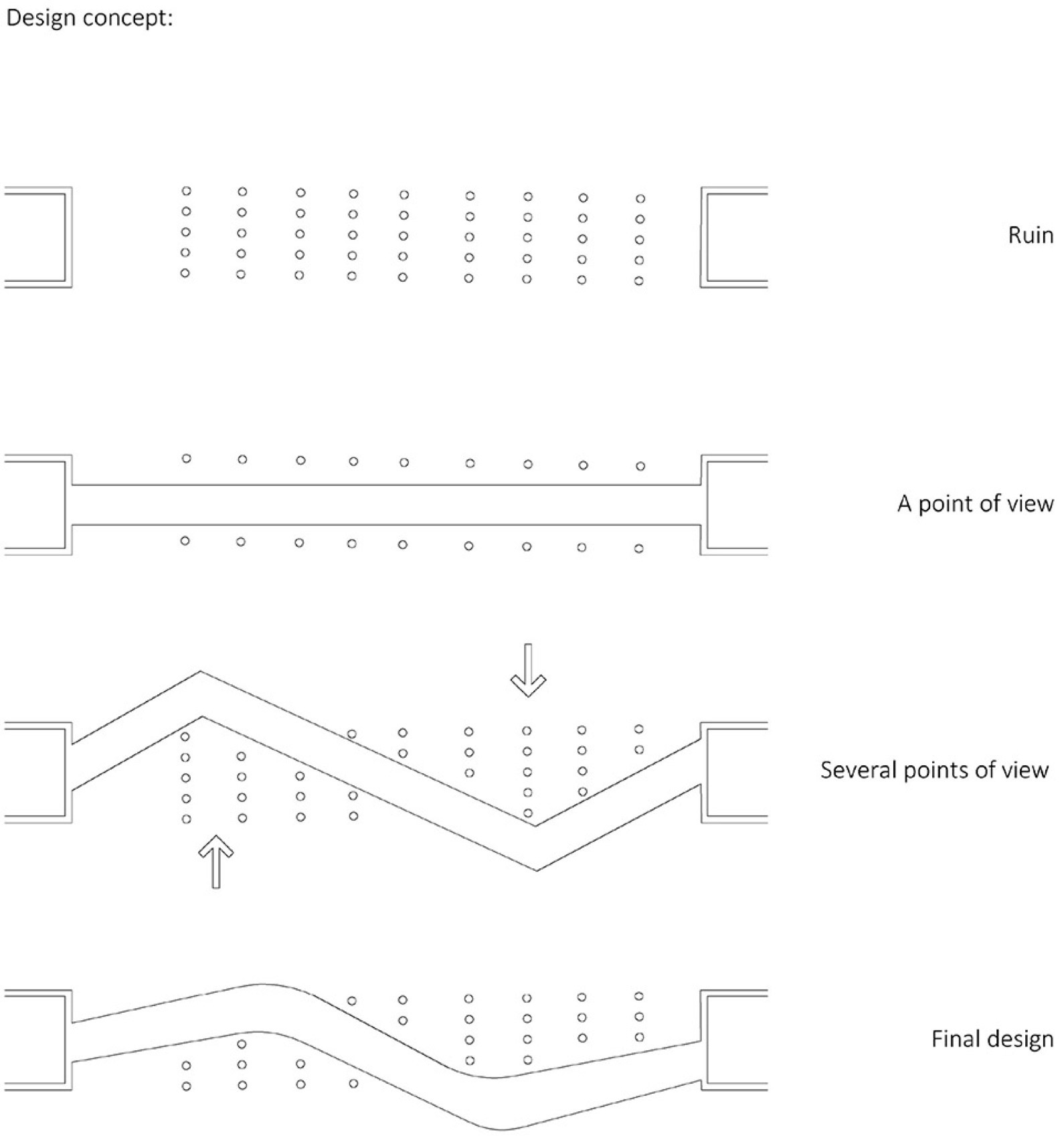
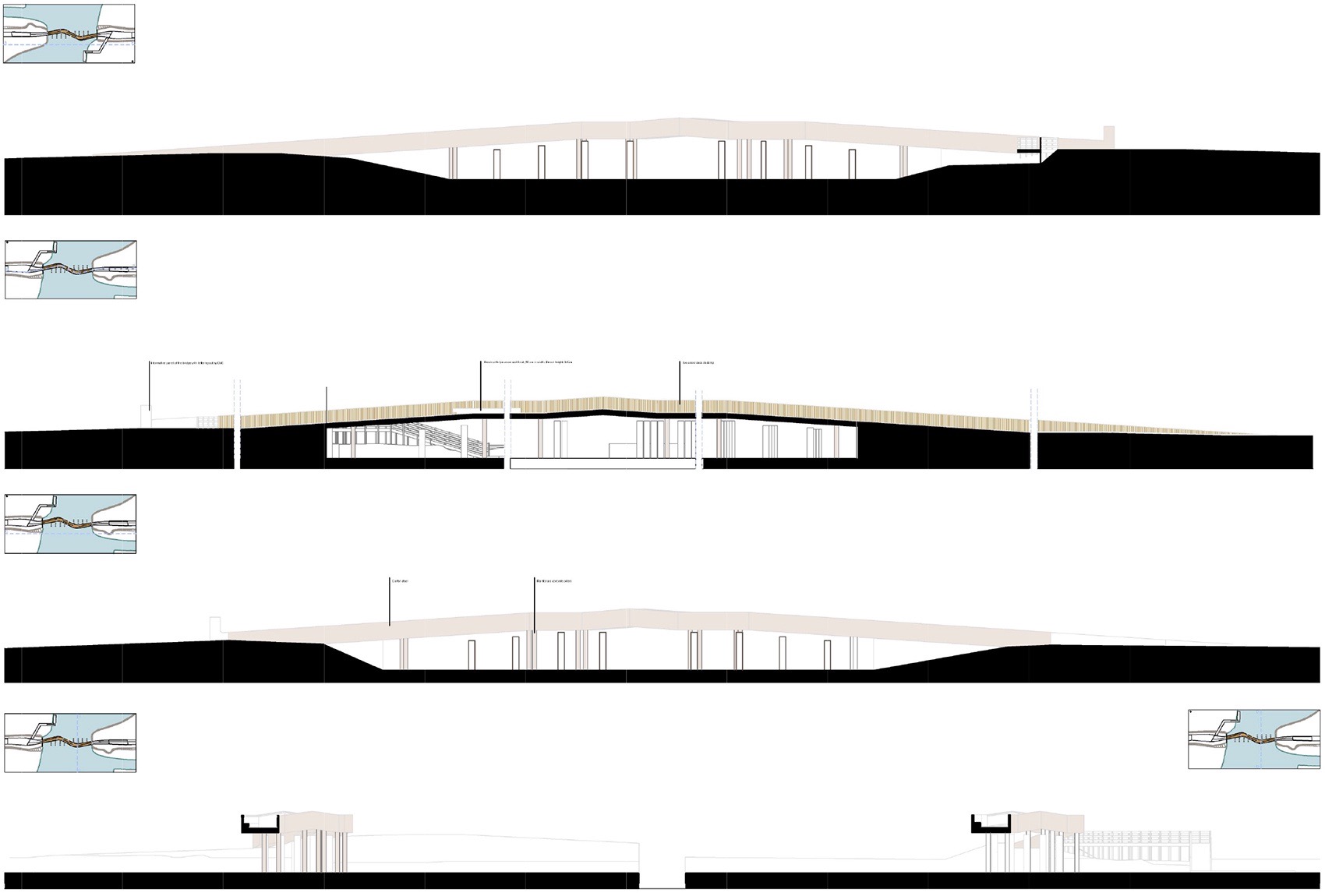
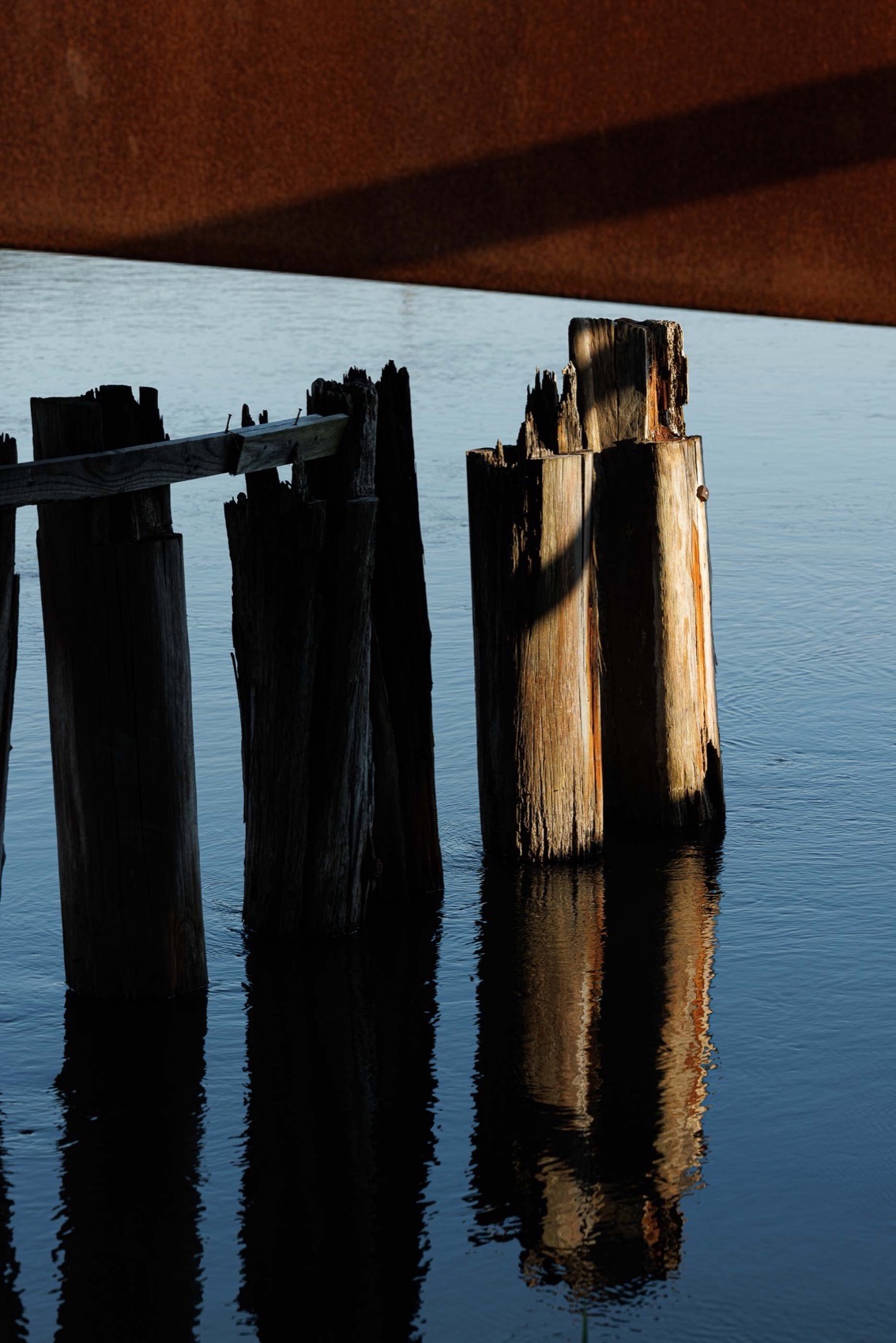
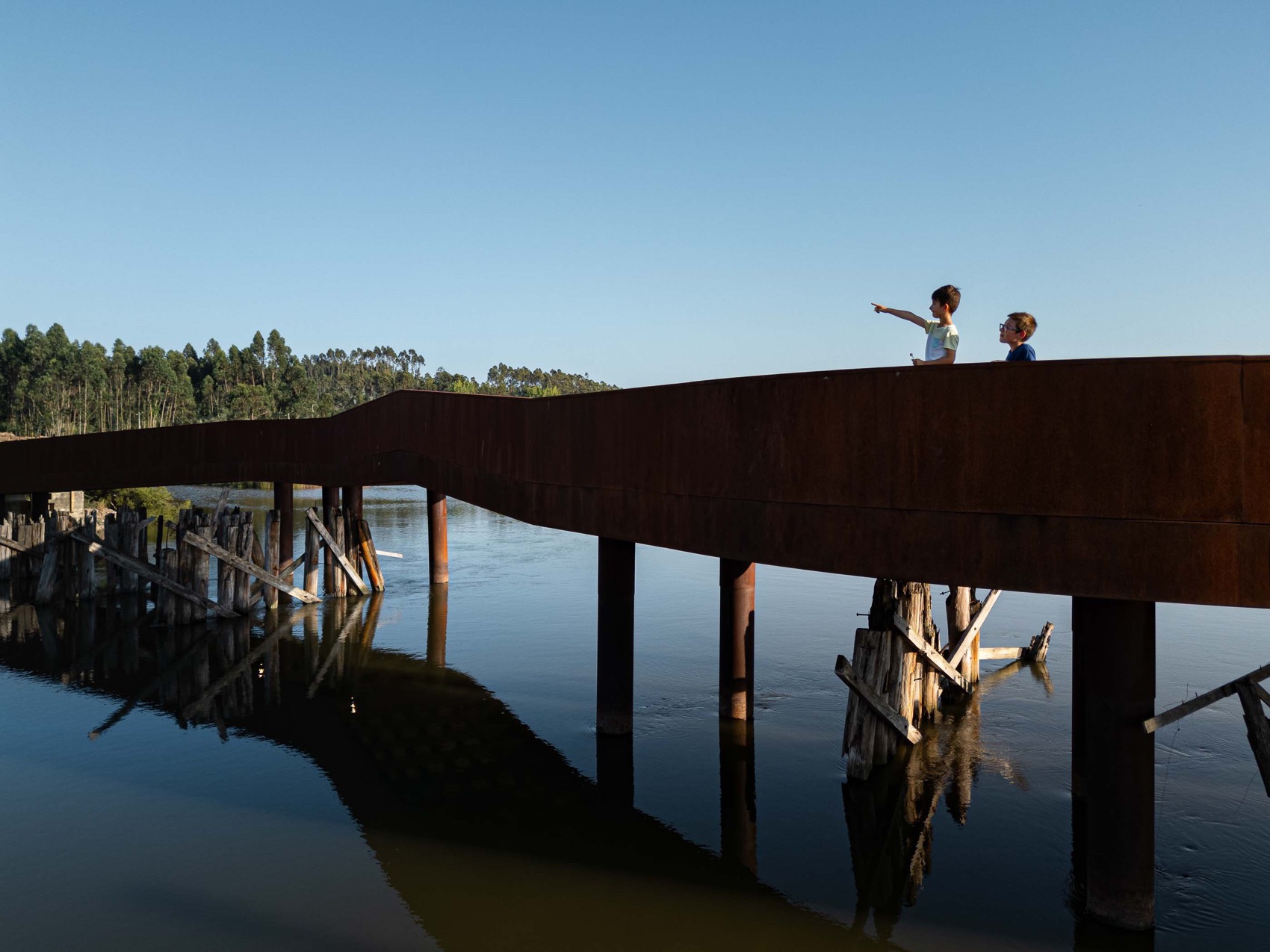
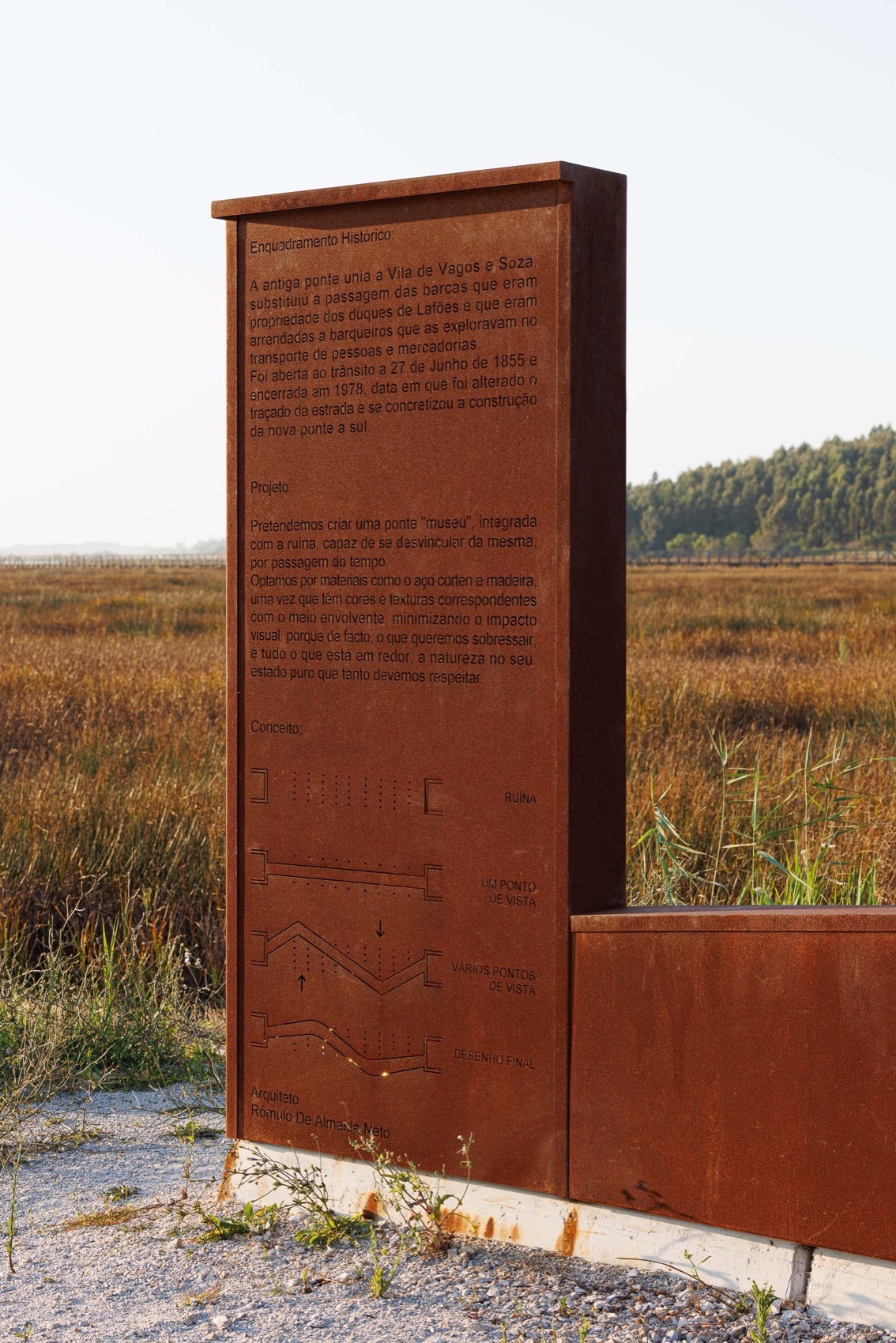
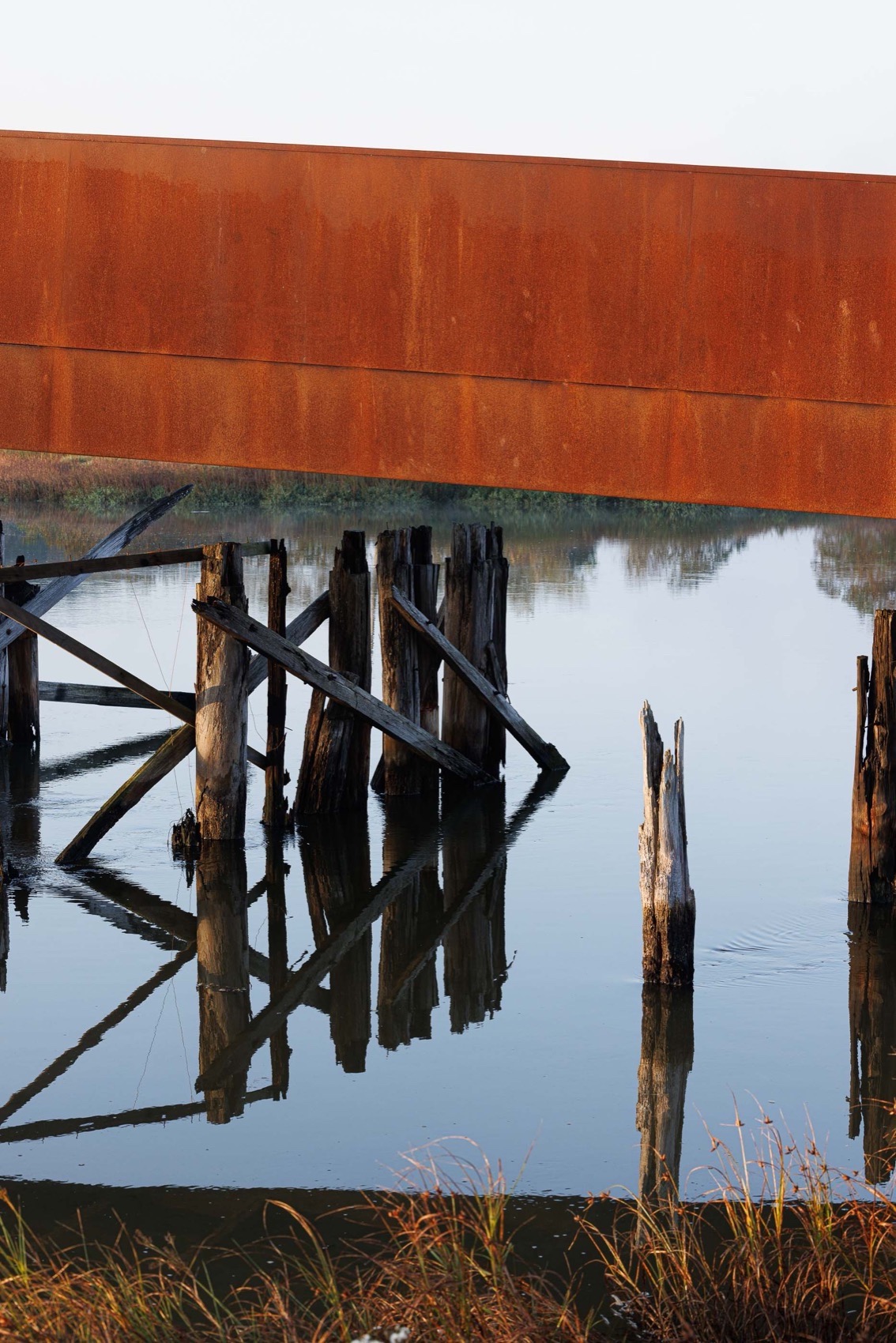
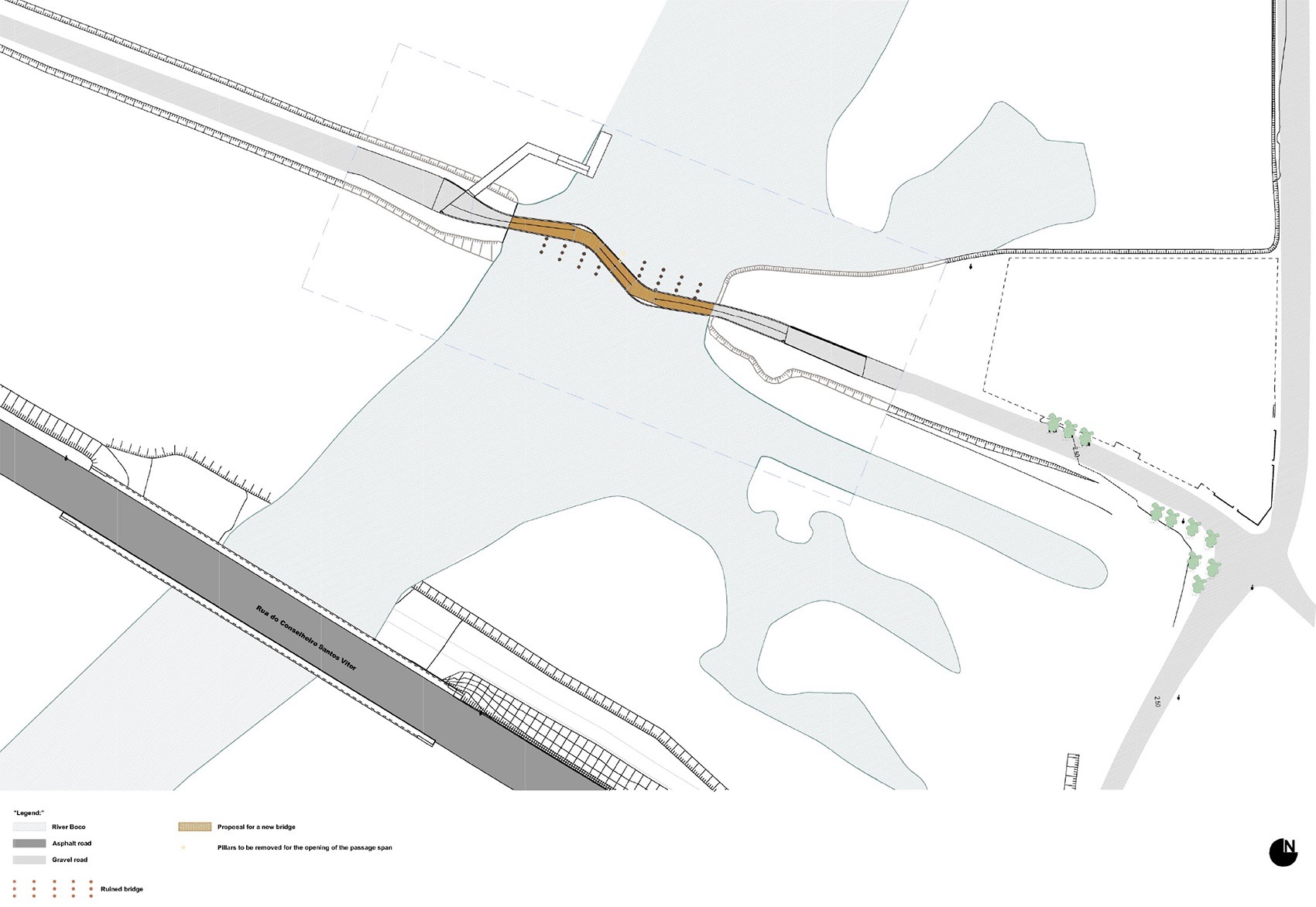
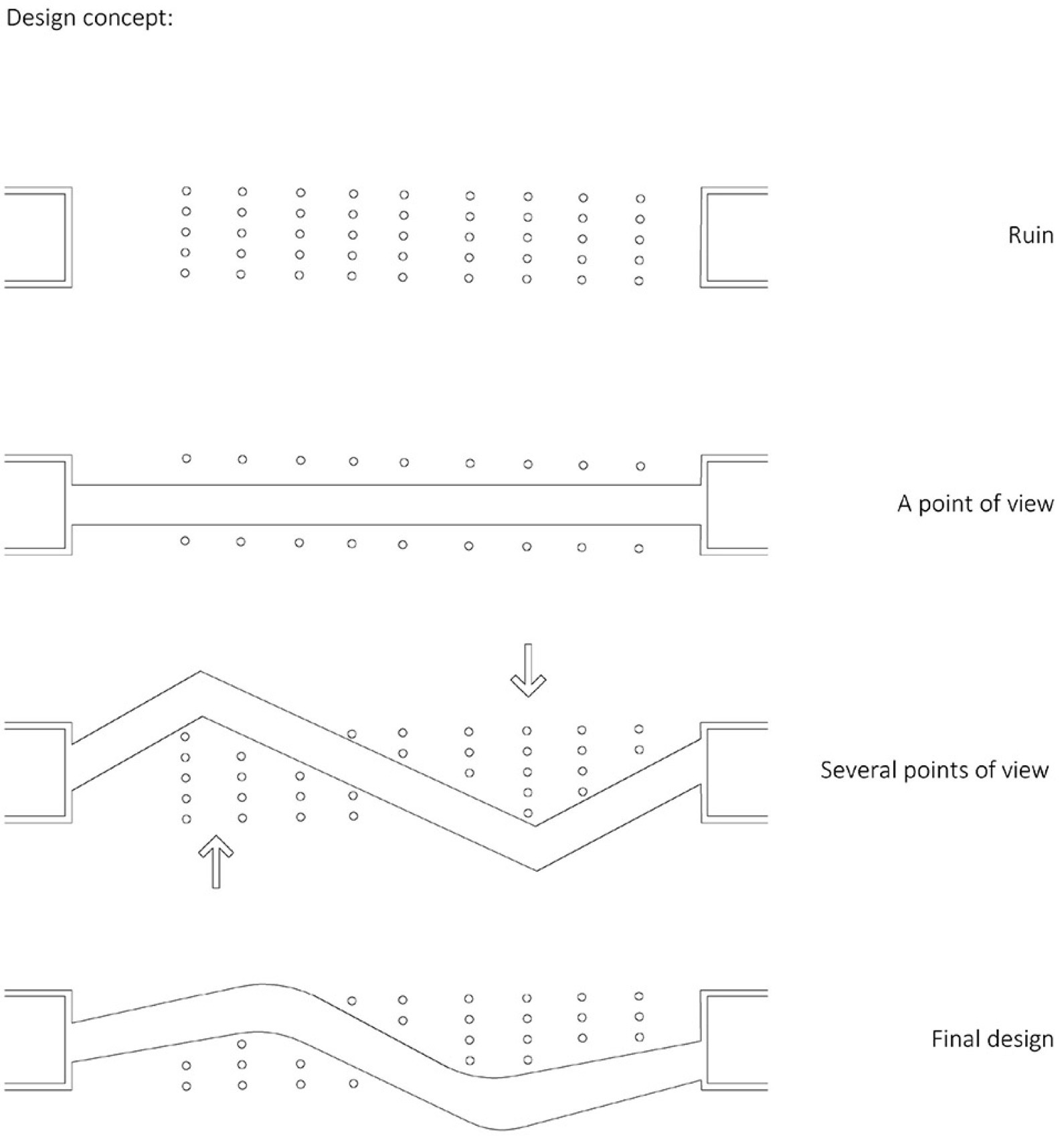
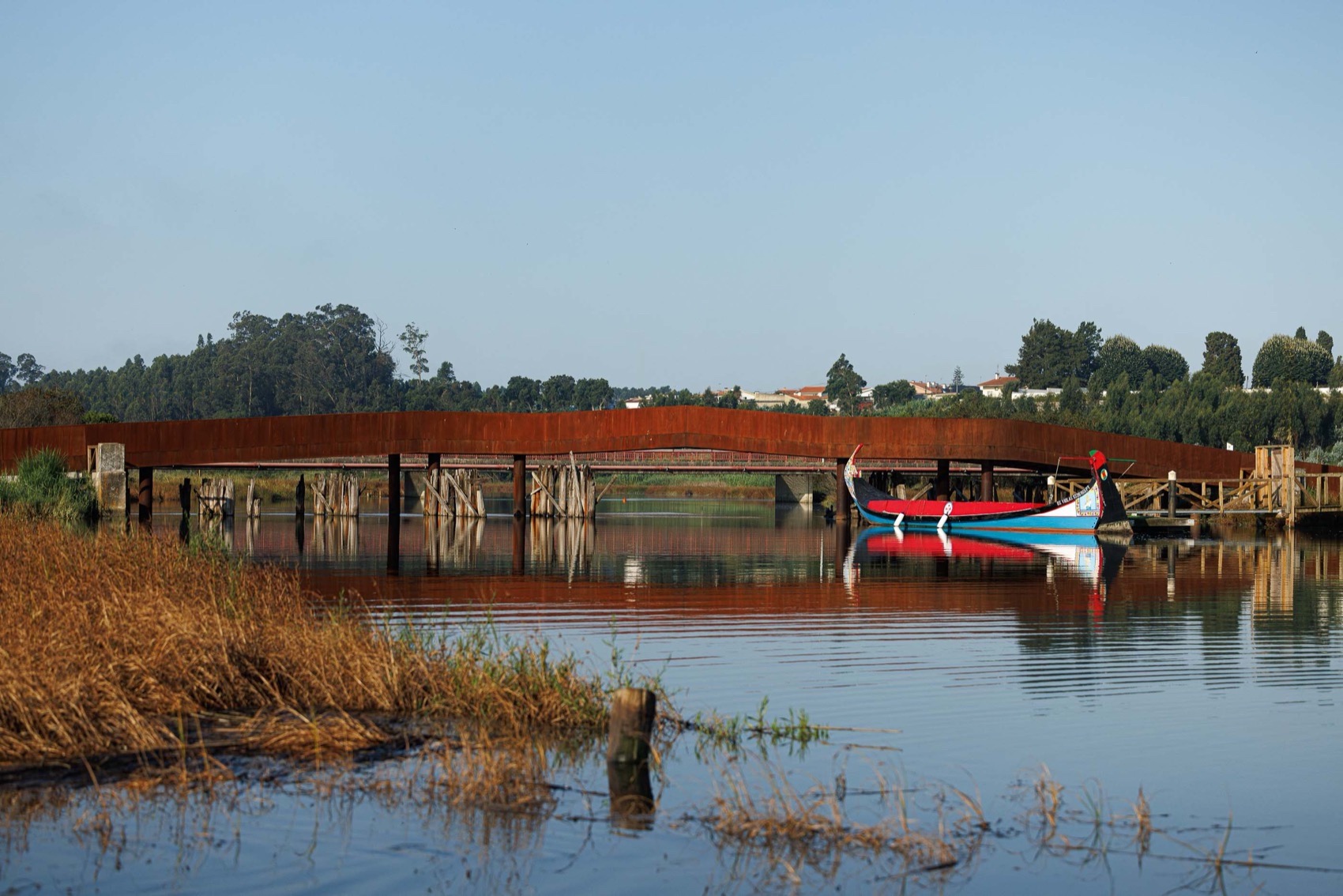
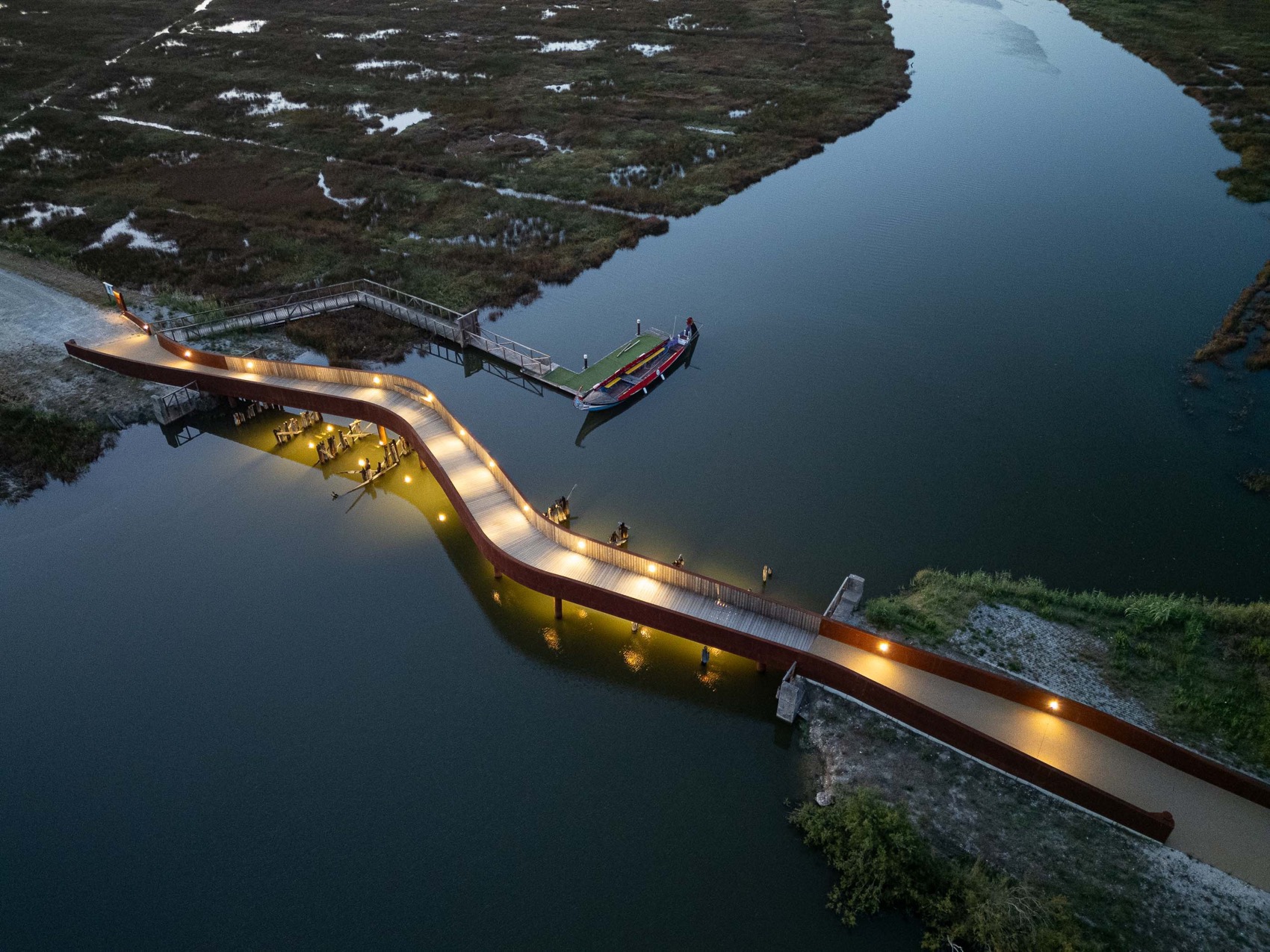
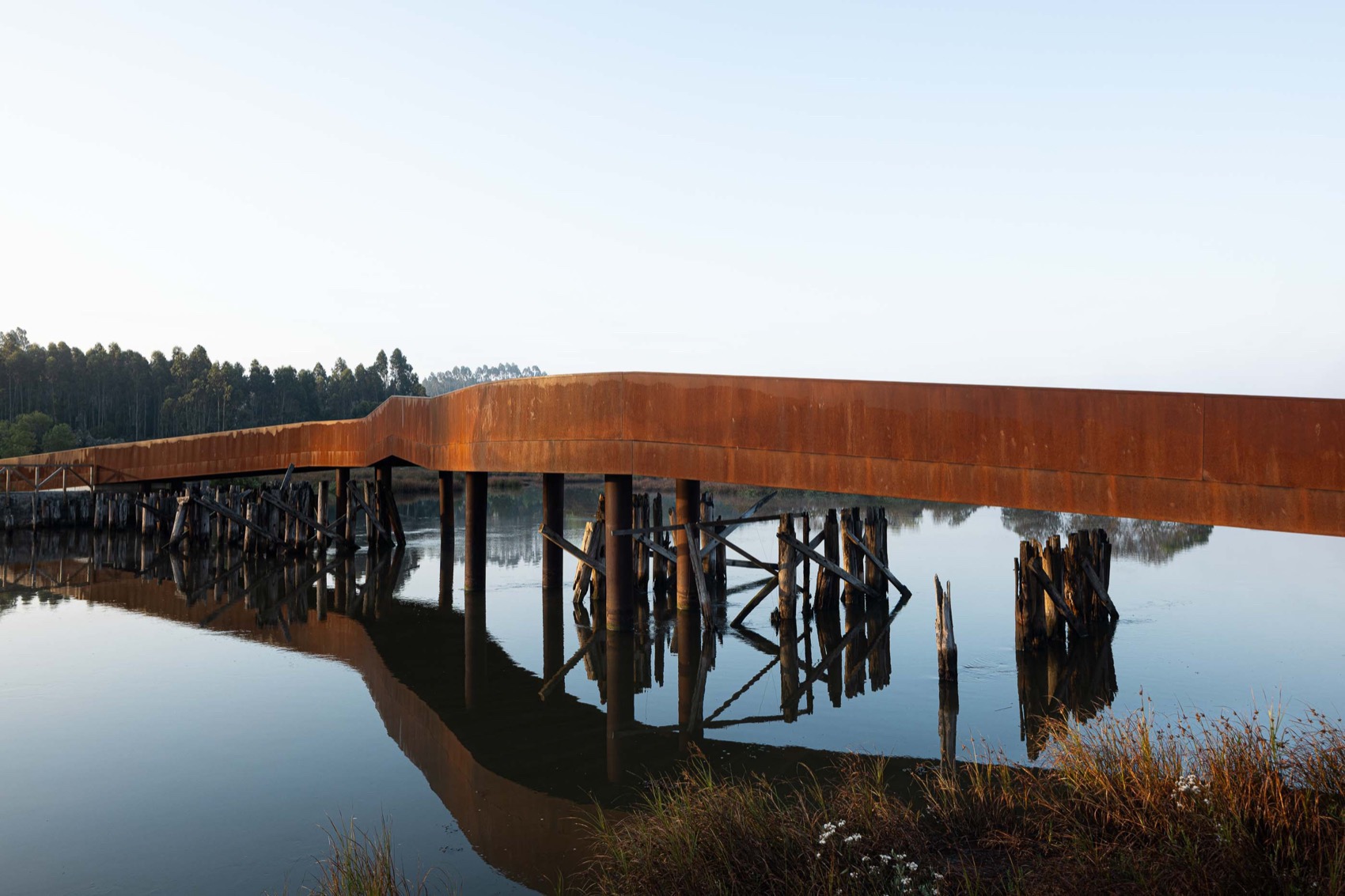
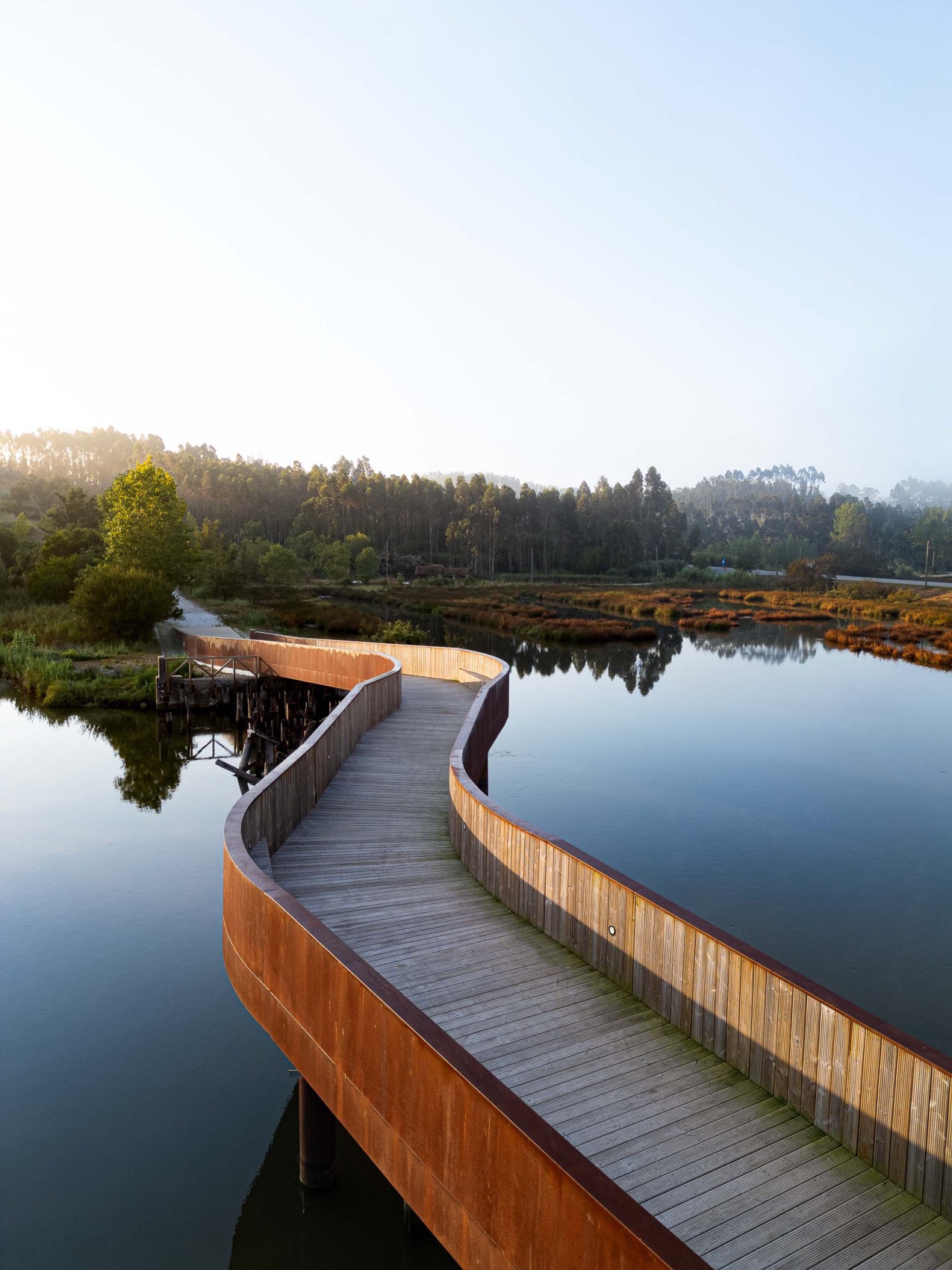
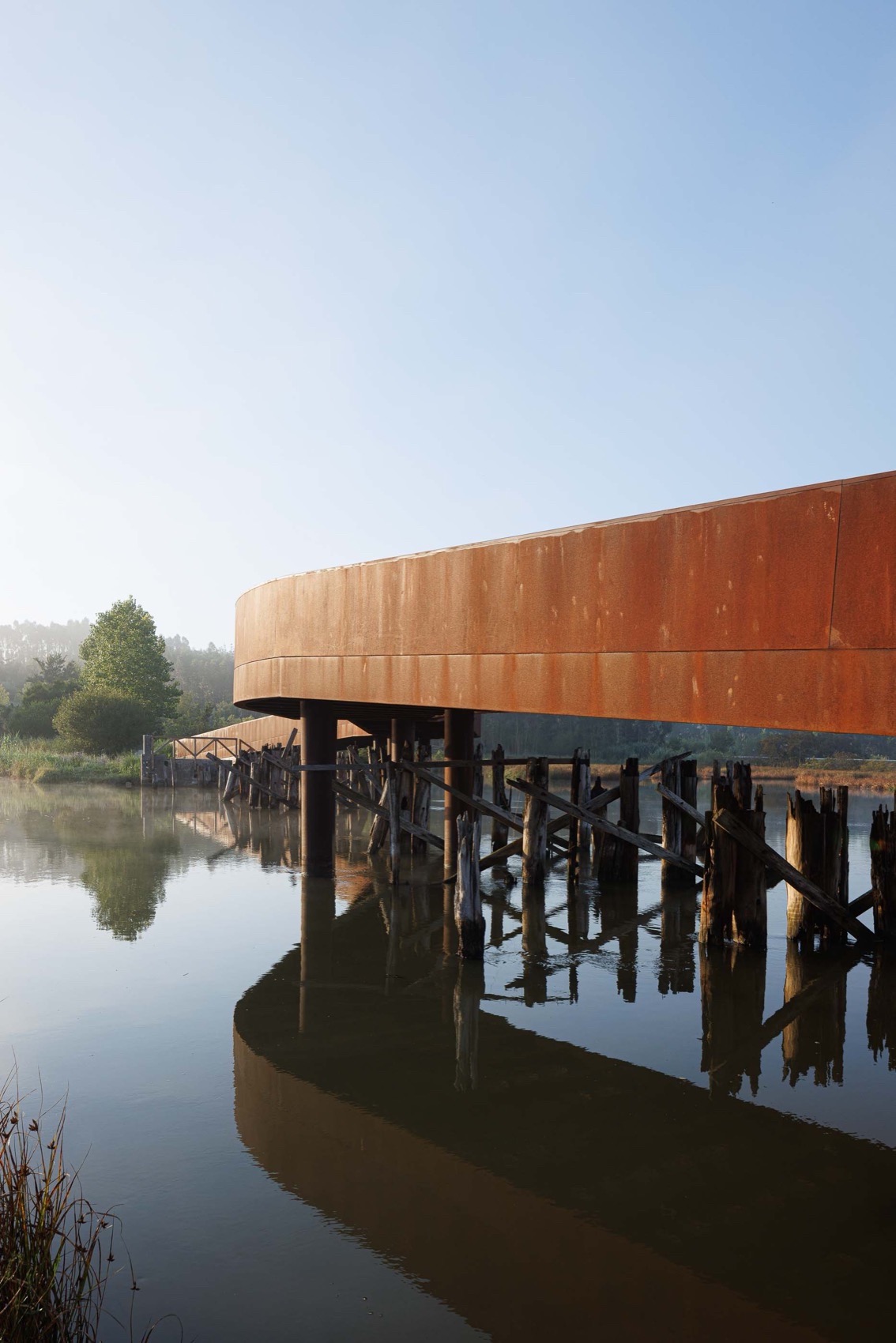
The local government challenged us to design a new pedestrian and cycling crossing between the banks of Vagos and Sousa. The old bridge, built on June 27, 1855, and closed in 1978, is currently in ruins and should be preserved as an integral part of the landscape and the historical memory of the site. However, being aware that the ruins may eventually disappear over time, the main challenge was to design a "museum bridge" that would enhance the existing structure, while simultaneously having its own identity and being capable of enduring and functioning autonomously in the future.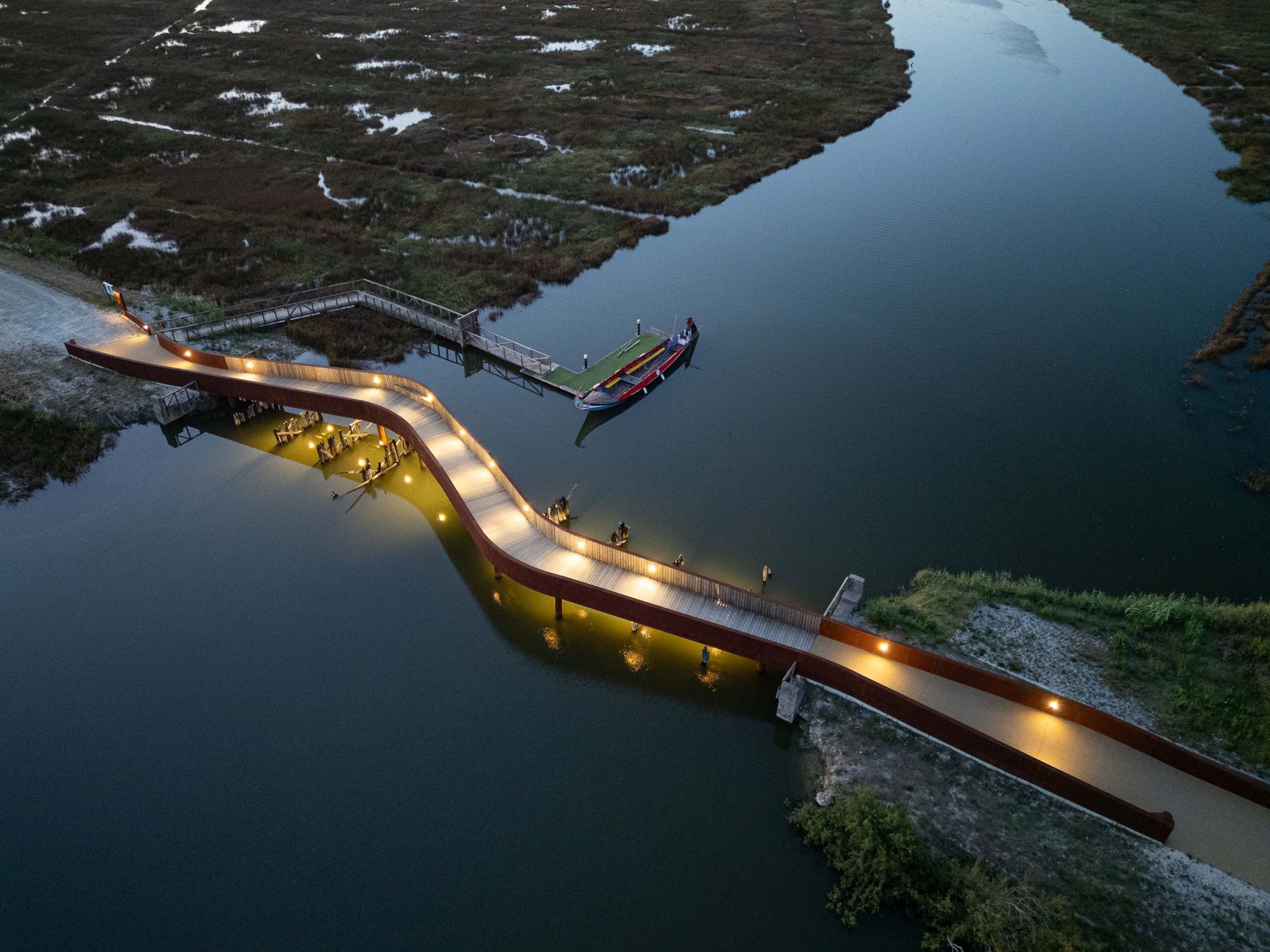
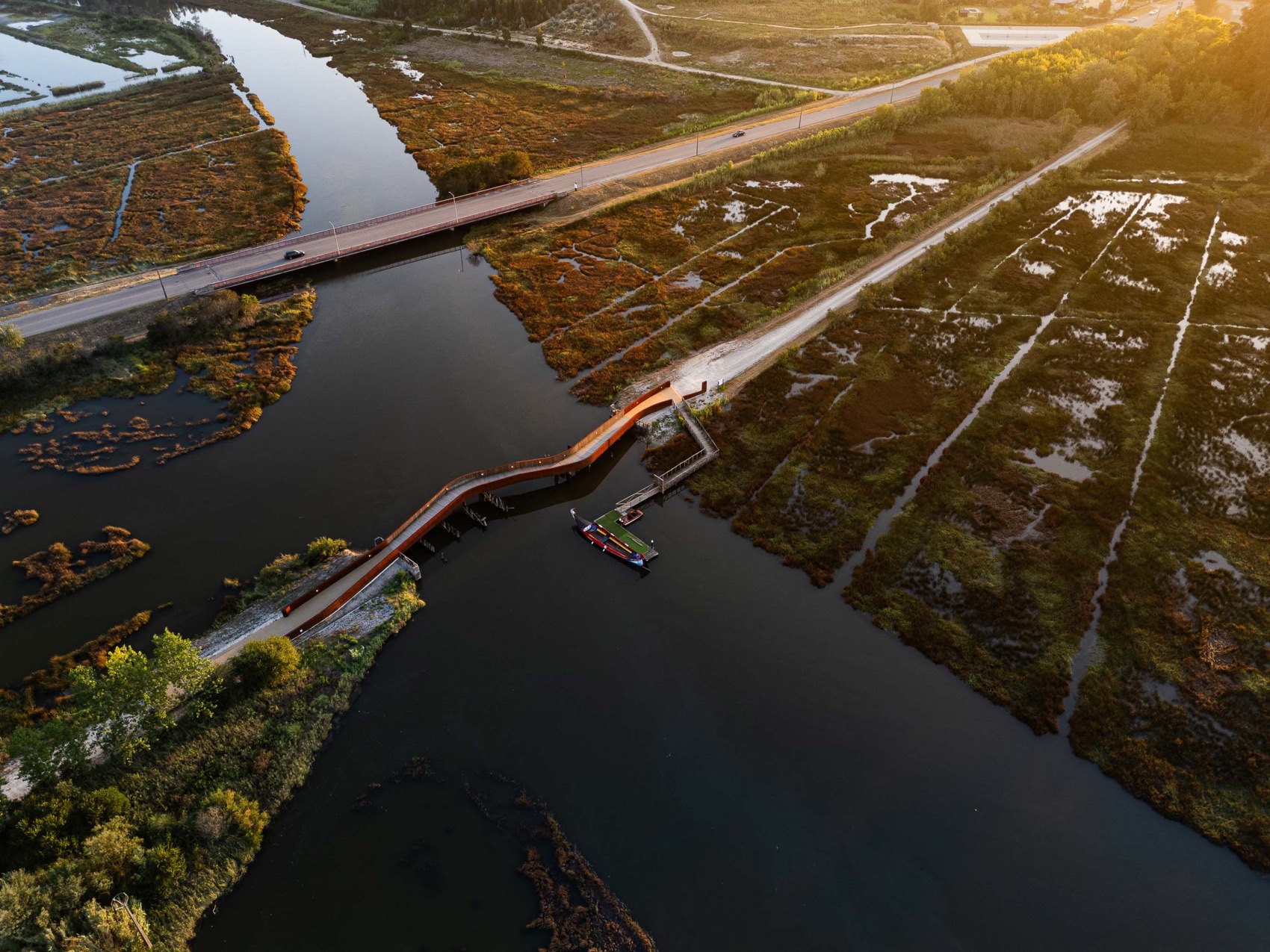
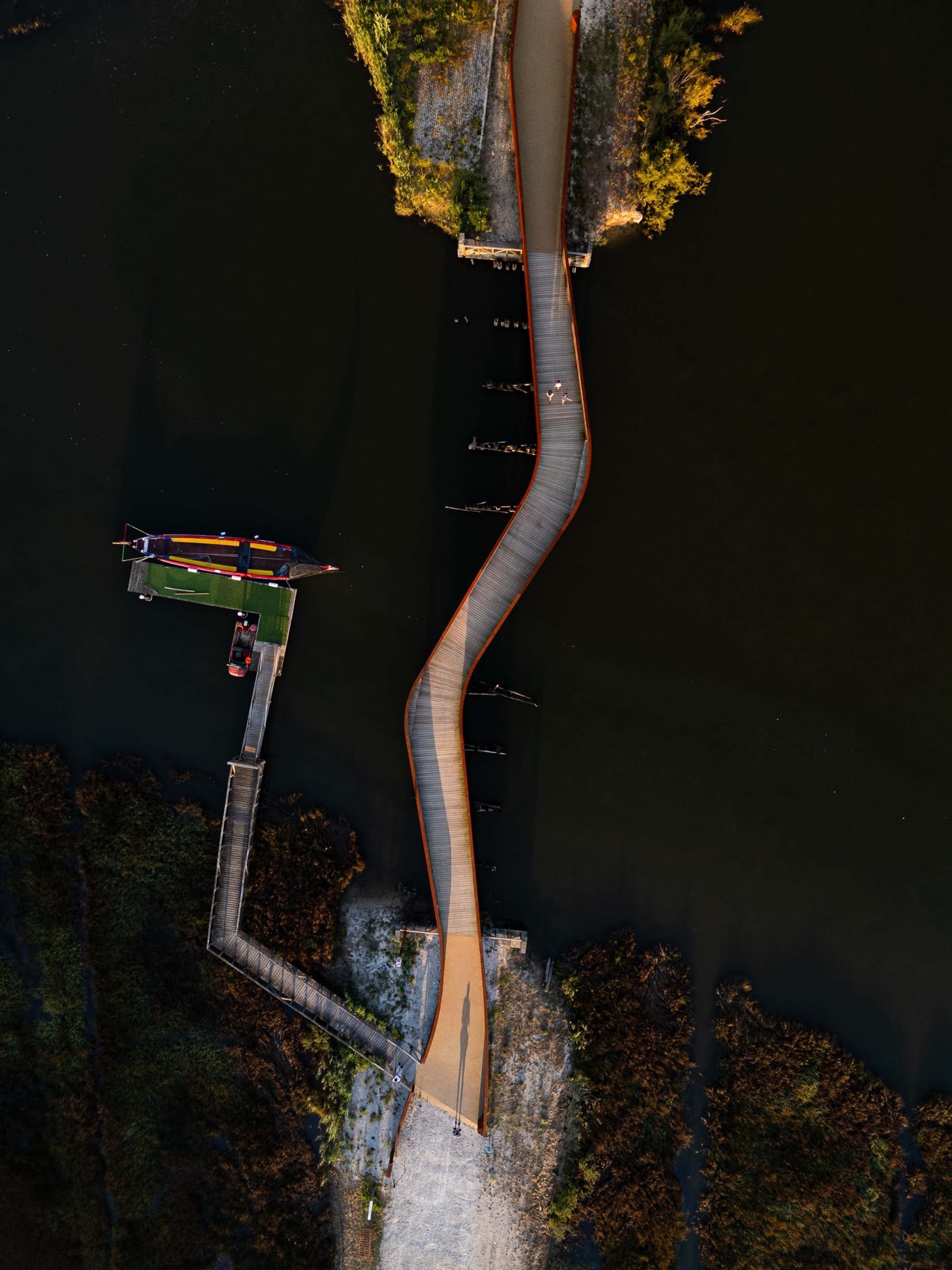
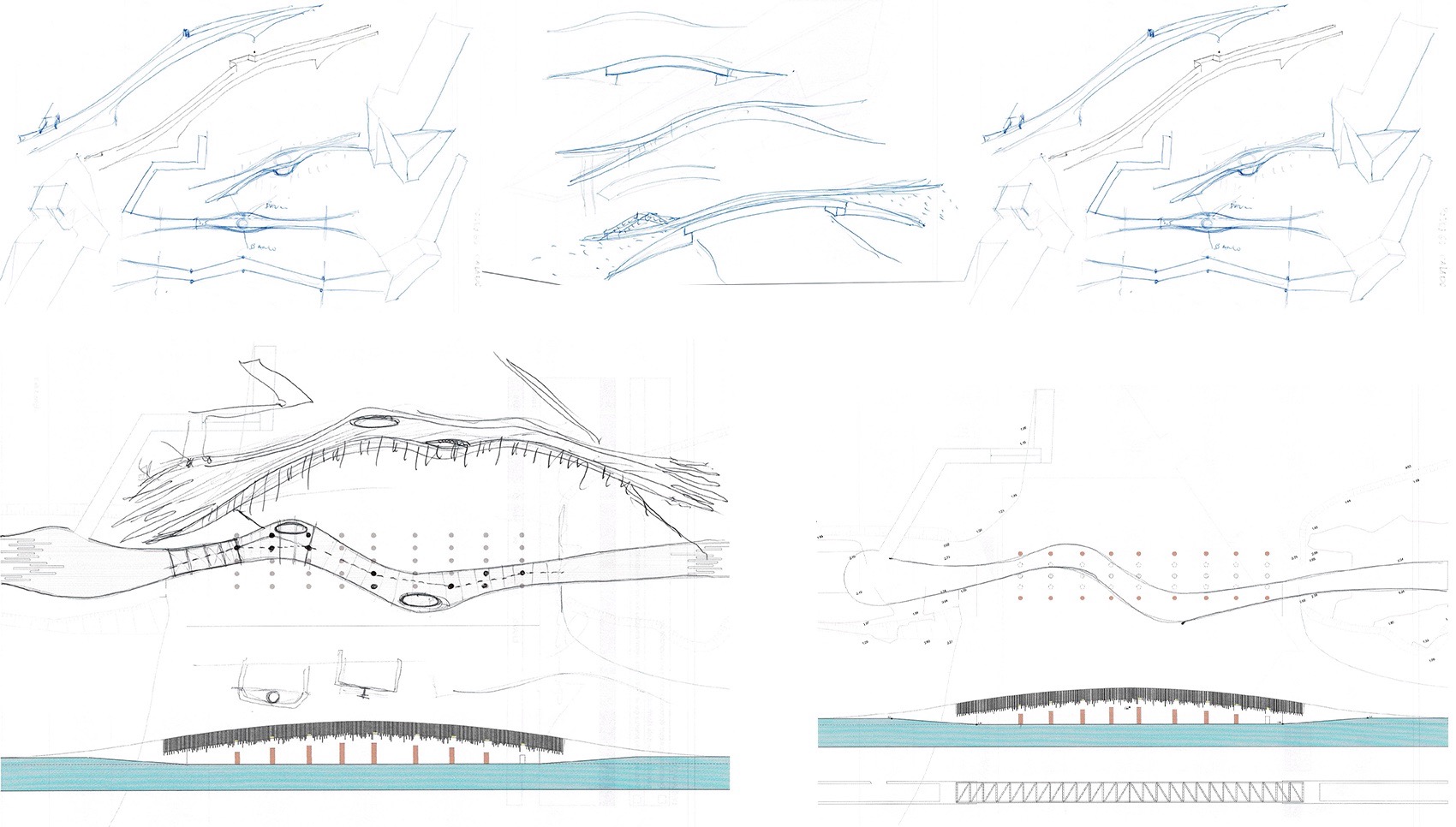
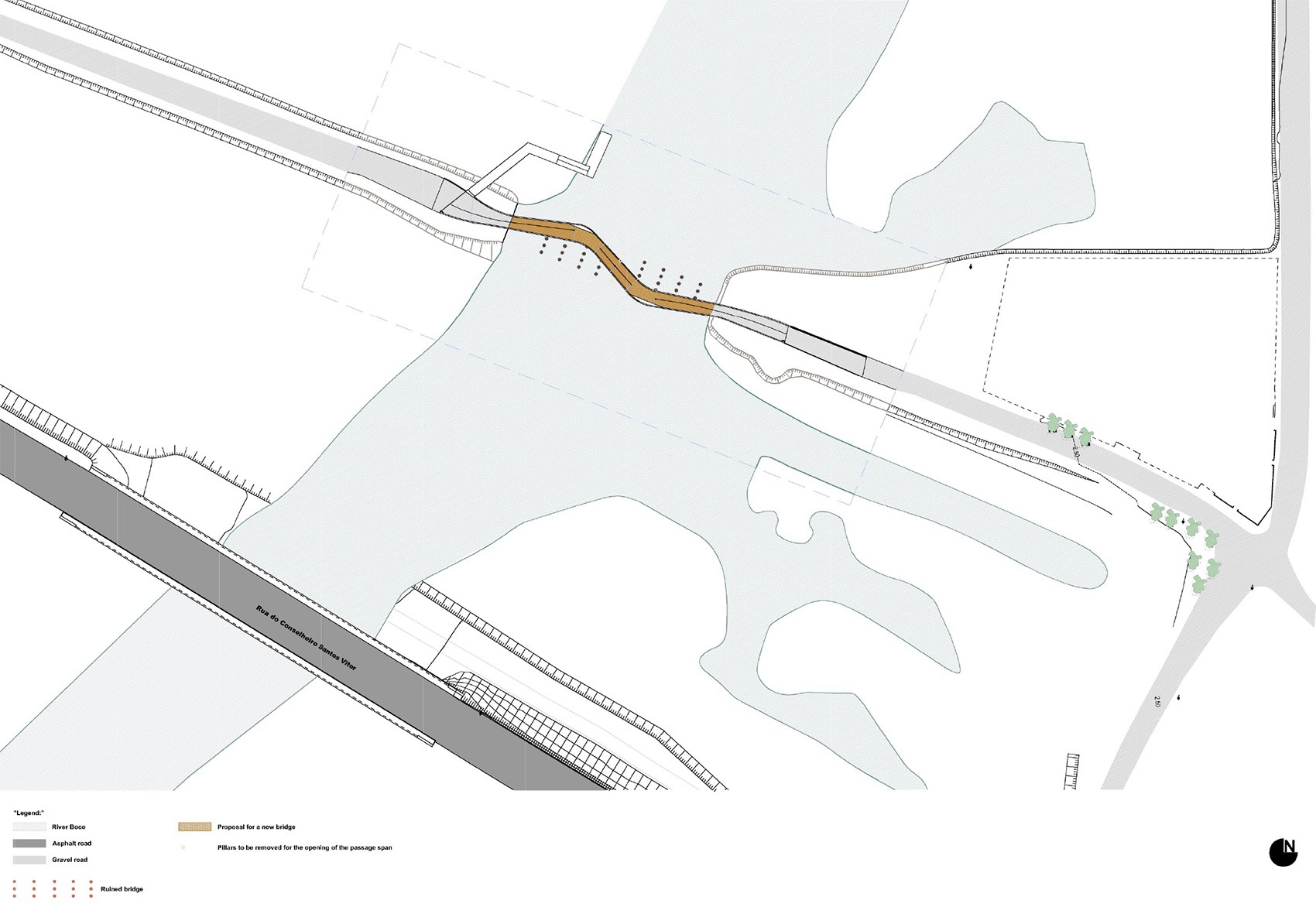
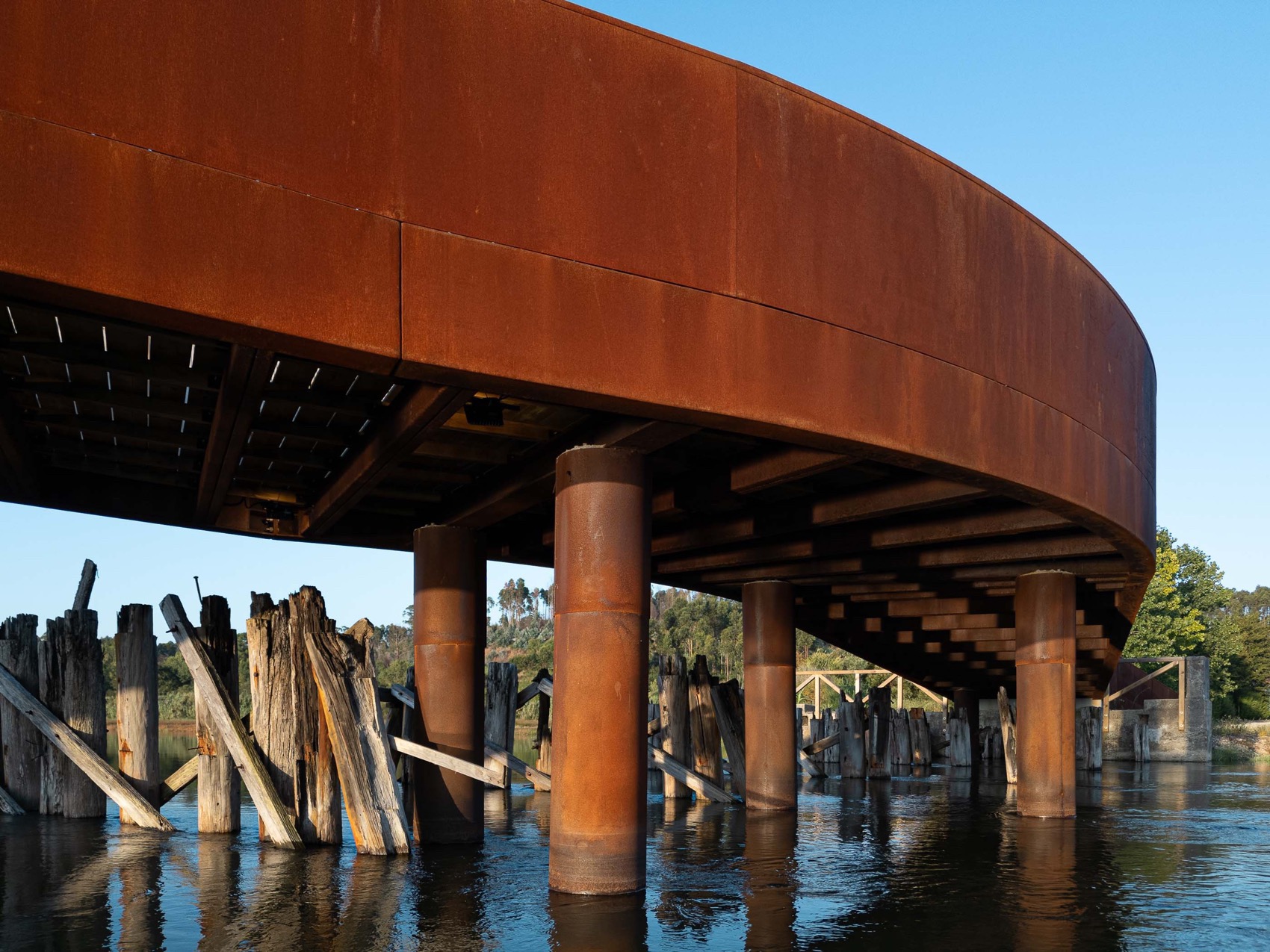
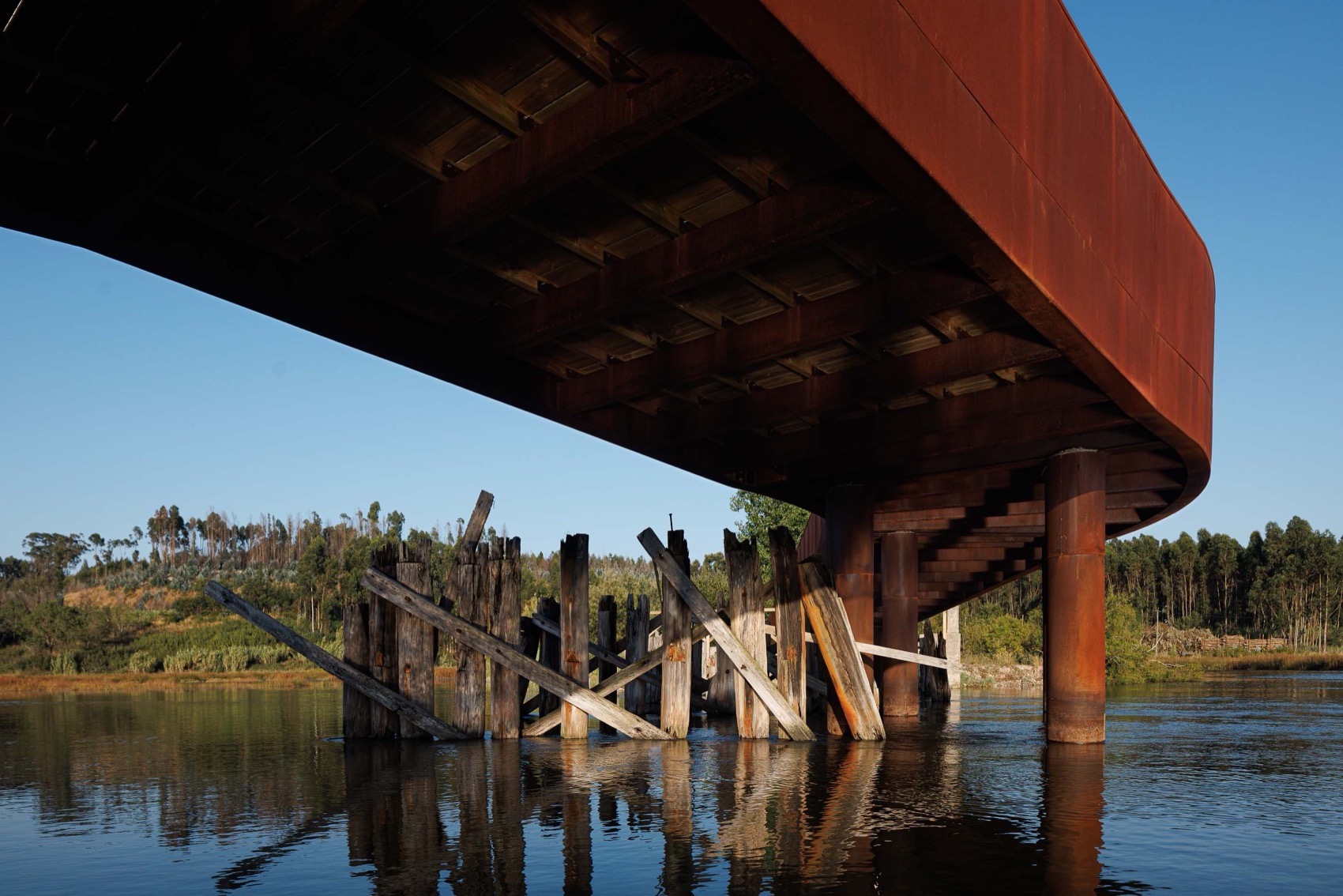
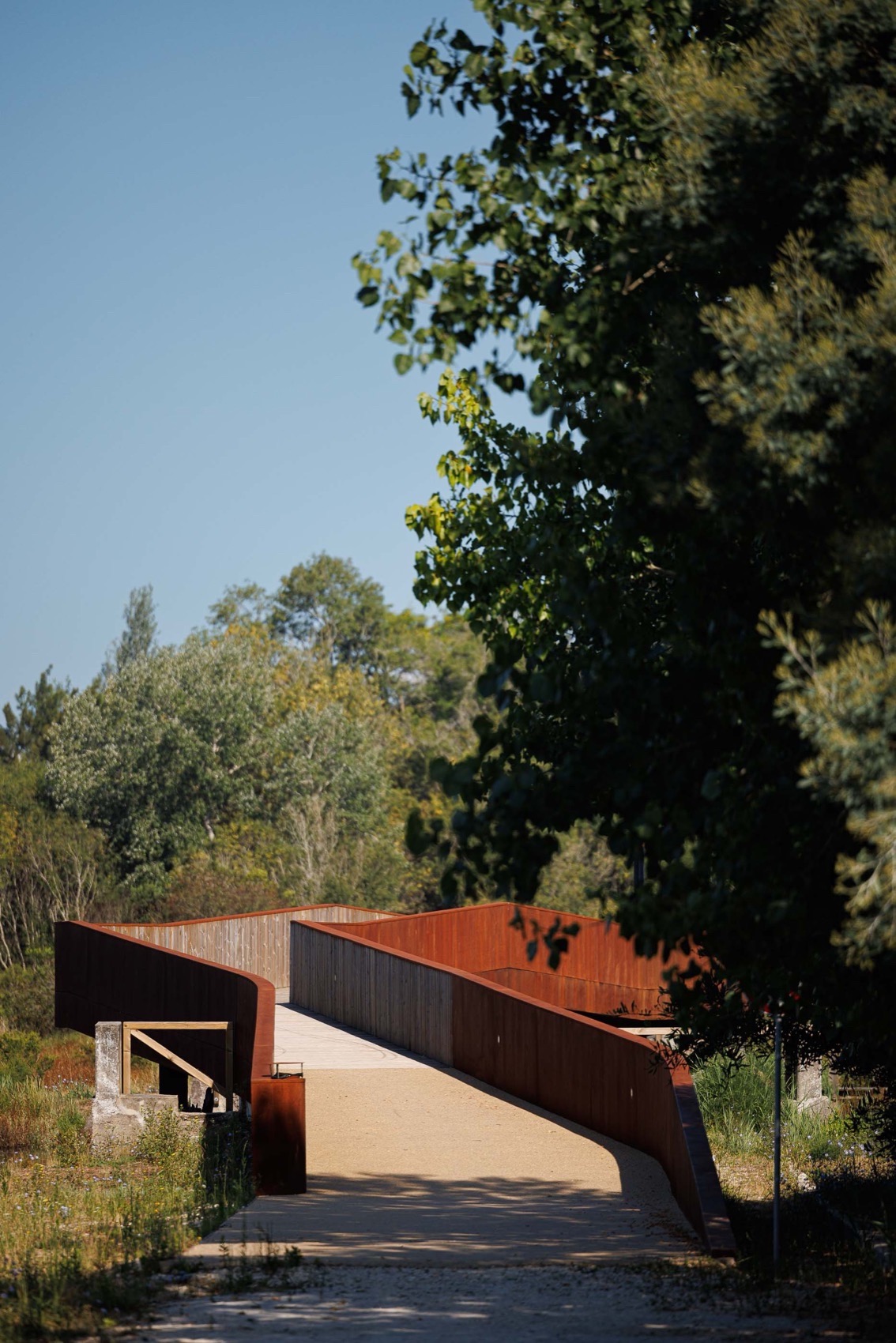
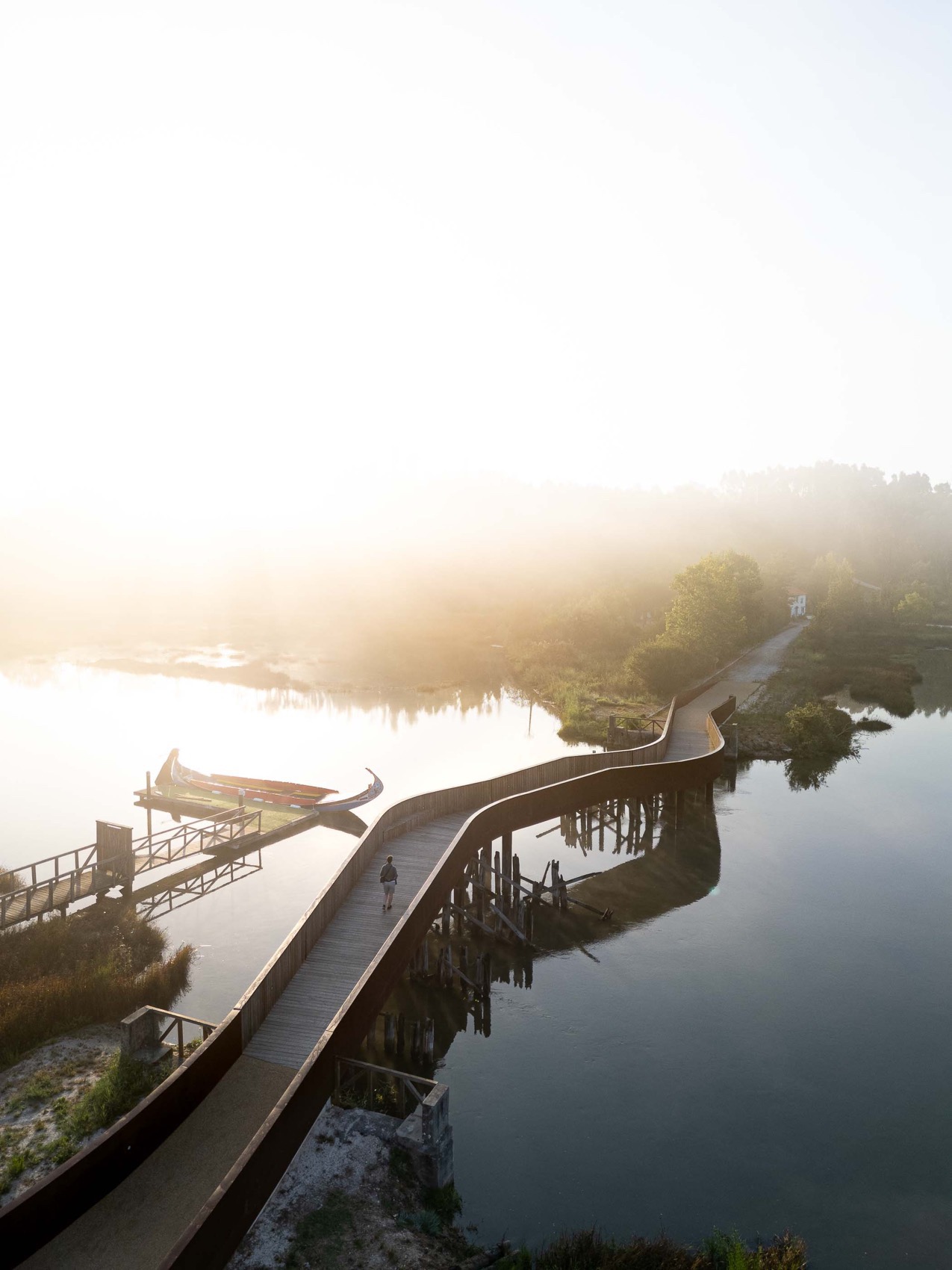
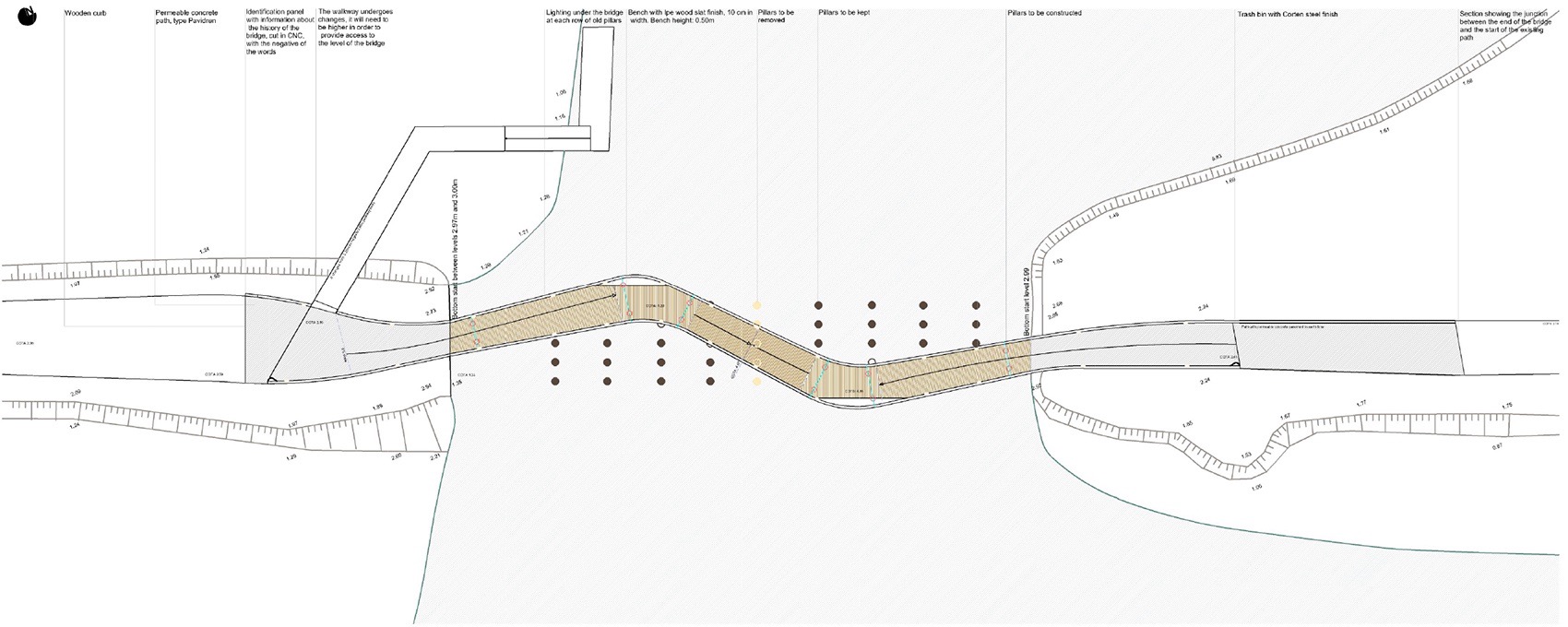
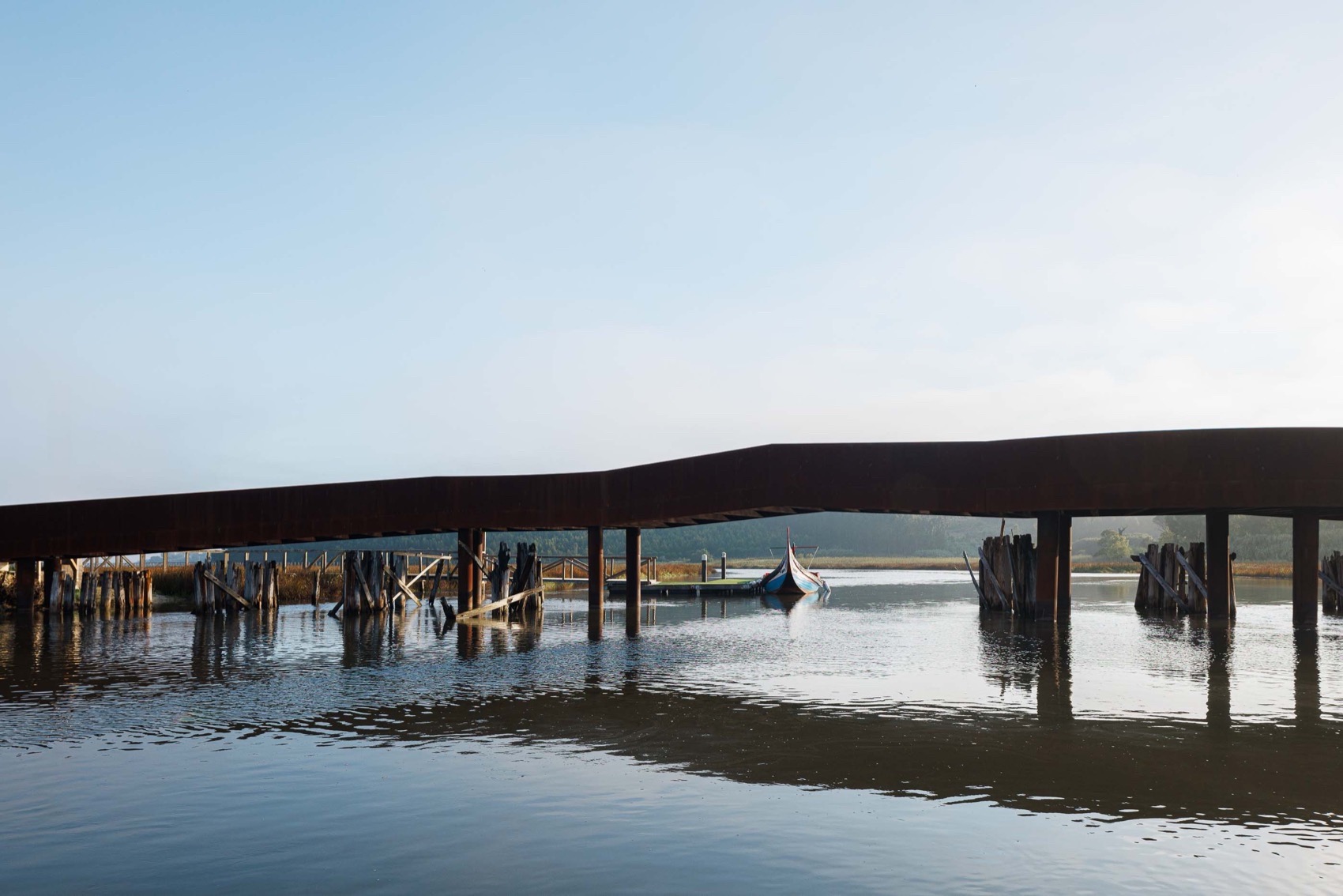
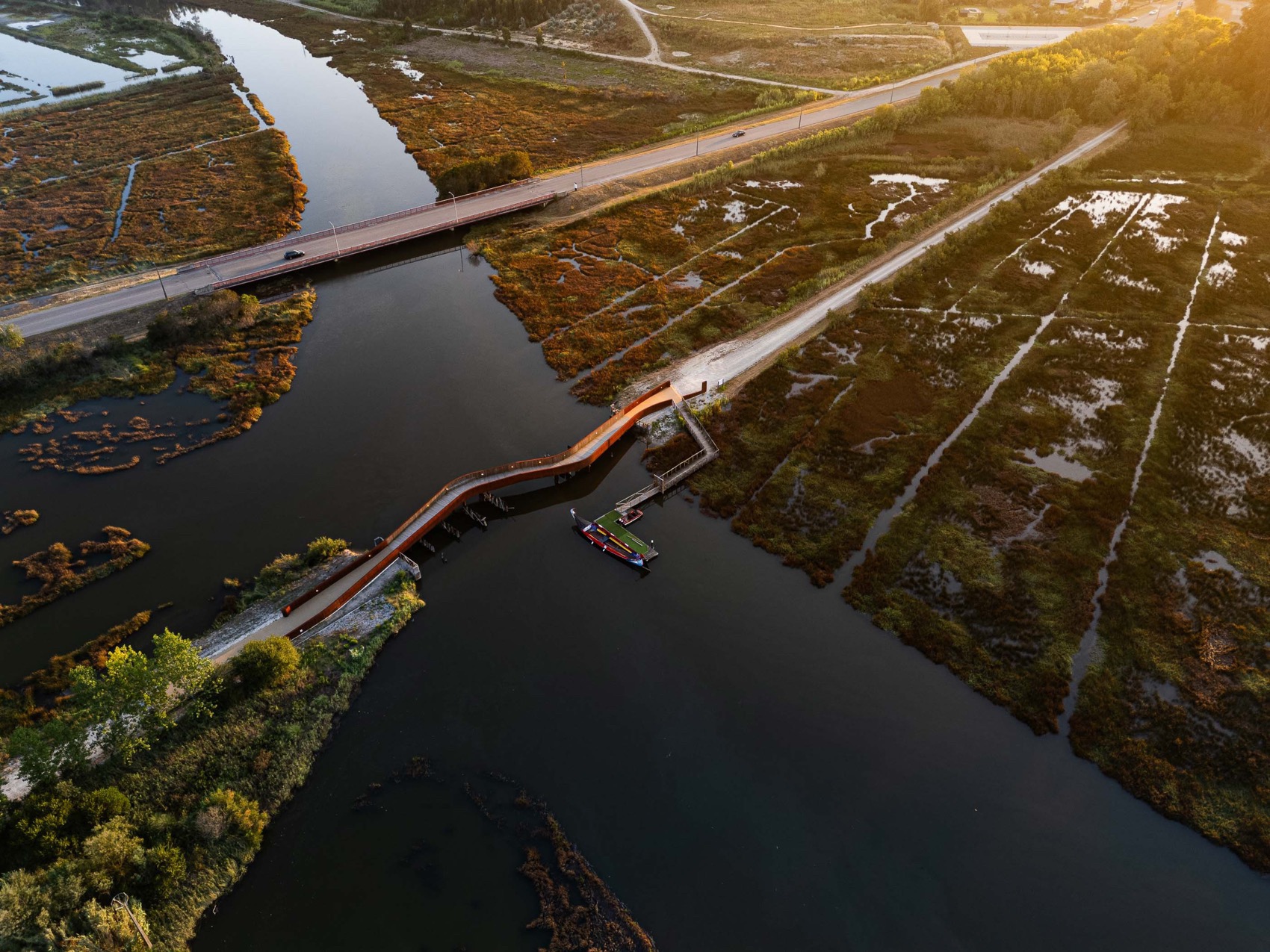
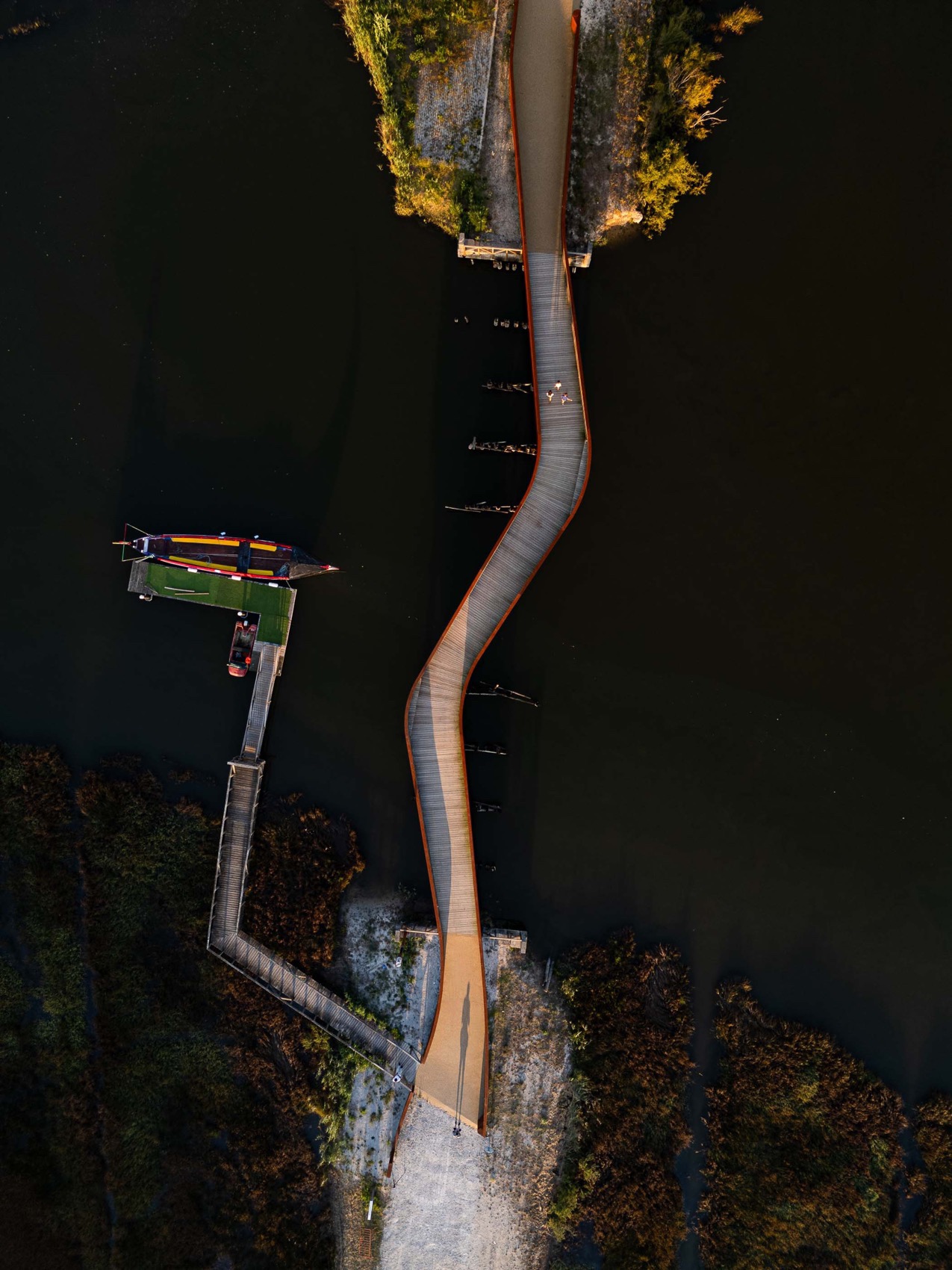
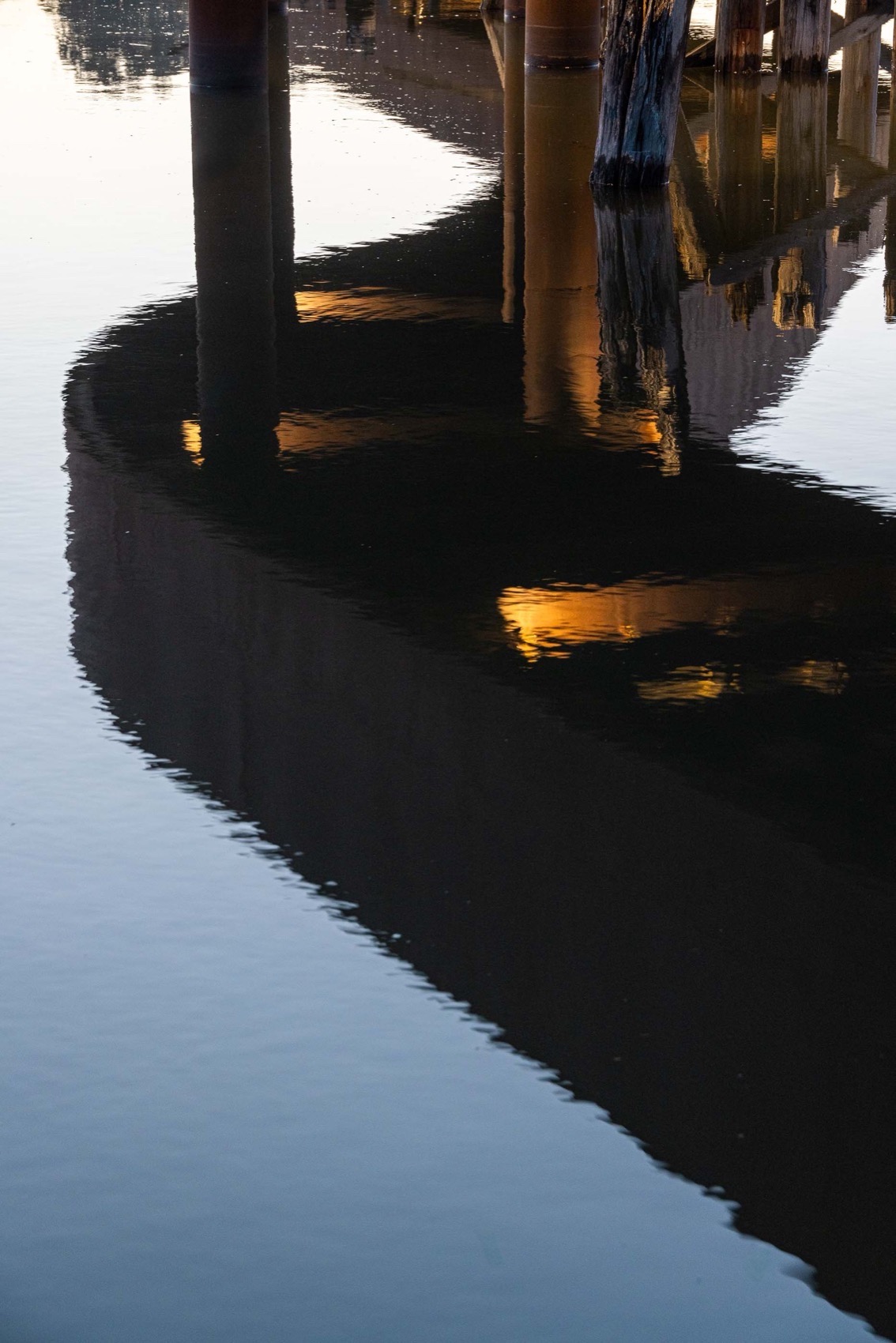
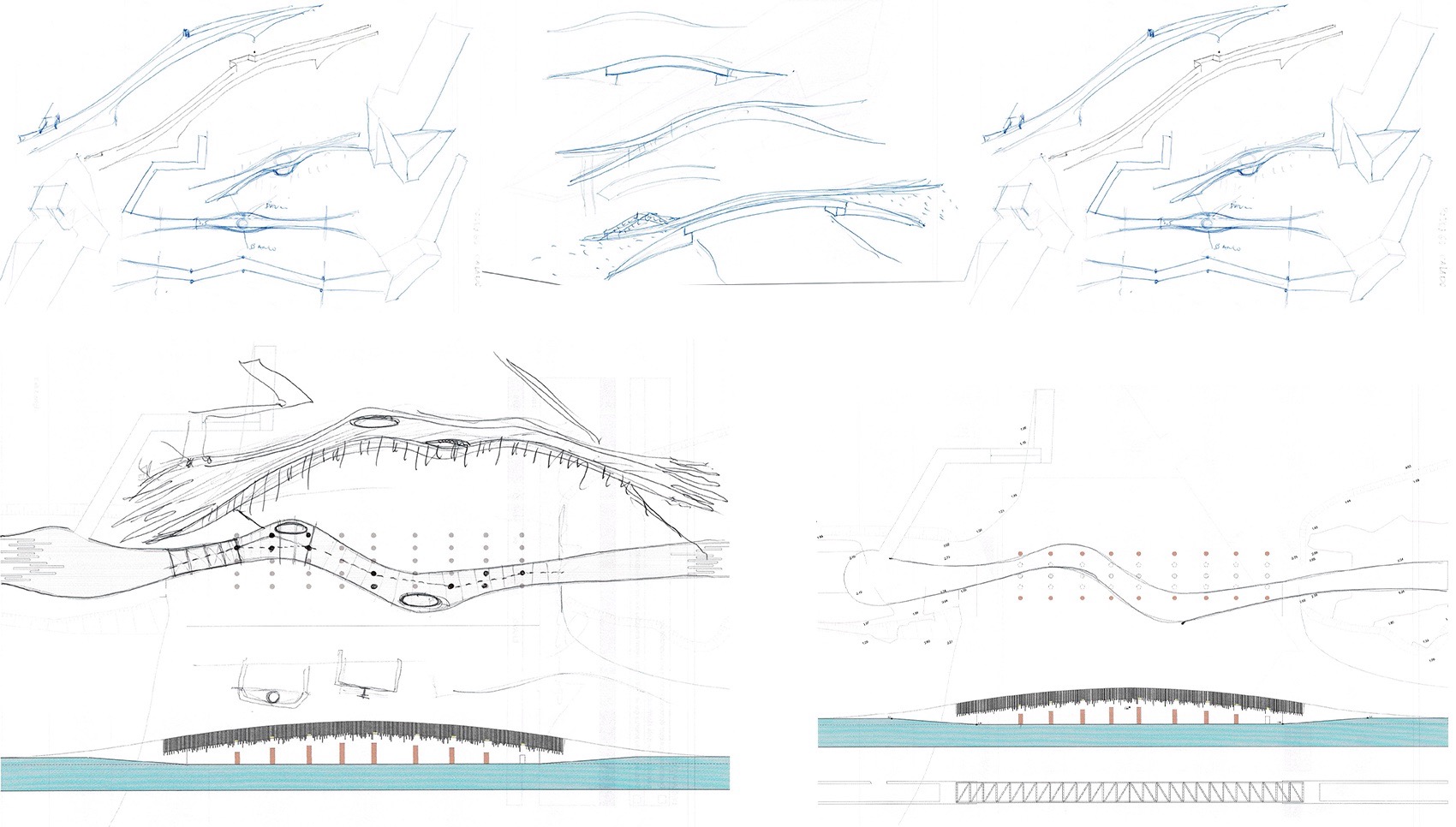
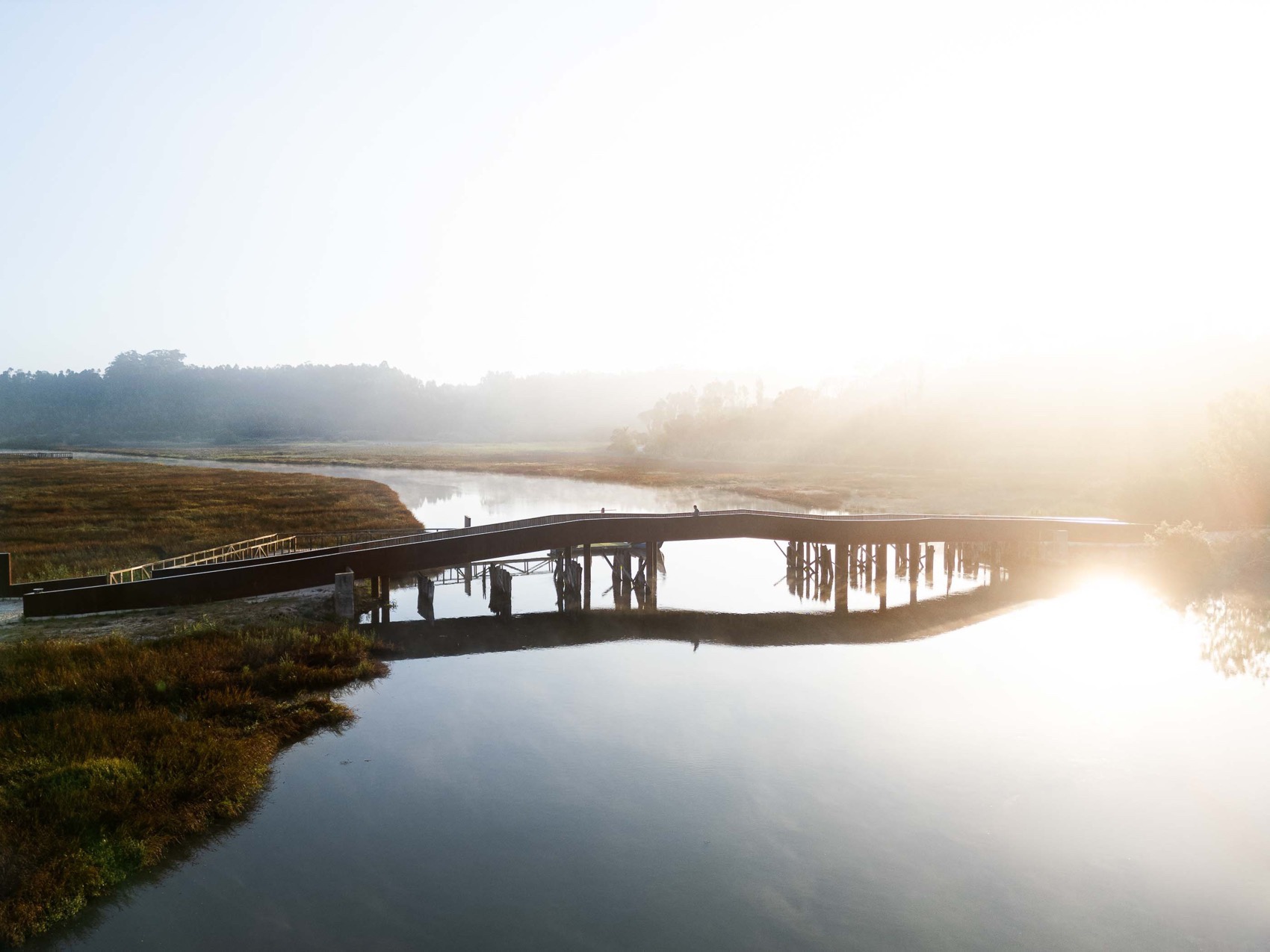
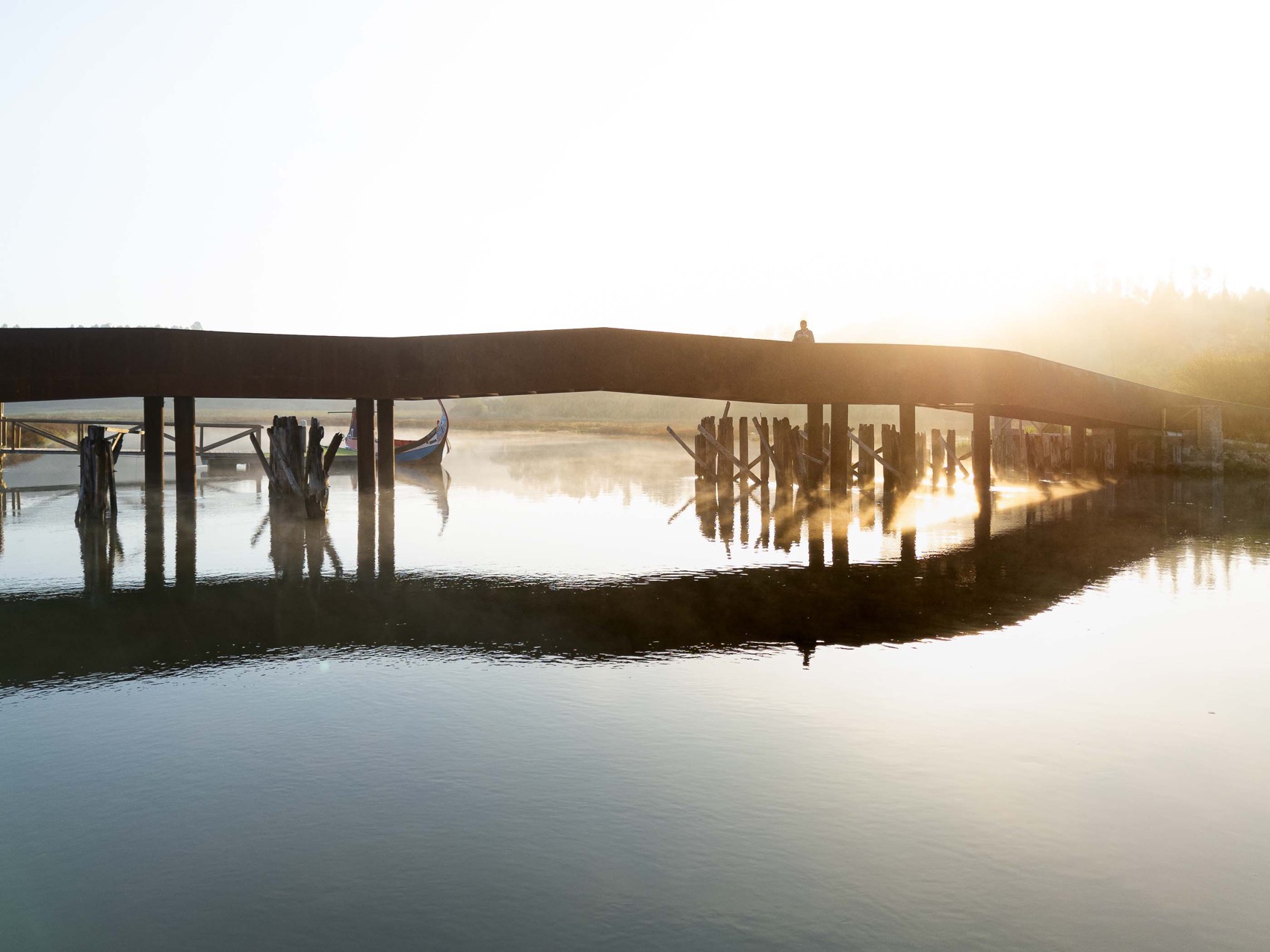
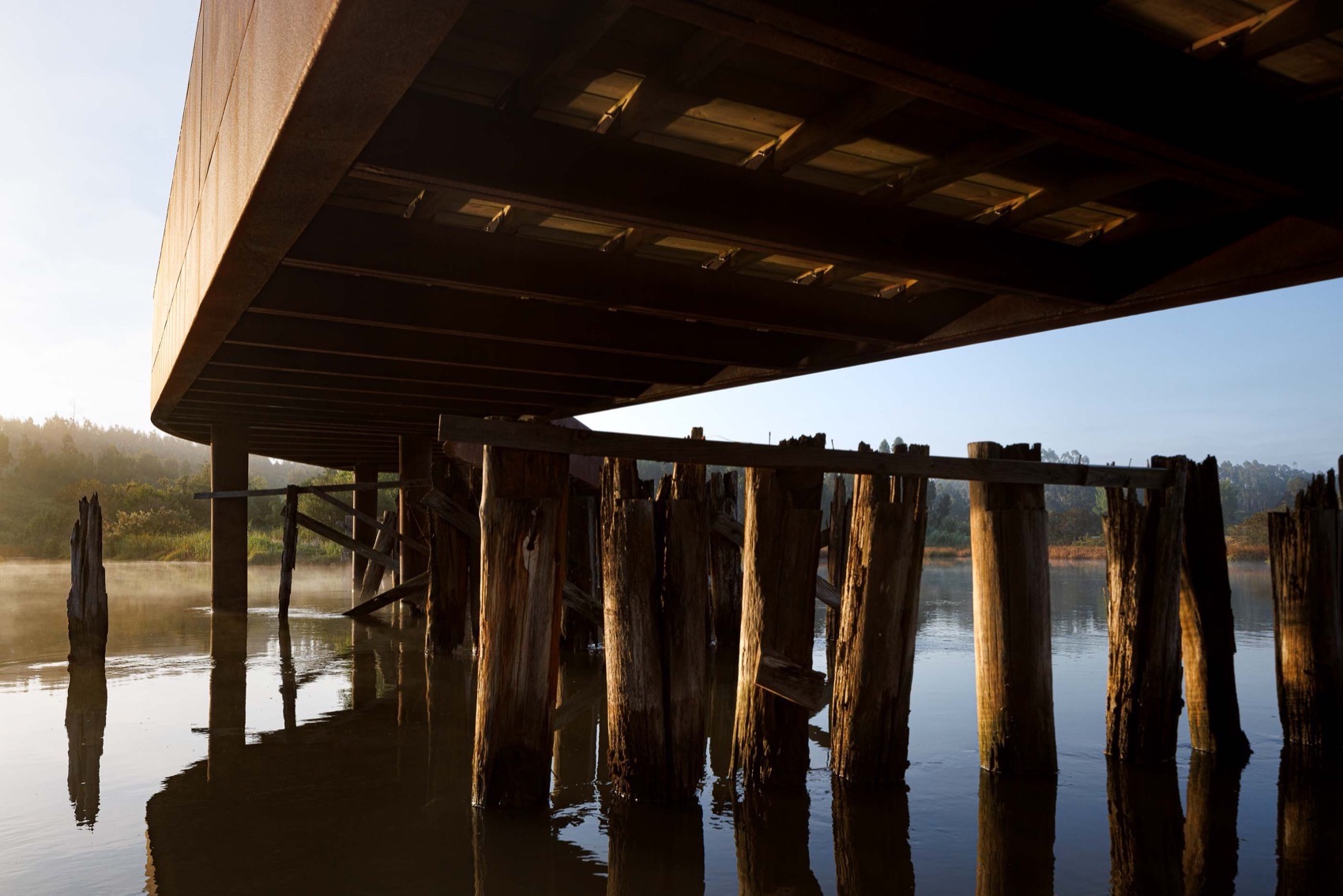
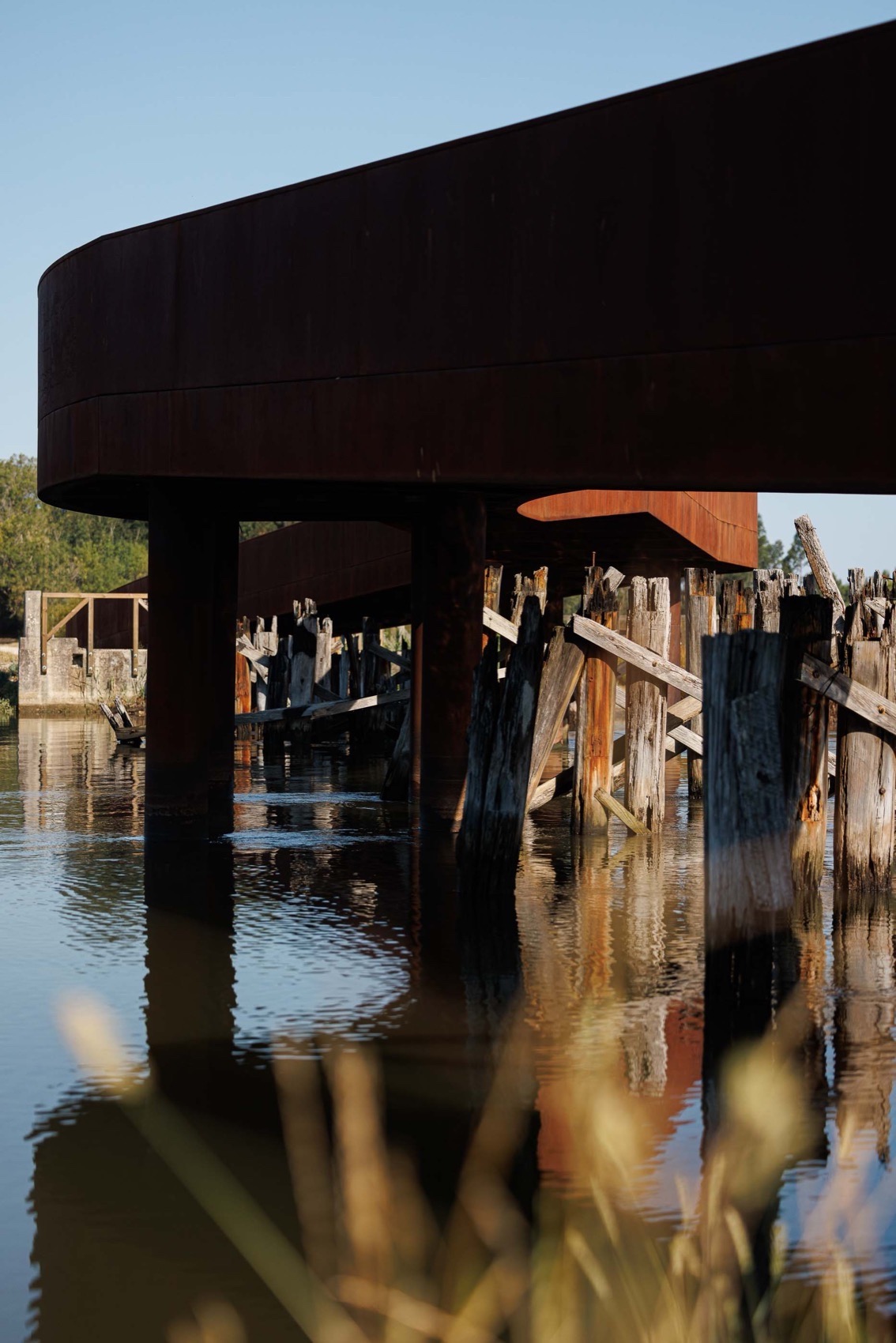
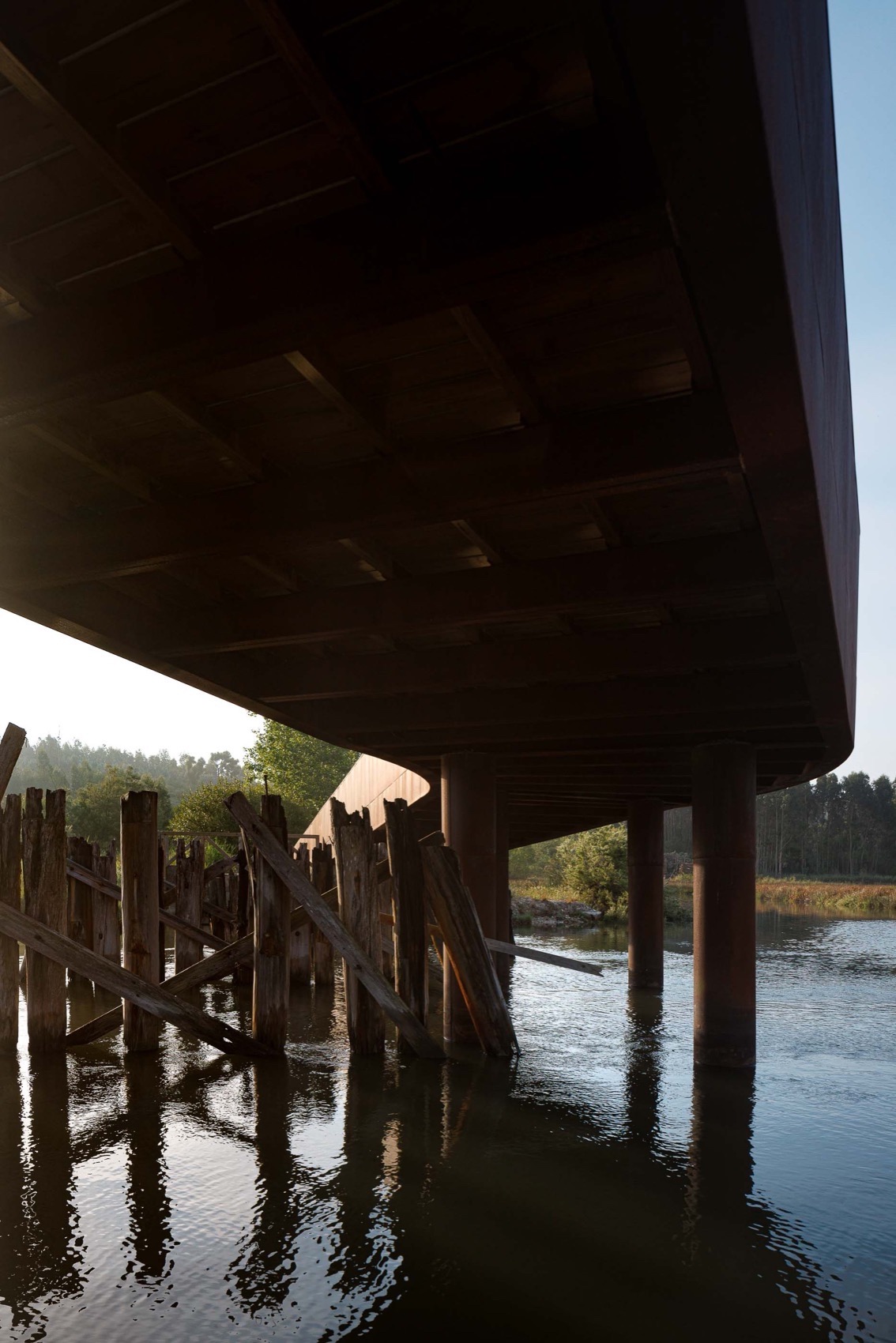
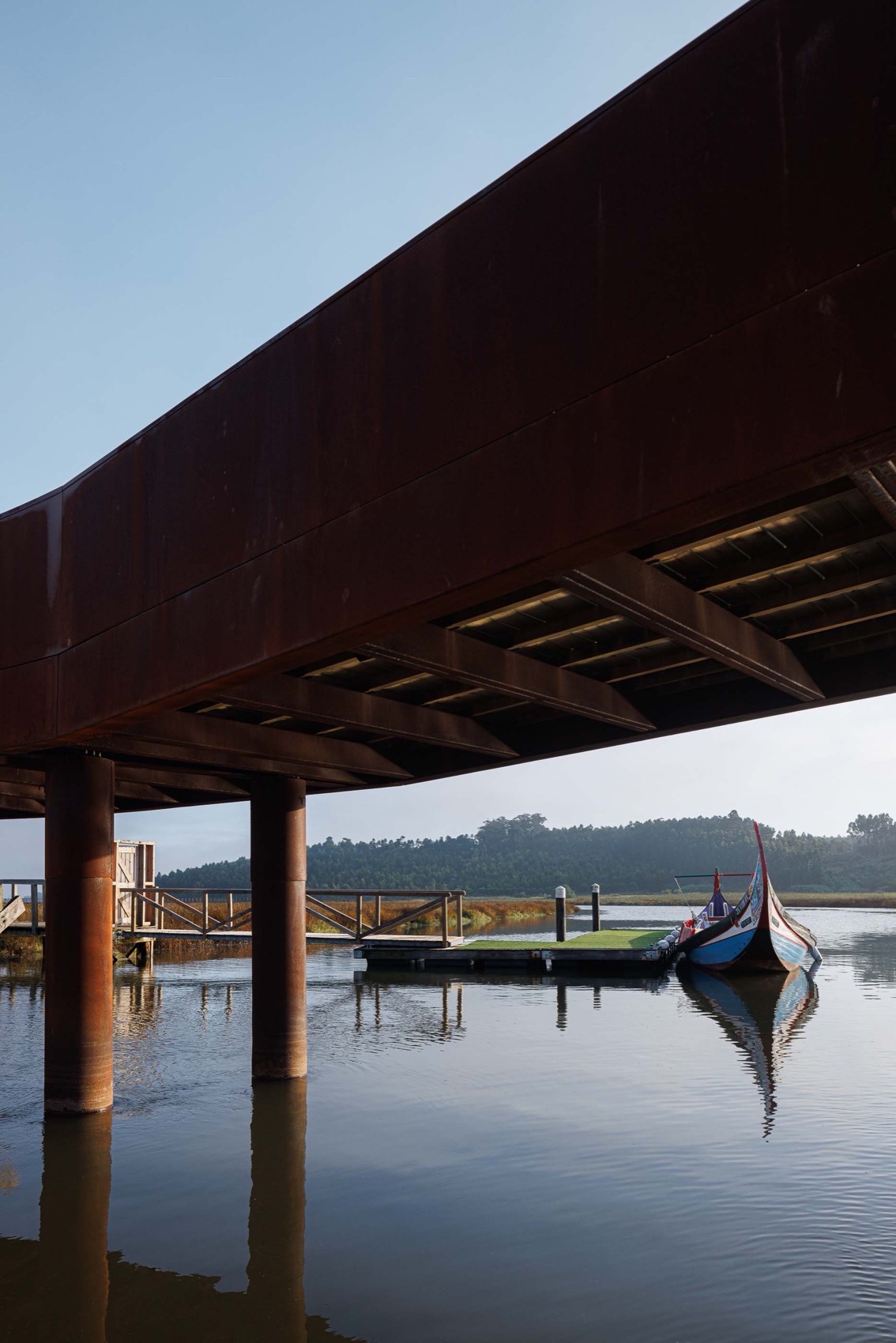
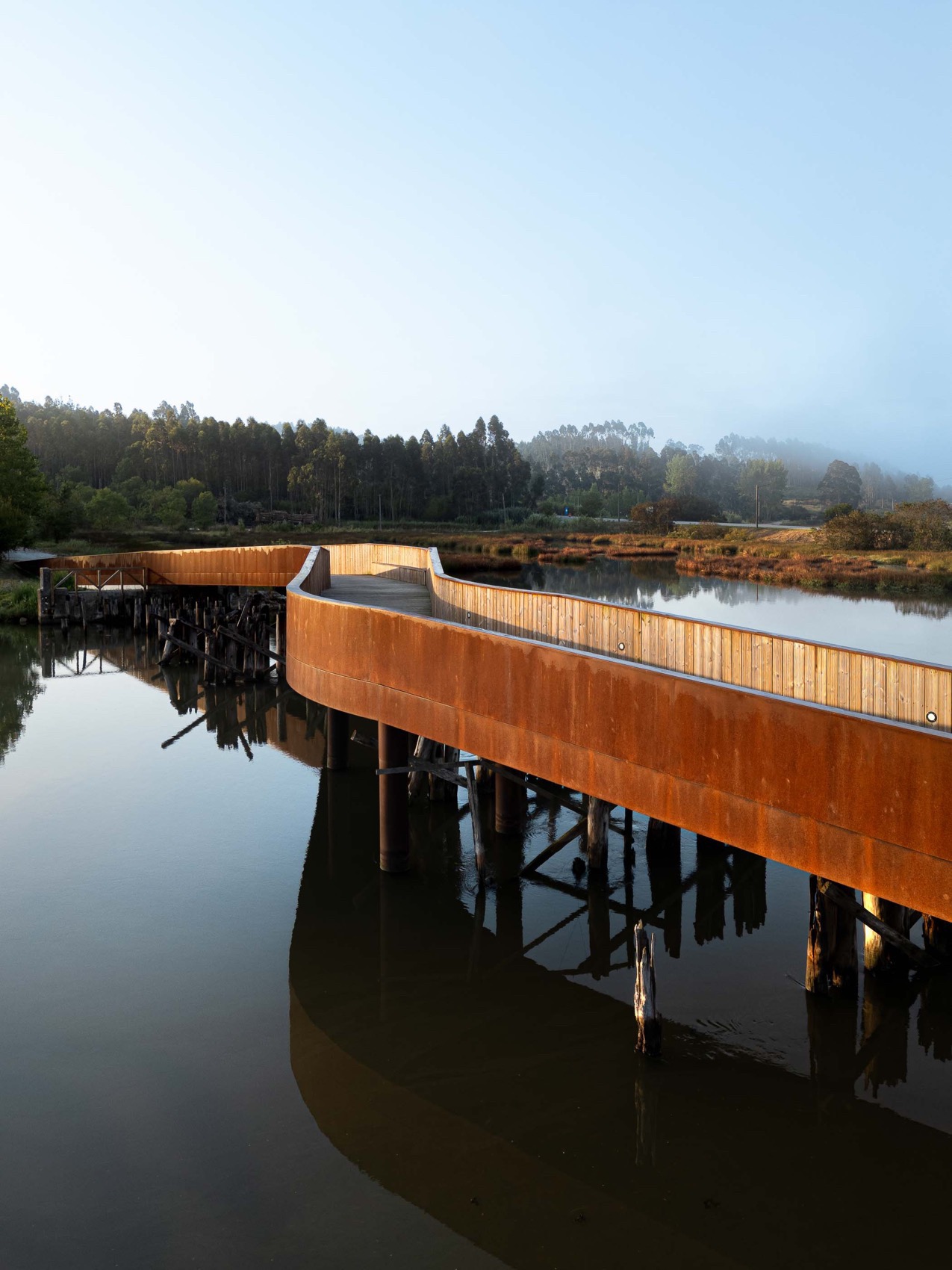
After analyzing and studying the possible solutions for the location, we identified that a crossing with a curve and counter-curve would be the ideal option, as it would allow continuous visual interaction with the ruin along the route. The new bridge was conceived as a true "museum bridge," providing a unique experience: the view of the ruin is permanent while it still exists, and it can be appreciated both during the crossing and directly below the new structure.
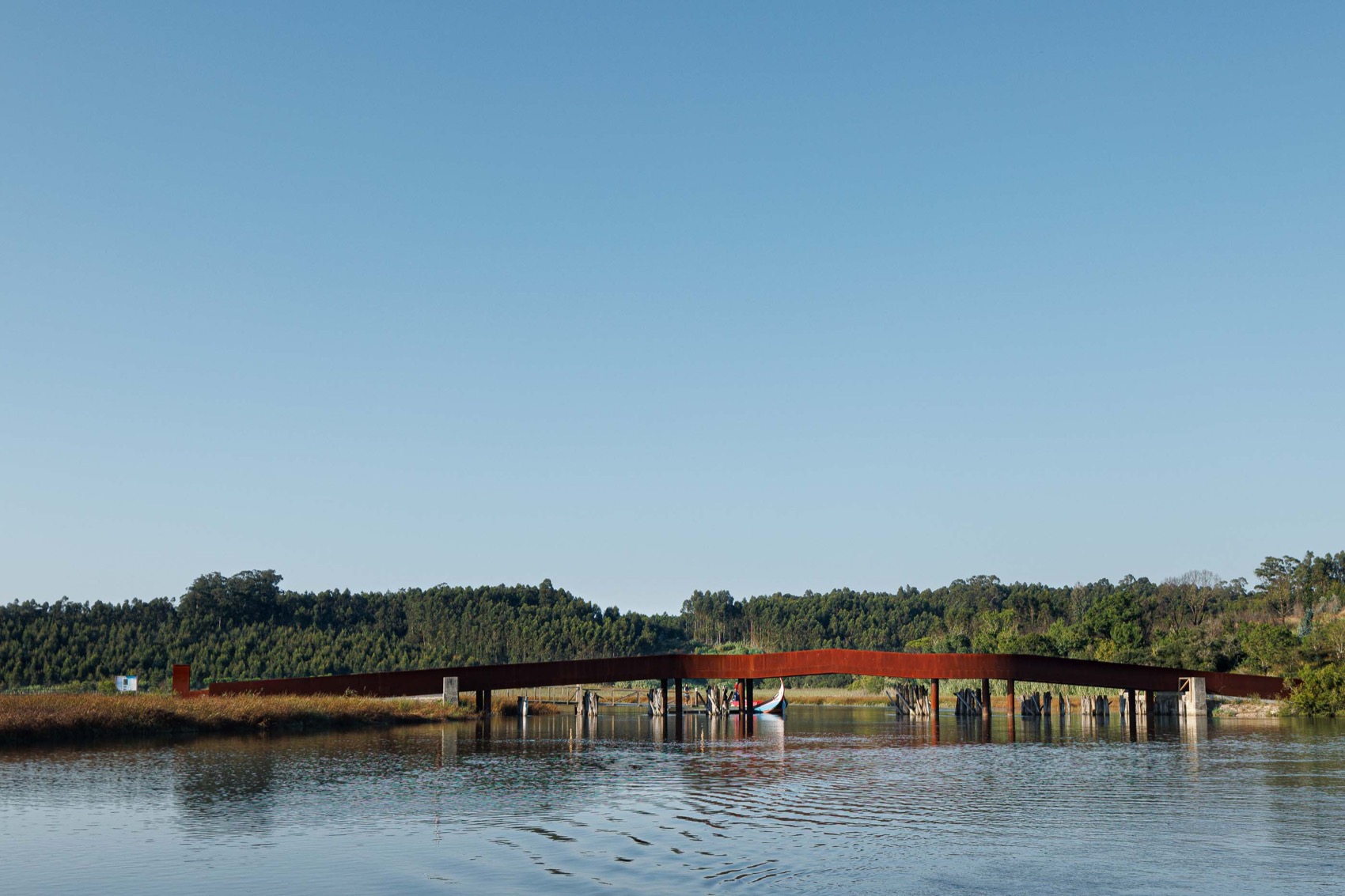
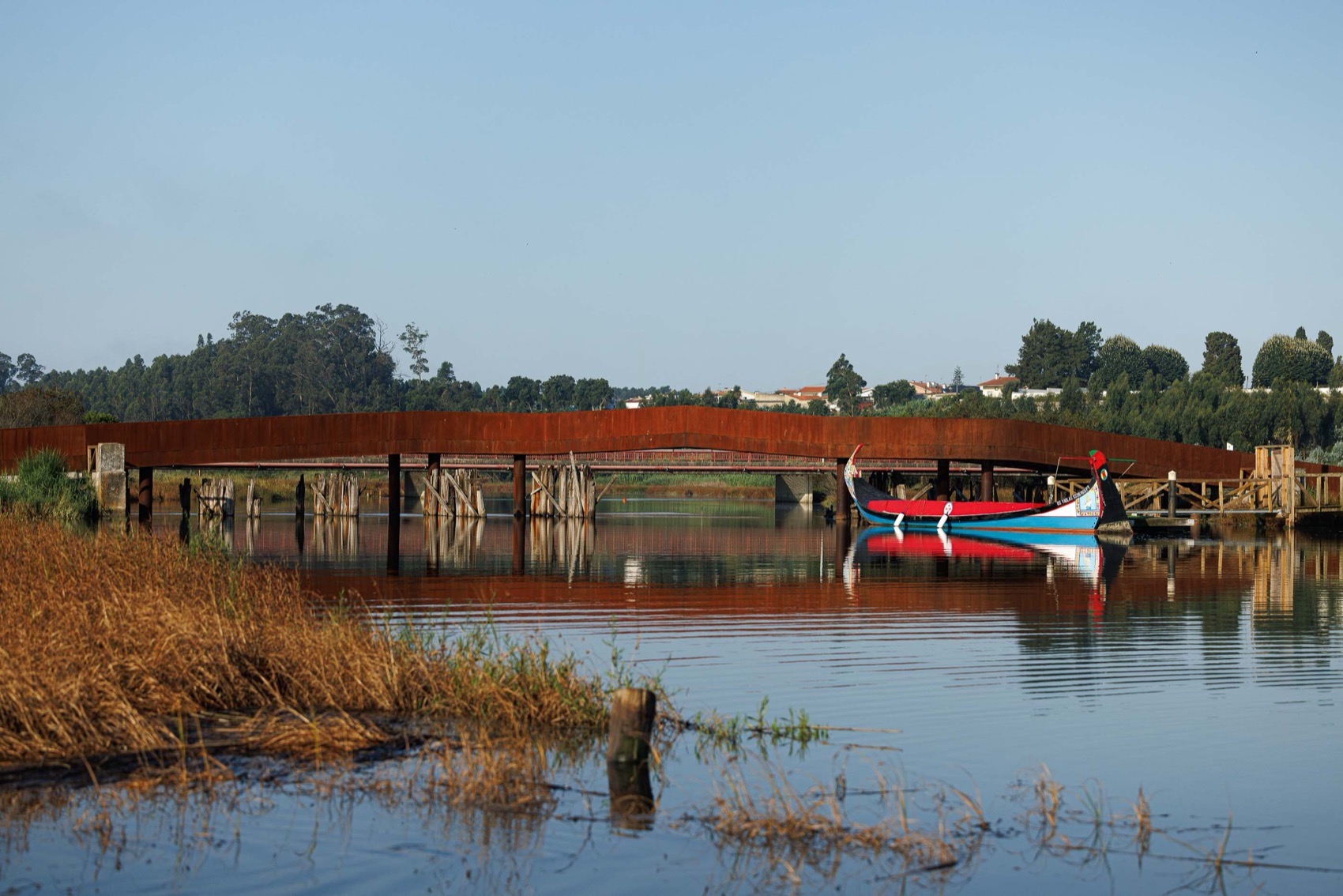
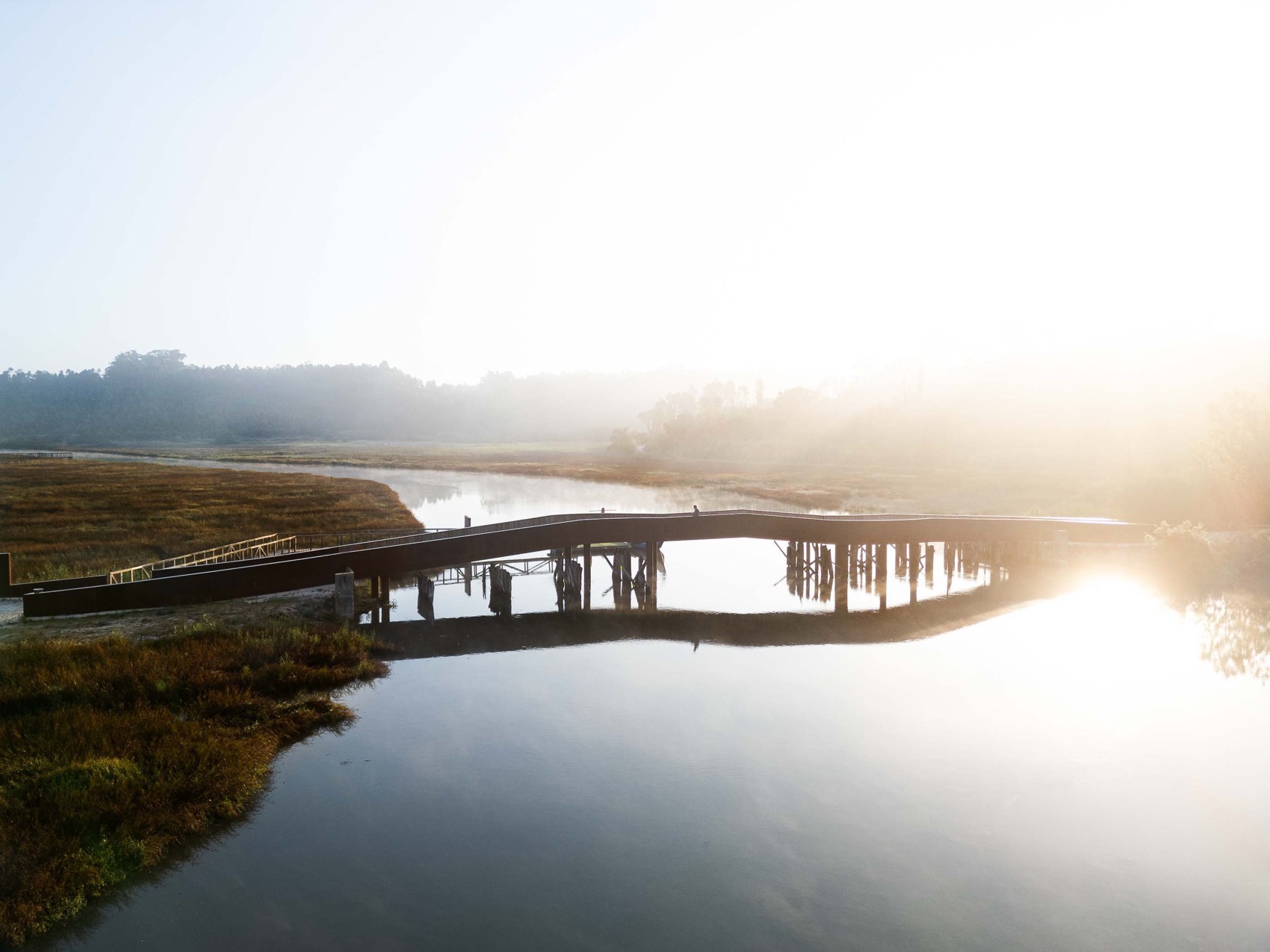
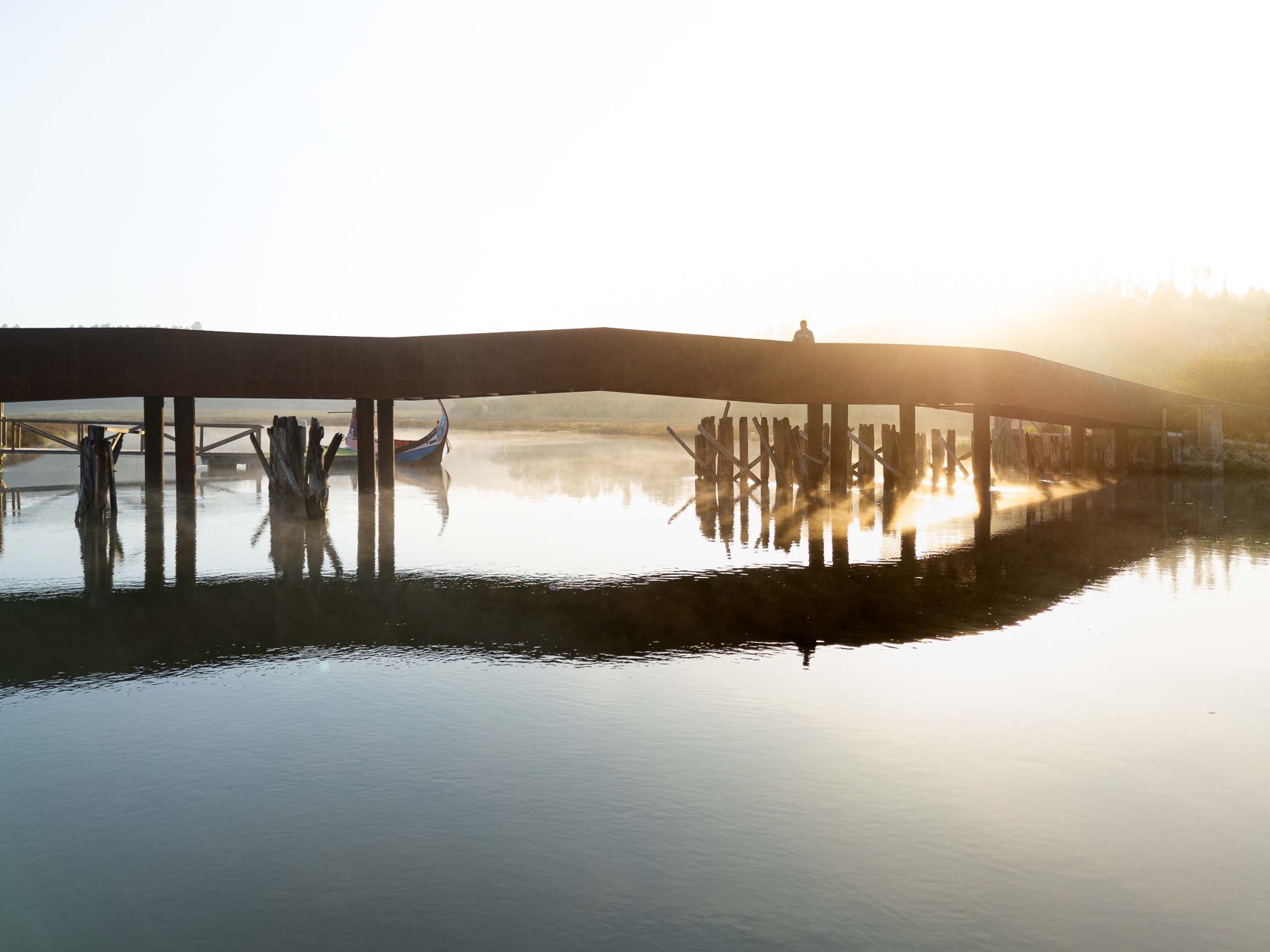
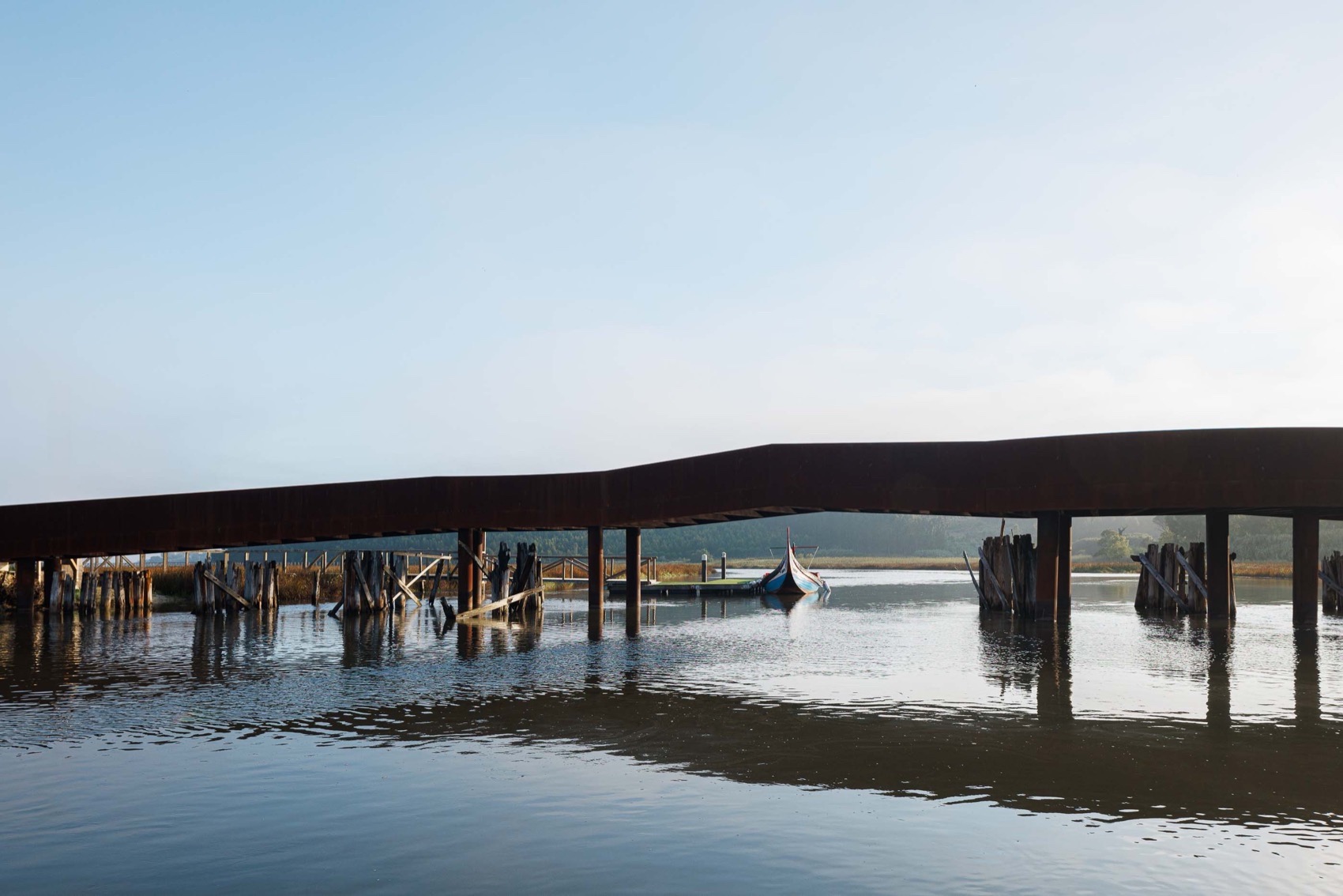
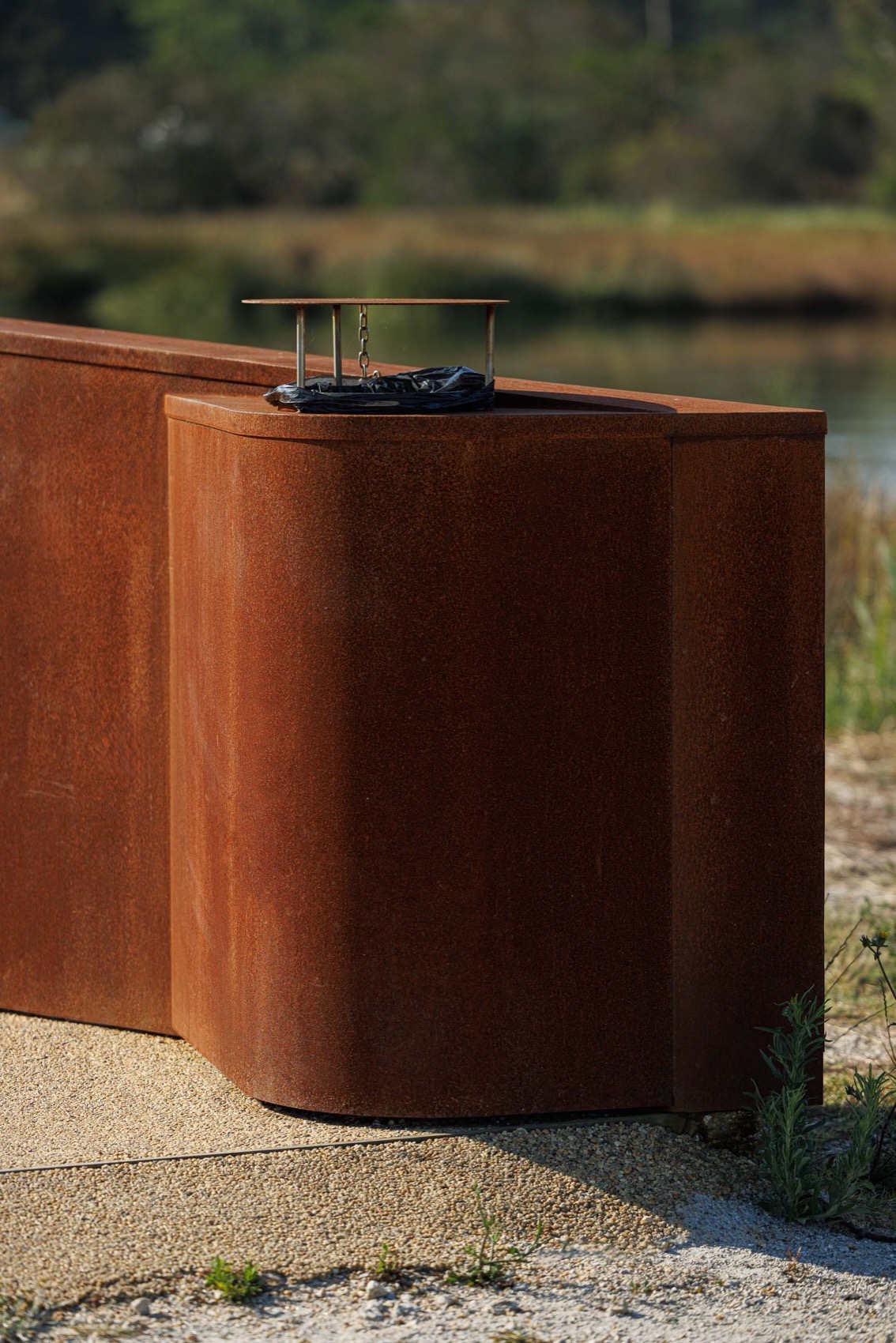
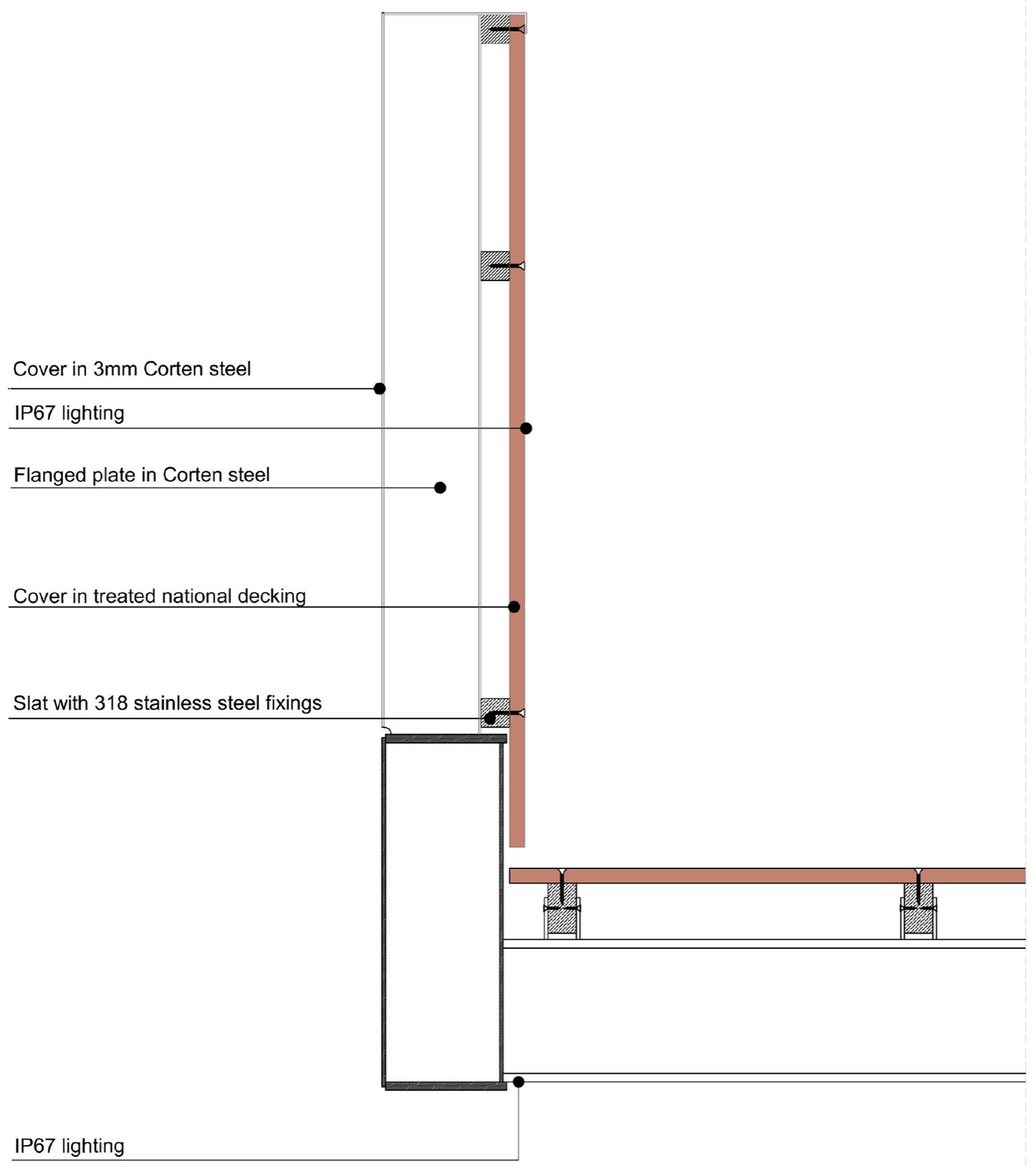
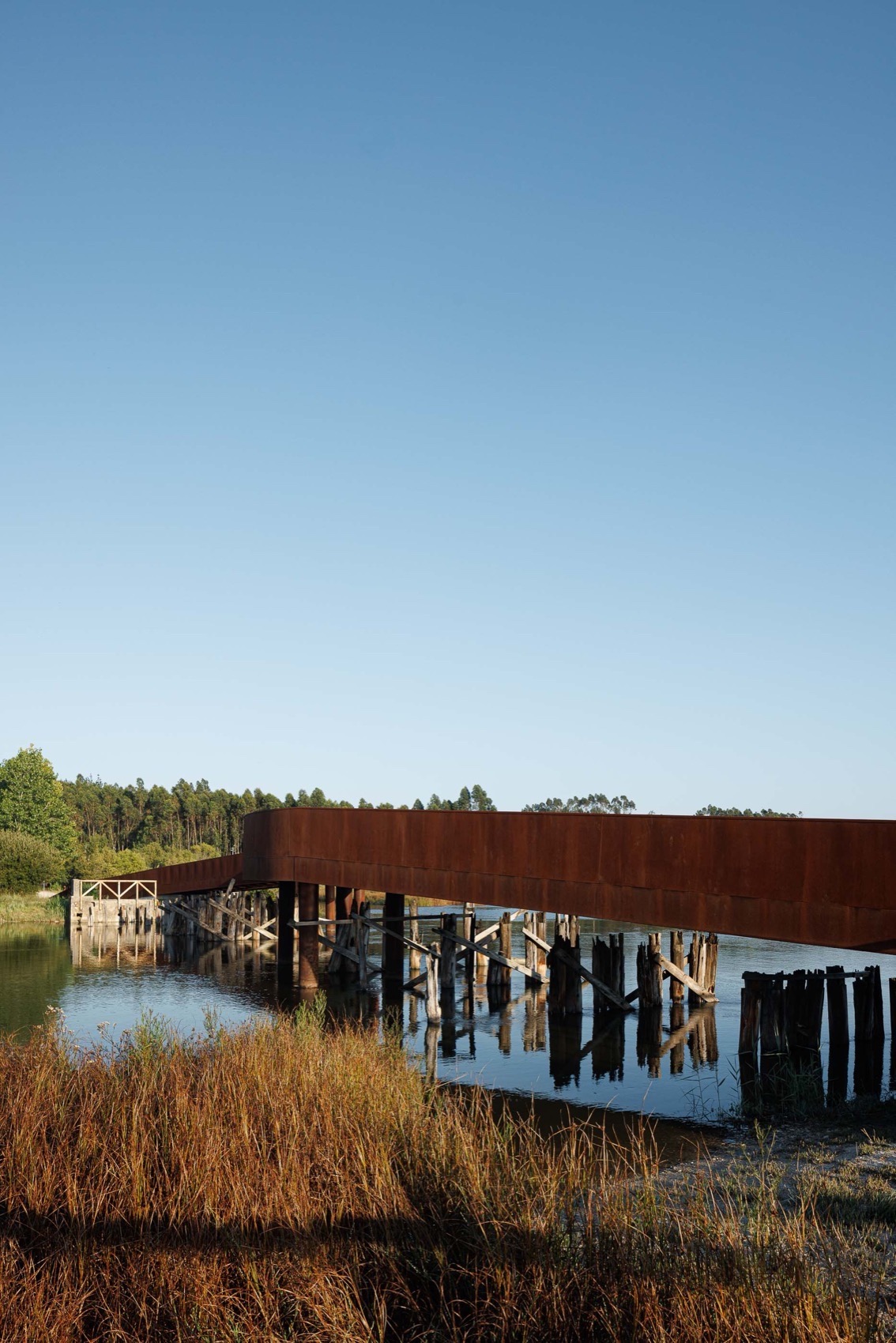
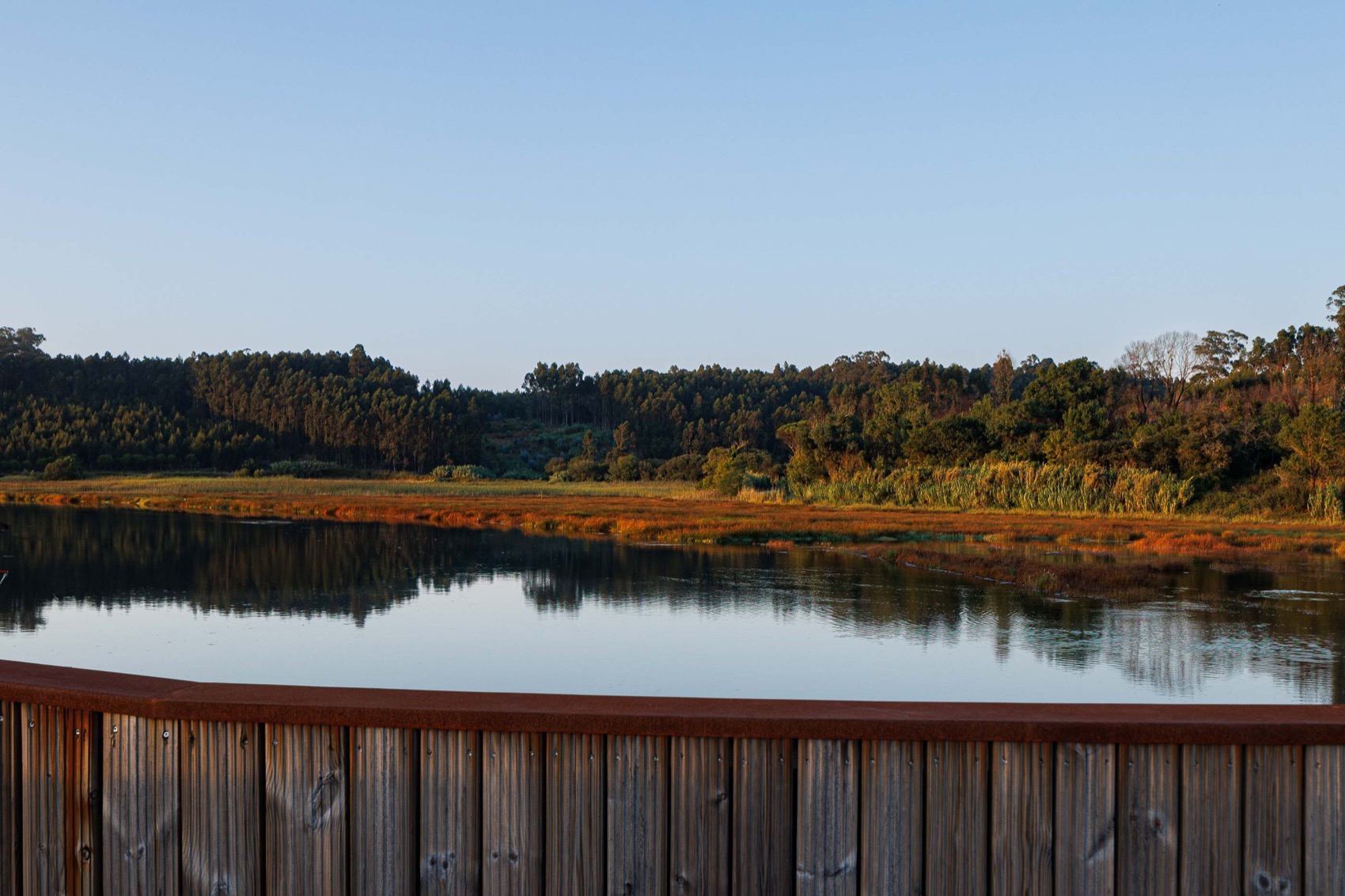
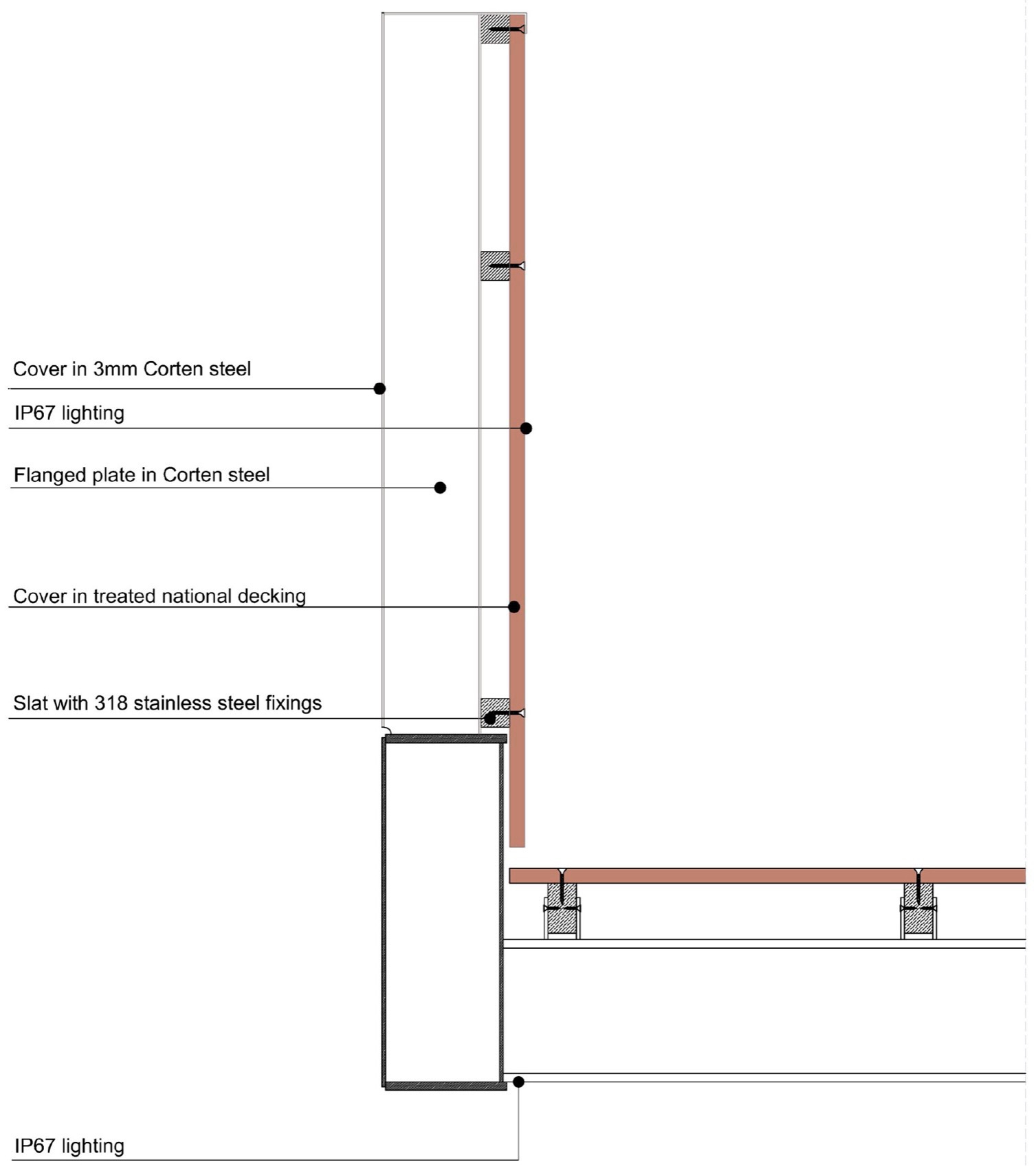
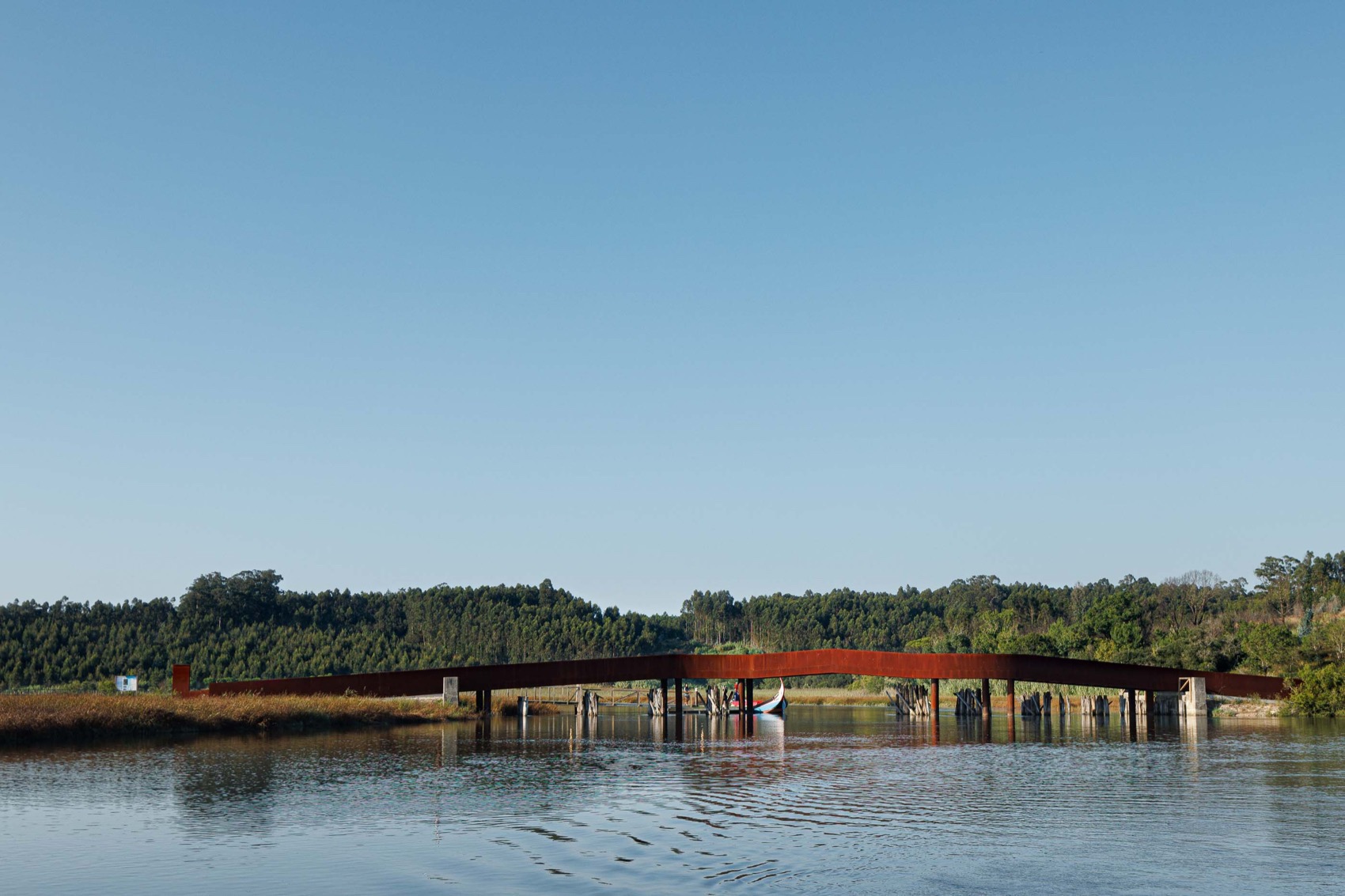
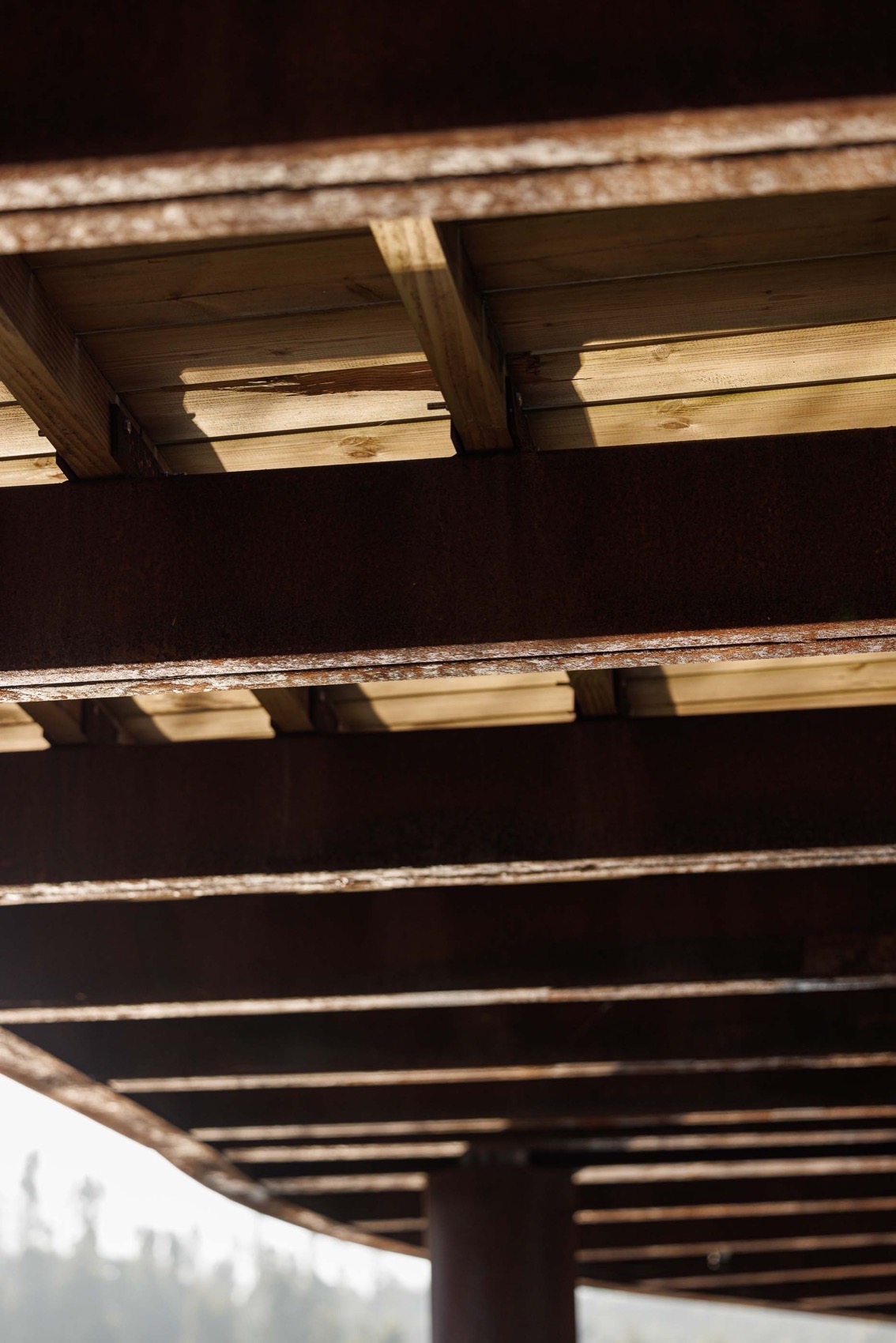
We chose a clean design approach, using materials with colours and textures that complement the surrounding environment, such as corten steel and wood. The organic nature of the shape was a key element in minimizing the visual impact of the structure on the landscape, ensuring that the new bridge harmoniously integrates into the natural environment, even in the future absence of the ruin.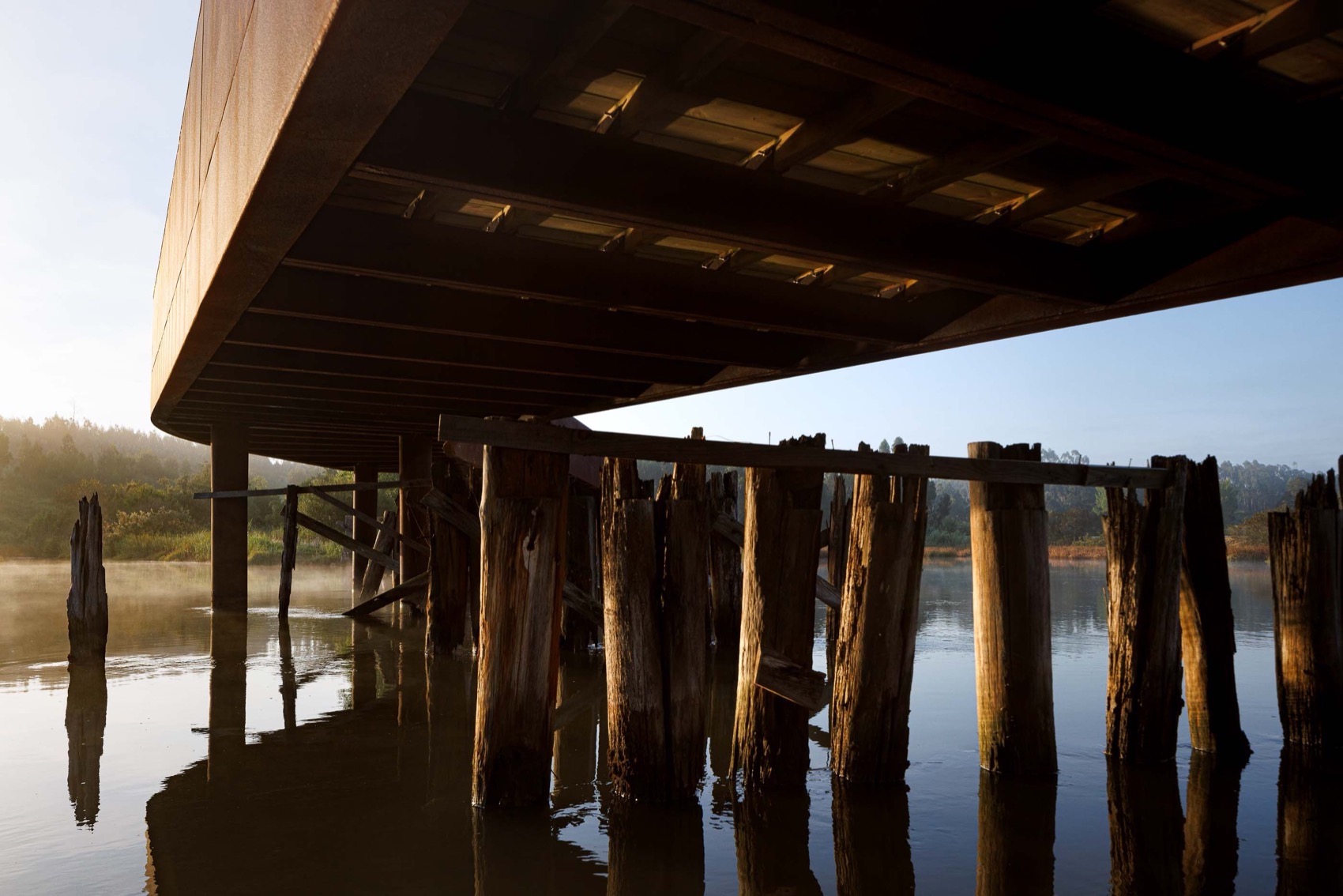
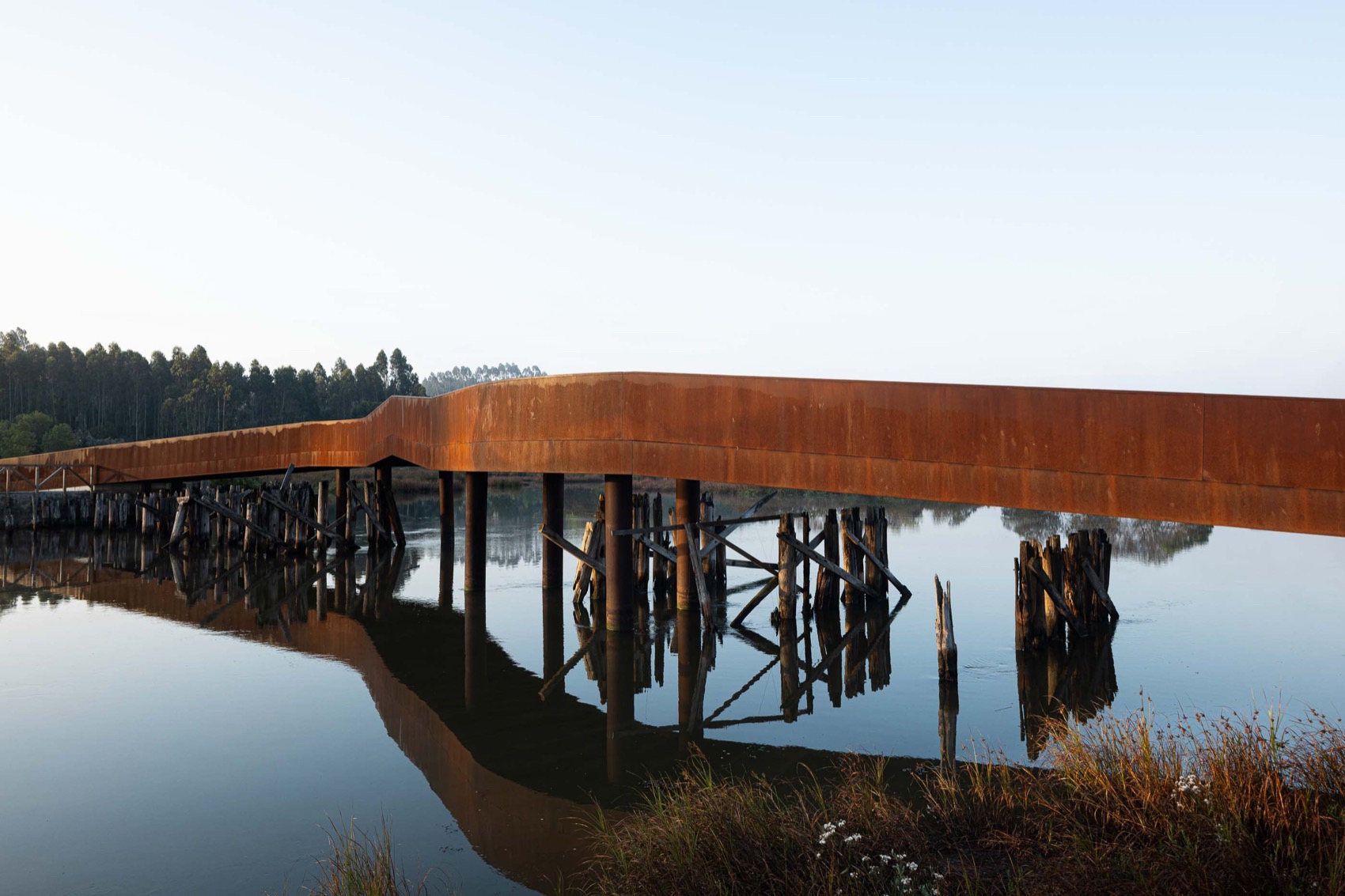
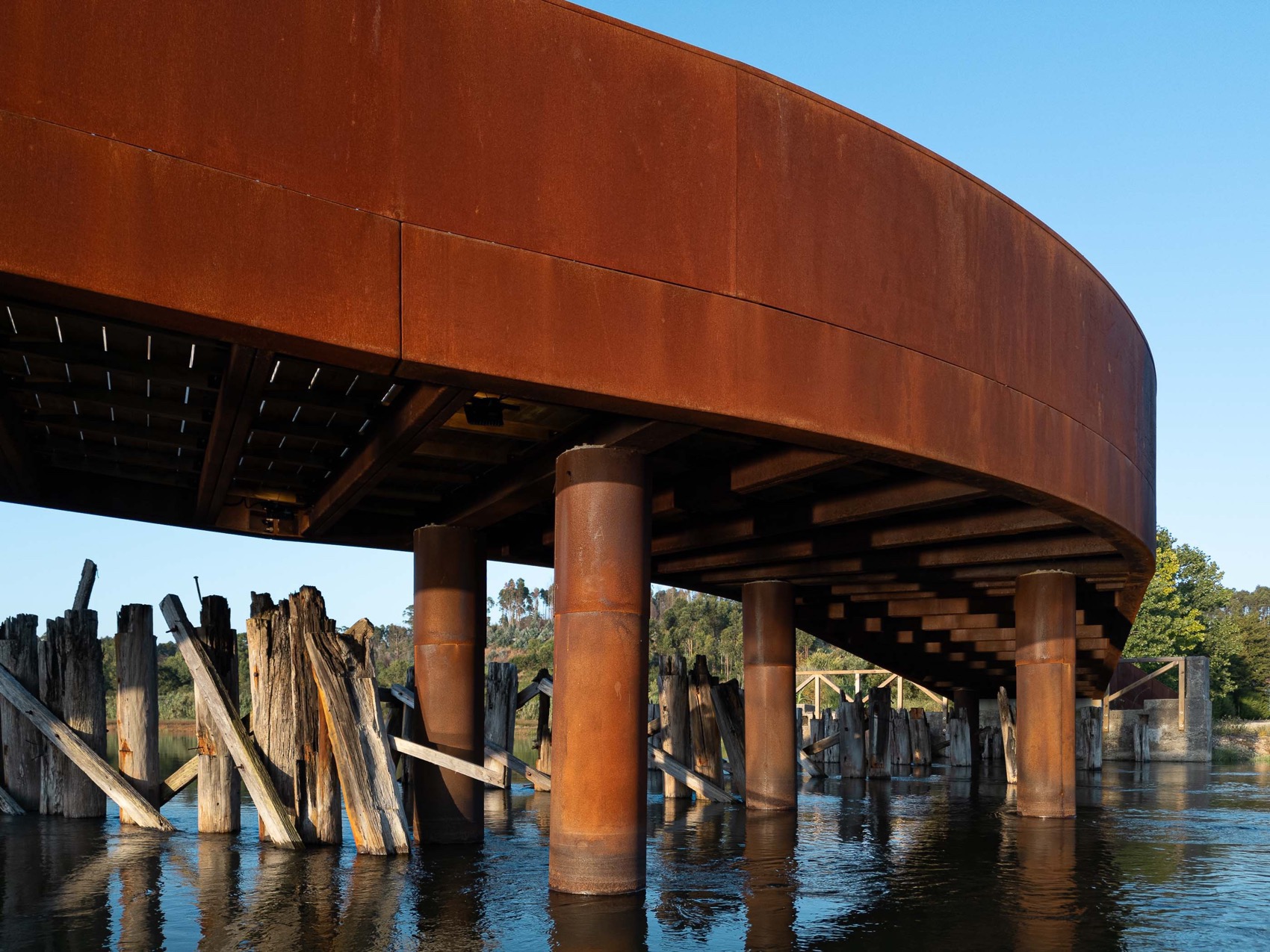
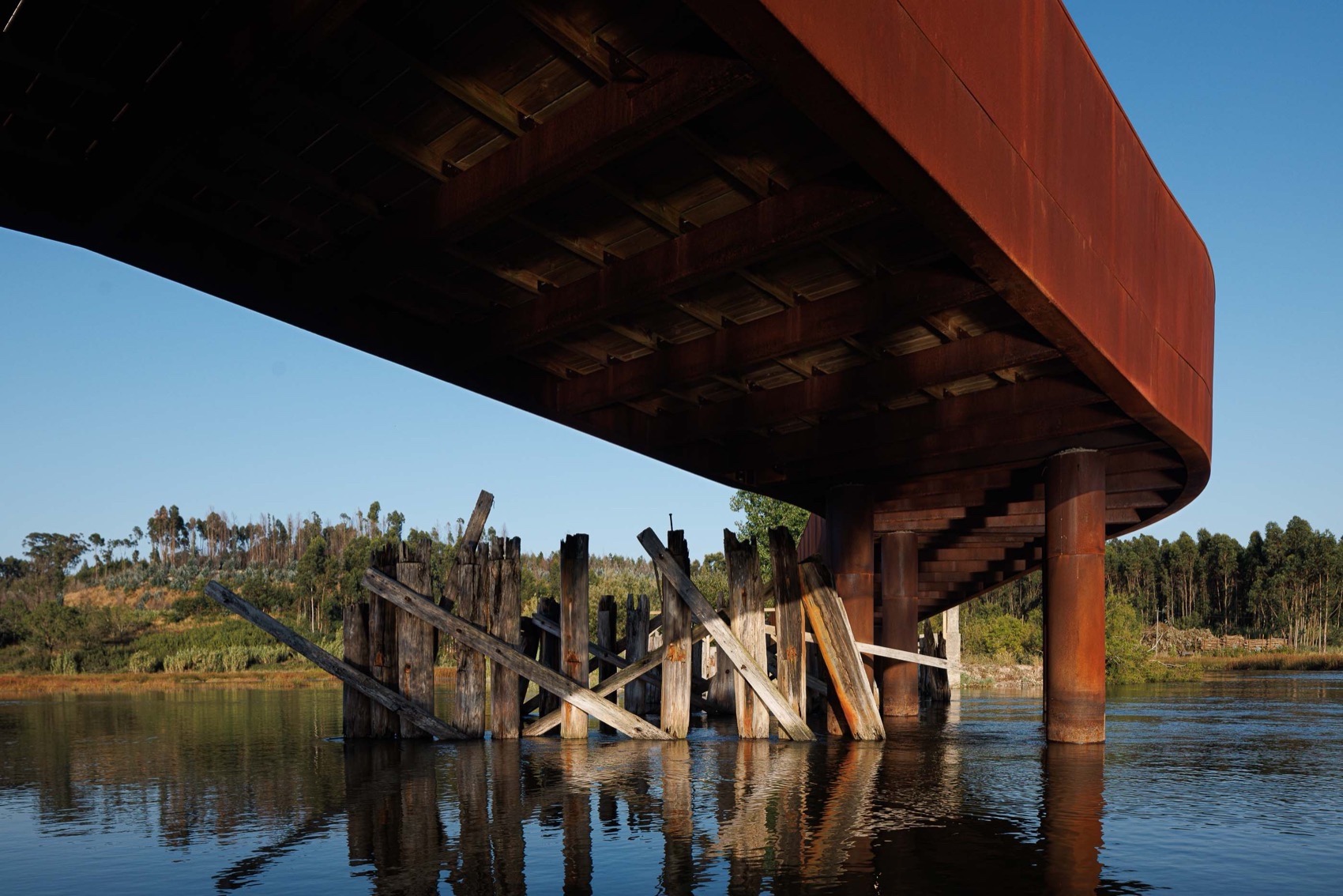
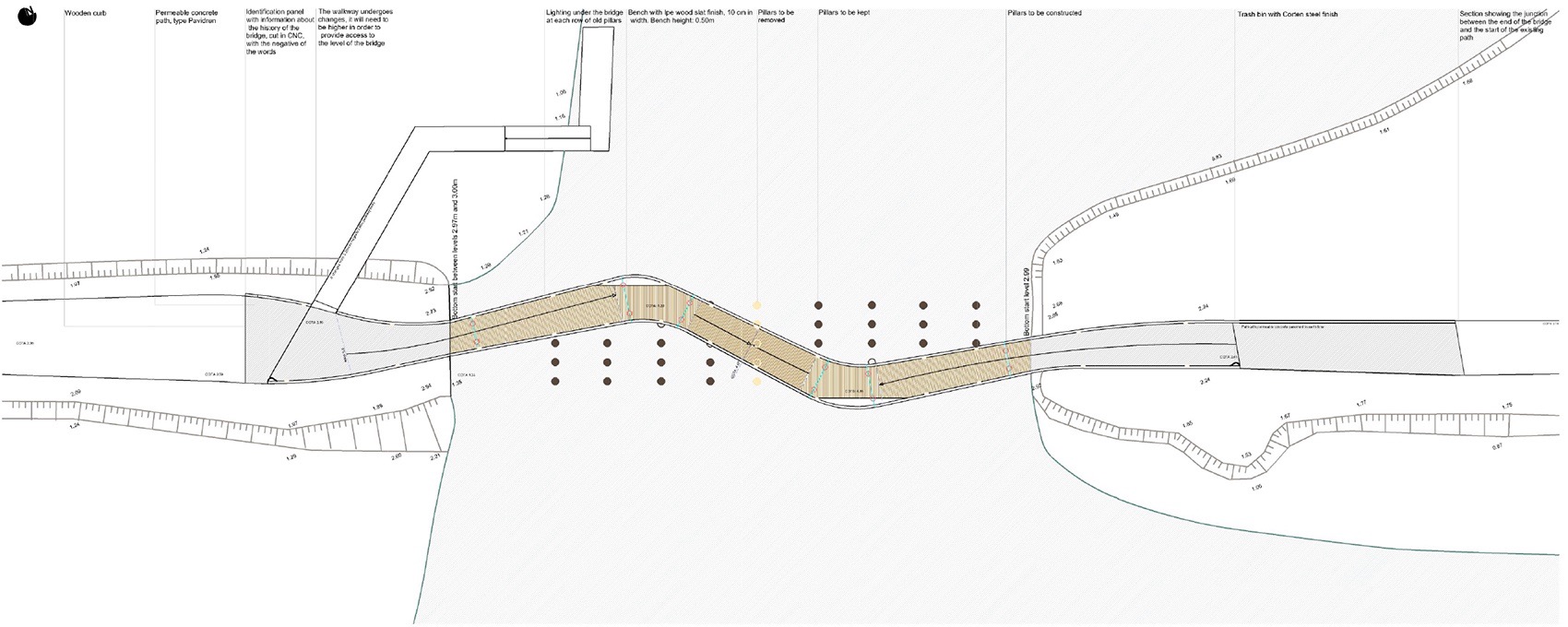
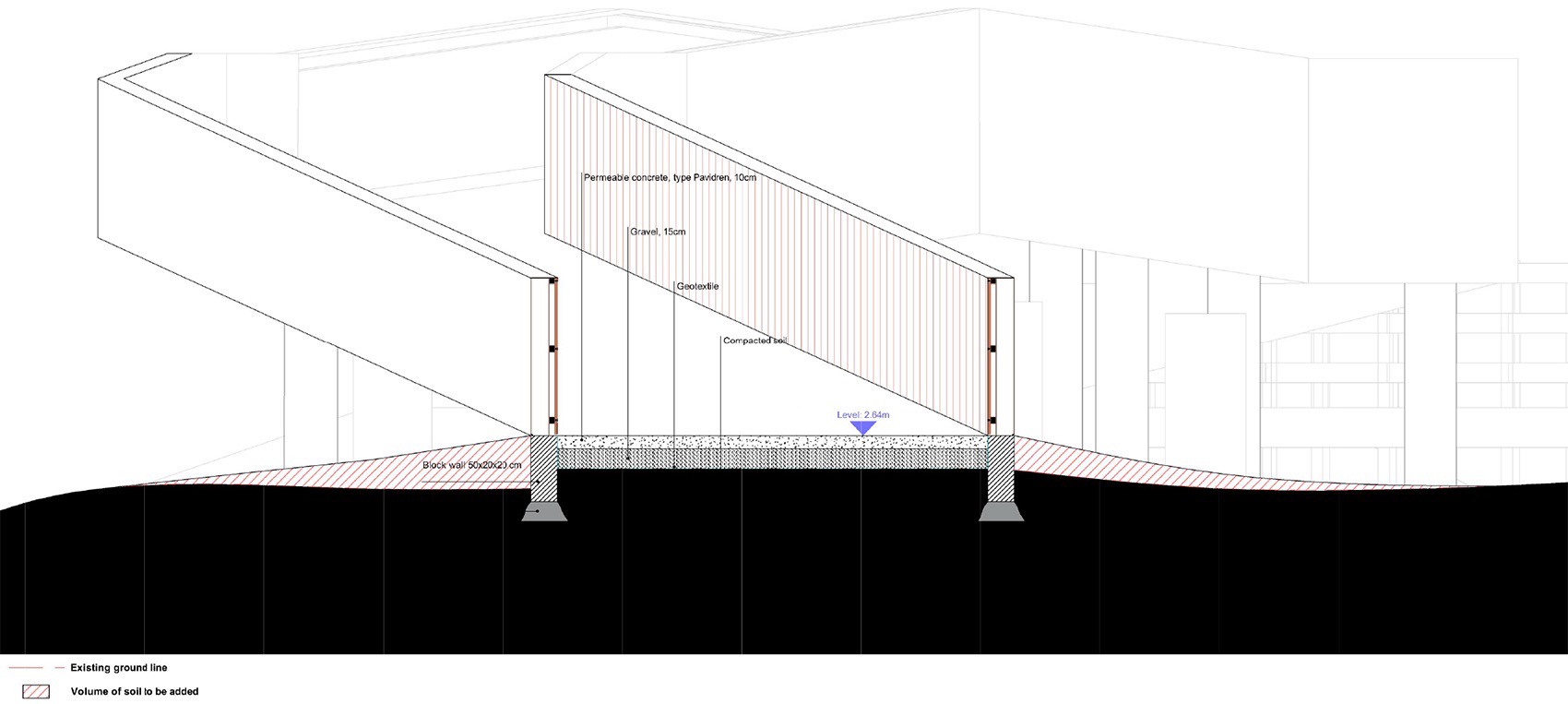
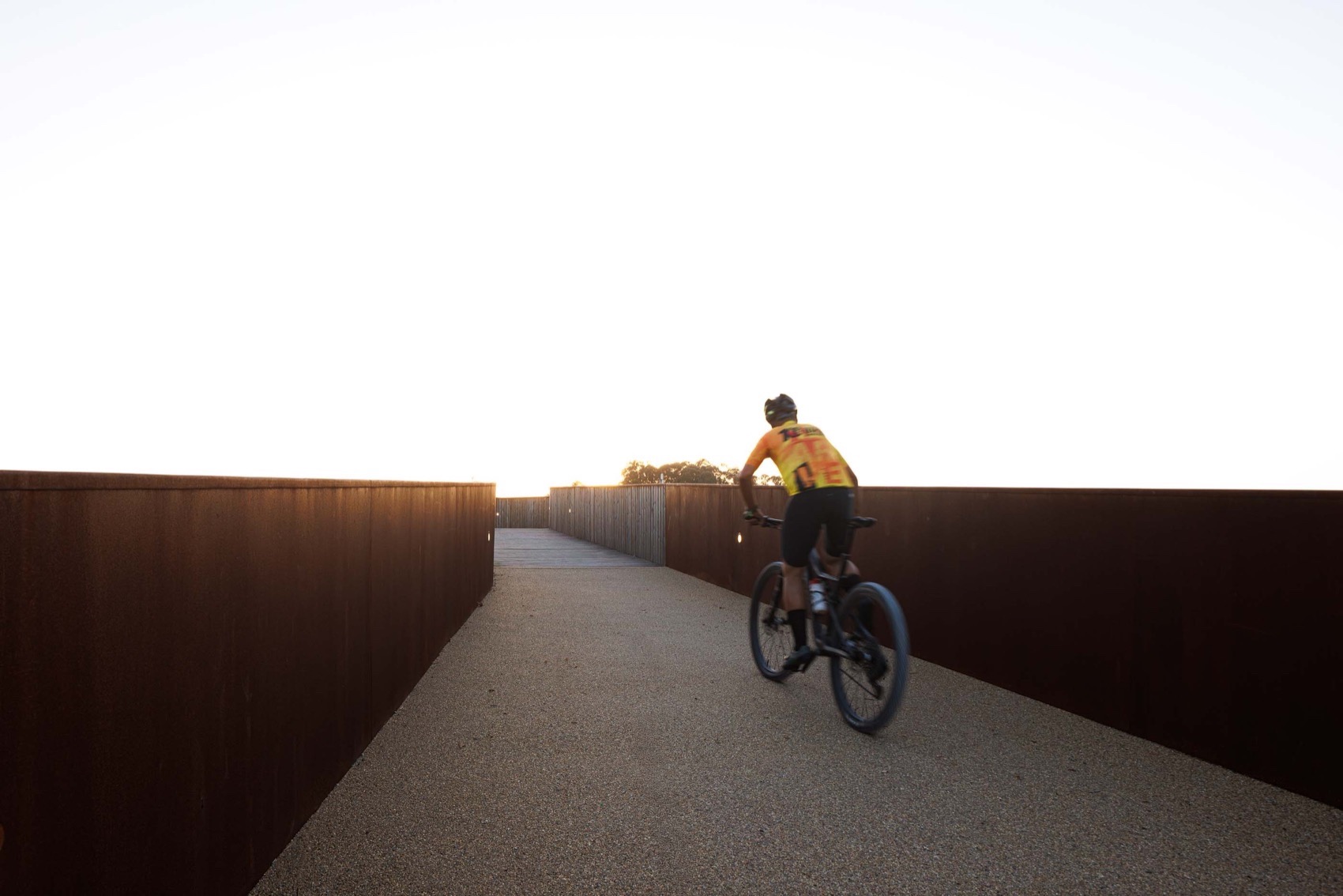
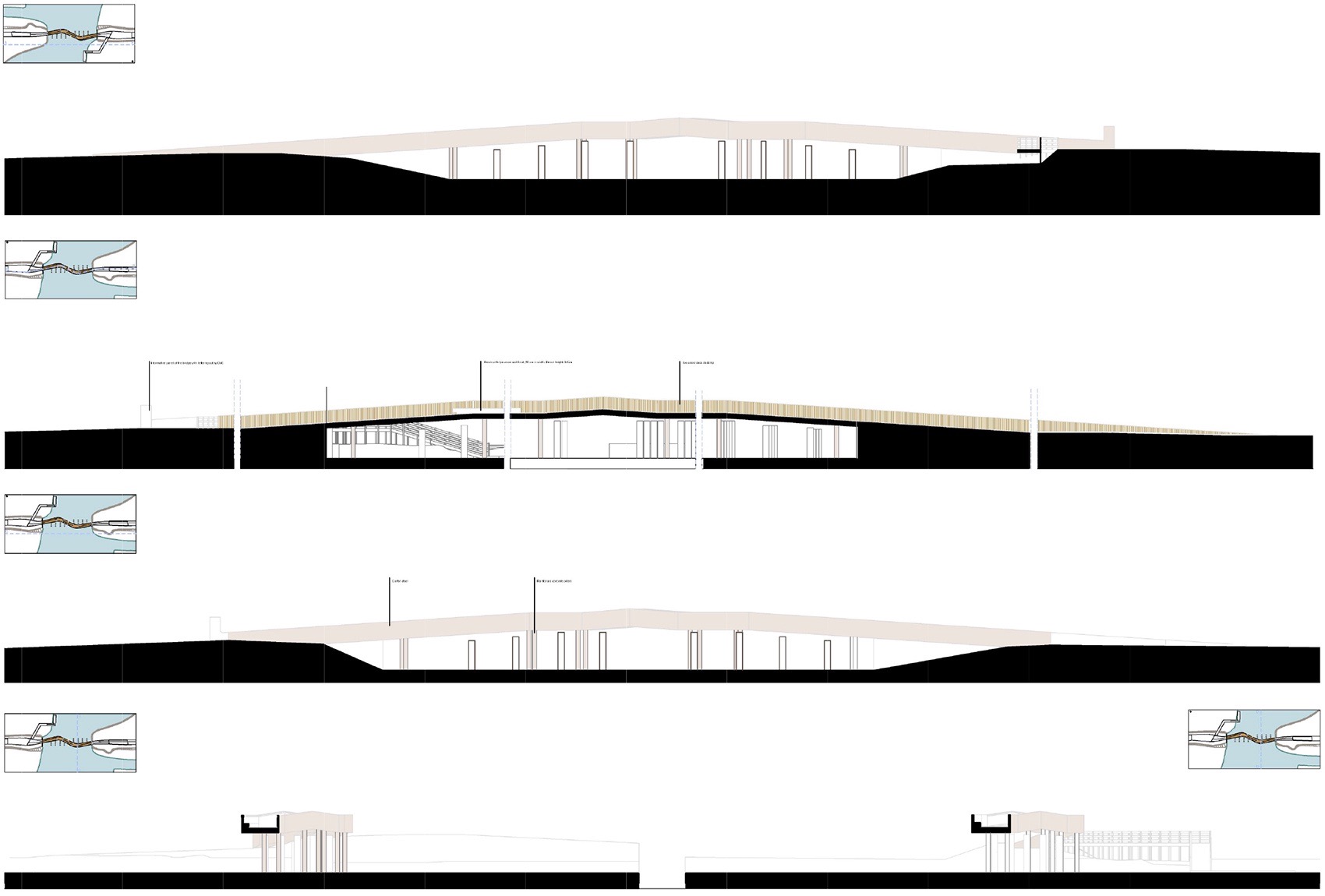
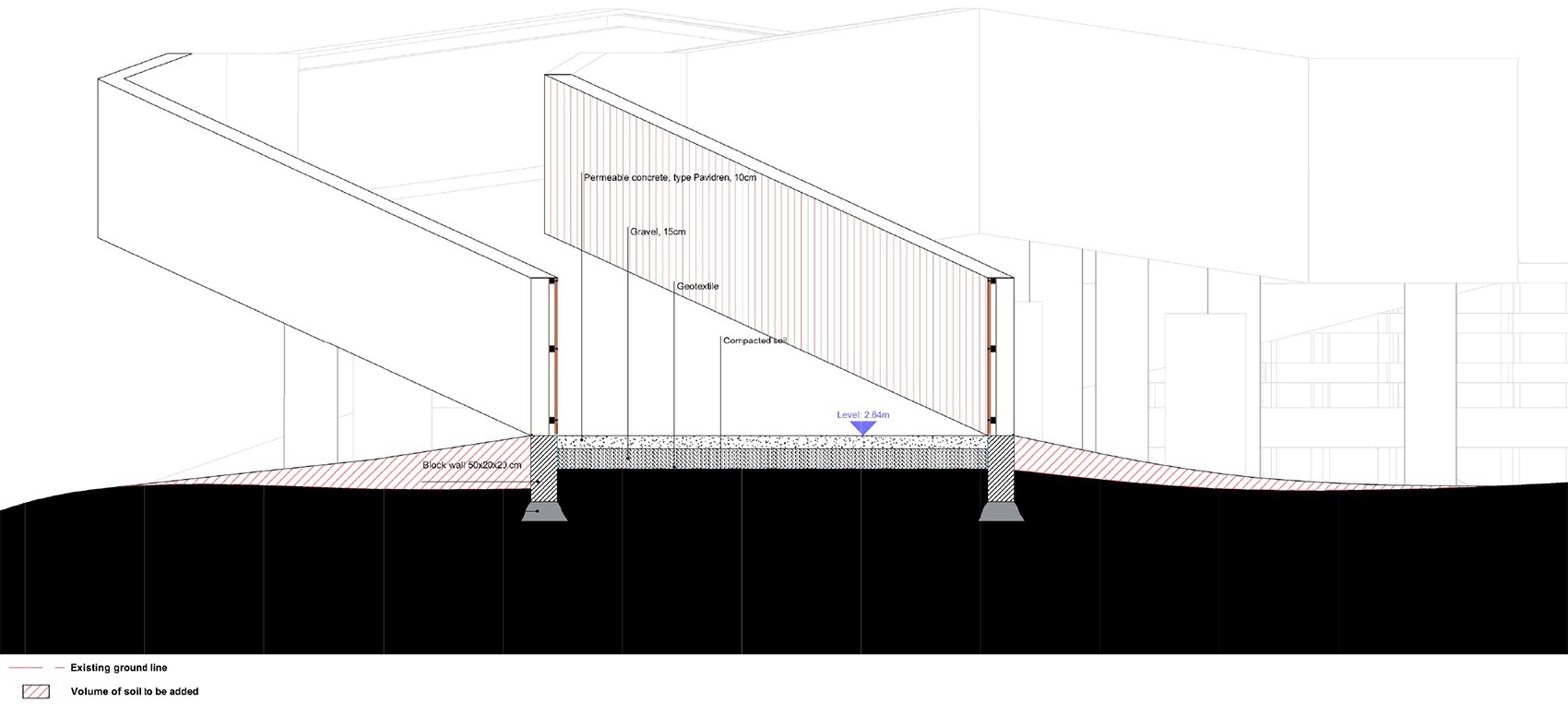
Given that the project’s budget could not exceed €180,000 + VAT, we had to find solutions that were both functional and economical. Thus, the construction method was designed to optimize resources: the bridge was designed in five parts, with each segment not exceeding 14 meters in length. This approach eliminated the need for special transportation, reduced logistical costs, and allowed for an agile and efficient assembly on-site. Furthermore, the scale was carefully adjusted to the program, ensuring a minimum width of 2.50 meters to accommodate both the cycling track and pedestrian traffic.
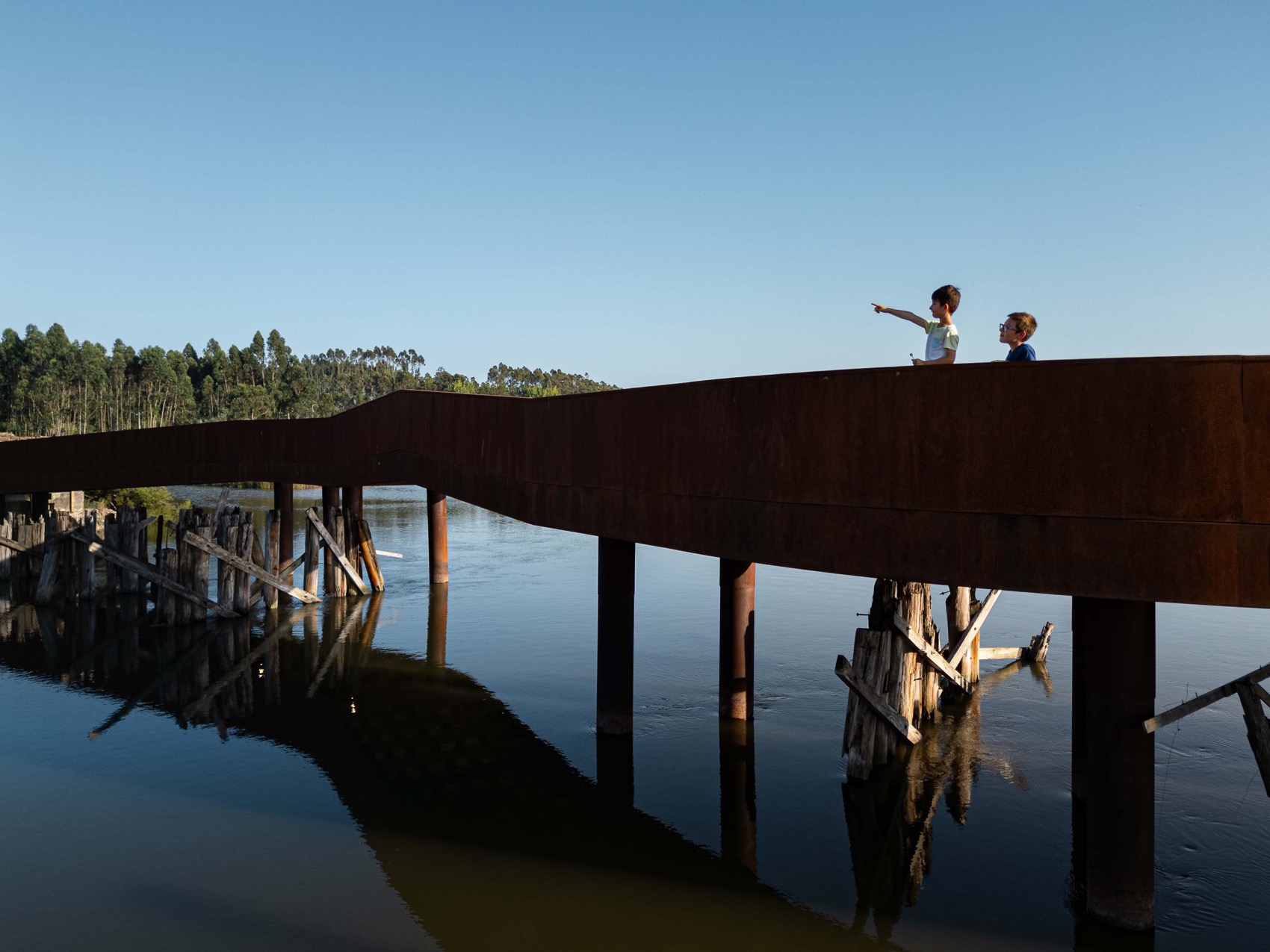
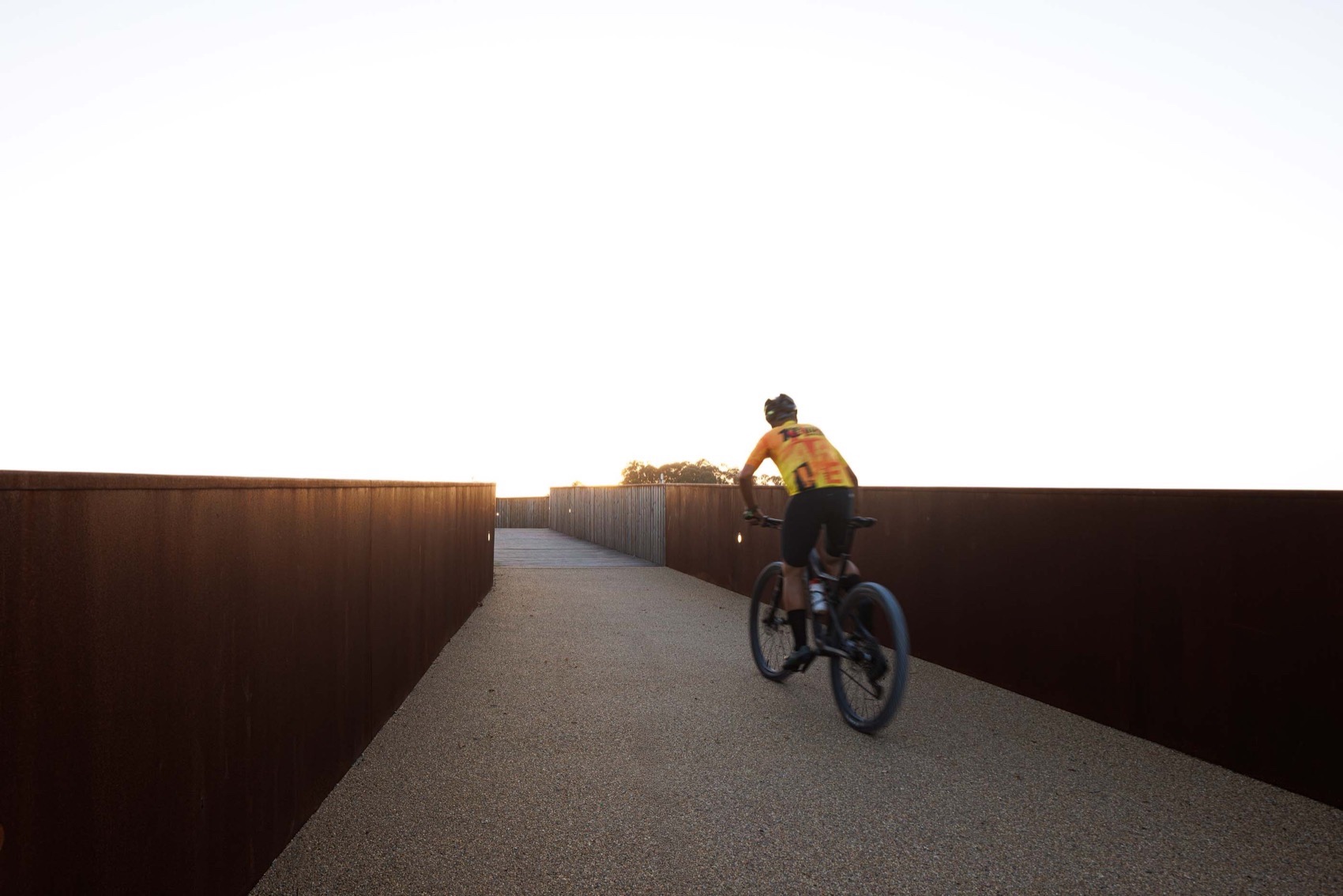
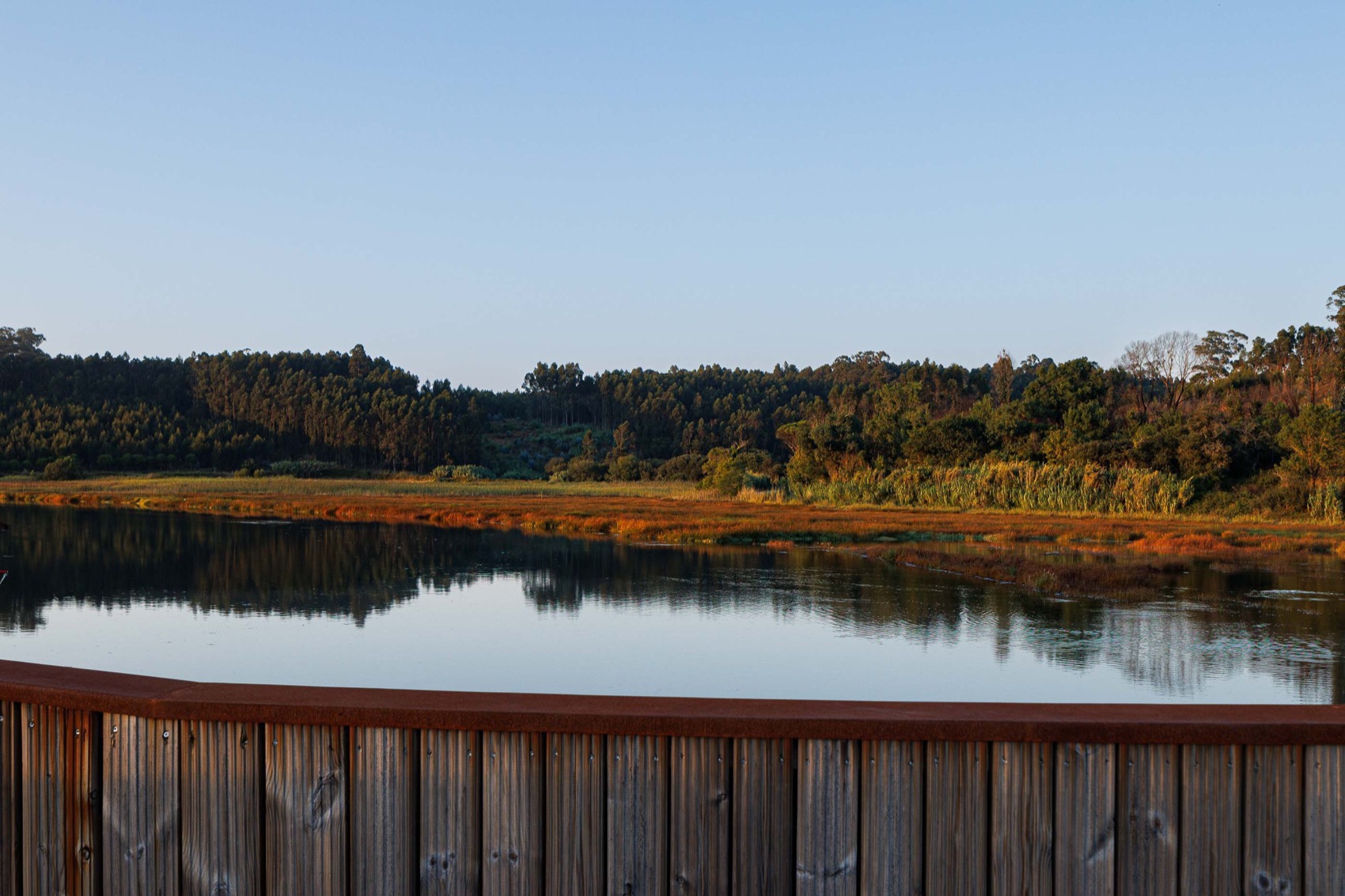
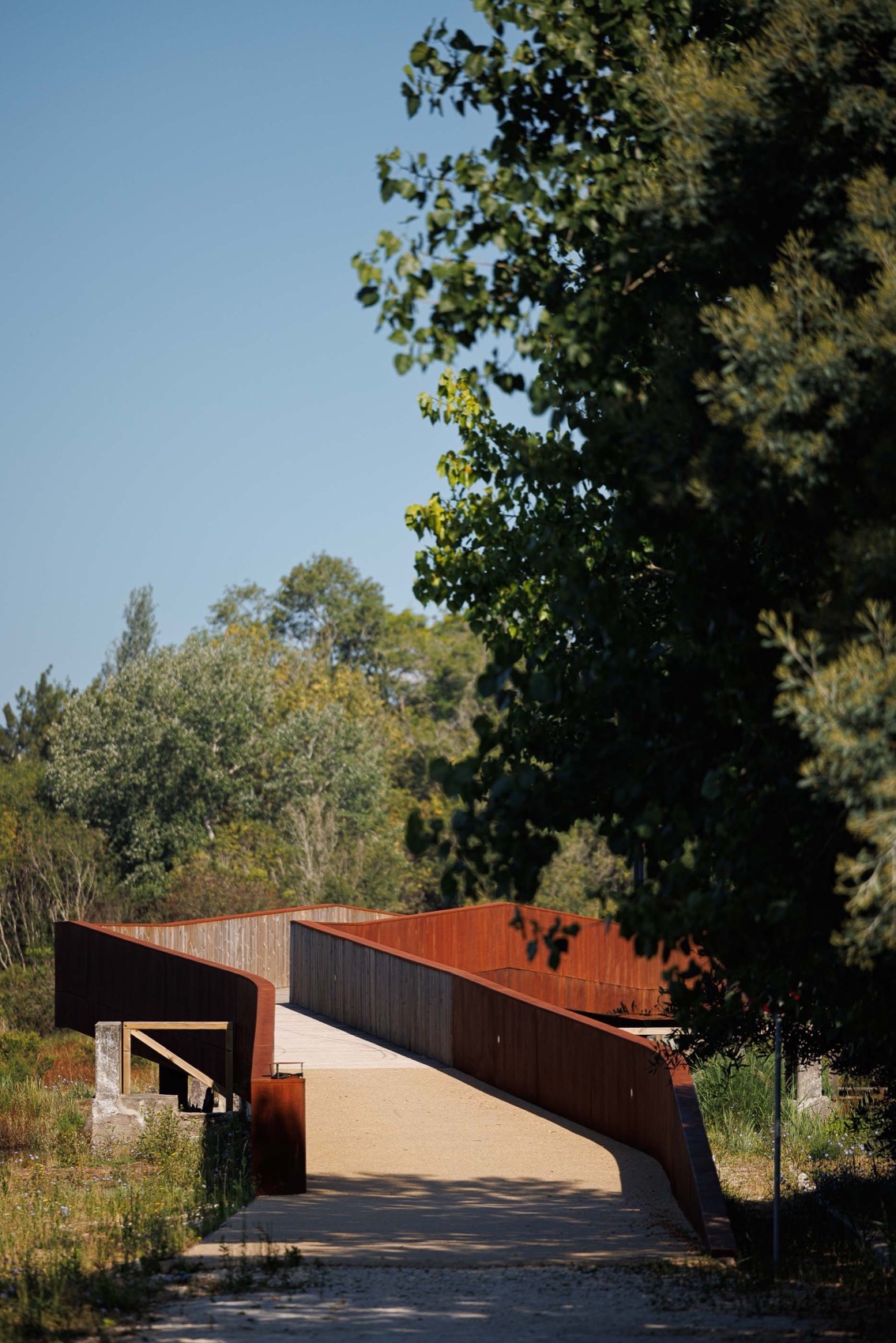
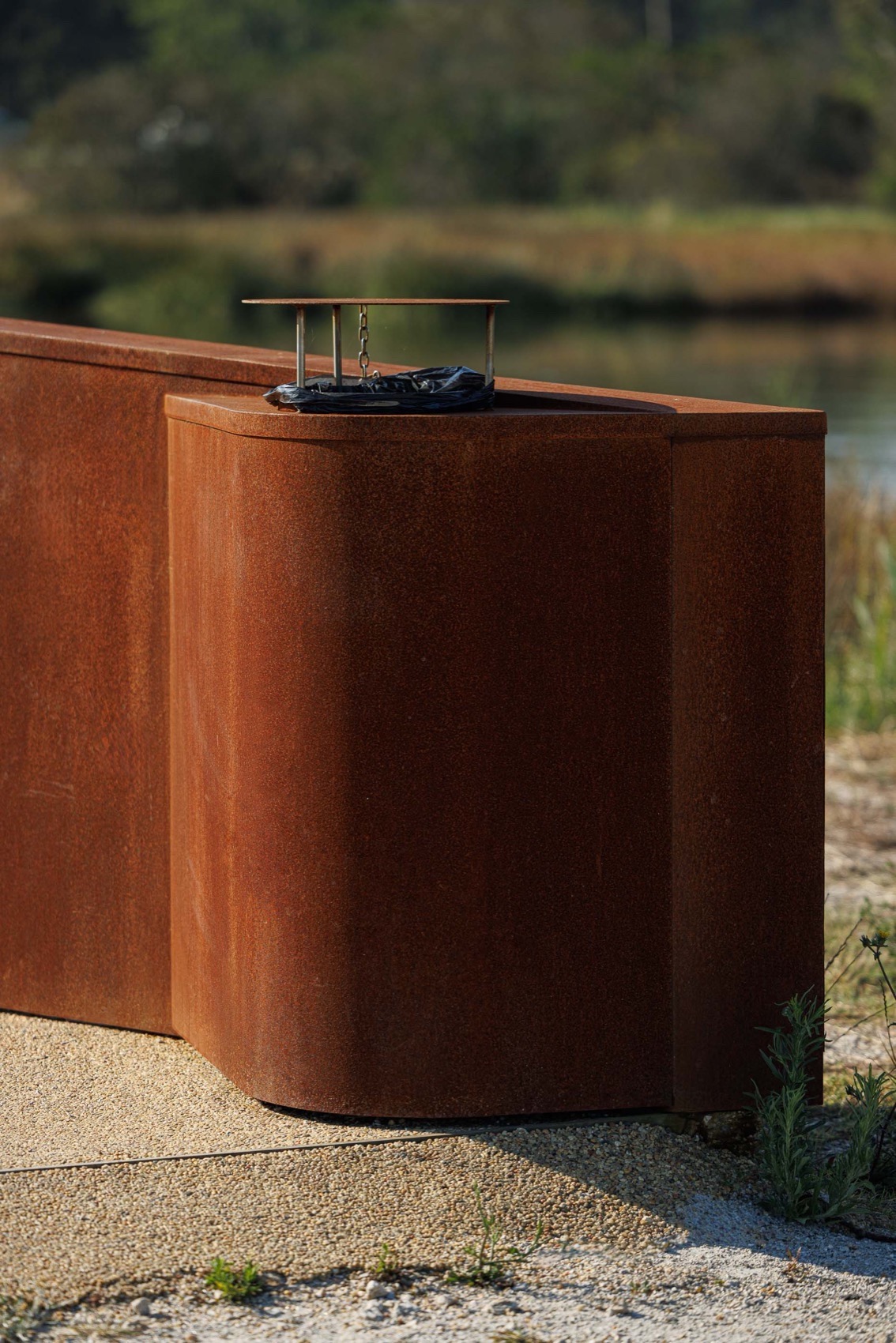
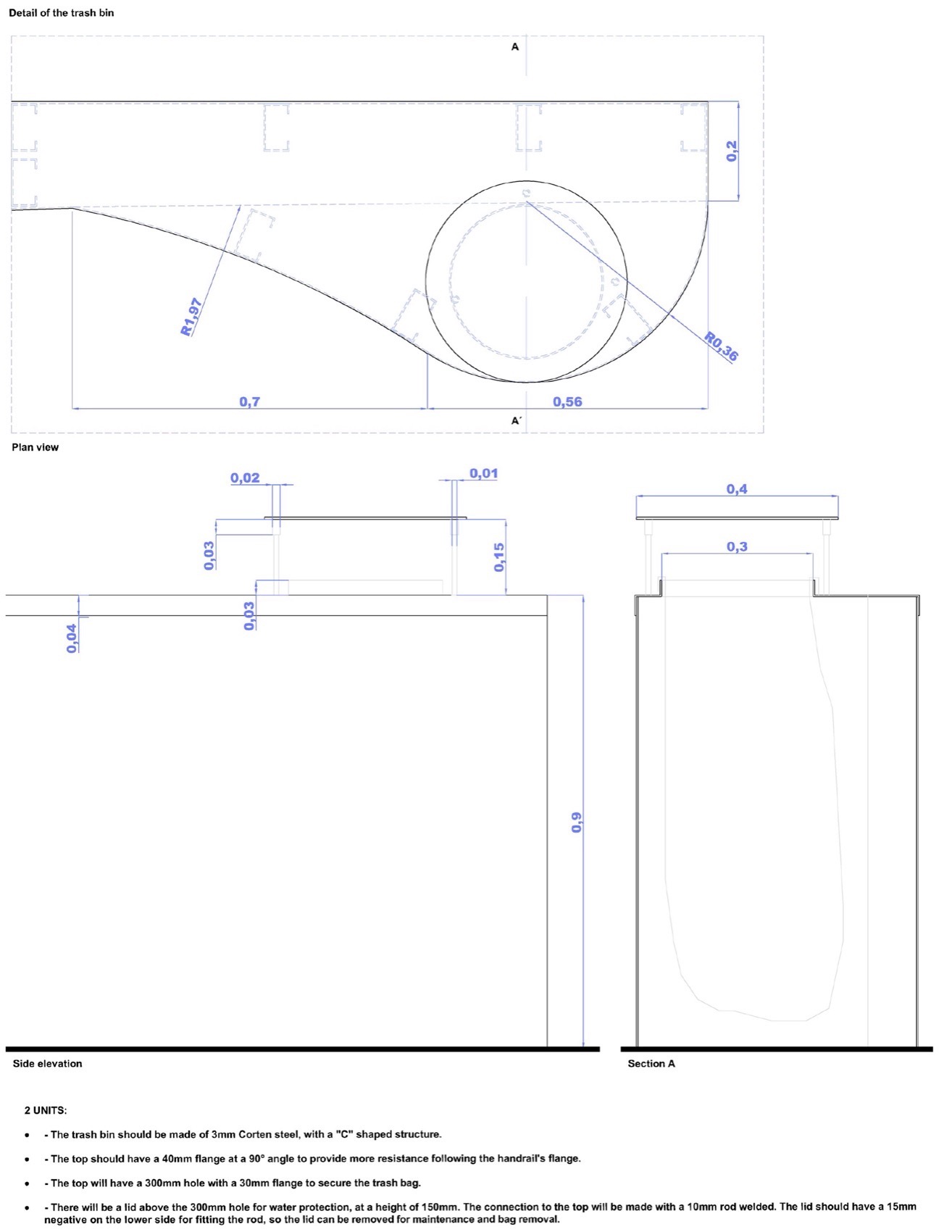
At the transitions of the bridge ramps, leisure spaces with flat areas were created, where benches were installed. These spaces provide resting points, fishing spots, and the opportunity to enjoy the view, making the crossing not only functional but also a place for socializing and contemplation.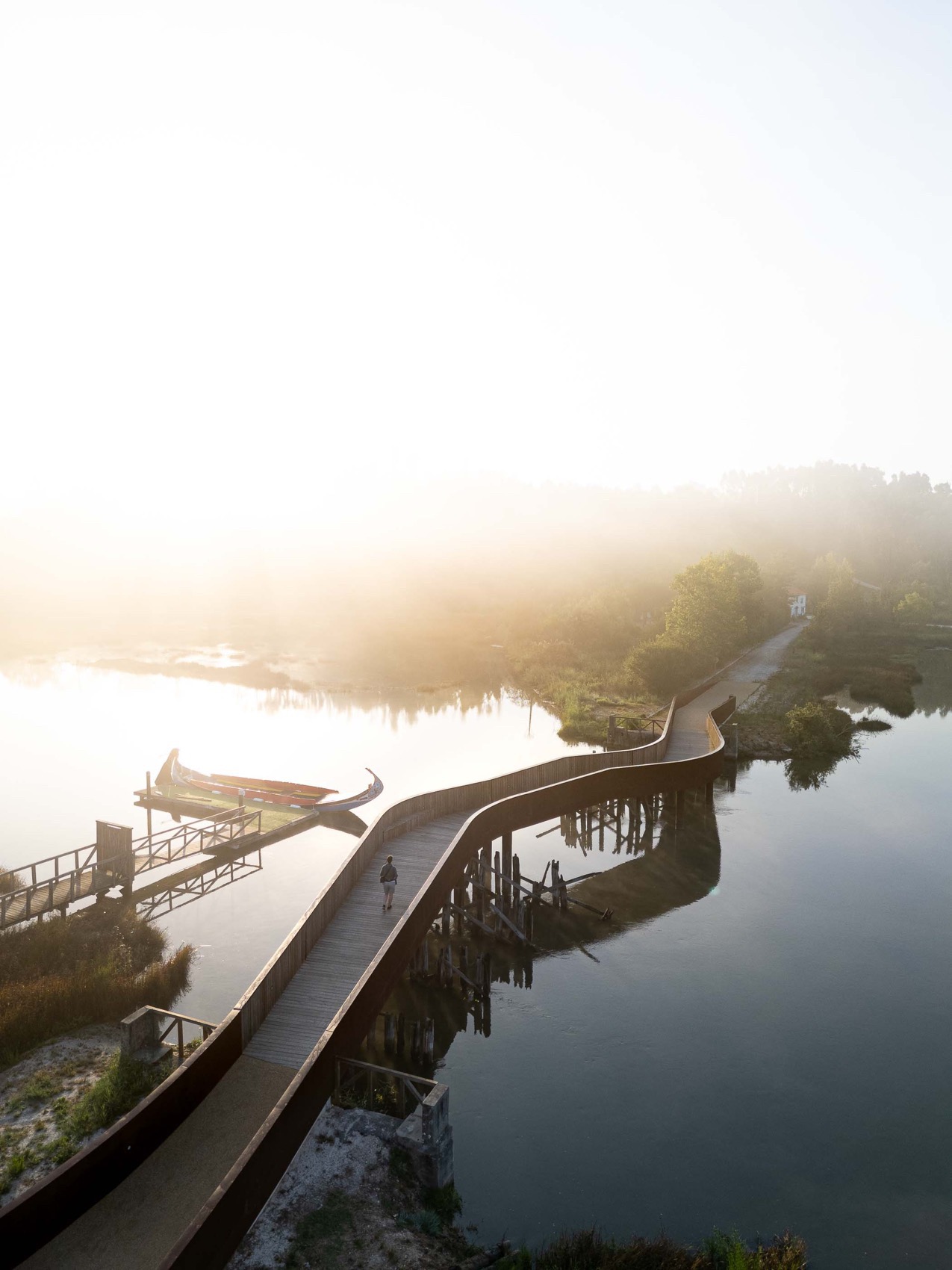
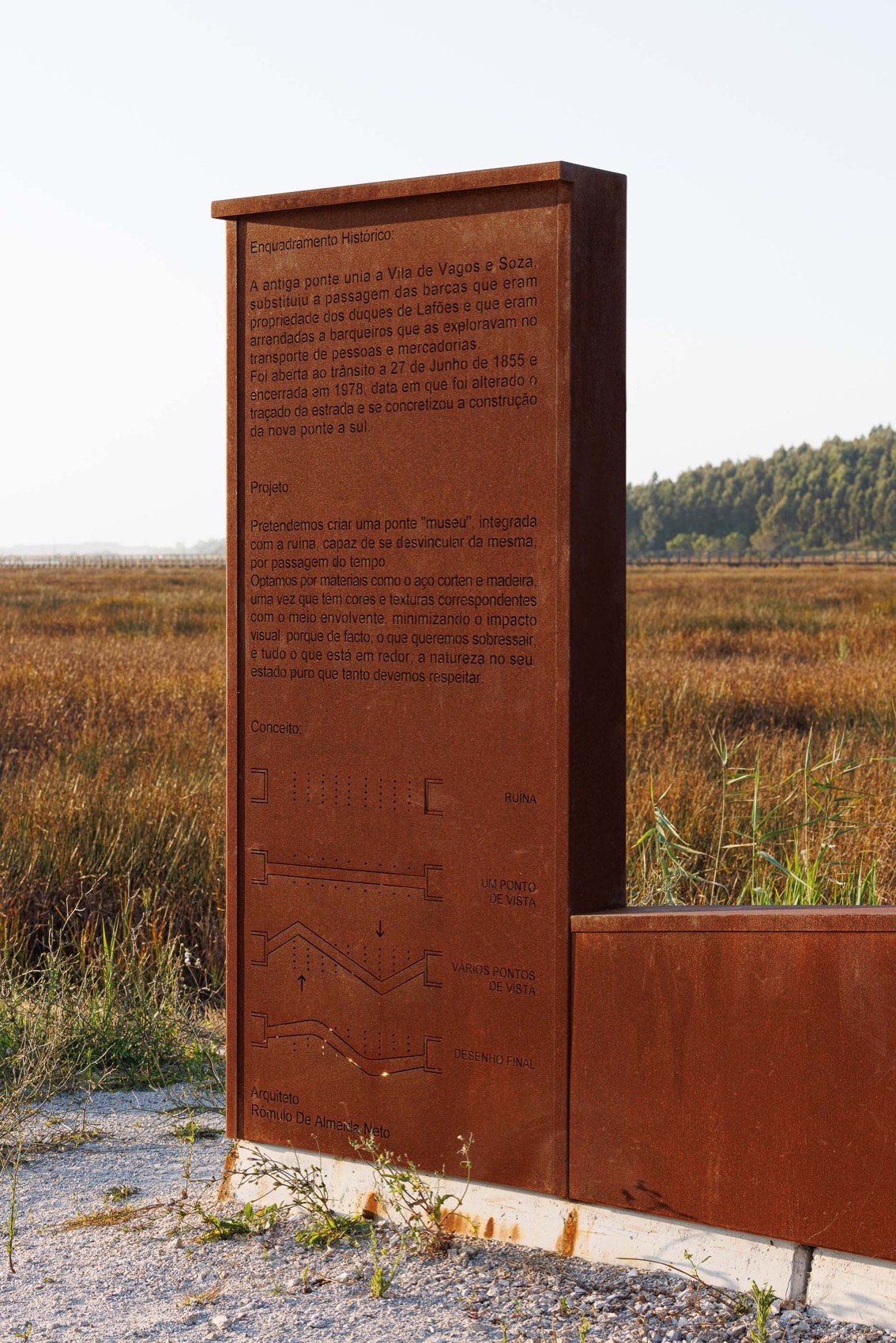
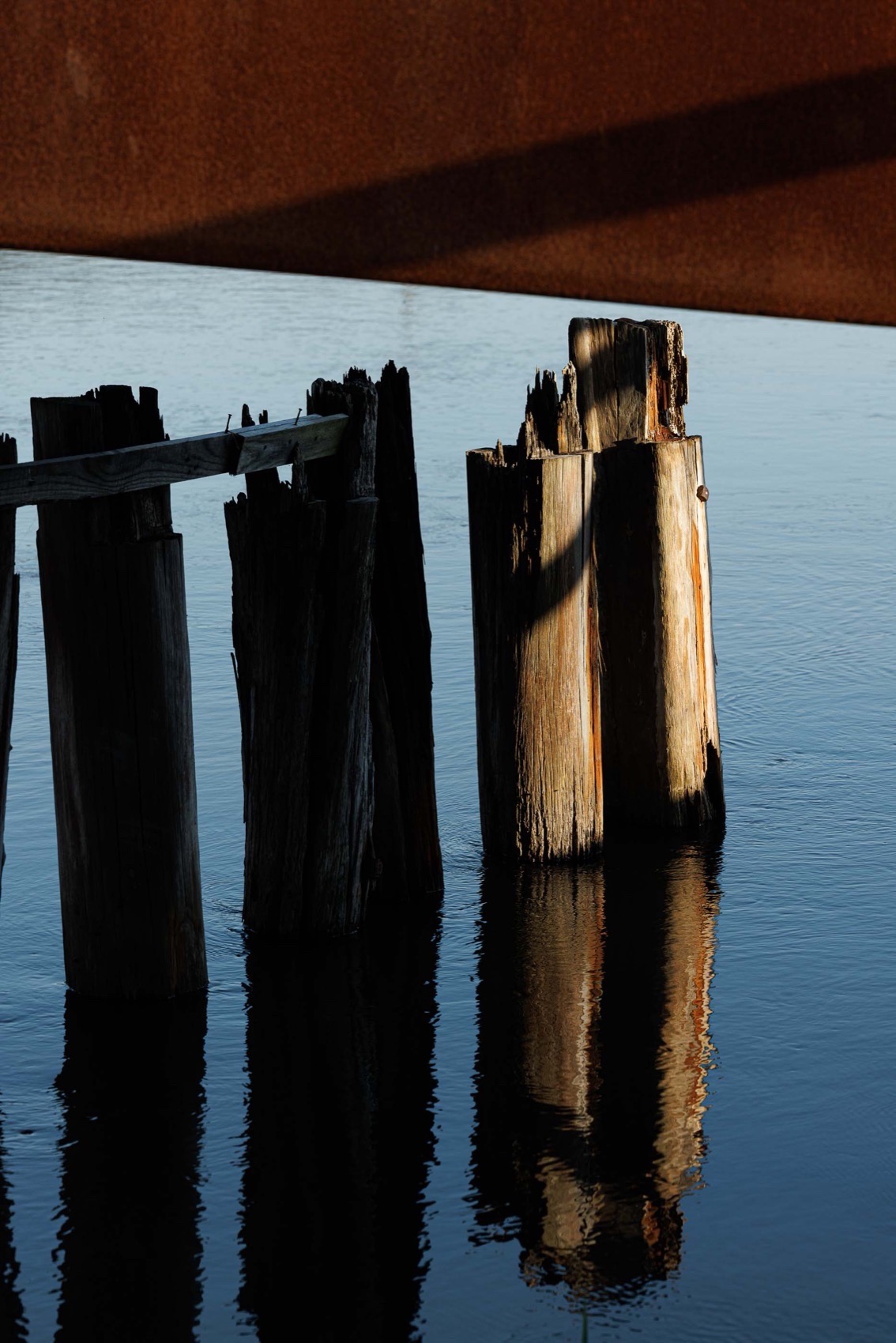
The volume of the bridge appears subtly, without interfering with the surrounding landscape. The structure’s placement evokes the undulations and curves characteristic of the marine environment, strategically positioning itself to visually integrate with the existing ruin. However, the new bridge was designed to be independent, ensuring that its relevance and functionality remain intact even in the future absence of the ruin, perpetuating its value as an element of connection, experience, and design.

老北京巴士· 昌平街头的公交车主题公共儿童空间丨喜随设计 XISUI Design
Doca Linear Park丨Natureza Urbana
新天地东台里章太炎故居装置丨Kokaistudios

Cycle and Pedestrian Crossing Over the Fareja Bridge | Rómulo Neto

Ferneto SA | Rómulo Neto

BELIFE, Gabinetes de Saúde Integrada | Rómulo Neto


Heidentempel Pavilion | Christoph Hesse Architects

昆山玉山书房设计,探索新型复合型书店的多种可能性丨GLC(中国)

HAY!YoungBirds! 2020年亚洲优秀青年大赛三强作品《削笔刀》设计师访谈

订阅我们的资讯
切勿错过全球大设计产业链大事件和重要设计资源公司和新产品的推荐
联系我们
举报
返回顶部