


Chicken Hero Pavilion | RAD+ar
RAD+ar ,发布时间2026-01-15 11:15:15





Project Name: Chicken Hero Pavilion
Office Name: RAD+ar
Firm Location: Bali, Indonesia
Completion Year: 2024
Gross Built Area (m2/ ft2): 900m2
Project Location: Urban Forest Jakarta
Program / Use / Building Function: Pavilion
Lead Architects: Antonius Richard Rusli , Daniel Susanto
Photographer
Photo Credits: Mario Wibowo
版权声明:本链接内容均系版权方发布,版权属于 RAD+ar,编辑版本版权属于设计宇宙designverse,未经授权许可不得复制转载此链接内容。欢迎转发此链接。
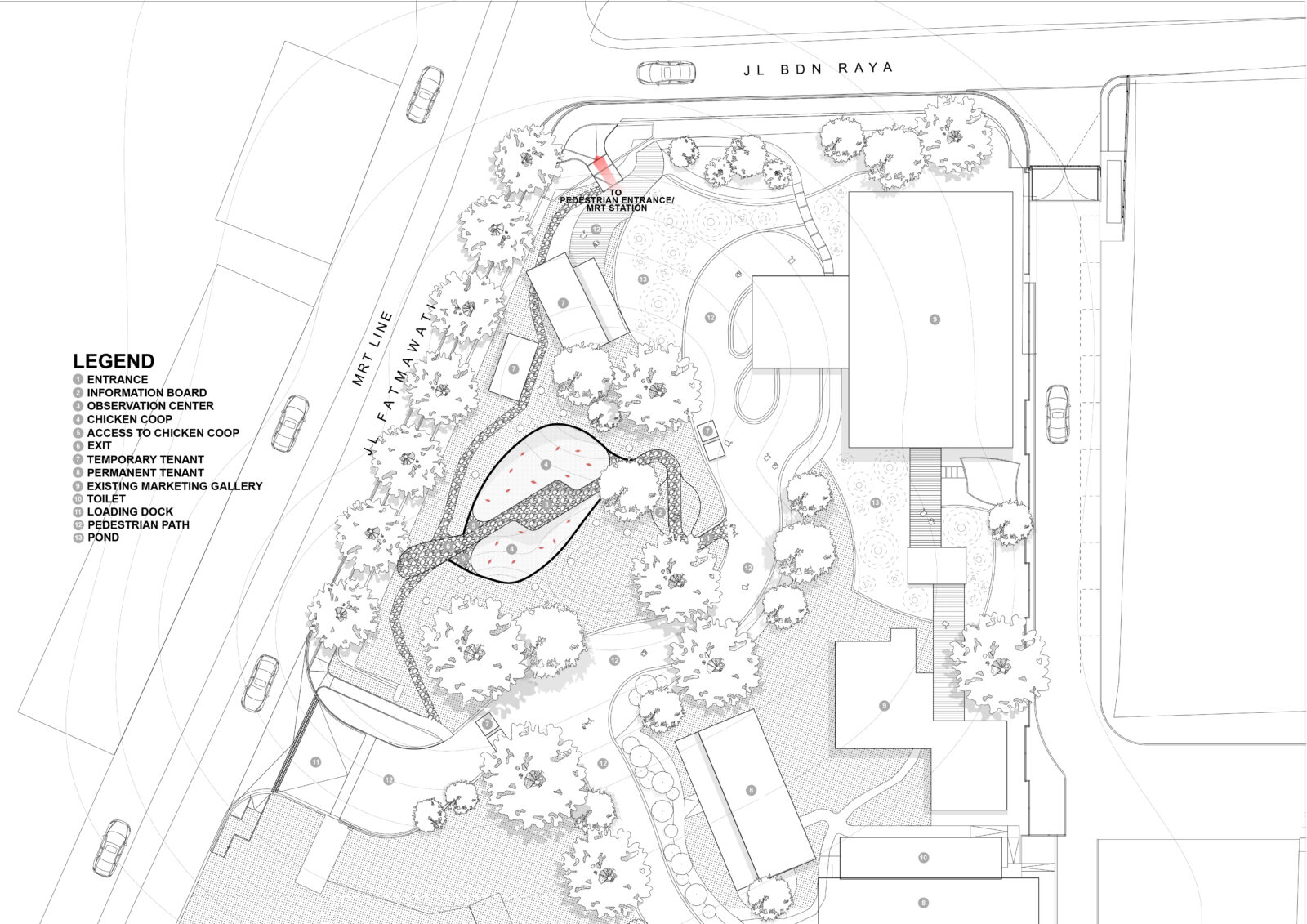
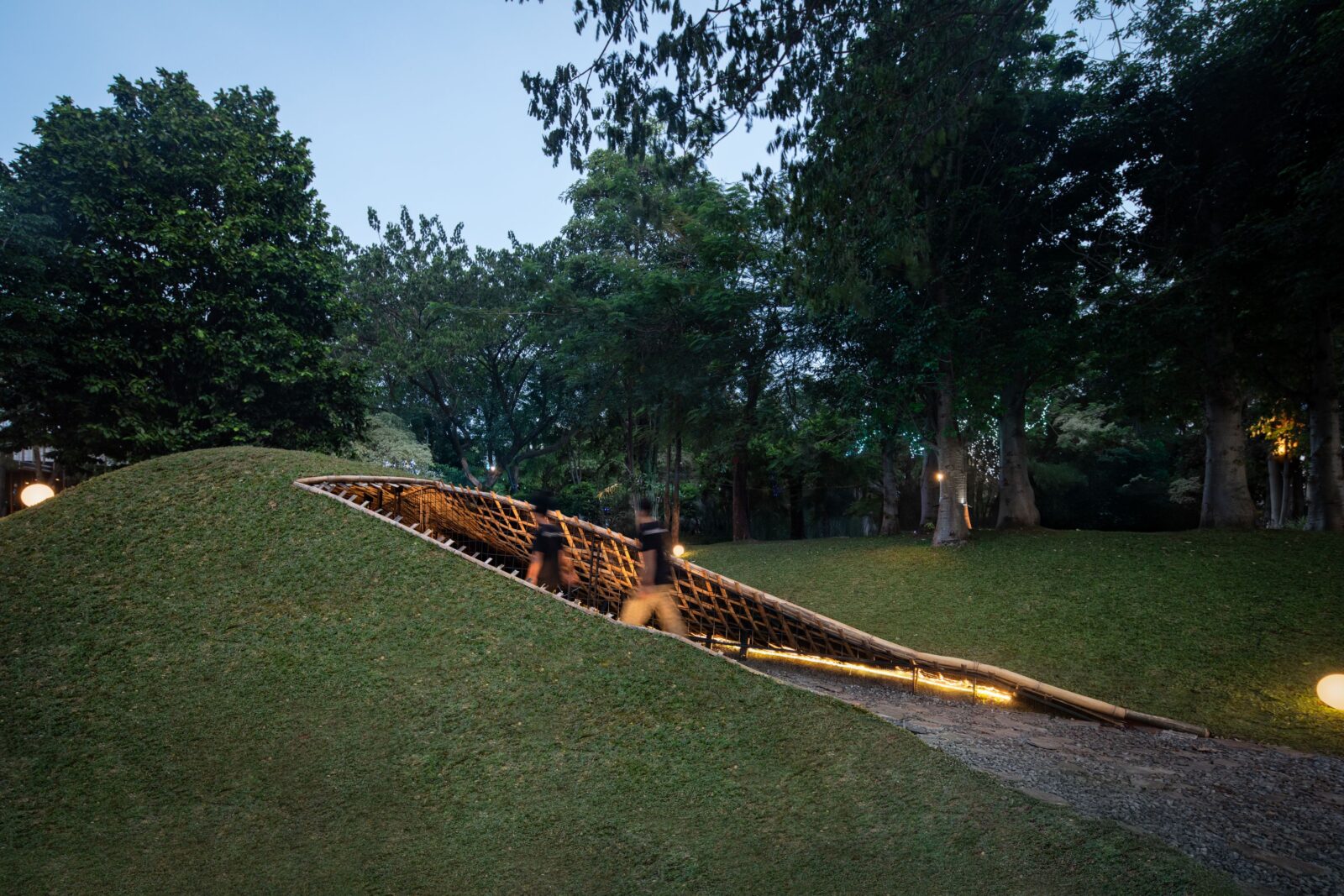
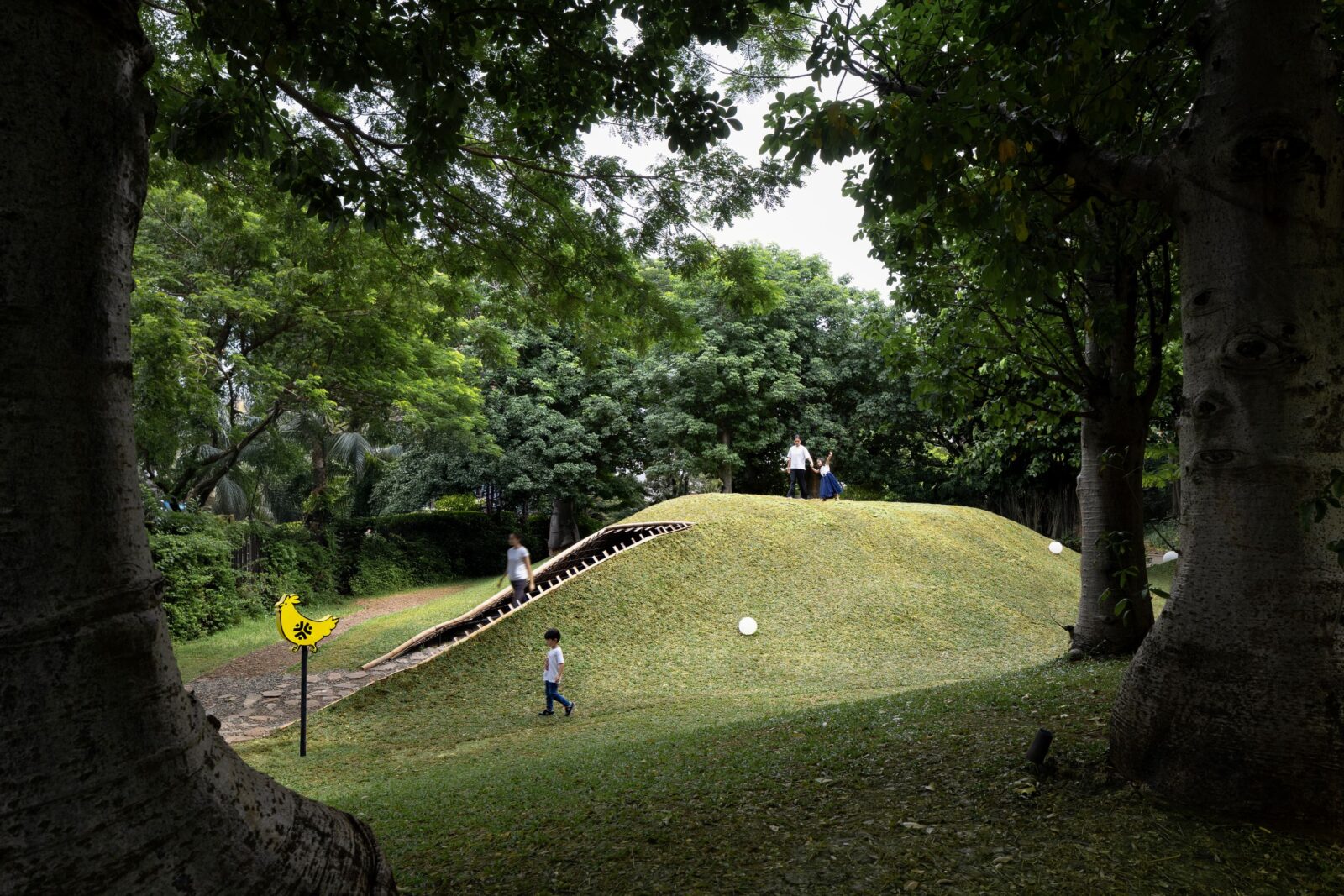
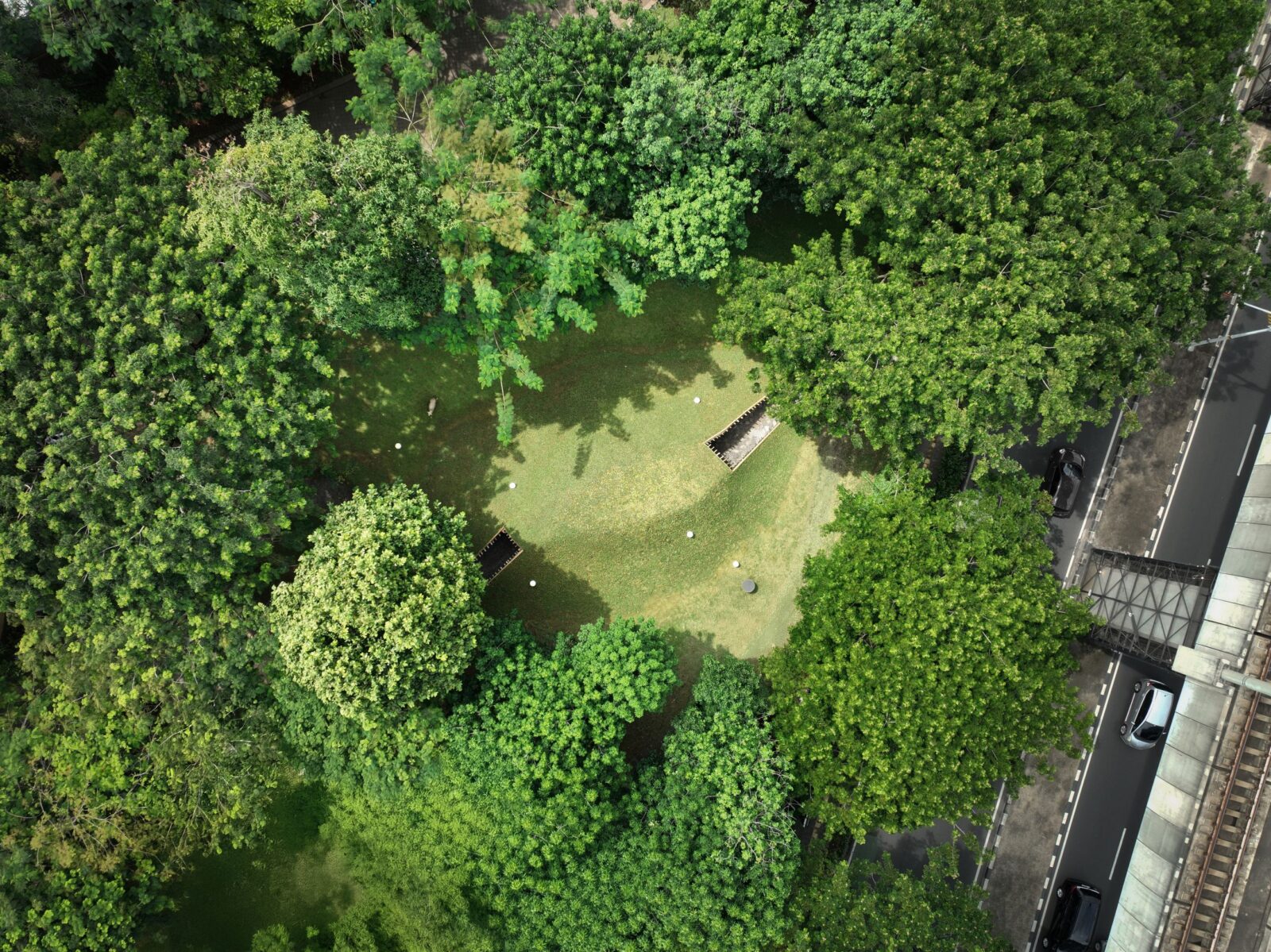
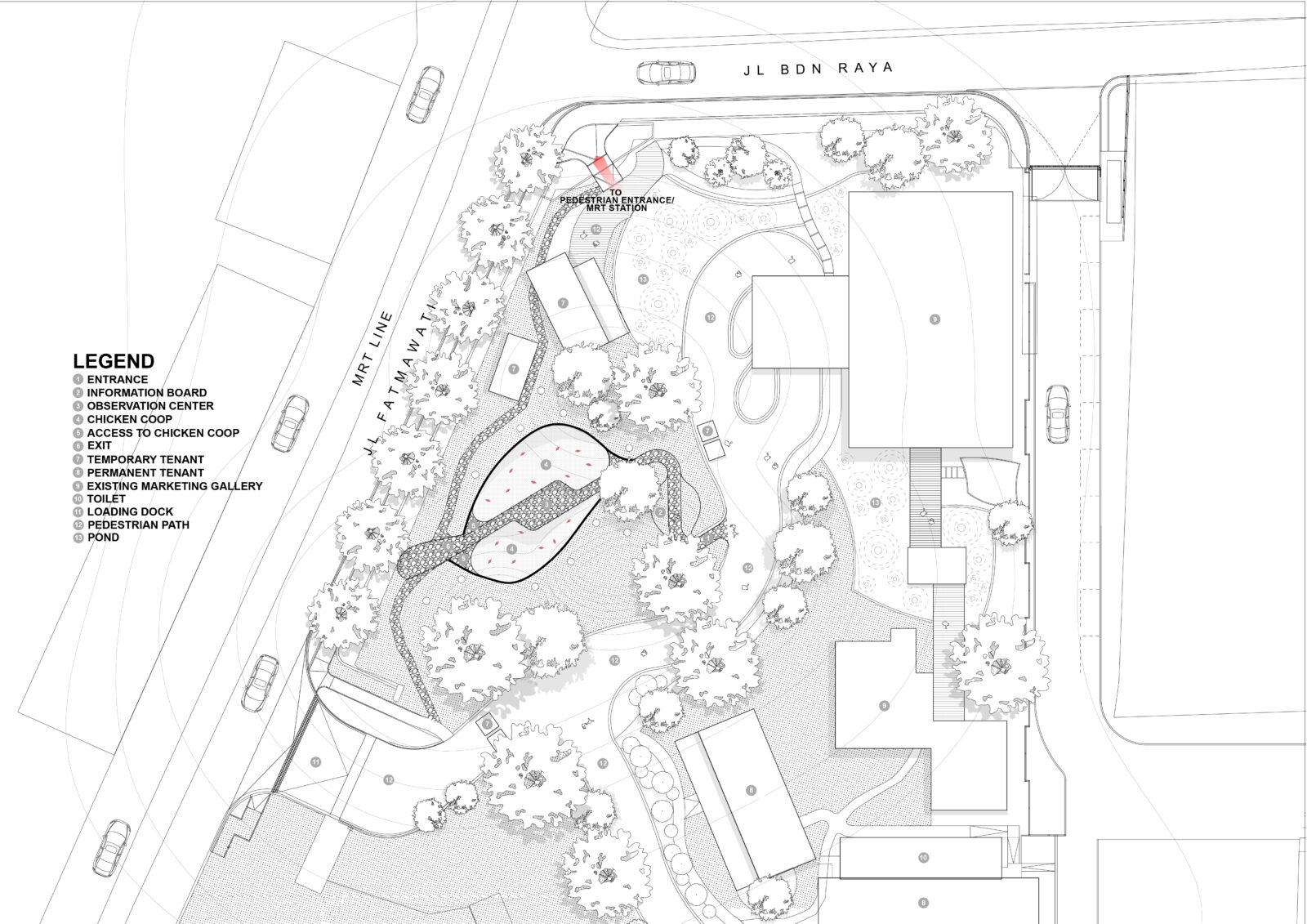
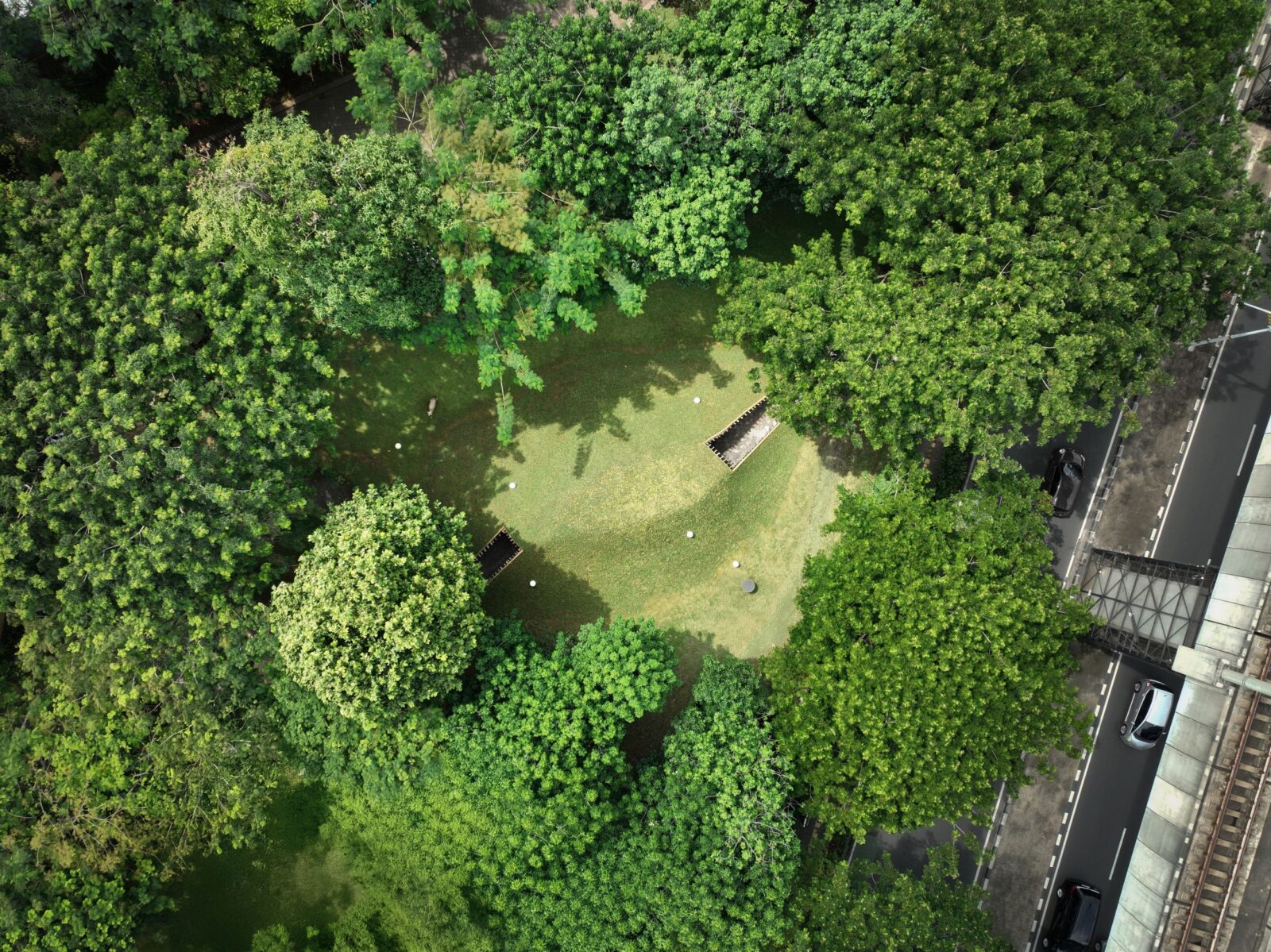
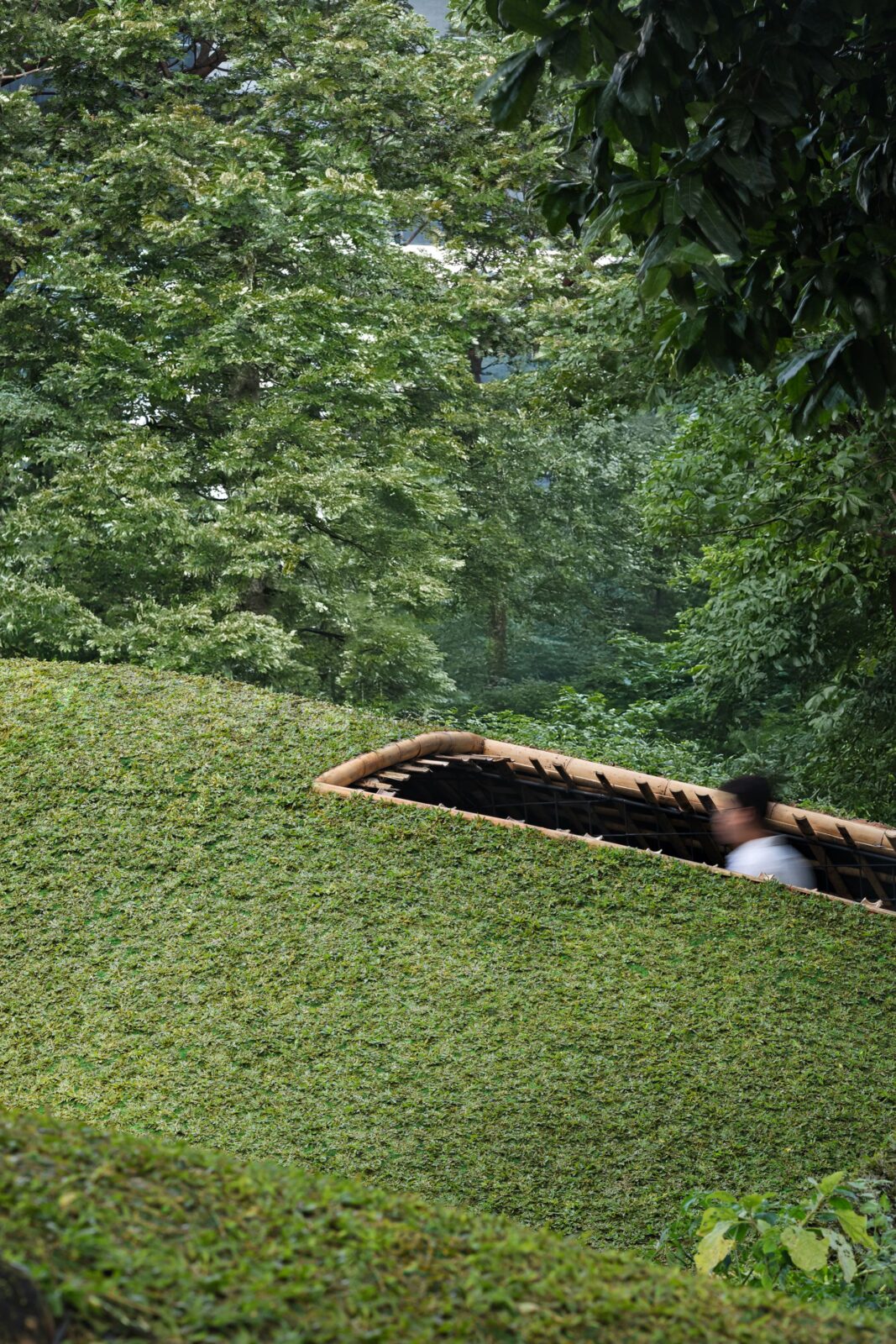
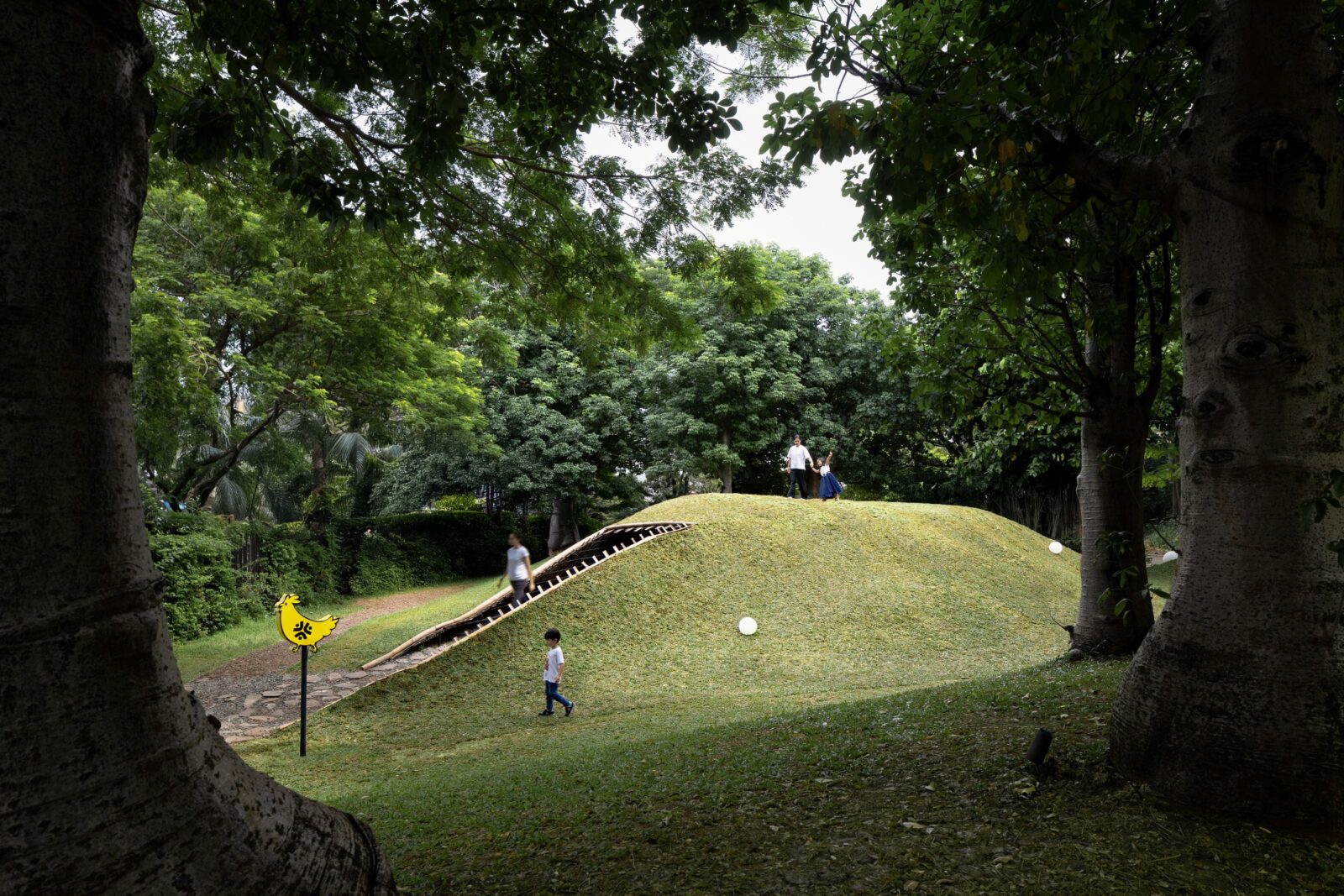
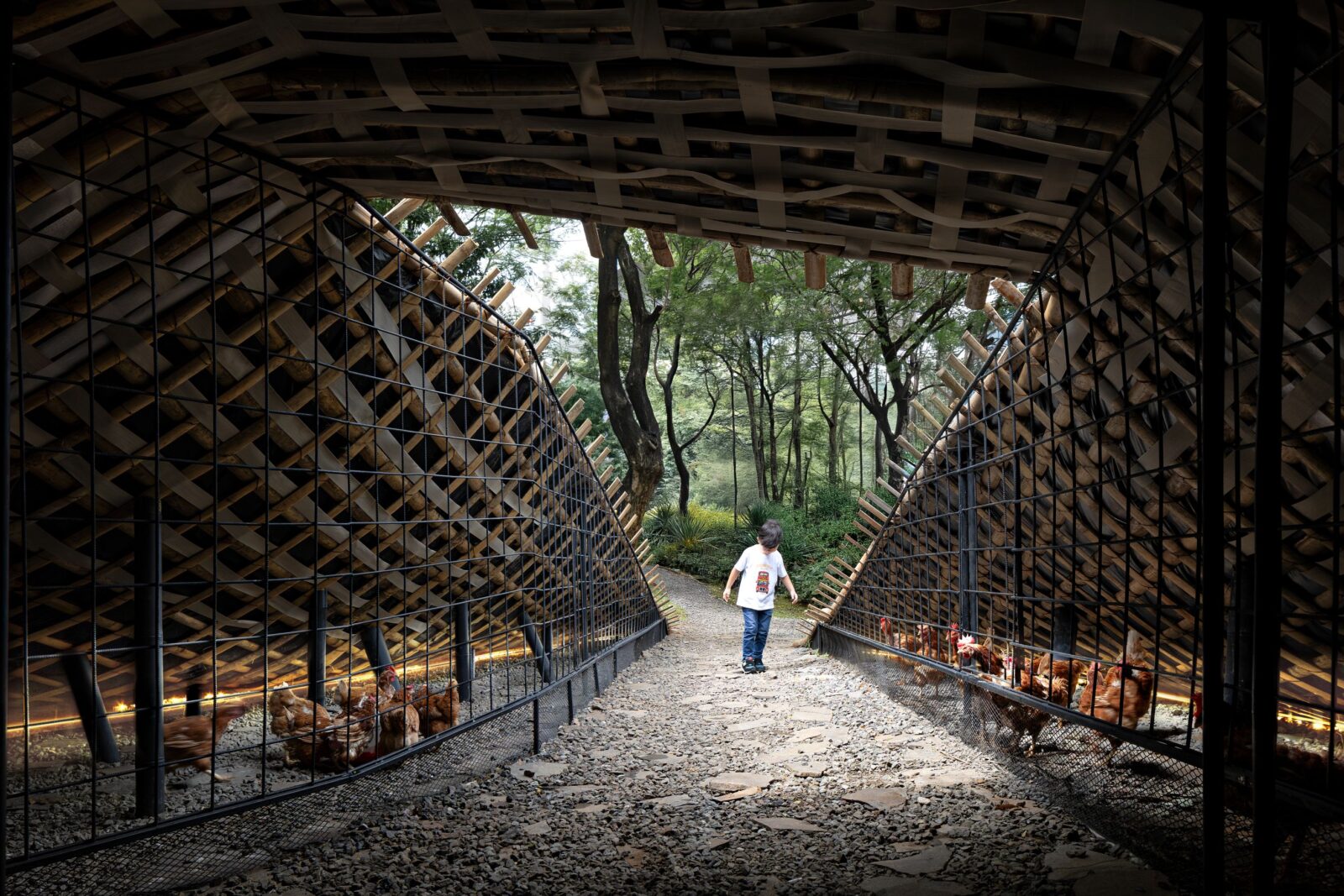
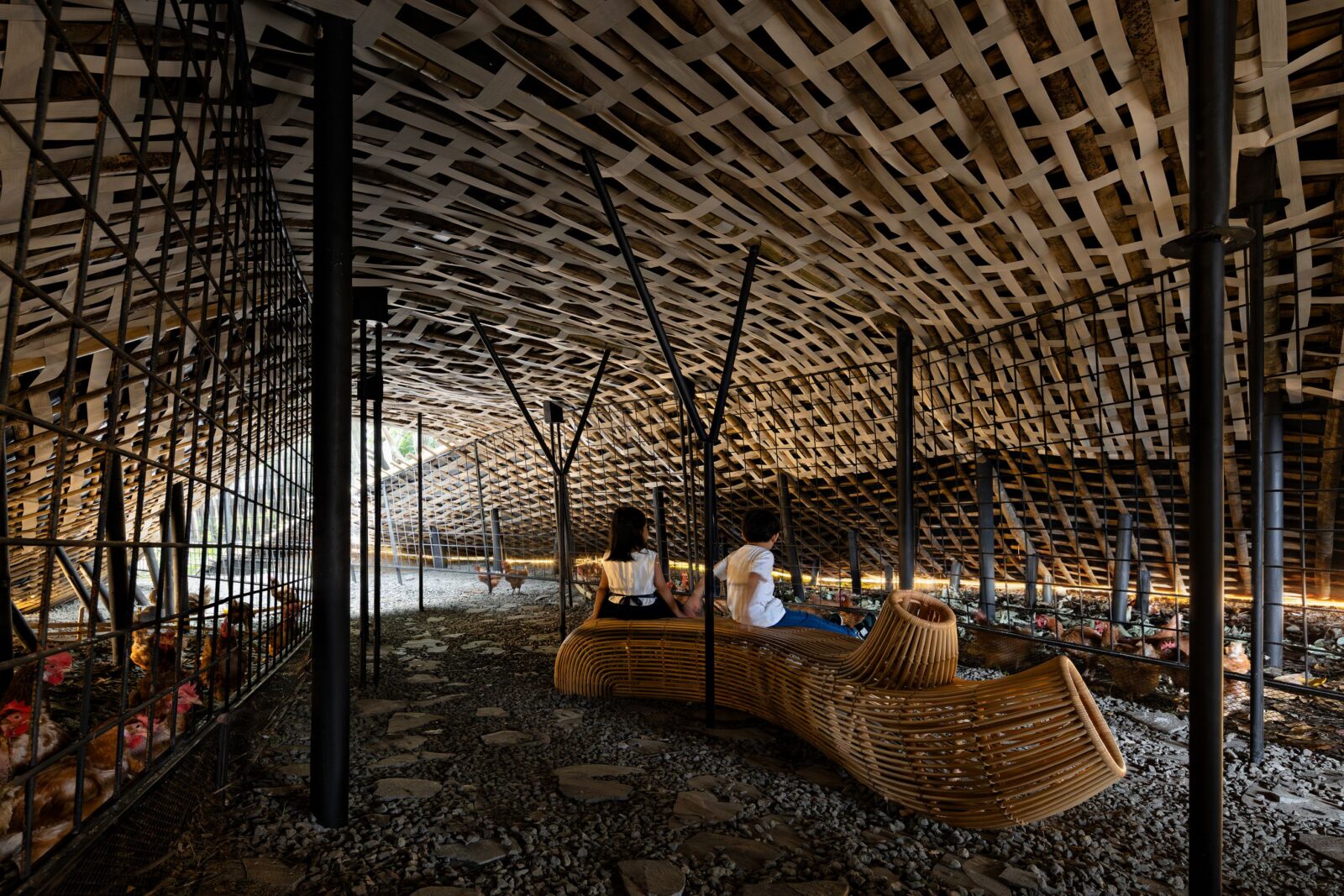
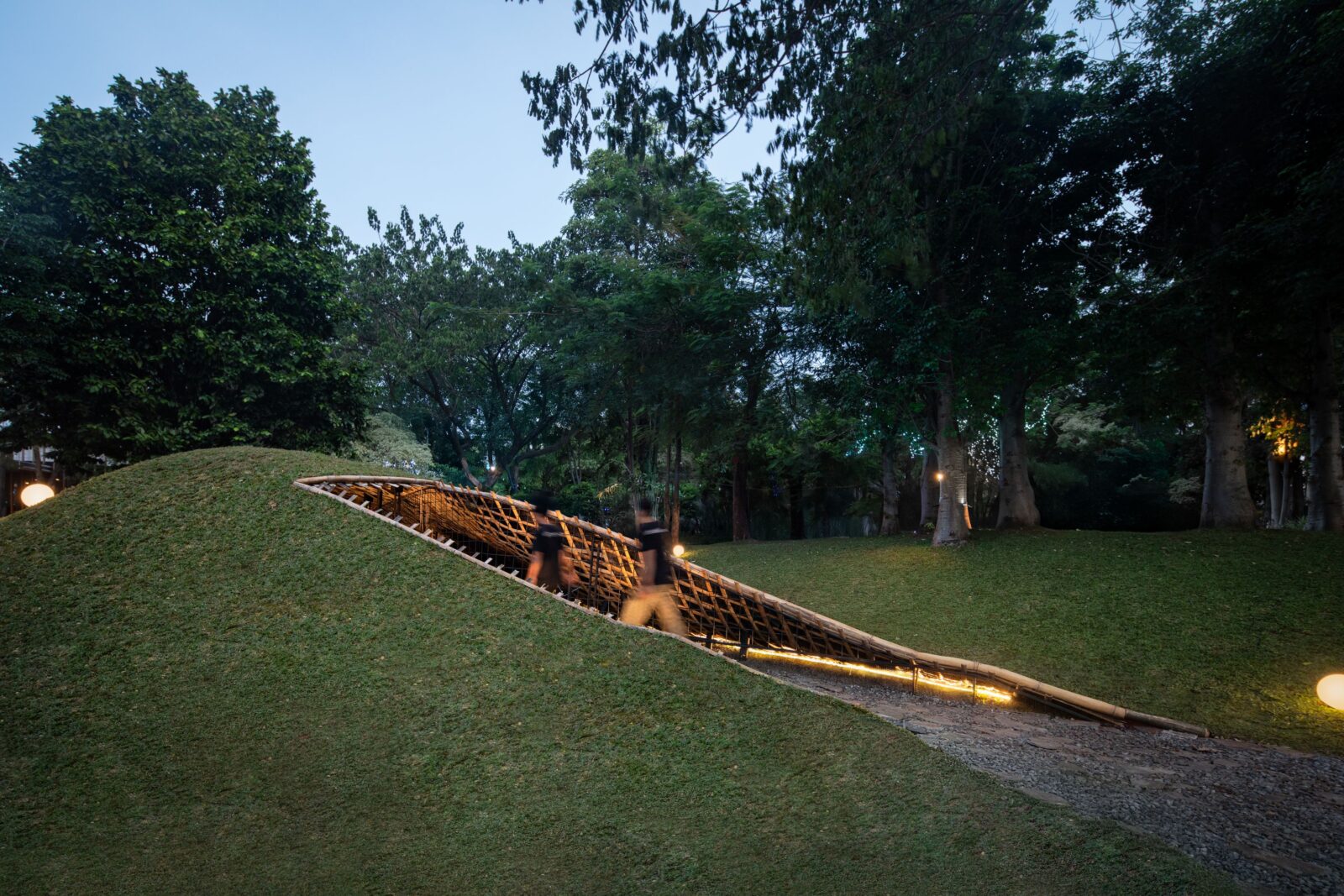
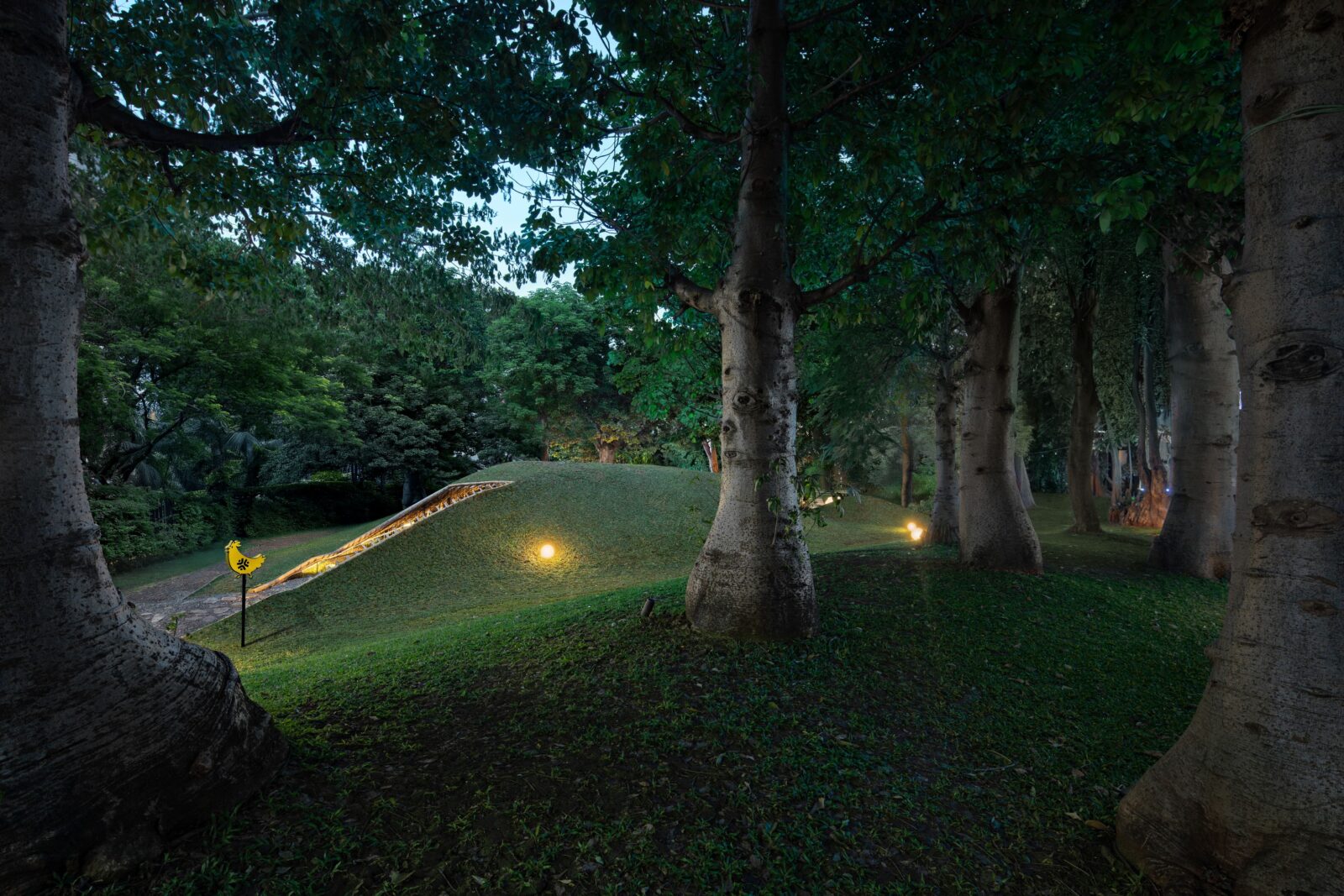
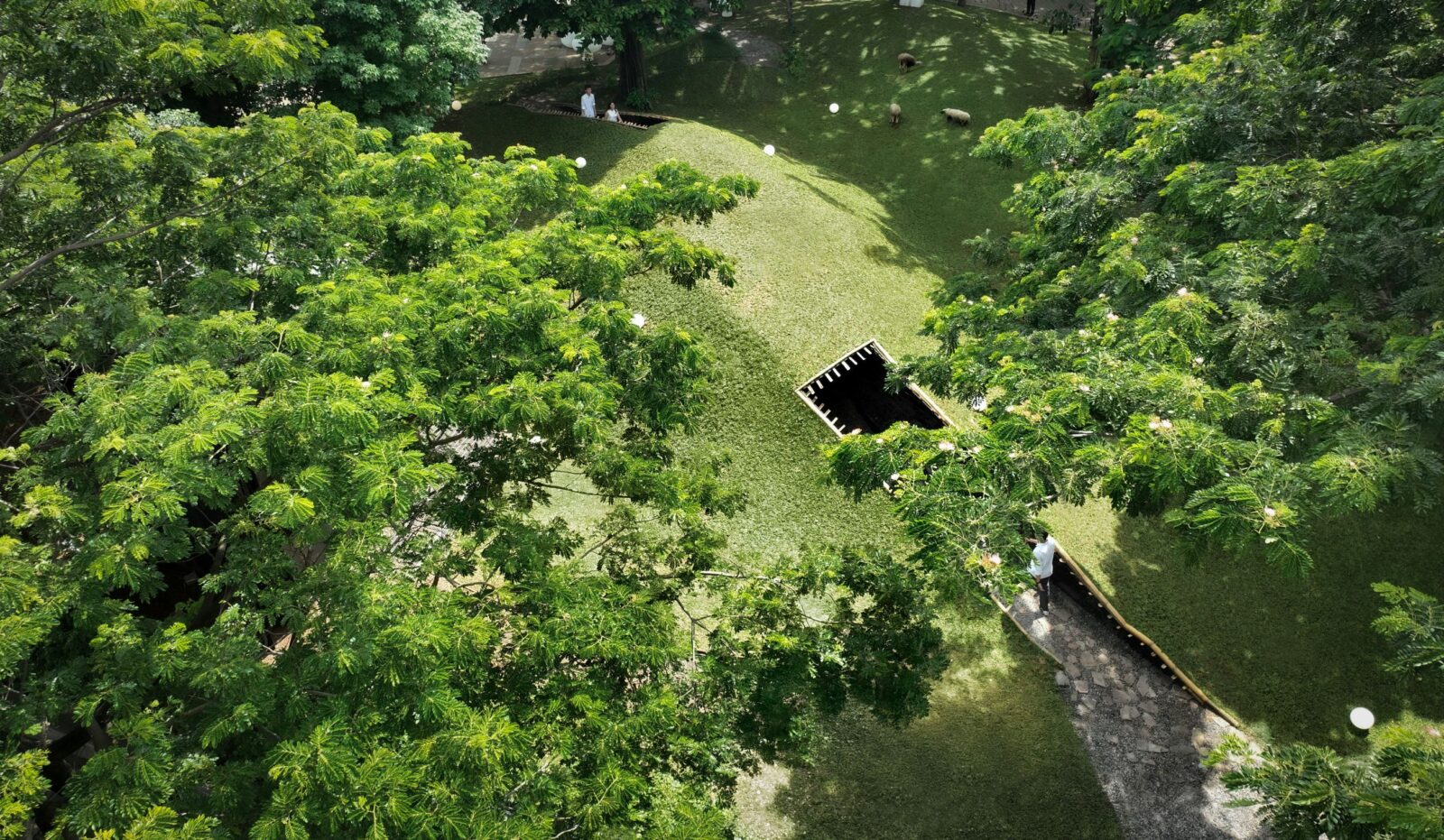
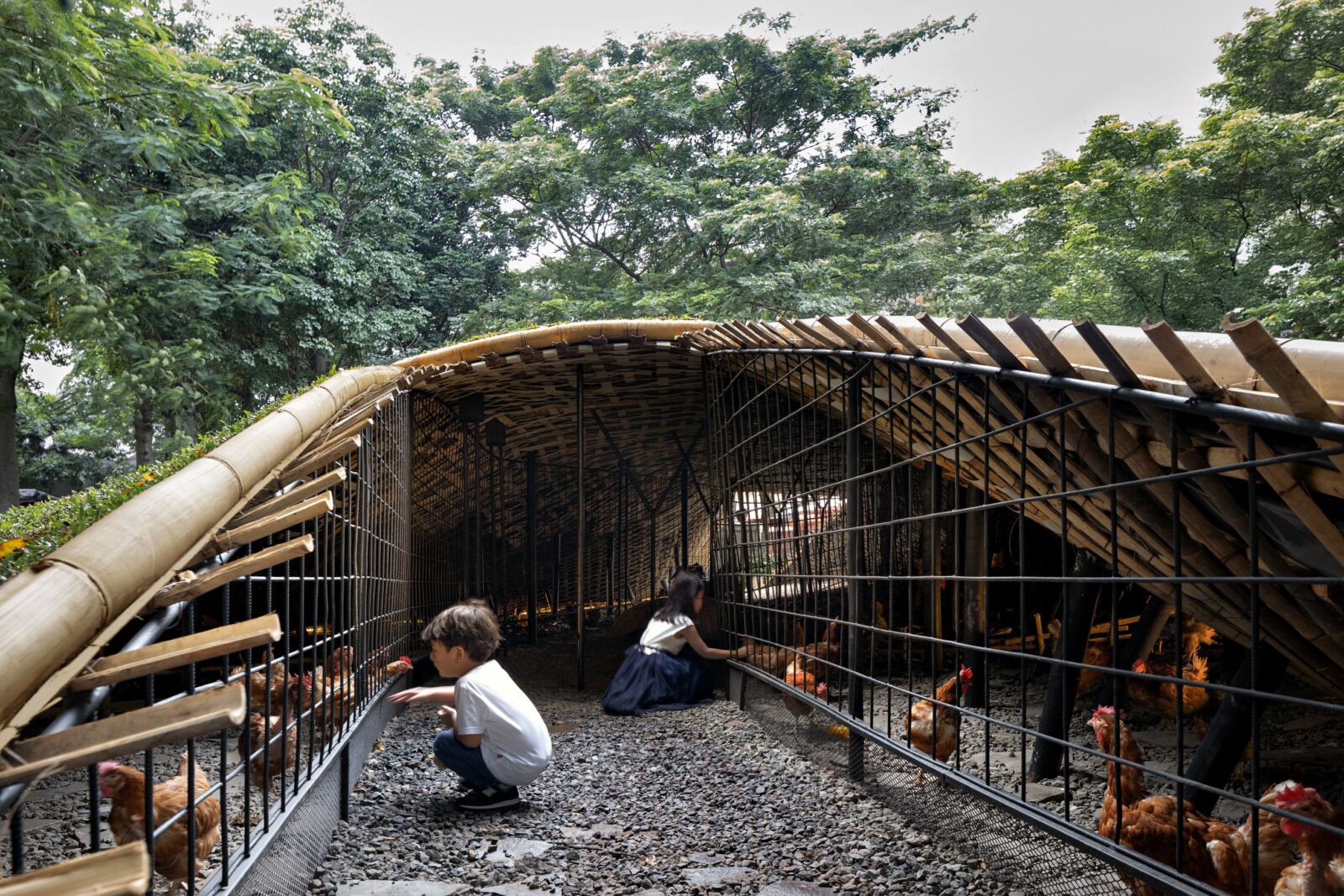
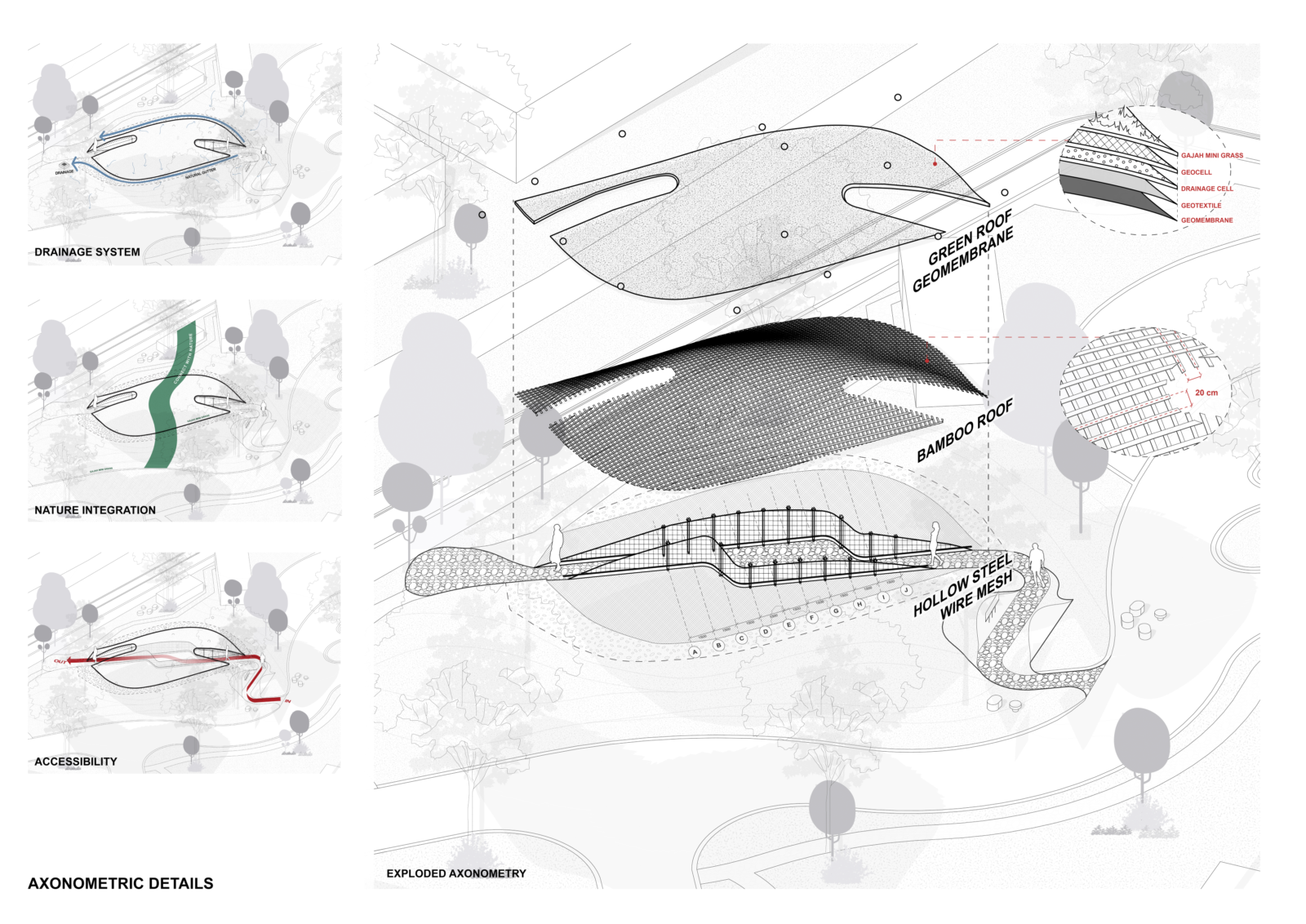
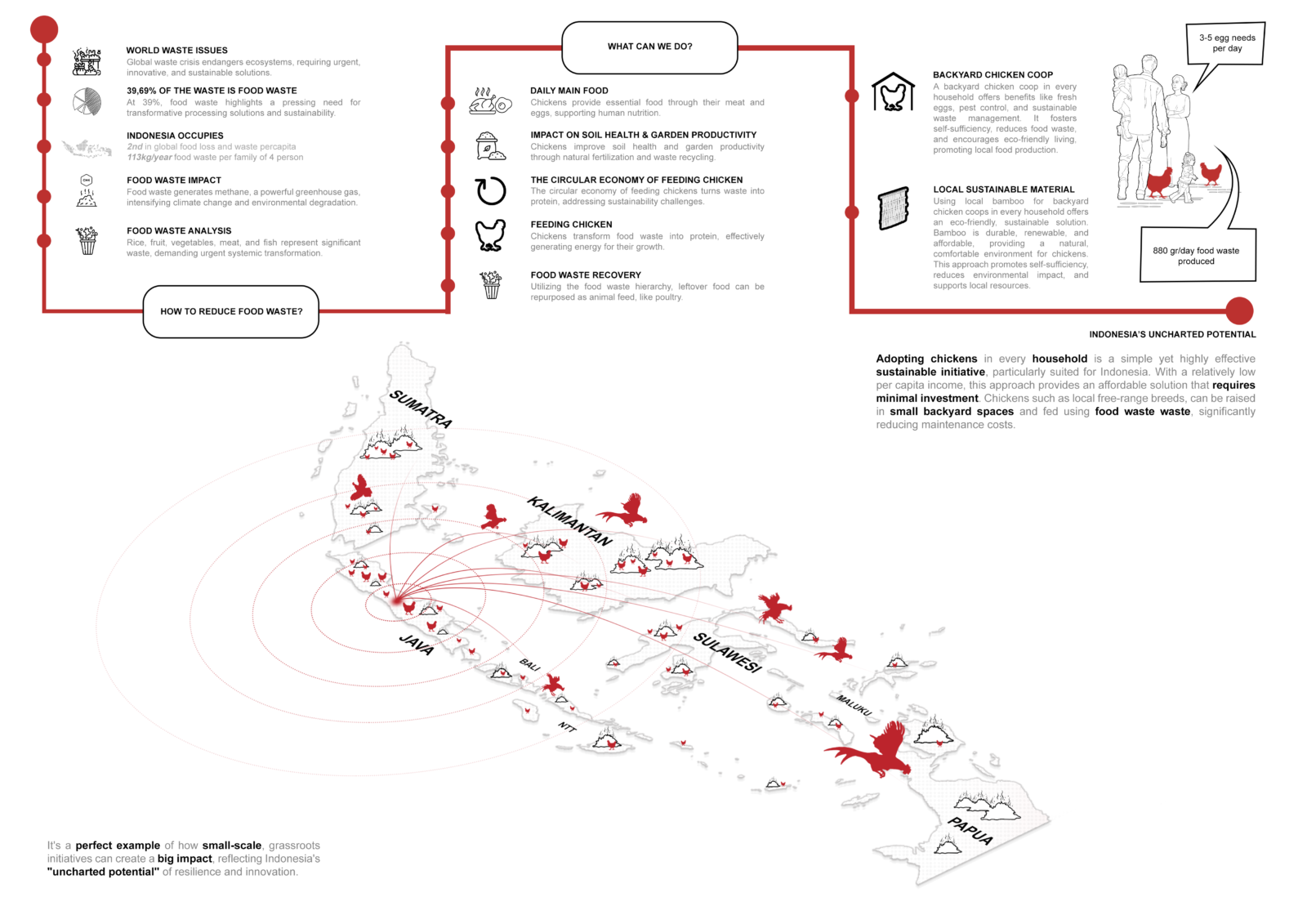
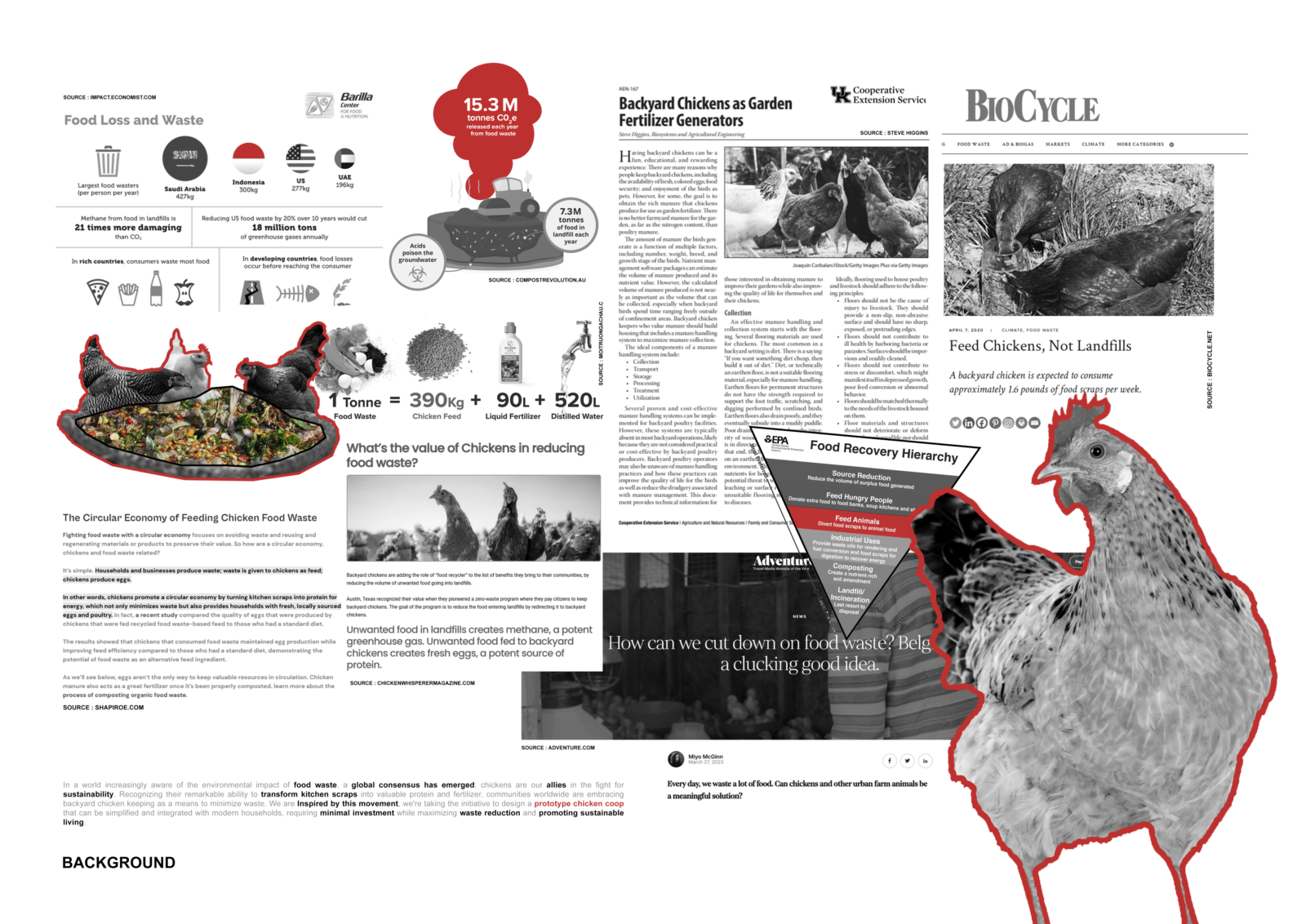
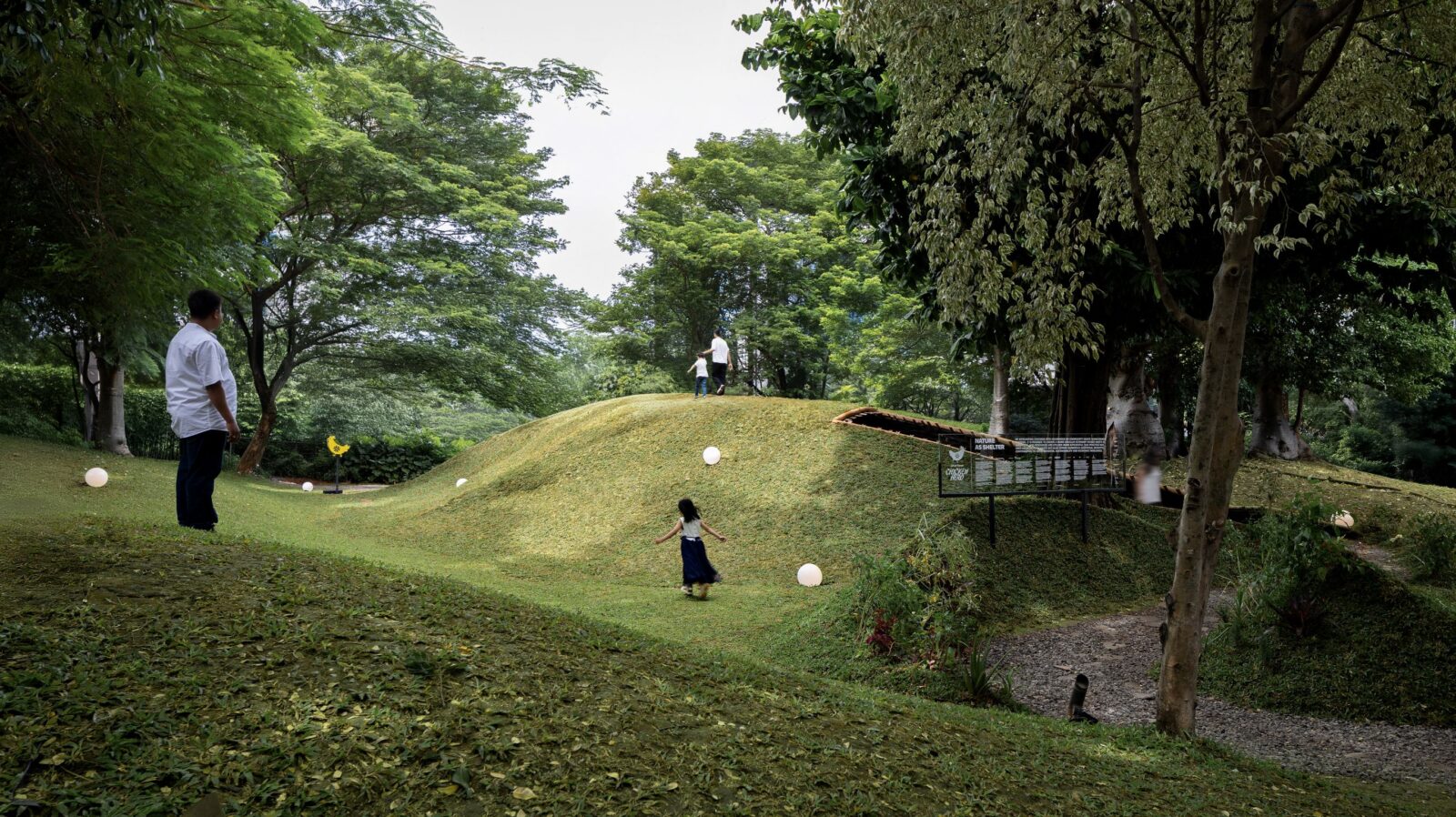
Located in the hilly garden of Urban Forest Jakarta, this pavilion humbly blends into the landscape, resembling another hill in the park. It features a cave-like tunnel that offers free, inclusive education and entertainment, known as the Chickencoop. The Chicken Hero pavilion is an evocative yet provocative self-initiated approach by RAD+ar to inspire independent backyard poultry farming. This initiative aims to reduce household and community food waste, addressing Indonesia's significant challenge as the runner-up in global food loss and waste, with an estimated 1.6 million tonnes, or approximately 300 kg per person annually.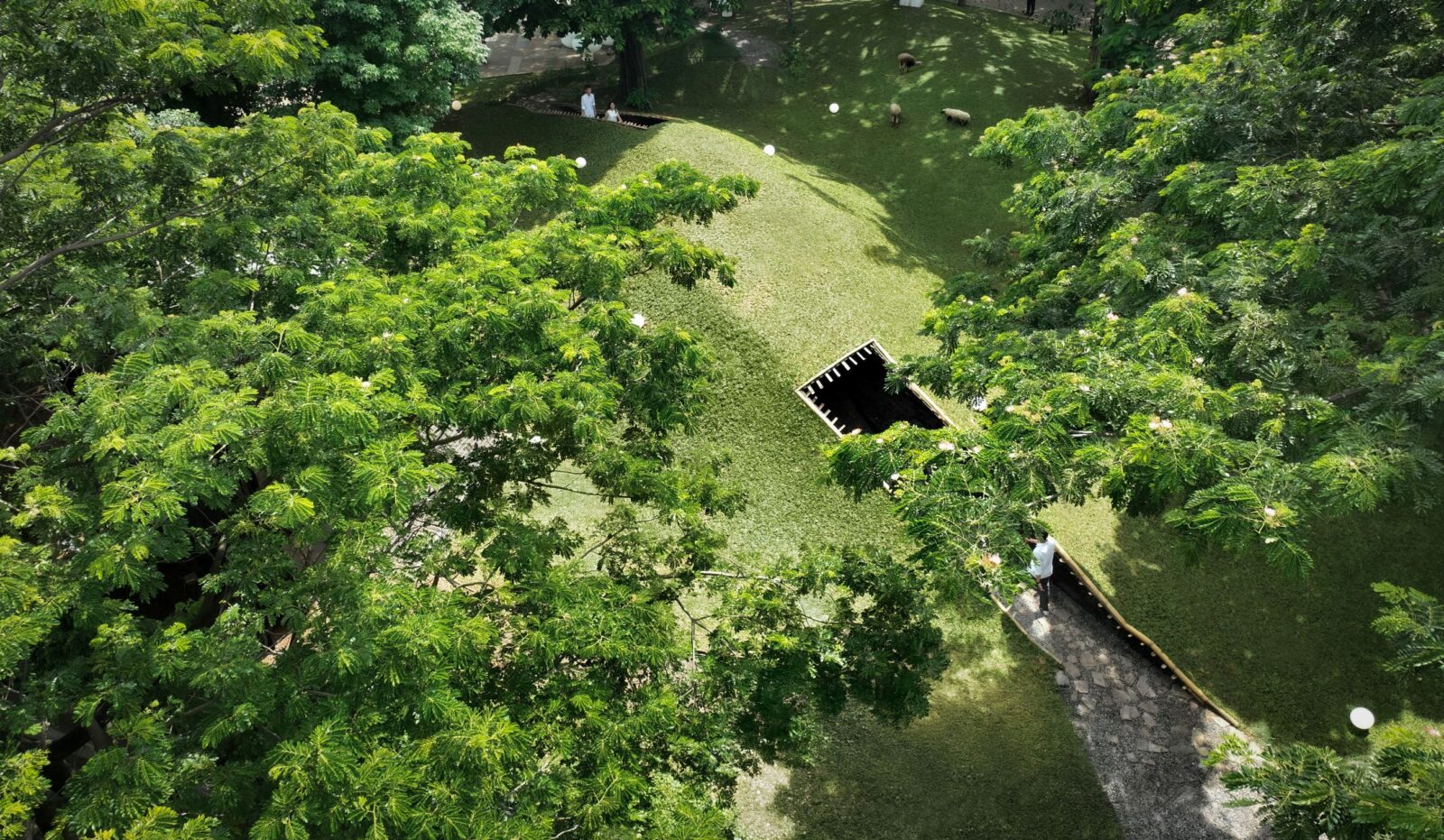
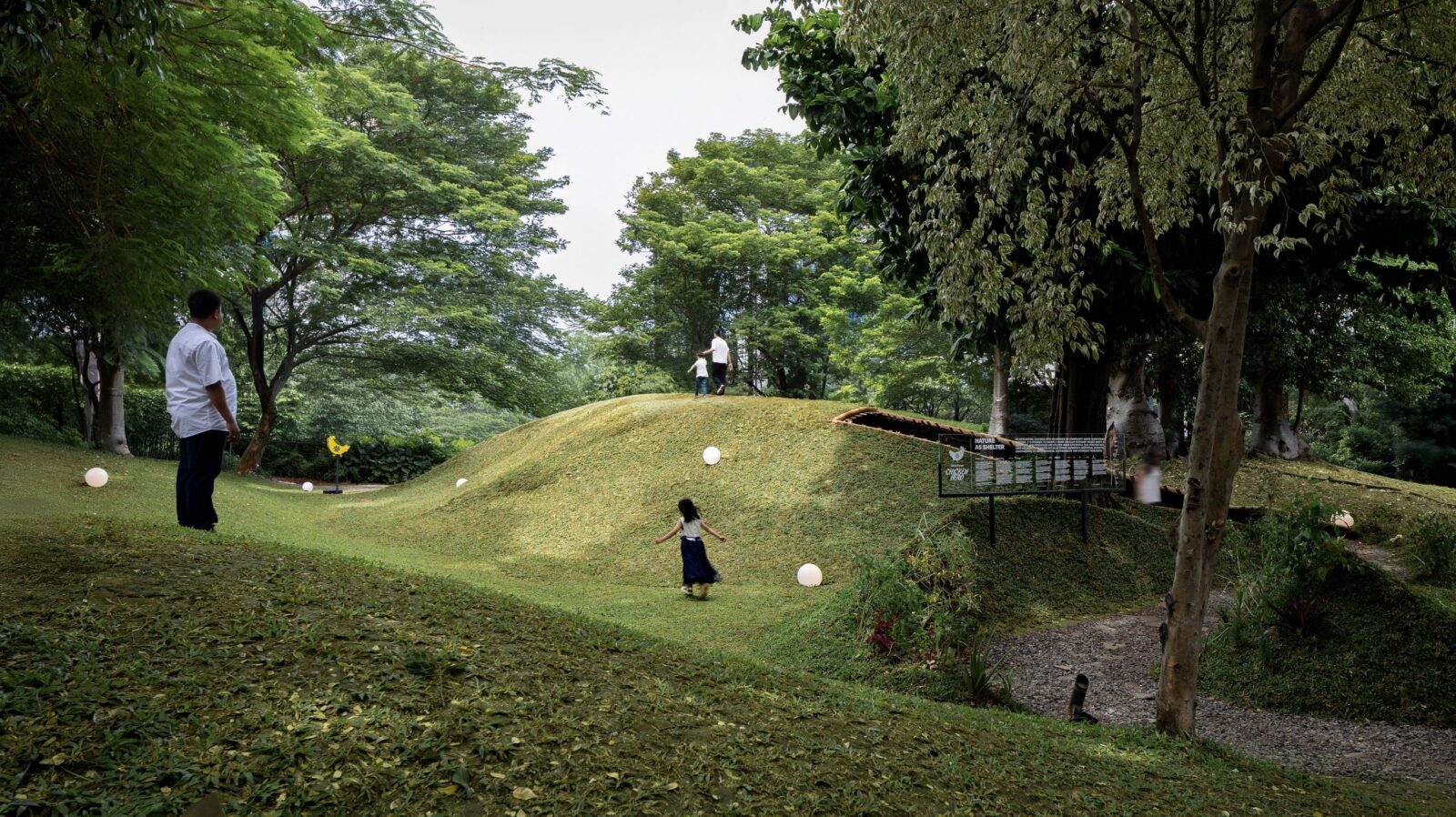
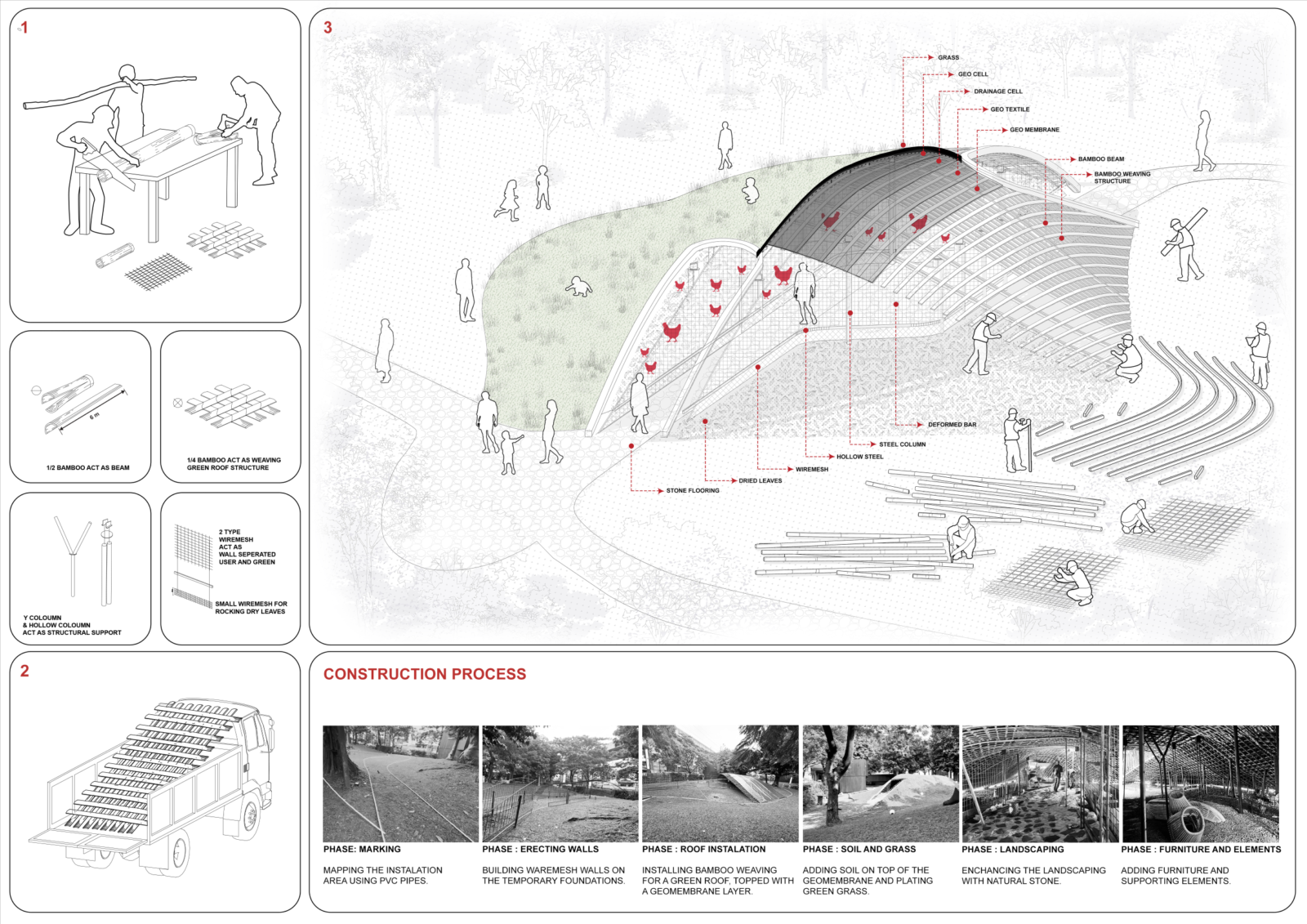
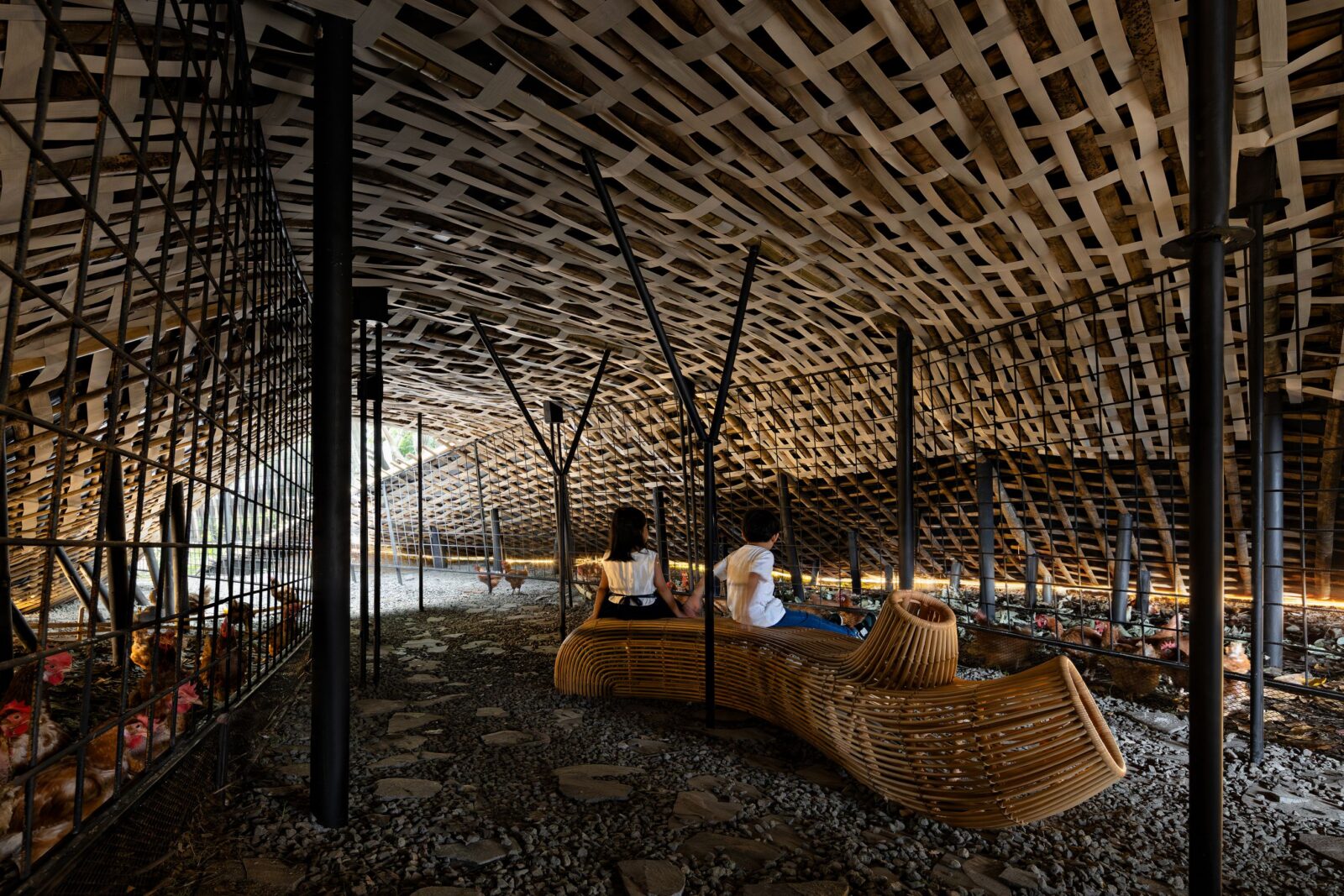
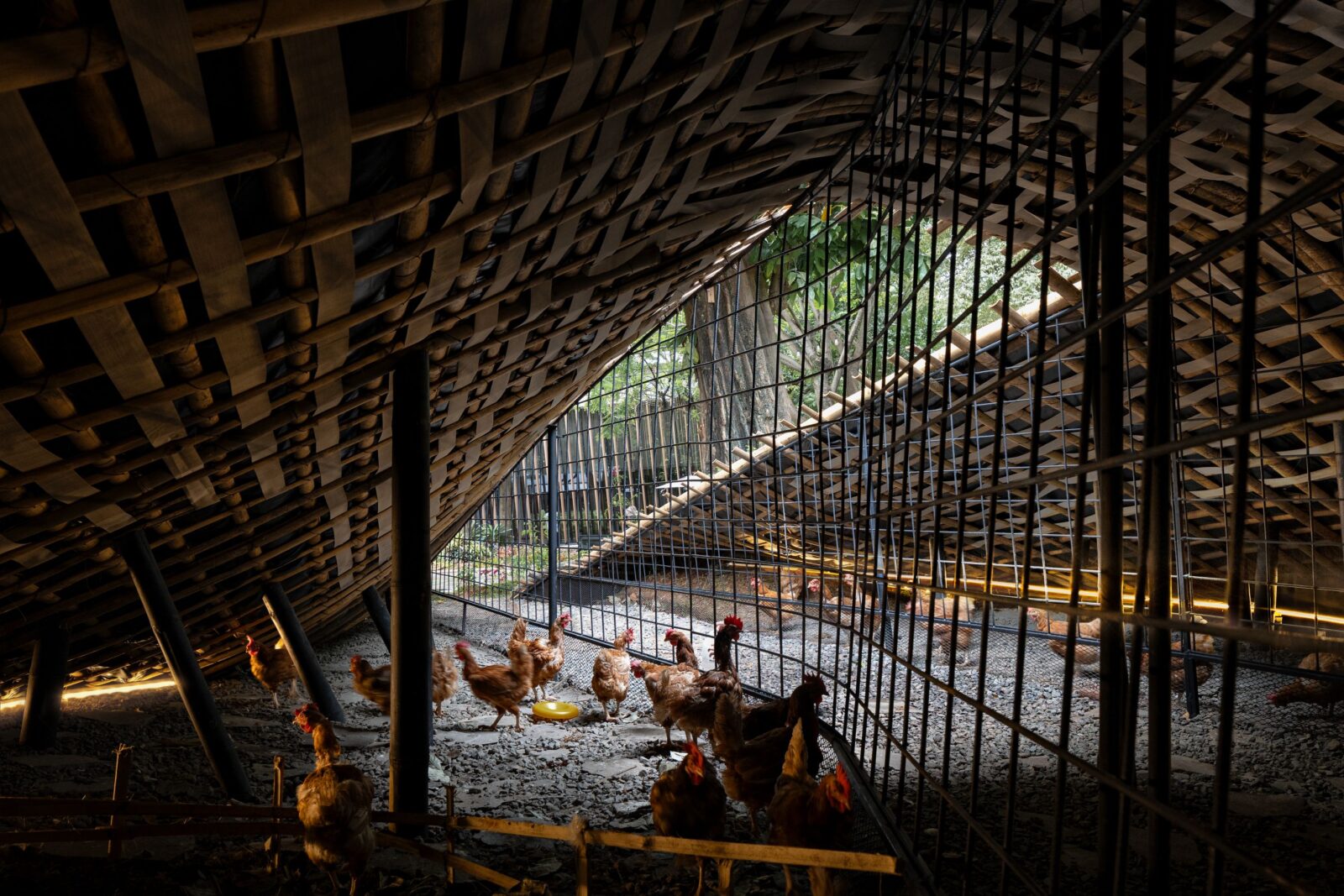
The pavilion is committed to showcasing a prototype of upcycled, eco-friendly chicken coop designs. These designs are characterized by a commitment to minimizing environmental impact without compromising functionality or comfort. The cross-ventilated interior space, illuminated by indirect daylight and covered with reclaimed bamboo as the main horizontal-diagonal green roof structure, is optimized for space efficiency. This ensures that the coops meet the needs of the flocks while effectively managing waste and preserving green areas, such as rainwater catchment surfaces, all while maintaining a stable and comfortable thermal environment for the chickens.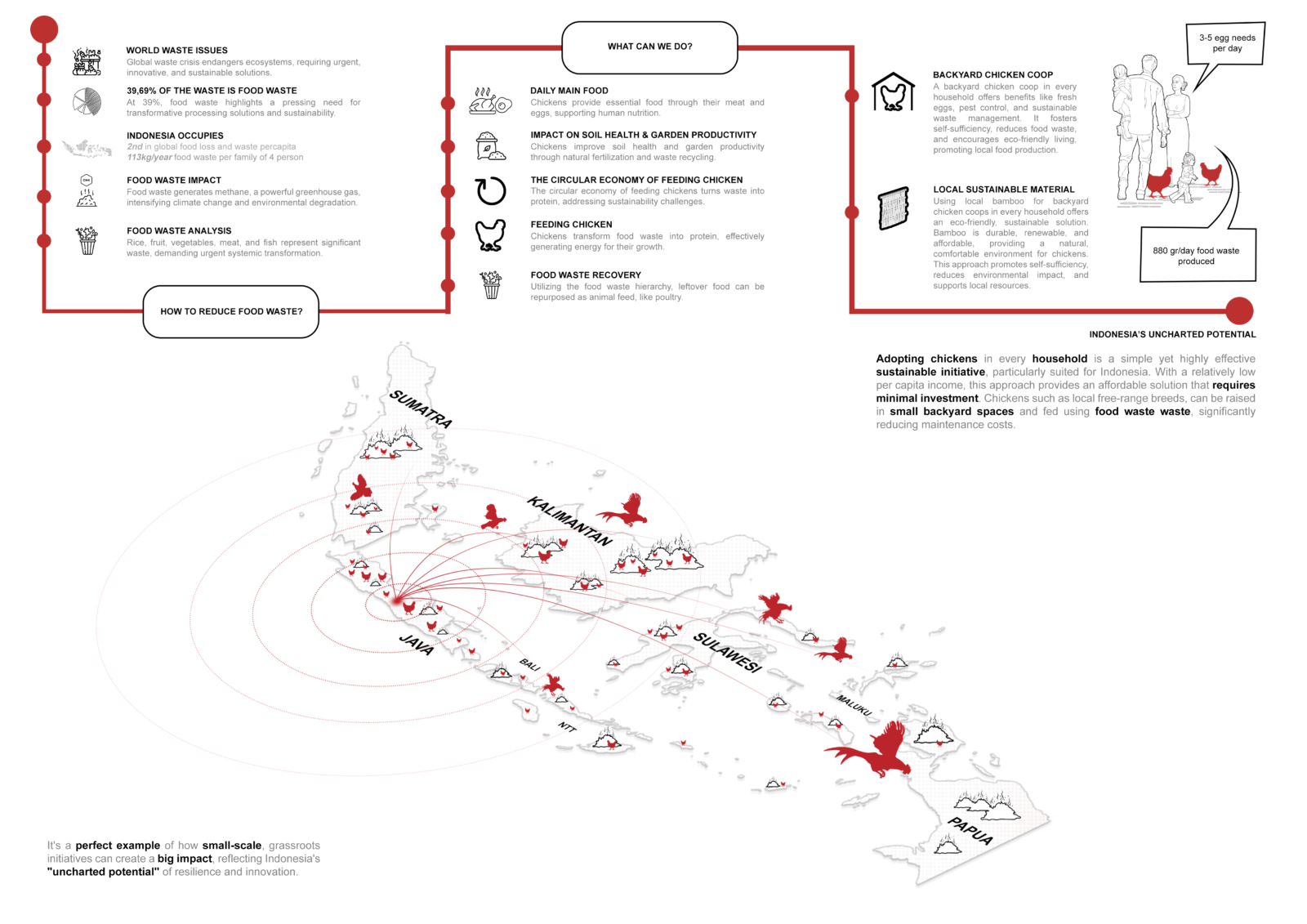
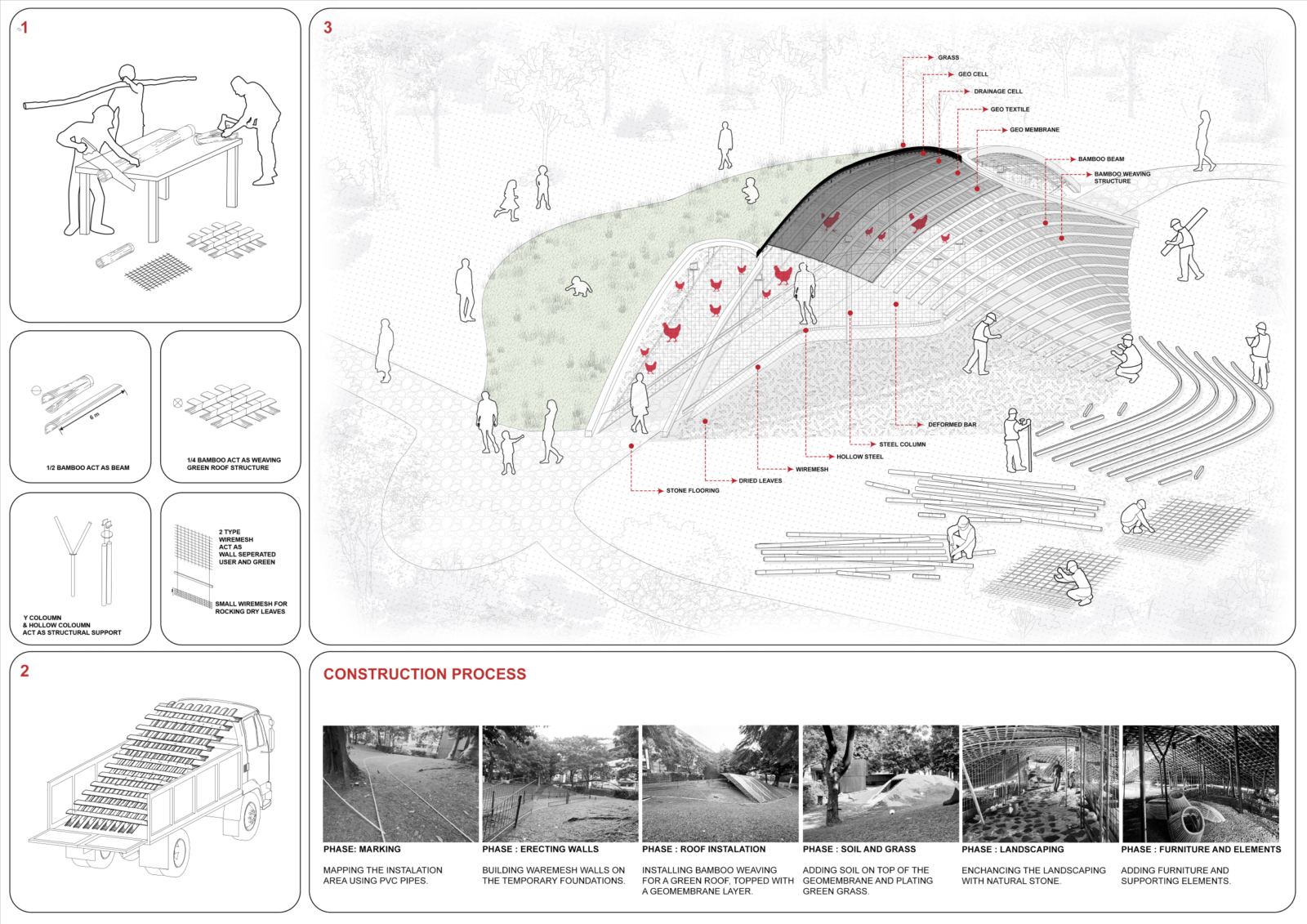
Both the environmental and technical achievements of the pavilion are underscored by the fact that this temporary structure demonstrates a straightforward circular economy and sustainability within Urban Forest Jakarta. During its four weeks of display, the pavilion actively served as a food waste processor for six on-site restaurants. All dried leaves and organic tree waste were used as bedding for chickens while it helping to reduce humidity. The composted food waste and dried leaves were then transformed into garden and commercial compost, which was harvested every three days. Approximately 40 eggs were distributed back daily to the restaurants and served as a live harvesting souvenir for visitors.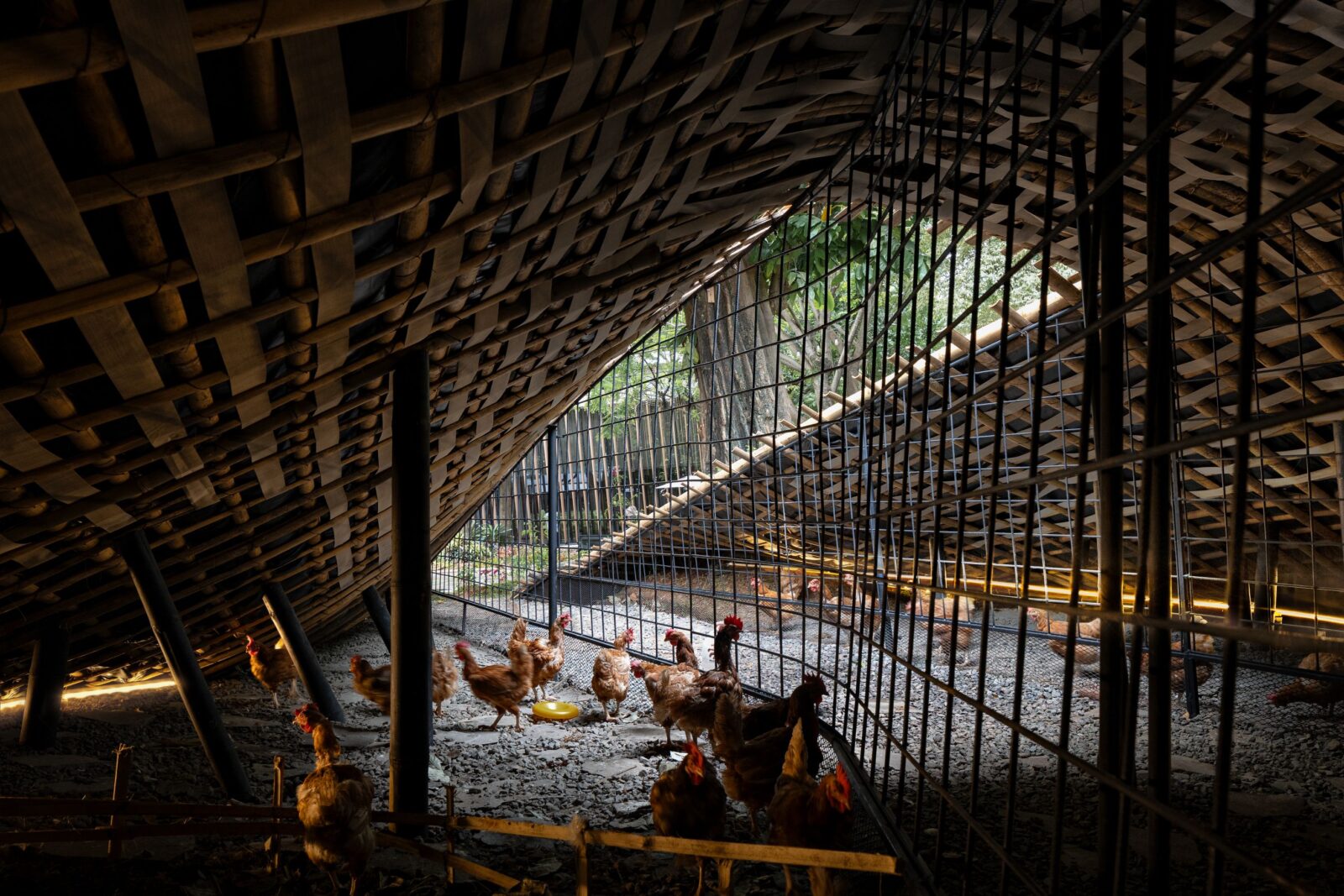
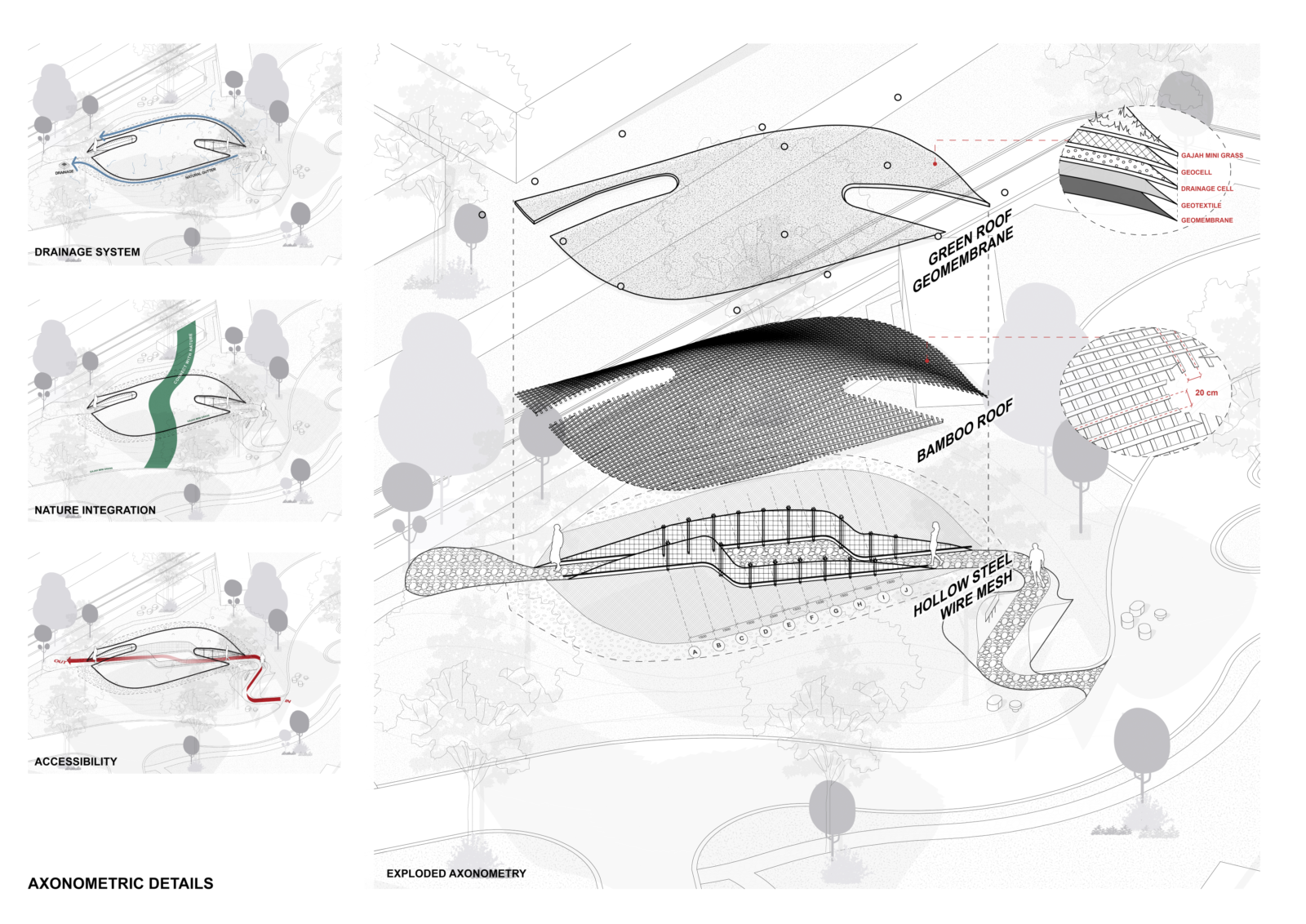
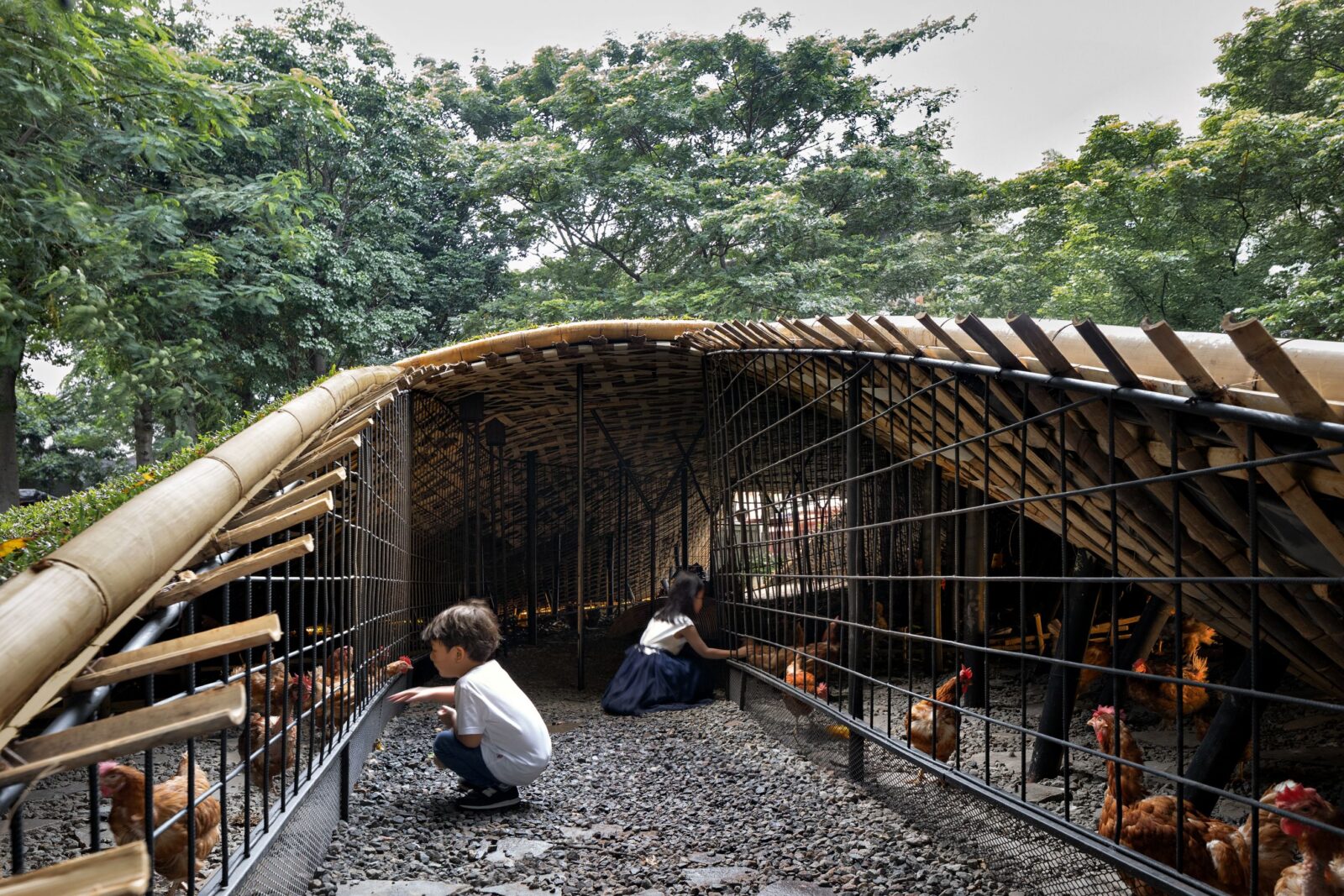
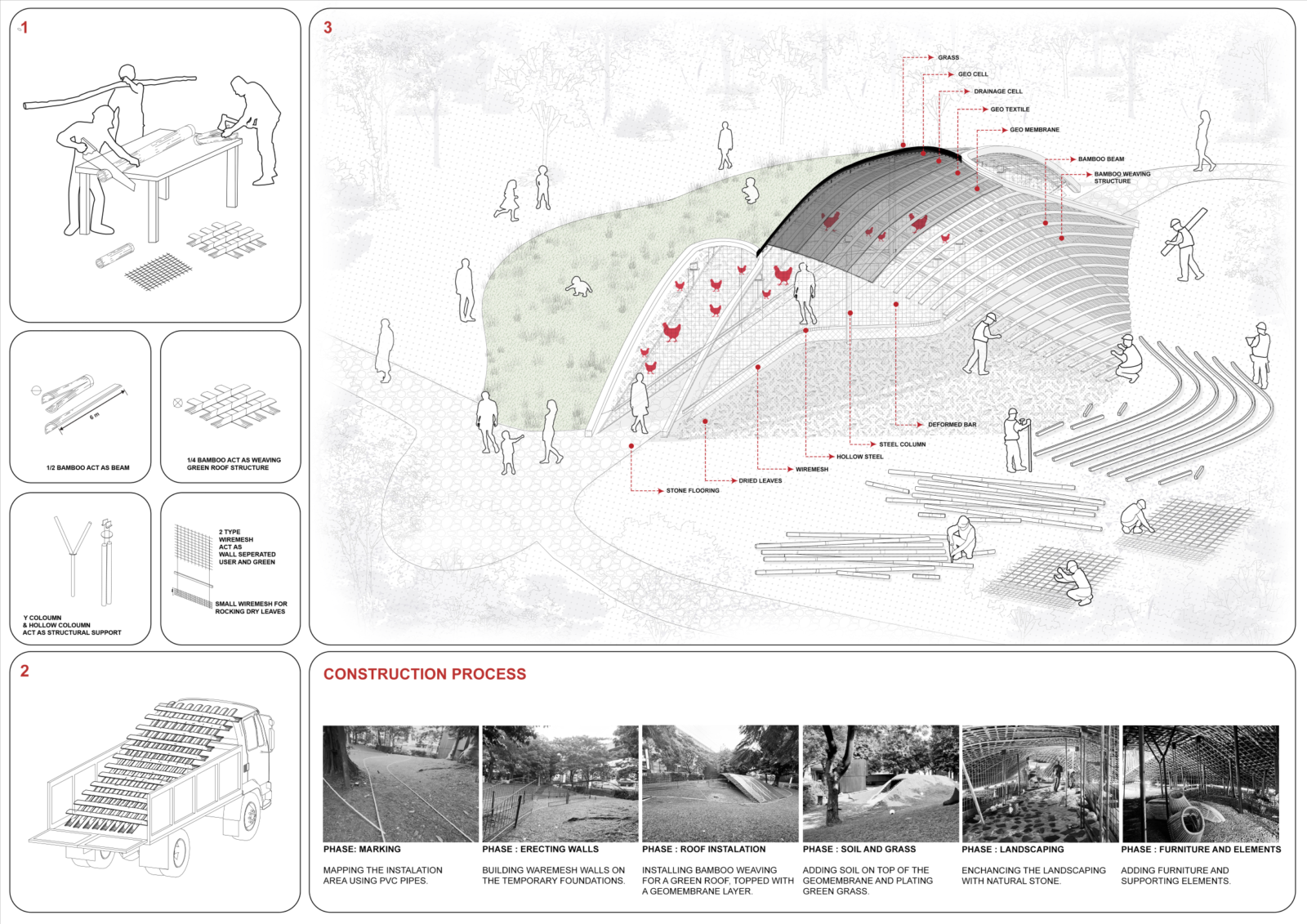
The pavilion showcases a simple construction technique that complements nature while creating inclusive spatial quality for the public. The reciprocity between visitors and chickens is a central design element that shapes the project's discourse, helping to break the stigma surrounding backyard poultry. This aims to inspire visitors to become real agents of change in sustainability in their own household, neighborhood and community.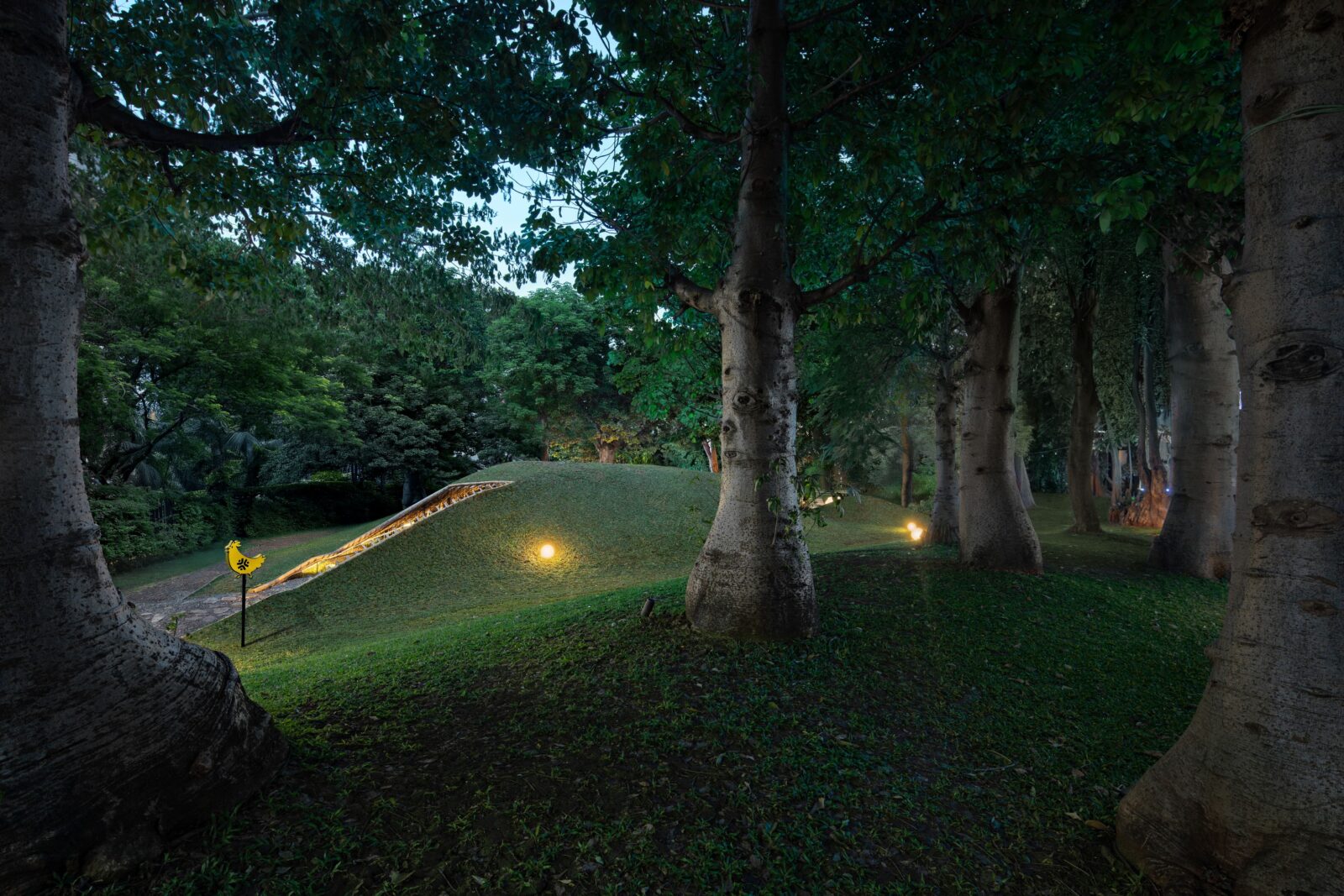
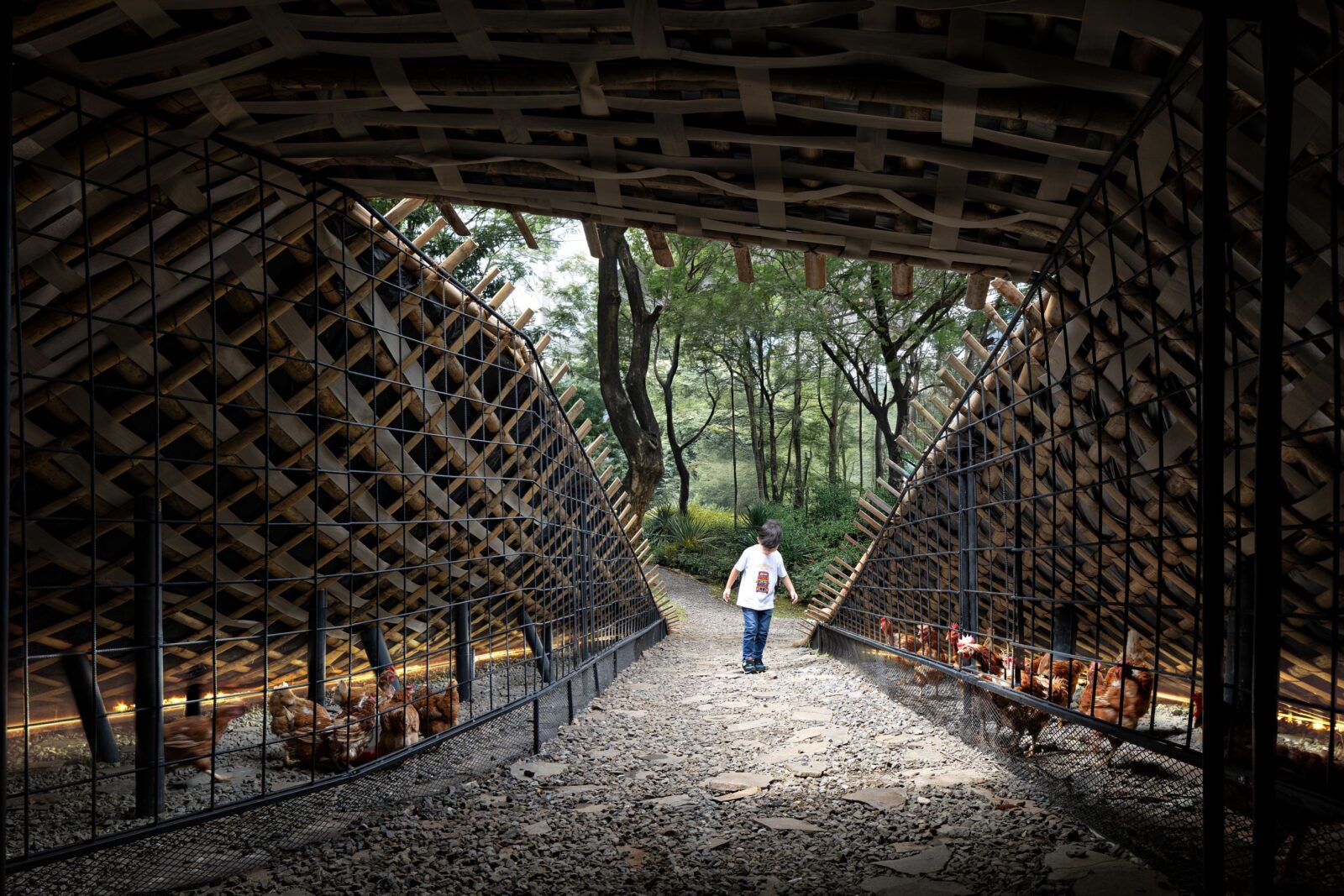
Starting with the question of how to effectively decentralize sustainability across the nation without becoming overly reliant on sustainable architecture in a developing country, the Chicken Hero Pavilion emerges as a provocative prototype for both government bodies and developers. It aims to achieve the Utopian goal of decentralizing sustainability and promoting a micro circular economy within neighborhood communities. This approach aligns with the current trend of “Glocalization” (globalization + localization) in the sprawling archipelagos of Indonesia.

ETERNITY丨APOLLO Architects & Associates
Cyclesure啡驰空间丨平介设计
Bedding | MAST

Chicken Hero Pavilion | RAD+ar

Aruma Split Garden丨RAD+ar
Tanatap Frame Garden I RAD+ar


Heidentempel Pavilion | Christoph Hesse Architects

昆山玉山书房设计,探索新型复合型书店的多种可能性丨GLC(中国)

HAY!YoungBirds! 2020年亚洲优秀青年大赛三强作品《削笔刀》设计师访谈

订阅我们的资讯
切勿错过全球大设计产业链大事件和重要设计资源公司和新产品的推荐
联系我们
举报
返回顶部