


Shafagh Tomb | 35-51 ARCHITECTURE Office
35-51 ARCHITECTURE Office ,发布时间2026-01-14 14:38:22





Ardakan
2015-2023
版权声明:本链接内容均系版权方发布,版权属于 35-51 ARCHITECTURE Office,编辑版本版权属于设计宇宙designverse,未经授权许可不得复制转载此链接内容。欢迎转发此链接。
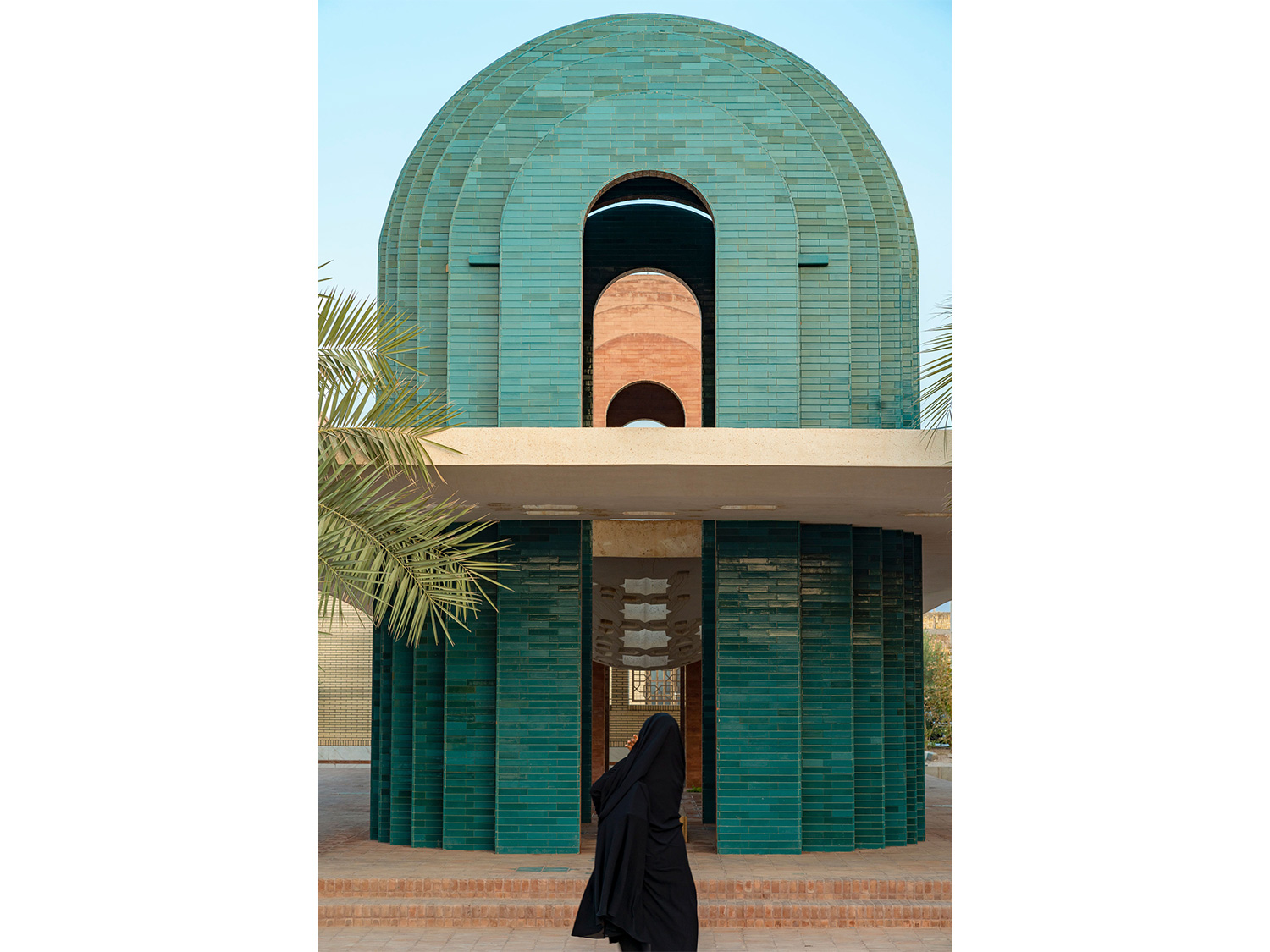
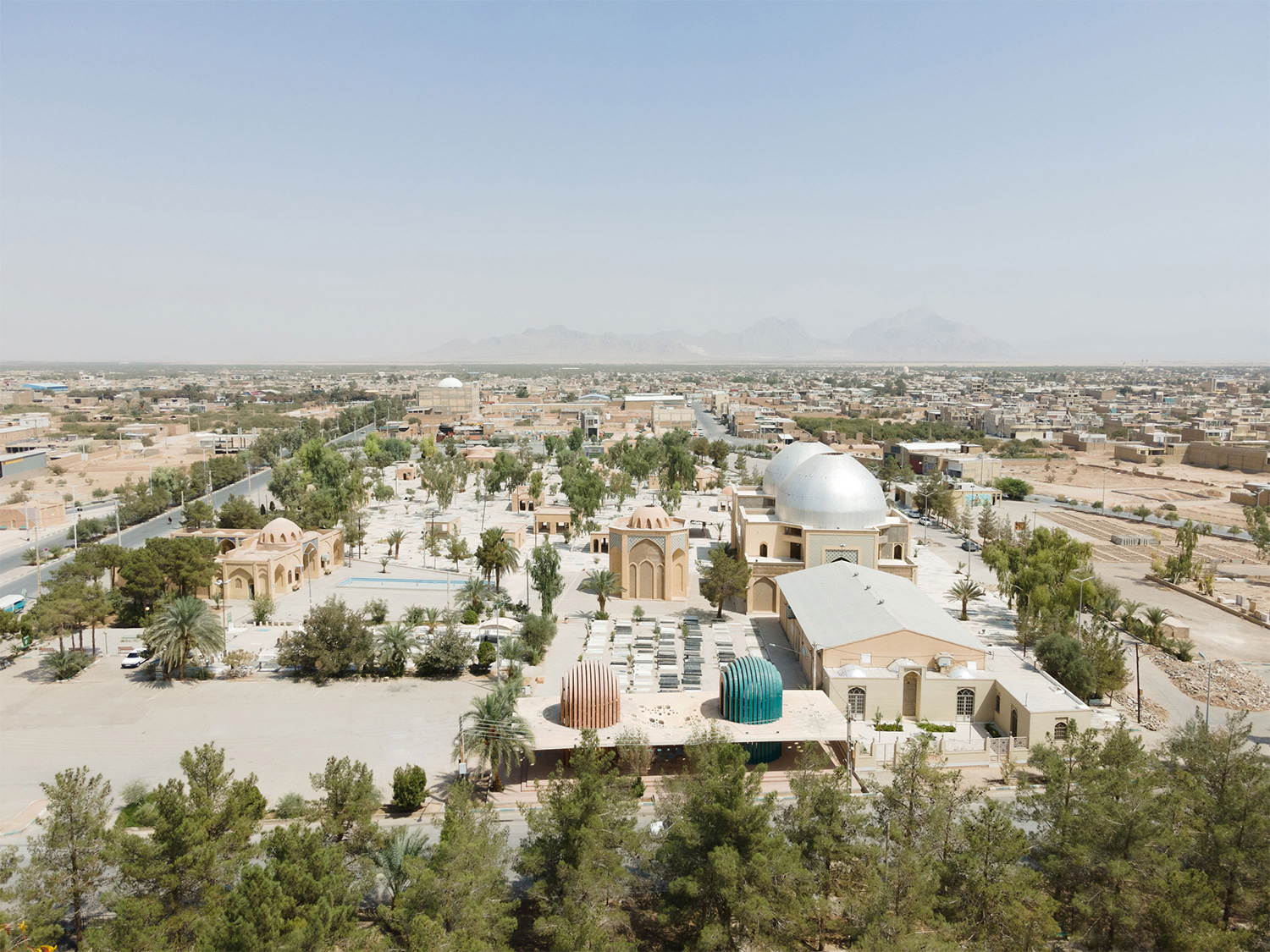
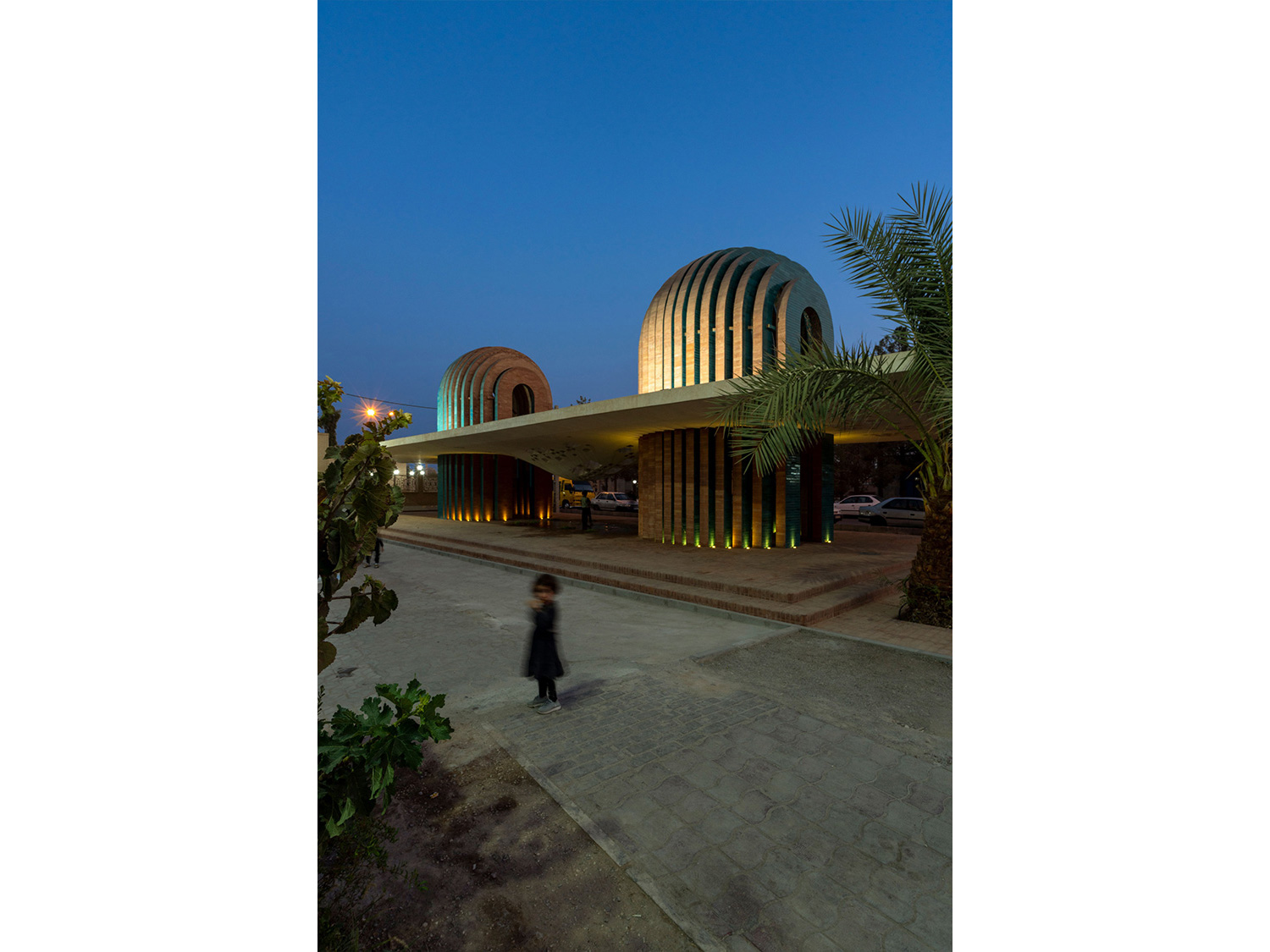
One of the defining characteristics of humanity is the desire to preserve memories of the past. Monuments and tombs are constructed as a result of this trait, and in Iran, the tradition of building religious tombs has a long history. The design of the Shafaq tomb aimed to preserve the familiar signs of Iranian religious architecture while also creating a modern effect.
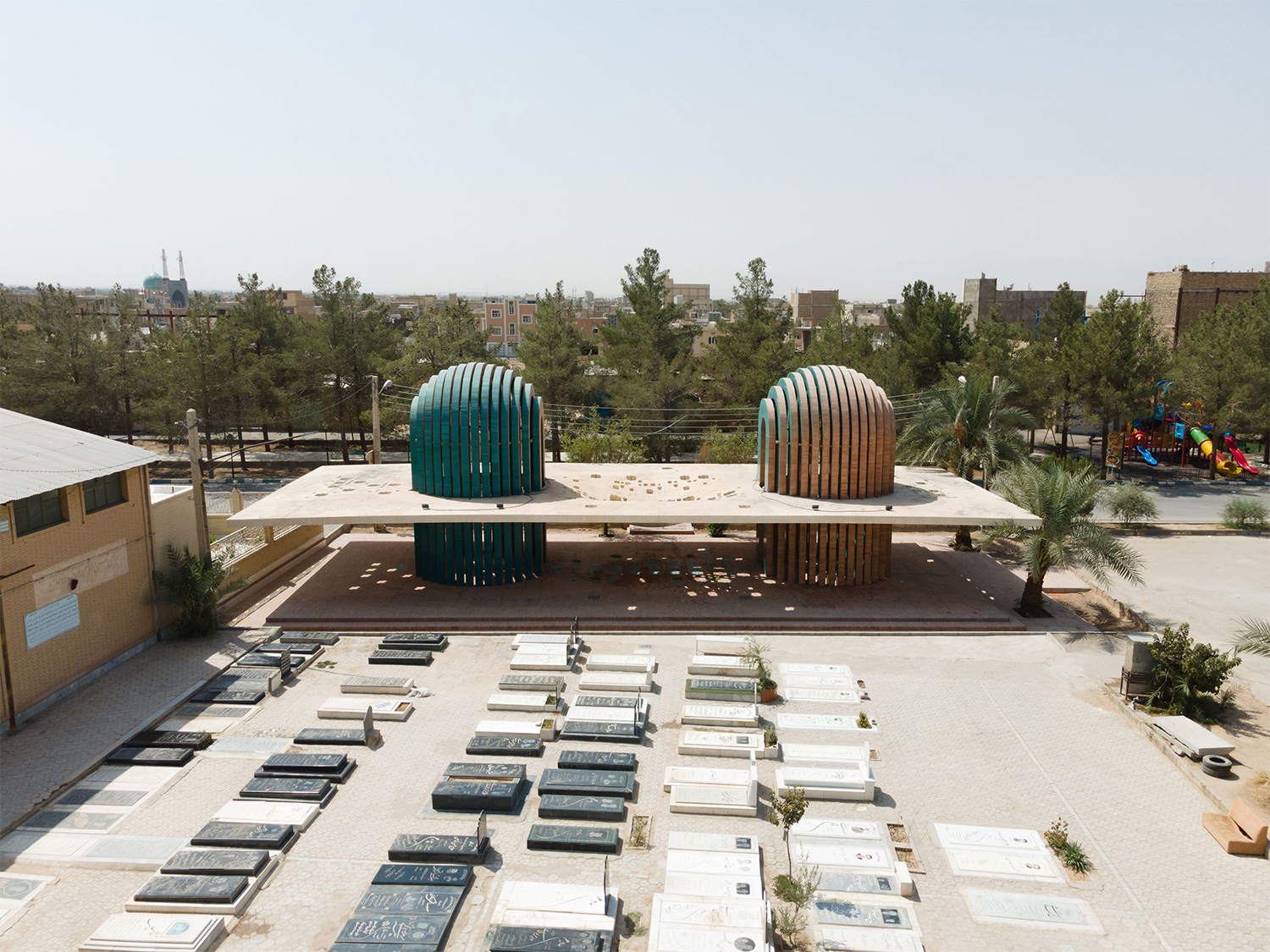
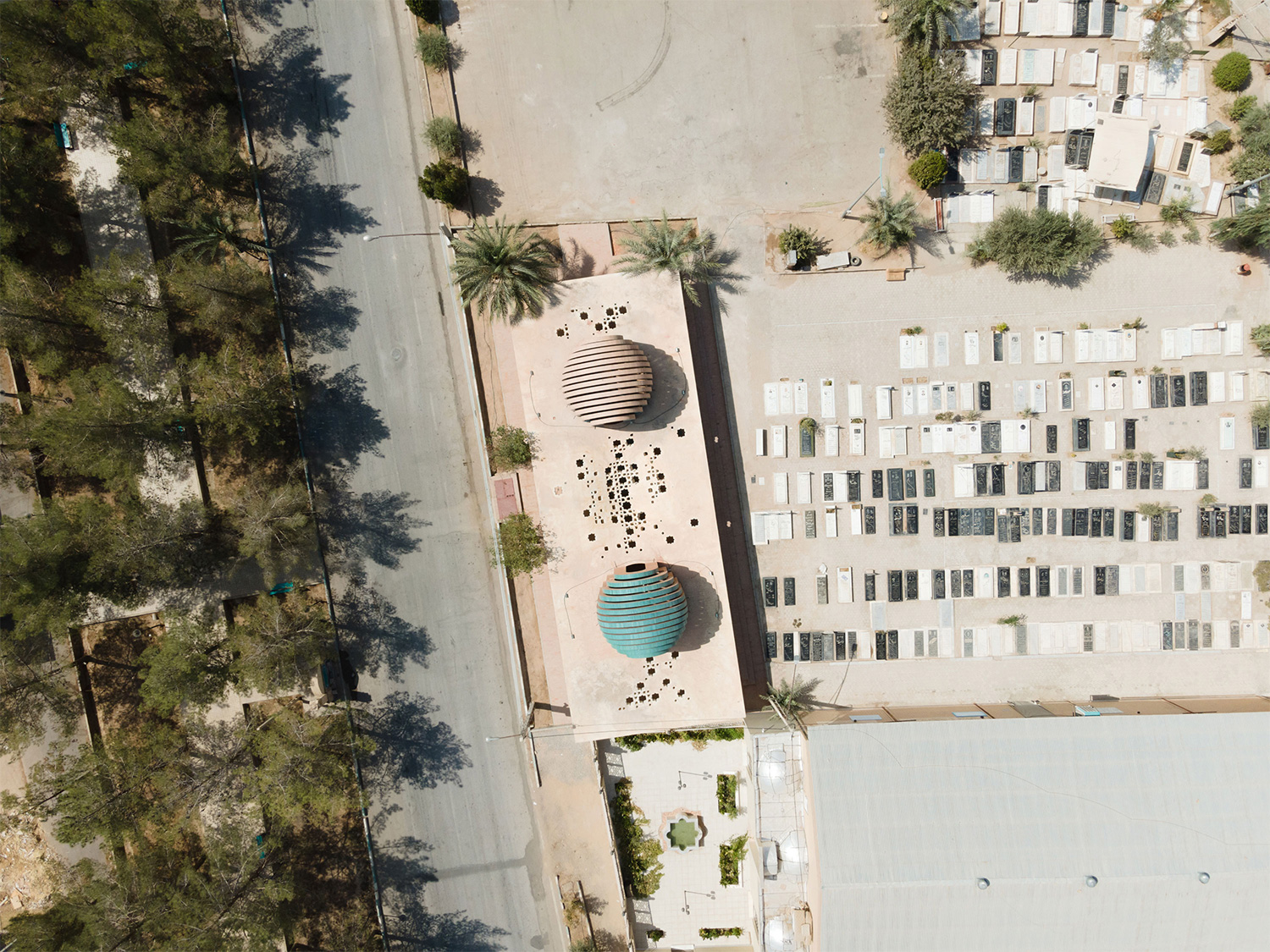
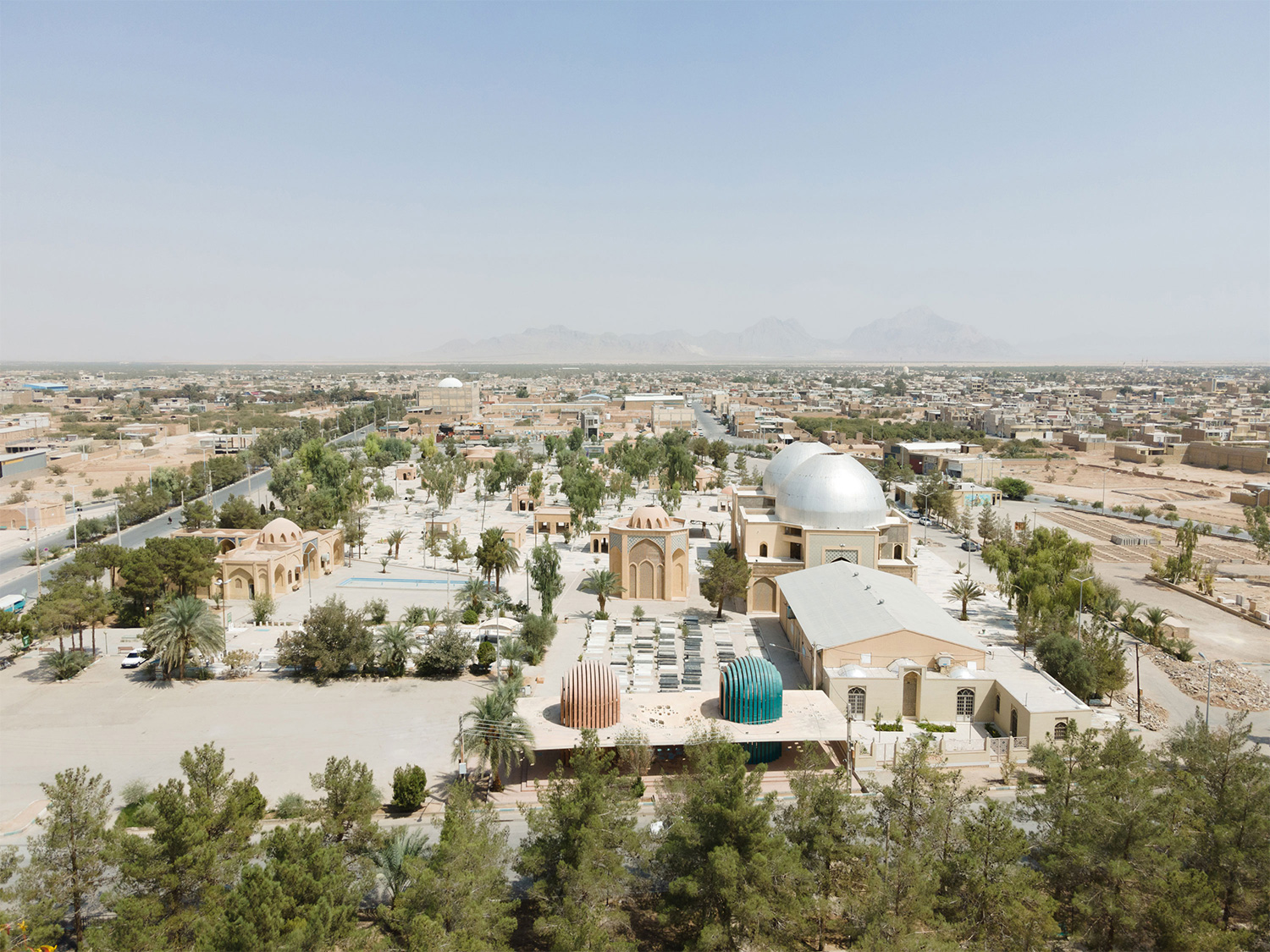
By studying past tombs, it was concluded that domes, inscriptions, and geometric motifs were key elements of this type of architecture due to their frequent use.
Dome
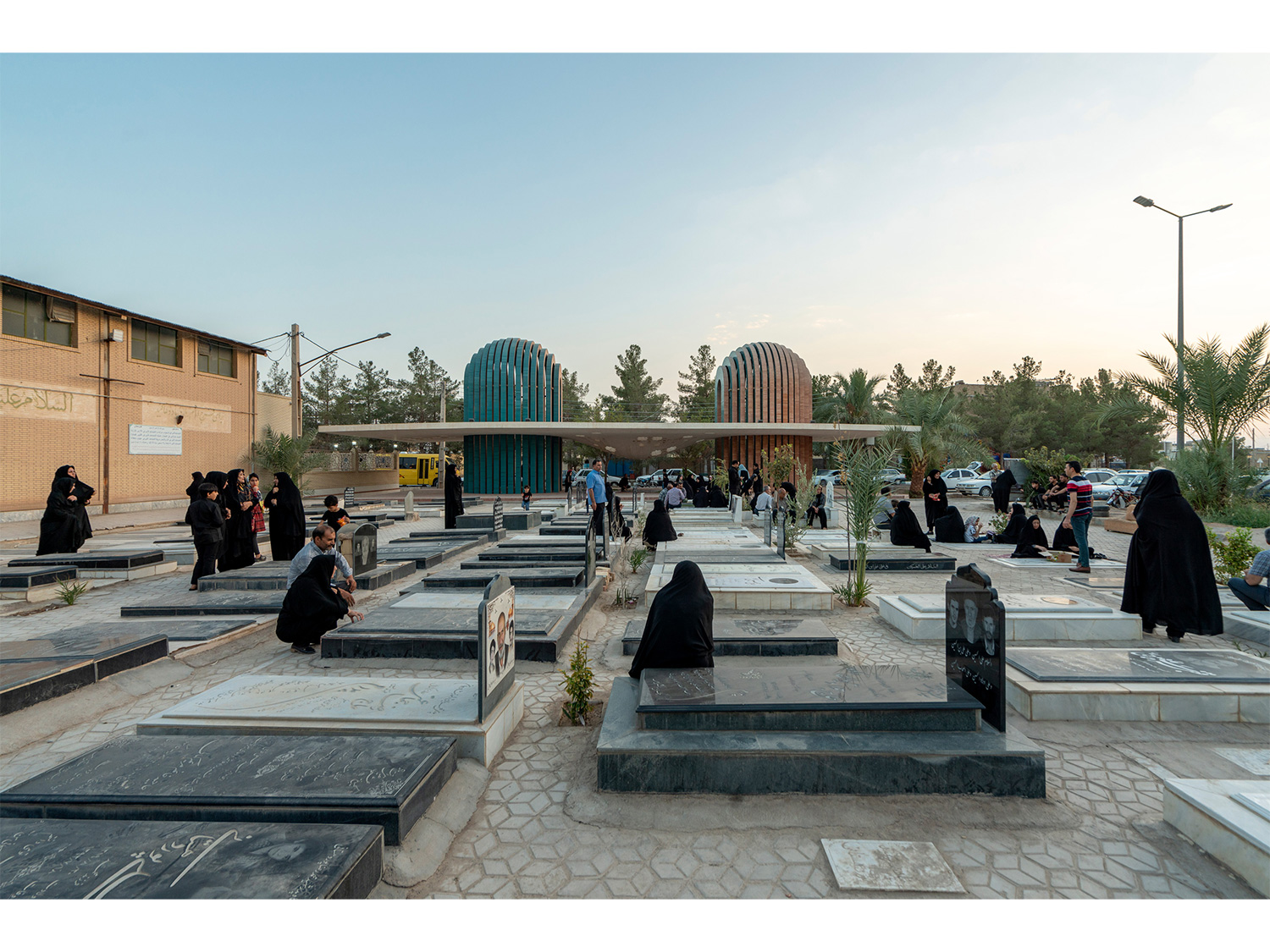
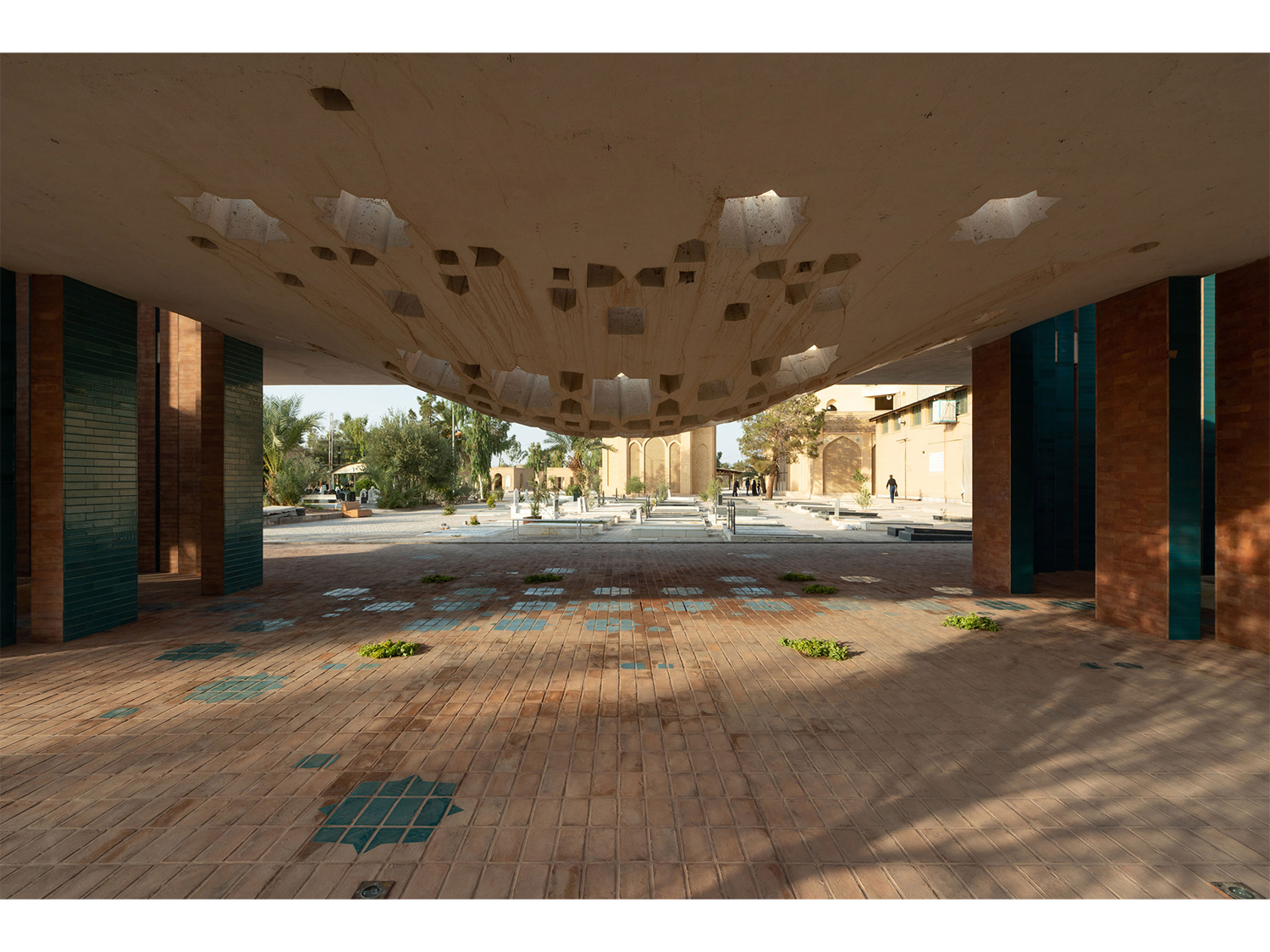
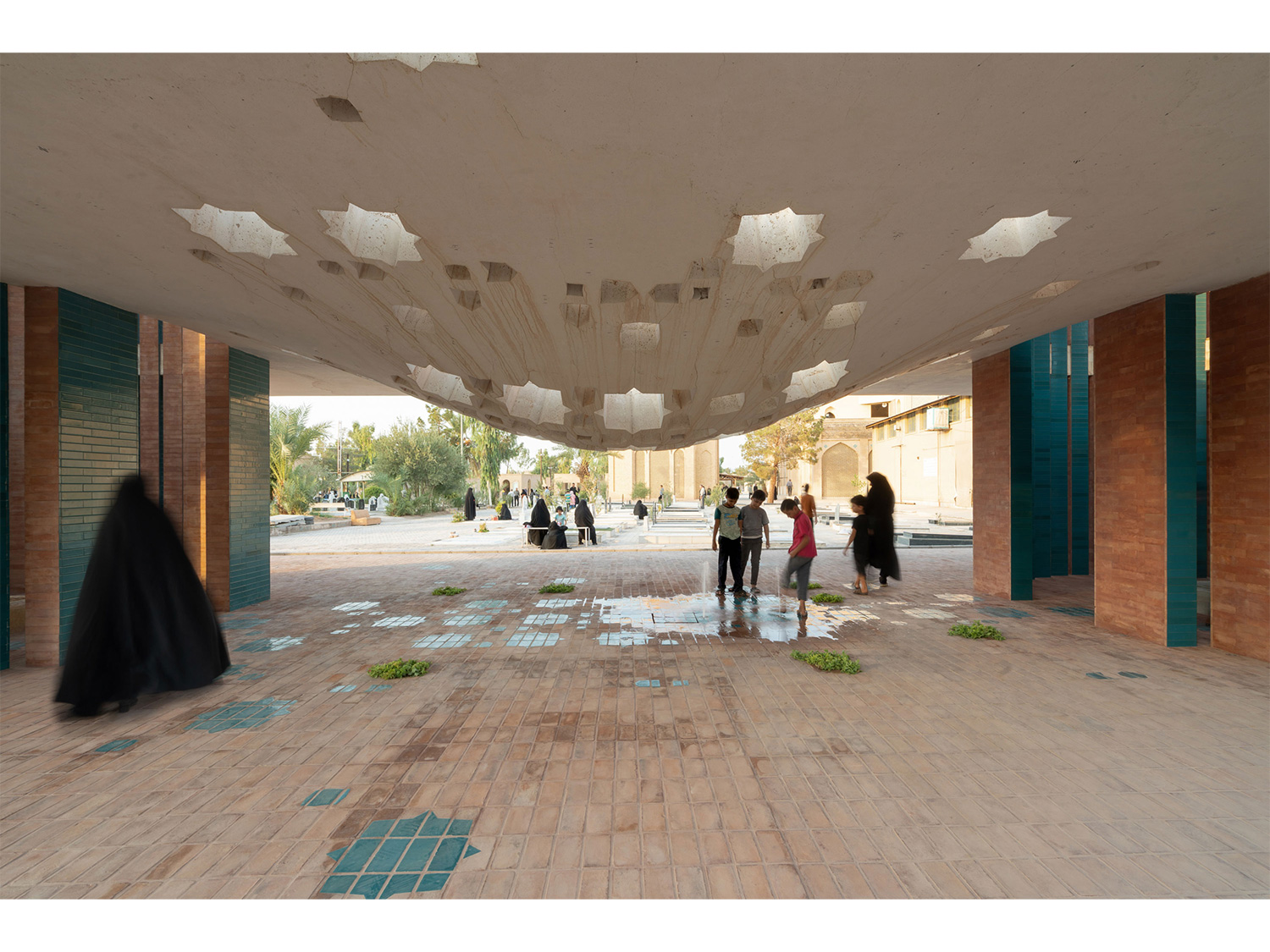
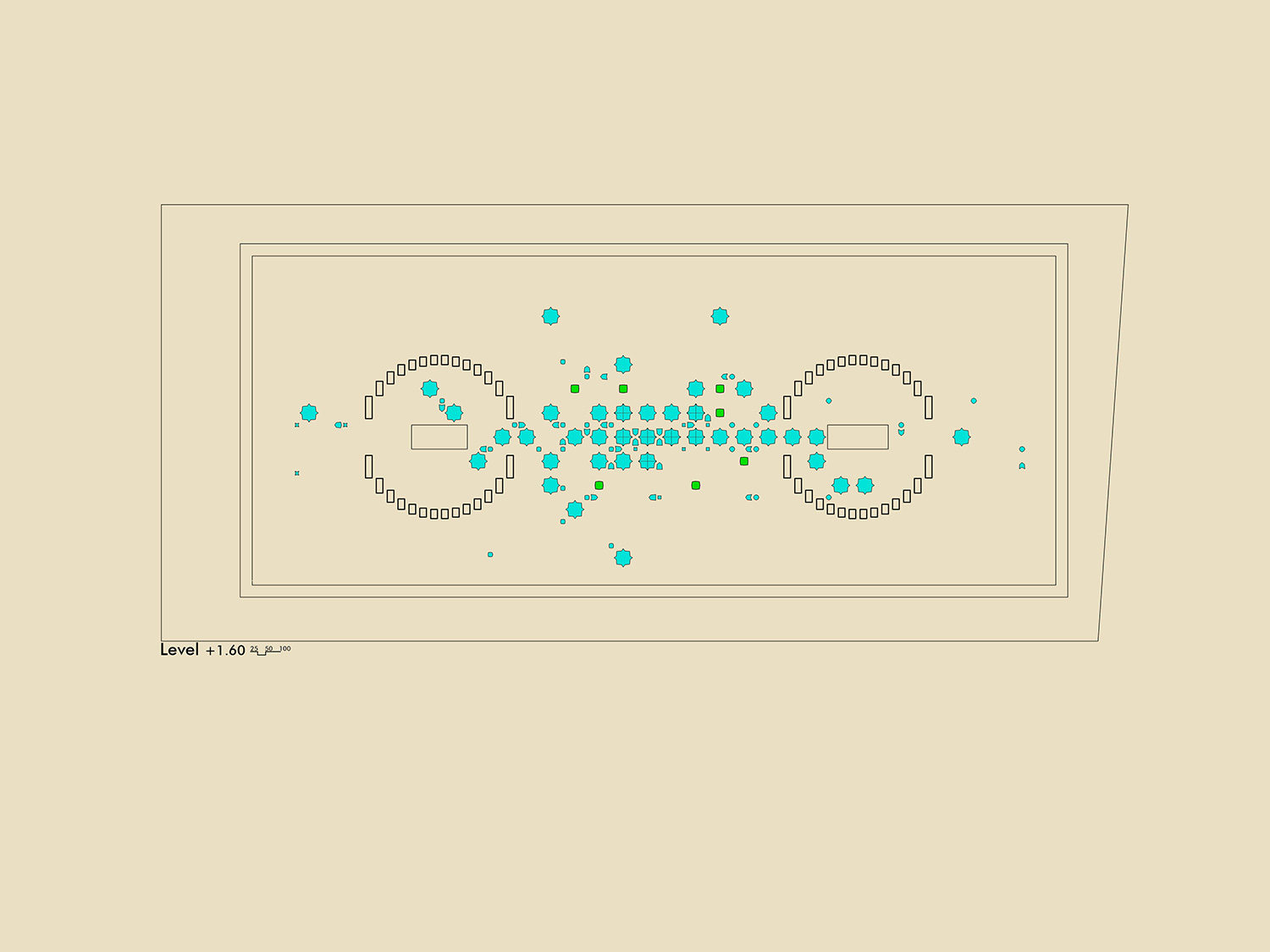
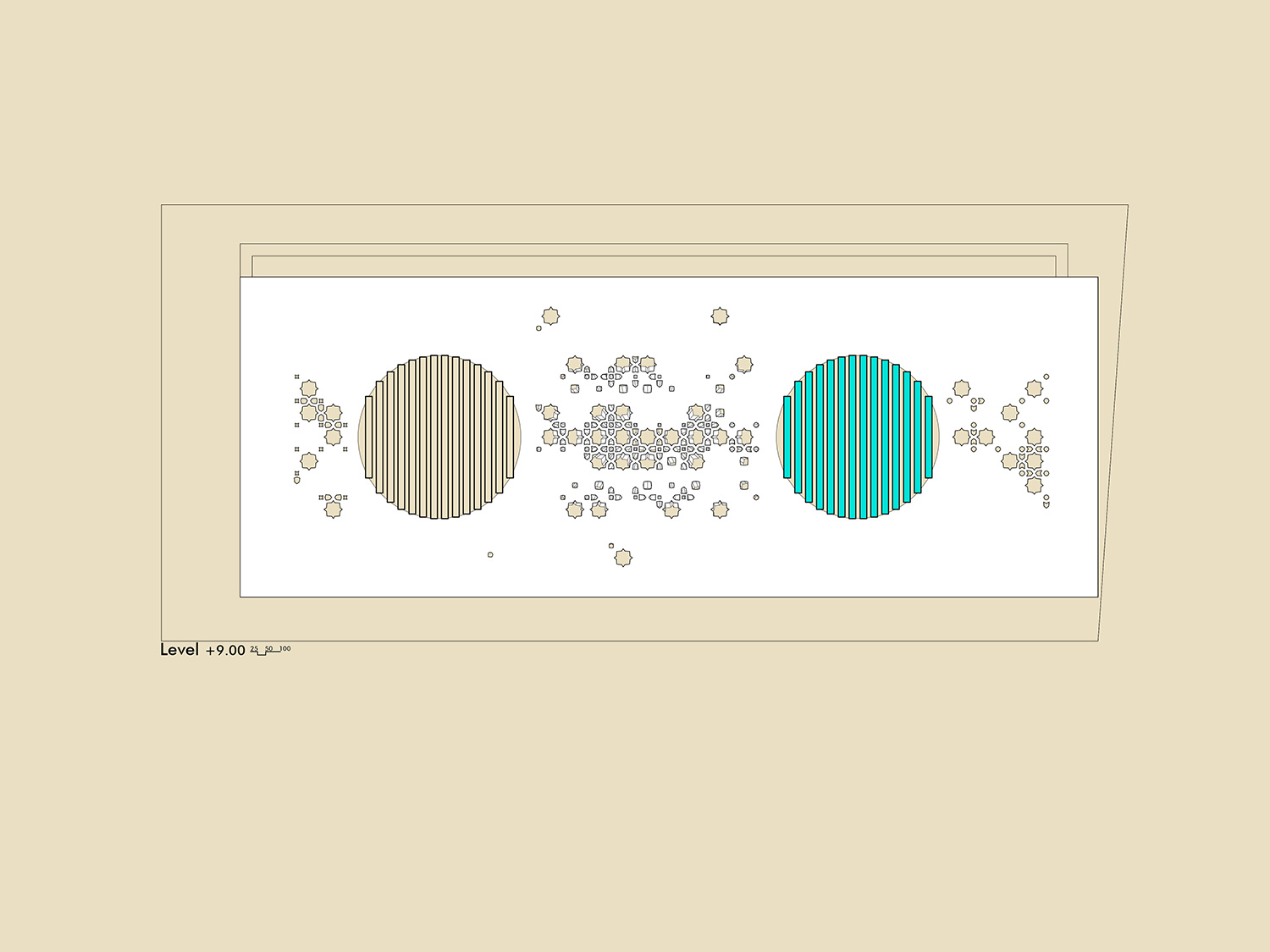
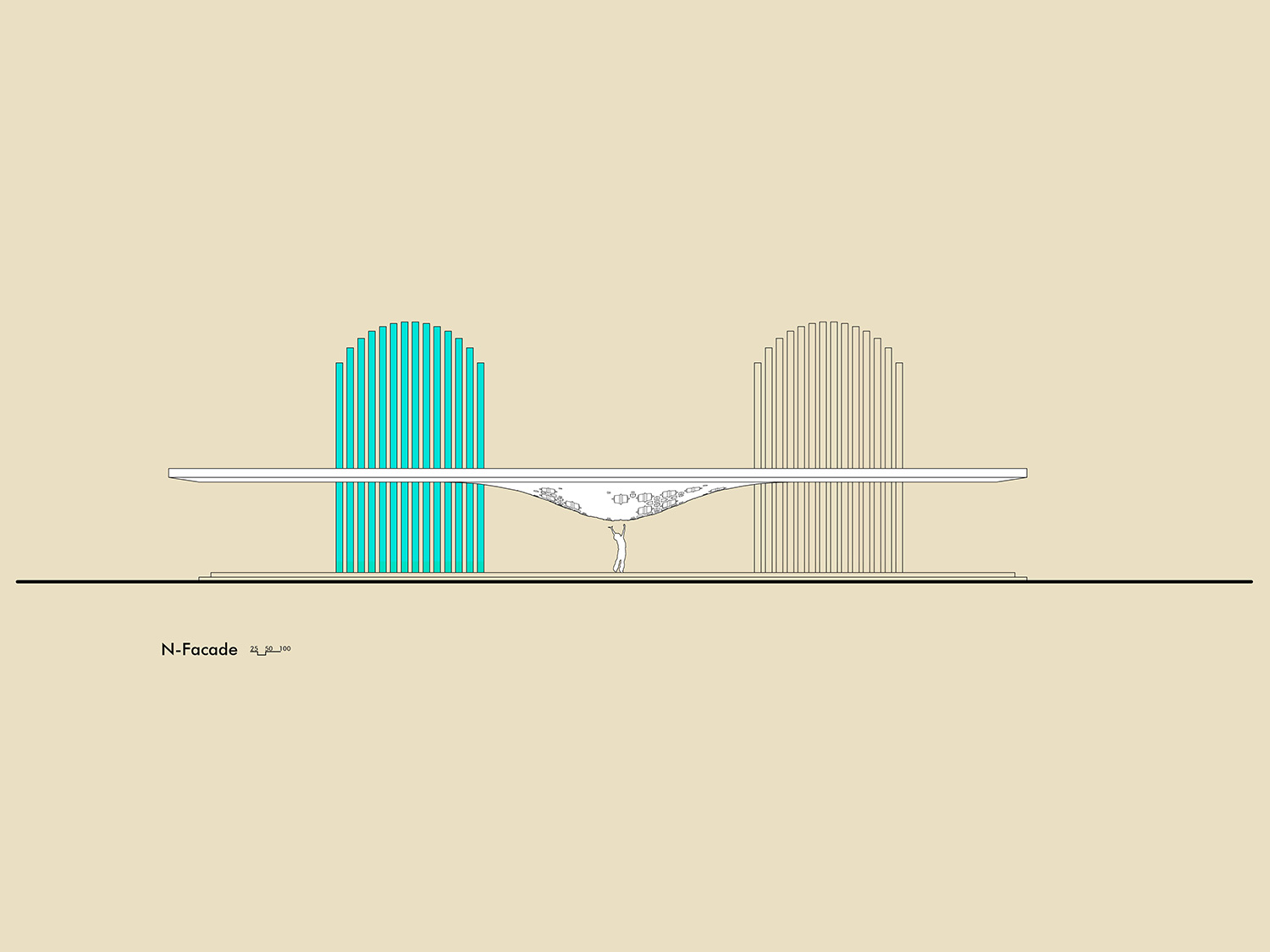
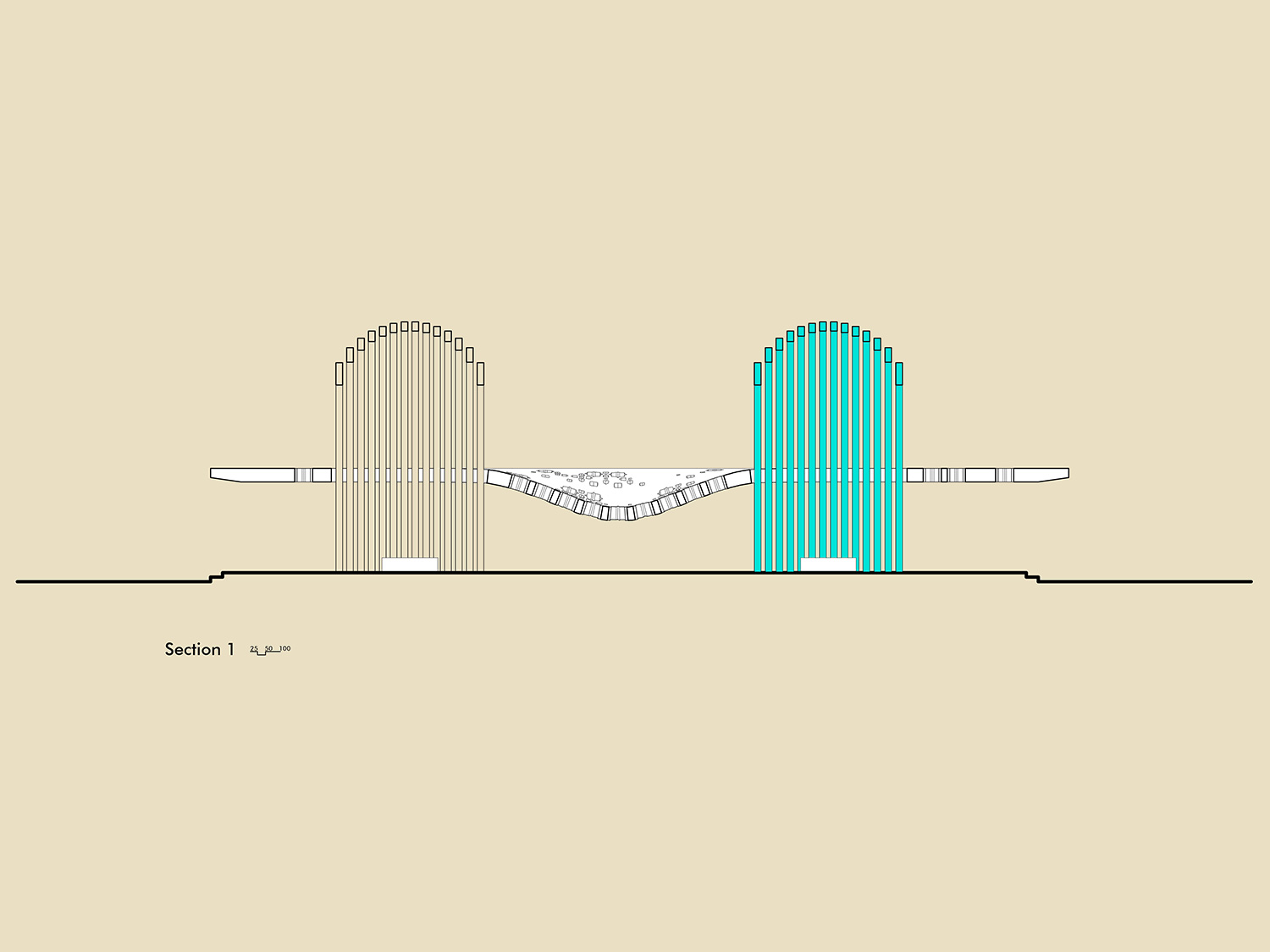
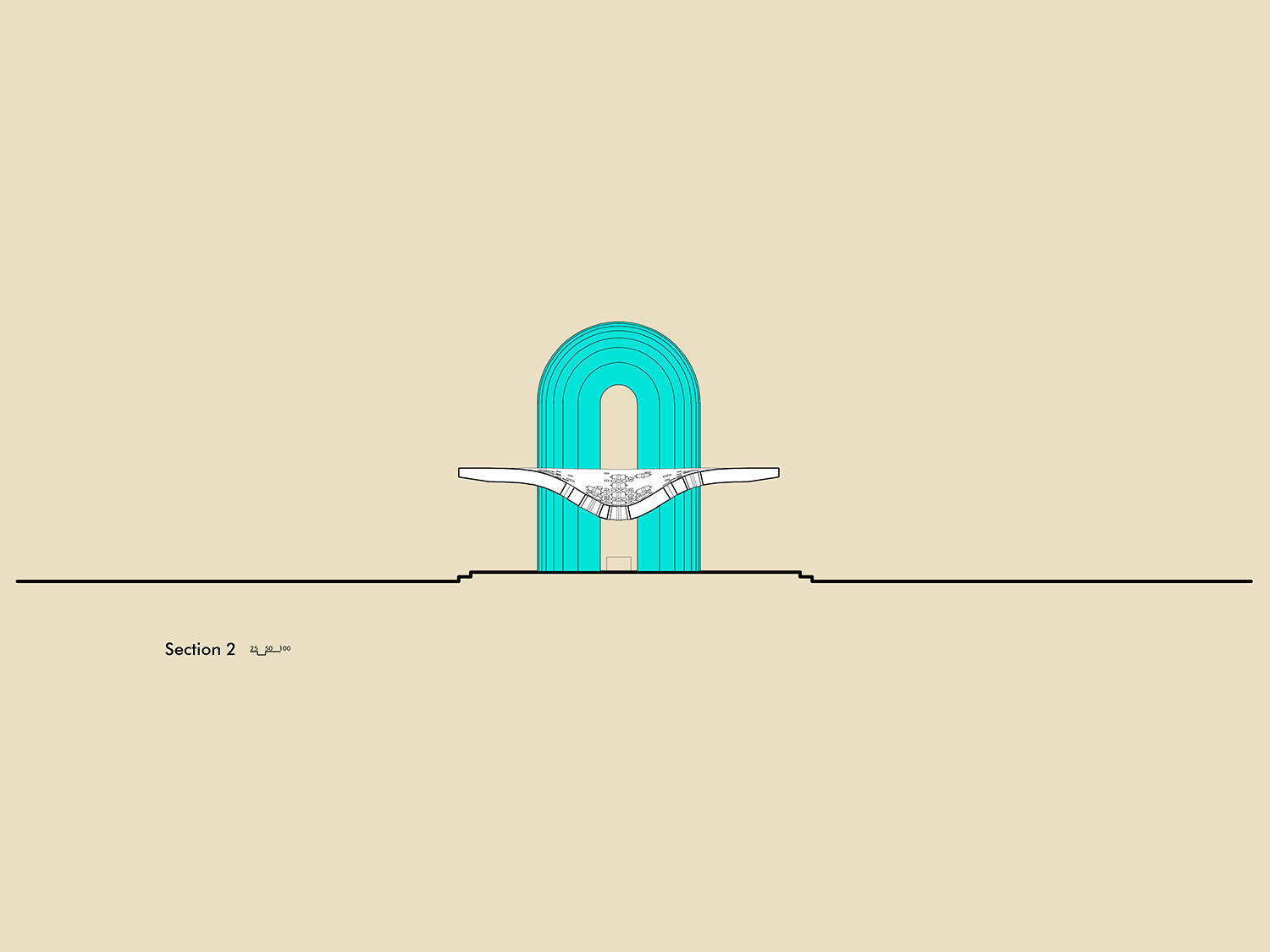
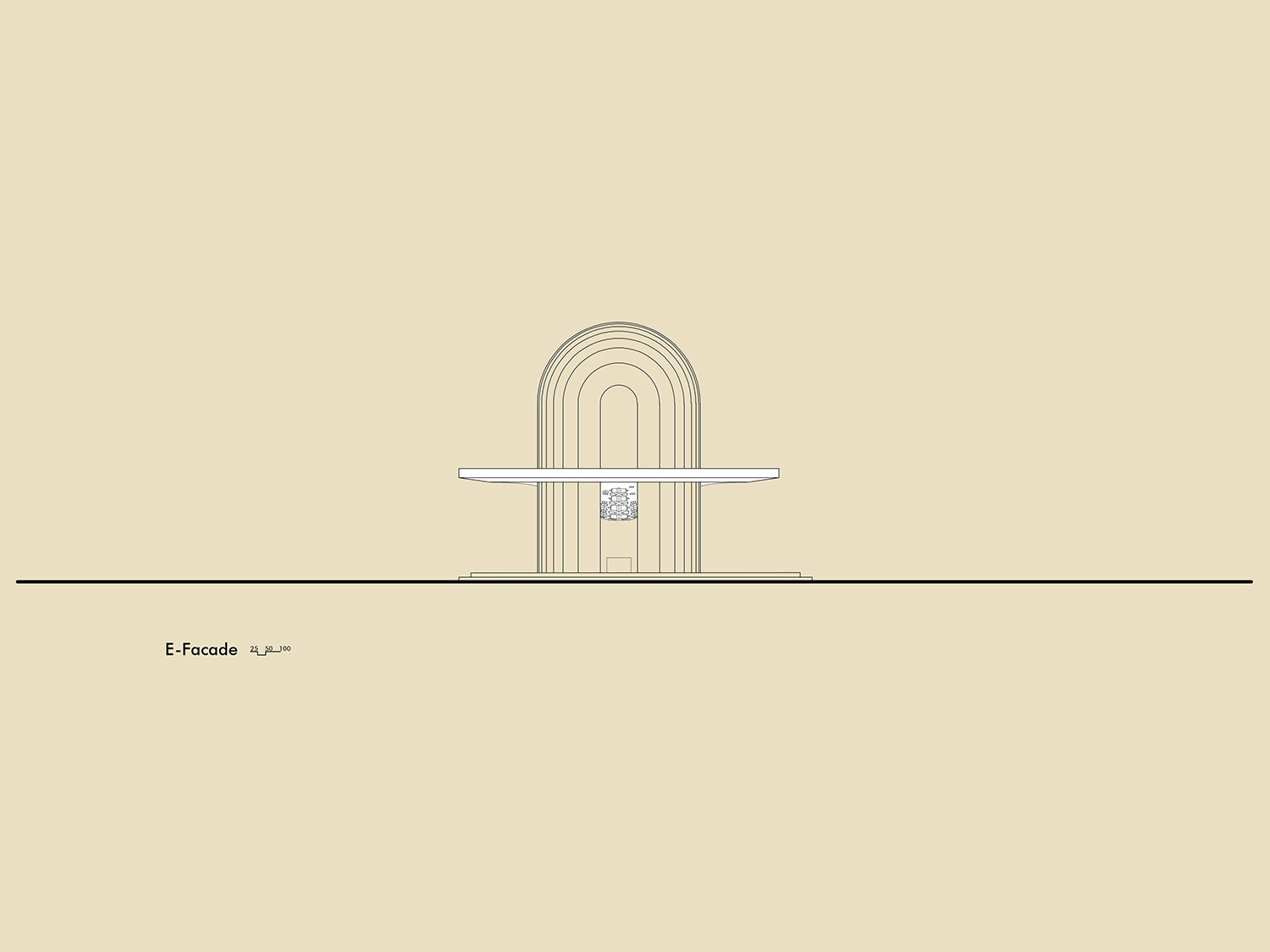
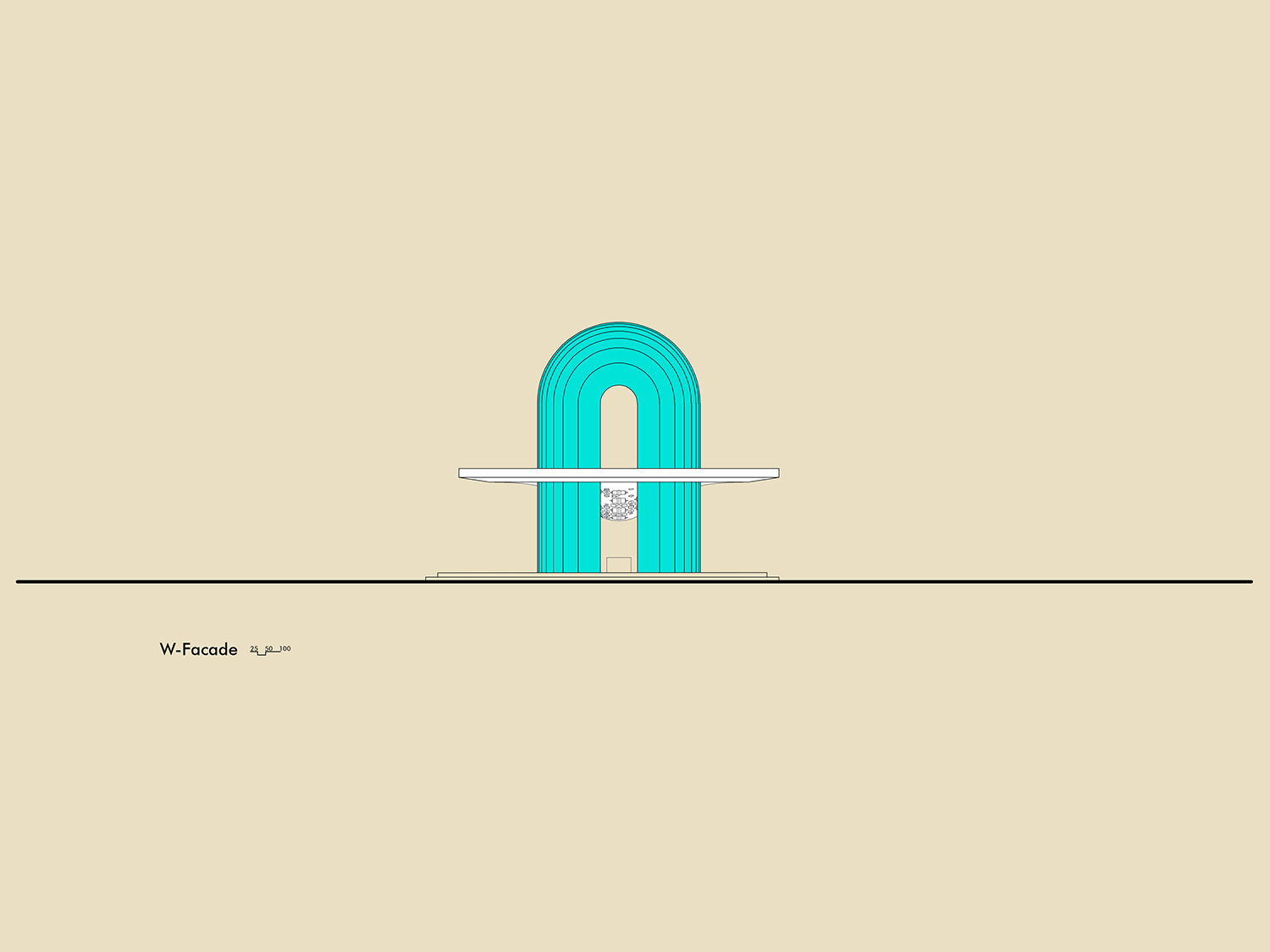
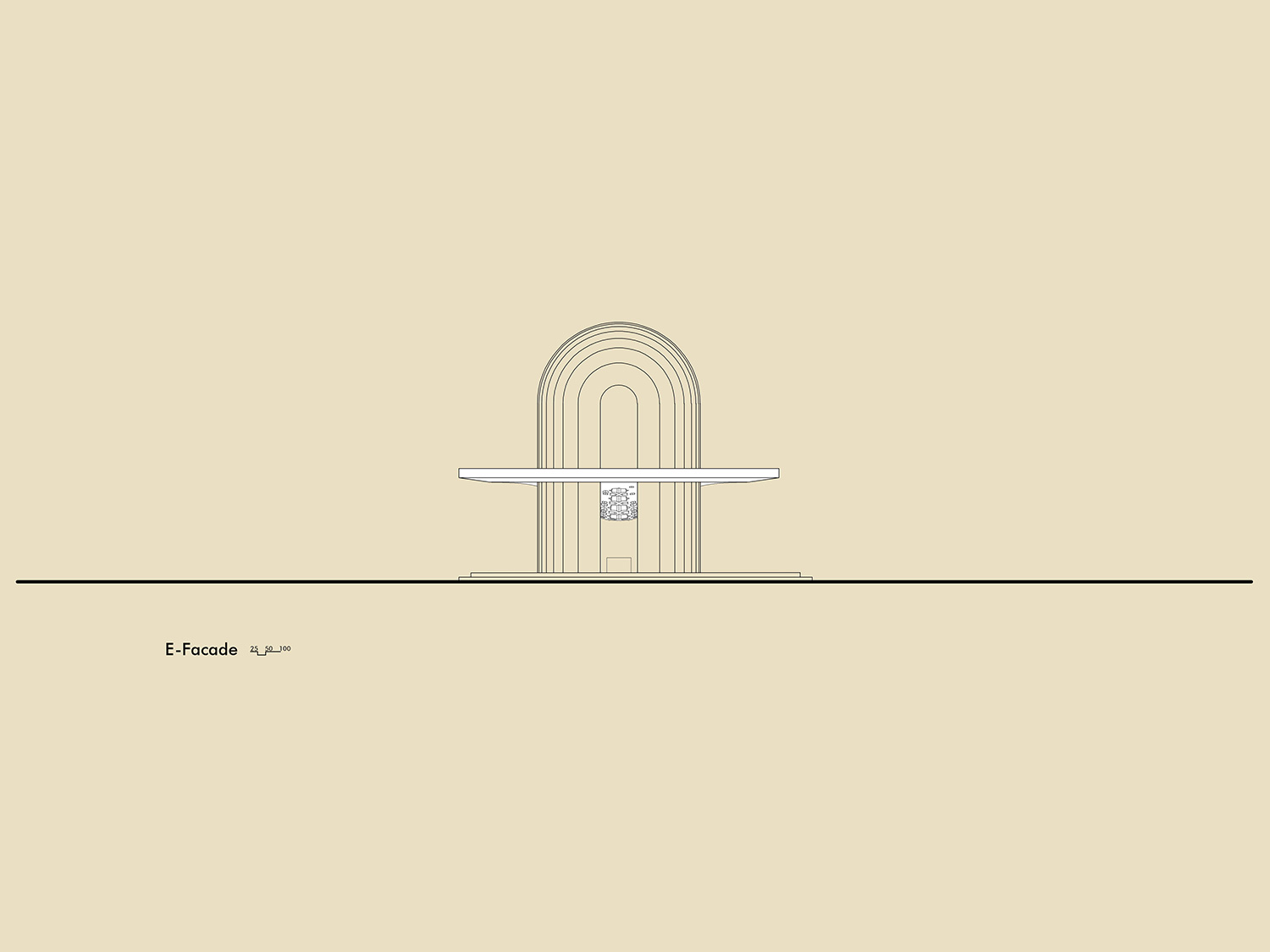
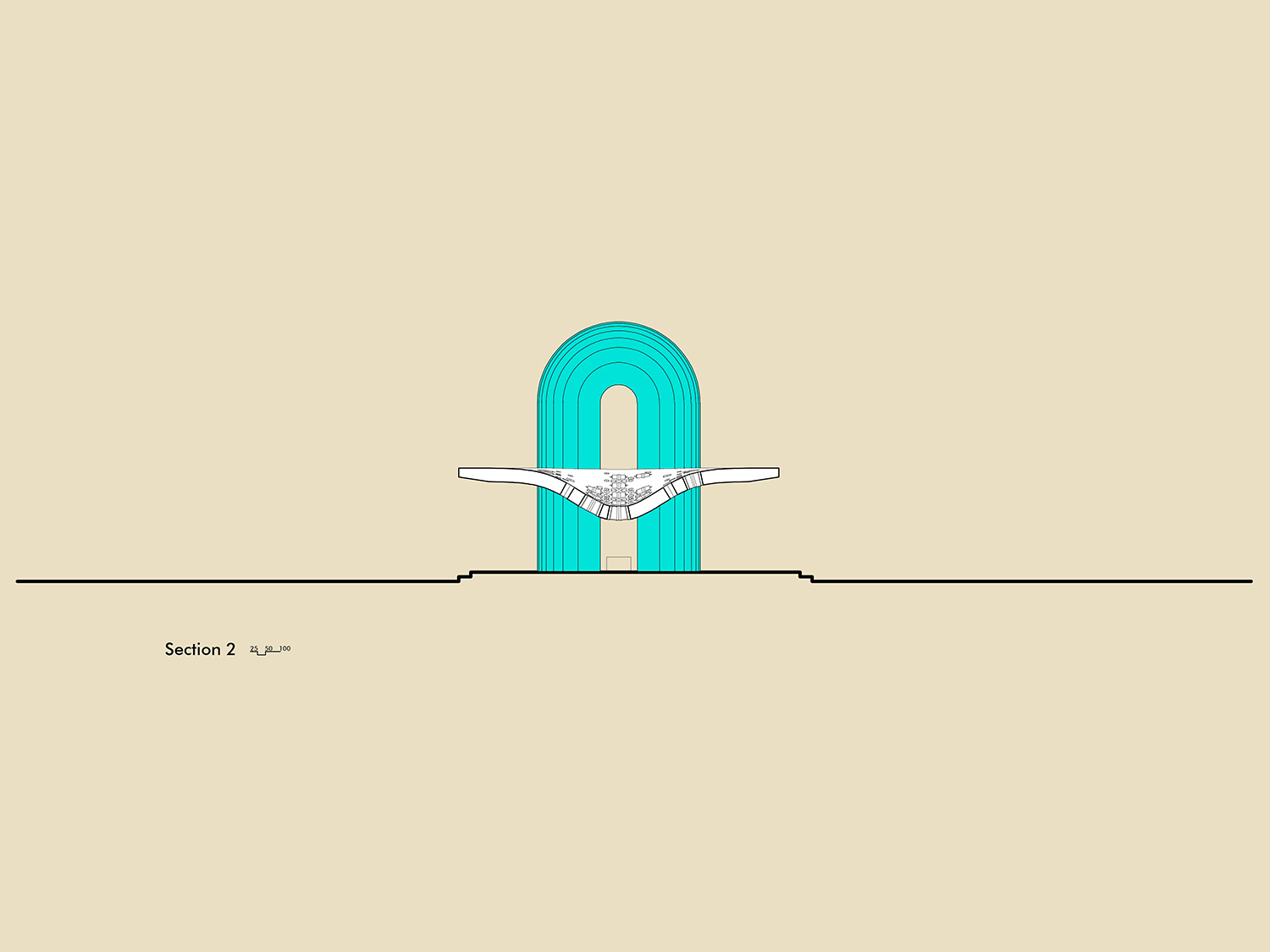
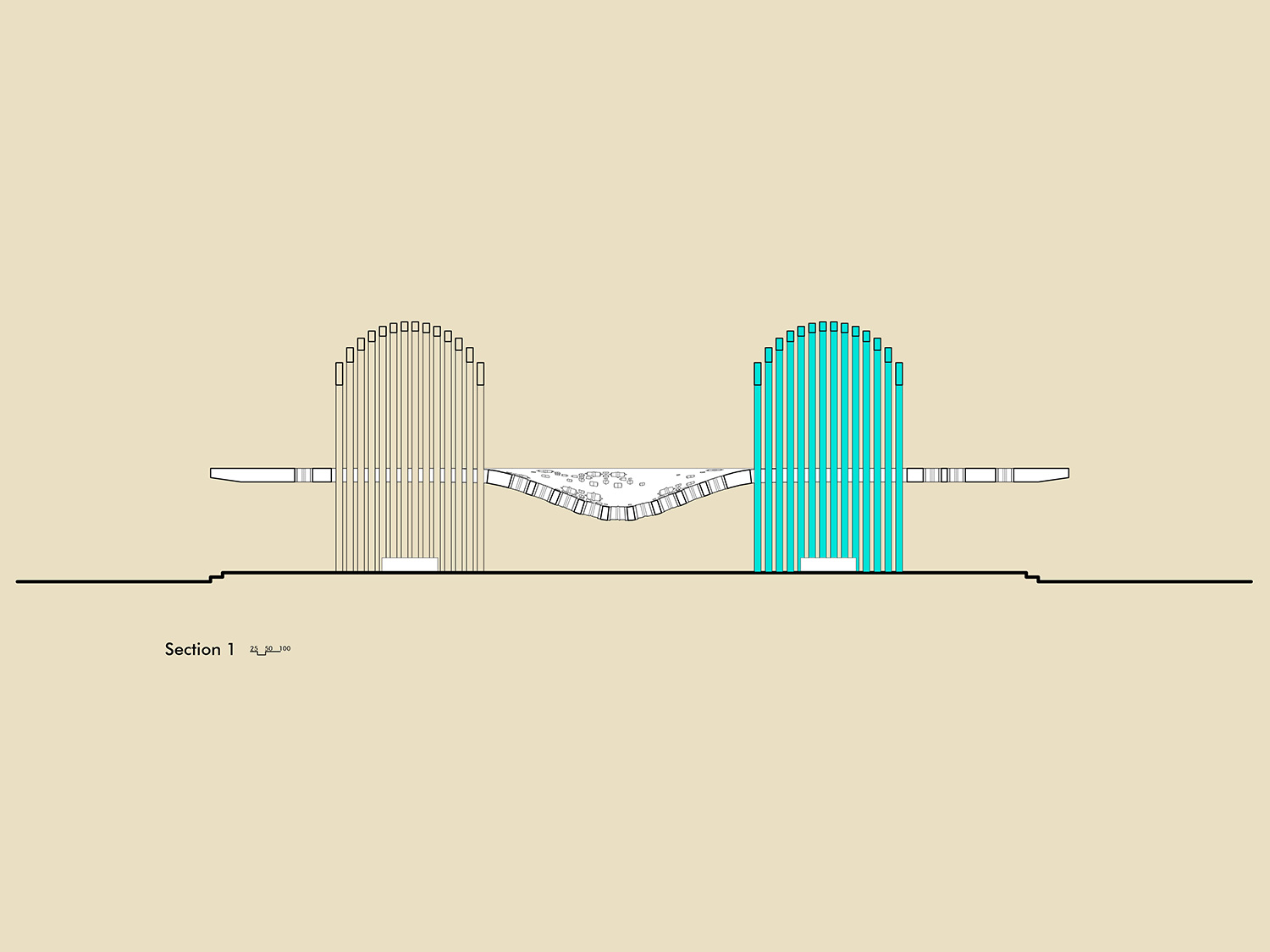
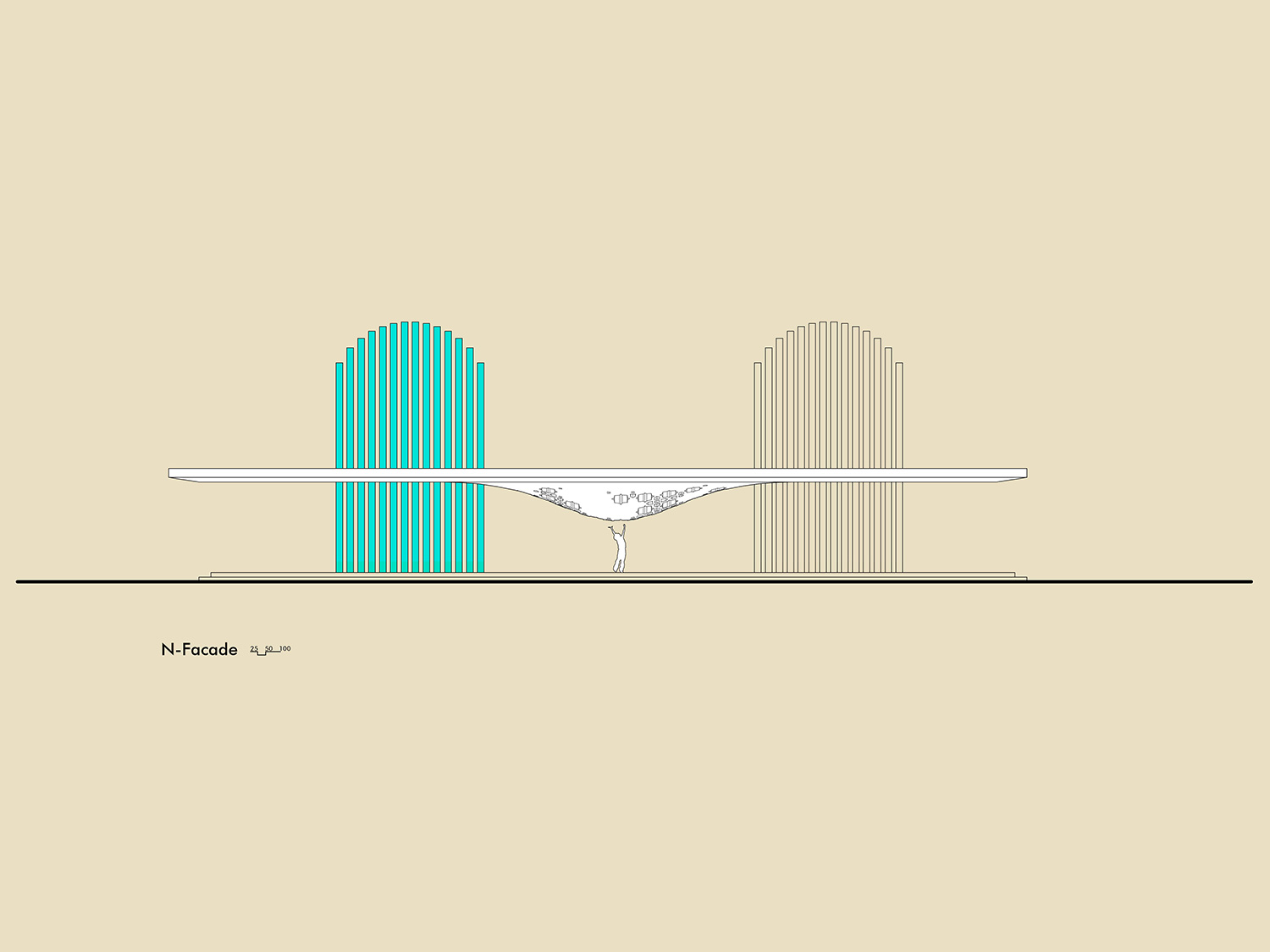
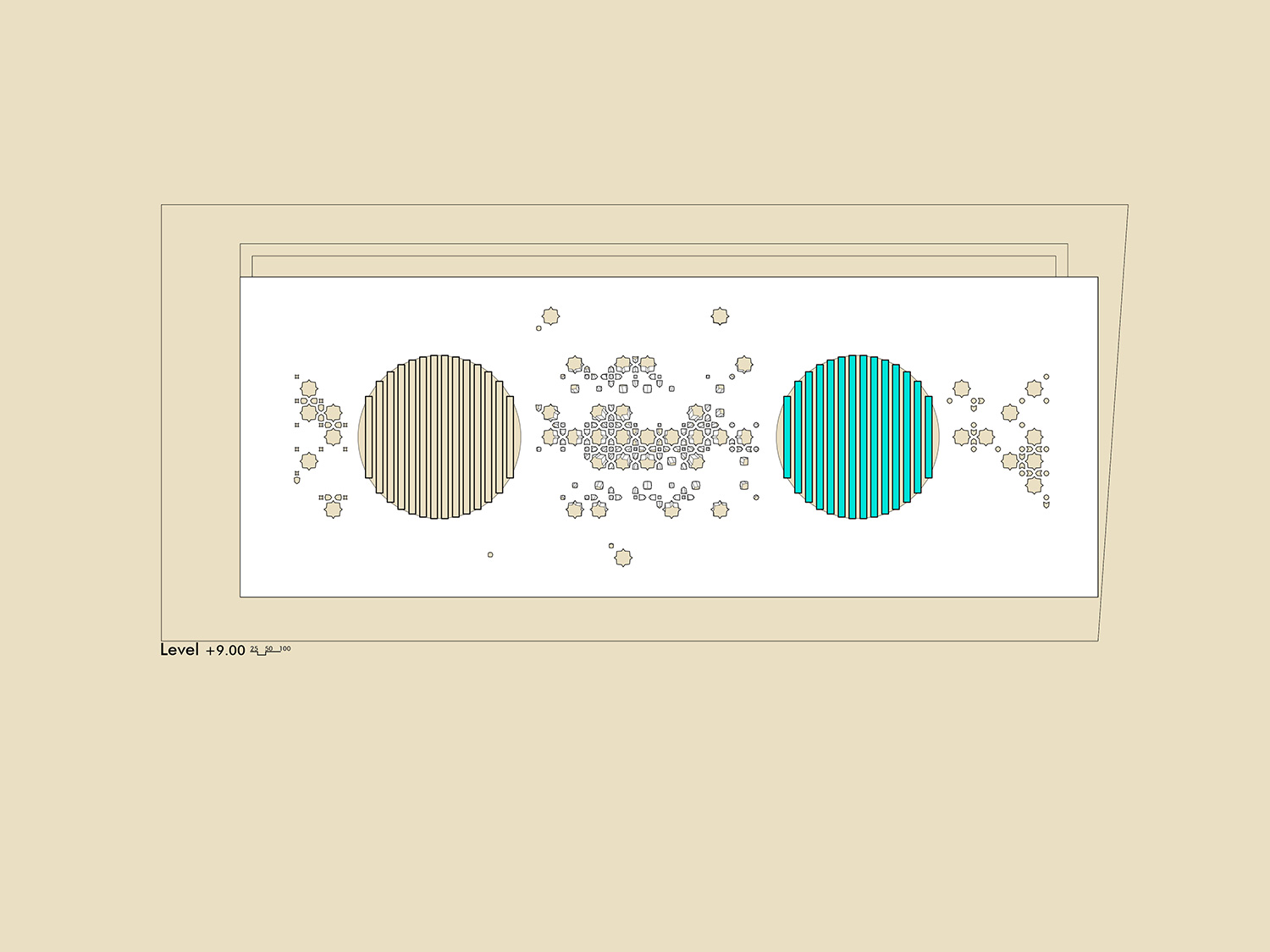
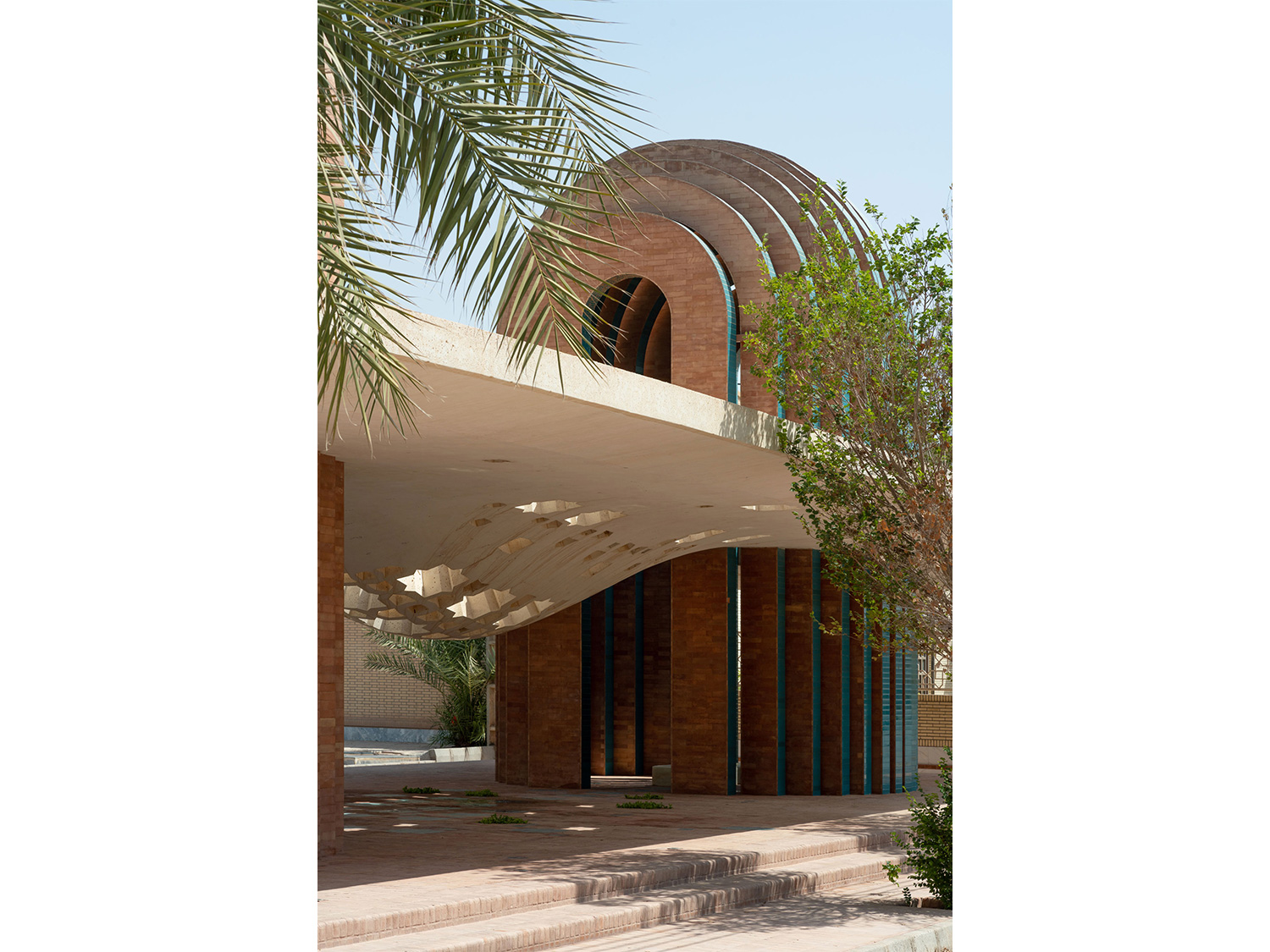
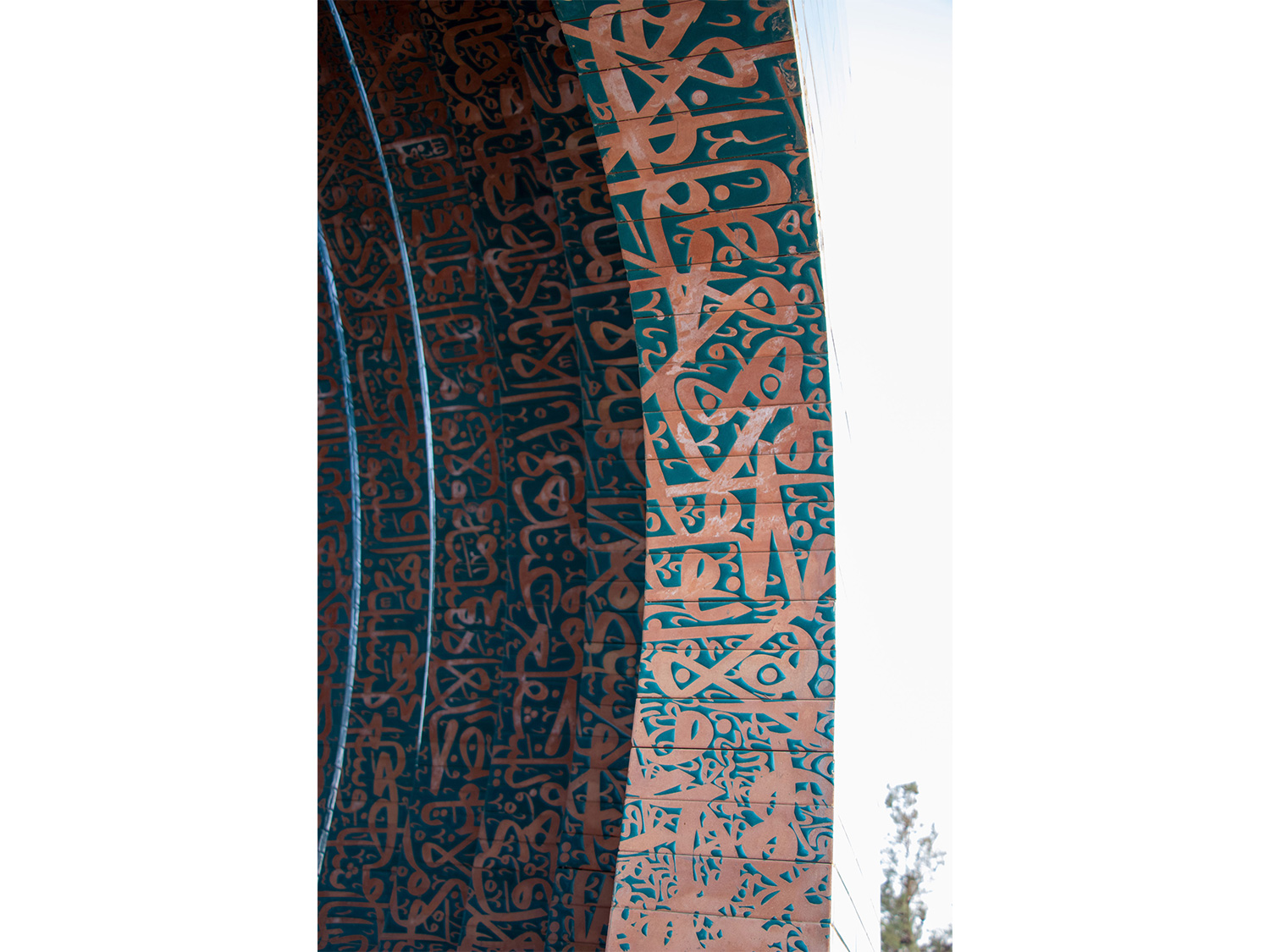
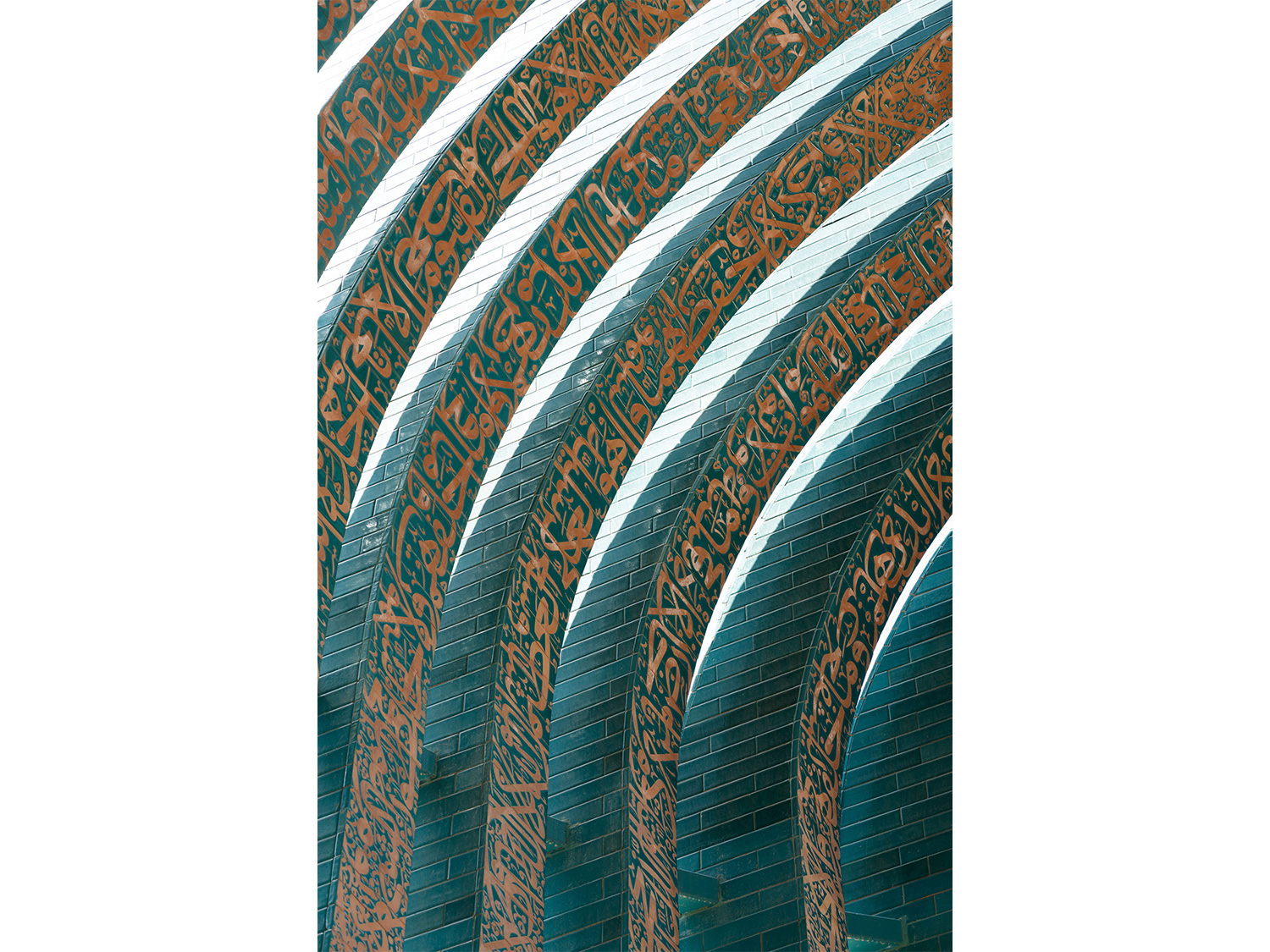
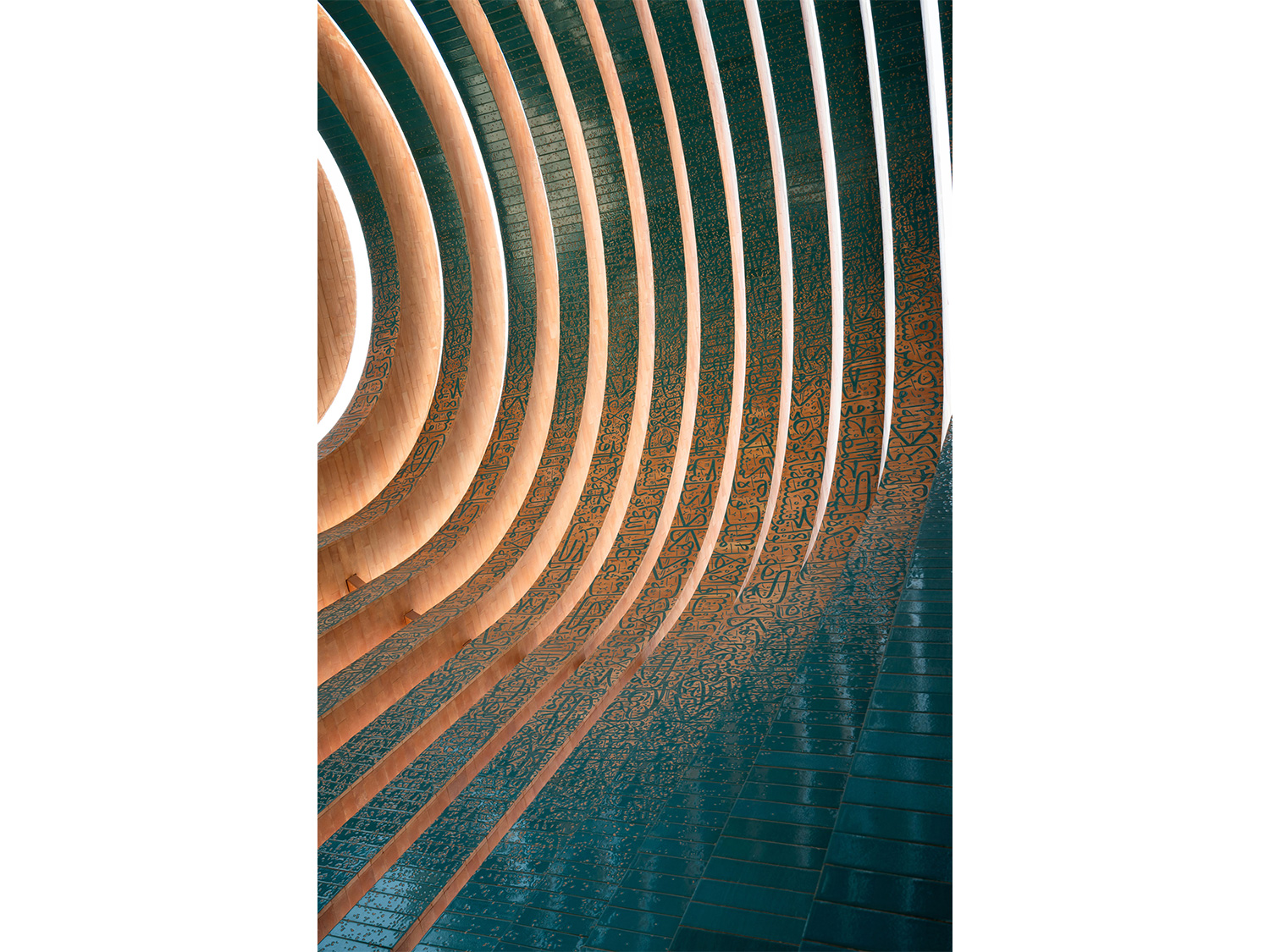
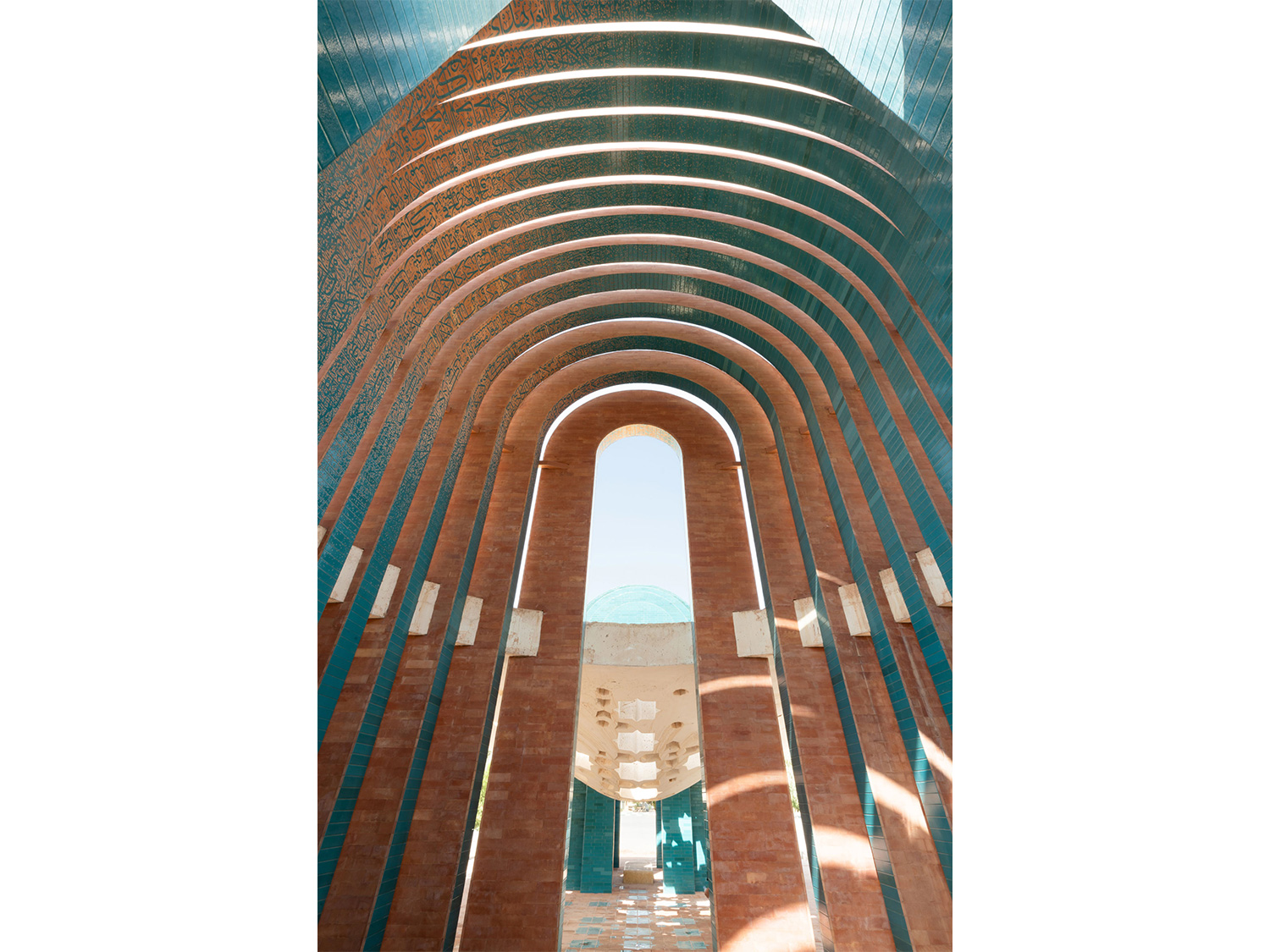
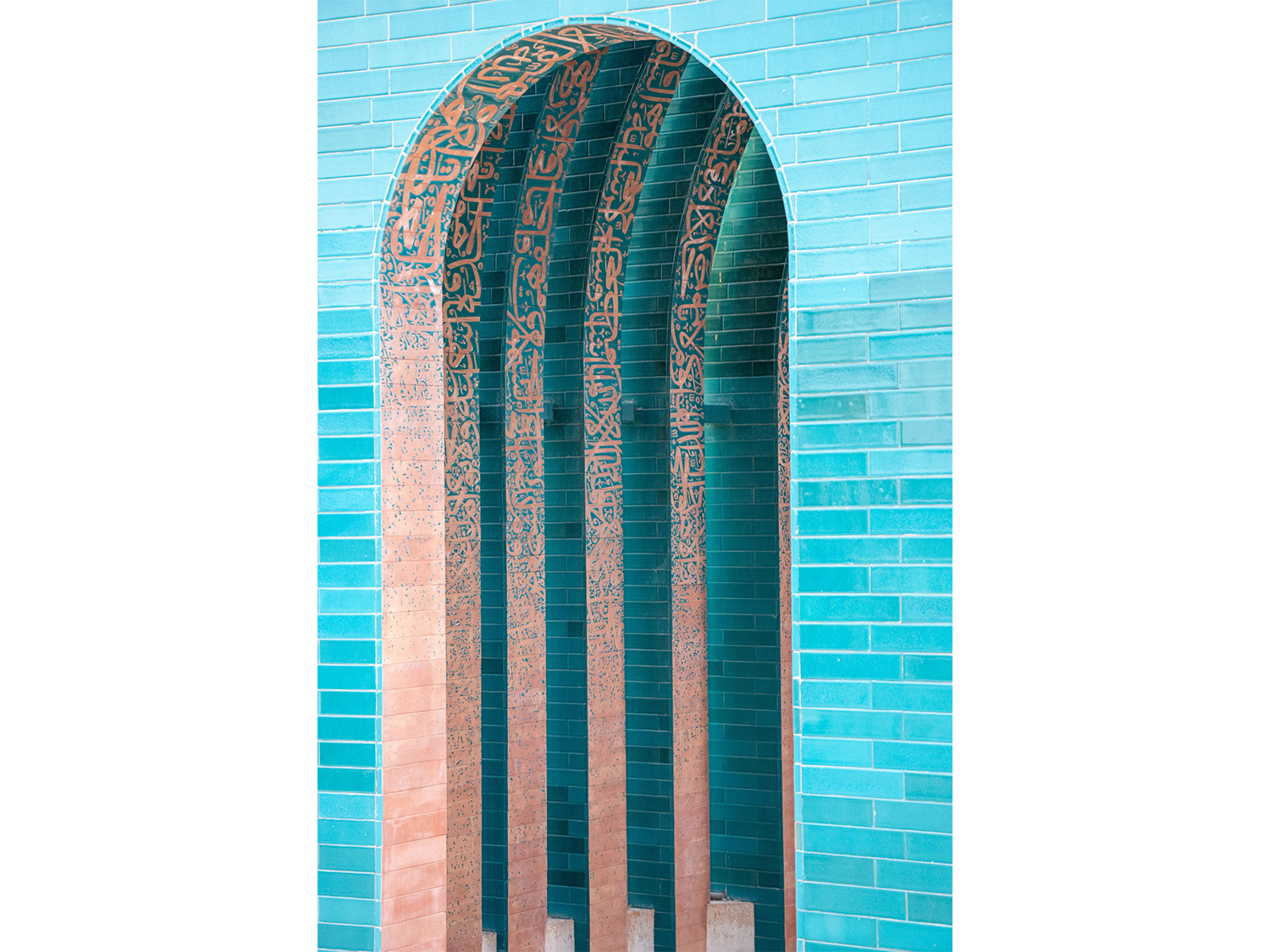
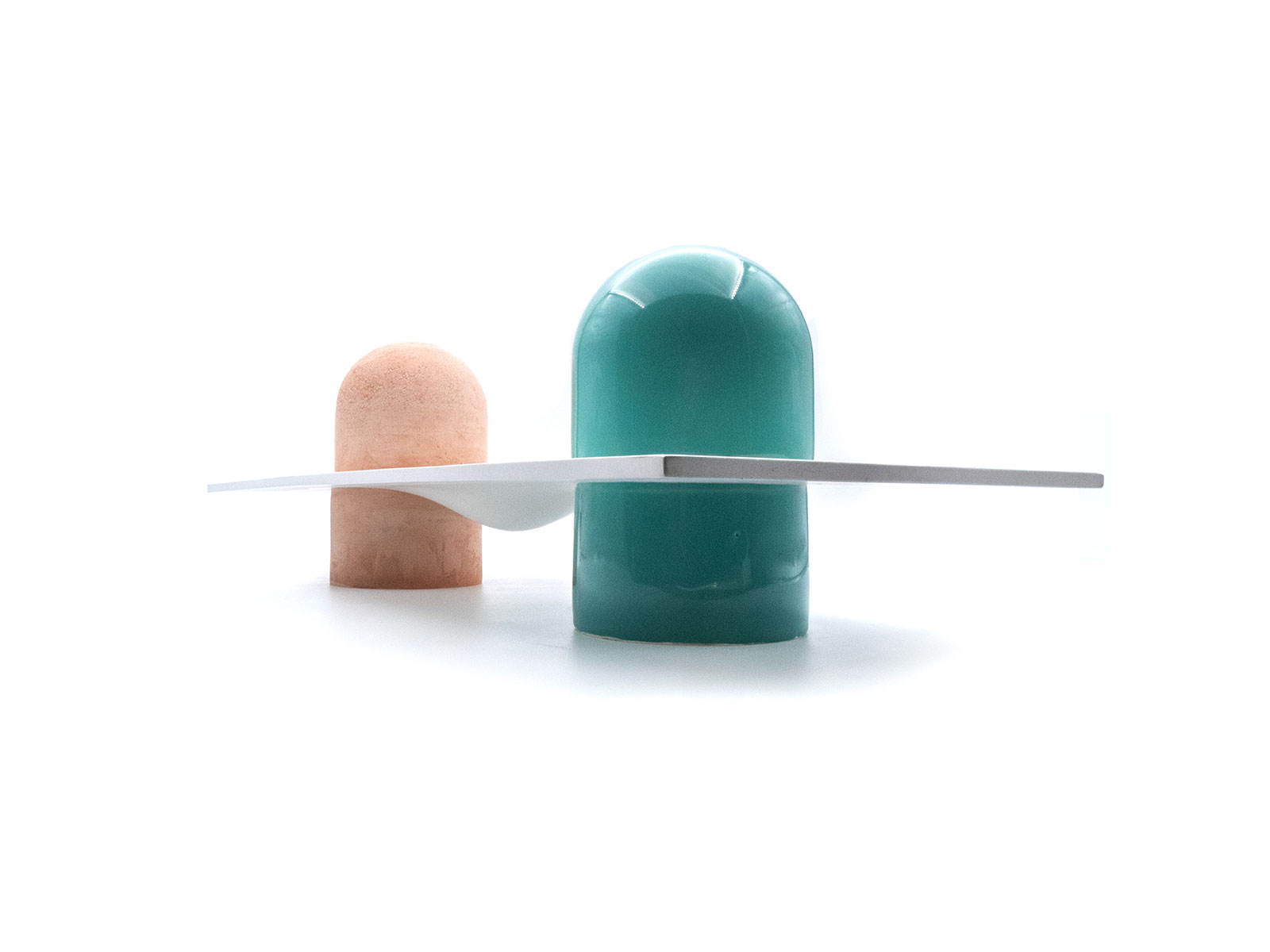
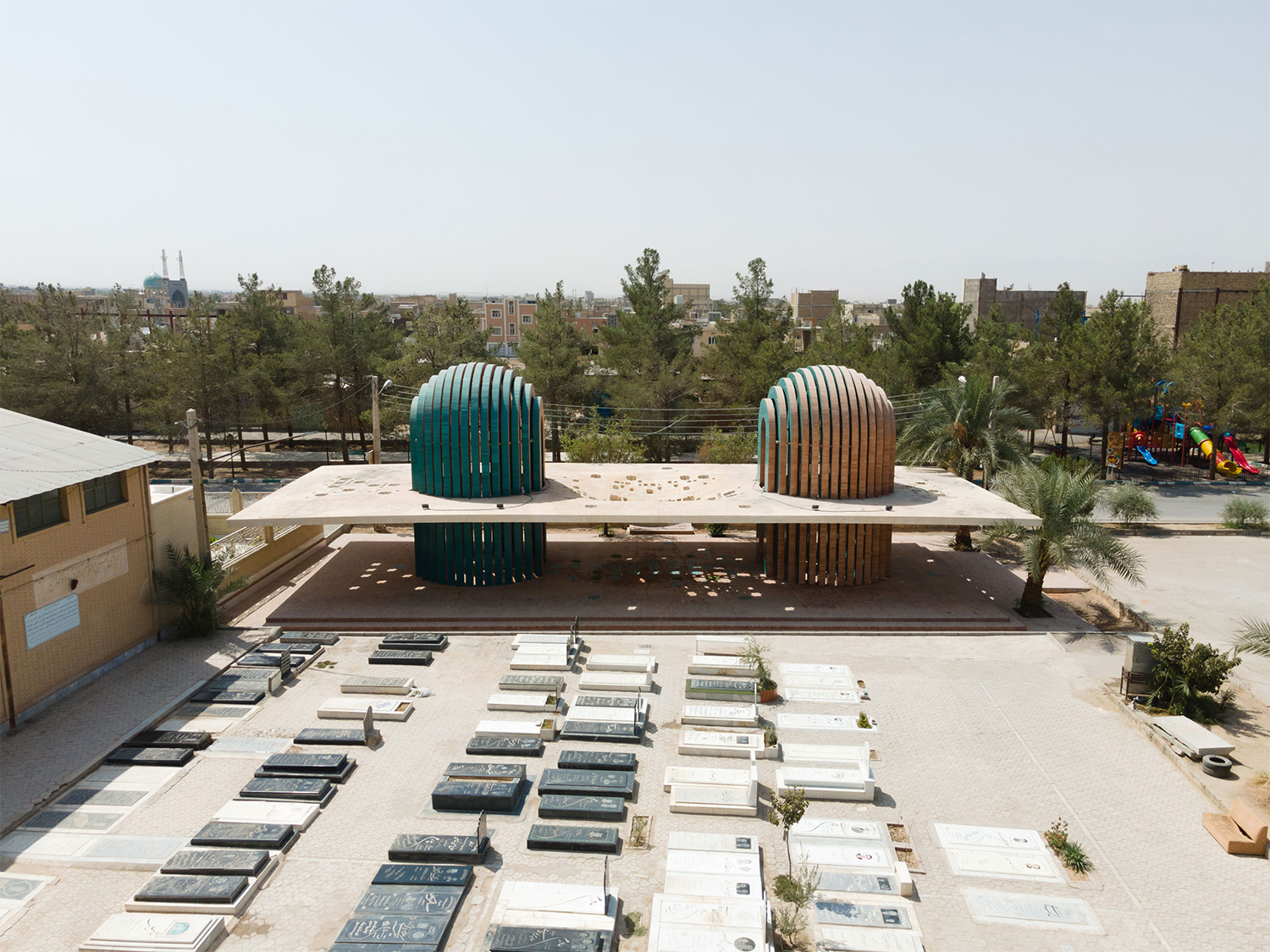
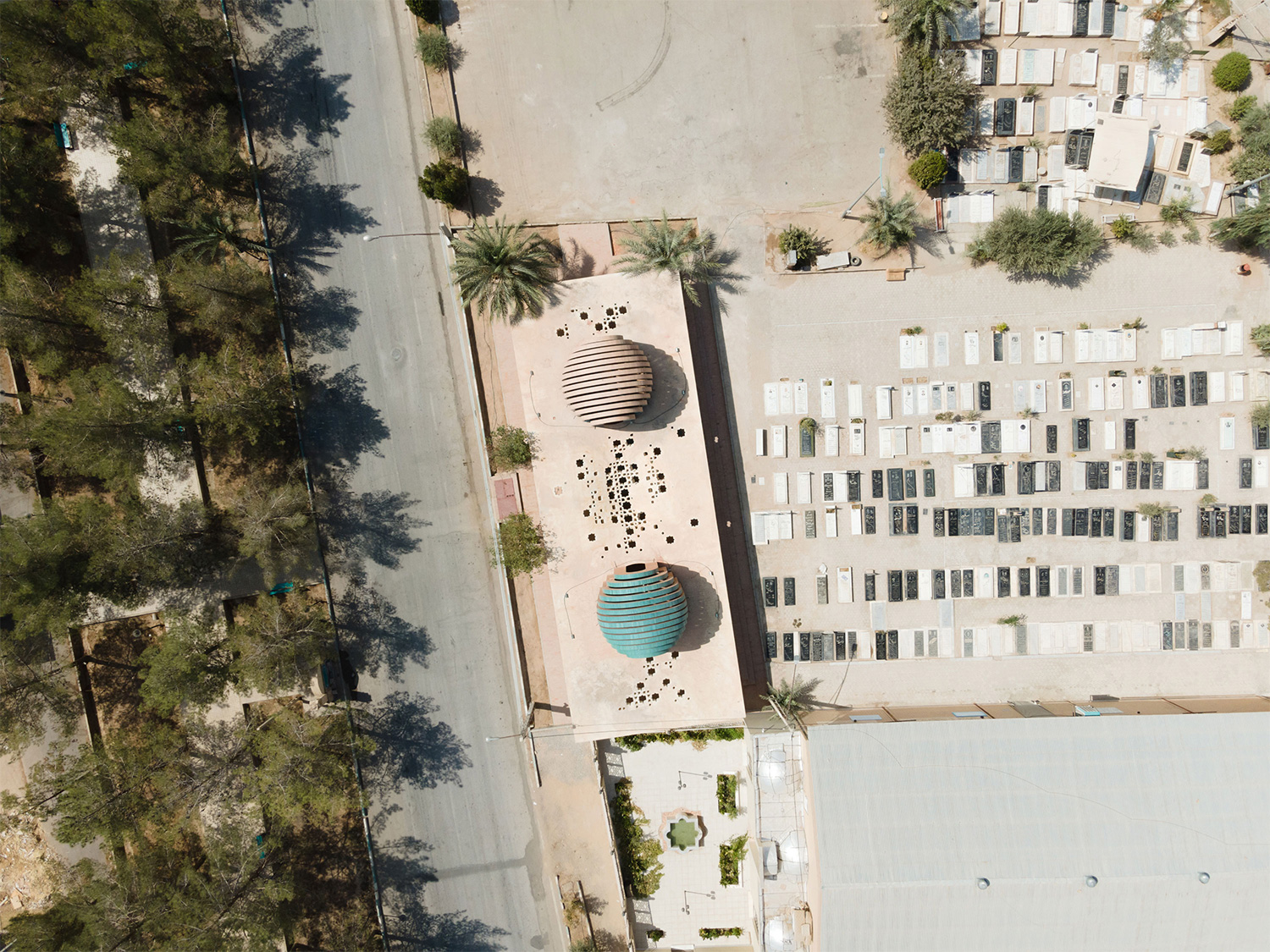
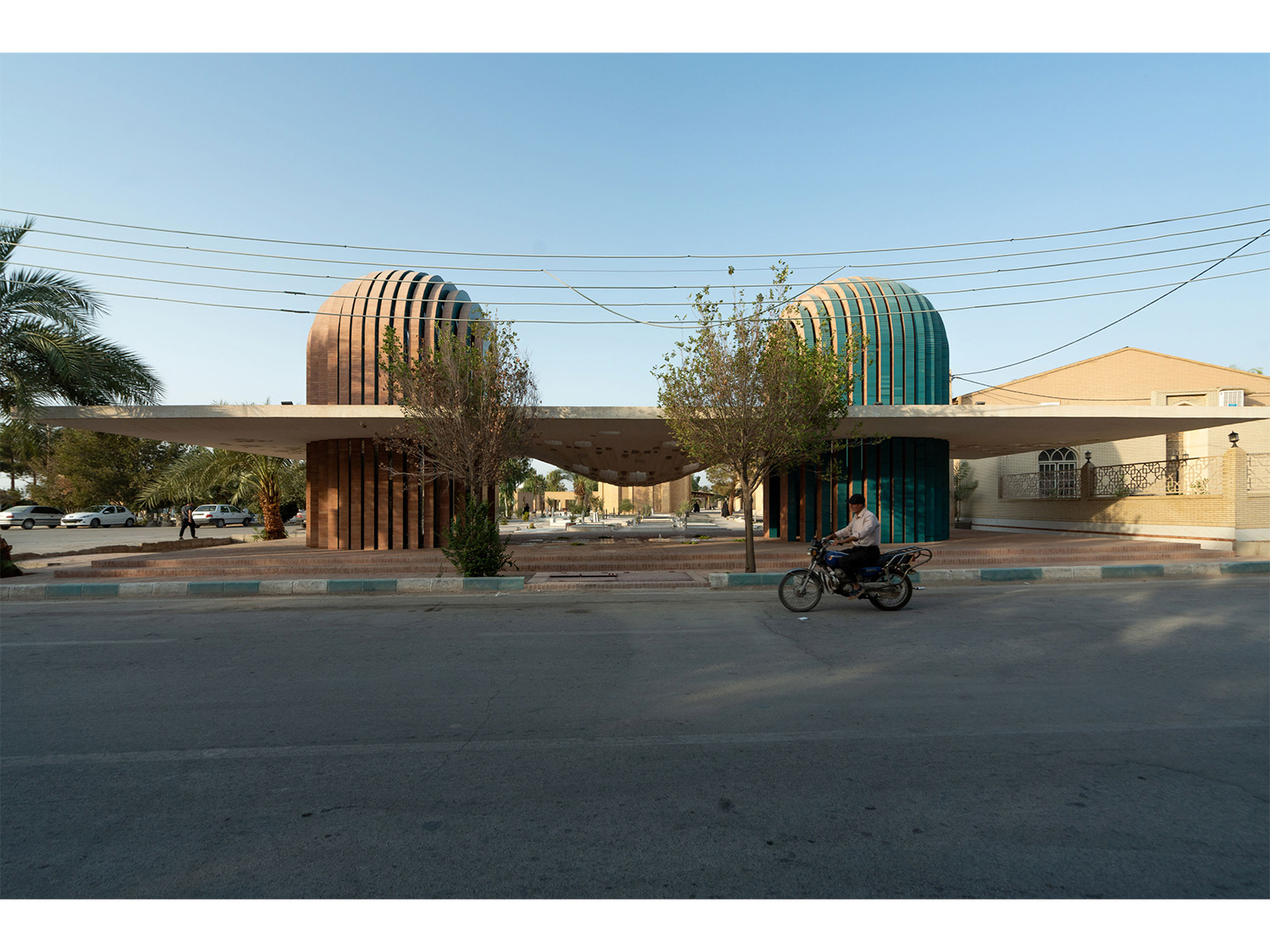
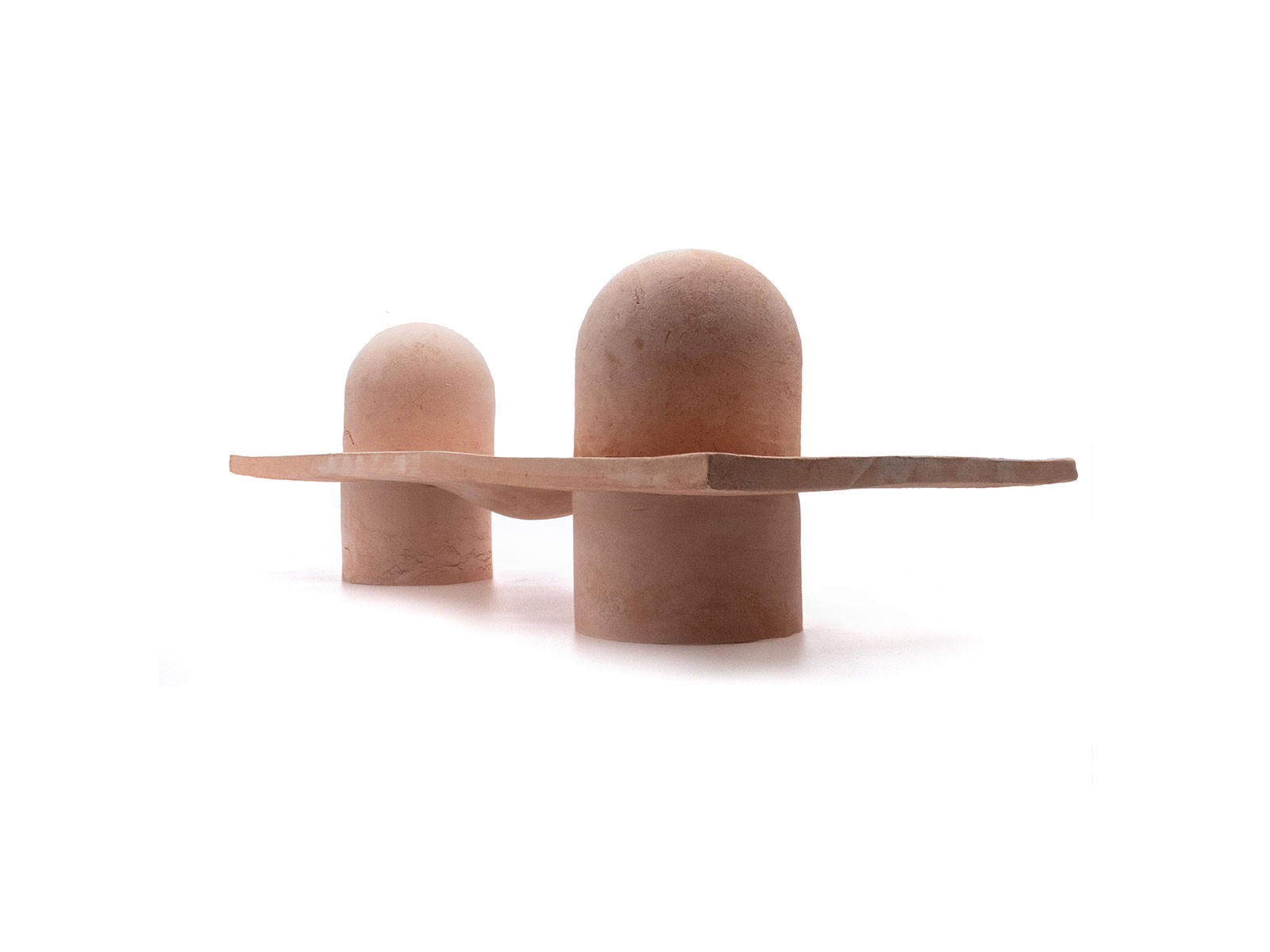
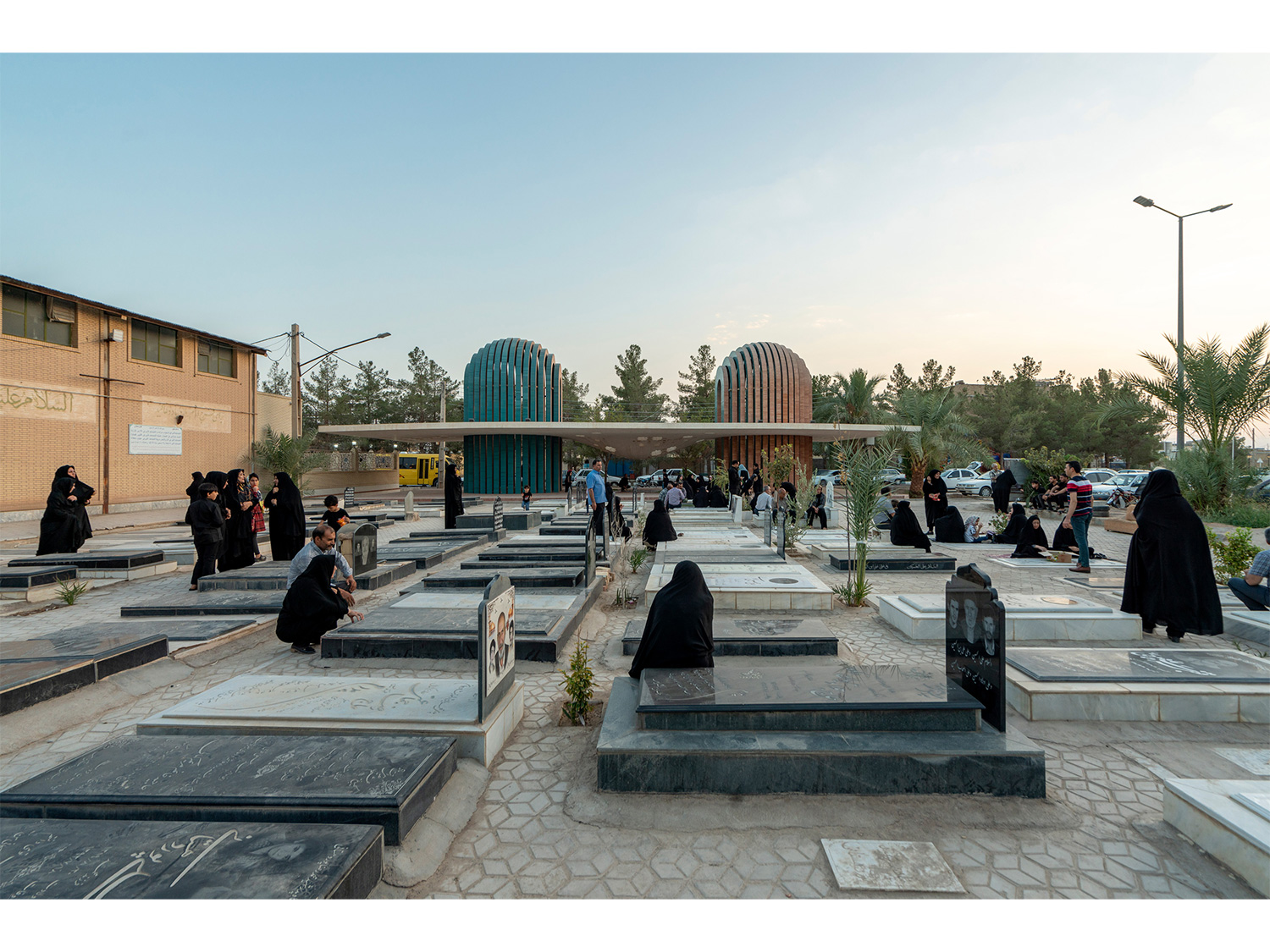
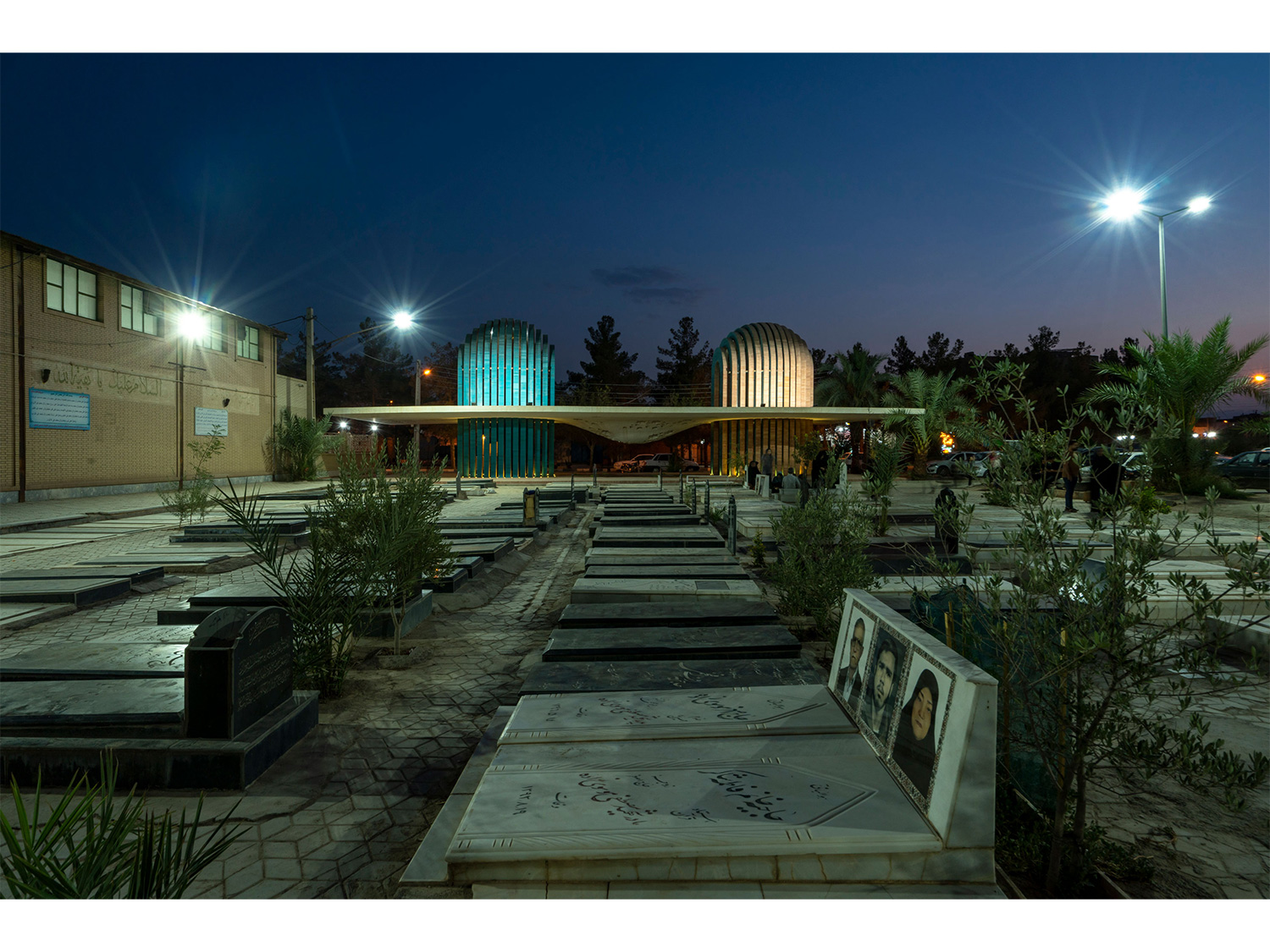
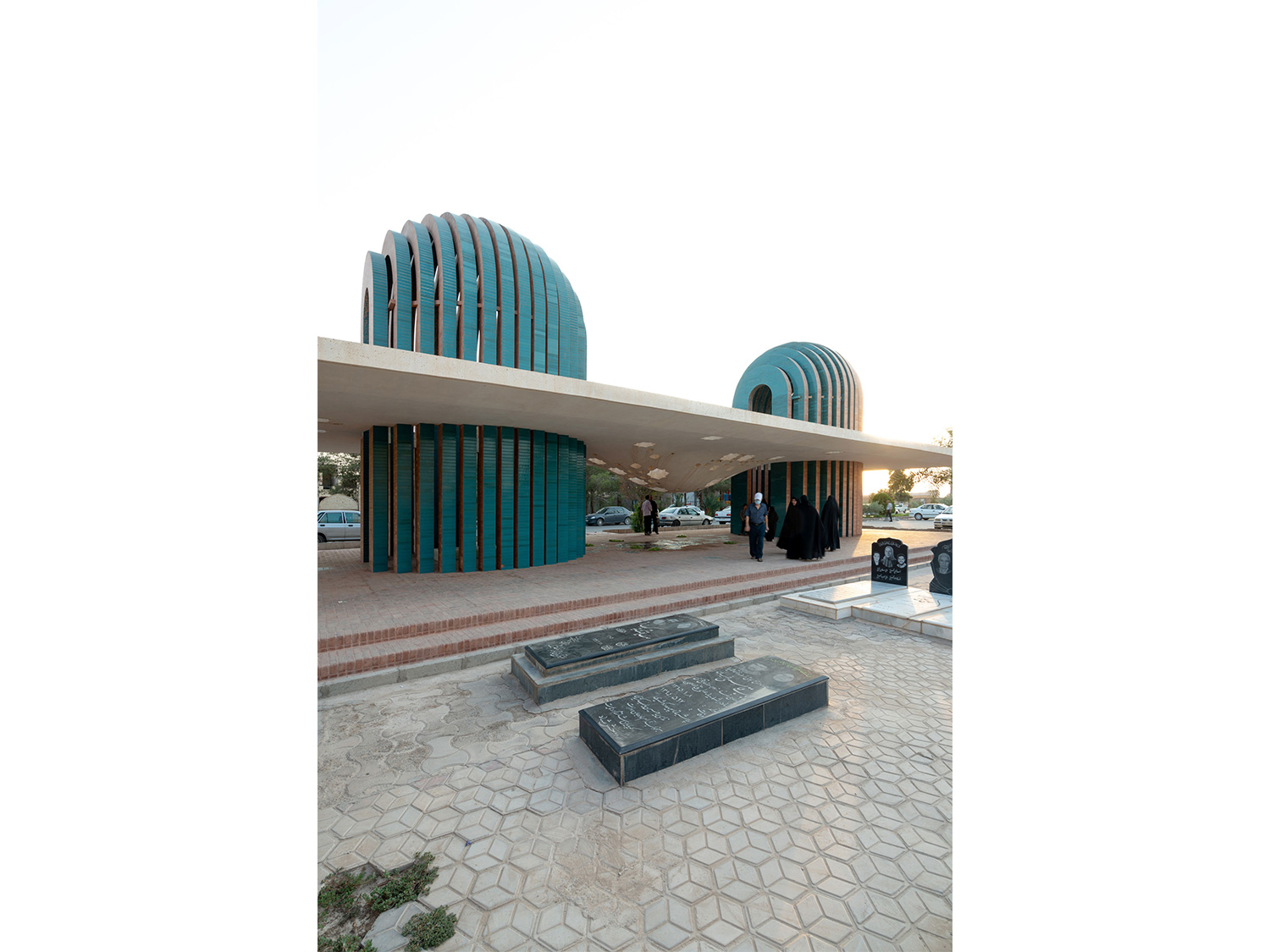
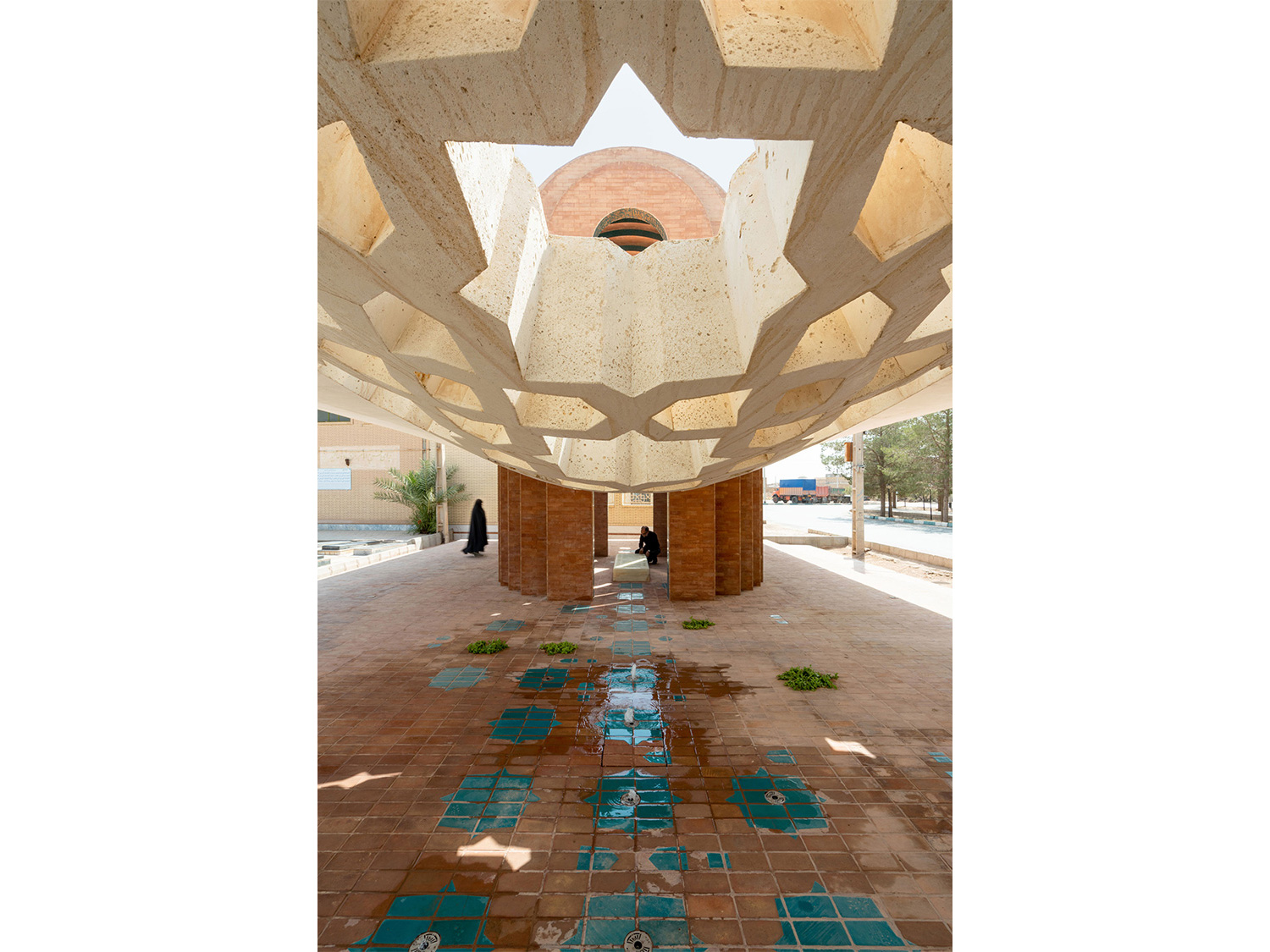
To create a sense of privacy and hierarchy, the tomb was divided into two closed spaces for the graves and an open space for the surroundings. The closed space took the form of a dome with a long stem, reaching a dome with a semicircular arch at the top for unity. The use of soil-colored bricks alongside turquoise glazed bricks symbolized the unity of earth and sky in Muslim religious life. Fourteen arches with equal distance from each other were created by parallel cuts from heaven to earth to allow light, wind, and rain to enter inside and provide a platform for Quranic inscriptions.
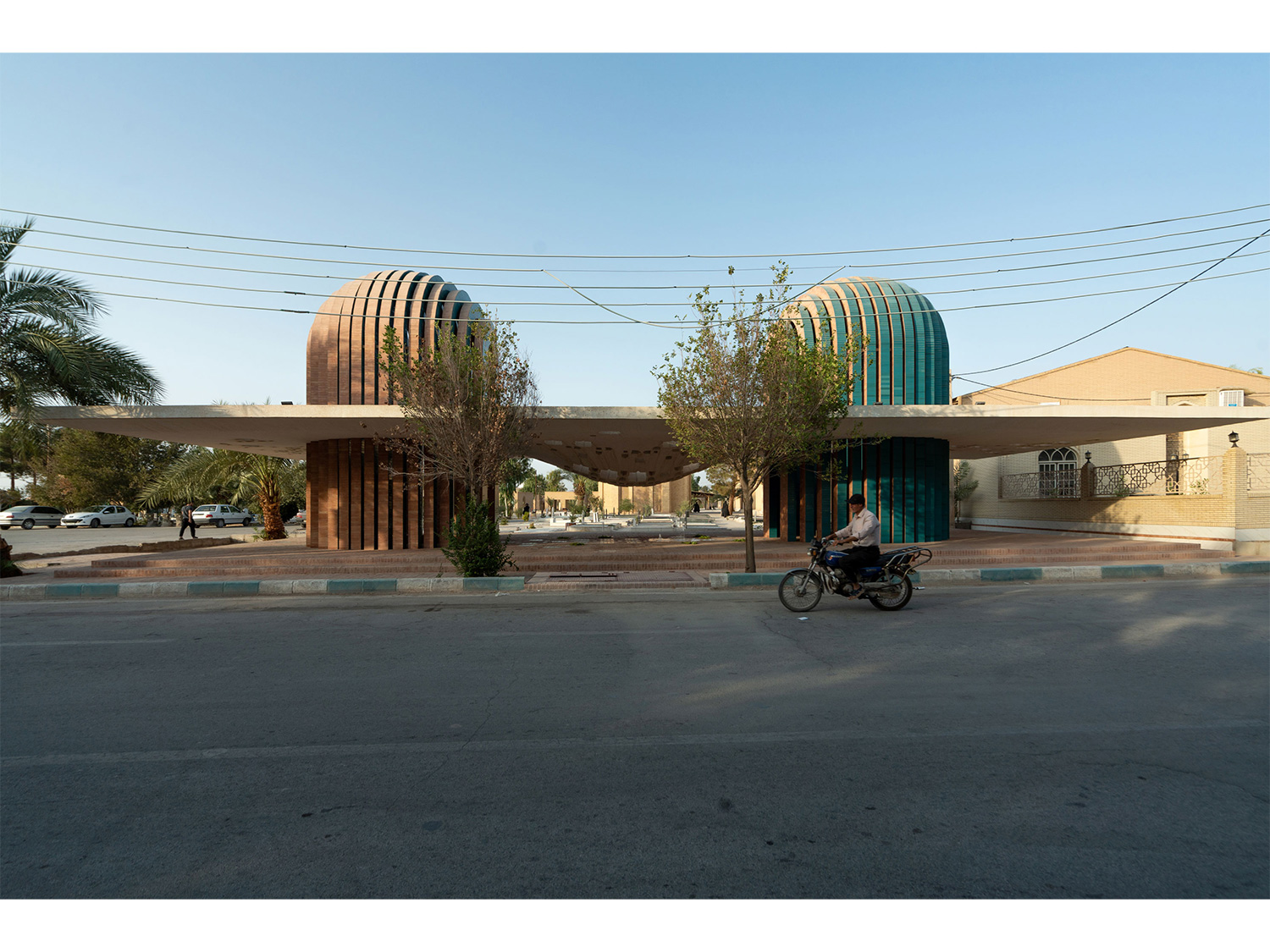
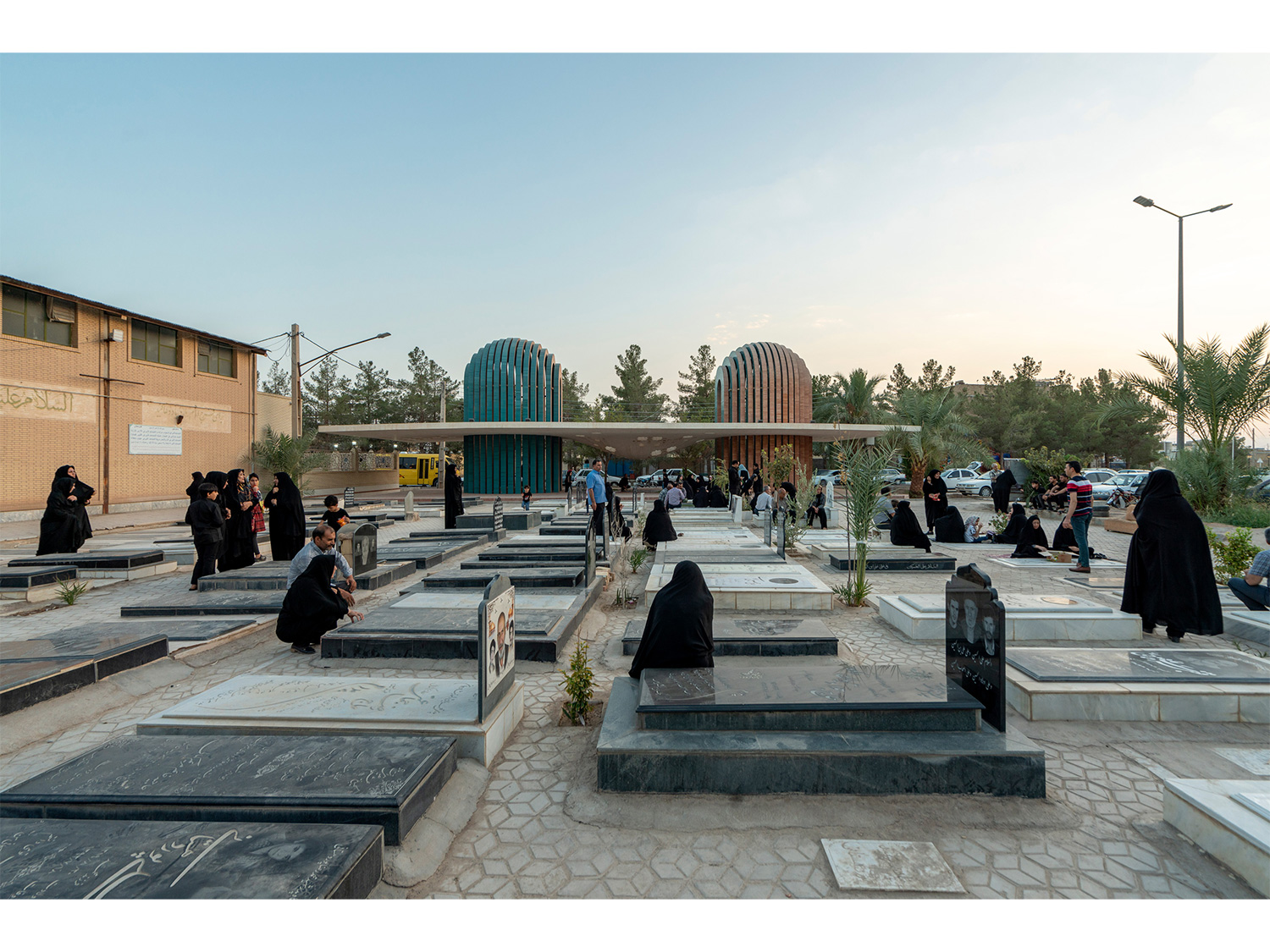
Inscription
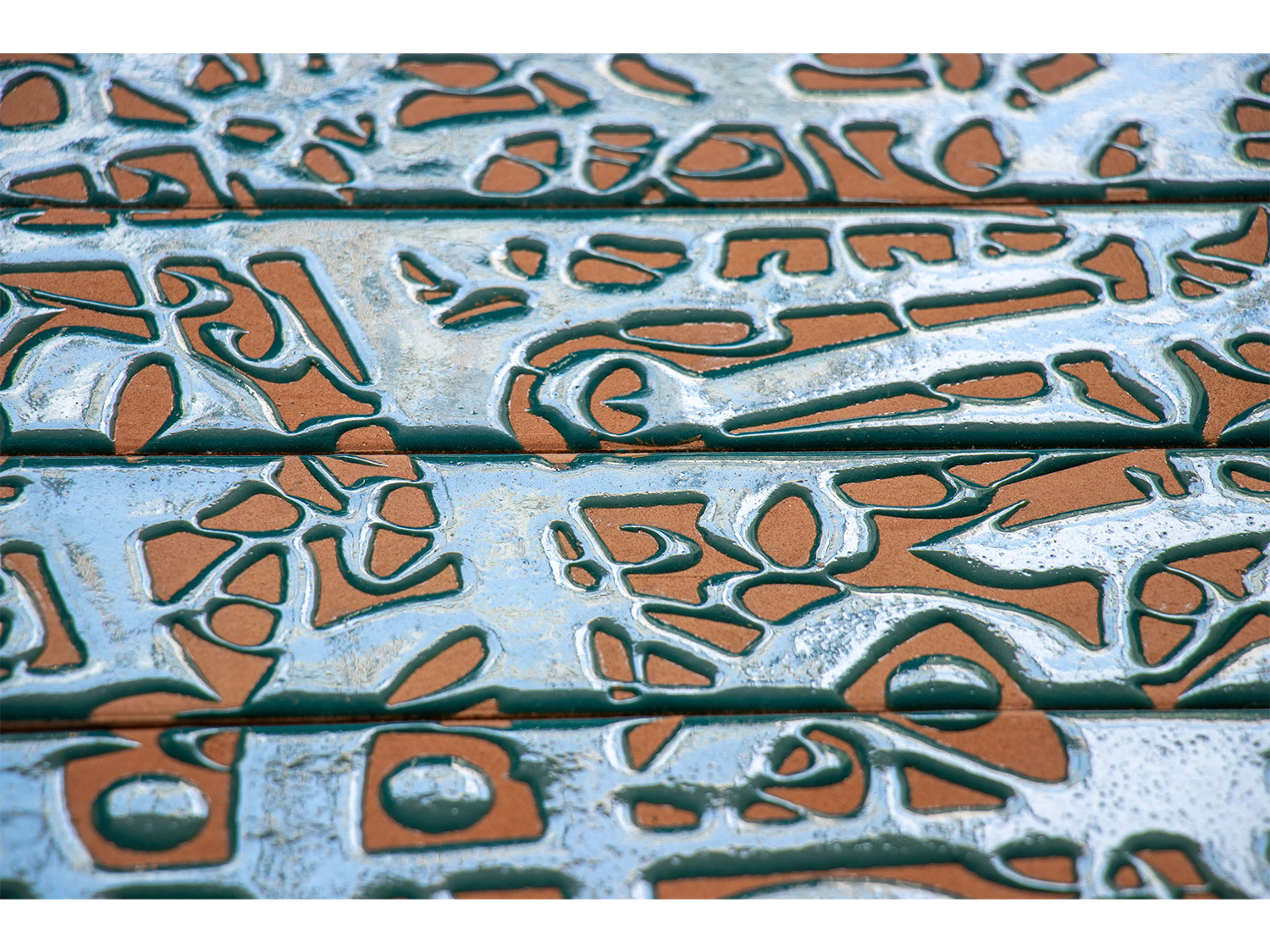
Inscriptions were designed to resemble Iranian calligraphy inspired by the script of the Baysunghur Qur’an. The horizontal diagram of the writings conflicted with the 14 columns placed side by side in steps. To ensure that each independent inscription was received together as a whole unit, the researcher’s script was combined in two back-and-forth seats, creating a composition where letters felt like particles of light trying to join each other.
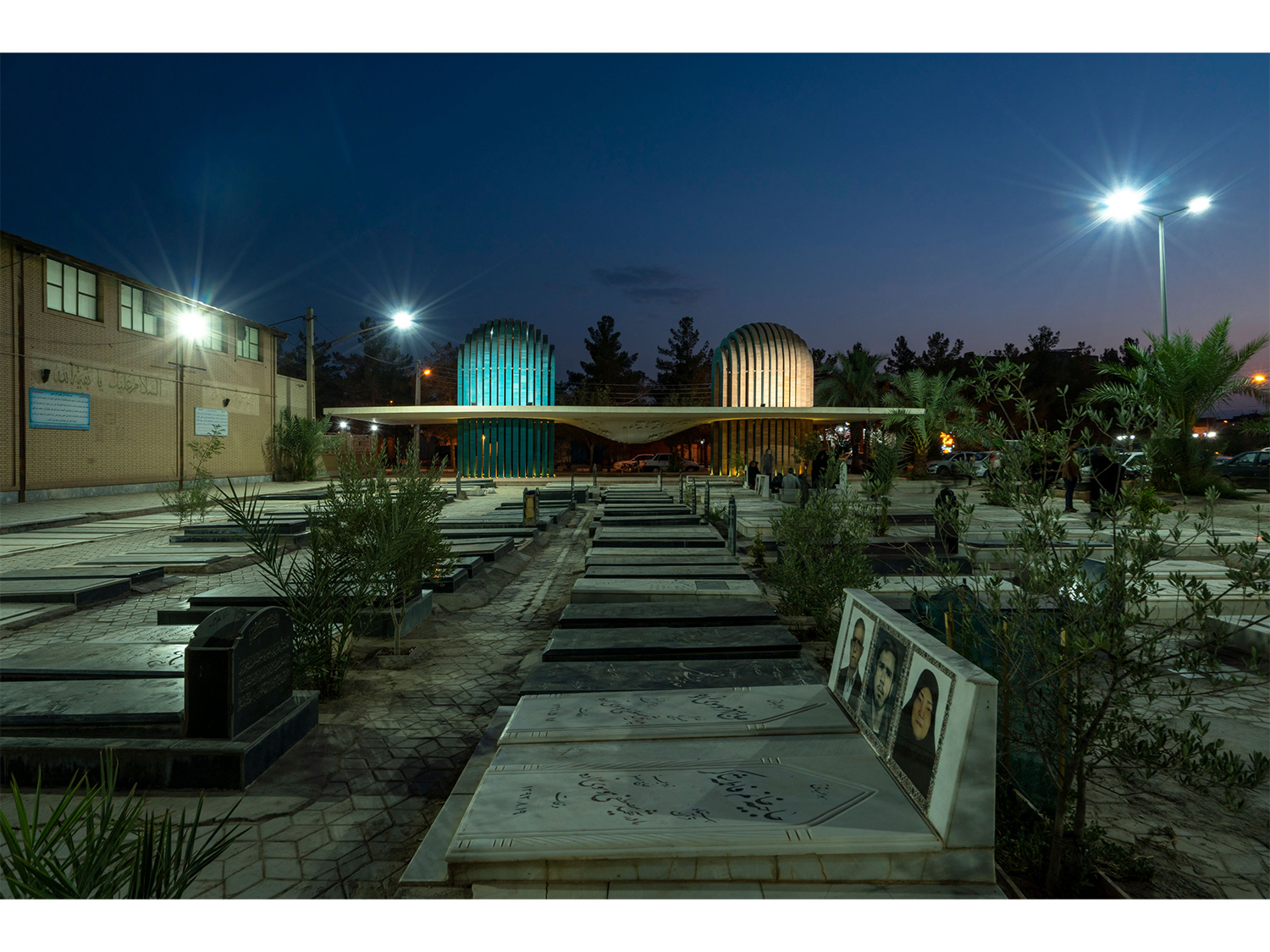
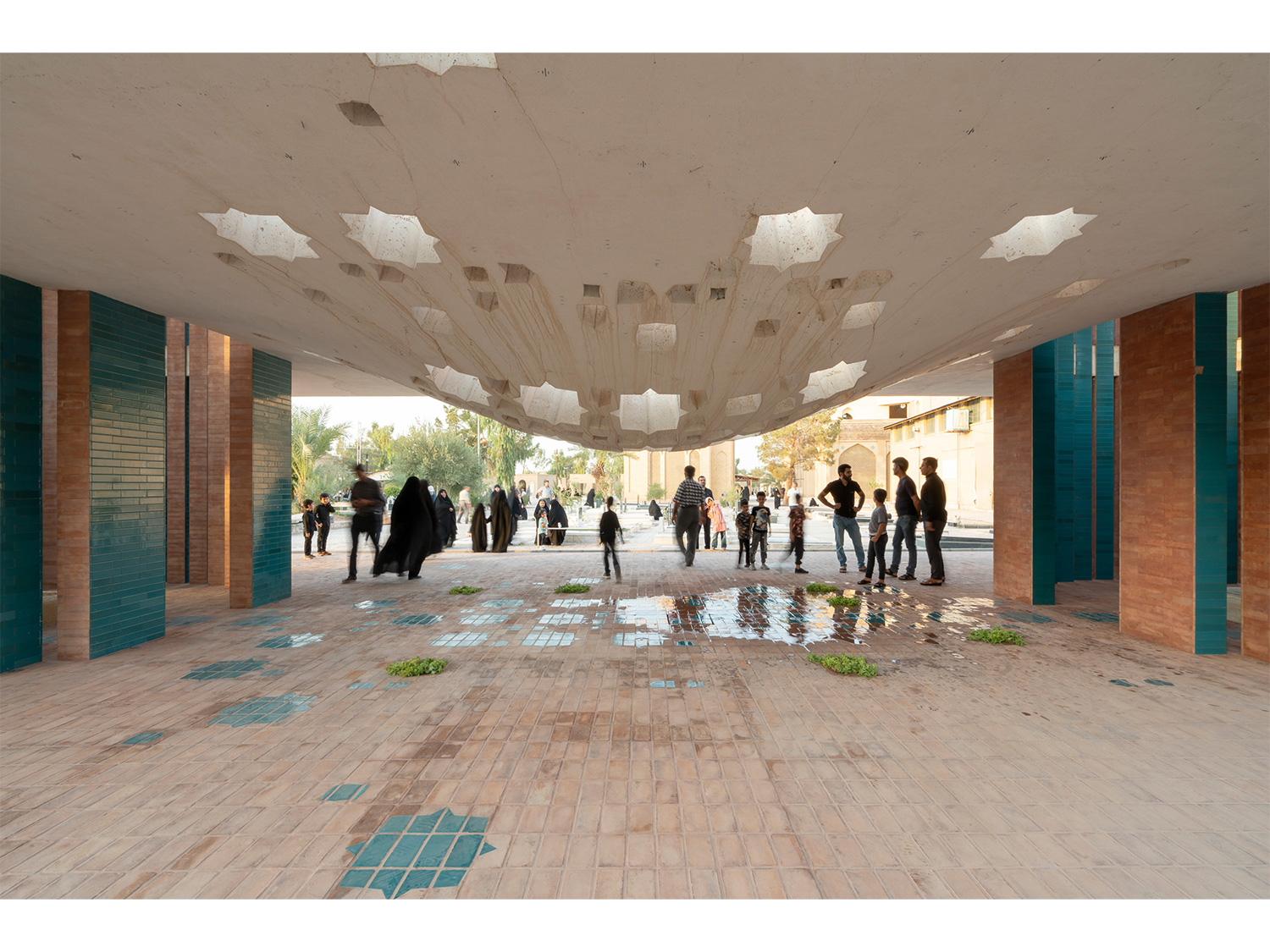
Motifs
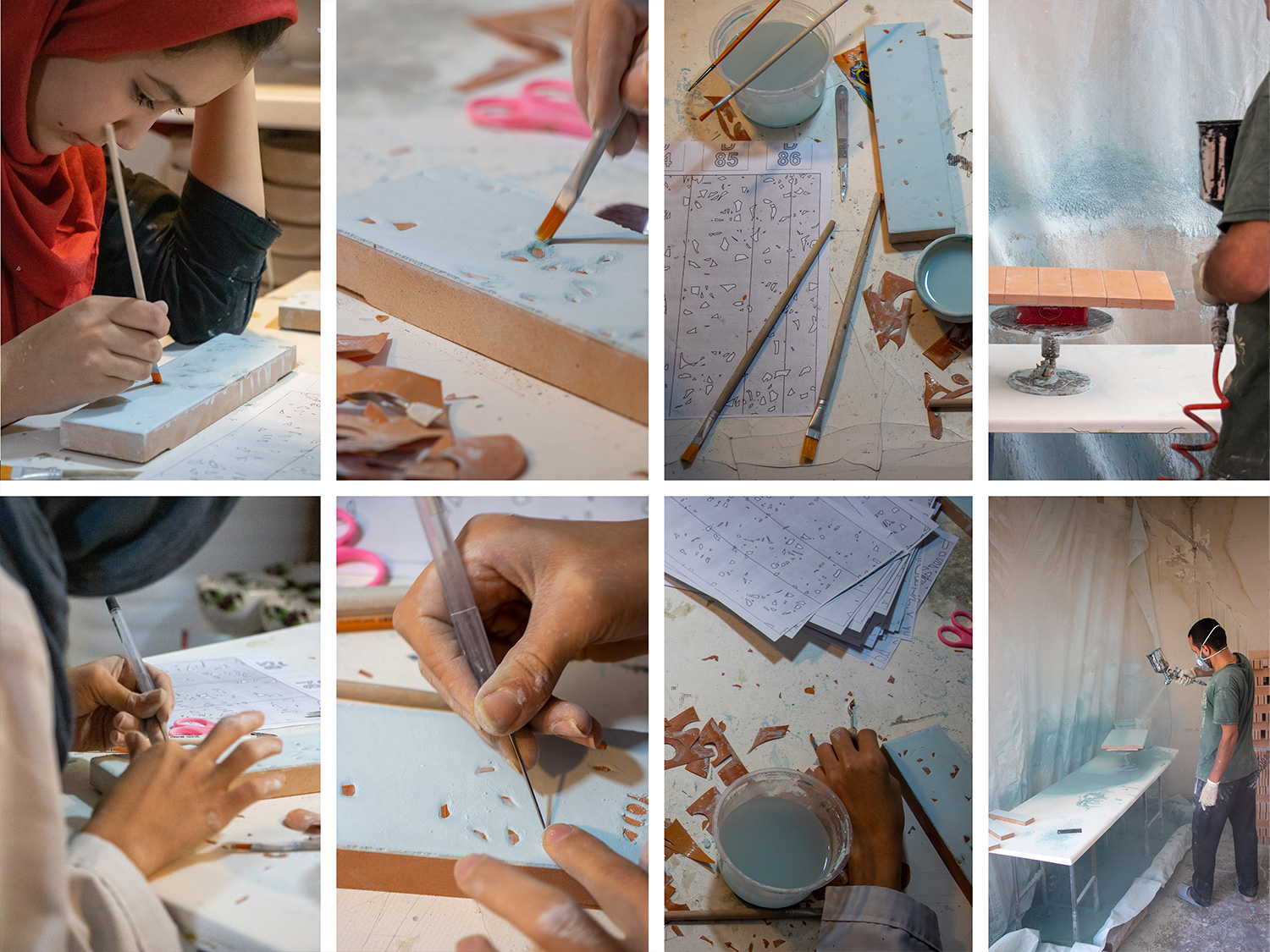
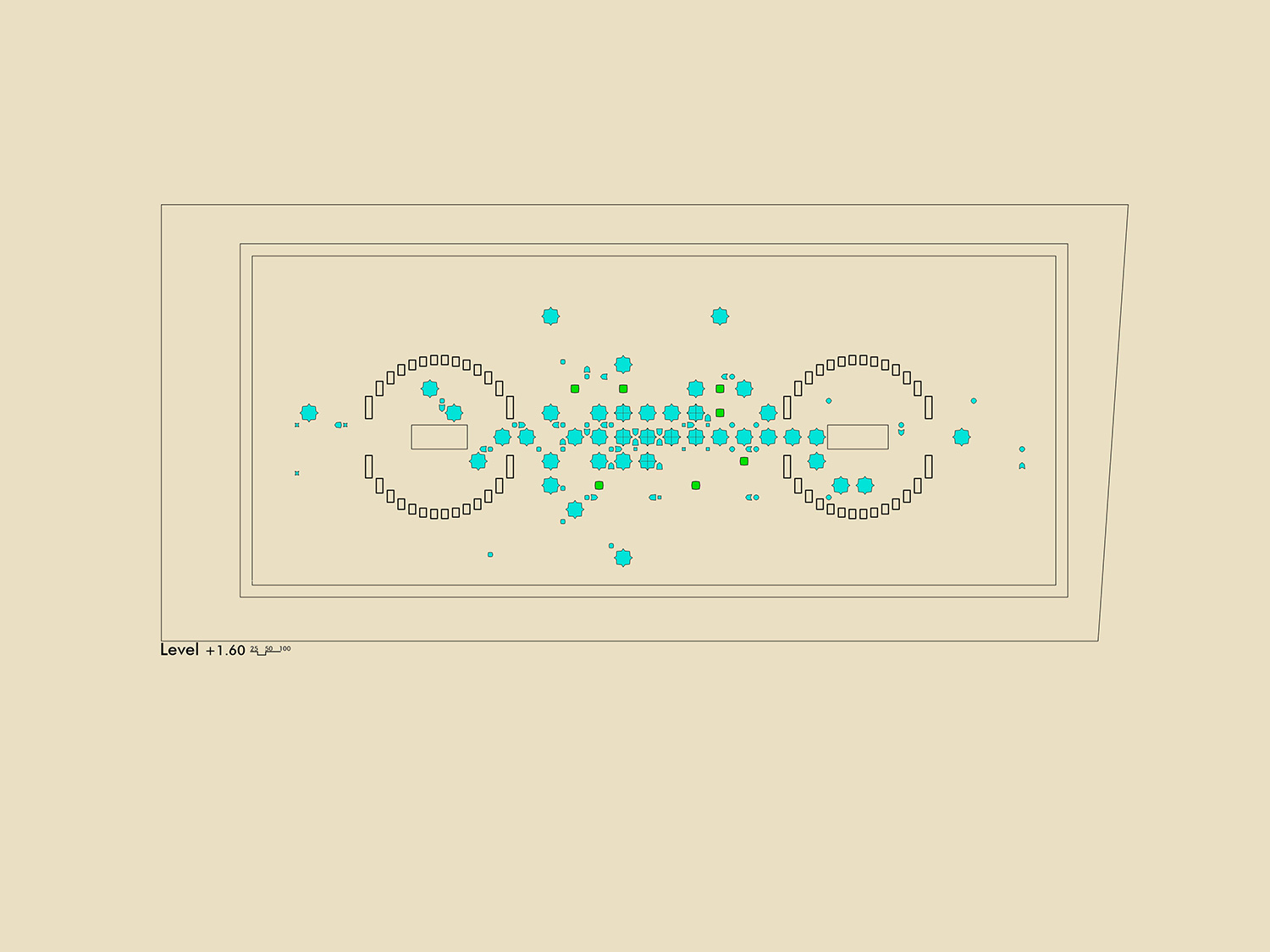
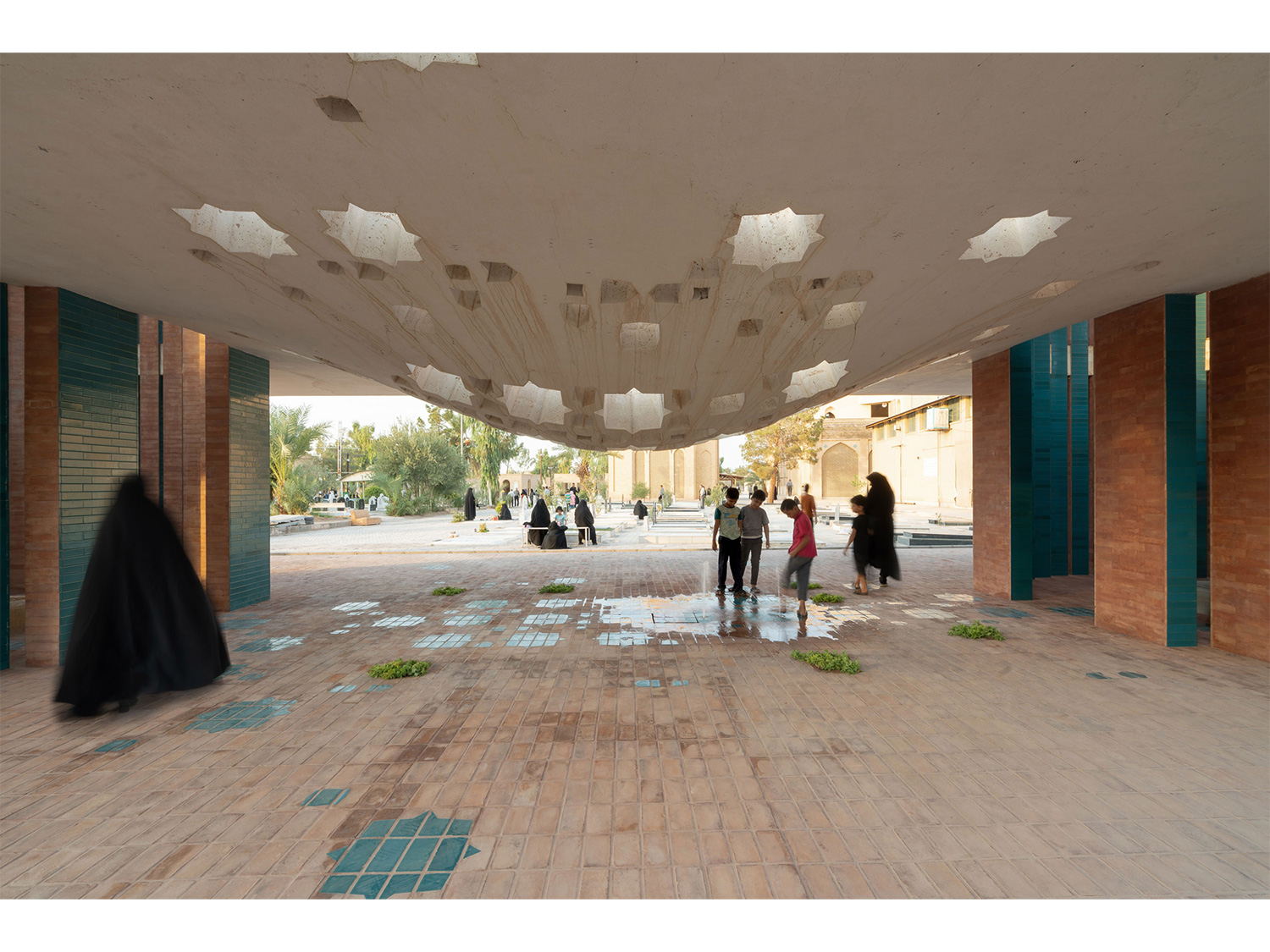
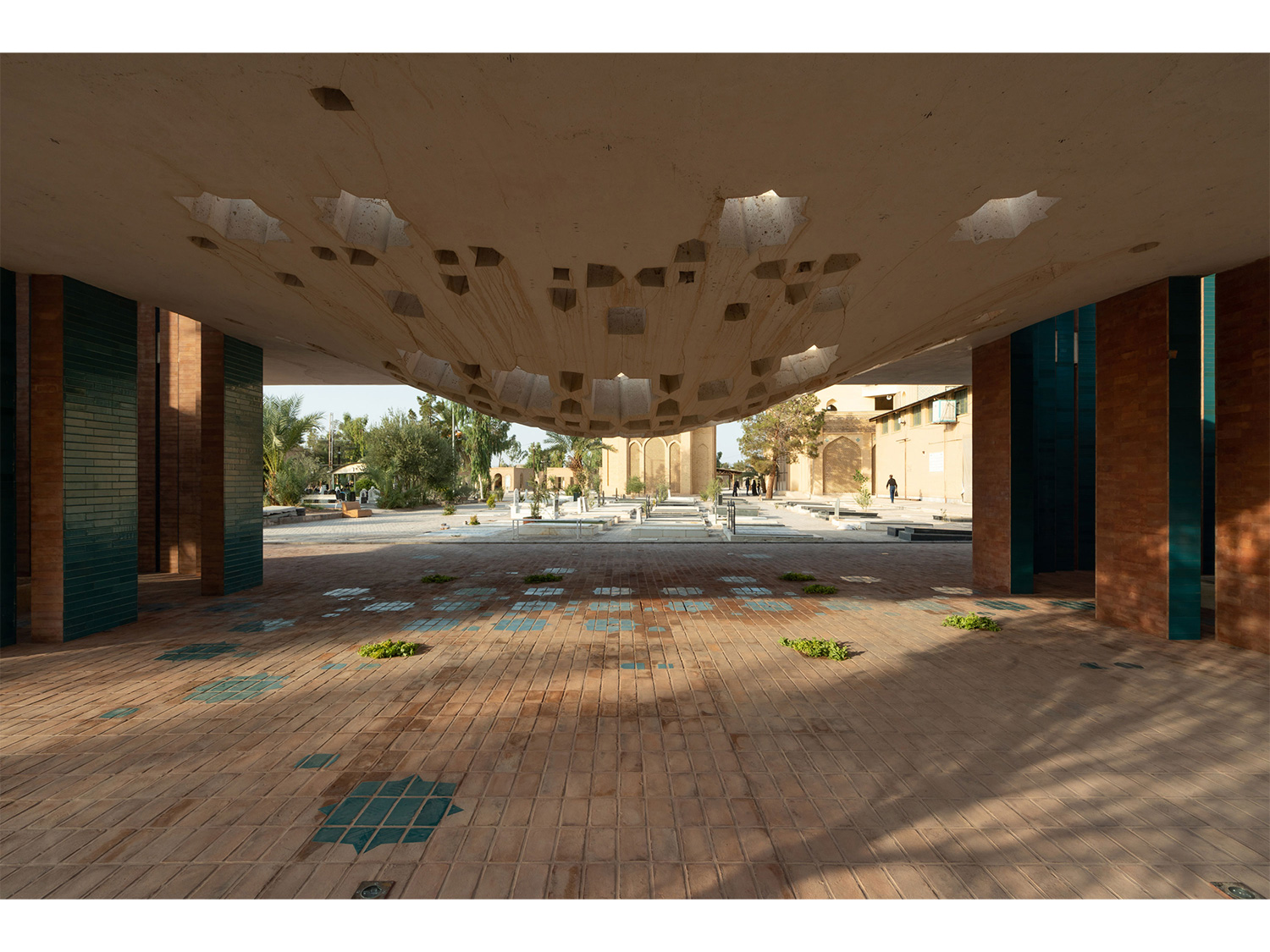
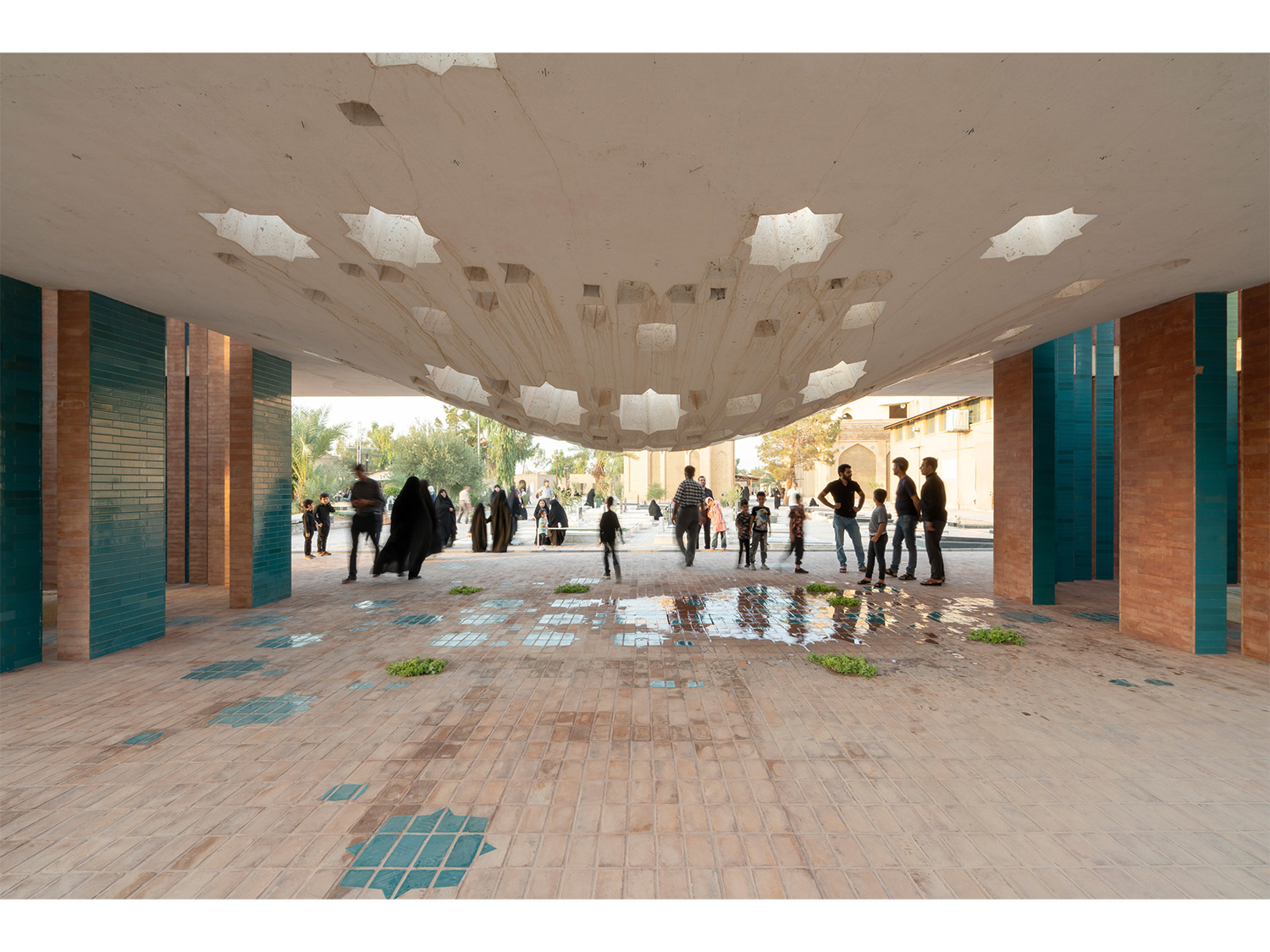
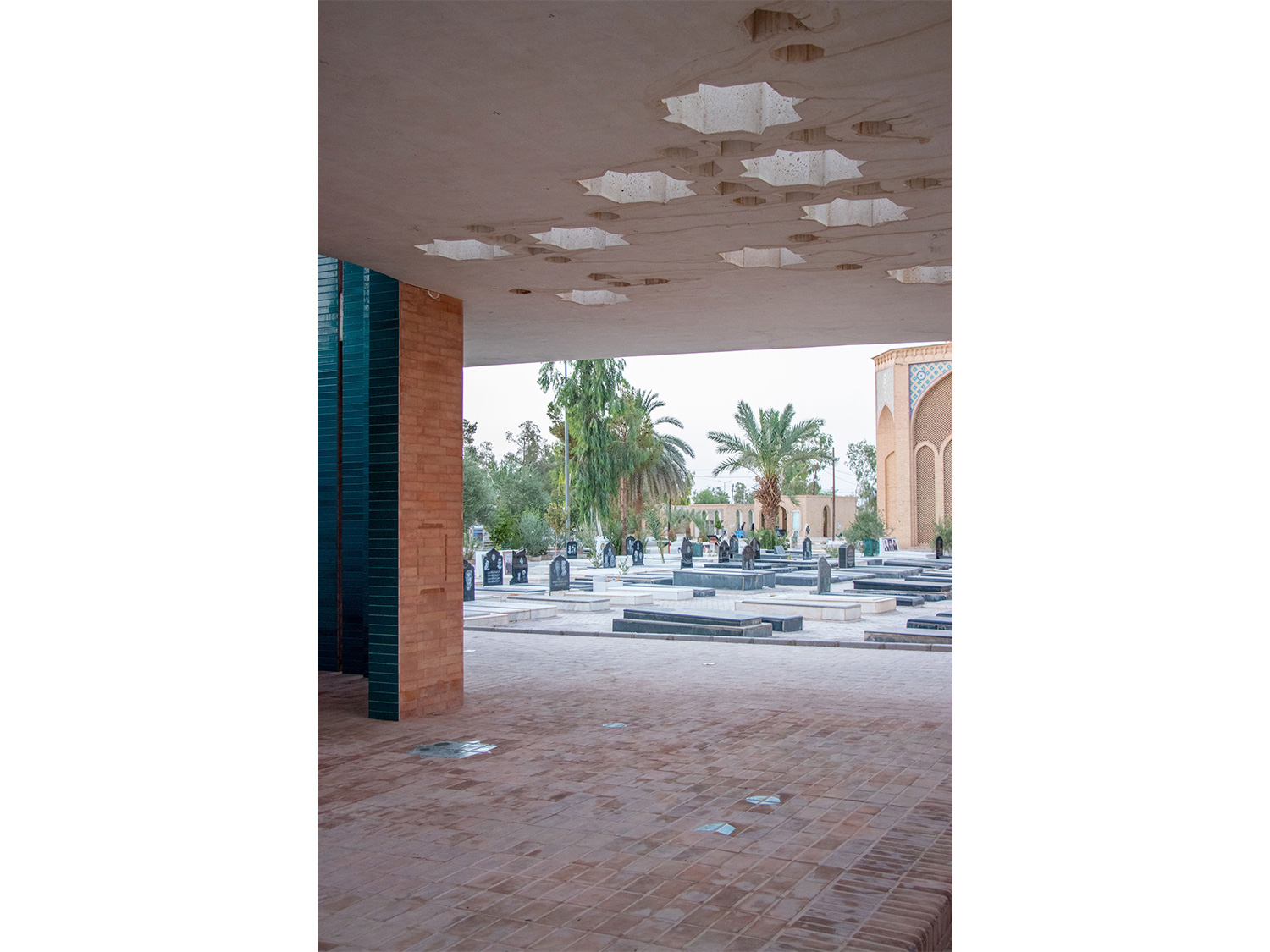
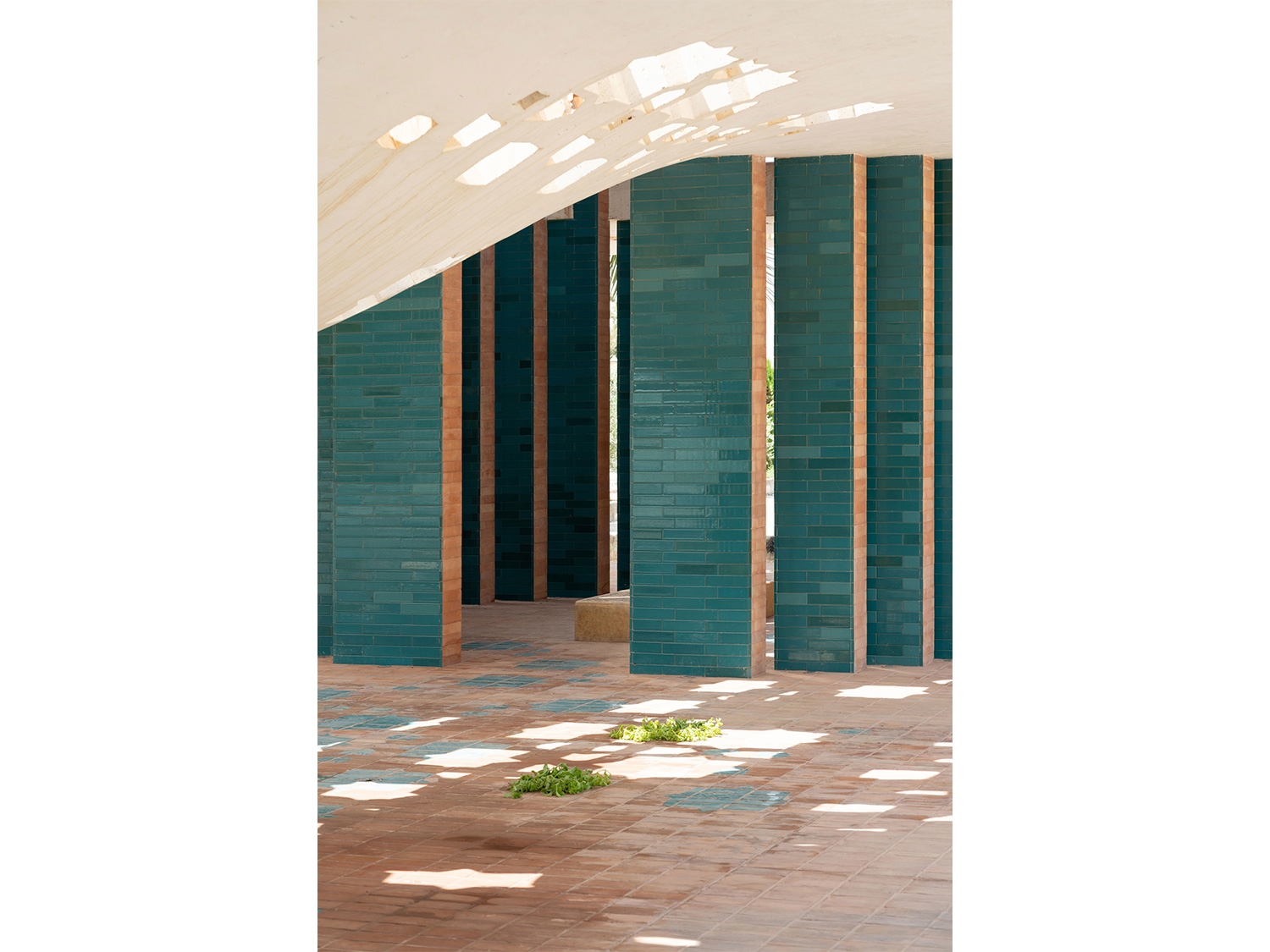
The graves were connected to the tradition of Sabat (covered pathway in traditional architecture of Iran) with a white concrete roof adorned with eight-pointed star motifs. This provided shade from the desert sun and acted as an entrance gate to the cemetery. Turquoise glaze on brick backgrounds of the floor continued the same motifs that resembled water in the heart of the desert. And finally, some motifs were decorated as small oases in the tomb area.

ETERNITY丨APOLLO Architects & Associates
Cyclesure啡驰空间丨平介设计
Bedding | MAST

Shafagh Tomb | 35-51 ARCHITECTURE Office

Dasht-e-Chehel villa | 35-51 ARCHITECTURE Office


Heidentempel Pavilion | Christoph Hesse Architects

昆山玉山书房设计,探索新型复合型书店的多种可能性丨GLC(中国)

HAY!YoungBirds! 2020年亚洲优秀青年大赛三强作品《削笔刀》设计师访谈

订阅我们的资讯
切勿错过全球大设计产业链大事件和重要设计资源公司和新产品的推荐
联系我们
举报
返回顶部