

FMQ | UNStudio
UNStudio
 ,发布时间2025-10-30 10:43:00





FMQ, Munich, Germany, 2021 to present
Client: Ehret + Klein / KIRKBI
Status: Under Construction
Location: Munich
Programme: Office, Gastronomy & Retail
Building surface area: 13,760m2
Building volume: 45.020m3
Building site area: 2,450m2
Credits
UNS: Ben van Berkel with Jan Schellhoff, Julia Gottstein and Reka Fülöp, Andi Balza, Giuseppe Dotto, Gautam Tanwar, Aleksandar Mihailovic, Allison Weiler, Moritz Hanshans, Jan Niklas Schöpf, Fernanda Dantas, Annamaria Pisani
Advisors:
Local Architect: BKLS Architekten & Stadtplaner
GC: Implenia Hochbau GmbH
Structure: Sacher GmbH Ingenieure & Sachverständige (Phase 1-4) / Ramboll Deutschland GmbH (Phase 5)
MEP: IBLP Ingenieurgesellschaft MBH, Köberl Gebäudetechnik GmbH & co.kg
Building Physics: Müller-BBM Building Solutions GmbH
Fire: K33 Riedner Wagner Gerhardinger
Sustainability & Certifications: Kremeier Partner Ingenieure GmbH
Landscape: Mahl Gebhard Konzepte
Lighting: Lumen 3
Façade Greening: Stefan Brandhorst
Visualisations by: COMM AG
版权声明:本链接内容均系版权方发布,版权属于 UNStudio,编辑版本版权属于设计宇宙designverse,未经授权许可不得复制转载此链接内容。欢迎转发此链接。
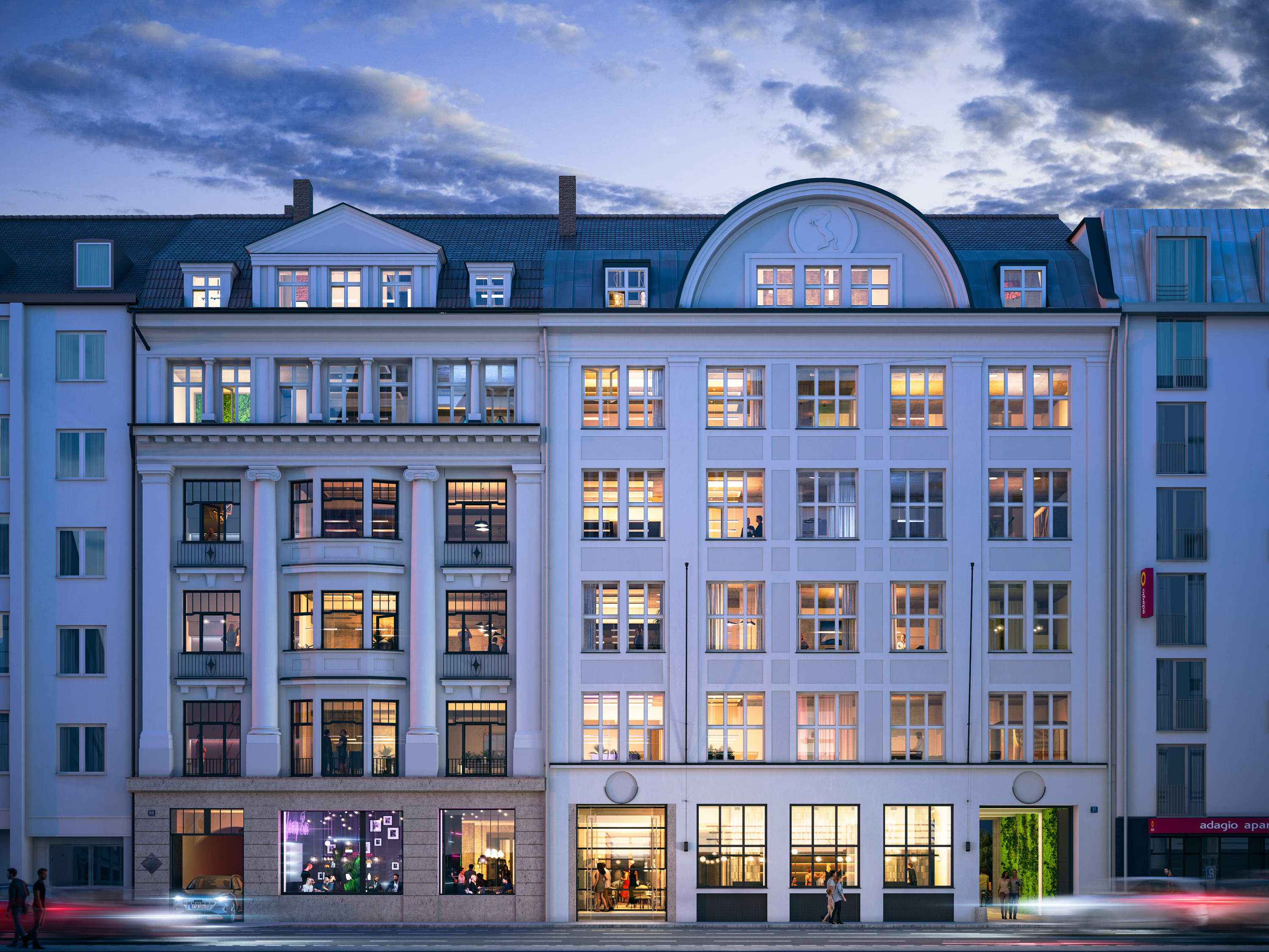
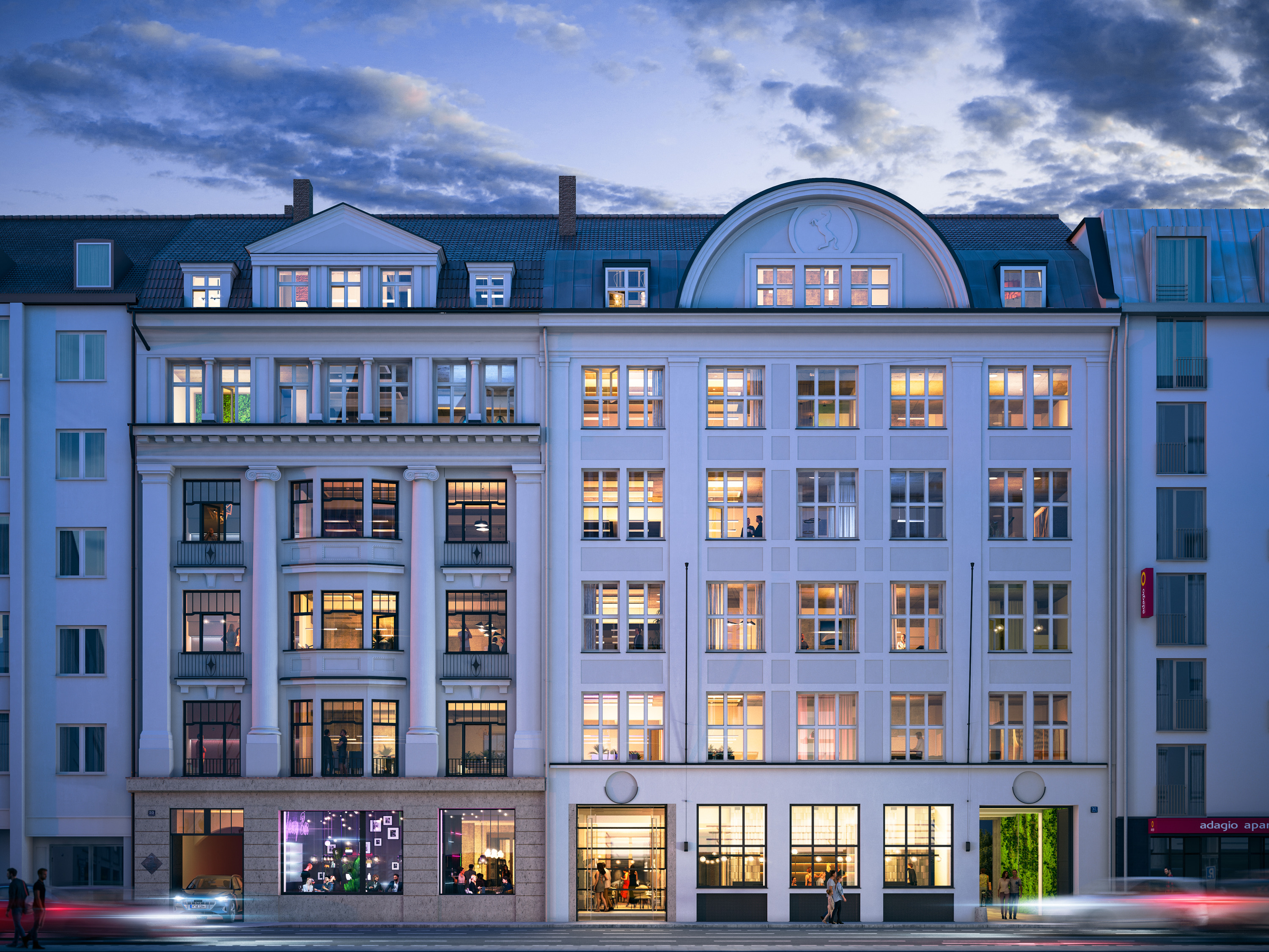
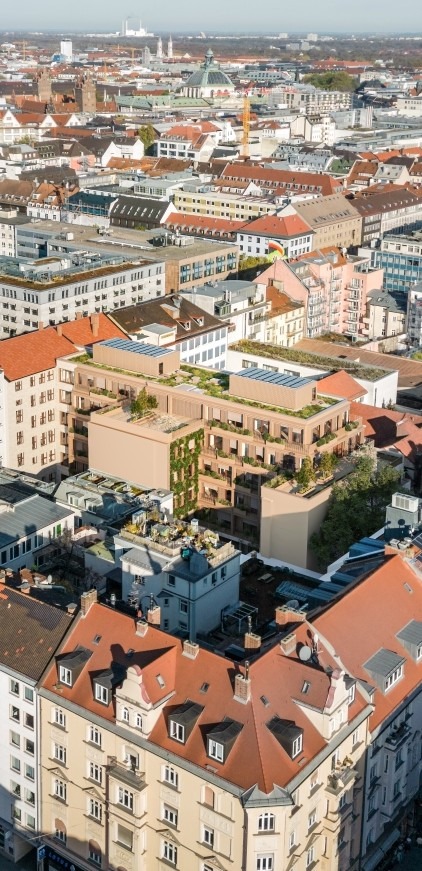
UNS’ renovation and extension of Franz Marc Quartier, FMQ, is set to revitalise Munich’s southern station district (Bahnhofsviertel). This development by Ehret+Klein for the main investor KIRKBI transforms – and preserves – two neoclassical, heritage-protected buildings into an office-hub for innovation, culture, commerce and gastronomy. Located on the Schwanthalerstrasse, this project maintains about 60% of the existing structure, while opening the ground floor courtyard to the public, to create a lively, sustainable, and community-focused development.
The Bahnhofsviertel is one of Munich’s most diverse urban districts. However, like many neighbourhoods around train stations globally, it has experienced years of neglect. A lack of functional, mixed-use developments has resulted in underutilised spaces that often feel disconnected.
UNS’ design for this new central business district responds with a strategy rooted in accessibility, identity, diversity, modularity, and sustainability. The proposal introduces an open and inclusive architecture that connects with nature, integrates into the urban fabric, and establishes clear, recognisable addresses through newly designed access points.
Ben van Berkel: “FMQ is a highly transformative project in Munich’s southern station district. By blending cultural heritage with forward-looking design strategies, it establishes a dynamic and socially responsive urban quarter that invites new forms of interaction and redefines of how we live and work in the city.”
Welcome inside
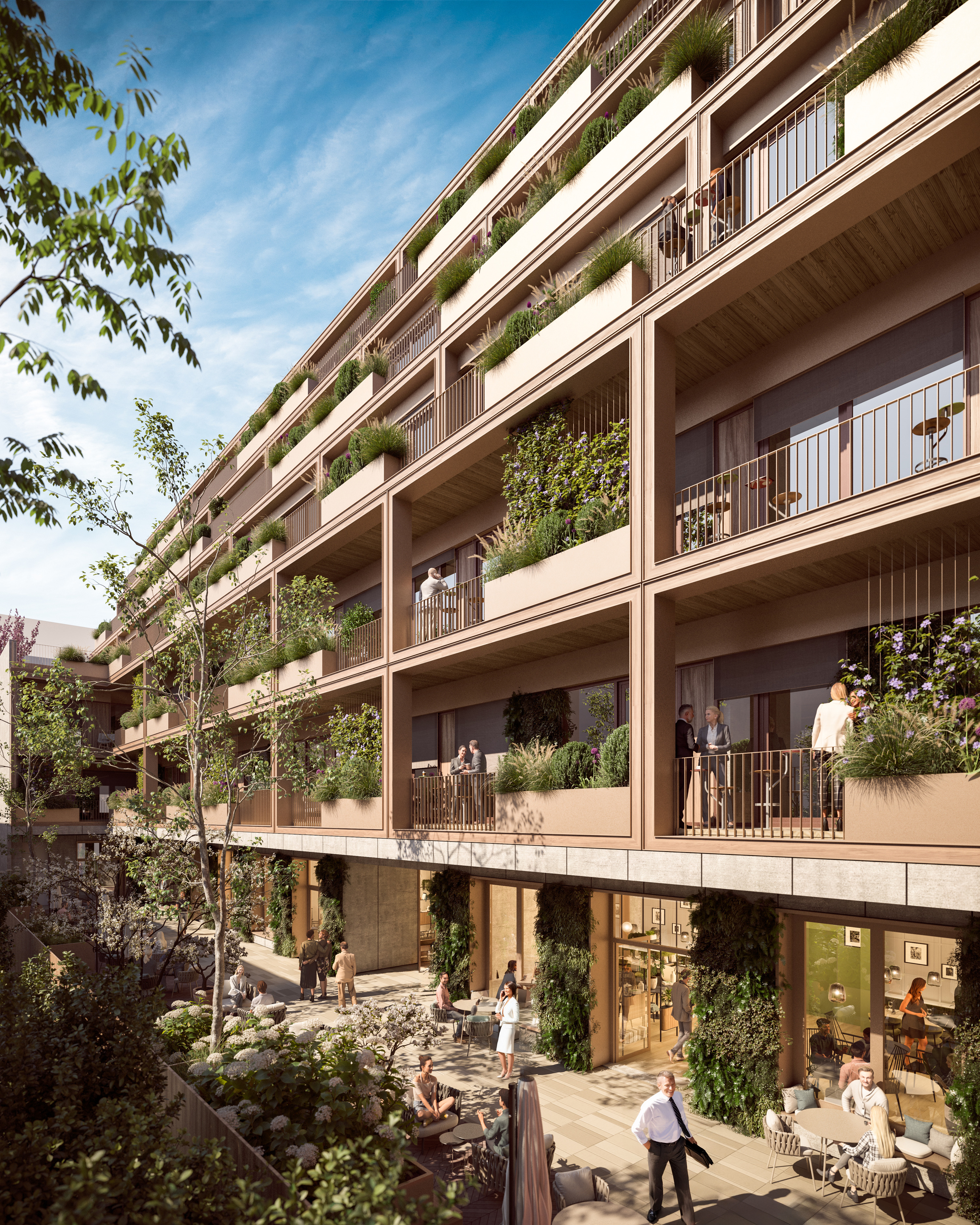
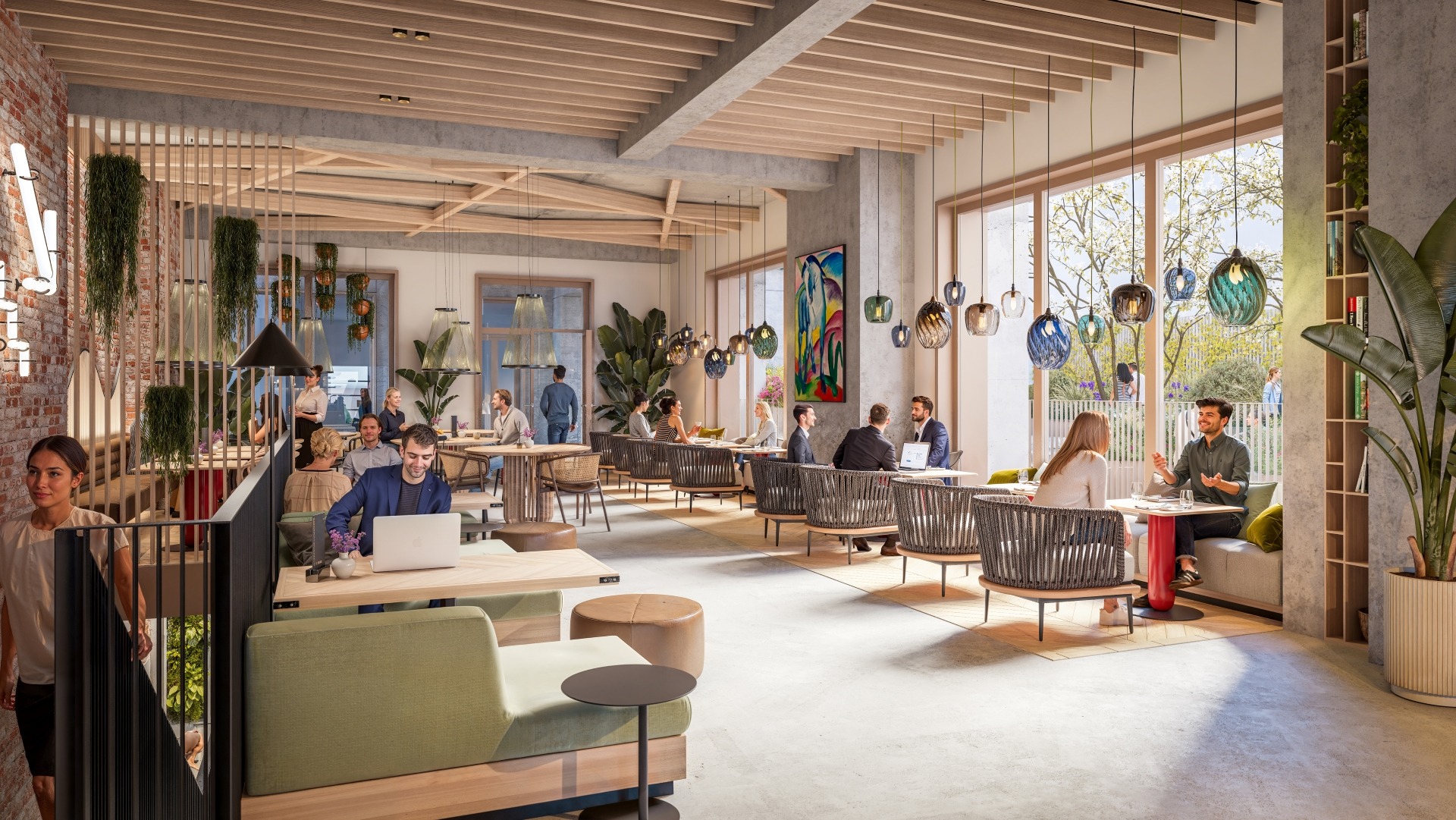
At the heart of UNS’ design for FMQ is a series of connected courtyards that bring new life to these previously closed-off spaces between buildings. These open areas, including 2,000m2 of studios, workshops, cafes, and restaurants, create a central meeting point that encourages interaction and a sense of community; welcoming not only those who work in the building, but also local residents, visitors, and passersby. Whether stopping by for a coffee, meeting a colleague, or discovering a new workshop, the ground floor is set to become a place for connection and exchange.
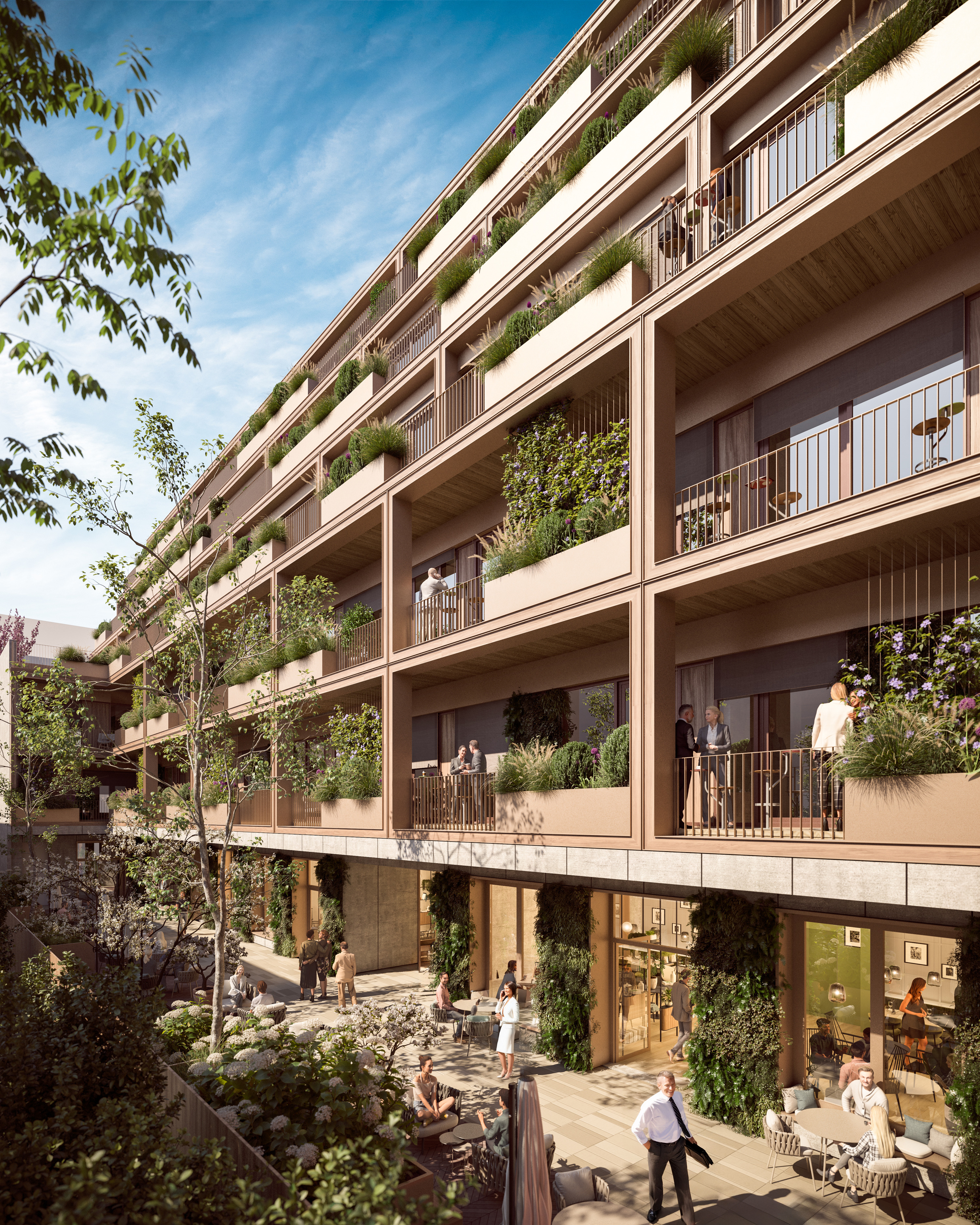
The design also includes greenery throughout the courtyard, supporting a healthier microclimate that addresses the pressing need for more permeable and sustainable spaces in Munich's densely sealed Bahnhofsviertel neighbourhood.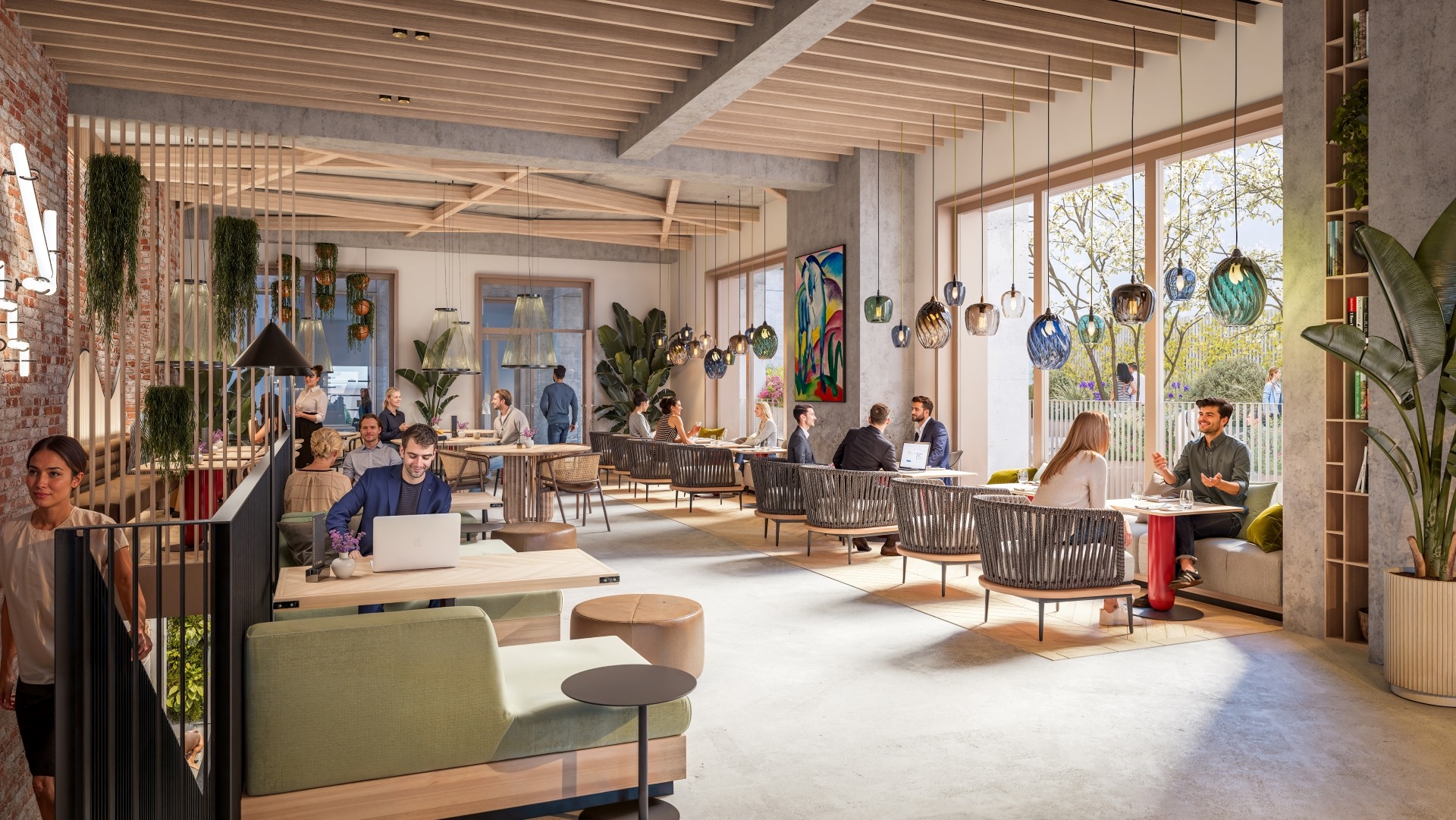
The project also carefully retains much of the original structure, removing only what is necessary for safety or functionality. New additions are built using modular methods, and the two historic facades are thoughtfully restored. A new entrance ties the existing and new elements together, creating a smooth and heritage-focused transition. 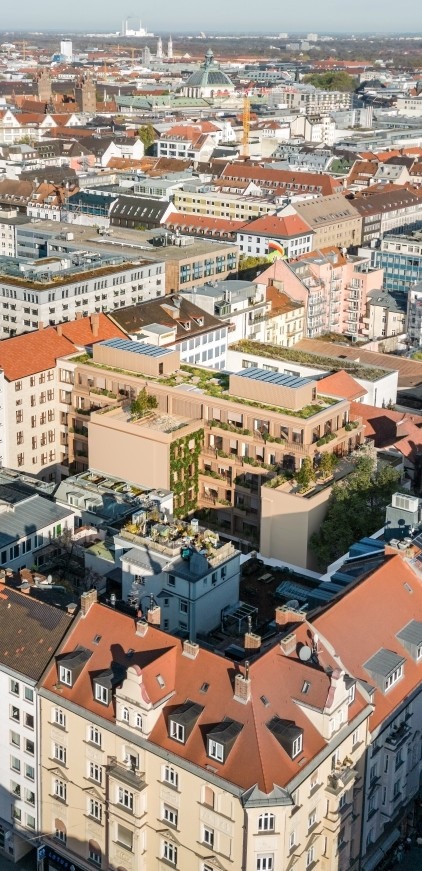
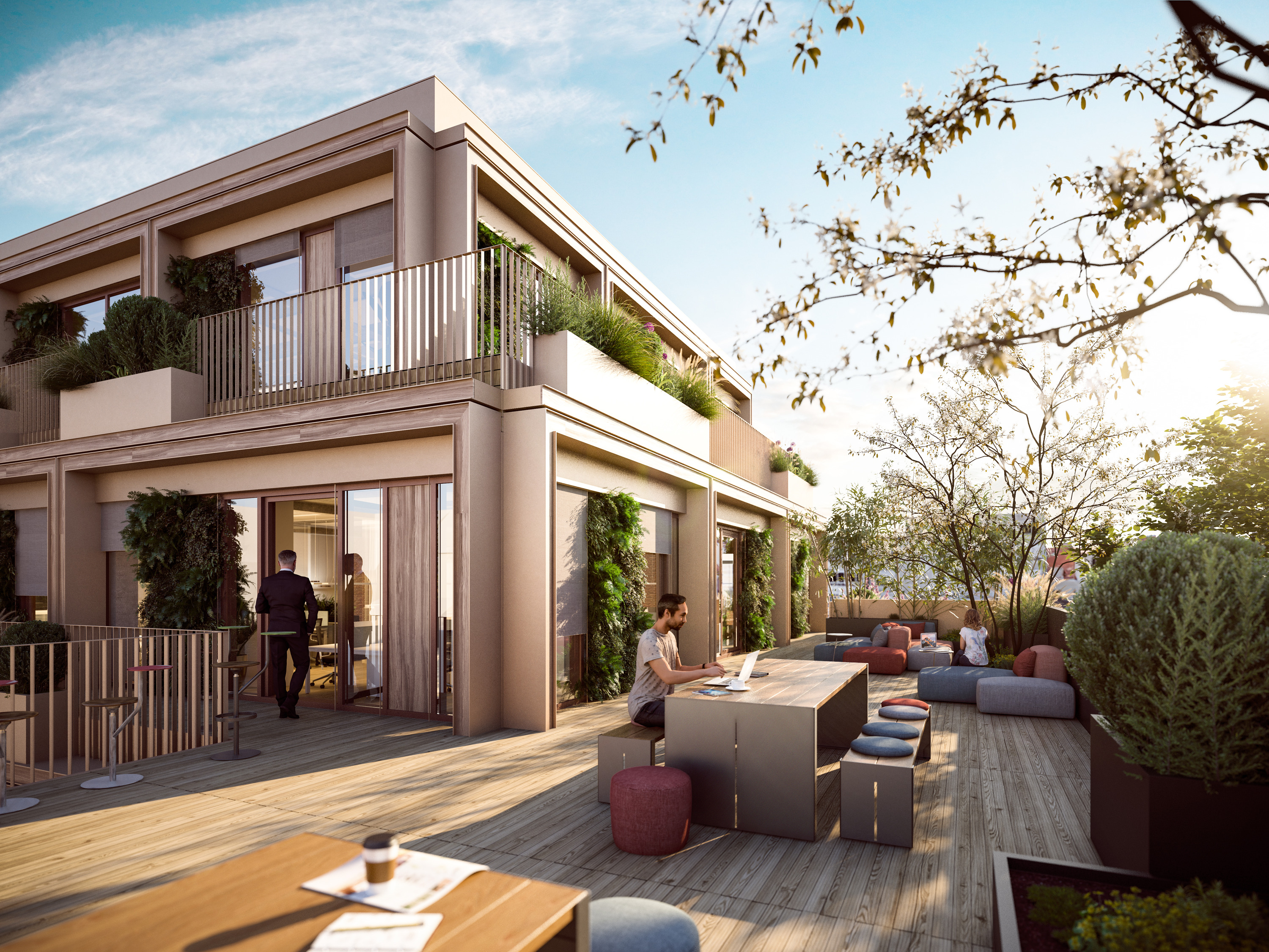
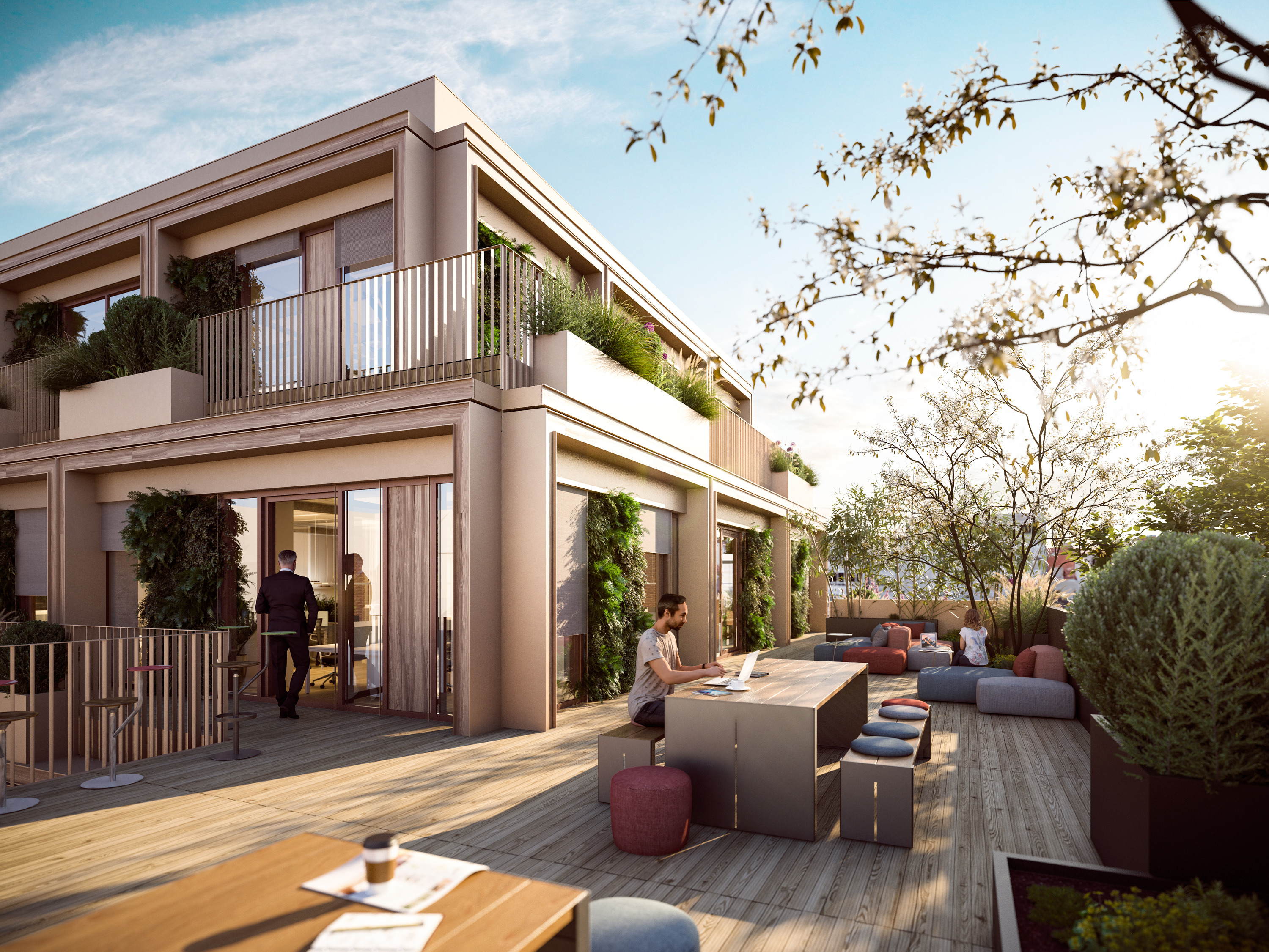
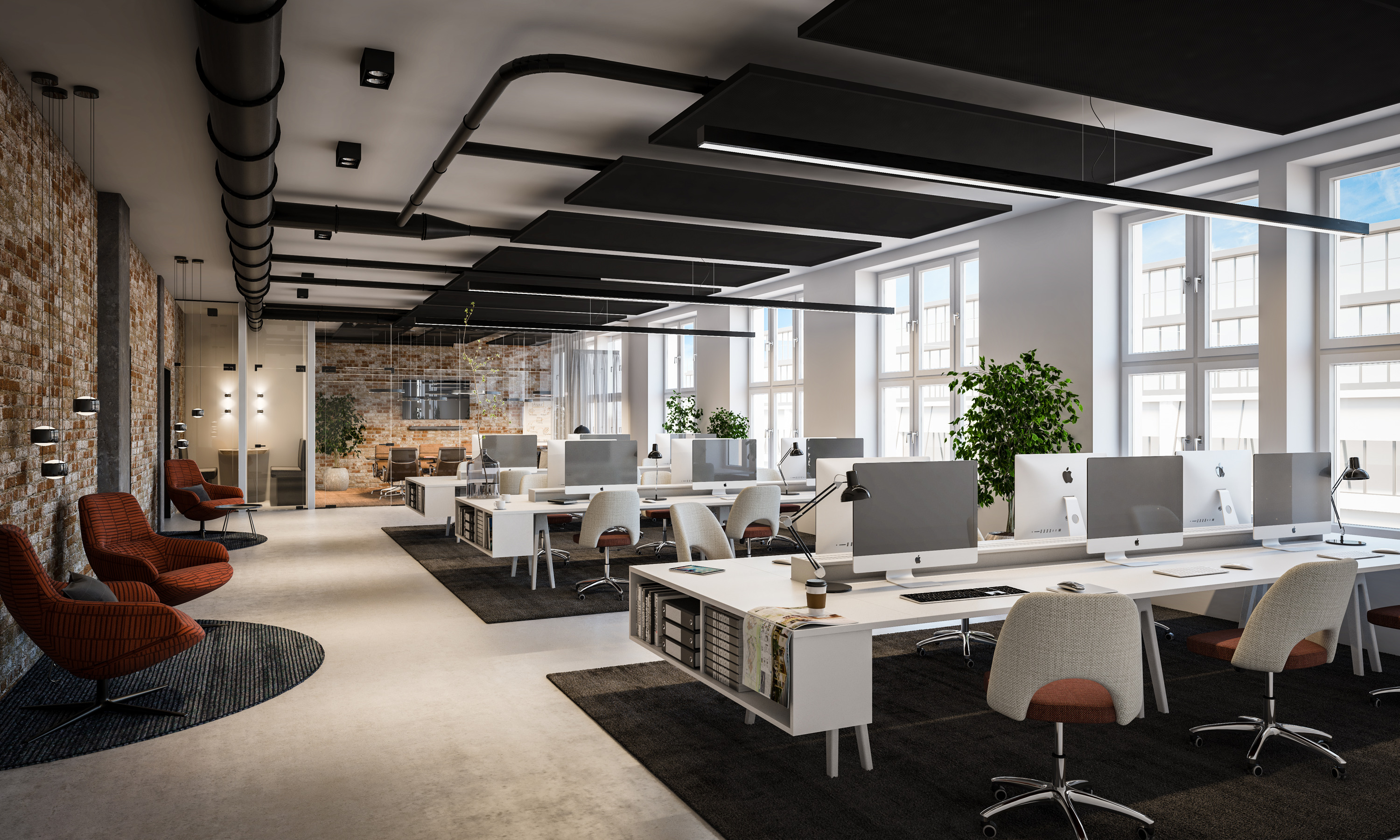
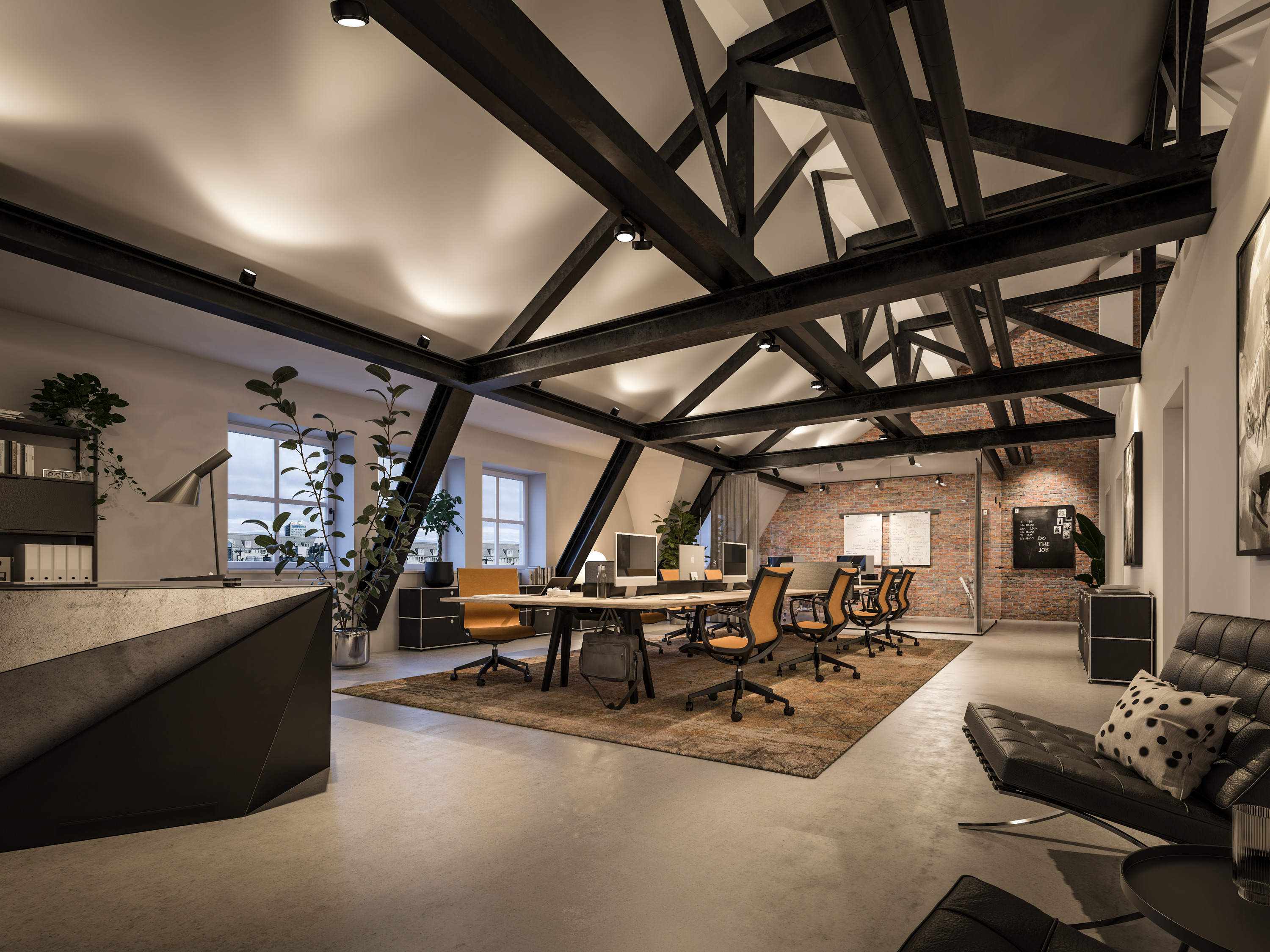
The upper levels offer 10,160m2 of flexible workspaces that reflect the character of the original building. Responding to its urban surroundings, the building’s terraced, south-facing volumes extend the interior outward, creating a rhythm of facades and balconies. Generous rooftop gardens and planted terraces introduce biodiversity and calm into the city, transforming previously sealed surfaces into layered, green environments above the hustle and bustle of the street. As such, FMQ forms a true oasis in the city’s central business district.
Sustainable to the core
Ben van Berkel: “At FMQ, sustainability is embedded in every layer of the design. By preserving existing structures, embracing circular construction, and integrating renewable energy and natural materials, the project sets a new benchmark for responsible urban development in Munich.”
FMQ takes a future-focused approach to sustainability by building on what already exists. About 60% of the original structure is retained, reducing the need for new materials and preserving the site’s historical character. This careful renovation reflects a commitment to both environmental responsibility and the cultural continuity of the neighbourhood.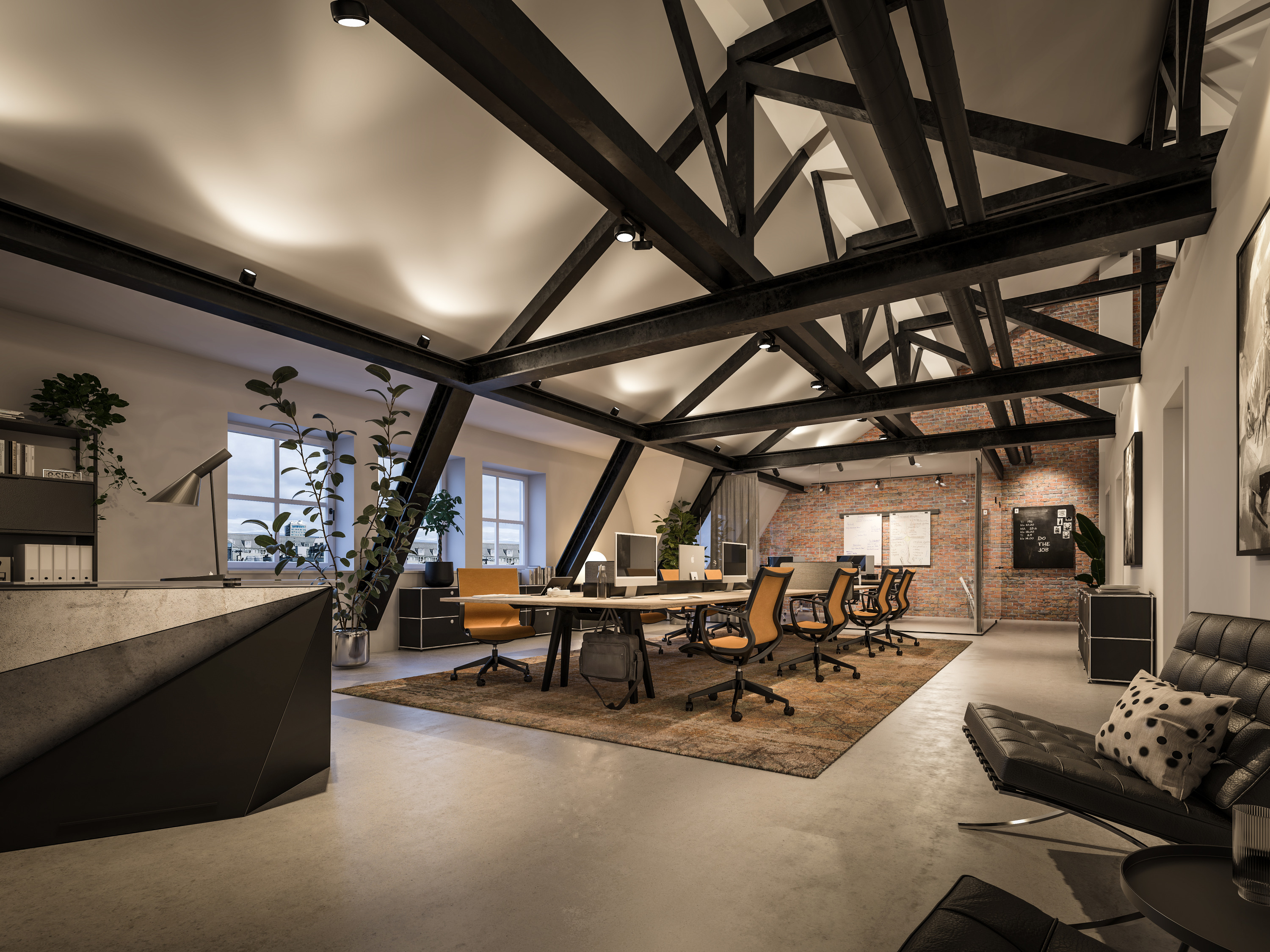
The building integrates a range of sustainable systems, including rooftop solar panels, district heating, and adiabatic cooling. Greywater recycling and the use of natural materials further reduce the project’s environmental footprint.
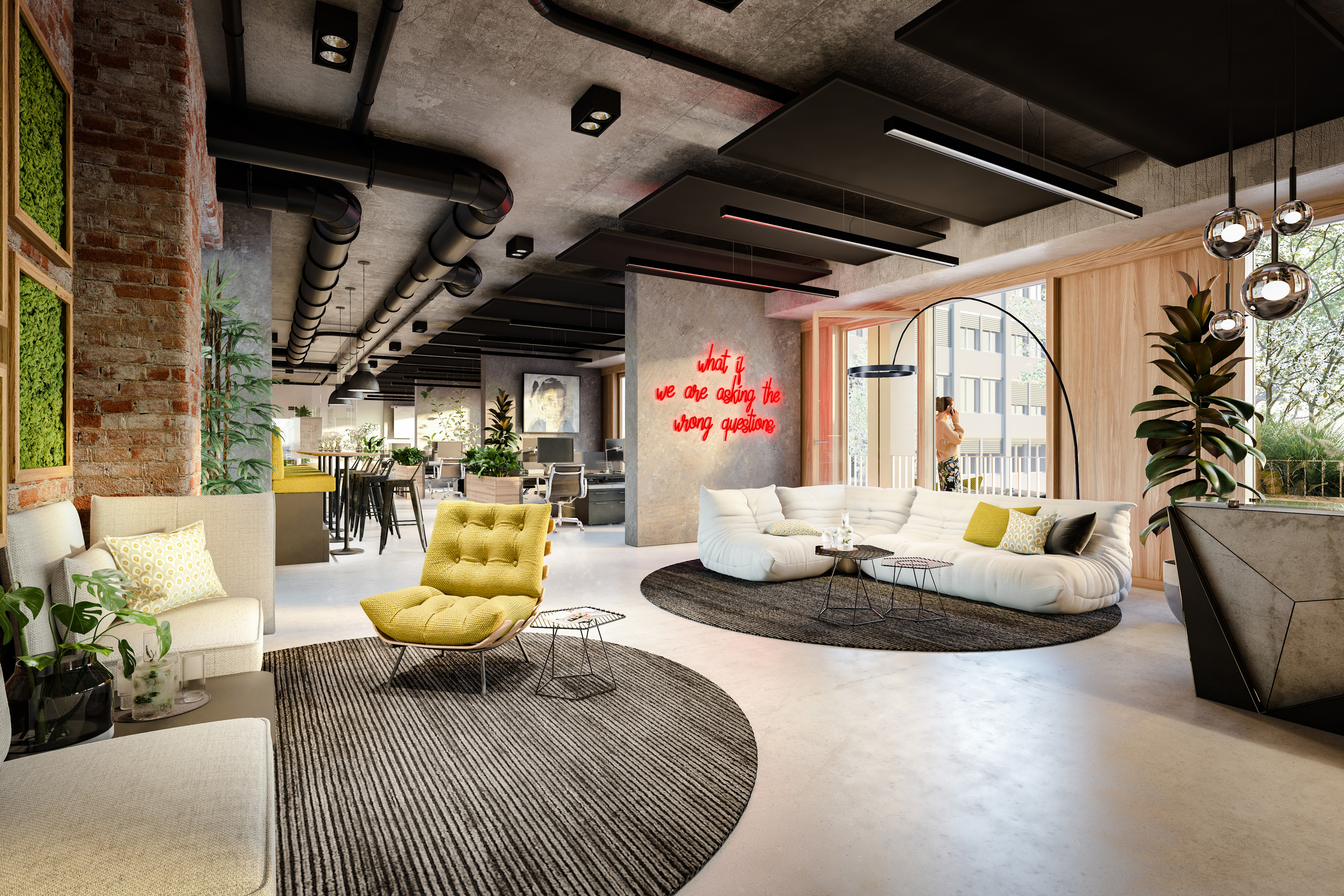
Inside, original walls are left visible where possible, paired with untreated surfaces and timber elements to create a warm, honest atmosphere that supports flexible ways of working.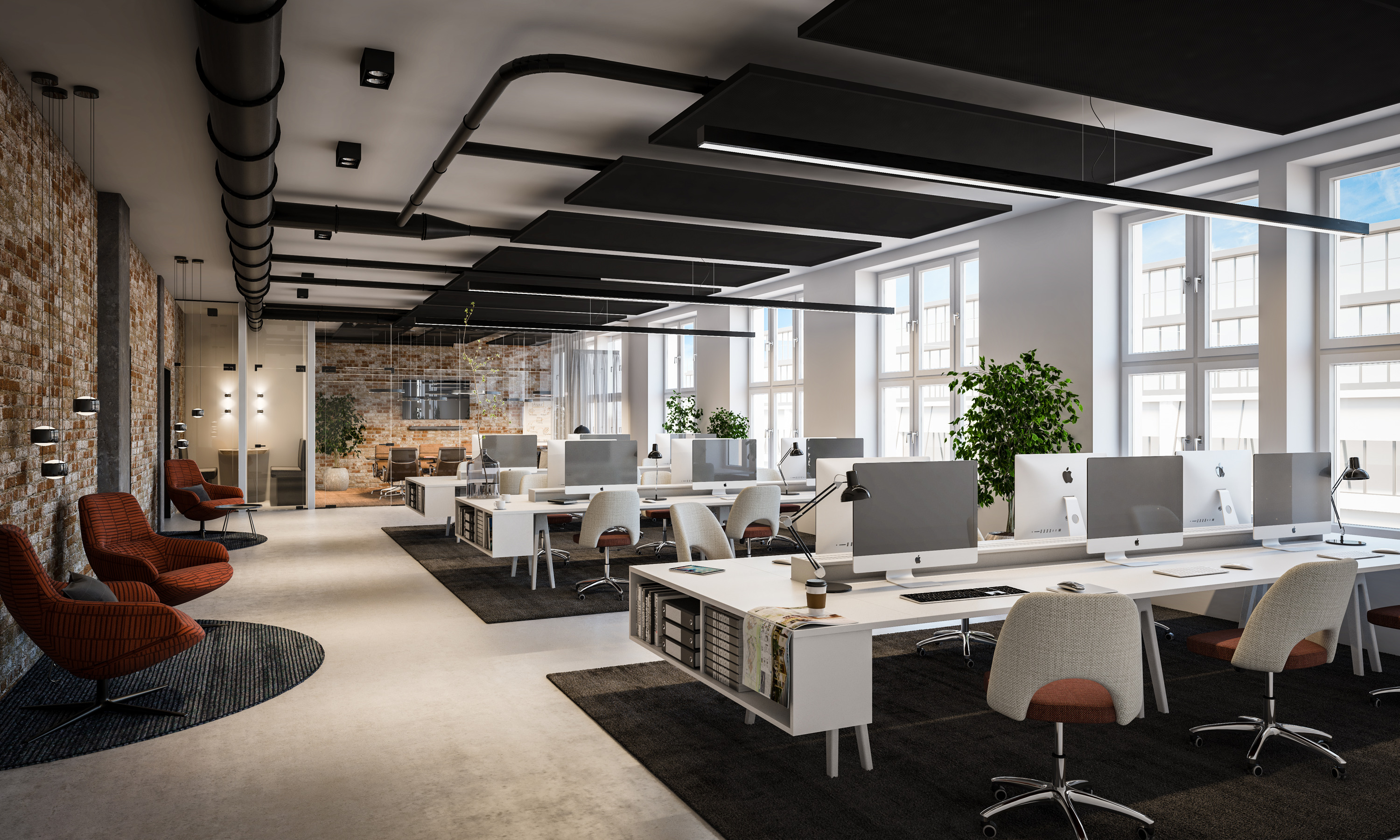
FMQ is designed with circularity in mind. It has already achieved DGNB Gold pre-certification, with the ambition to reach Platinum. Guided by Cradle-to-Cradle principles, the project sets a new benchmark for sustainable renovation and long-term adaptability in the heart of Munich.
松延动力办公总部:从“理性研发场”到“感性社交域”的双层叙事丨北京格微建设工程有限公司
TRECA崔佧成都睡眠艺术馆 | 李想
ECCO创意新空间,一处为创意工作者而生的灵感孵化场丨红山设计
陶瓷创新与超高层设计的交汇:302米高的迪拜 Wasl Tower | UNStudio

BENEATH THE PORTICOES: NEW METRO LINE IN TURIN | UNS

Hannamdong 4 | UNStudio


Heidentempel Pavilion | Christoph Hesse Architects

昆山玉山书房设计,探索新型复合型书店的多种可能性丨GLC(中国)

HAY!YoungBirds! 2020年亚洲优秀青年大赛三强作品《削笔刀》设计师访谈

订阅我们的资讯
切勿错过全球大设计产业链大事件和重要设计资源公司和新产品的推荐
联系我们
举报
返回顶部