


Nature Rocks | MVRDV
MVRDV
 ,发布时间2025-09-12 11:10:00





版权声明:本链接内容均系版权方发布,版权属于 MVRDV,编辑版本版权属于设计宇宙designverse,未经授权许可不得复制转载此链接内容。欢迎转发此链接。
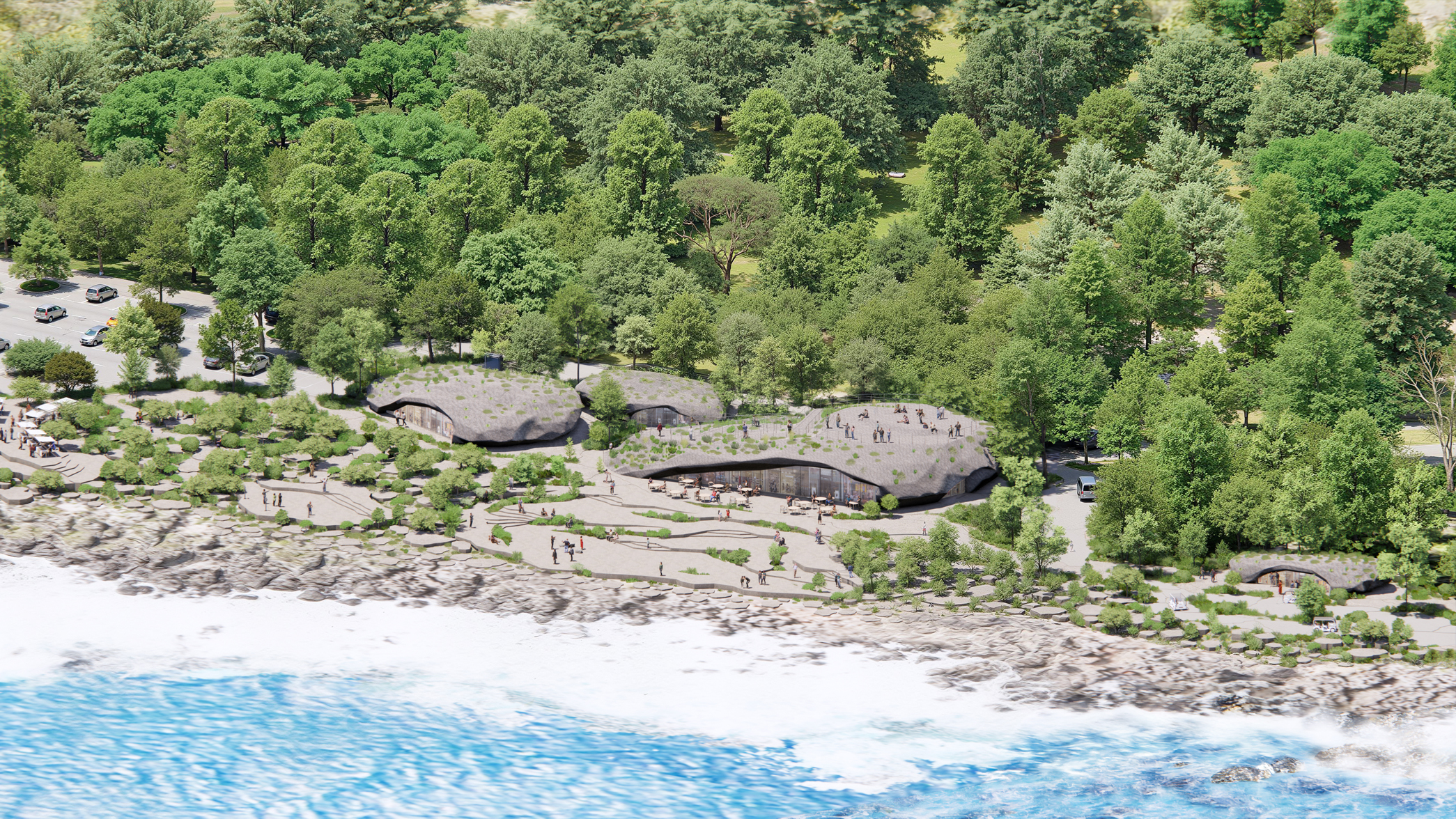
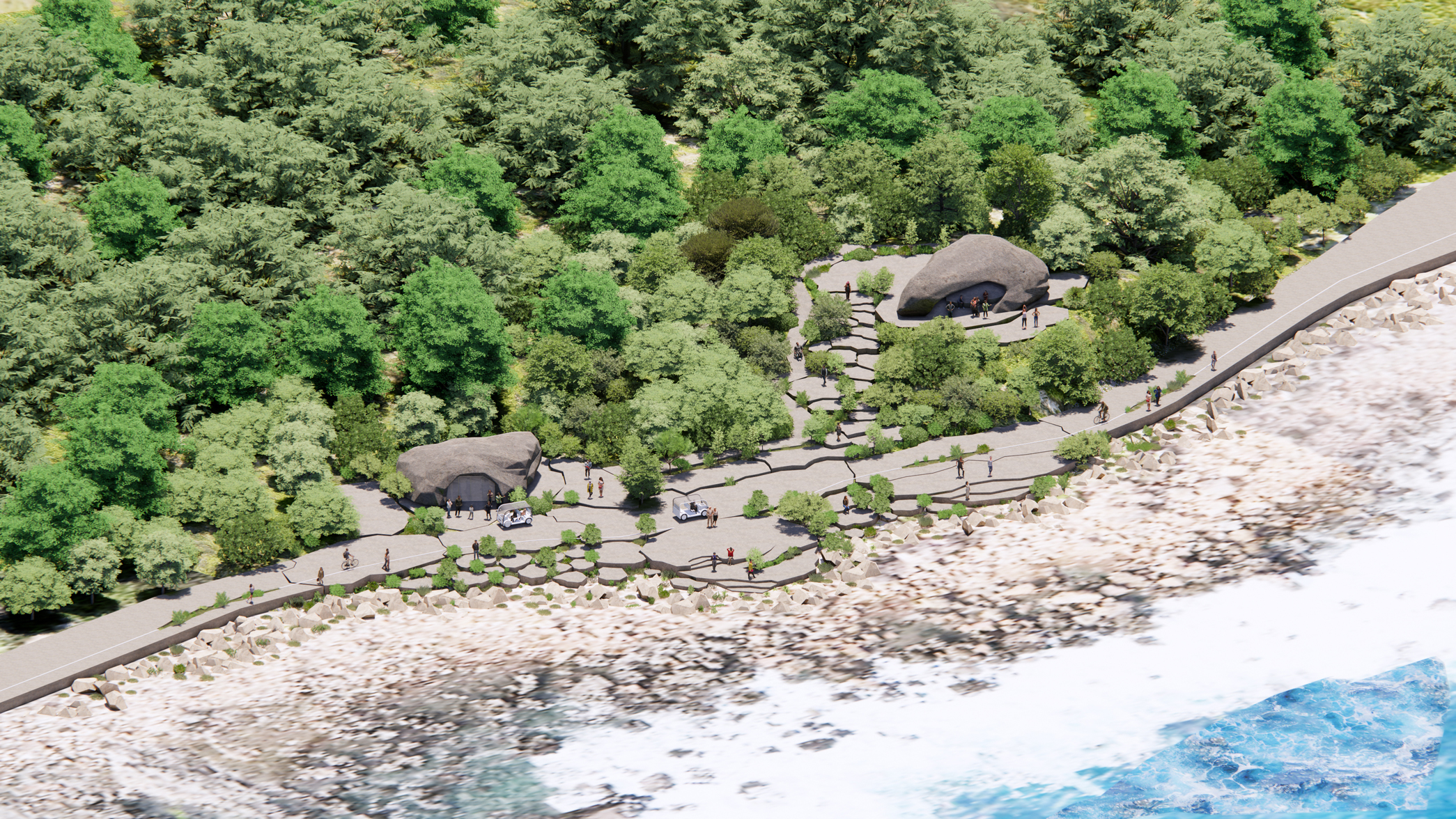
Axo
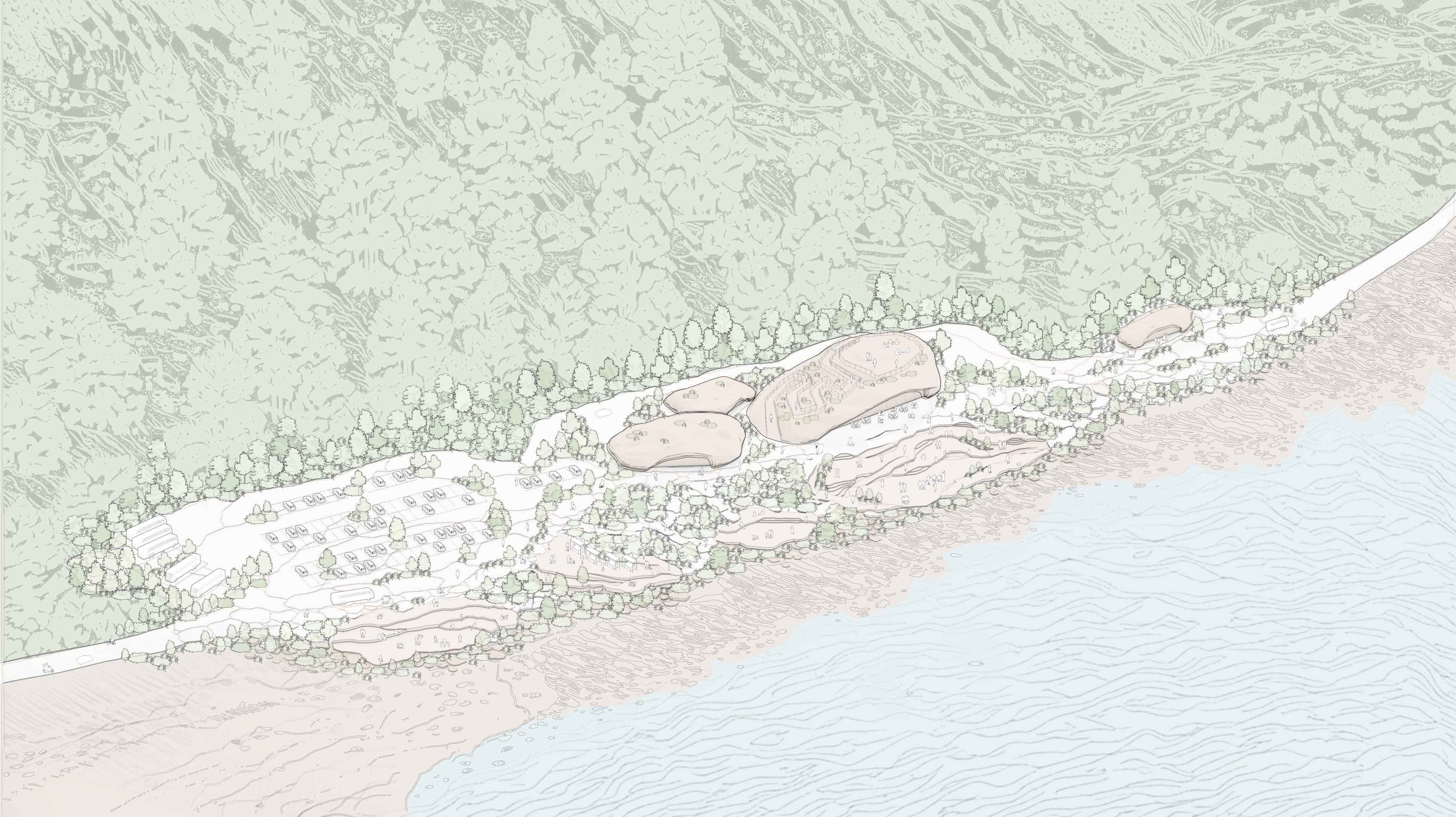
masterplan axo
Located in the far south of Taiwan, Jialeshui is a scenic spot within Kenting National Park and, for Taiwan, a remarkably untouched natural area. Over thousands of years, strong winds and sea waves have shaped the area’s soft sandstone coastline into a series of sculptural rock formations, many of which resemble animals and carry names such as Rabbit Rock, Toad Rock, and Seal Rock. These natural features have made Jialeshui one of Taiwan’s most well-known geological parks, yet despite its popularity with visitors, the area has limited tourist infrastructure. Currently, the forest is separated from the rocky shoreline by a single road that cuts through the landscape – a narrow route shared by shuttle buses, pedestrians, and cyclists. The pavilions and kiosks peppered along the road have been damaged by typhoons and seawater.
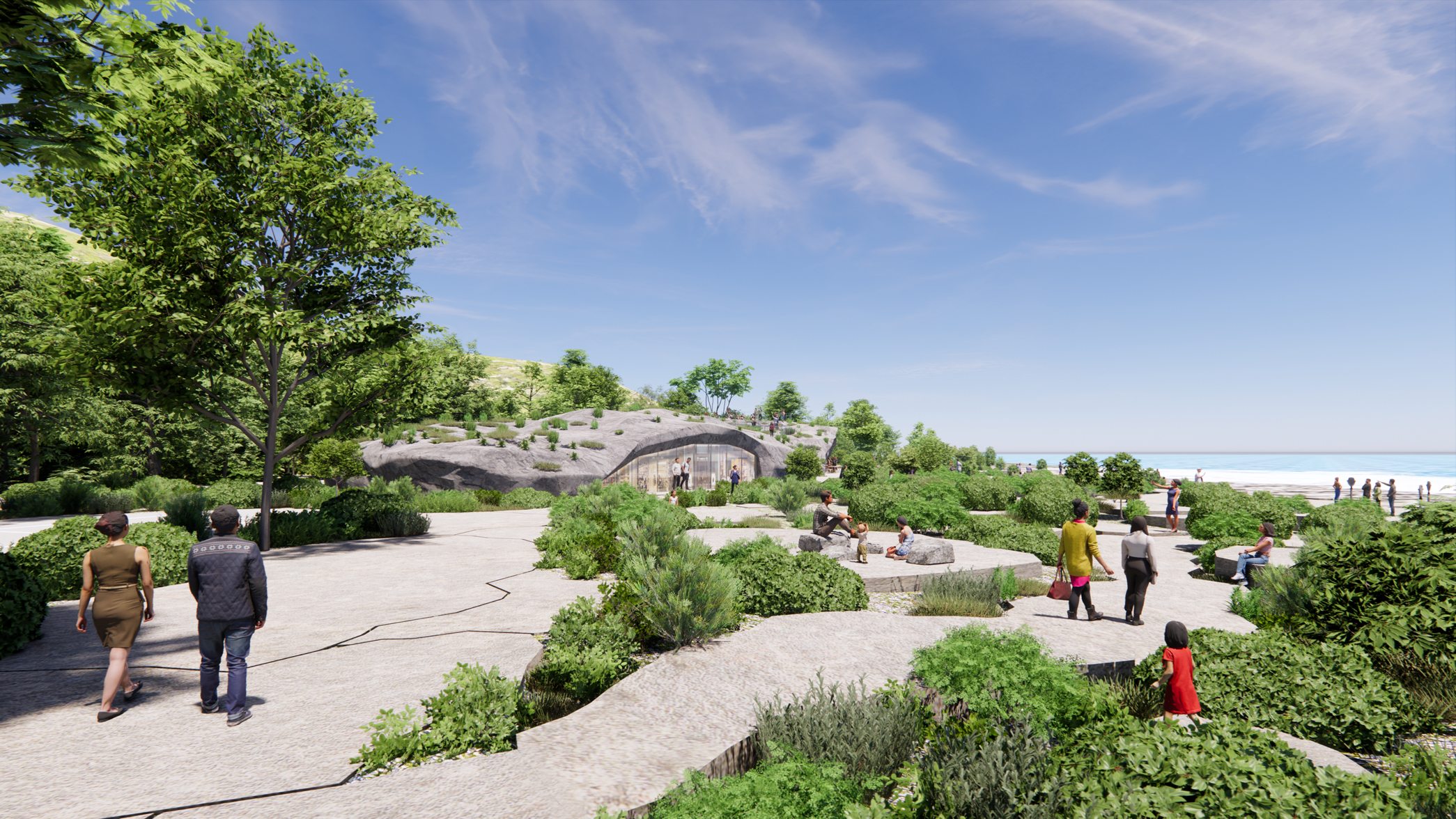
Axo
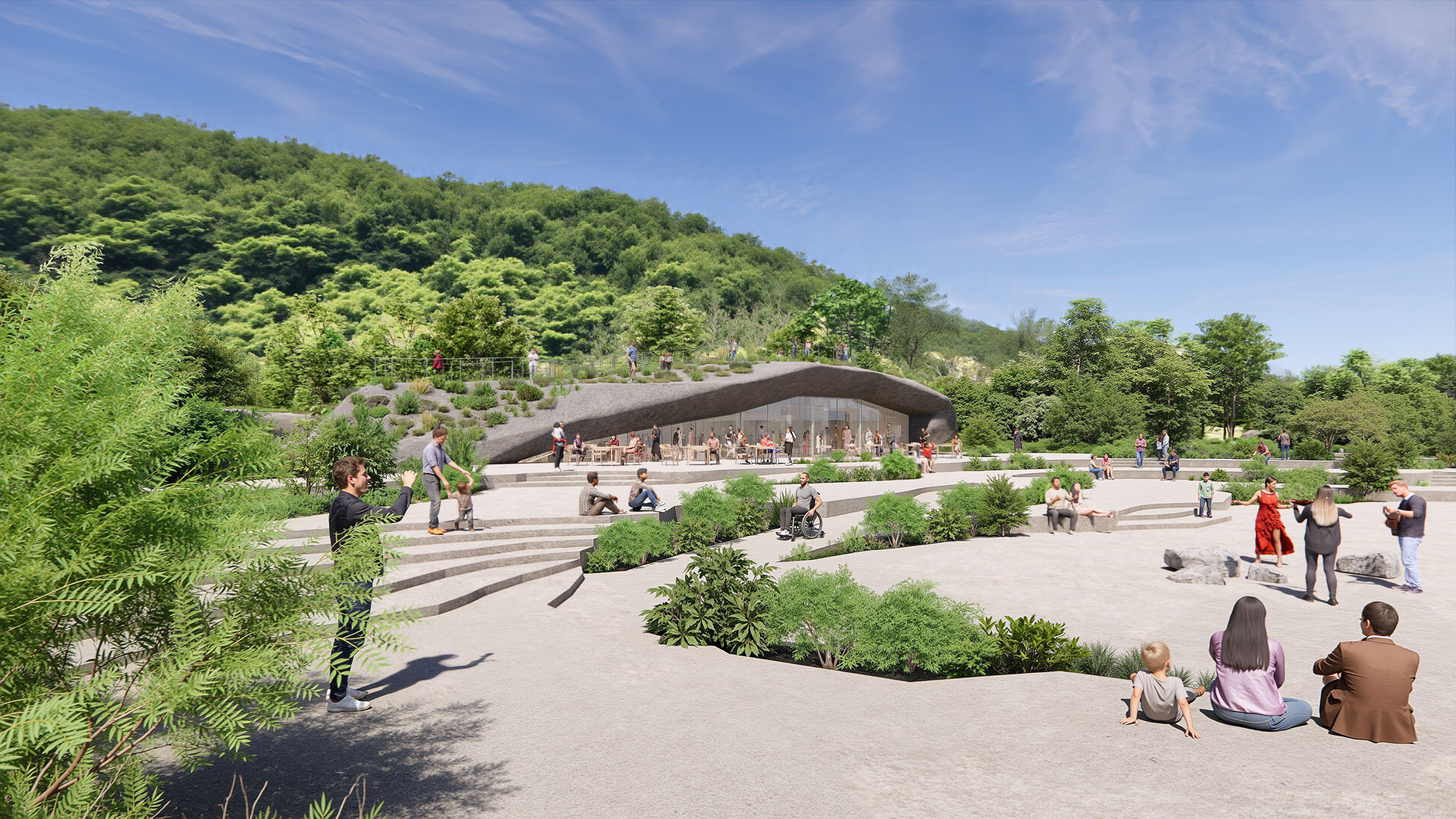
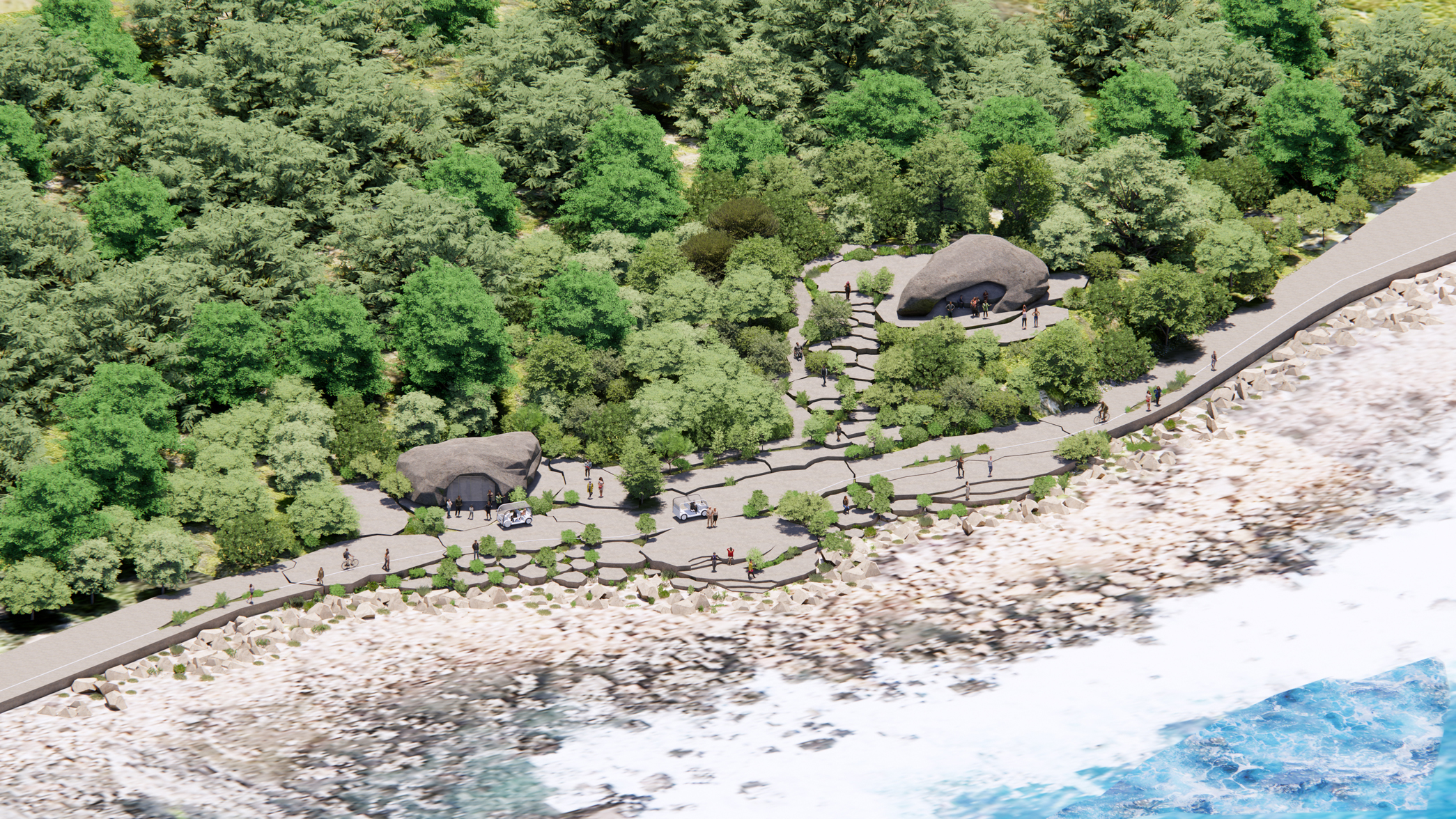
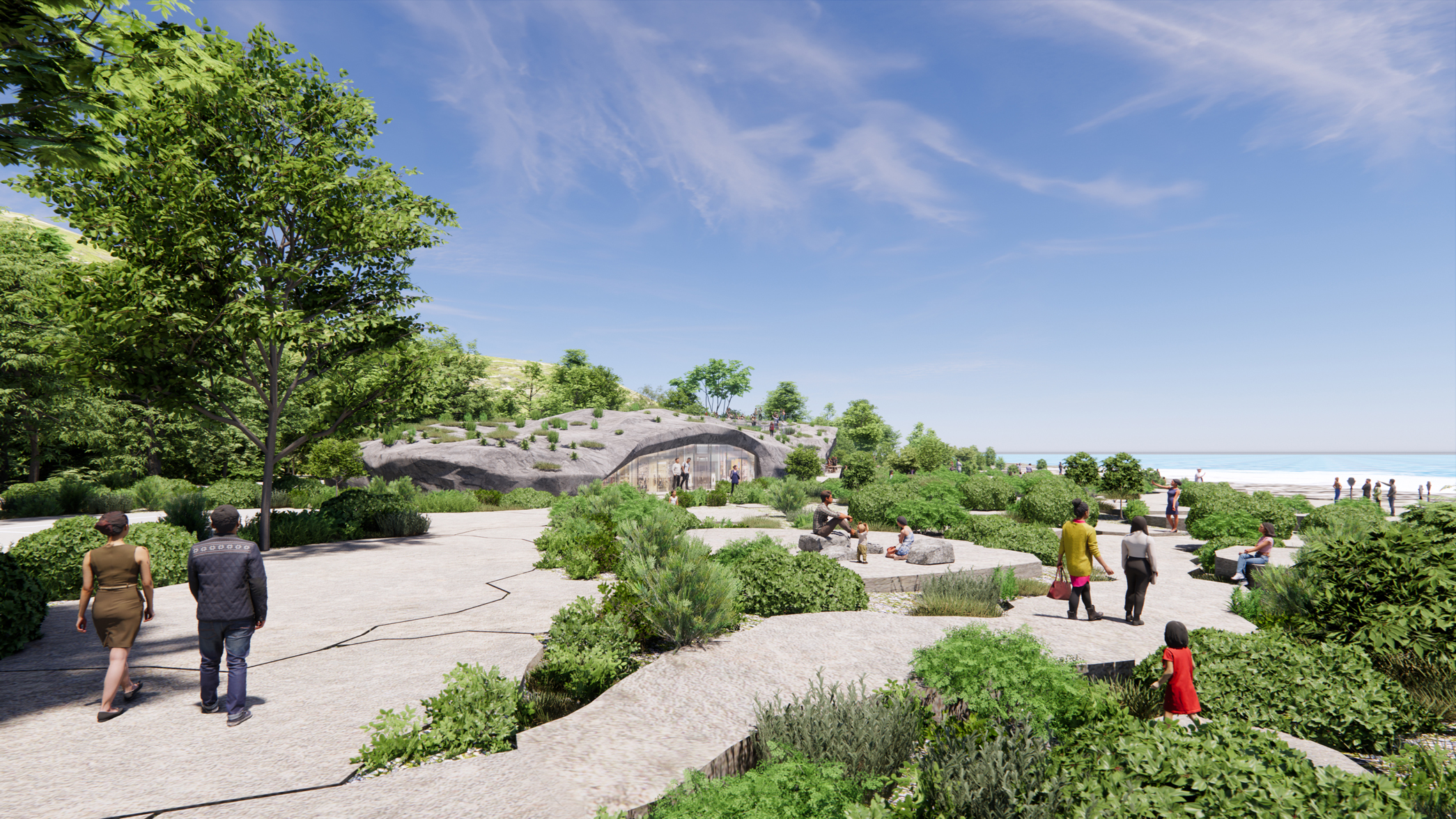
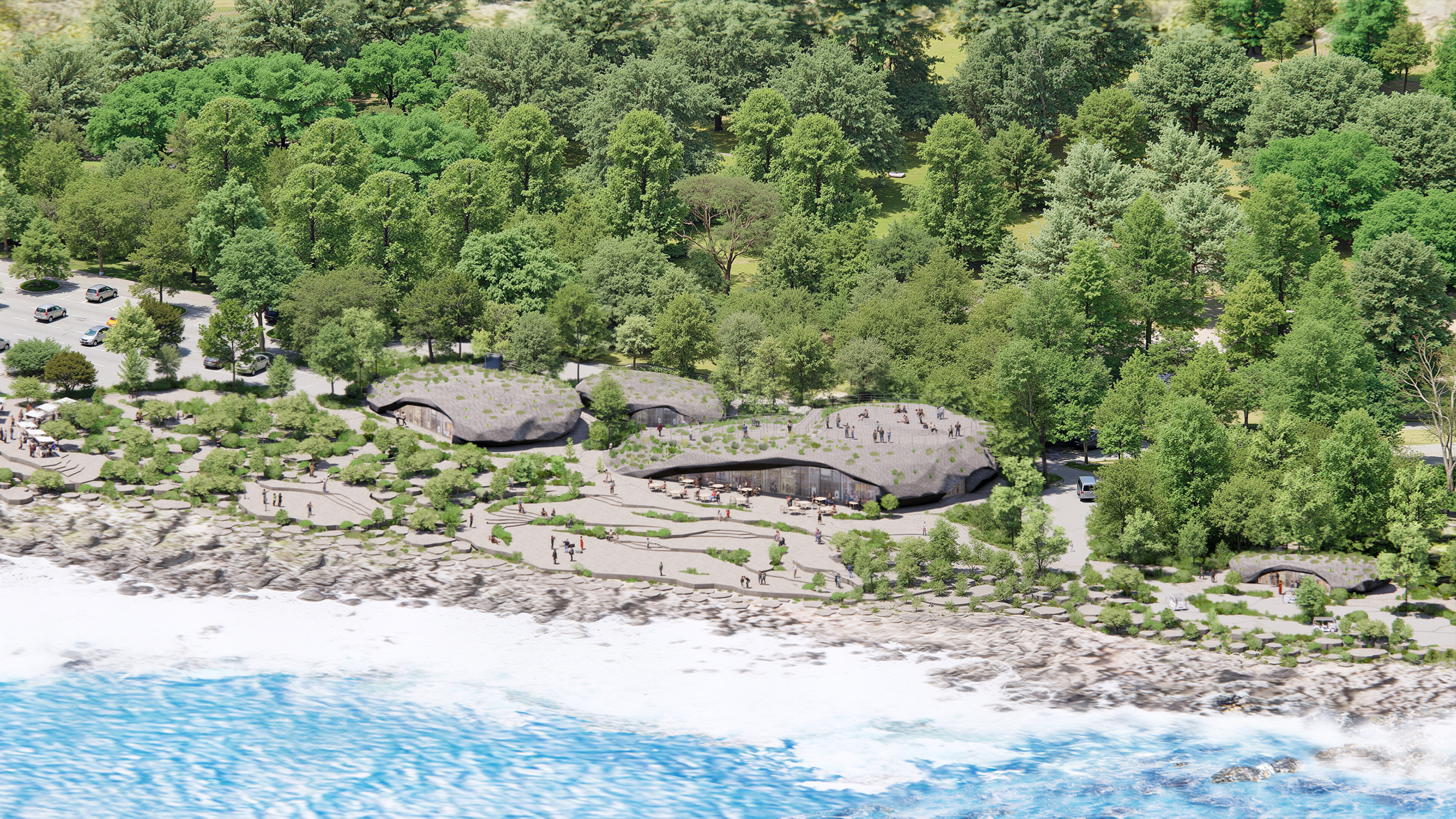
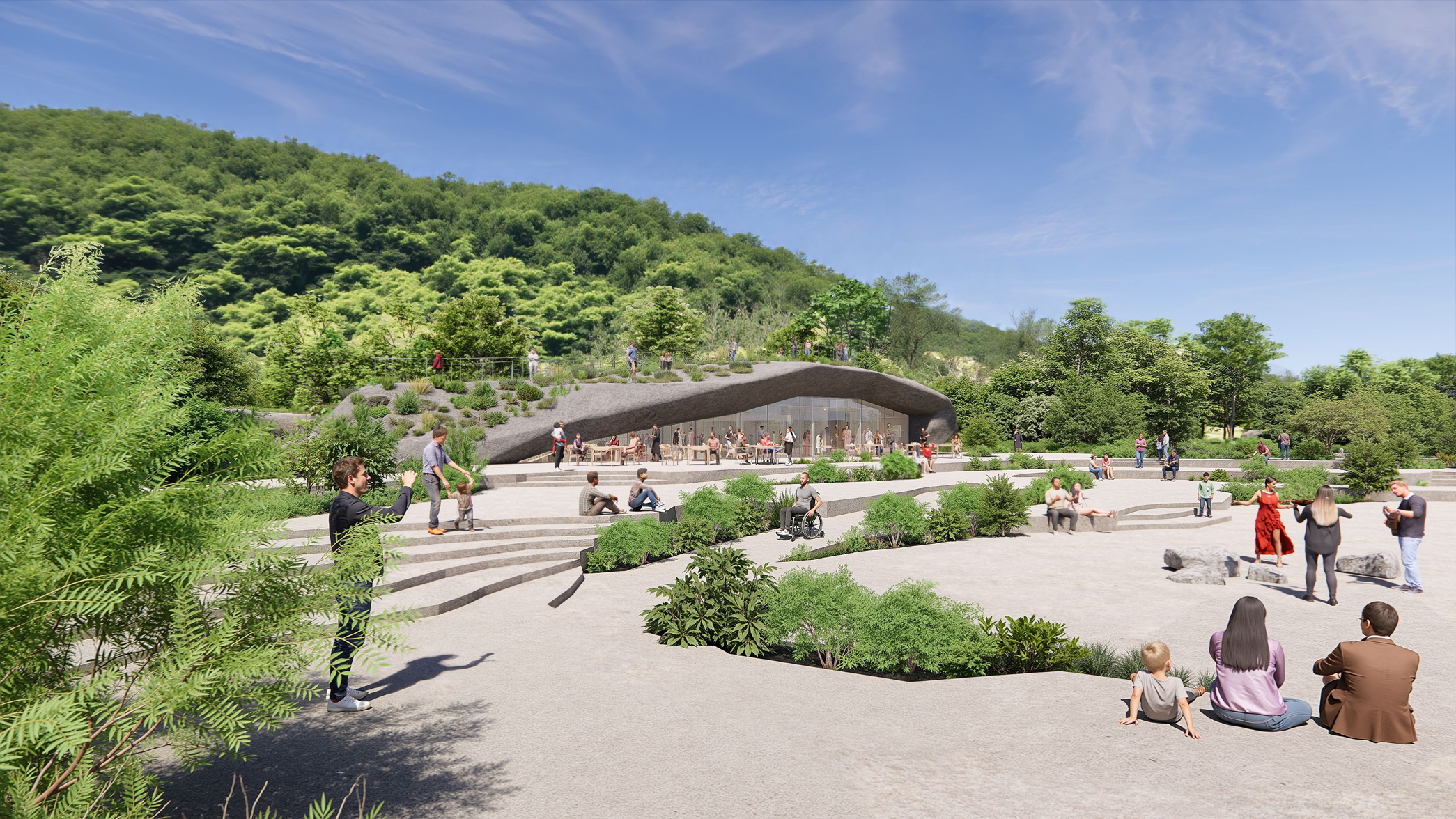
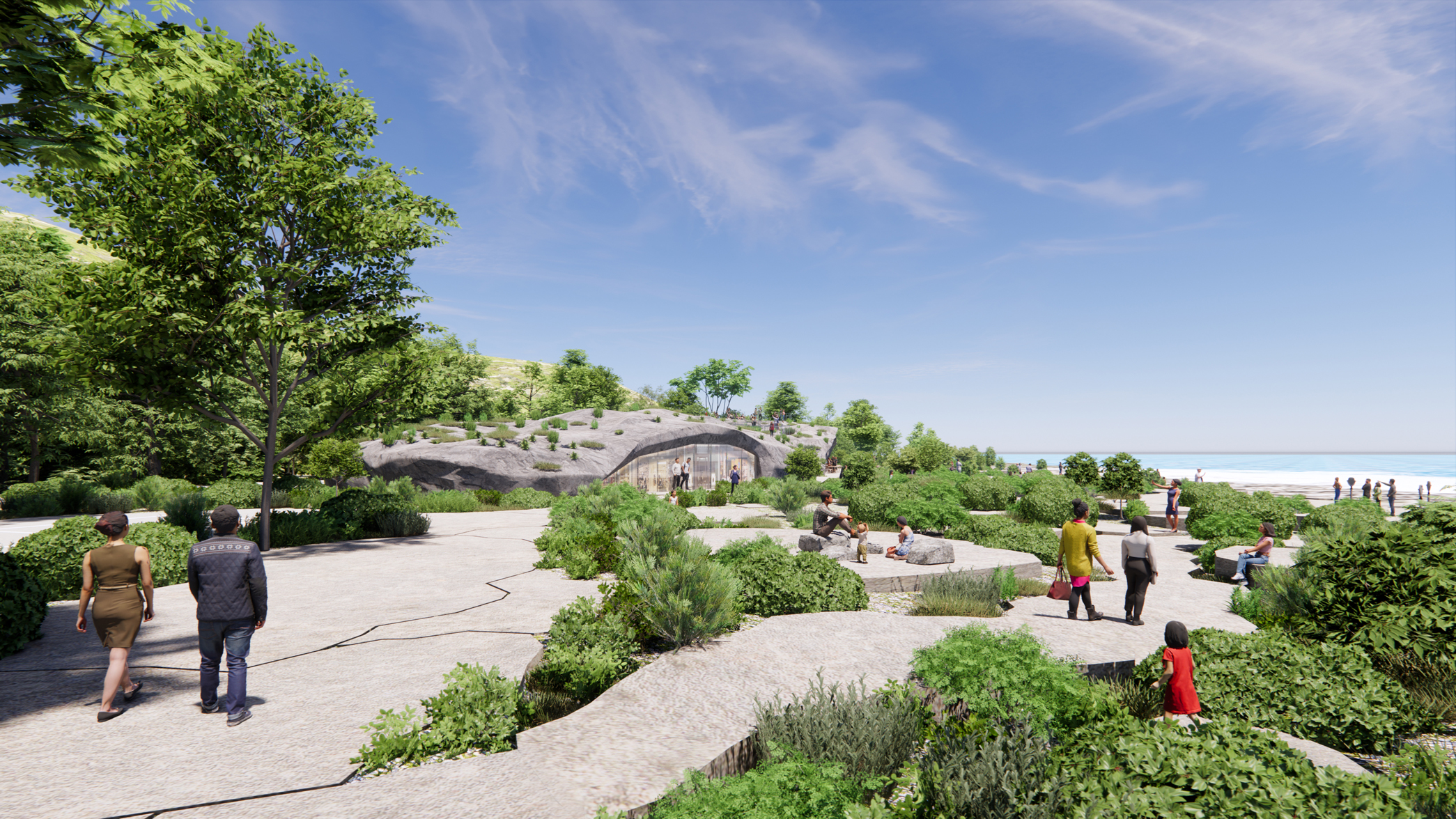
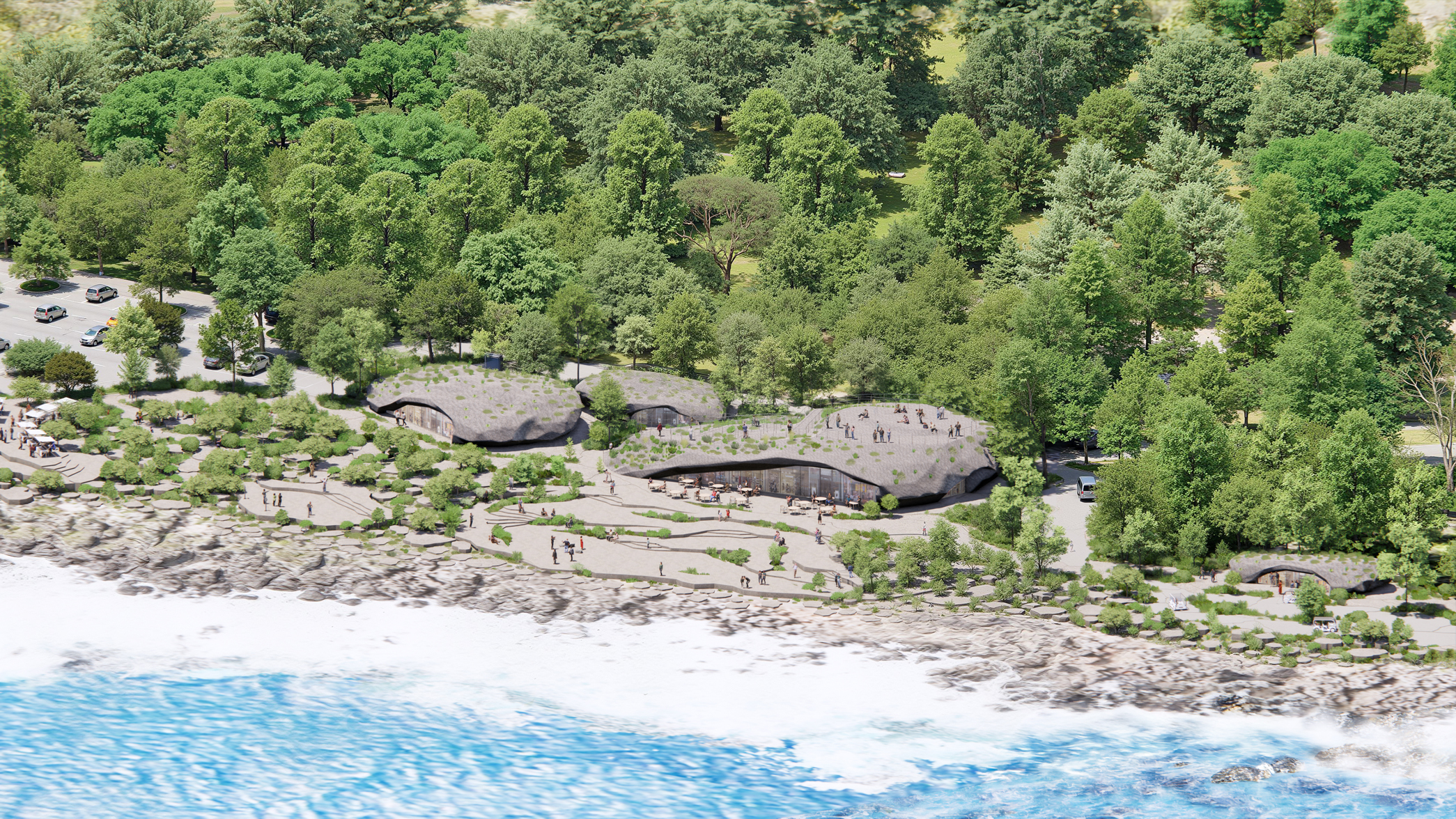
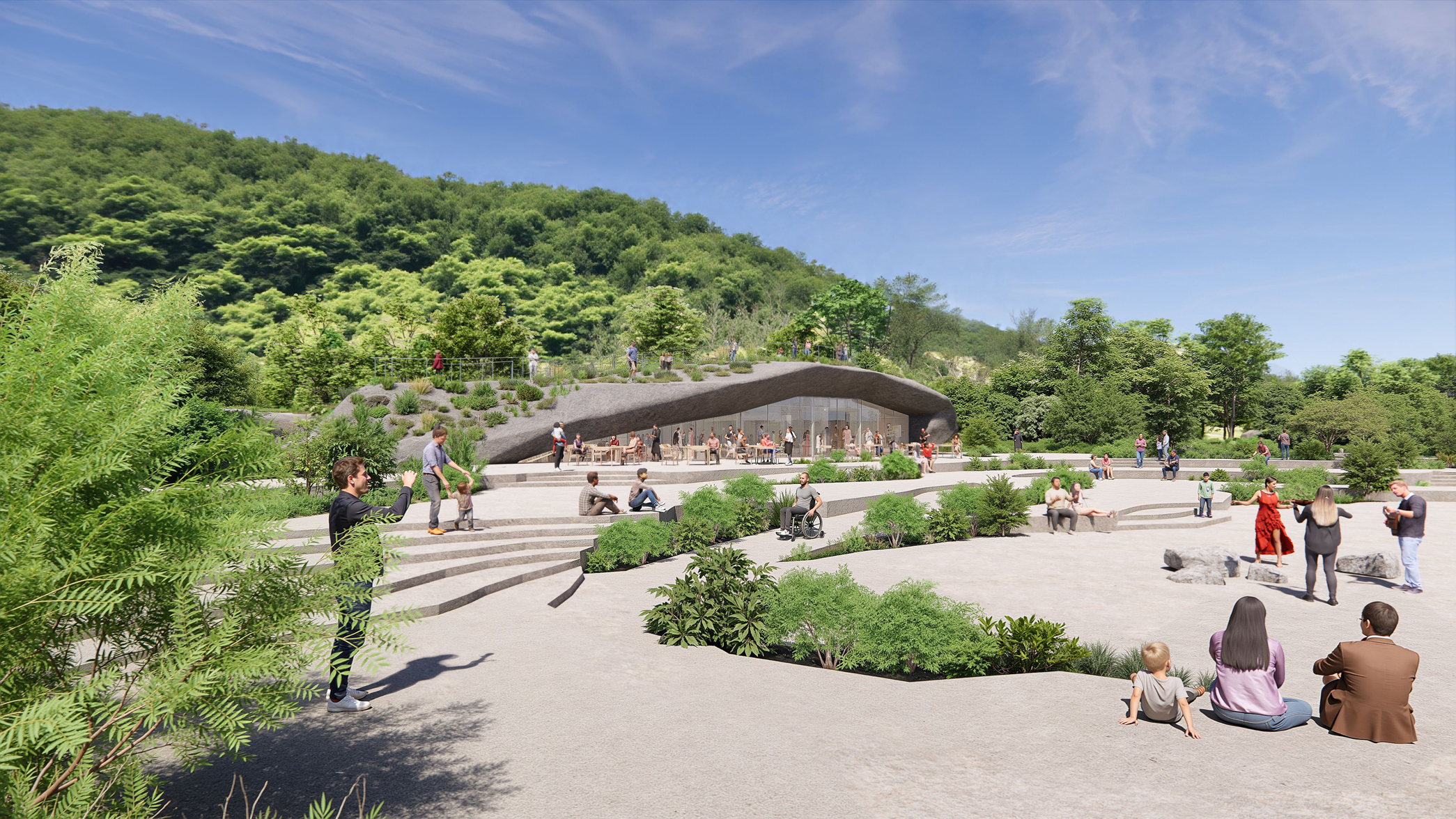
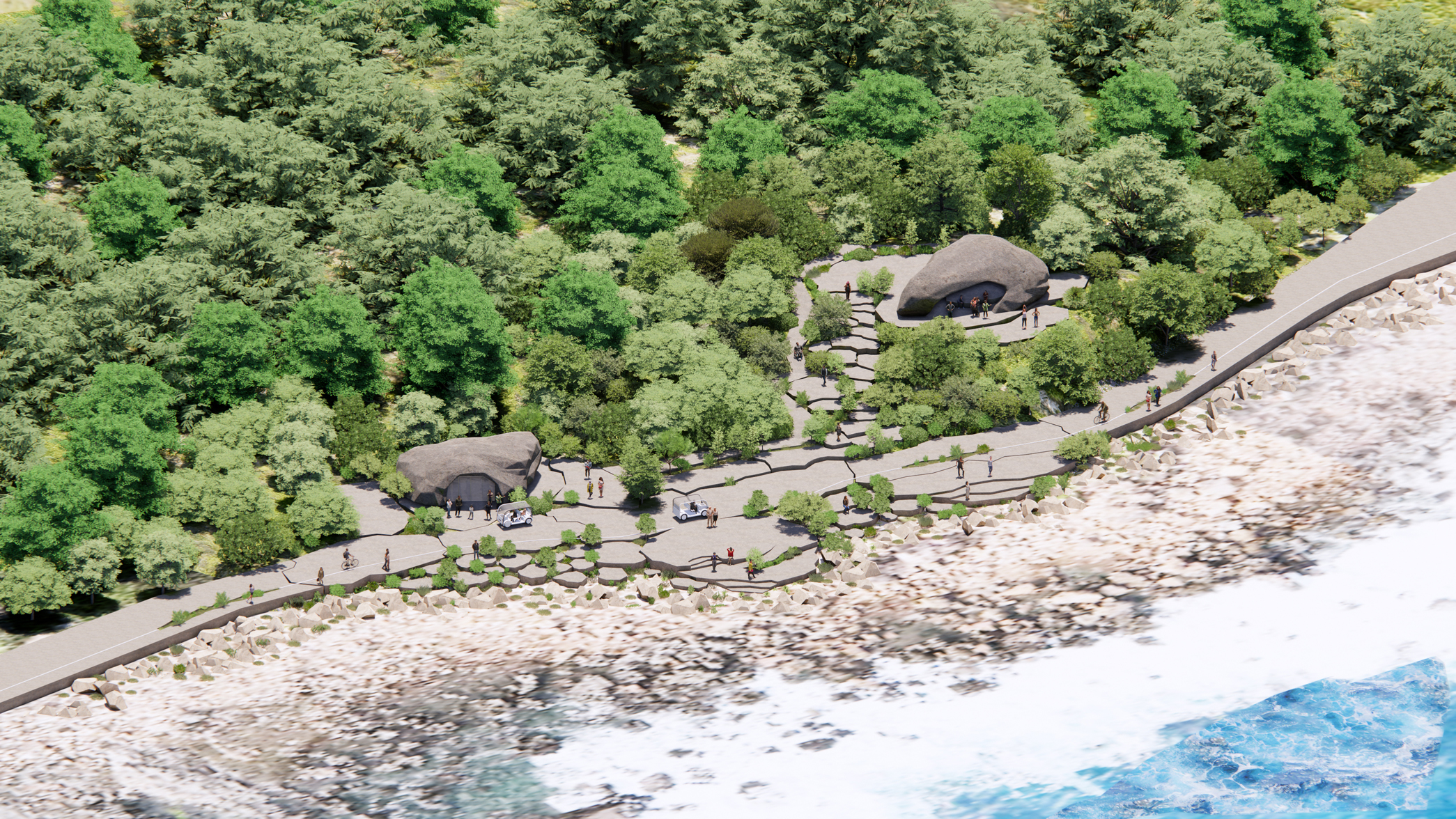
MVRDV’s masterplan replaces and improves the old infrastructure while enhancing the park’s natural identity. All new construction will be confined to areas that are already developed to avoid disrupting the original natural landscape. Inspired by the layered forms of the coastline, the design breaks up the existing straight road and reimagines recreational pathways as a cracked, rocky, naturalistic landscape that stitches the forest and the coastline back together. The rock-like fragments define various zones for circulation and public activities while some are extruded into buildings that echo the natural features of the local rock formations, blending into the surrounding environment.
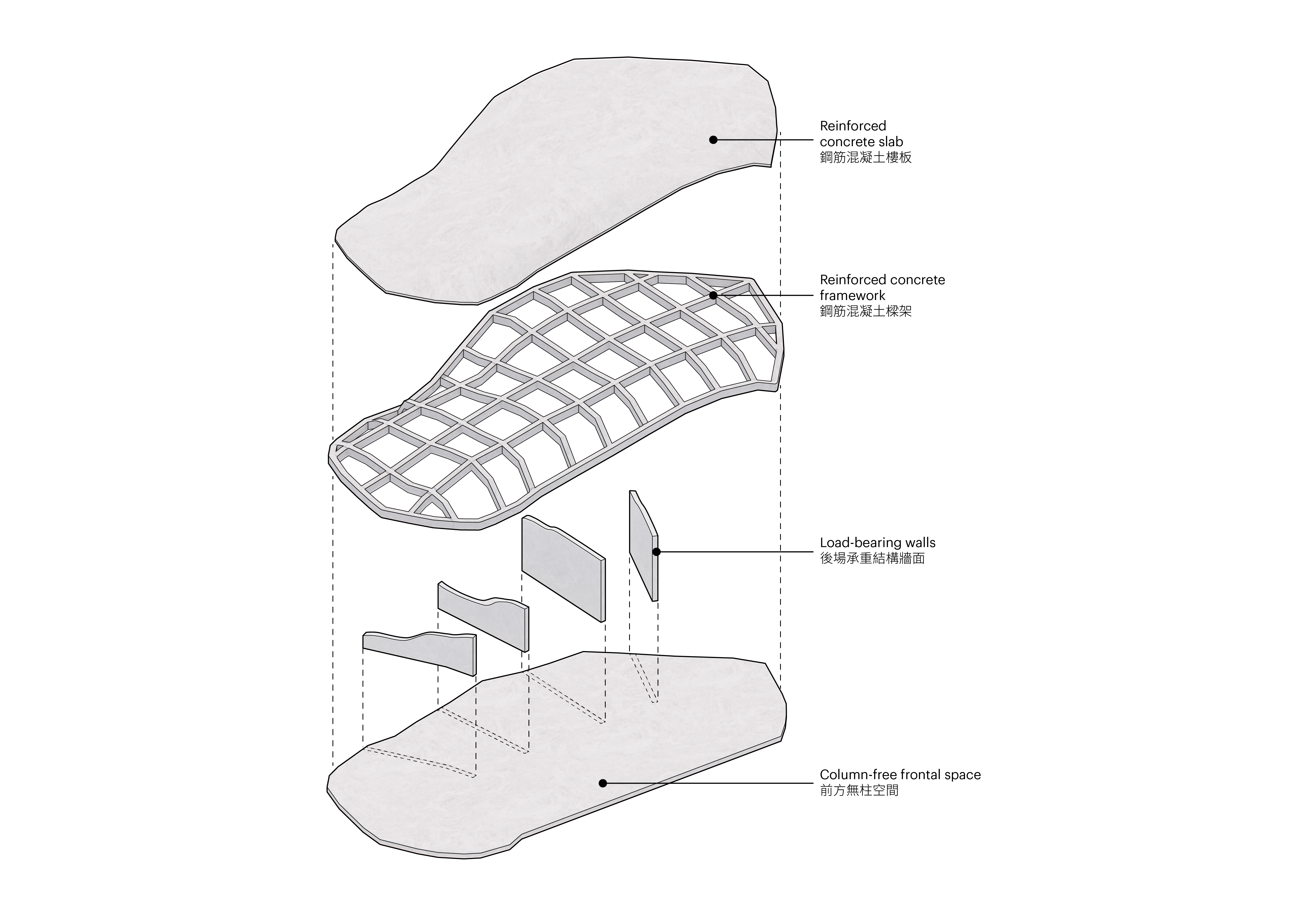
structure
“What you see today at Jialeshui shows a clear boundary between the natural and the artificial; in turn, this artificial trail separates nature from itself, separating forest from coastline”, says MVRDV founding partner Winy Maas. “In our design, the artificial elements feel take the shape of the surrounding nature, like natural extensions of the site rather than foreign objects. Our goal was never to impose architecture on the landscape, but to let it emerge from the natural conditions; to break the monotony of the straight line… and to emphasise that Nature Rocks!”
Axo
Resilience and regeneration are central to the Jialeshui Rocks transformation. To help manage stormwater and reduce damage from typhoons and flooding, cracks in the pavement are introduced as passive drainage and protective buffers. These cracks also support biodiversity, allowing greenery to take root and creating passages for small animals to cross between forest and shoreline. A gradient planting strategy is adopted, using natural forest formations as a framework. Tall and dense native vegetation is clustered near the forest, gradually shifting to salt-tolerant, low-growing species closer to the sea. Even the building surfaces themselves will, over time, be colonised by moss and small plants that take root in the concrete – the only material suited to the site’s harsh conditions, which will recycle a percentage of its aggregate from demolished buildings.
Second stop axo
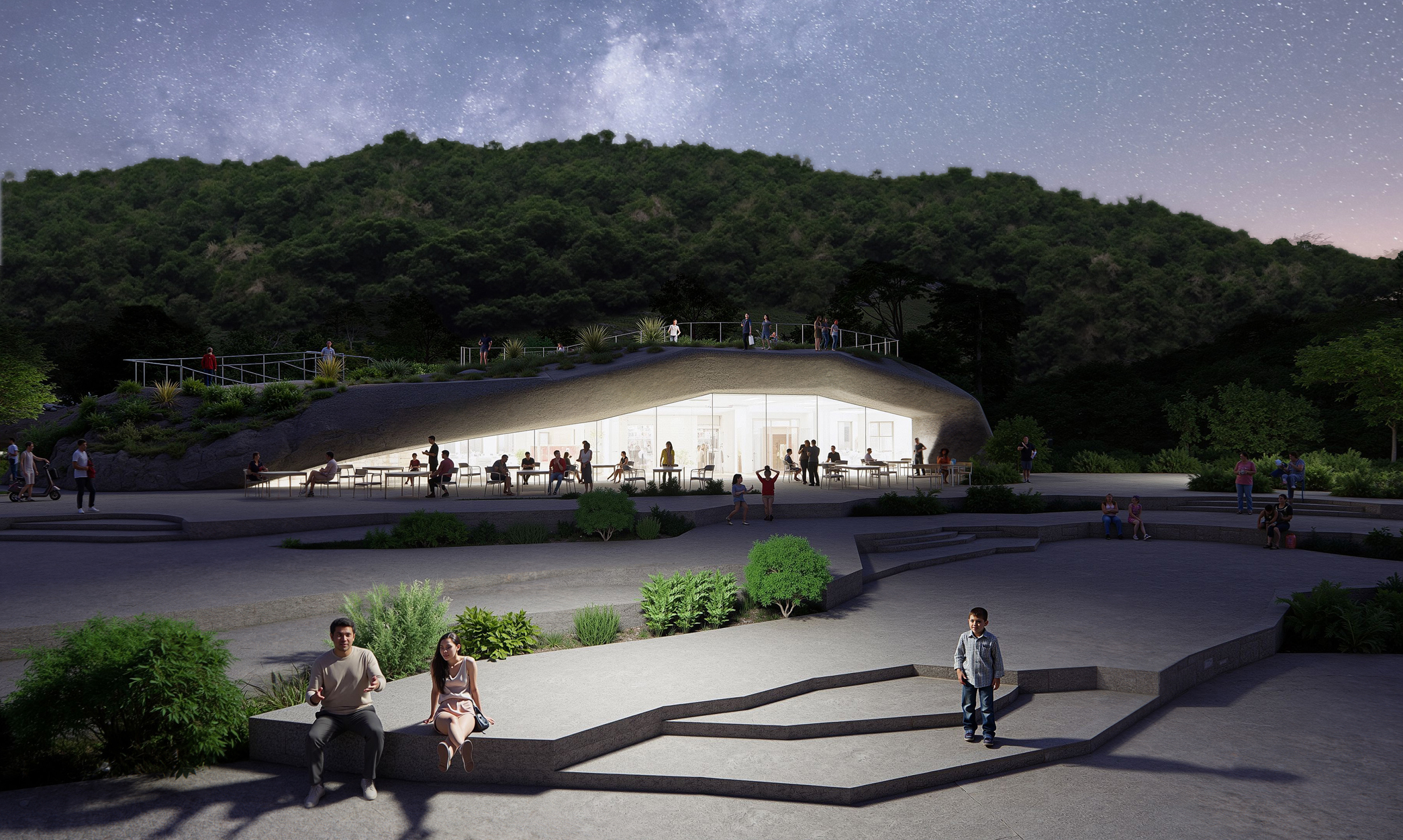
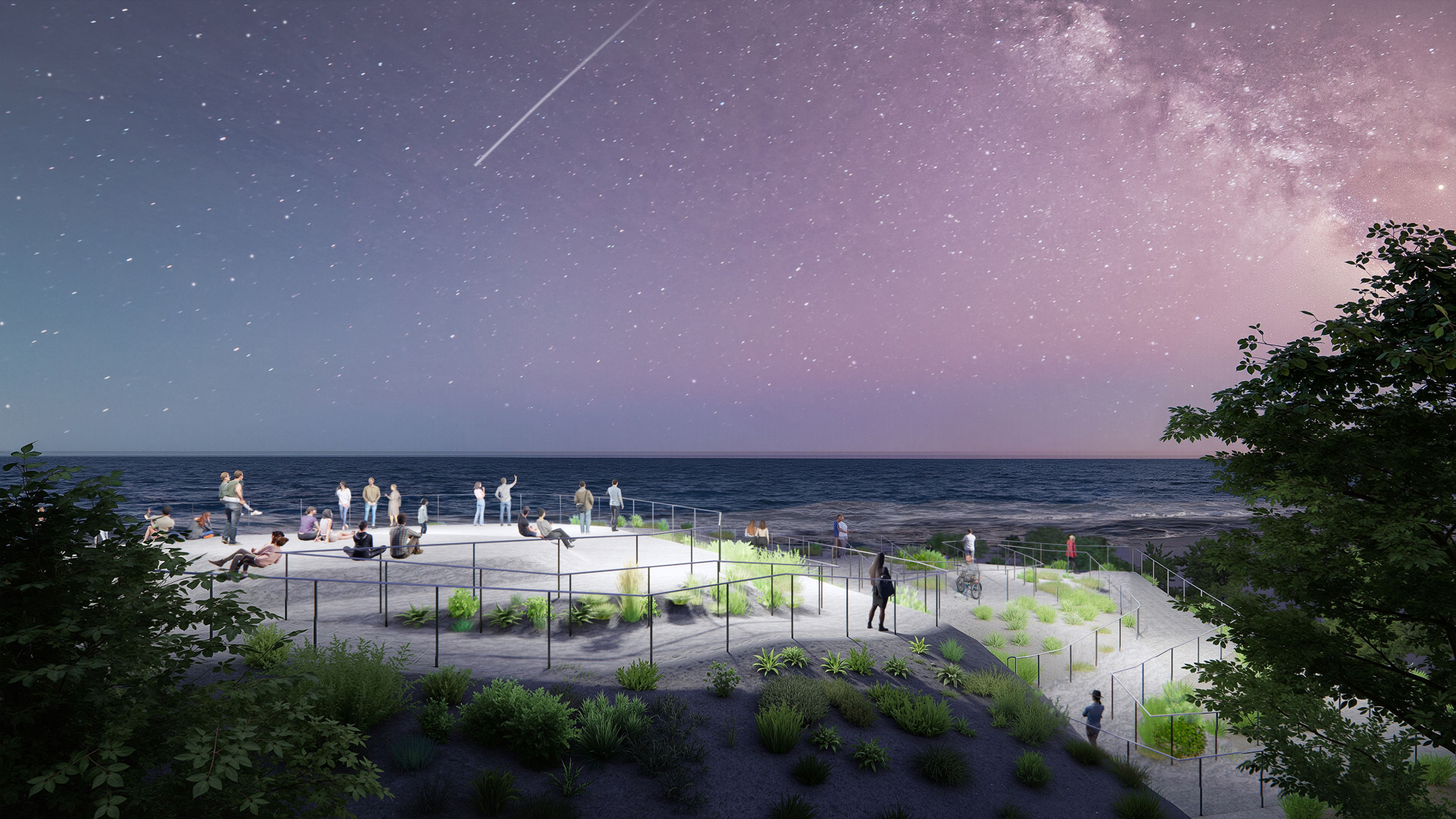
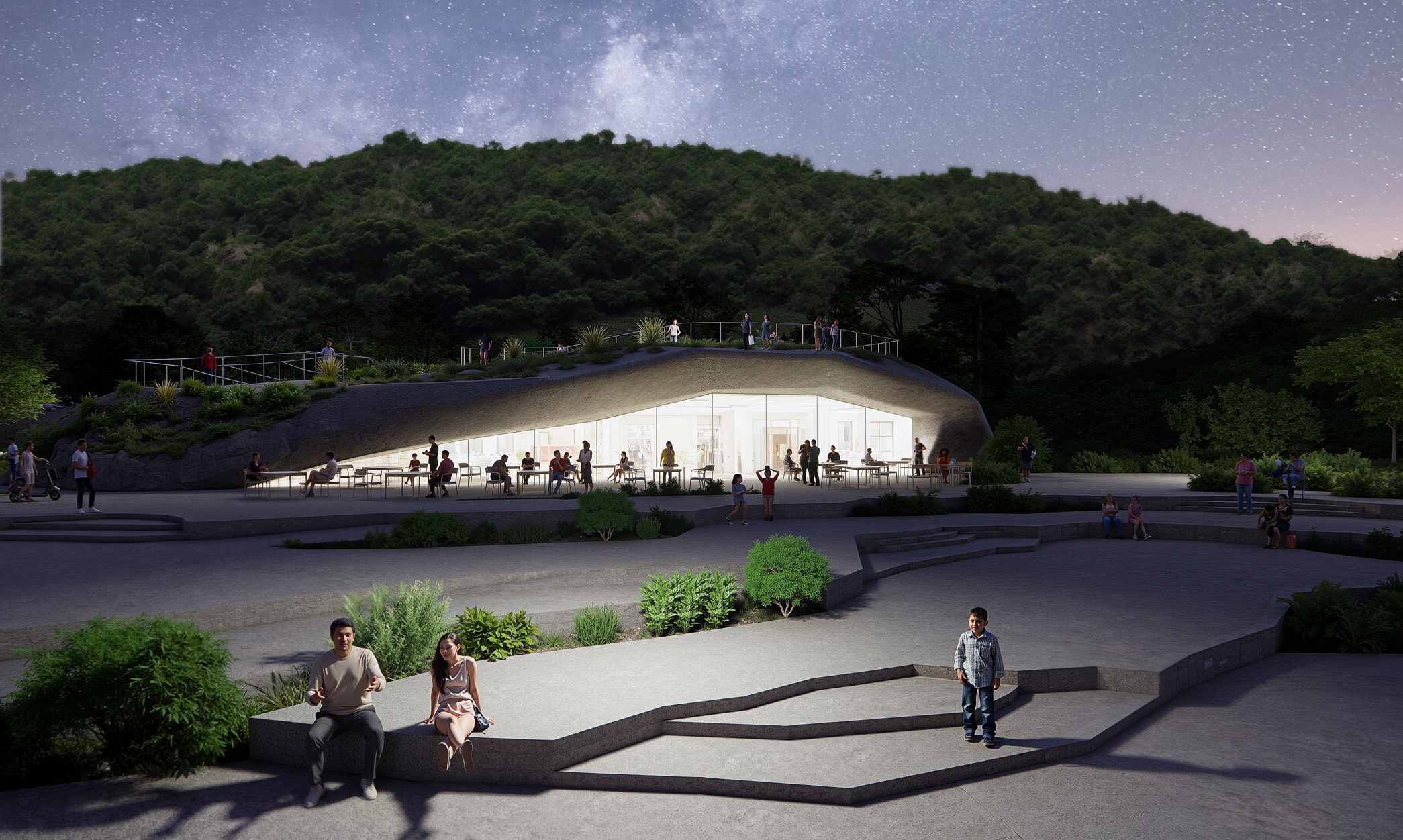
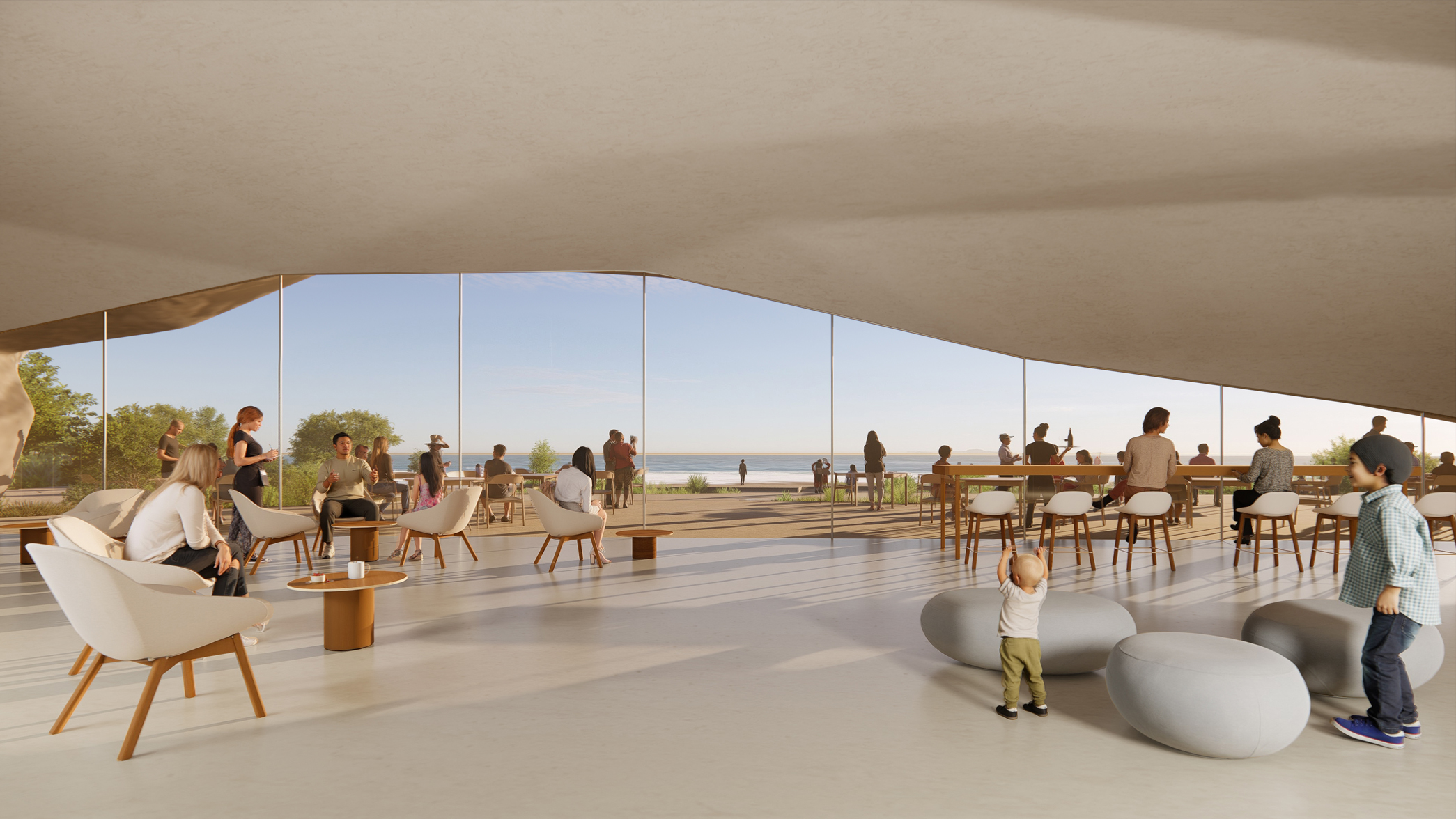
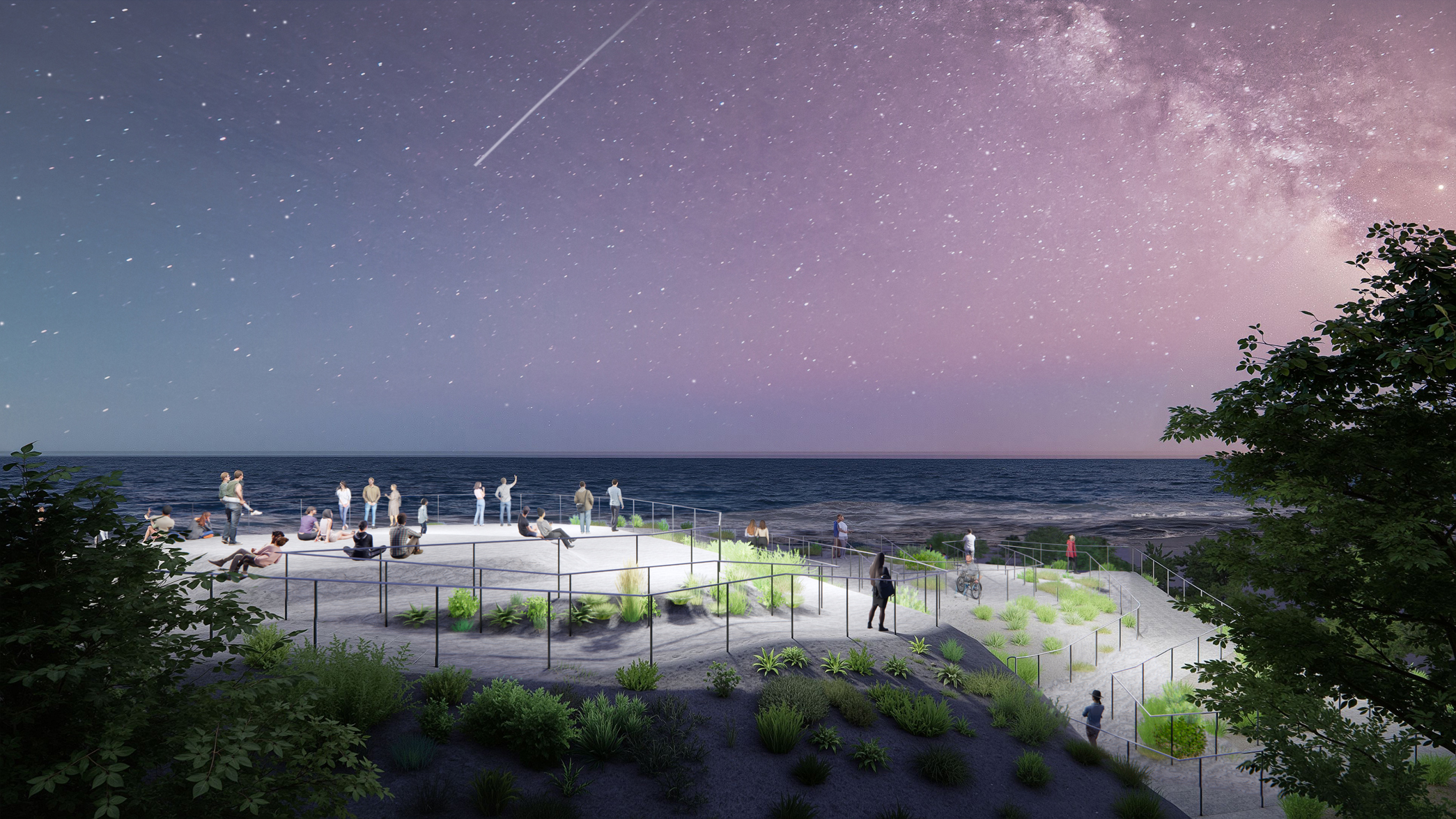
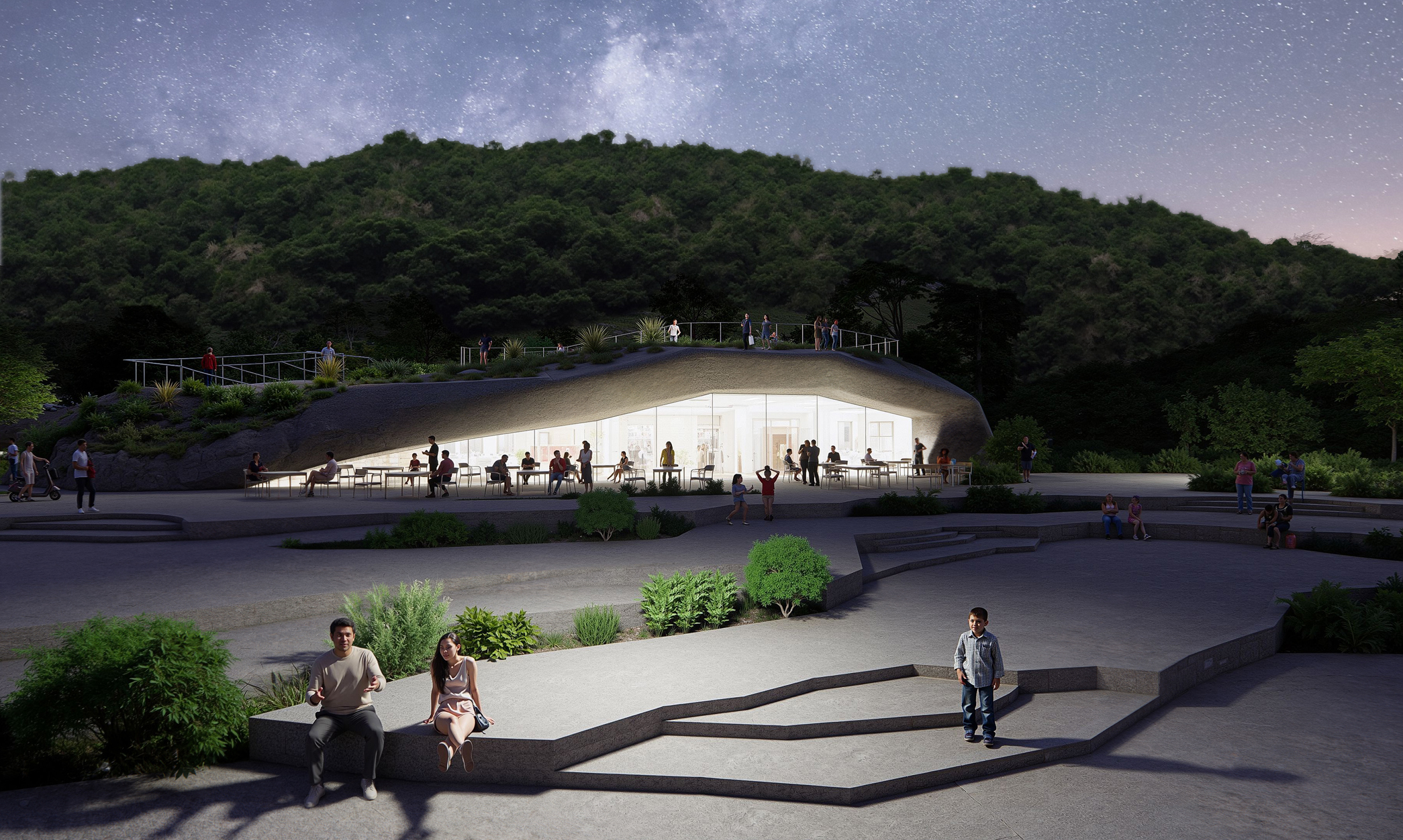
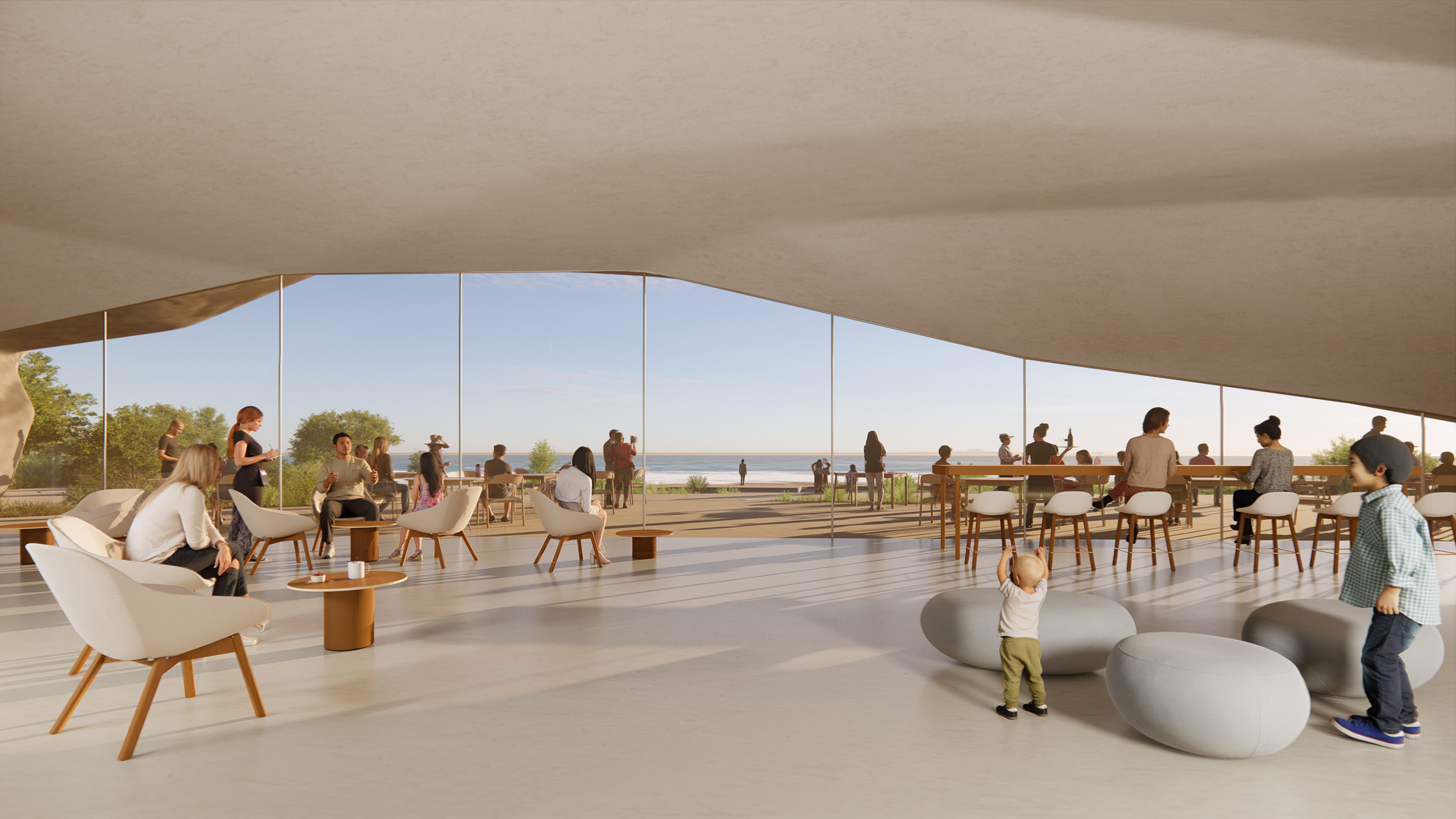
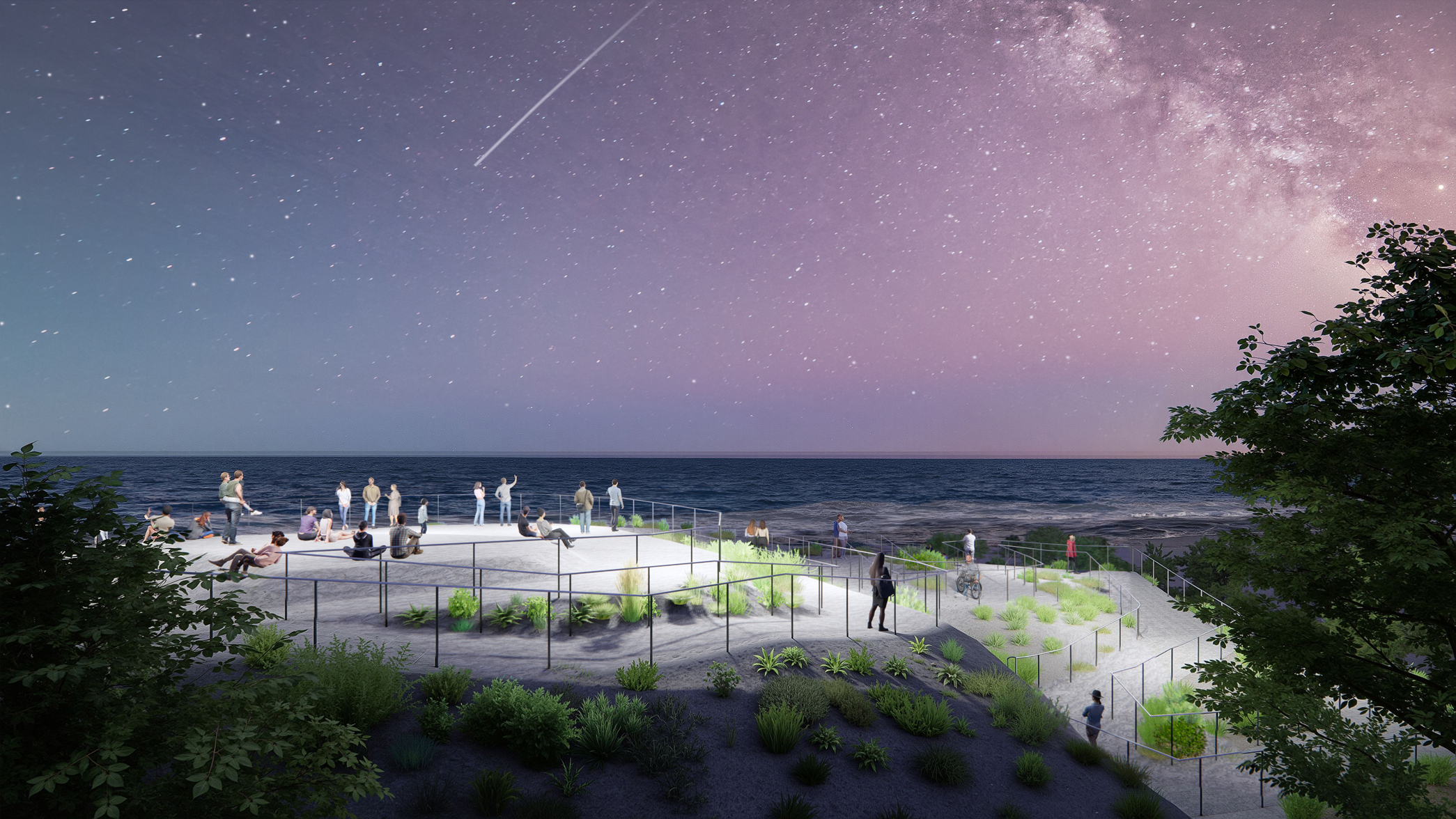
At the entrance to the park, three sculptural buildings form a welcoming cluster. The largest of these “rocks” houses the welcome centre, a café, and a souvenir shop. A second building provides spaces for exhibitions and environmental education, while the third contains restrooms. The main building’s roof doubles as a terrace for stargazing and panoramic views. This entrance cluster is set within a sloping landscape of small plateaus and plazas designed for events, markets, or simply to enjoy the view.
Beacon
For the rest of the route, the existing road will be transformed into a more accessible route for pedestrians, cyclists, and shuttle buses, as well as clear zones for movement and relaxation. Several smaller “stops” are positioned at existing points of interest: the stone viewing deck, a sea lookout point, and the waterfall. At each stop, the site's existing outdated structures are replaced with viewpoints, kiosks, and other facilities.
Stargazing platform
With this project, MVRDV aims to demonstrate how coastal areas can be upgraded in a respectful and sustainable way. The design for Jialeshui improves accessibility and creates a visitor-friendly environment without overbuilding or disrupting the environment, instead letting natural scenery take the lead in shaping the site’s future. At the same time, it supports the county’s ambition to position Jialeshui among Taiwan’s leading geological parks, enhancing its identity as a destination while preserving the qualities that make it unique.
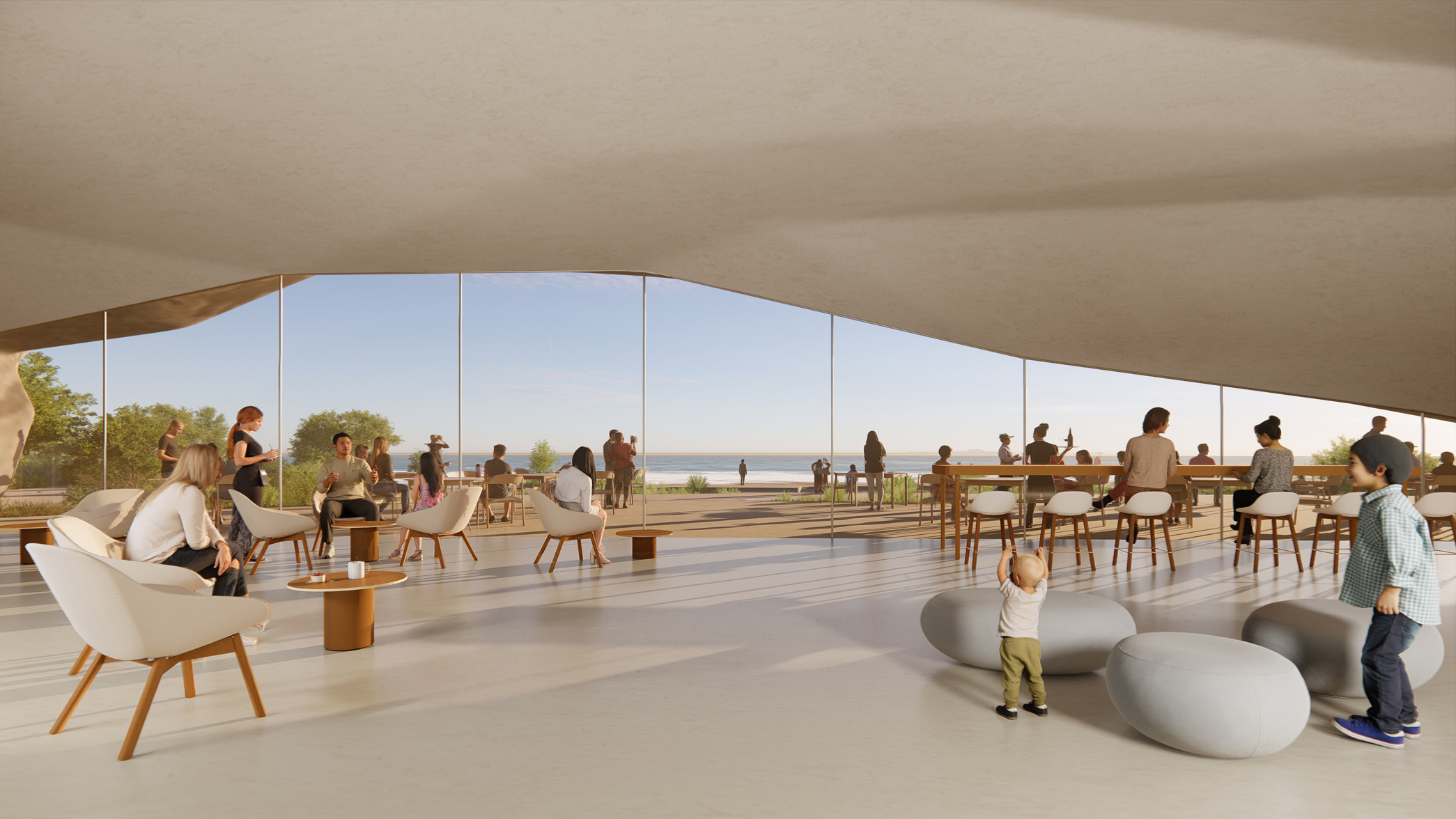
Cafe interior
虎丘科普基地概念策划与规划设计国际竞赛方案丨SPARK思邦
Wongwian Yai Residence丨HAA Studio
R-Mutt:小狗造型的城市雕塑丨SPARK思邦

Tiffany Façade Beijing | MVRDV

Wooden Wonders | MVRDV

Plum Village | MVRDV

东鹏工程馆丨广东东鹏控股股份有限公司

Gyeongdo 岛 - 以“自然”为动力的全新韩国可持续休闲目的地

谷歌开发者社区丨不为变现,只为Coding而生

订阅我们的资讯
切勿错过全球大设计产业链大事件和重要设计资源公司和新产品的推荐
联系我们
举报
返回顶部