


Ecatepec Bicentennial Park | Taller Capital
Taller Capital ,发布时间2025-01-02 19:46:42





Project Name: Ecatepec Bicentennial Park
Location: Ecatepec de Morelos, Mexico
Area: 200,000㎡
Year: 2023
Design Office: Taller Capital
Lead Architects: Loreta Castro Reguera, José Pablo Ambrosi
Design Team: José Pablo Ambrosi, Loreta Castro Reguera , Lorena Chávez Sánchez, Catalina Vega de la Mora, Manuel Abad Ventura, Mariana Bobadilla, Diego García
Hydrology: Ing. Juan Ansberto Cruz Gerón
Soil Engineer: Ing. Elvira León Plata
Structural Engineering: Ing. Gerson Huerta García
Landscape Designers: Etapa 1: Ignacio Graf, Etapa 2: Tonatiuh Martínez
Phase 01 Builders: Grupo Promotor de Vivienda para México S.A. de C.V./ Ing. Andrés Manzanares Hernández/ Ing. Pedro Inostrosa Diaz Ceballos
Photo Credits:Rafael Gamo, Alejandra Romo, Loreta Castro Reguera
版权声明:本链接内容均系版权方发布,版权属于 Taller Capital,编辑版本版权属于设计宇宙designverse,未经授权许可不得复制转载此链接内容。欢迎转发此链接。
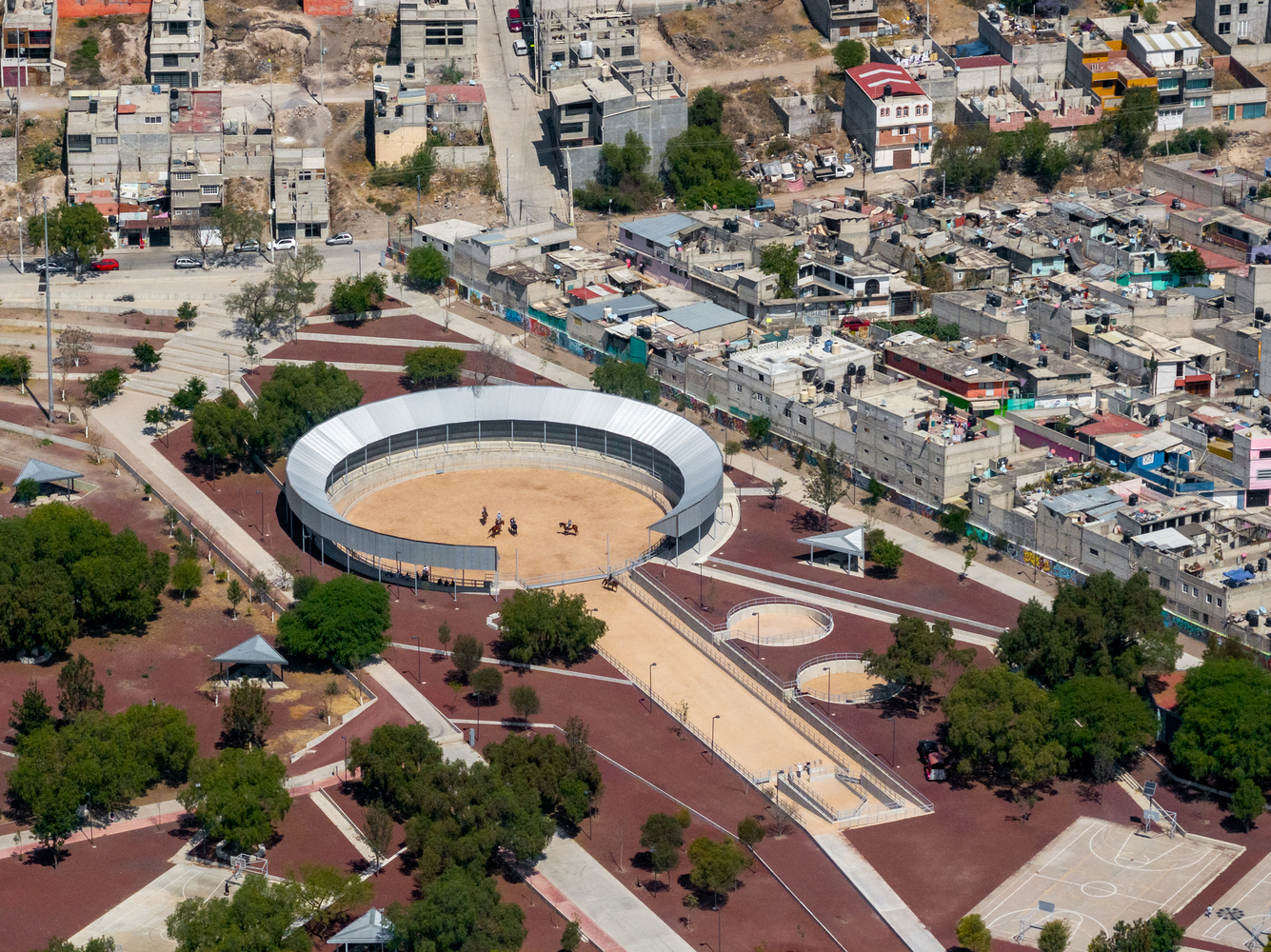
Bicentennial Park is a twenty-hectare intervention in Ecatepec, the second most populous municipality in Mexico and part of the metropolitan area of Mexico City. It’s built on a formerly enclosed and abandoned public space. Its transformation combines soft infrastructure strategies for water management through public space, addressing social and environmental needs.


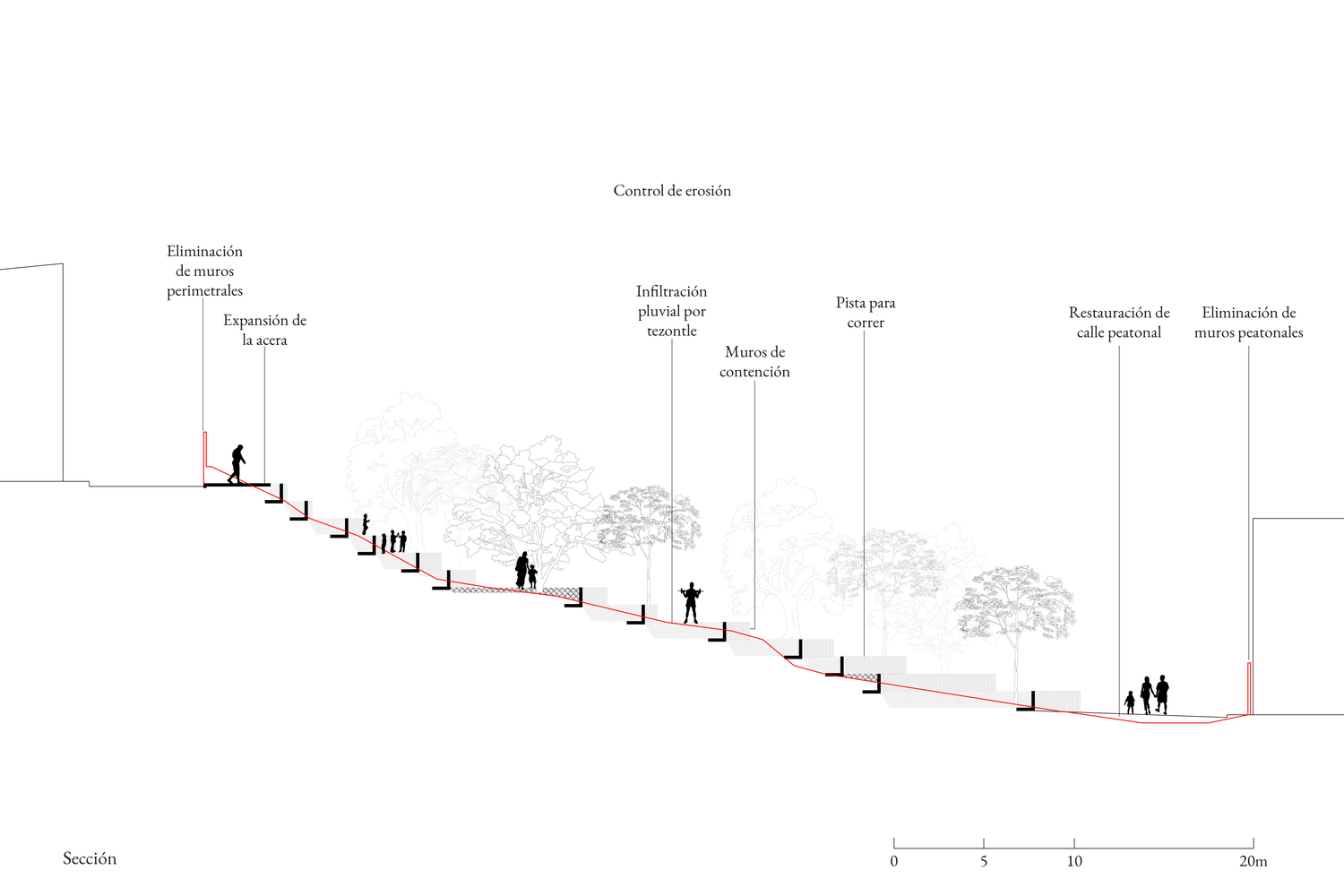
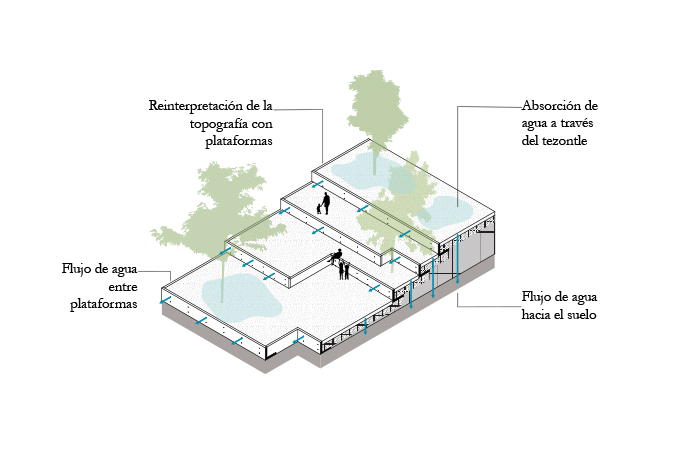
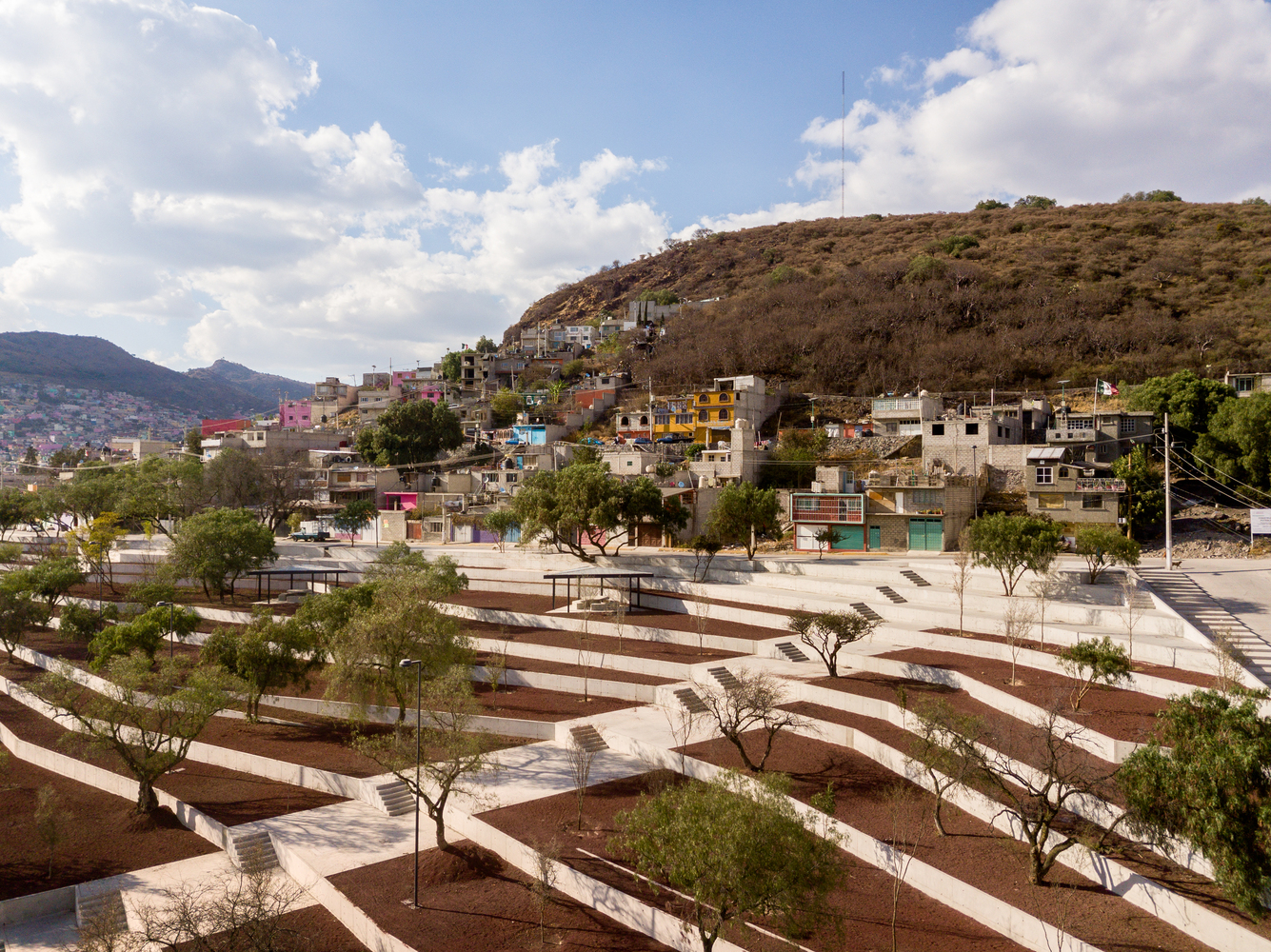
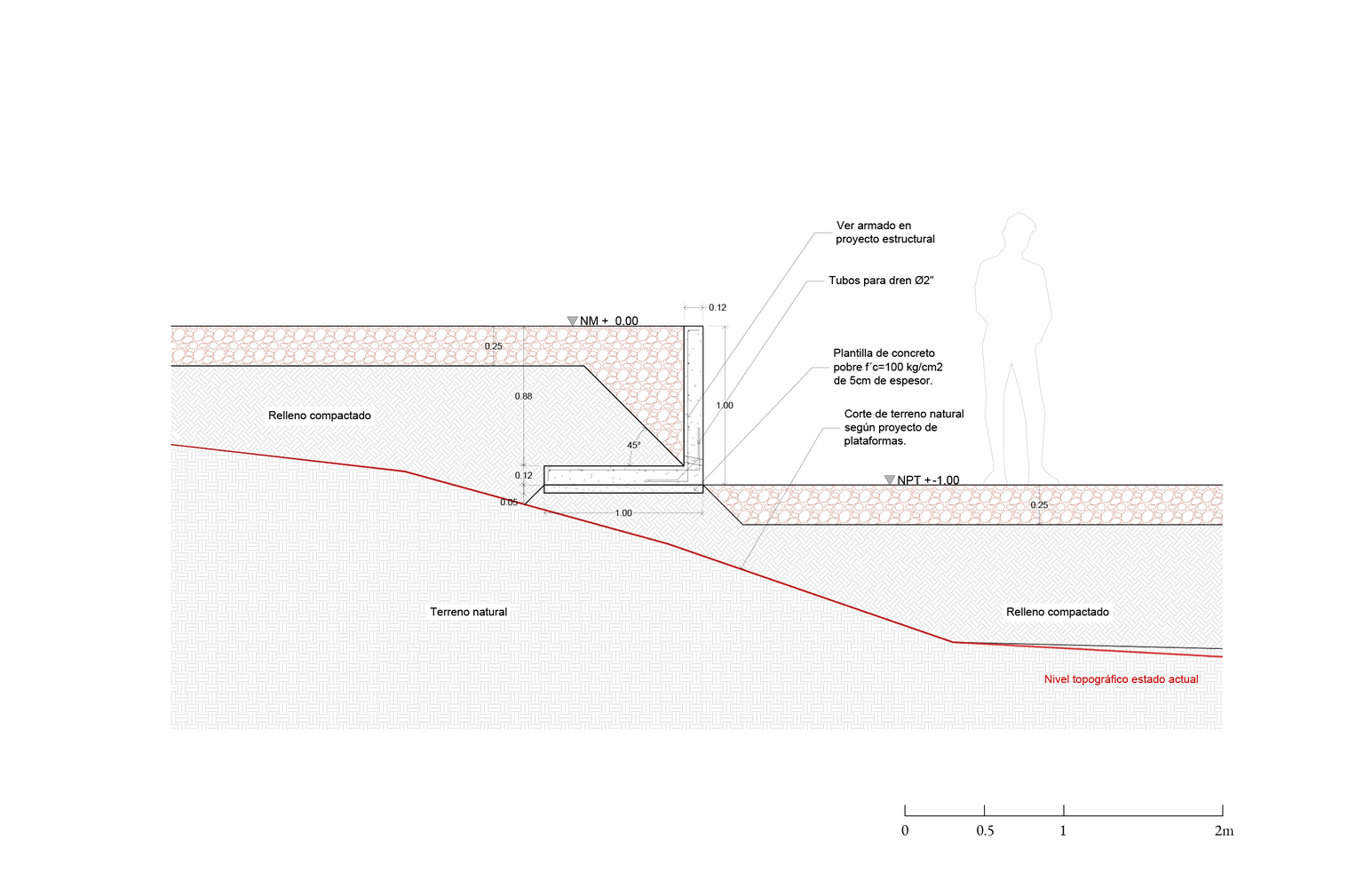
The design results from an efficient construction system to build water retention terraces and control erosion on sloped terrain. L-shaped concrete retaining walls and a very limited number of architectural details, such as bleachers and ramps, do the job. The project integrates landscape, water management, and urban design into a typology where the project functions as an active agent for the better functioning of both environmental and urban contexts.


To address insecurity and crime, the surrounding fence was removed. The project now connects the neighborhoods to the north and south of the park, extending former dead-end streets and designing them as elements of pedestrian mobility and programming, which traverse the intervention and allow for connectivity. A lookout tower was added in the least visited area, enhancing its use by the public while also becoming an important surveillance element. A lighting system allows for nighttime use of the space. Low-lying vegetation was removed to favor cross views, while the number of trees was multiplied to provide shaded areas.


The project introduced activities on the new cross streets: play areas, calisthenics, and parkour zones were added. A series of new rest areas and kiosks were placed in different parts of the park. Pre-existing and deteriorated sanitary structures were recycled, becoming buildings that allow for sound permeability, natural light, and ventilation.

Bicentennial Park is deeply connected to its environmental context, favoring the territory's water management capacity. Its design responds to its location on a hillside, providing an ideal environment for the natural infiltration of rainwater and runoff, replenishing the aquifer in the overexploited Mexico City basin. Therefore, the main design strategy consisted of transforming the hillside into terraced land, a historical method to mitigate erosion, retain soil, and promote water retention. All the park's terraces are filled with tezontle, a local porous volcanic gravel that retains water and acts as a sponge, slowly channeling rain and runoff into the subsoil. This method has also proven effective in mitigating floods and preventing erosion throughout the park area. Additionally, it has facilitated the growth of 450 trees planted to improve the canopy cover. Furthermore, a 17,500 m³ regulating basin was built to capture runoff from a seasonal stream that used to flood the urban area downstream, with the water intended for the urban drainage system.


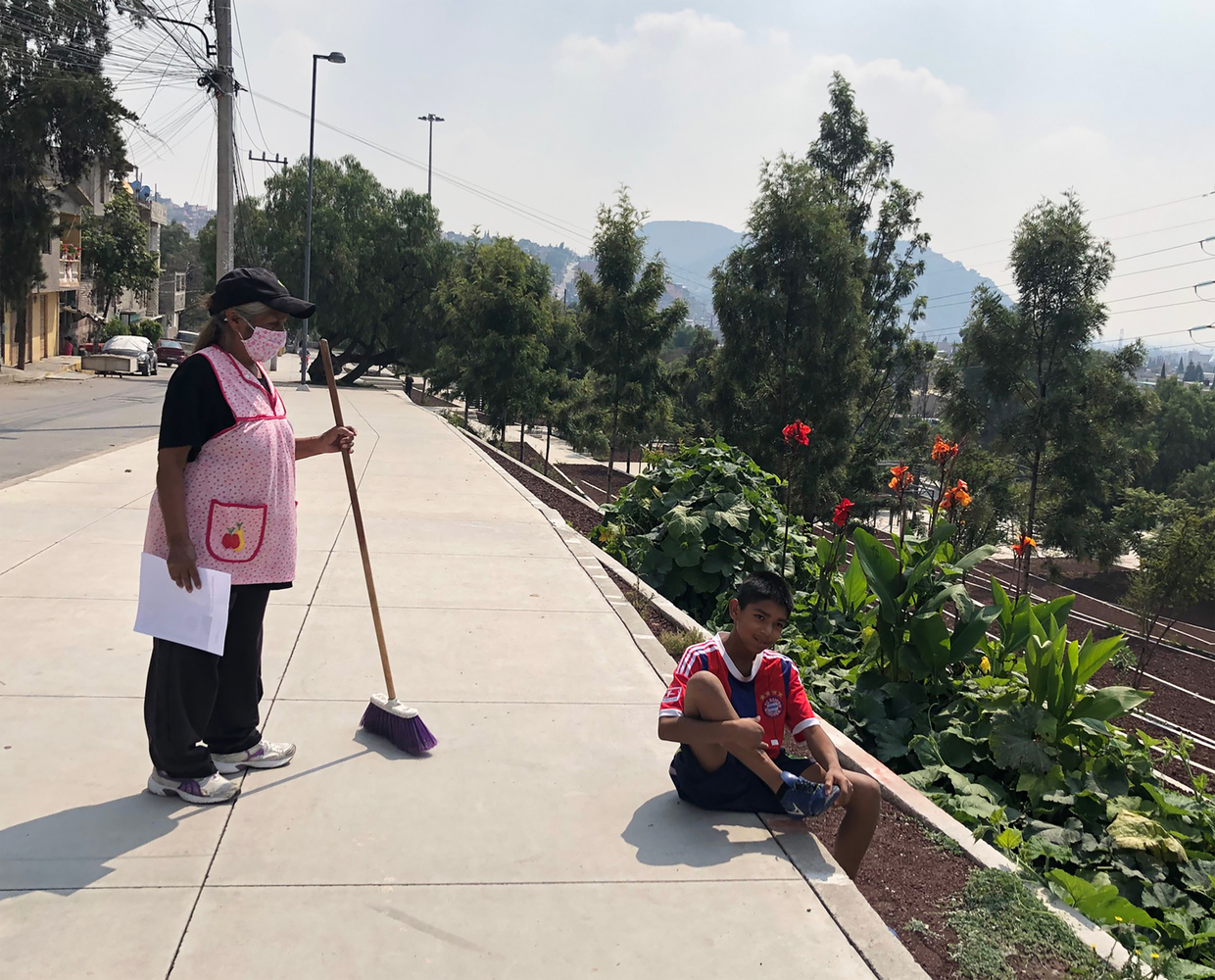
This intervention has transformed the conditions of the former park, whose high-maintenance design created a negative perception among the community. Today, it has become an important soft infrastructure for water management that has decisively improved the community's relationship with its immediate environmental and urban surroundings.


Bicentennial Park is an excellent example of how architecture, landscape, and urban design projects can retroactively and positively transform space. It was designed for an informal area of the city already settled: disconnected within itself, prototypical of insecurity, lacking good quality open spaces, and with enormous water management problems. The design considered this, shaping the proposal to respond to these issues directly.

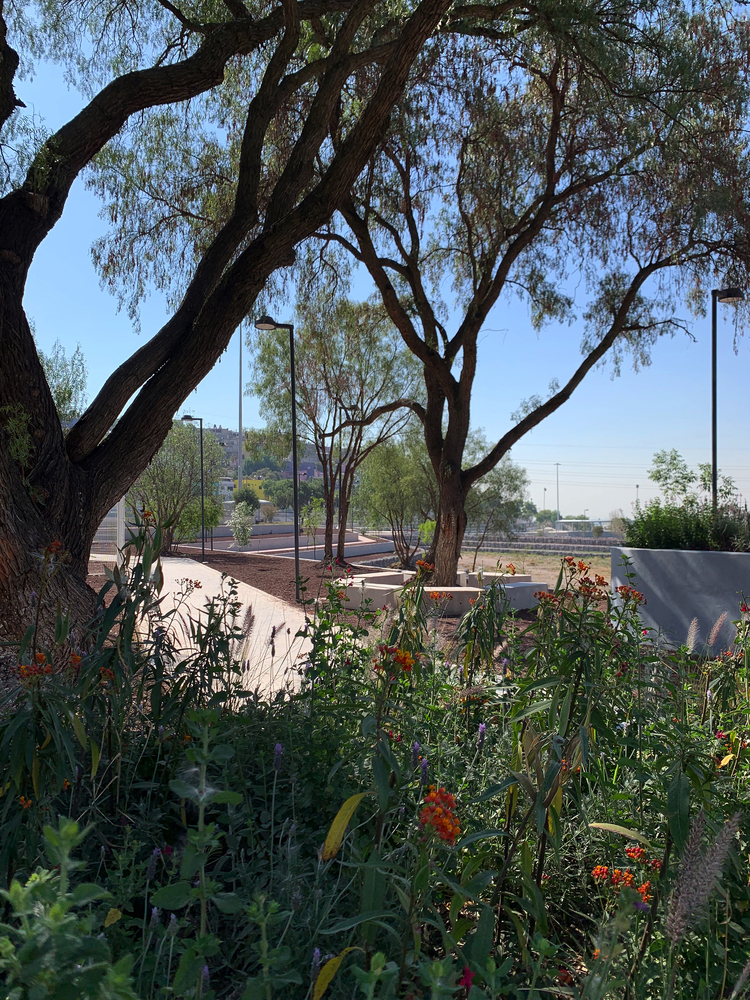
We are convinced of architecture’s power to become an agent of urban transformation, reestablishing a harmonious relationship with the environment and providing safe places for human encounters. Our profession is capable of and needs to deeply commit to solutions for the world’s current ecological and social problems. Architecture has always been a catalyst for environmental transformation. Under current conditions, it must become a powerful tool to restore balance.

© Taller Capital

© Taller Capital

© Taller Capital

© Taller Capital
© Taller Capital
© Taller Capital

© Taller Capital









Cloud 11 | Snøhetta

Halo丨The Pinewood Studio
气候盒子 | “空间之间”CQU Inter-Space Studio工作室
Ecatepec Bicentennial Park | Taller Capital

ZONES I POLY VOLY 新办公空间丨众舍设计事务所

气泡宇宙 | VAVE Studio

深圳湾超级总部基地城市展厅改造设计丨PILLS

订阅我们的资讯
切勿错过全球大设计产业链大事件和重要设计资源公司和新产品的推荐
联系我们
举报
返回顶部