
Ōmori House | Roovice, Japan
Roovice ,发布时间2024-08-16 10:07:00







Project Name: Ōmori House
Location: Tokyo, Japan
Design & Construction: Roovice
Lead Architect & Site Manager: Natsuki Murakami
Photography: Akira Nakamura
版权声明:本链接内容均系版权方发布,版权属于 Roovice,编辑版本版权属于设计宇宙designverse,未经授权许可不得复制转载此链接内容。欢迎转发此链接。
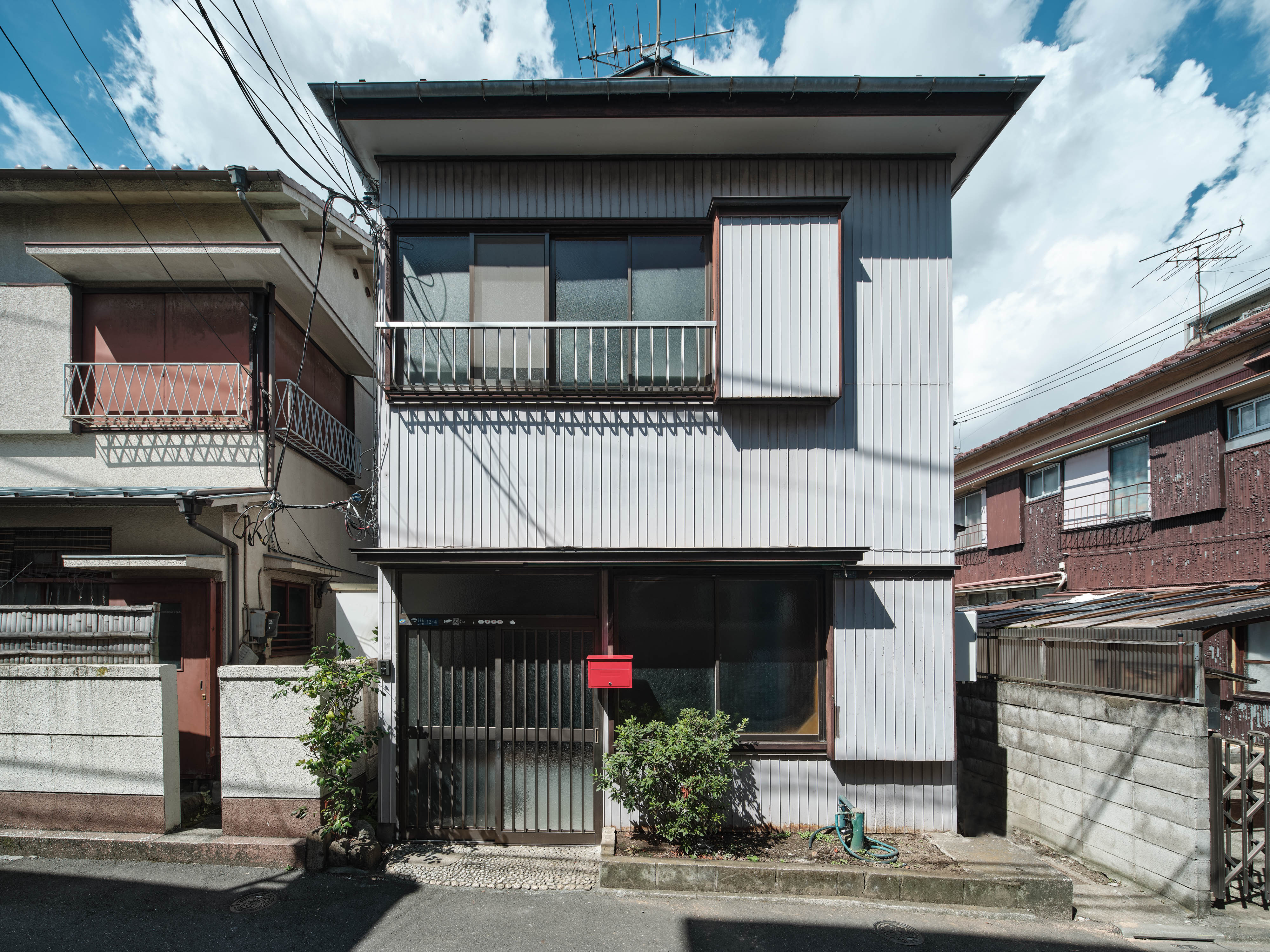
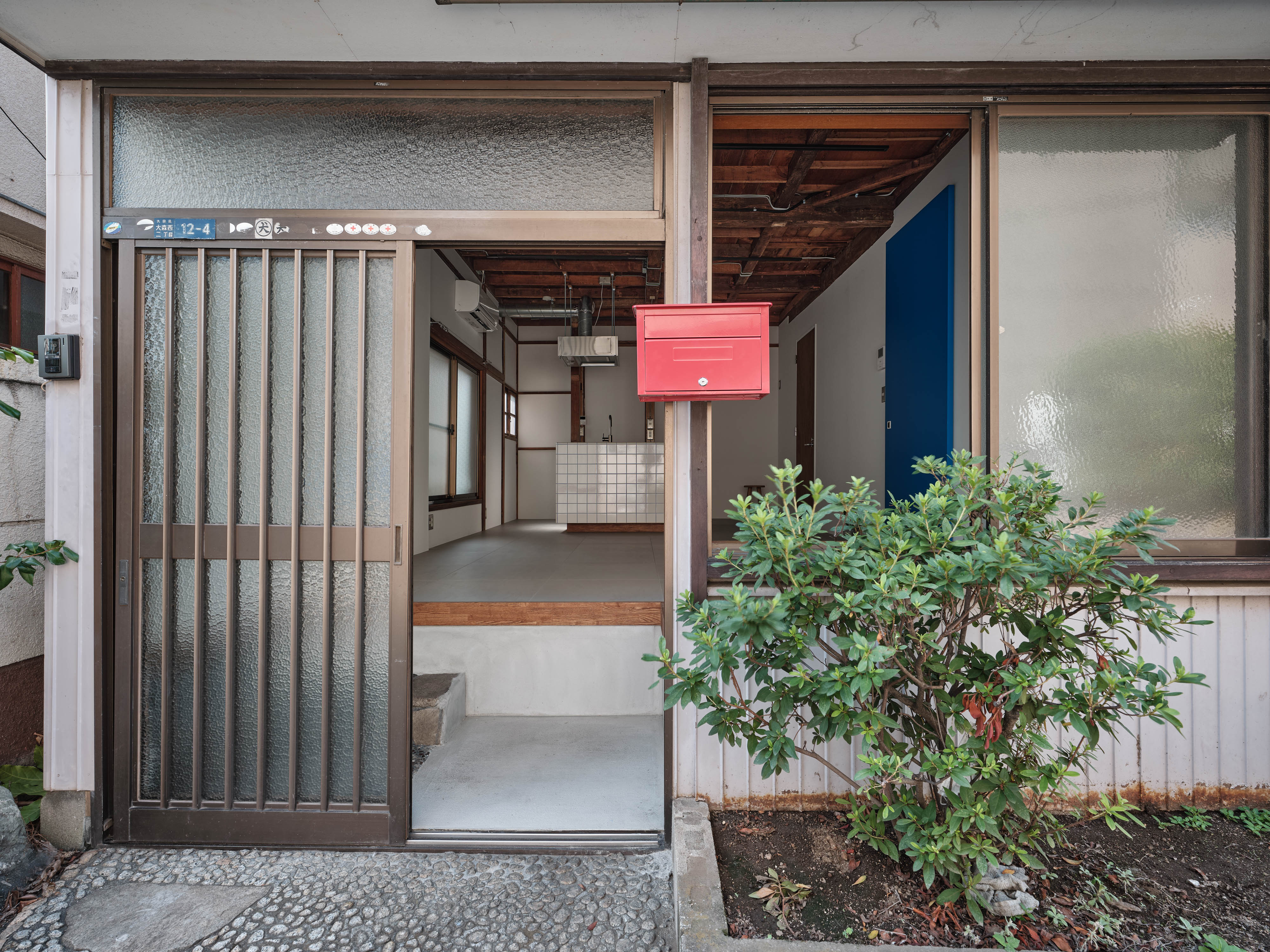
The Ōmori House, a 60-year-old, two-storey wooden residence situated in the Ōta ward of Tokyo, stands as a testament to the architectural heritage of the area. This dwelling encapsulates a retro aesthetic that harmonizes seamlessly with its surroundings.
Having housed a long-term tenant, the property then faced a period of over 10 years of vacancy due to its age and the owner's concerns over marketability. In a fortuitous turn of events, the property owner became acquainted with our Kariage initiative and chose to engage with it. This initiative specializes in revitalizing and subleasing aging, unoccupied properties at no cost to the owner, offering a creative solution to Japan's prevalent issue of vacant homes, known as akiya.
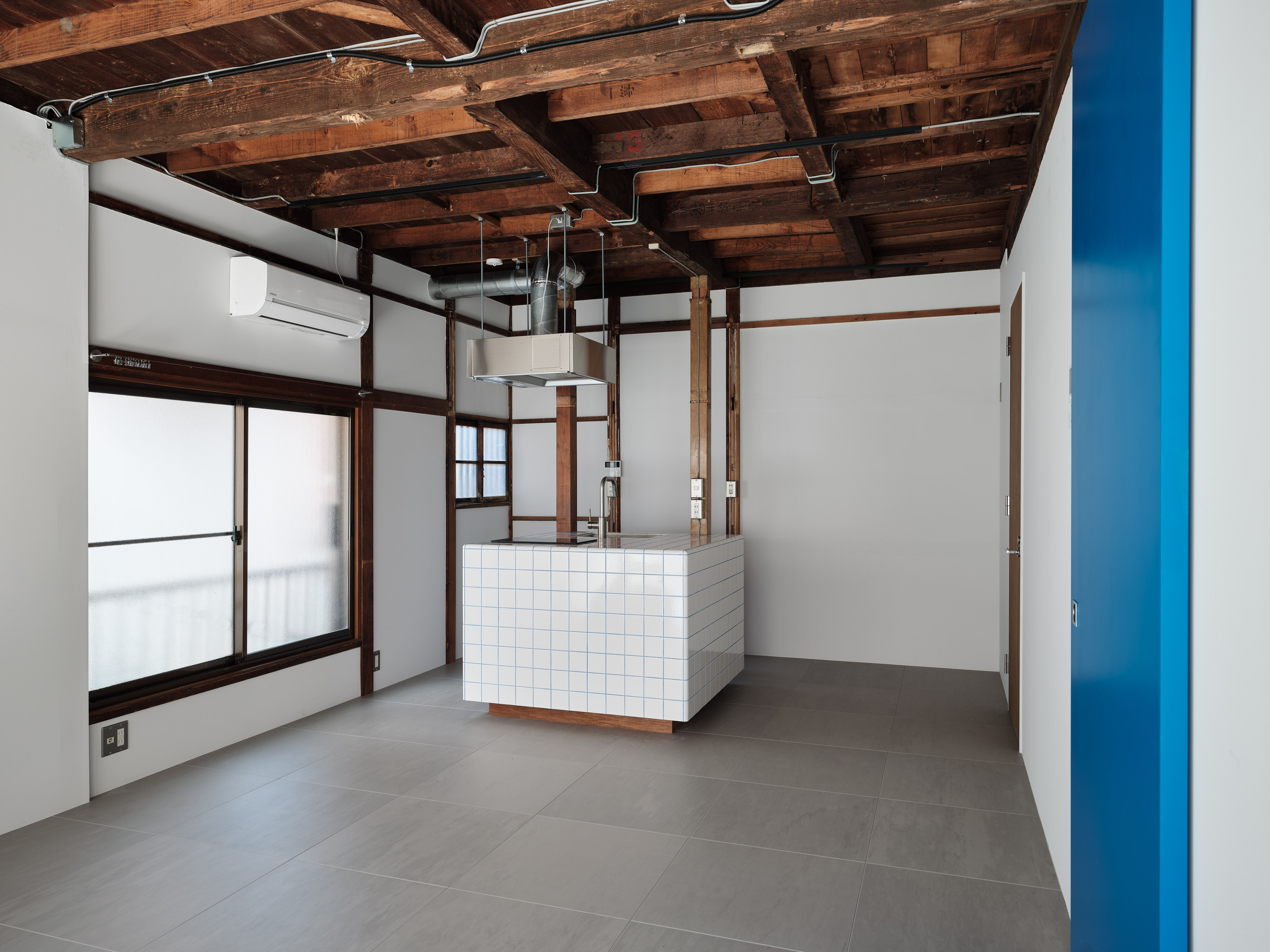
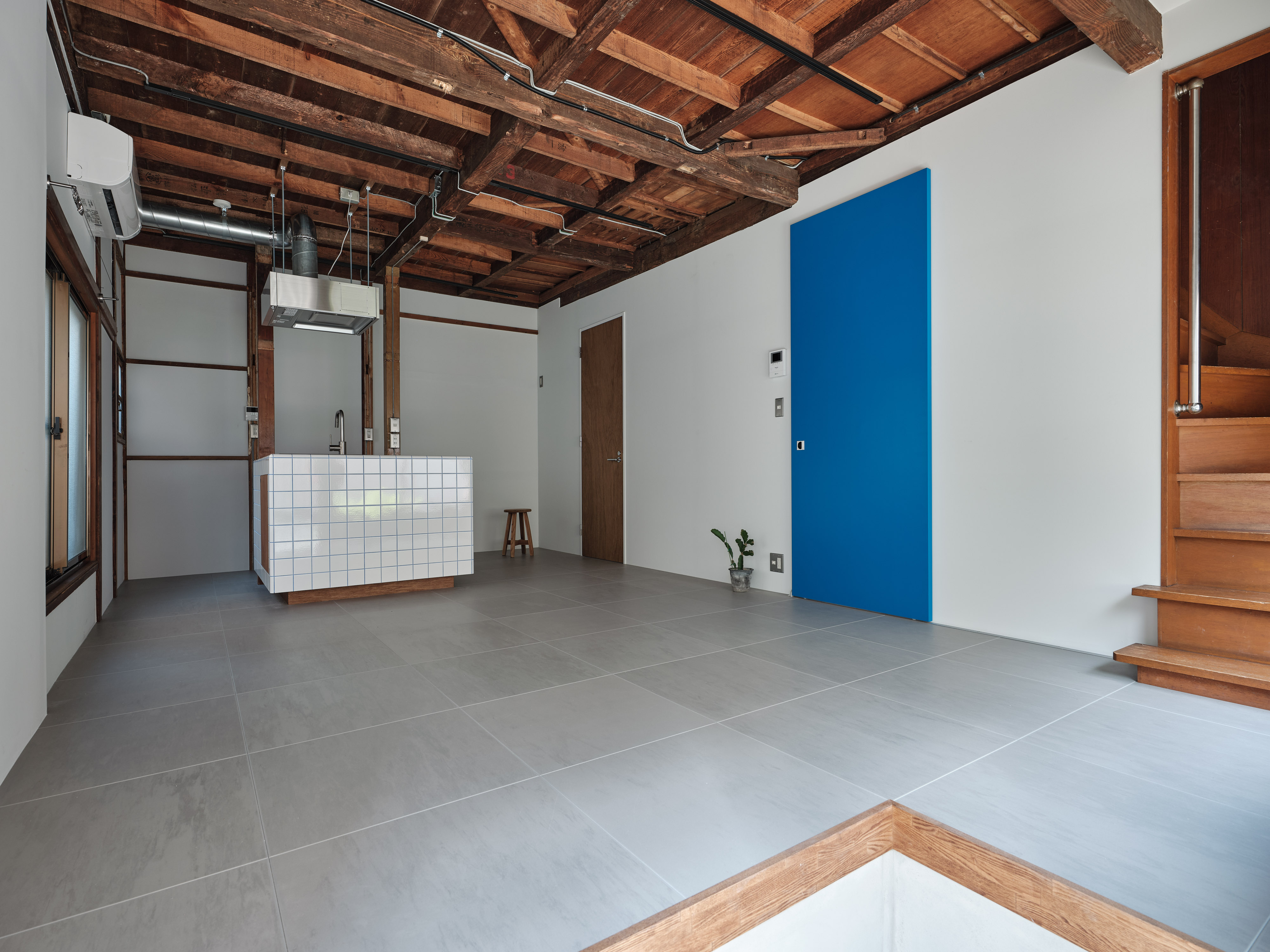
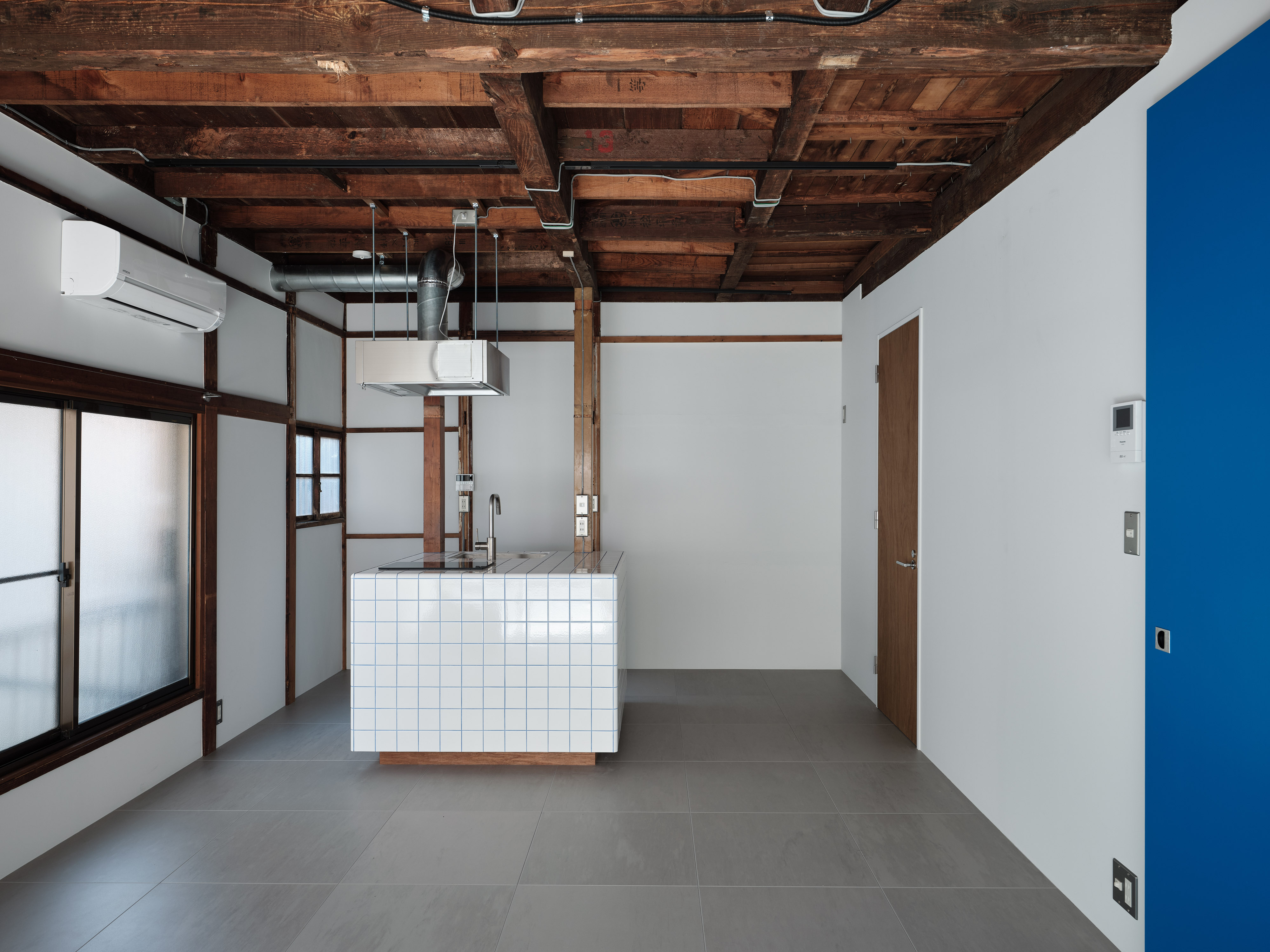
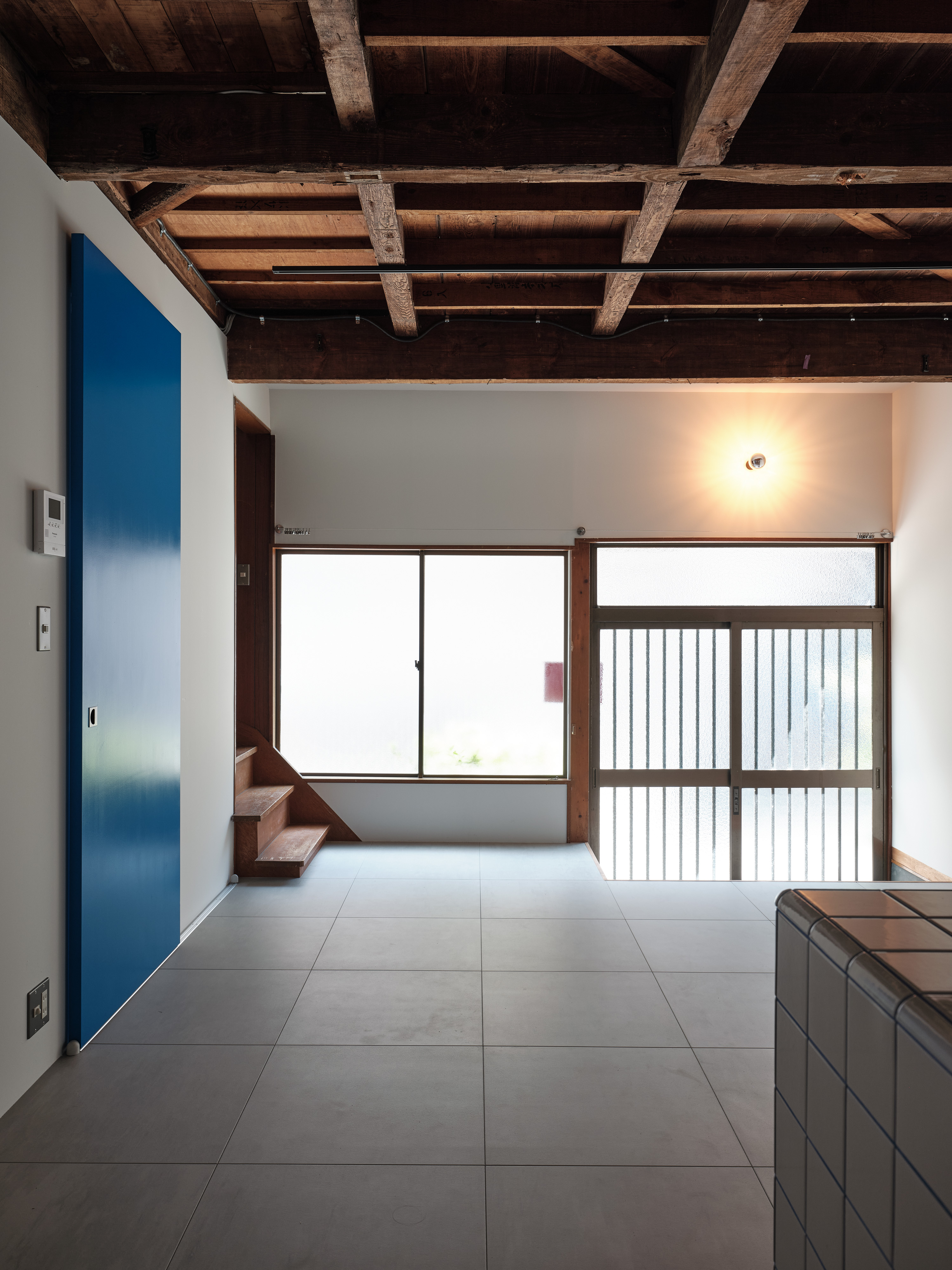
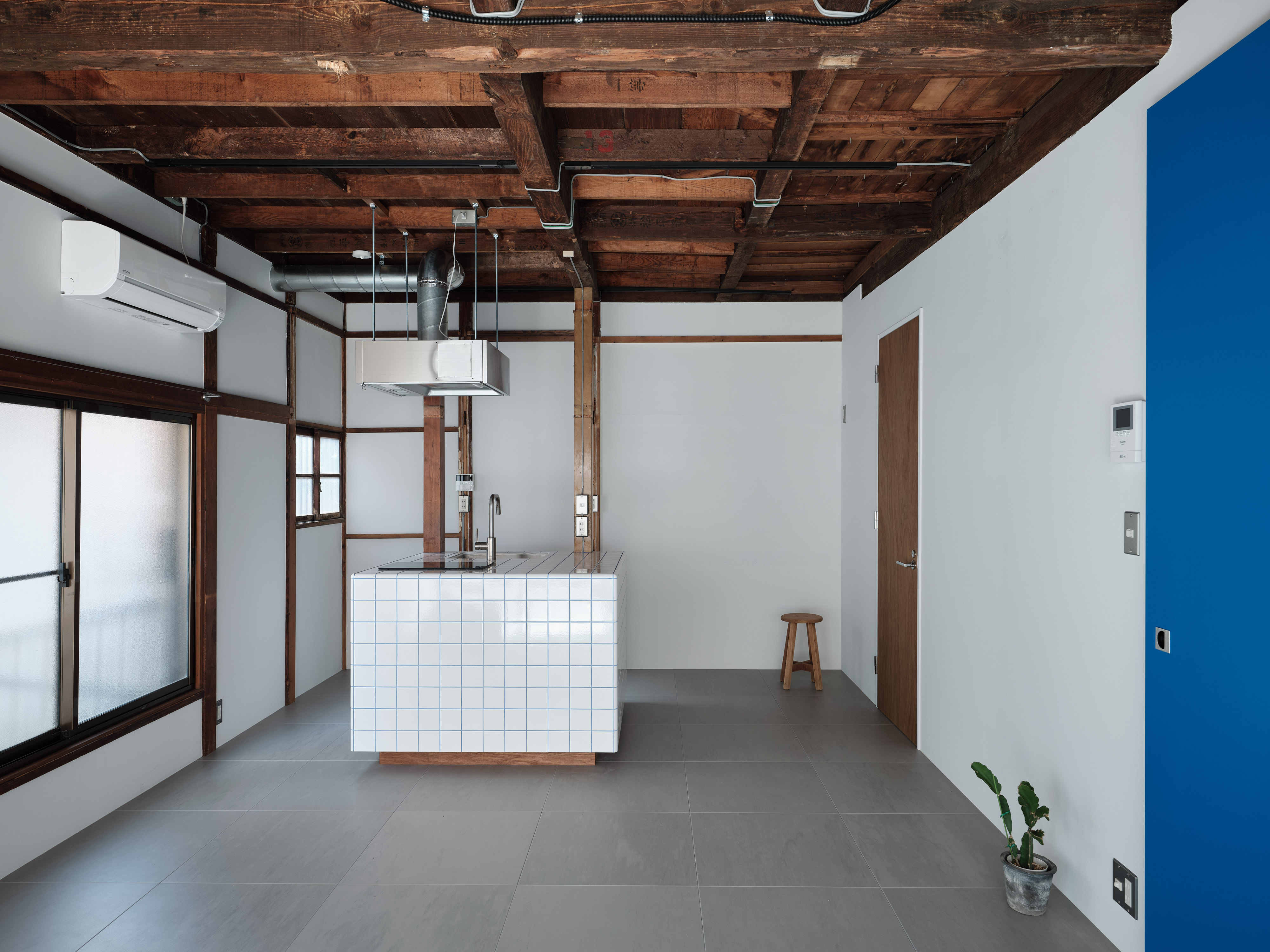
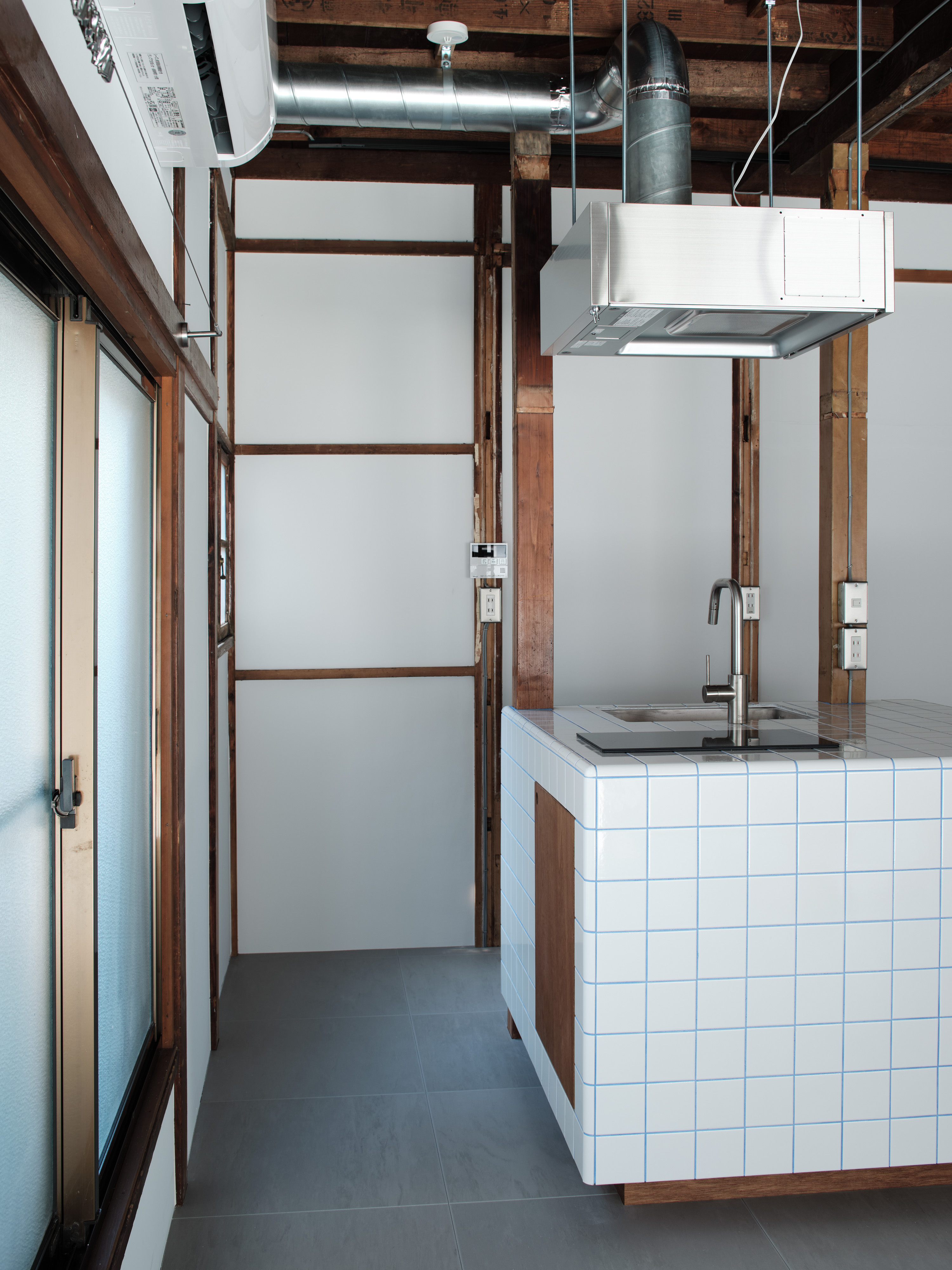
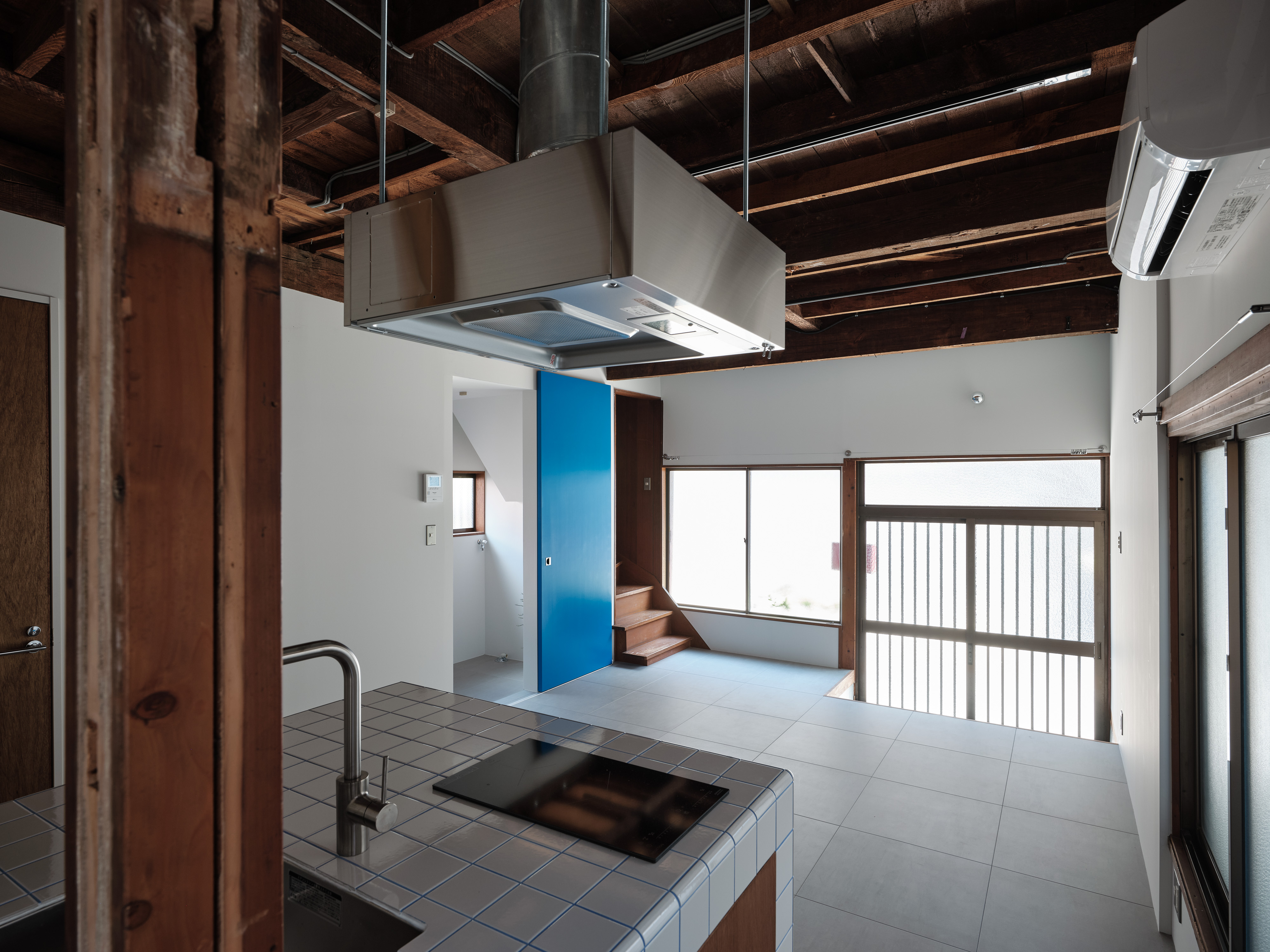
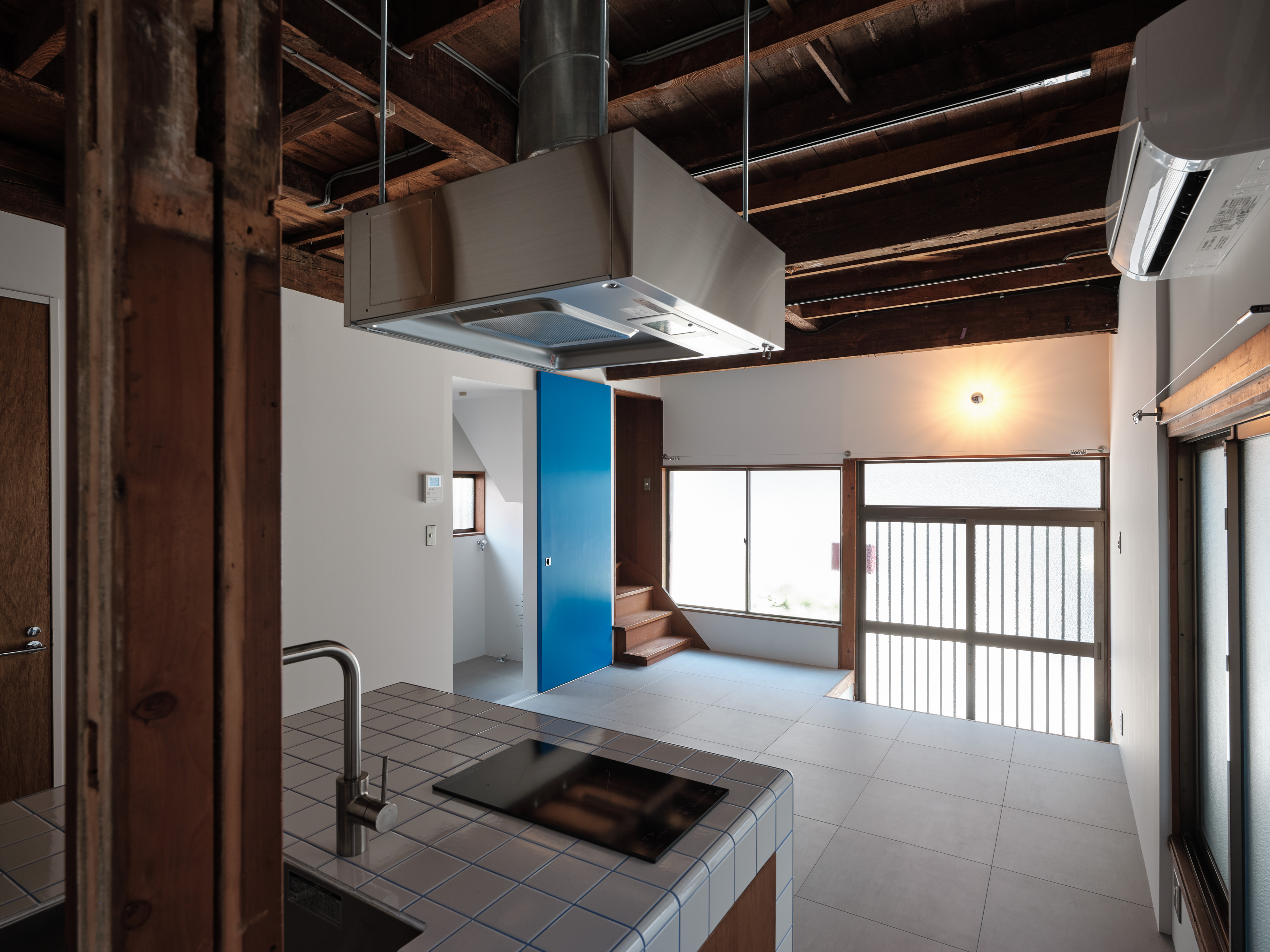
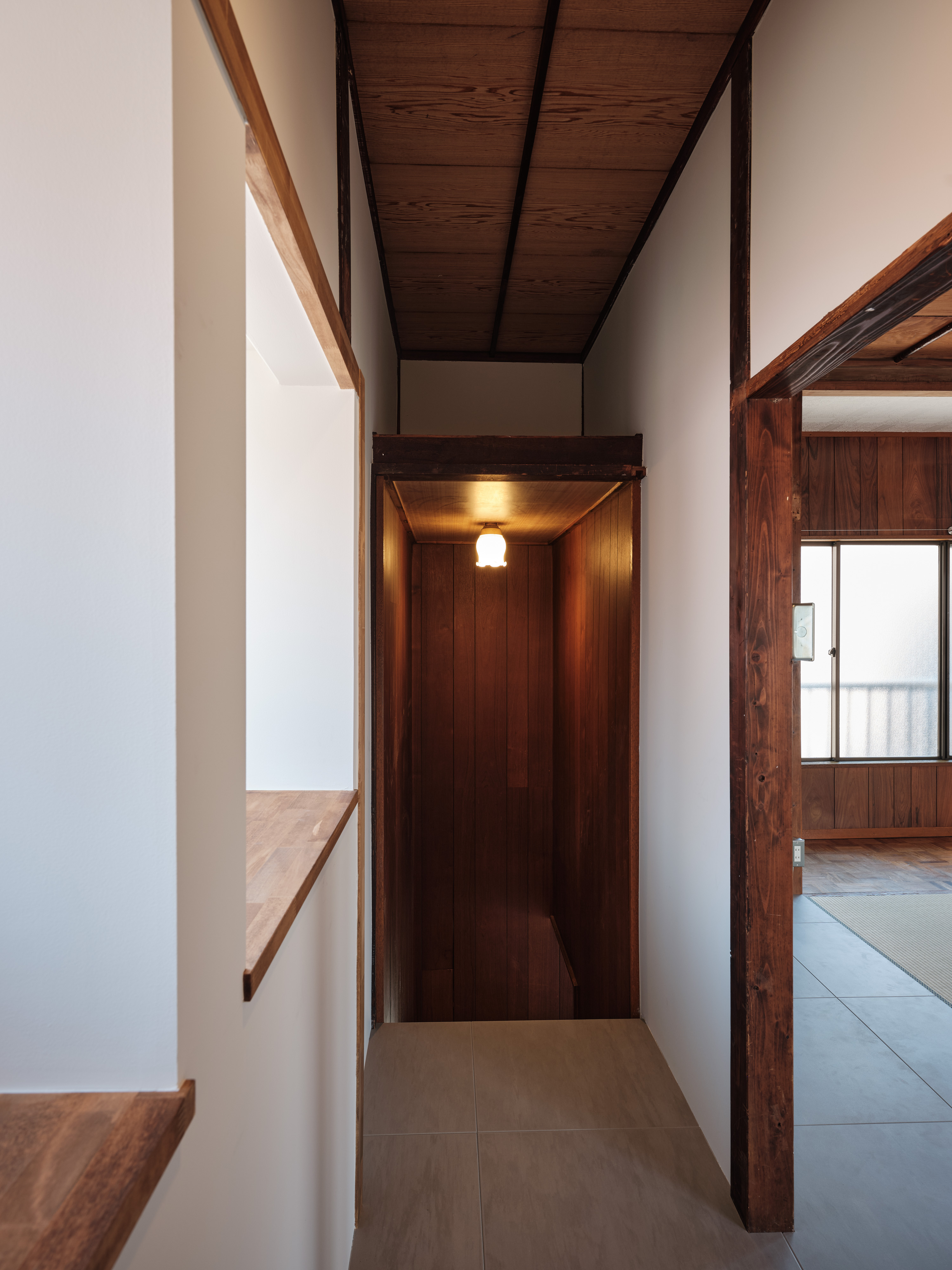
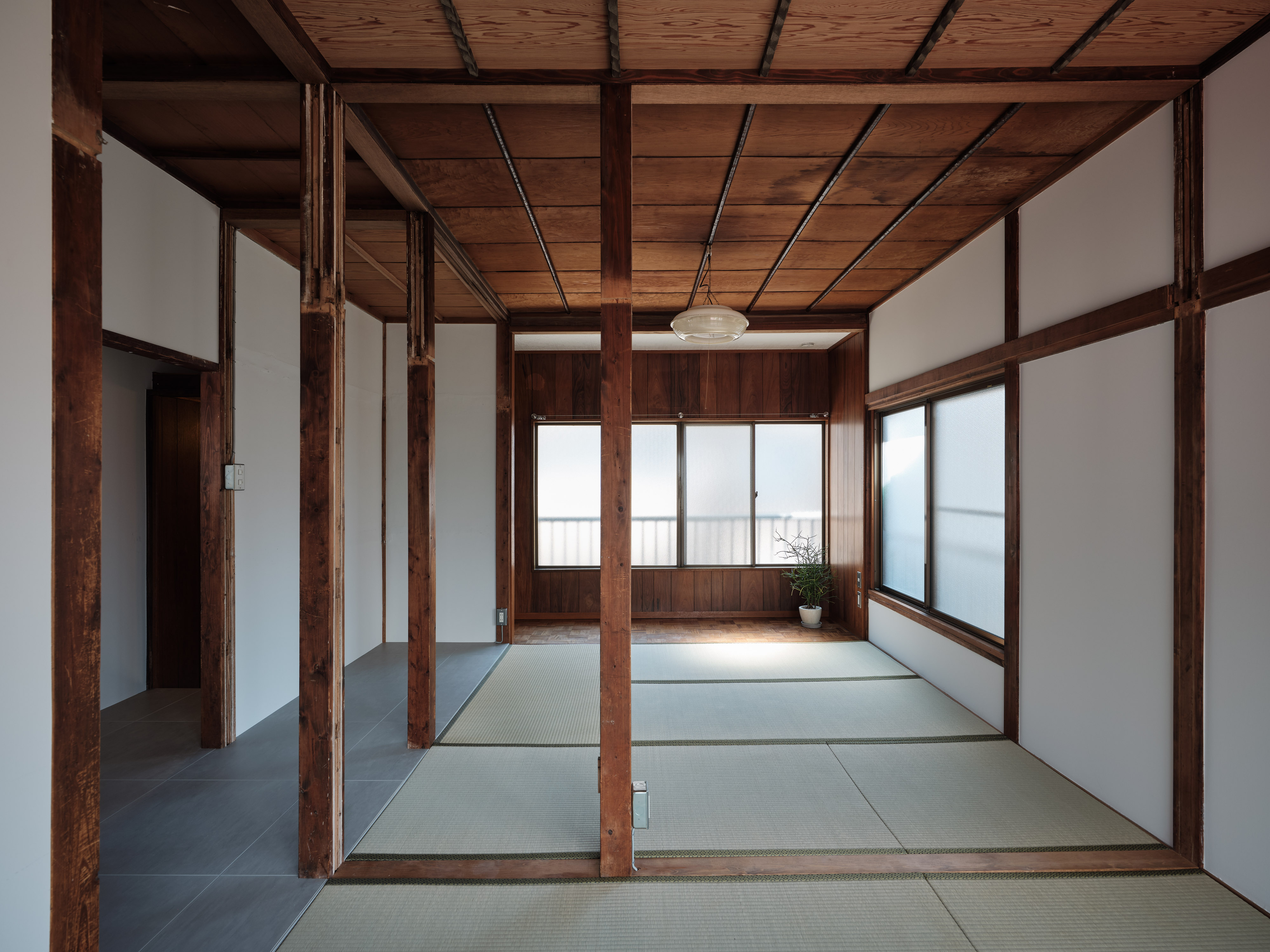
Challenged by the limited natural light infiltrating from the southern side of the house, our approach focused on eliminating superfluous partitions and fixtures, converting each floor into harmonious open spaces where light and breezes can pass through the interior.
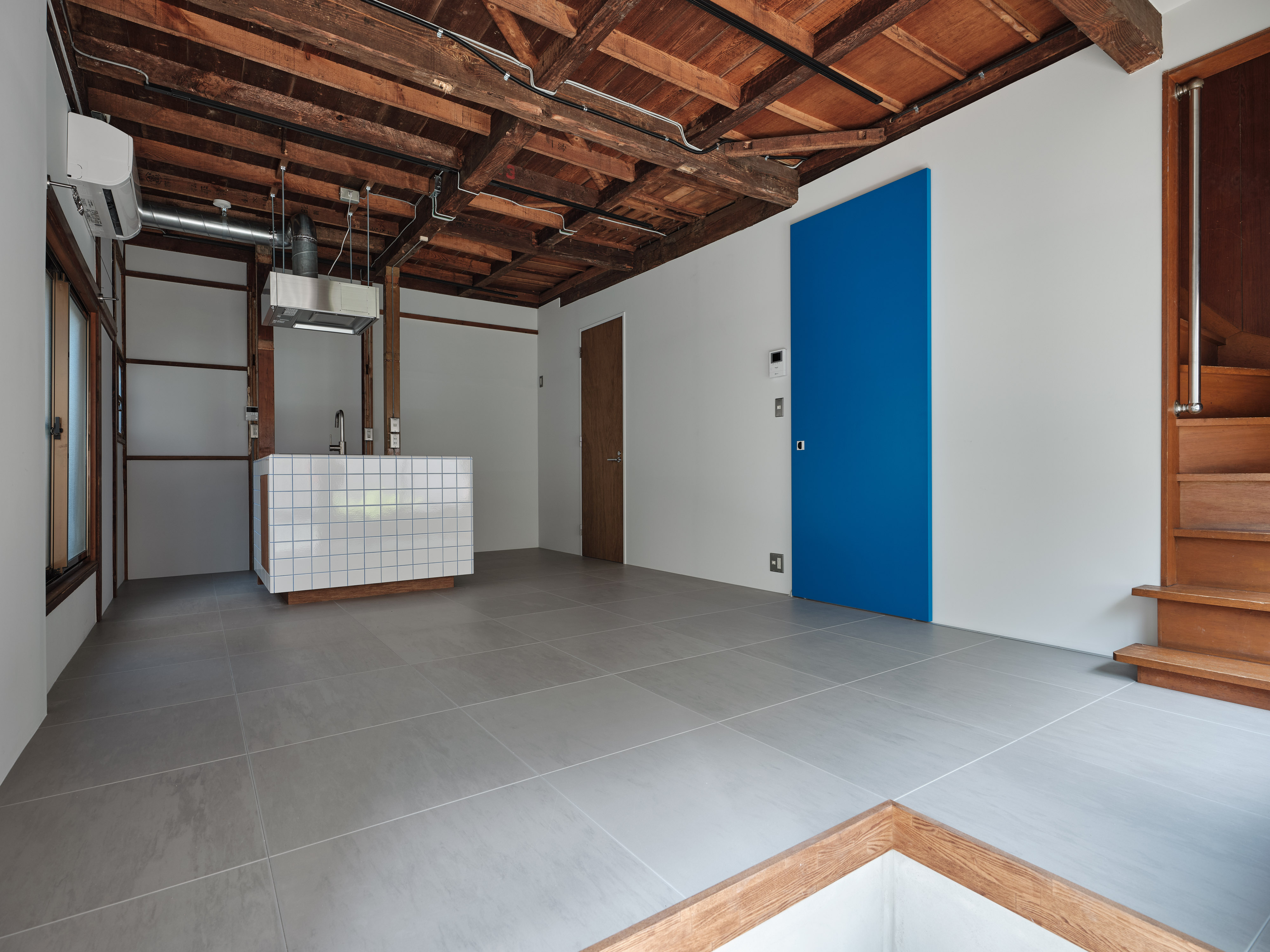
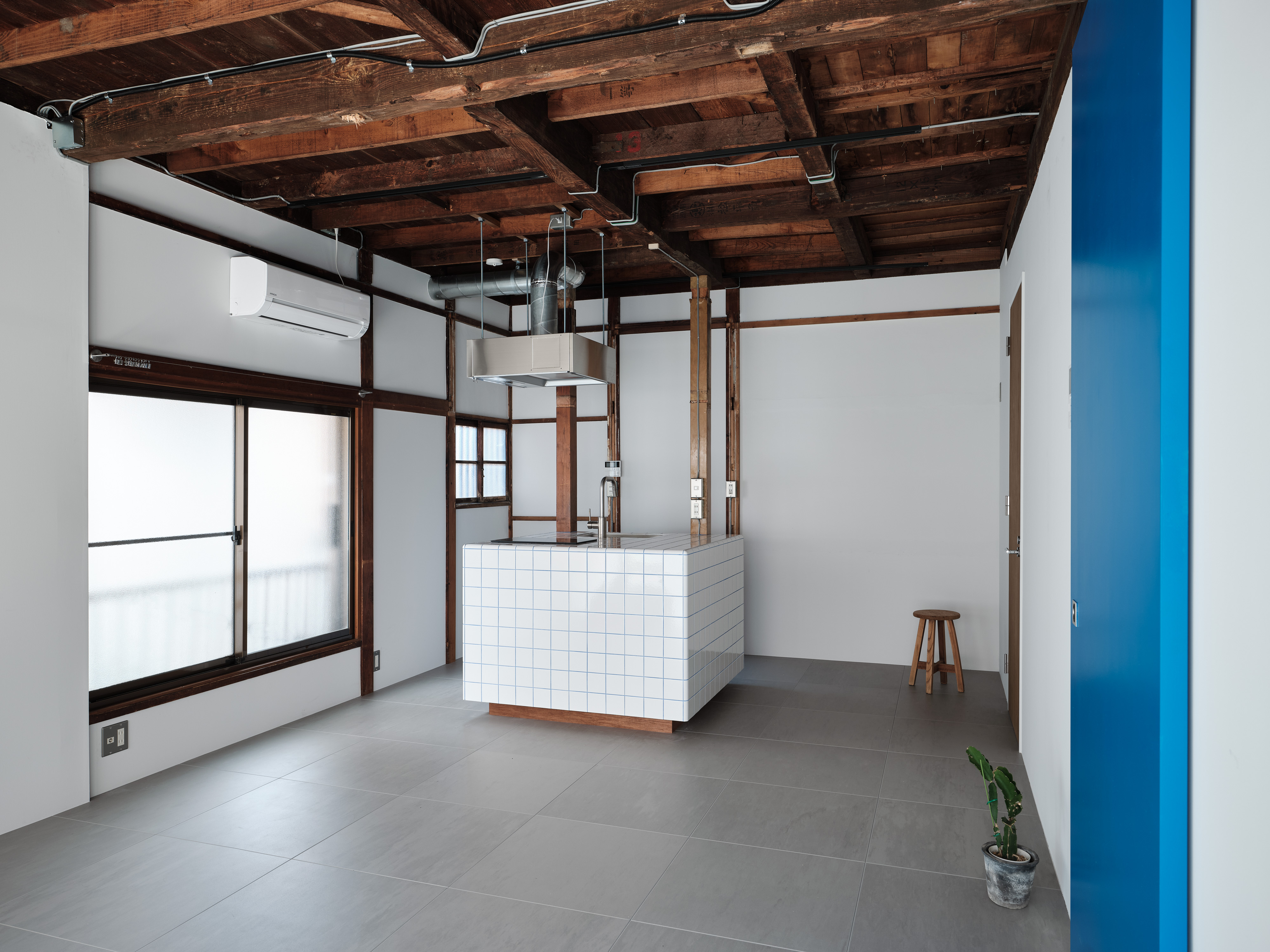
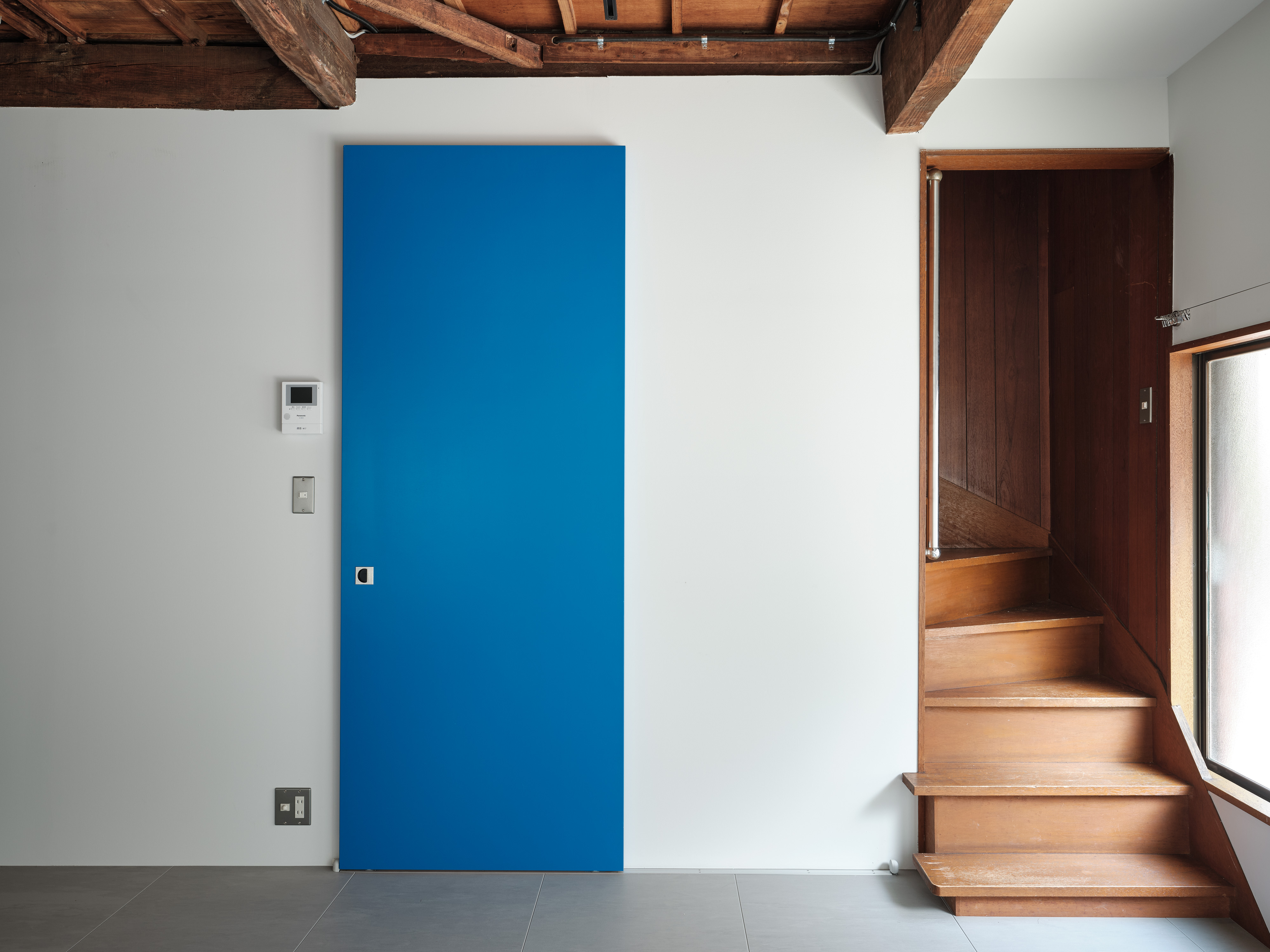
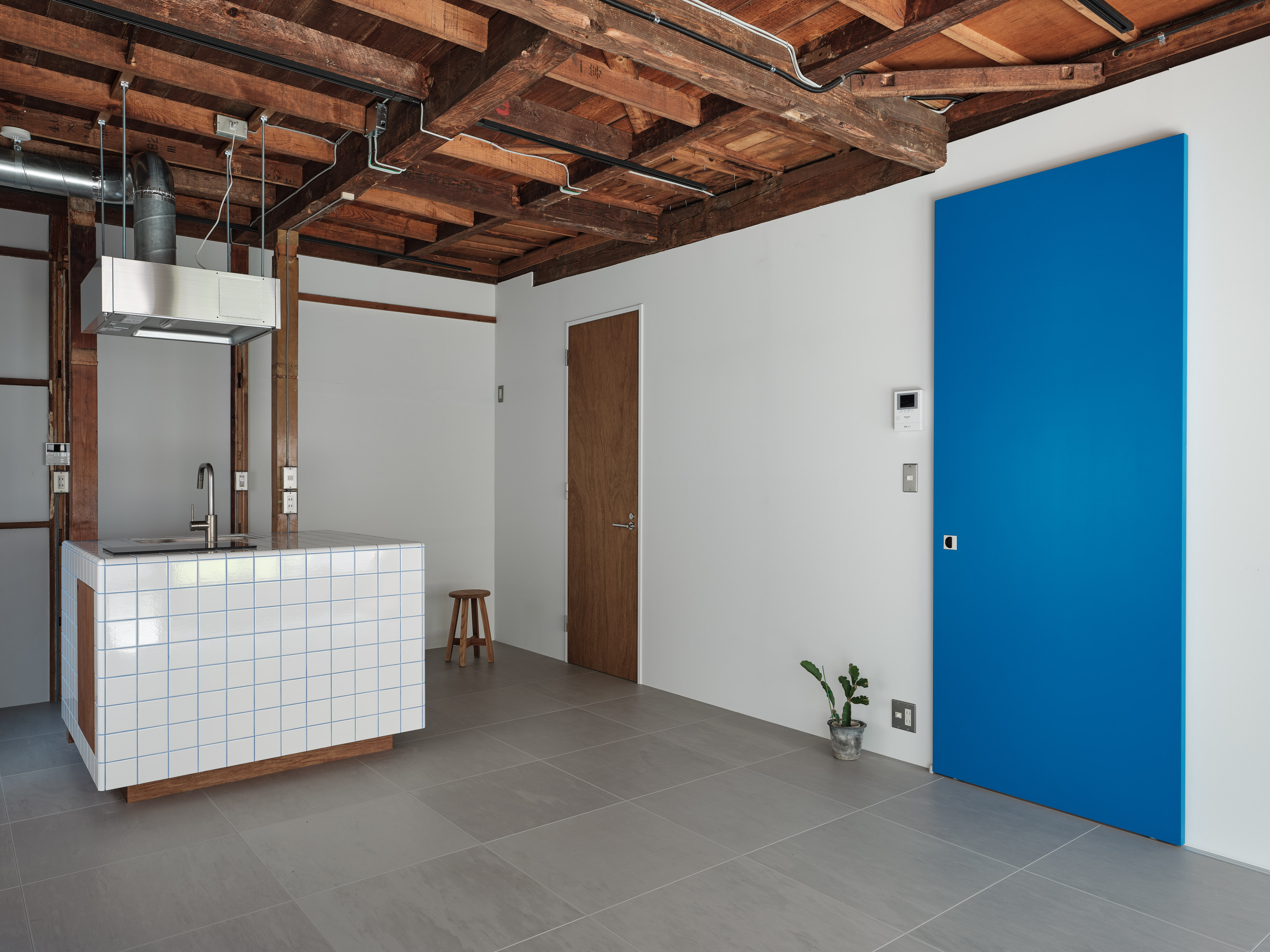
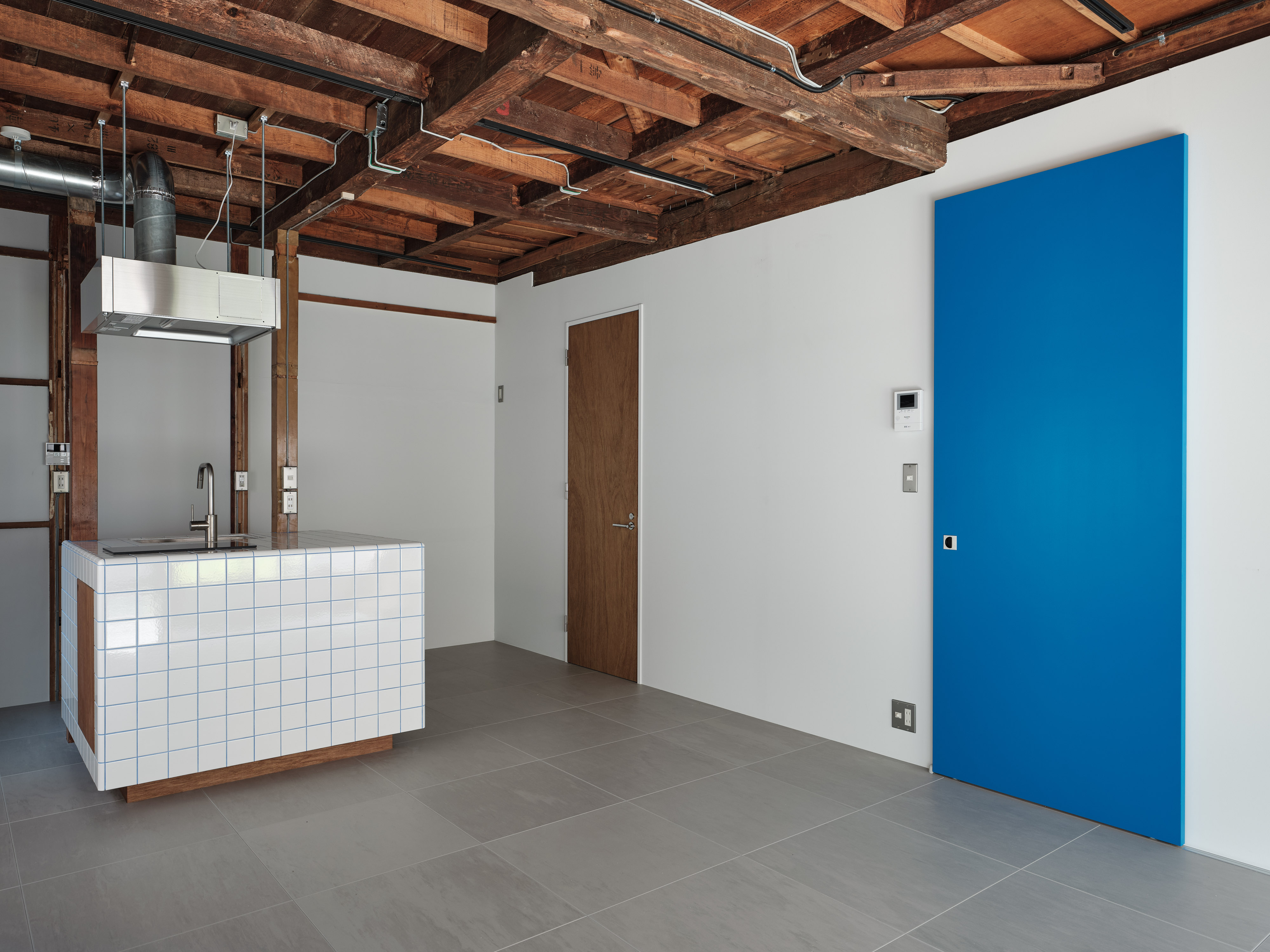
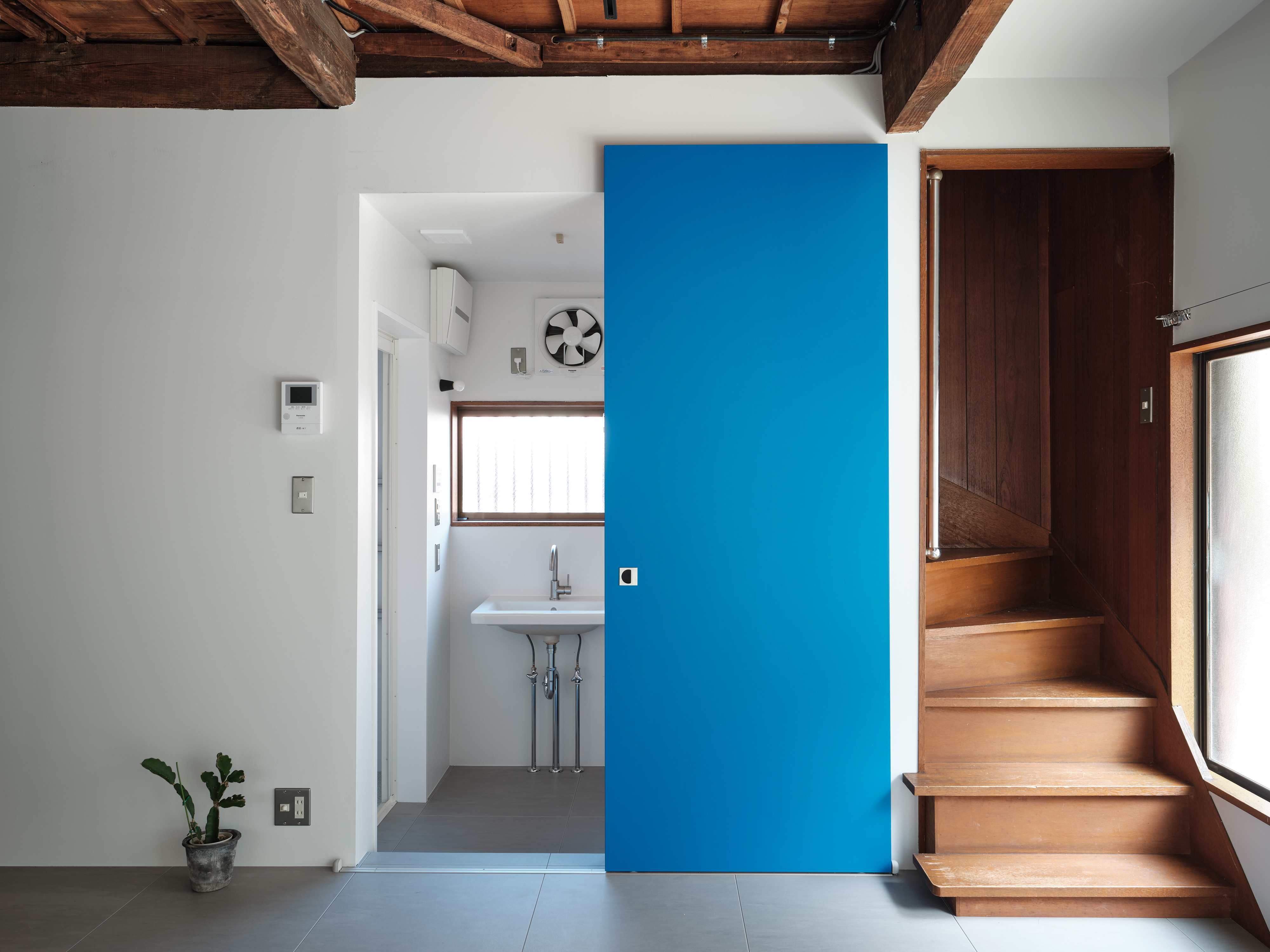
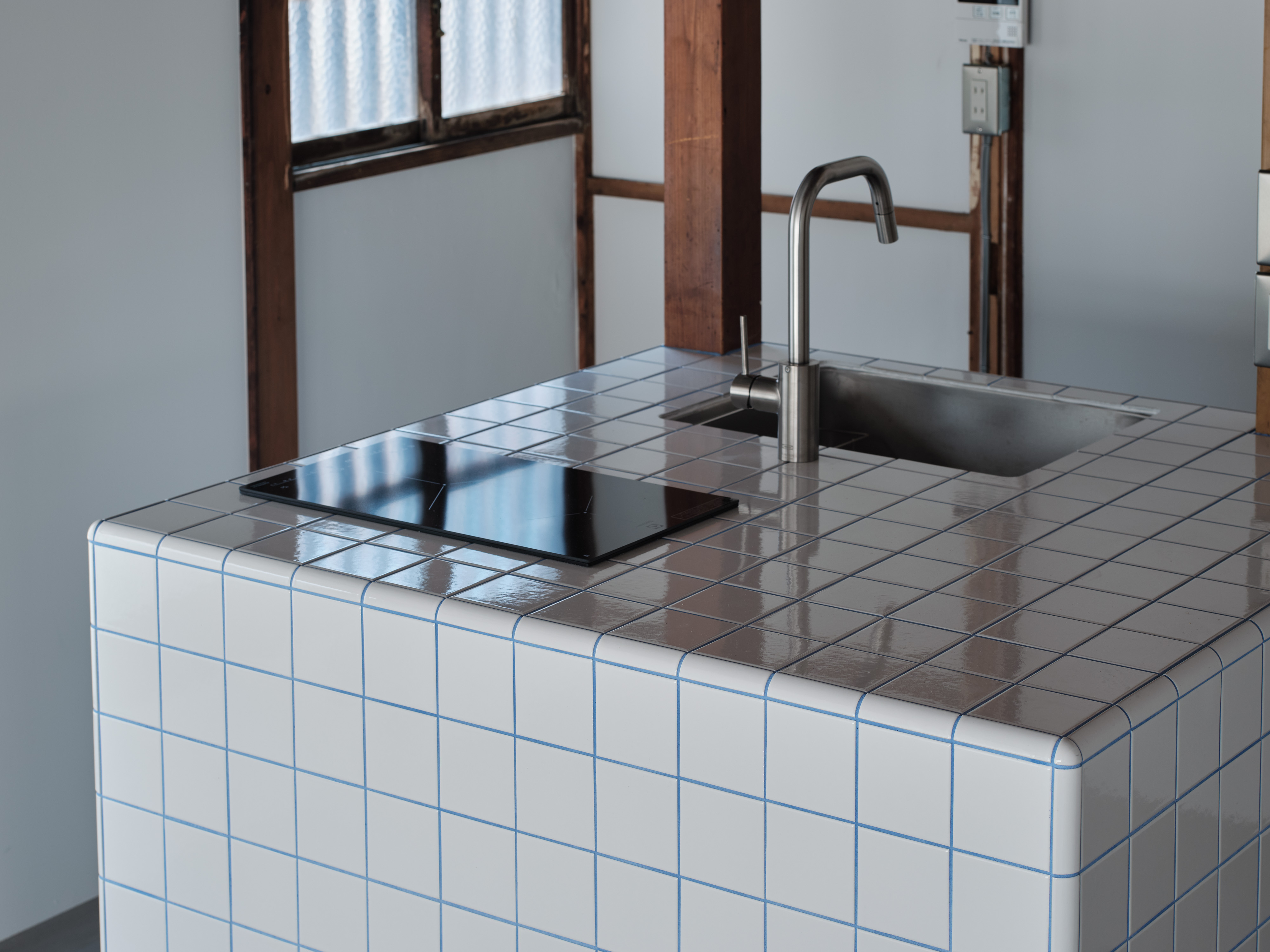
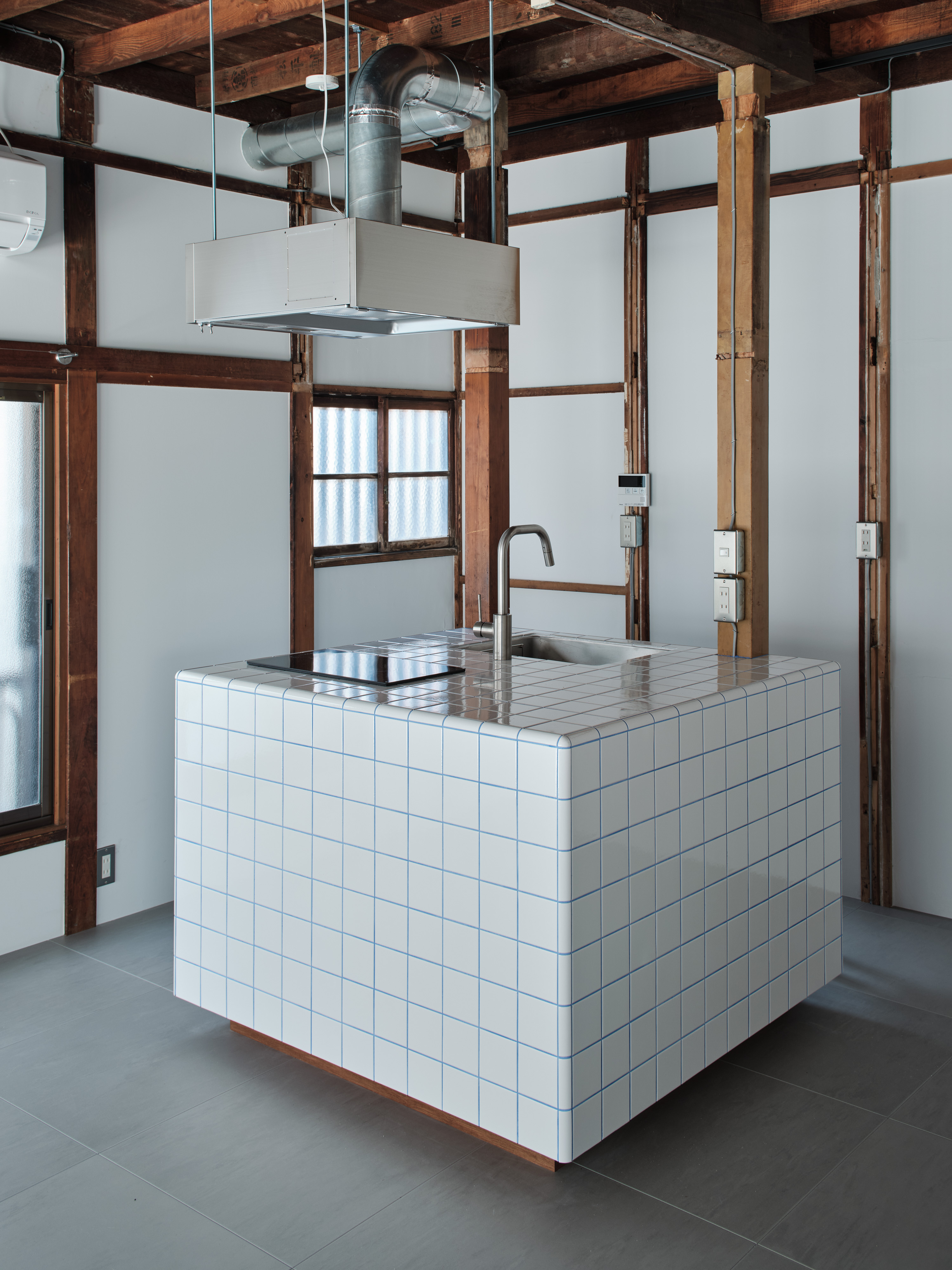
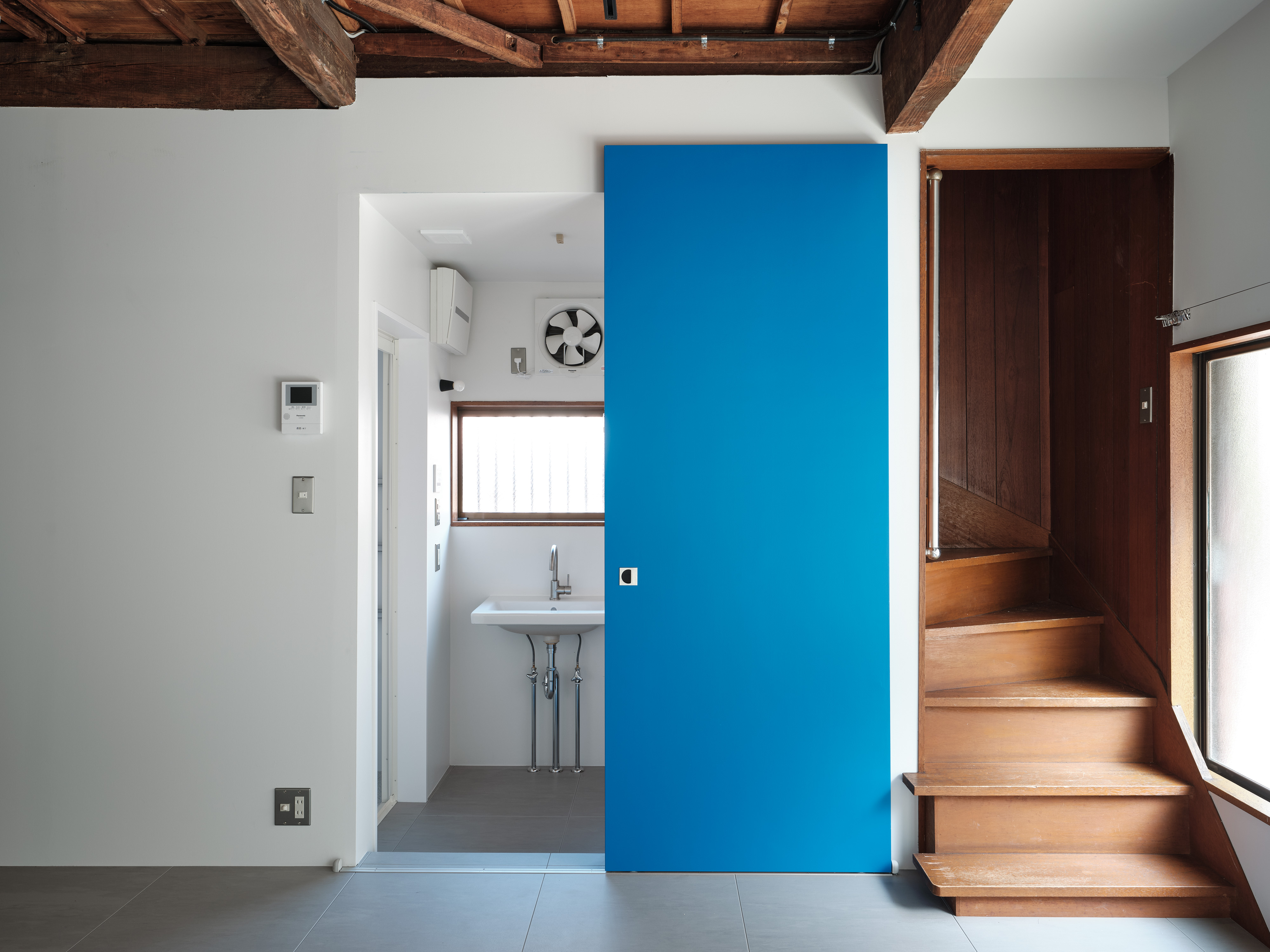
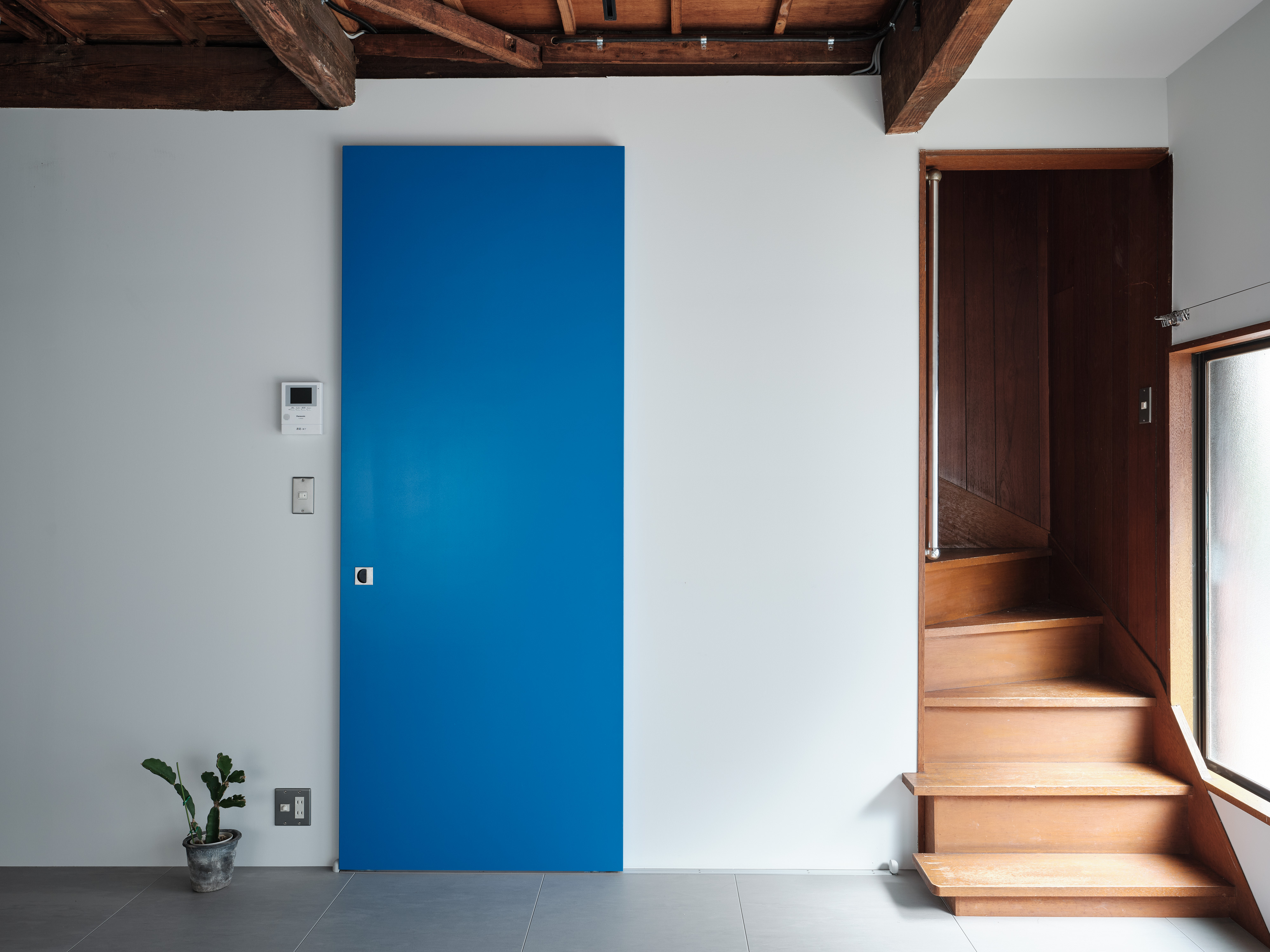
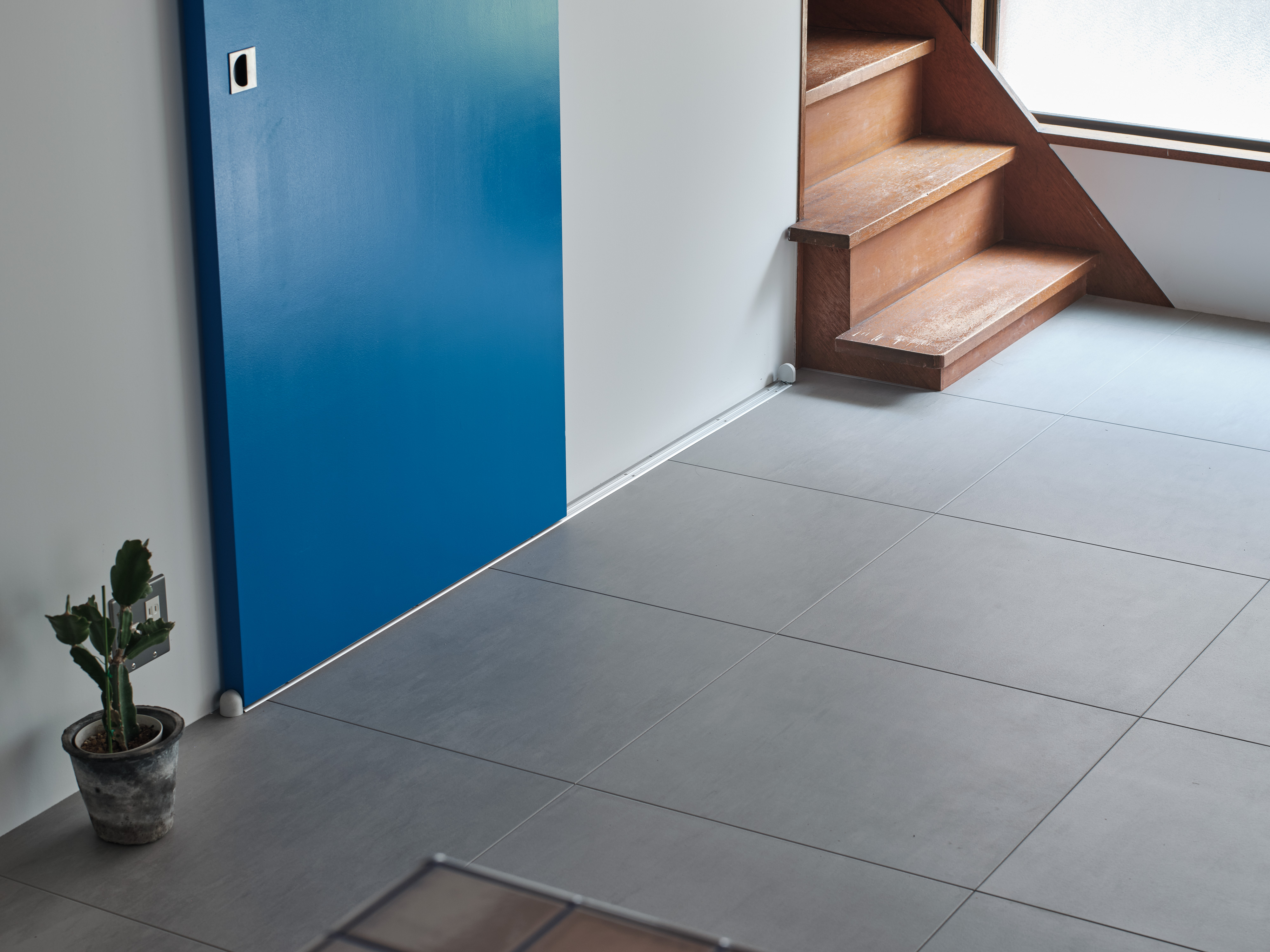
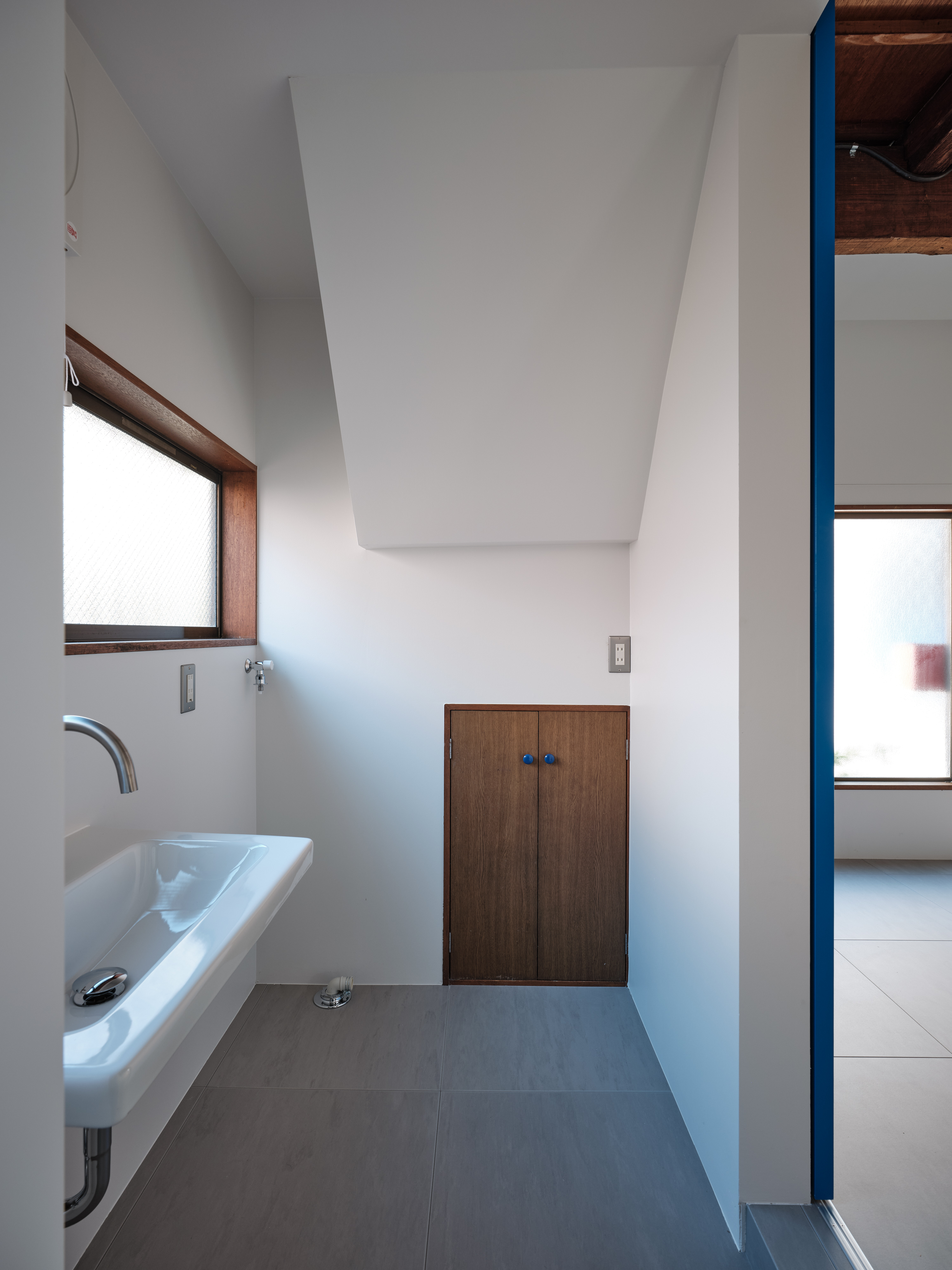
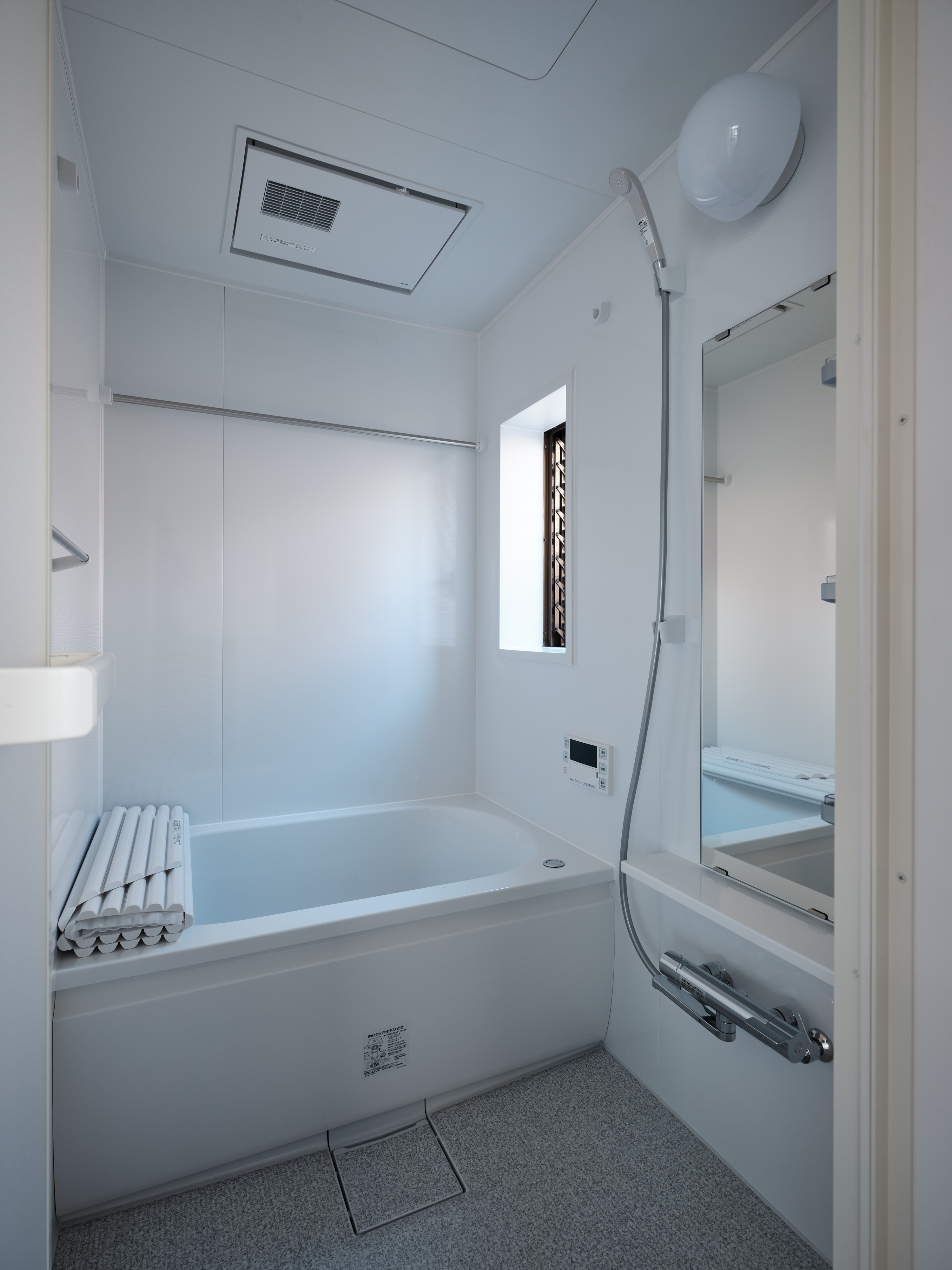
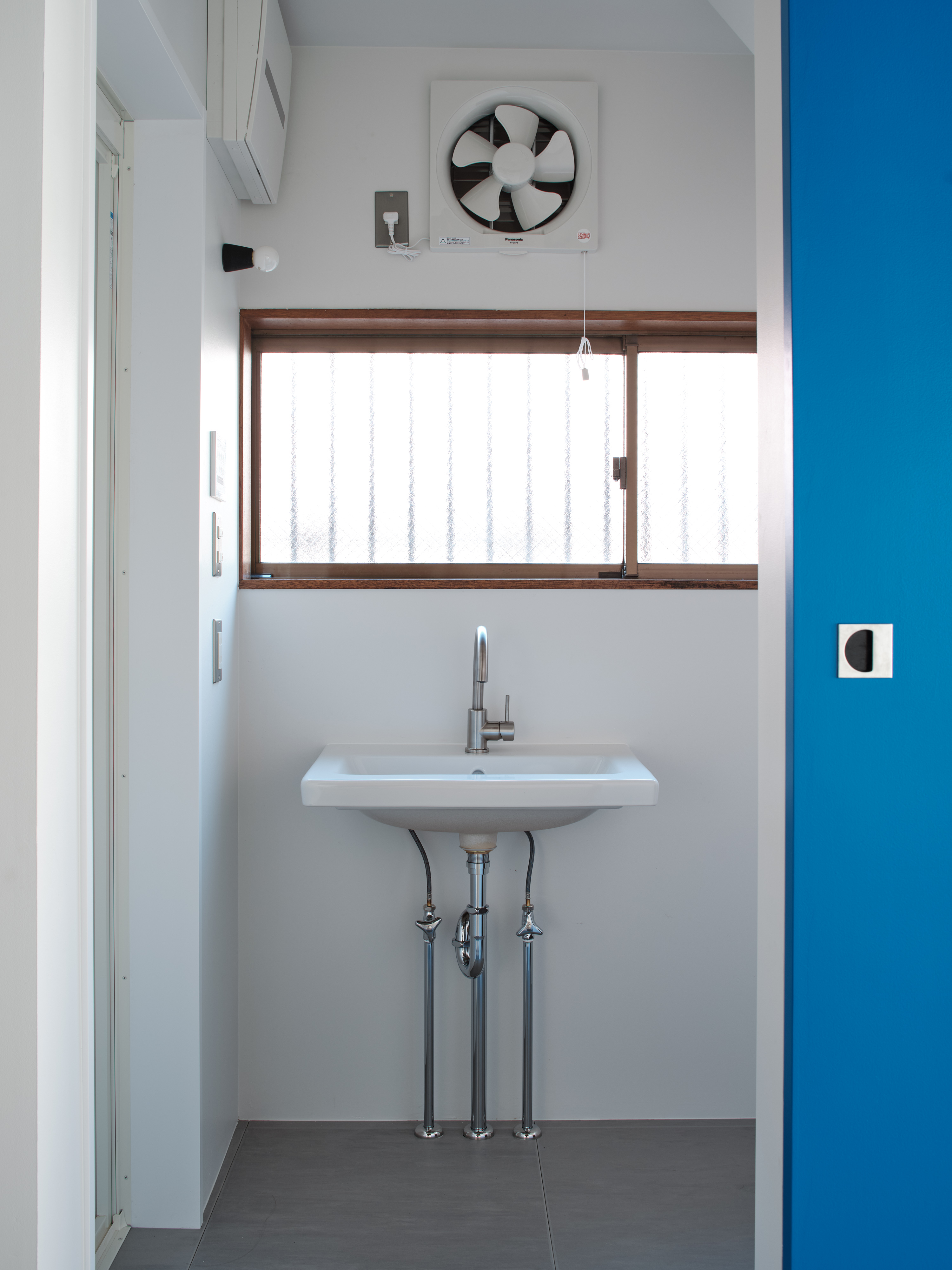
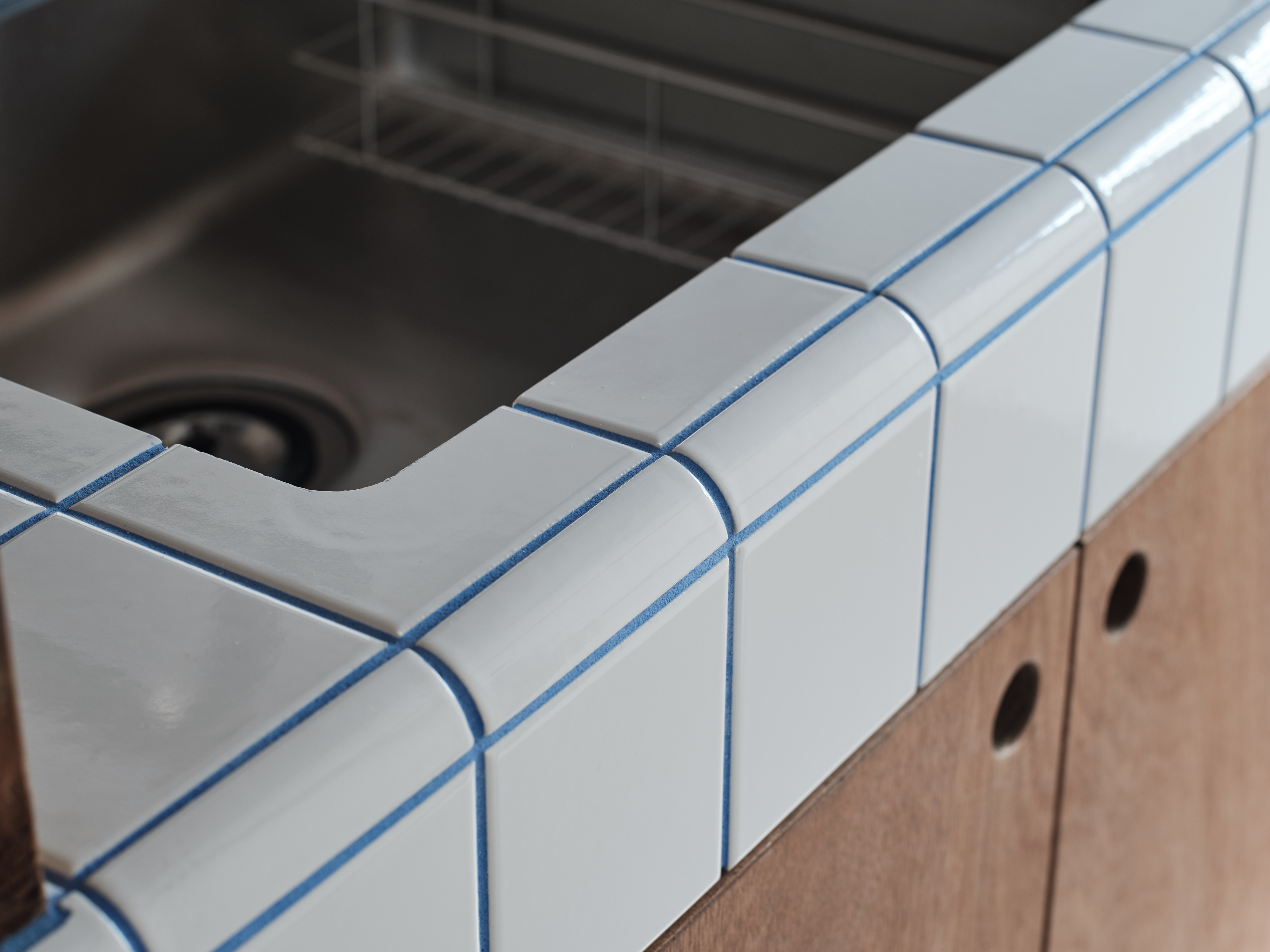
The ground level saw the removal of ceiling boards to expose the wooden framework, juxtaposed with the addition of a contemporary, custom-made square-shaped white tile kitchen counter and sleek gray tile flooring. Blue color was chosen as an accent and used for the grout lines of the kitchen tiles and the bathroom sliding door, balancing freshness with tradition.
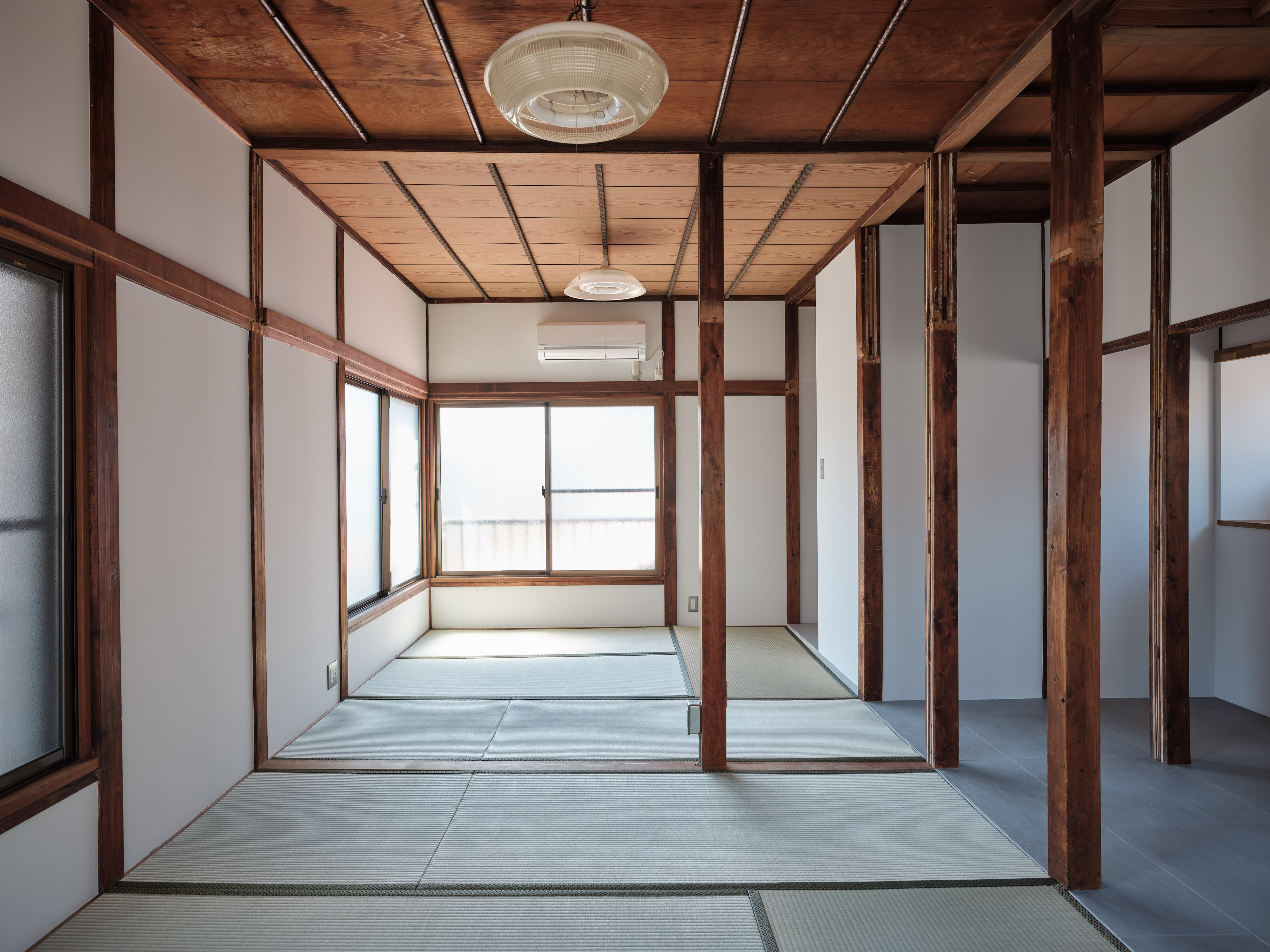
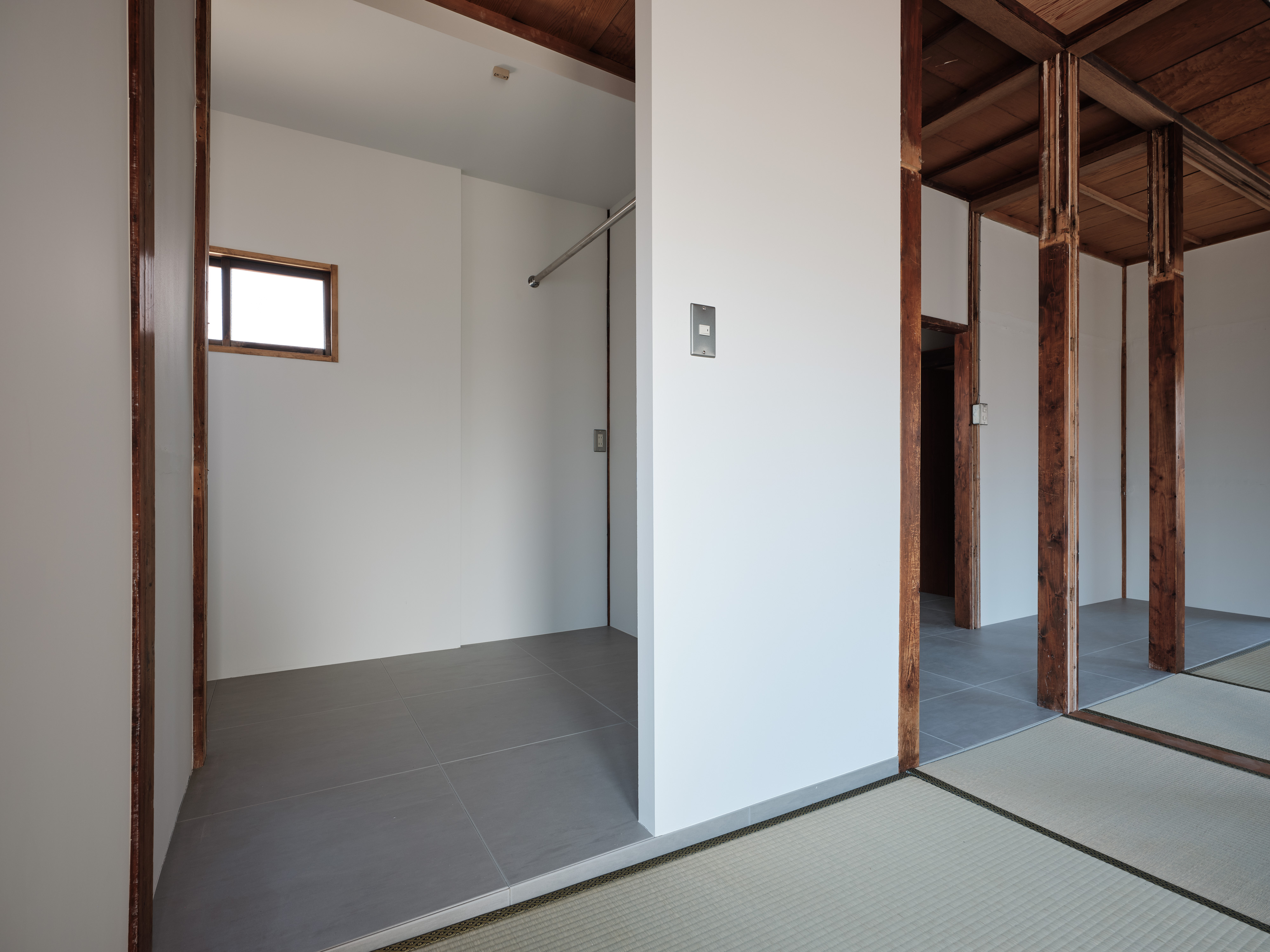
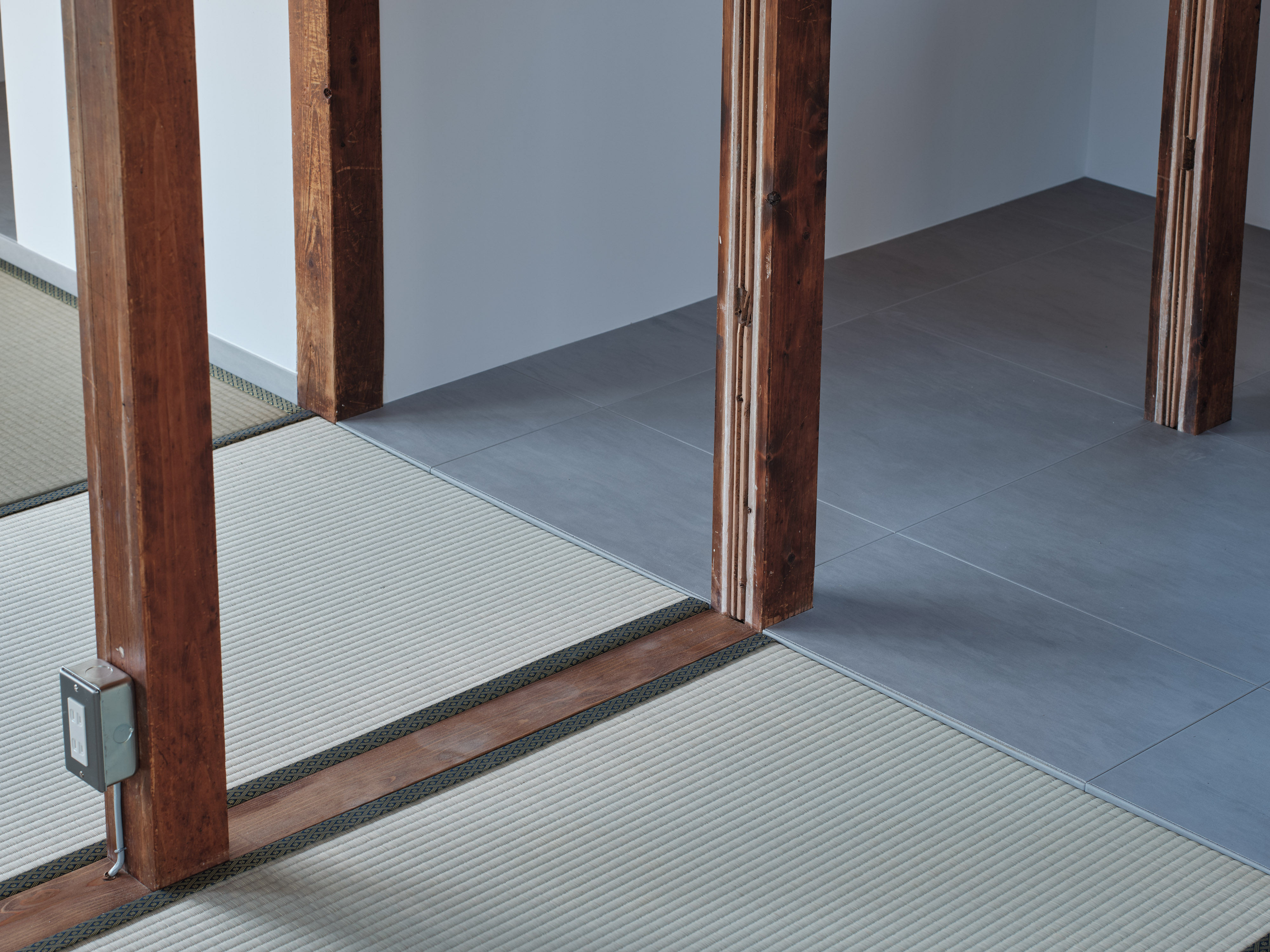
On the upper level, we honored the traditional Japanese essence by retaining tatami mats and ceiling boards while removing dividing walls to fashion an open layout. Strategic relocation of bathroom facilities downstairs allowed for the incorporation of a walk-in closet doubling as a workspace, alongside the unveiling of a previously obscured south-facing window, ushering in natural light.
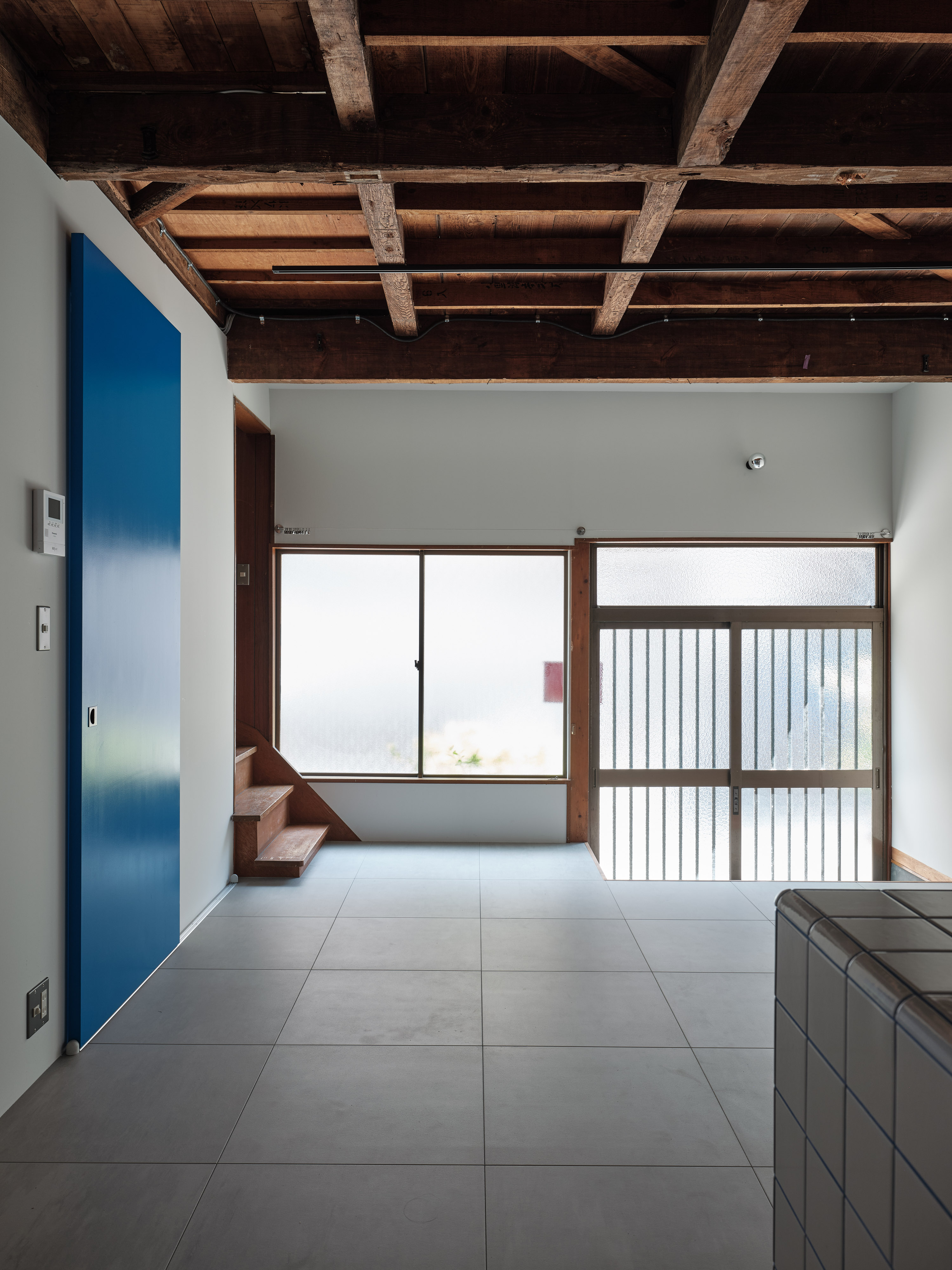
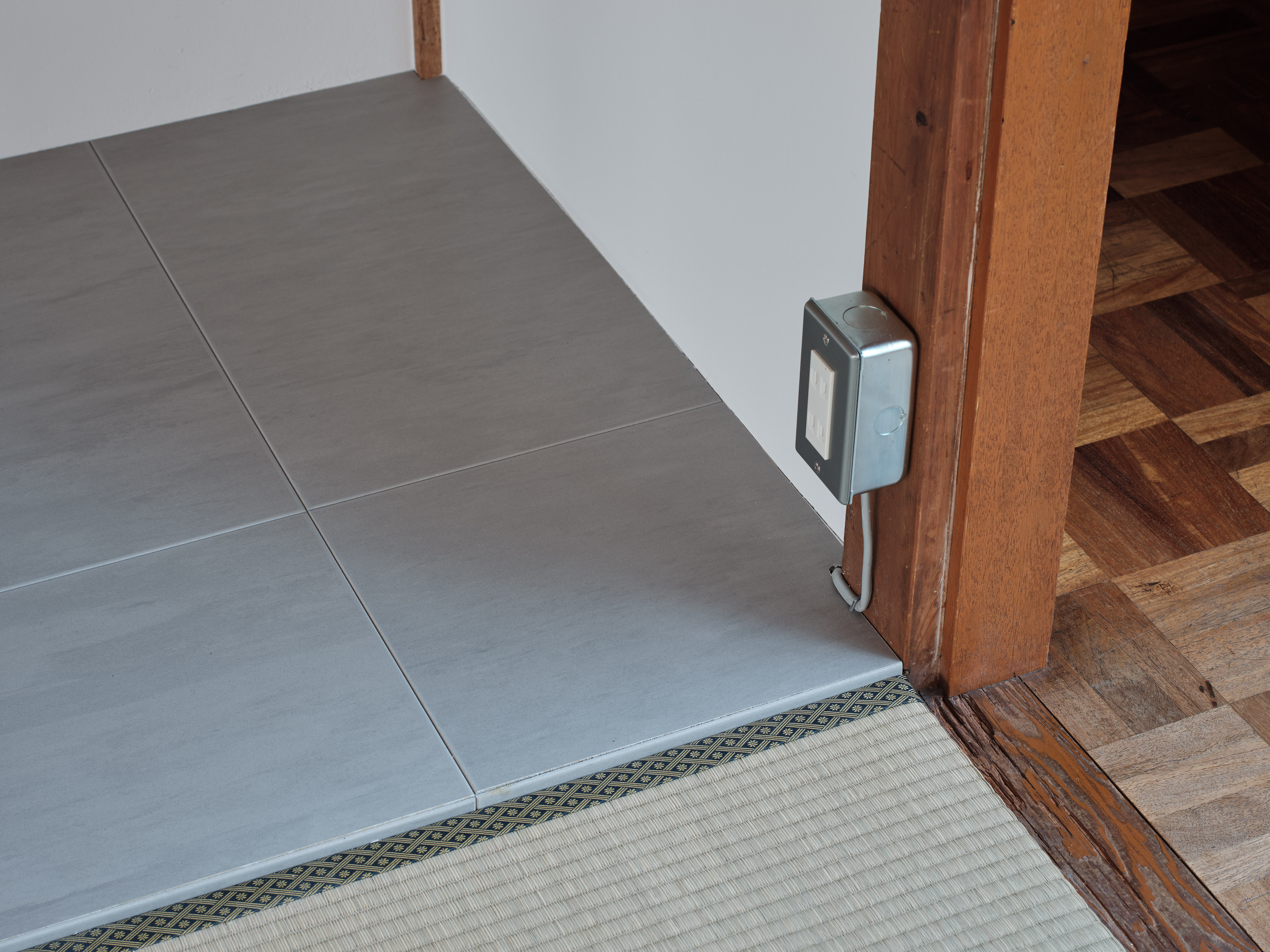
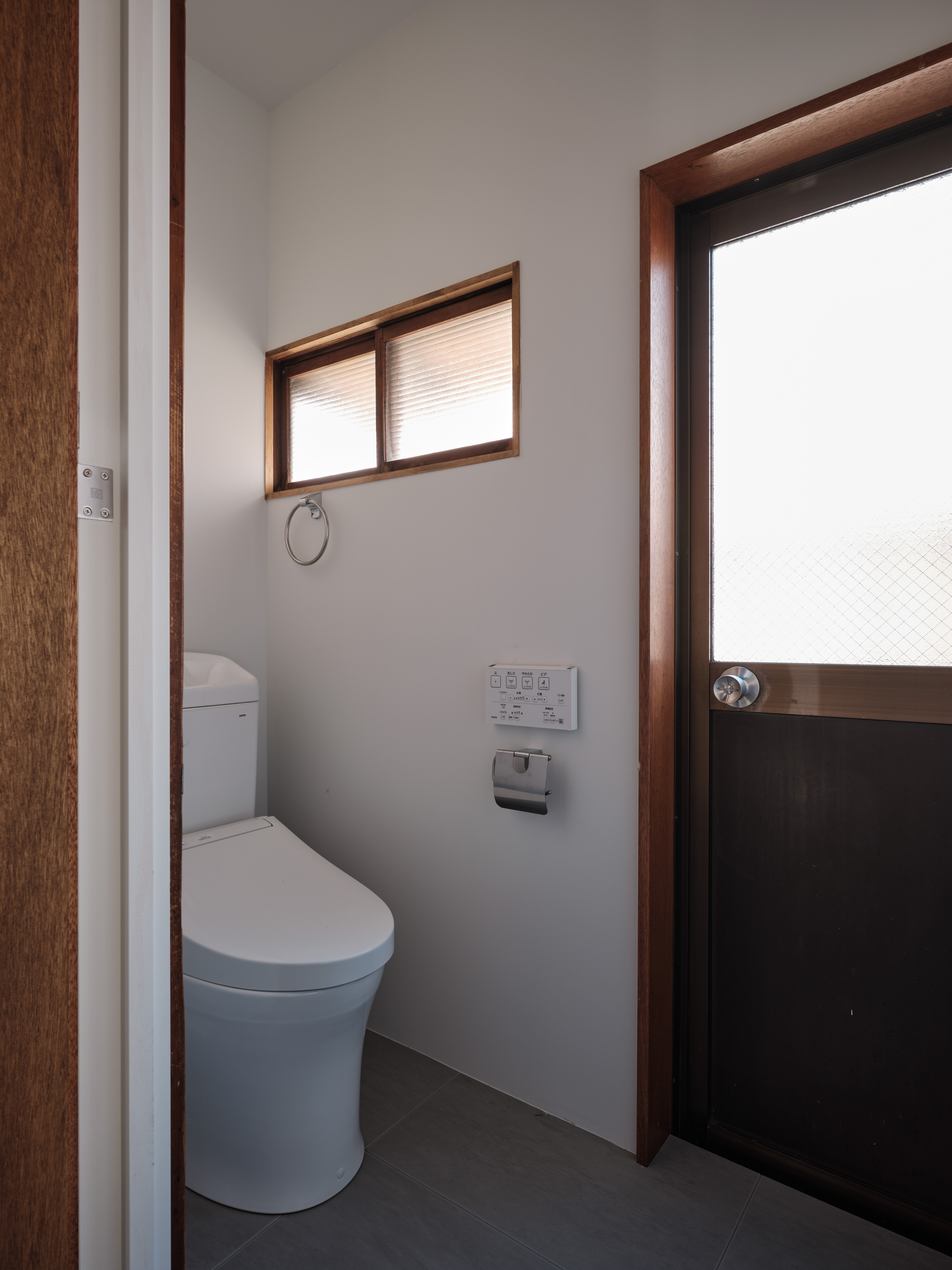
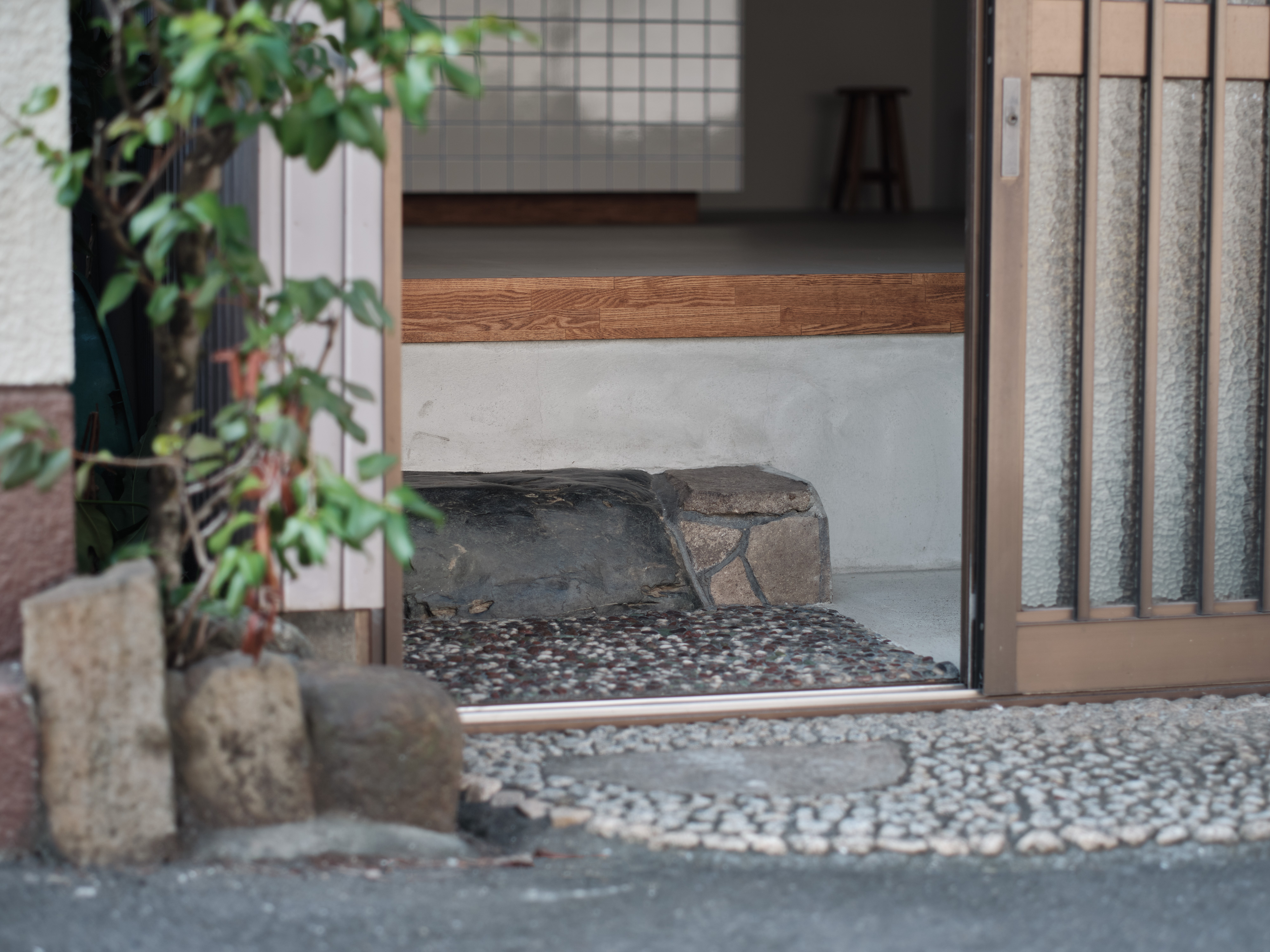
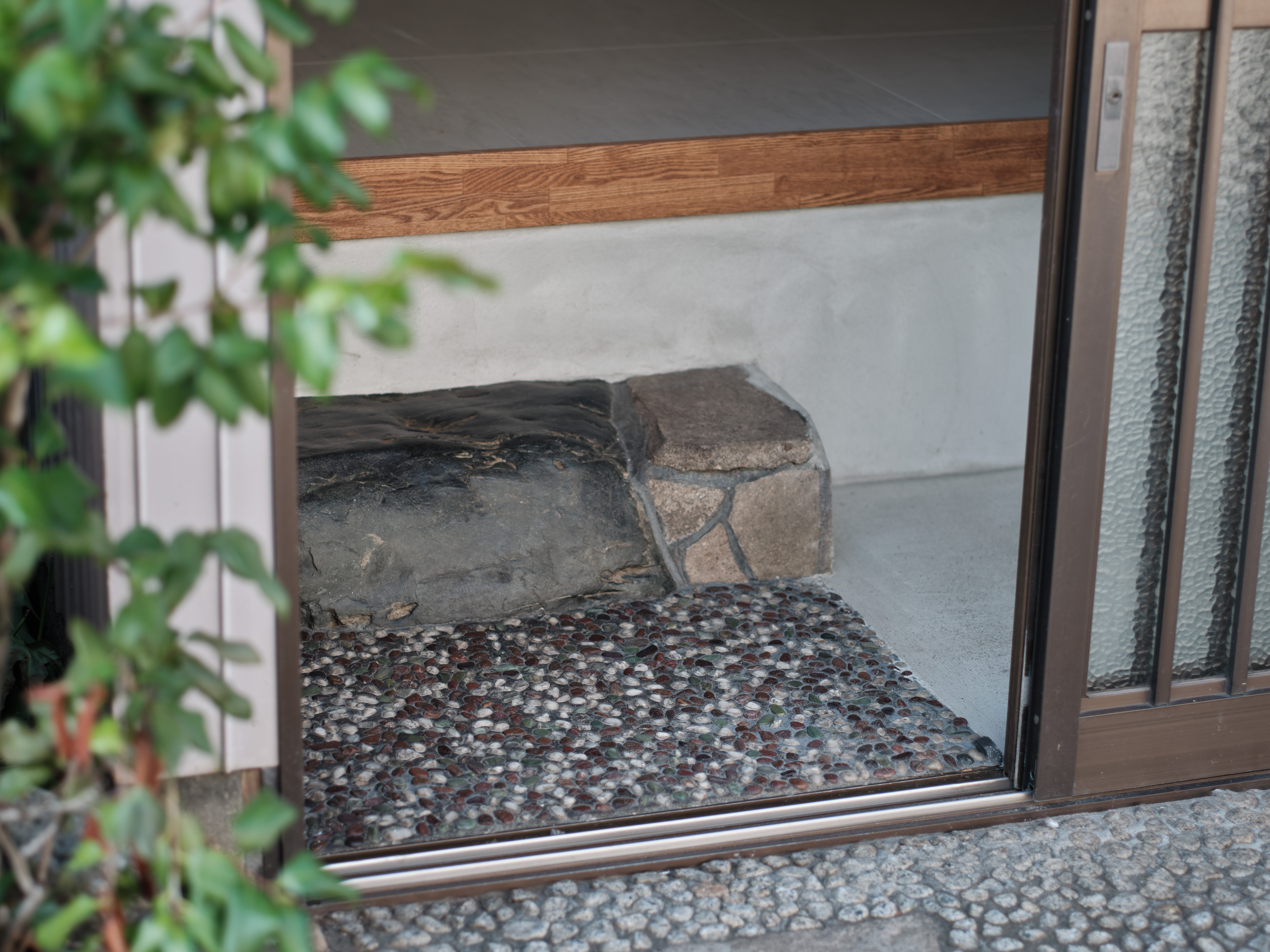
Continuity between floors was accentuated by the uniform tile flooring in the area adjacent to the staircase. The delicate frosted glass windows from the Shōwa era were conserved not only for their aesthetic appeal but also for ensuring the privacy of the occupants, echoing a blend of heritage and functionality.



GiGO 上海静安大悦城店丨piece design studio
深圳书城龙华城丨AG汇创
IYKYK smashburgers丨DA bureau


Fueda House | ROOVICE
House in Itabashi丨Roovice
Apartment in Kamakura丨Roovice

万科滨海云中心,Vanke Binhai Cloud Center丨深圳市第伍建筑设计有限公司
Hawladar House丨Maruf Raihan

Kisaku Coffee Shop | Seniman Ruang

订阅我们的资讯
切勿错过全球大设计产业链大事件和重要设计资源公司和新产品的推荐
联系我们
举报
返回顶部