


Abrahamic Family House | Adjaye Associates
Adjaye Associates ,发布时间2024-11-28 09:53:00






Location: Jacques Chirac Street, Saadiyat Cultural District, Saadiyat Island, Abu Dhabi, United Arab Emirates
Design Architect: Adjaye Associates
Key Dates
§ Start of Design Services: 5 August 2019
§ Public Project Announcement: September 2019
§ Groundbreaking: December 2020
§ Inauguration: 16 February 2023
§ Public Opening: 1 March 2023
Project Team:
Adjaye Associates, Design Architect, Landscape Architect, Interior Designer Zublin Construction, General Contractor
Maynard, Signage / Wayfinding Consultant Arcadis, Client Project Manager
Facts & Figures:
Project Size: 6,500 sqm / 70,000 sqft GFA.
Houses of Worship: Each of the houses is a cubic shape measuring 30 meters (98 feet) x 30 meters x 30 meters.
The courtyards in each house measure:
§ Mosque: 1,322 sqm / 1,443 sqft;
Church: 1,170 sqm / 12, 593 sqft; Synagogue: 1,110 sqm / 1, 184 sqft
§ Capacity for Worshippers: Mosque: 322 prayer spots; Church: capacity for 300 seated; Synagogue: capacity for 200 seated
§ Plinth Measurements: 180 meters (591 feet) in length and 112 meters (367 feet) in width. It offers 21,000 sqm (226,000 sqft) of space and is located 6 meters (20 feet) above ground level.
§ Circulation: 3 elevators (one in the courtyard of each house of worship), 4 stairways, and 2 ramps
Construction:
§ Delivery Method: Design-Build
§ Cost/Budget: Undisclosed
§ LTI-Free Man Hours: Over 4,376,700
Overall Complex:
§ The Abrahamic Family House consists of a one-story plinth with a welcoming Forum at its center and three houses of worship nestled within.
§ The three cubic houses of worship are equal in volume and display a clear visual harmony. At the same time, each building’s architectural articulation is unique, and specifically oriented to its siting and religious references.
§ Each house of worship includes a courtyard with a water feature and ancillary spaces specific to its specific religious traditions and practices. The houses are linked by an elevated garden – a shared space for gathering and connection.
§ Sunlight is the complex’s principal design material, impacting each house at different times of the day.
Imam Al-Tayeb Mosque:
§ Site & Orientation: The mosque is oriented towards Makkah.
§ Façade: Seven elongated arches on each side of the building reflect the importance of the number seven in Islam. The walls feature more than 470 operable panels of delicate latticework, creating the mashrabiya – one of the most admired features of Islamic architecture – on a grand scale. The mashrabiya allows for the circulation of air, while regulating light and maintaining privacy.
§ Interior: A four-column interior grid creates nine ascending vaults, which orient visitors toward the mihrab. The four columns reference the Islamic notion of stability, order, and fullness that is attributed to the number four
§ Ancillary Spaces: The mosque has two external ablutions—one for male and female worshippers. The male ablution is in the shape of an inverted pyramid and the female ablution has the shape of an inverted sphere. These shapes are constructed in concrete to give a sense of weight and wonder whilst one prepares for worship
His Holiness Francis Church
§ Site & Orientation: The church is oriented towards the east facing the direction of the rising sun, as light is considered symbolic of divinity.
§ Façade: A forest of towering columns symbolise vertical rays of light. The columns are oriented east–west to allow daylight to flood the sanctuary in the morning and block the hot sun mid-day.
§ Interior: The design of the church is predicated on the idea of a “shower of ecstatic redemption.” Rendered in a series of linear timber battens, the “shower” ascends at its center and descends along the periphery. More than 13,000 linear meters (42,650 linear feet) of timber form the church's vaulting. Pews constructed of oak were
designed by Adjaye Associates and reference the church’s vertical façade design. The crucifix is purposely minimal in design, reflecting that the church is open to all and meant to be used by multiple denominations.
§ Ancillary Spaces: The baptistry is octagonal like ancient baptistries, in a conical form with small openings. As the sun moves throughout the day, light pierces the cone to create additional shards of light in the space.
Moses Ben Maimon Synagogue:
§ Site & Orientation: The synagogue is oriented towards Jerusalem.
§ Façade: Three layers of V-shaped columns reference overlapping layers of palm fronds on the sukkah—a traditional shelter for prayer used during Sukkot, the Jewish festival of shelter. The columns on each side of the building have seven points that touch the ground and eight points that touch the soffit—with seven being a representative symbol of man, and eight representing God above.
§ Interior: A suspended bronze mesh tent descends from the ceiling’s central skylight and drapes above the congregation, symbolising both the tent-like structure of the sukkah and the original tabernacle, which extensively used bronze, and oriented visitors toward the Torah. Daylight refracting through the colonnade and suspended bronze mesh create the effect of dappled, filtered light inside the synagogue and reference sunlight streaming through the palm fronds of the sukkah. The skylight allows stars to be seen at night and references the chuppah, a temporary structure used during Jewish marriages. The layout is designed to be as flexible as possible, allowing the seating to be changed for both Sephardic and Ashkenazi congregations.
§ Ancillary Spaces: The mikveh is a perfect square wherein one orients their way around a centralised square pool, taking each step on the mikveh journey until reaching the pool. Its construction required adherence to religious rules regarding the creation of a mikveh while using modern construction methods.
Forum & Garden:
§ Plinth: The single-story plinth references the mound as a sacred archetype that moves us closer to higher things. This common, shared space encourages dialogue between members of the three Abrahamic faiths.
§ Forum: At the center of the plinth sits the Forum, a shared secular space for gatherings and educational programming, including a library and exhibitions.
§ Garden: The garden, located atop the plinth, connects the three houses of worship and serves as an outdoor multipurpose space for events, festivals, and community programs.
§ Circulation: Elevators, stairs, and ramps offer accessible navigation between the Forum, the elevated garden, and each individual house of worship.
Materials
§ Materials used include concrete, Omani limestone, textured plaster, bronze detailing, and timber battens.
§ Most materials were locally sourced and selected for sustainability, durability, and longevity.
§ 26,000 square meters (280,000 square feet) of limestone were used in the construction.
§ Seating within the church and synagogue were constructed in naturally hard-wearing oak for the material’s durable properties as well as its religious symbolism.
Sustainability Highlights
§ Estidama 2 Pearl Rating is anticipated.
§ Passive cooling strategies used include high thermal massing, orientation according to solar path movements, and integration of native landscaping and water features.
§ The colonnades and mashrabiya were designed according to thermal modeling studies to balance solar shading, illumination, and heat gain.
§ Courtyards draw light into interior spaced and provide airflow.
§ Water features located in courtyards are designed to keep the courtyards cool. The buildings’ colonnades were designed to funnel air into the courtyards, which in turn is cooled by the water features and evaporative cooling, creating a temperature difference of up to 5 degrees Celsius (41 degrees Fahrenheit) from the plinth.
§ Trees and vegetation are local or regional, chosen for their ability to provide shade and survive in the hot climate with low water demand for irrigation.
§ All fixtures are low energy (lights etc.).
§ All lighting is set to vary on a timer during the evening to avoid light pollution.
Landscaping & Vegetation:
§ The Abrahamic Family House features a total of 430 trees and other desert vegetation that are locally sourced, native to the region, provide shade, and have collectively low irrigation demand to mitigate water consumption as much as possible.
§ Each house of worship is represented by a different type of citrus tree in its courtyard. Within the elevated garden, each house of worship is also represented by a symbolic ghaf tree—the national tree of the UAE. Date palm trees are also used to symbolise entrances—both externally from the street to the Abrahamic Family House, and from the Forum into the courtyard of each house of worship.
§ The garden features acacia trees, which are commonly found across the UAE, shade large areas and have high drought tolerance. Within the Forum, an olive tree that is over one hundred years old is framed within a prominent courtyard, symbolising peace.
版权声明:本链接内容均系版权方发布,版权属于 Adjaye Associates,编辑版本版权属于设计宇宙designverse,未经授权许可不得复制转载此链接内容。欢迎转发此链接。
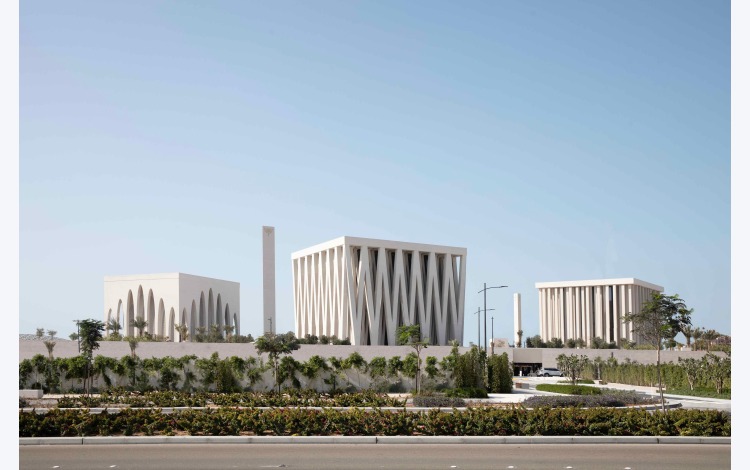
The Abrahamic Family House is a new centre for learning, dialogue and the practice of faith located in the Saadiyat Cultural District in Abu Dhabi, capital of the United Arab Emirates (UAE). Encompassing three separate houses of worship – a mosque, a church, and a synagogue – as well as shared spaces for gathering and dialogue.
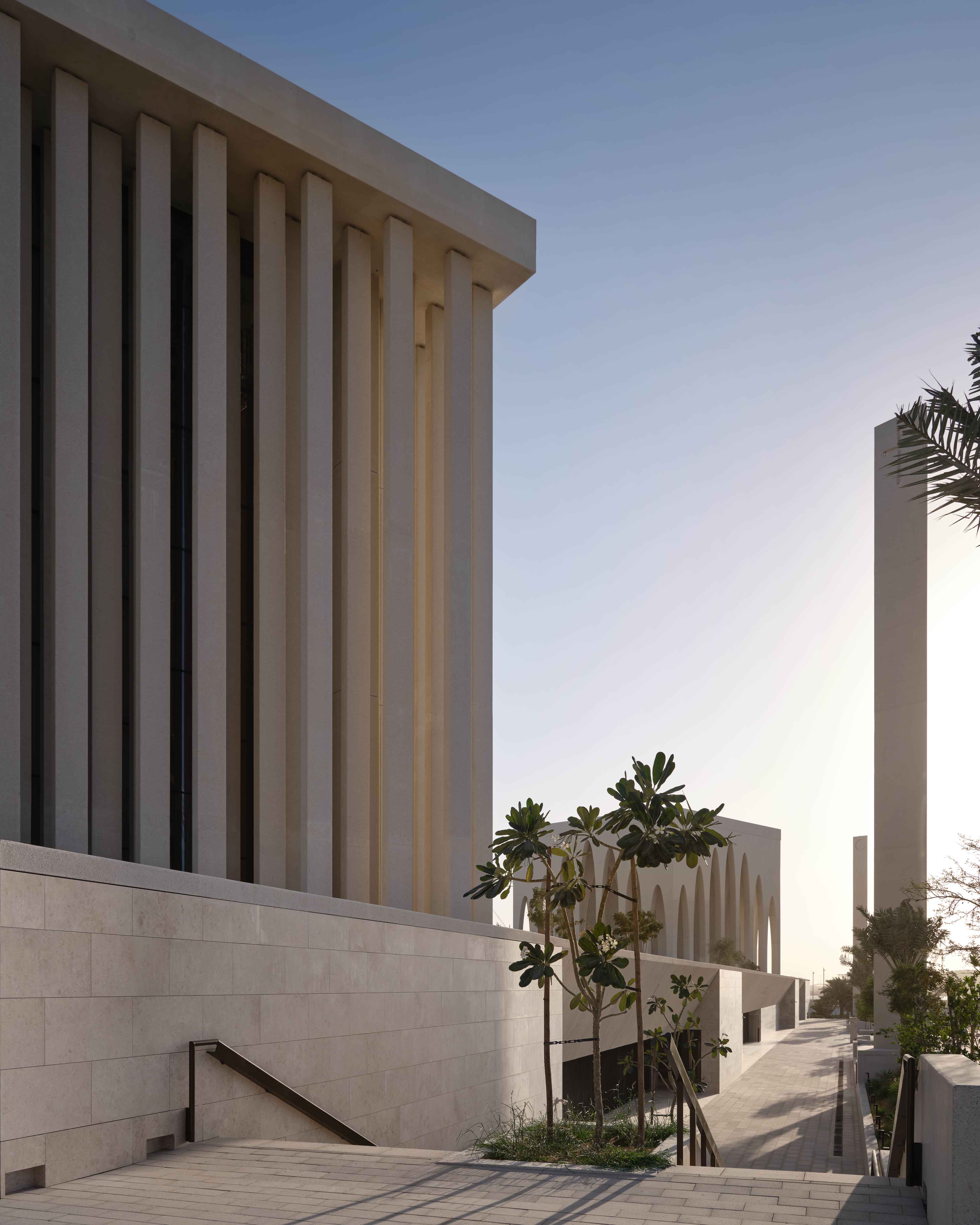
View of the pedestrian path alongside the Abrahamic Family House toward the visitor’s entrance. © Dror Baldinger
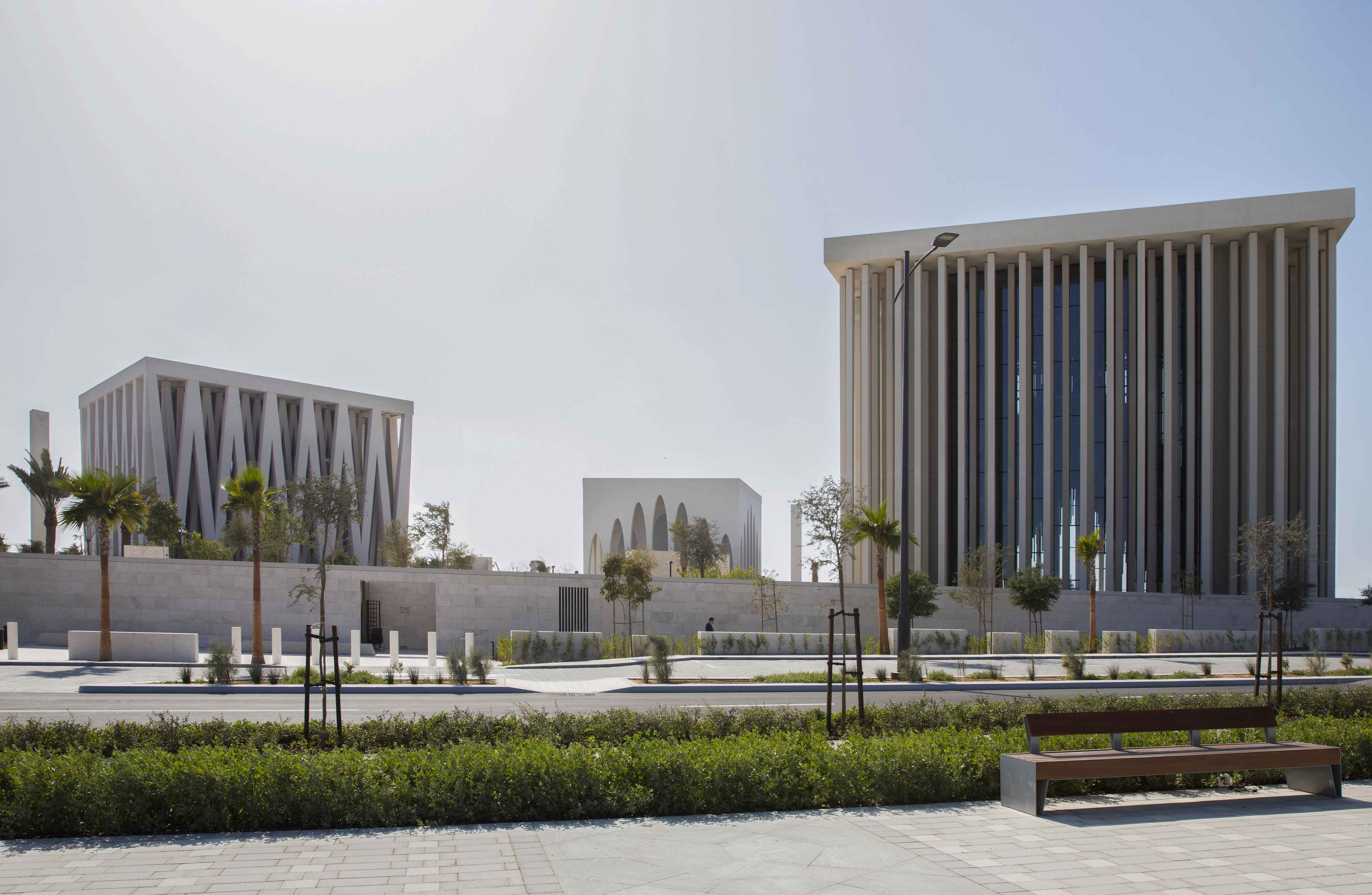
The Abrahamic Family House complex, viewed from the north. © Adjaye Associates
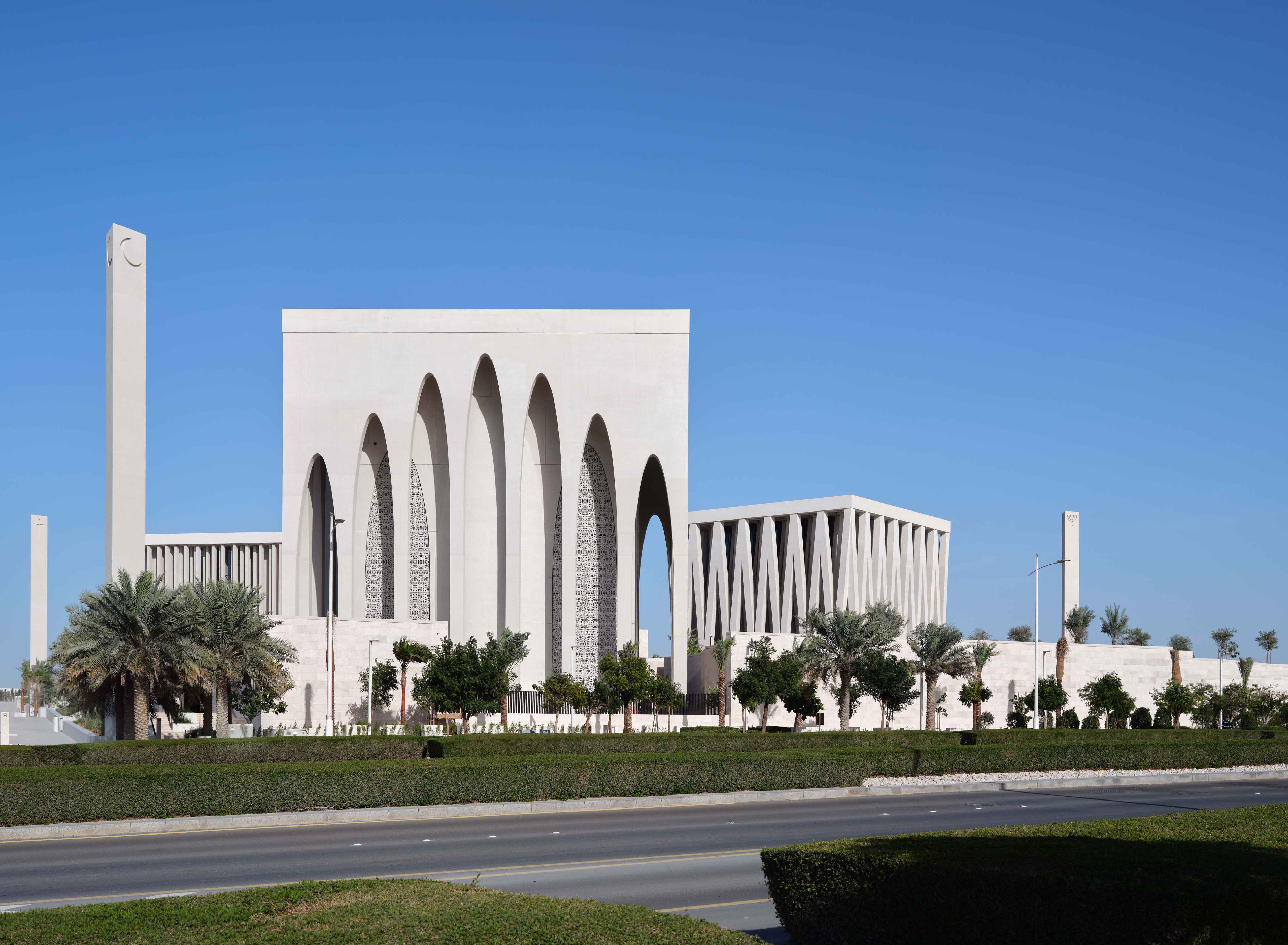
The Abrahamic Family House is an interfaith complex featuring three houses of worship—the Imam Al-Tayeb Mosque (center), His Holiness Francis Church (back left), and Moses Ben Maimon Synagogue (right)—each paired with an engraved triangular totem; viewed from across Jacques Chirac Street. © Dror Baldinger
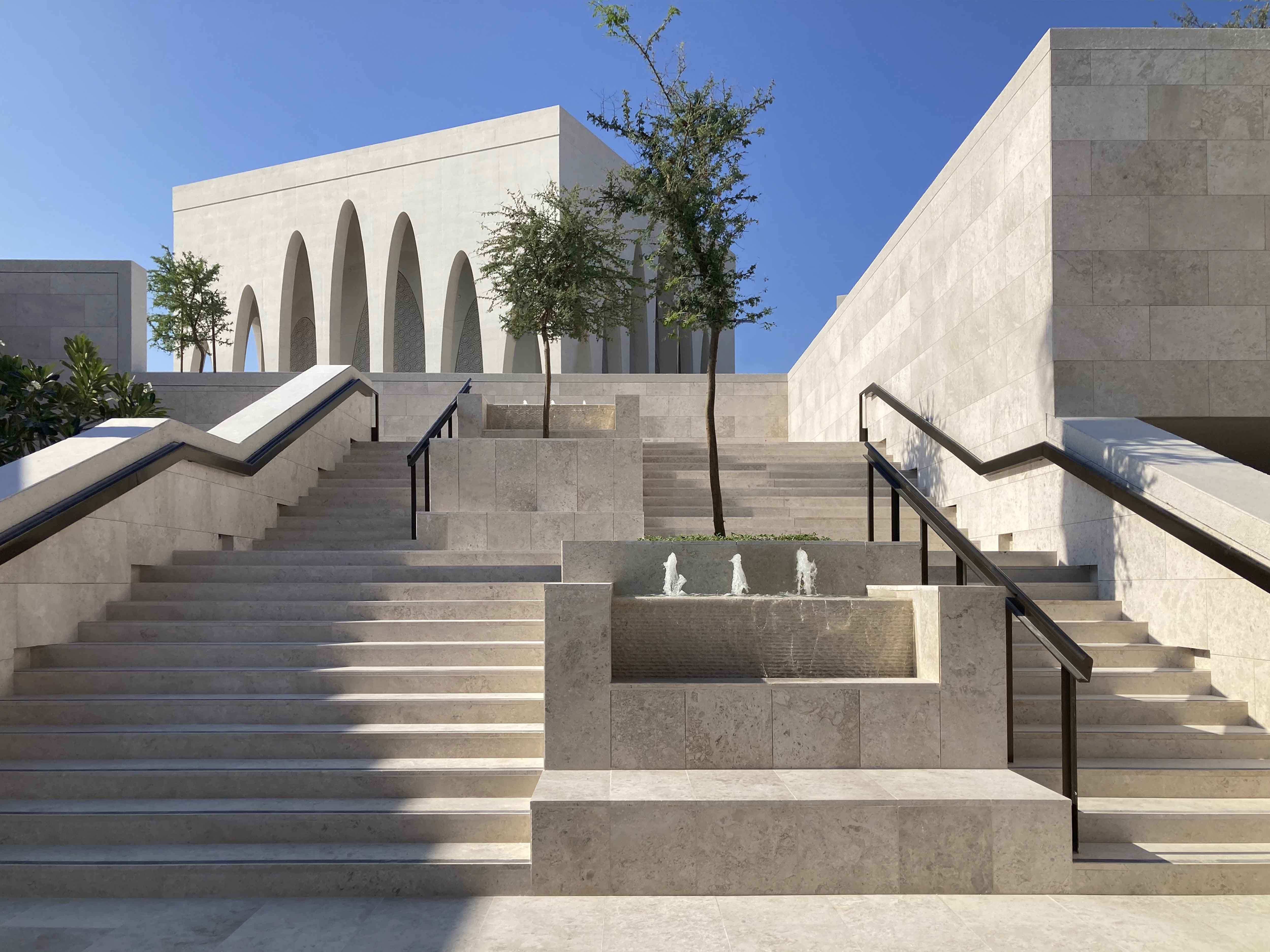
A central staircase creates vertical connection between the ground-floor Forum and raised garden, with intermittent planters and water features. © Adjaye Associates
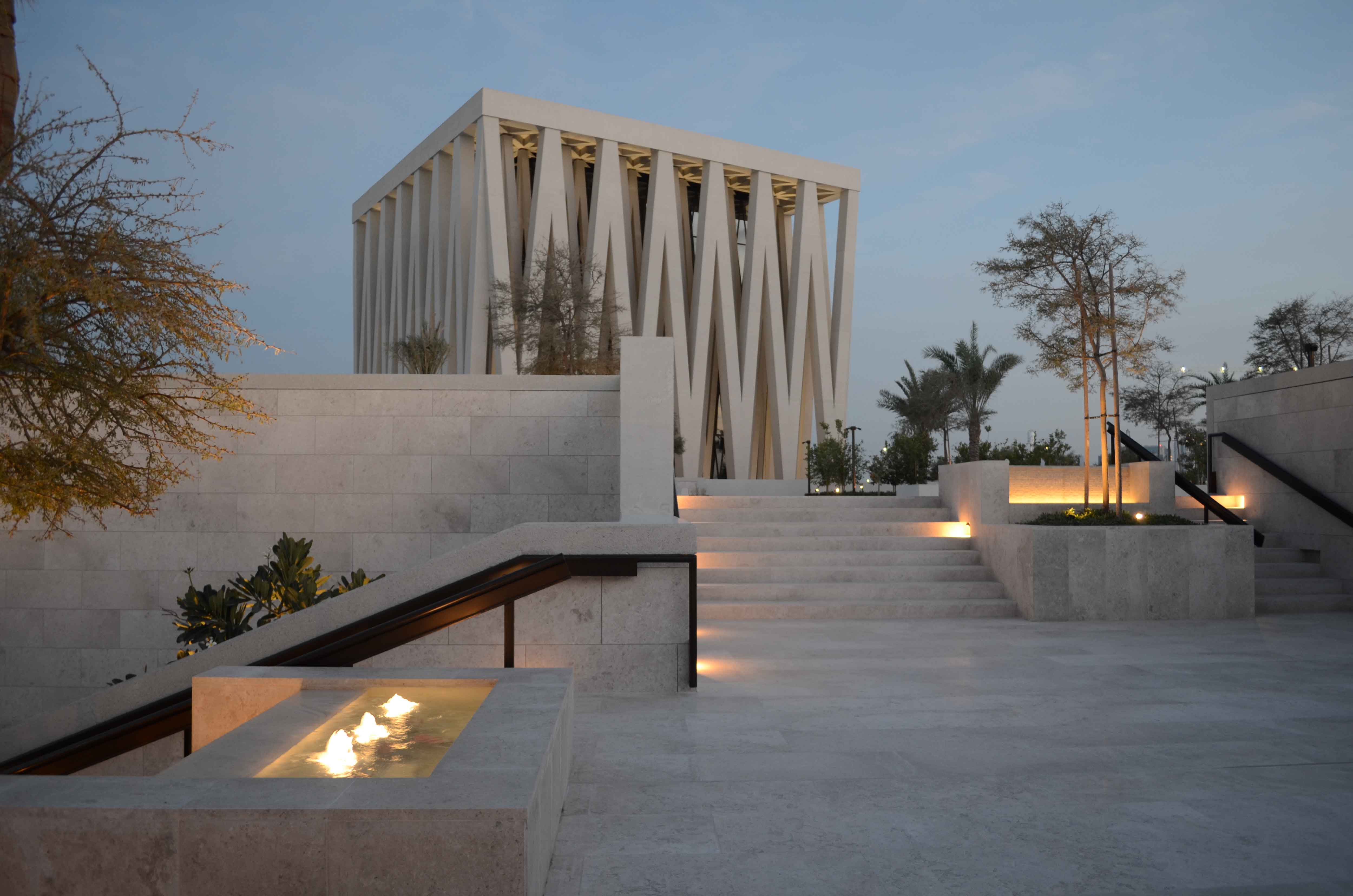
At dusk, an illuminated central staircase transitions from the complex’s one-story plinth to the Abrahamic Family House’s raised garden, with Moses Ben Maimon Synagogue in the background. © Adjaye Associates
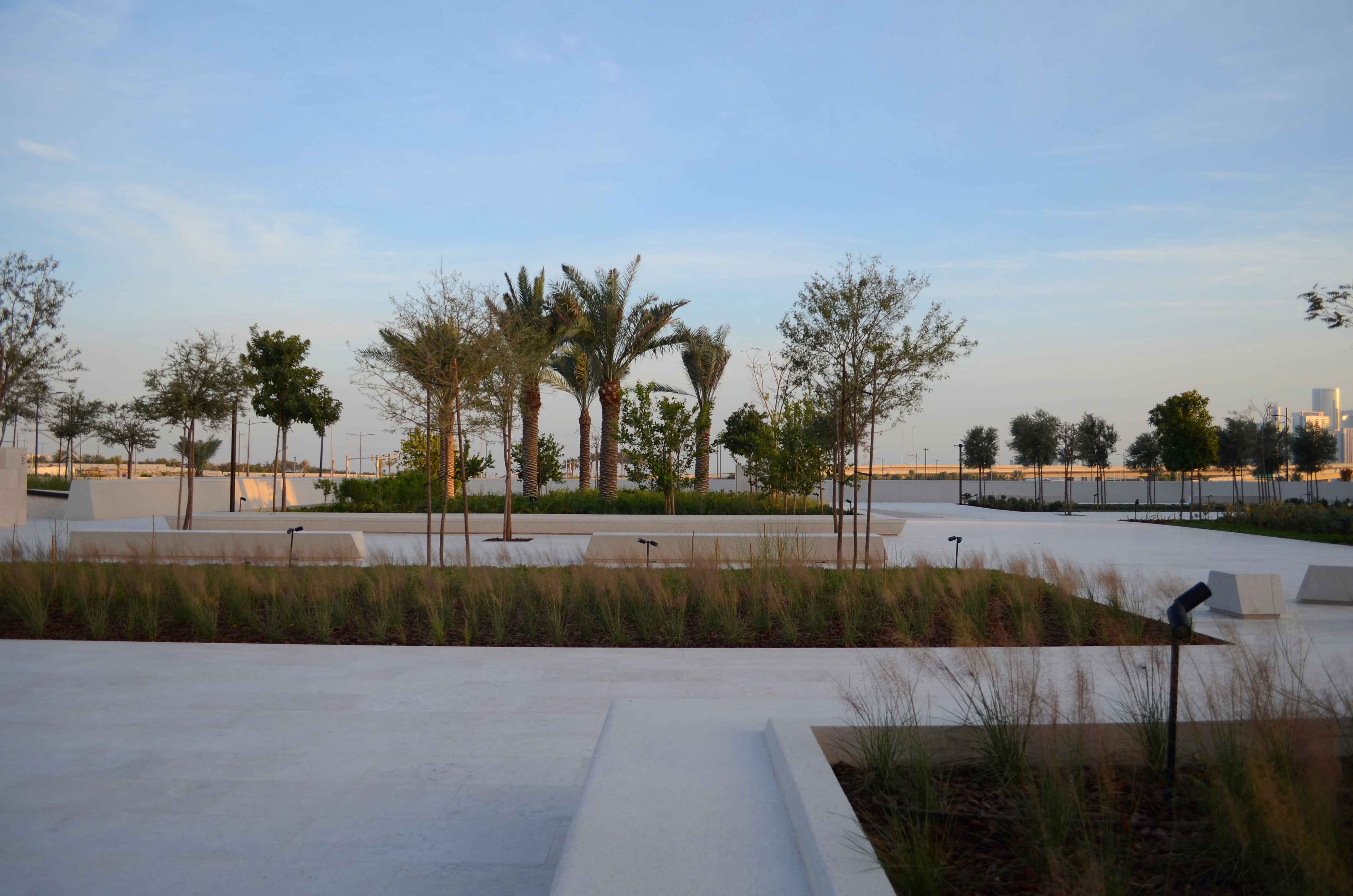
On the plinth level, the gardens features trees and other desert vegetation that are locally sourced and native to the region. © Adjaye Associates
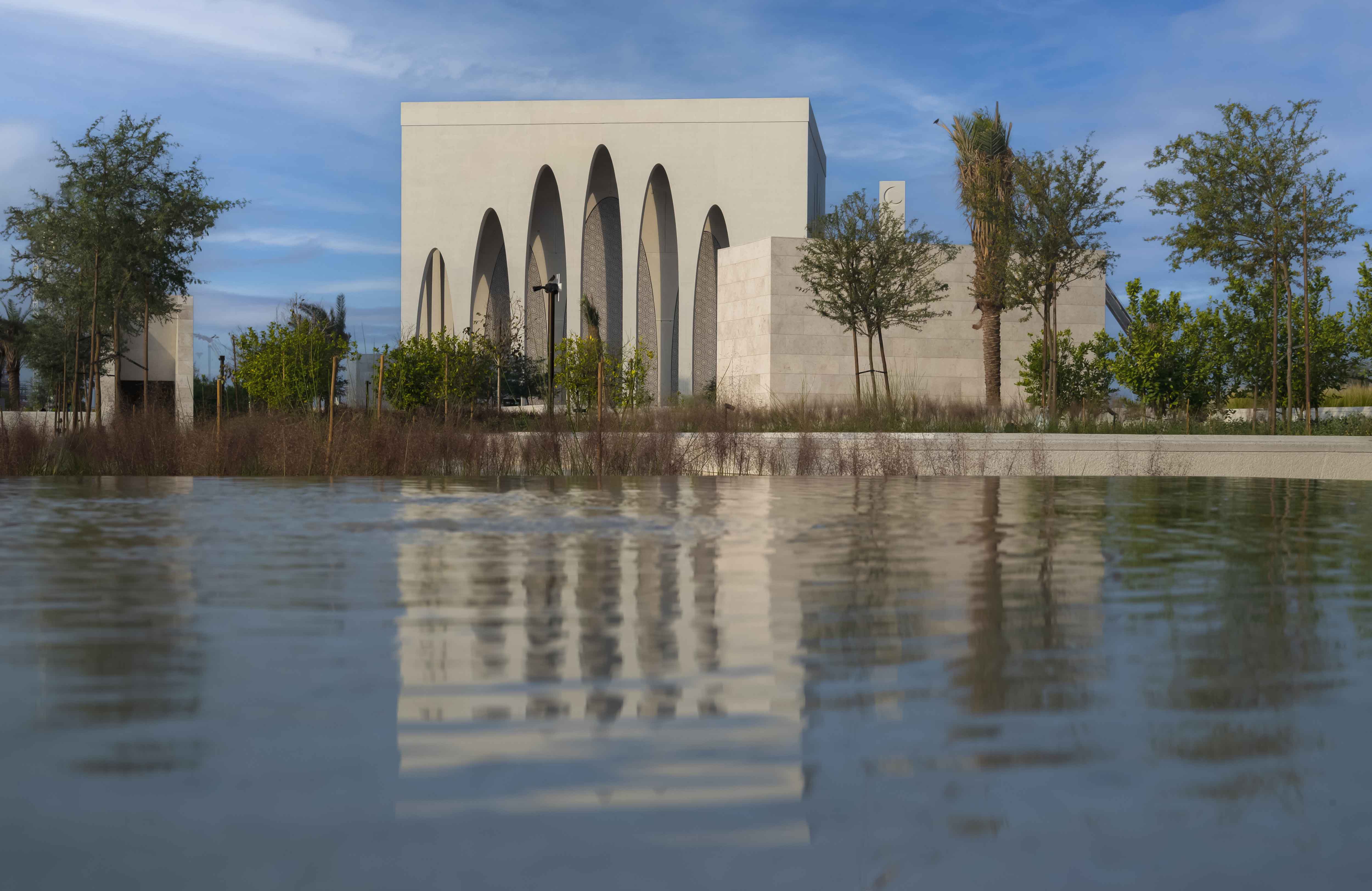
The Imam Al-Tayeb Mosque viewed from a water feature within the garden. © Arwa Alhati
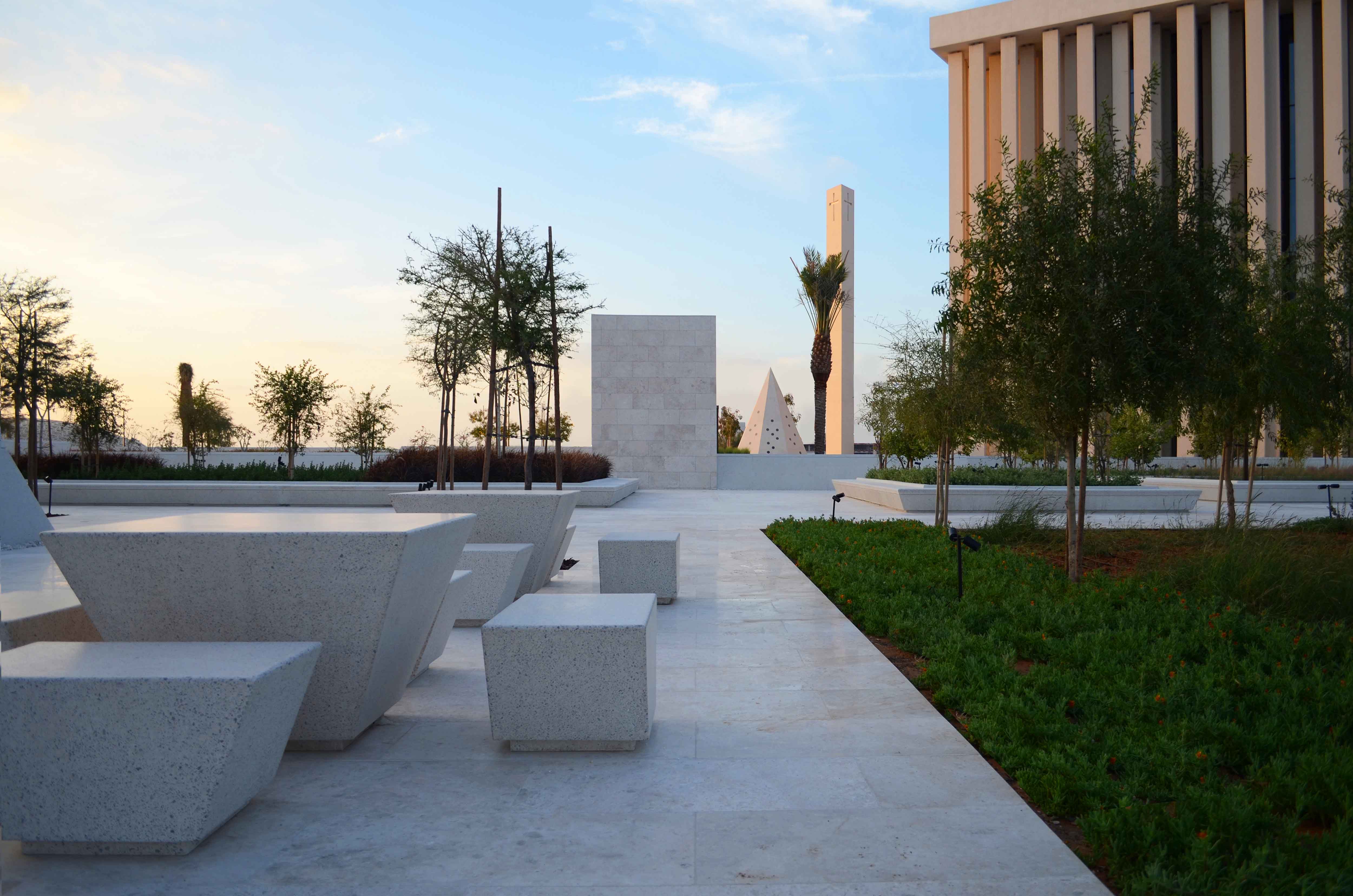
The Abrahamic Family House’s communal gardens is defined by planters, water features, and bench seating. © Adjaye Associates
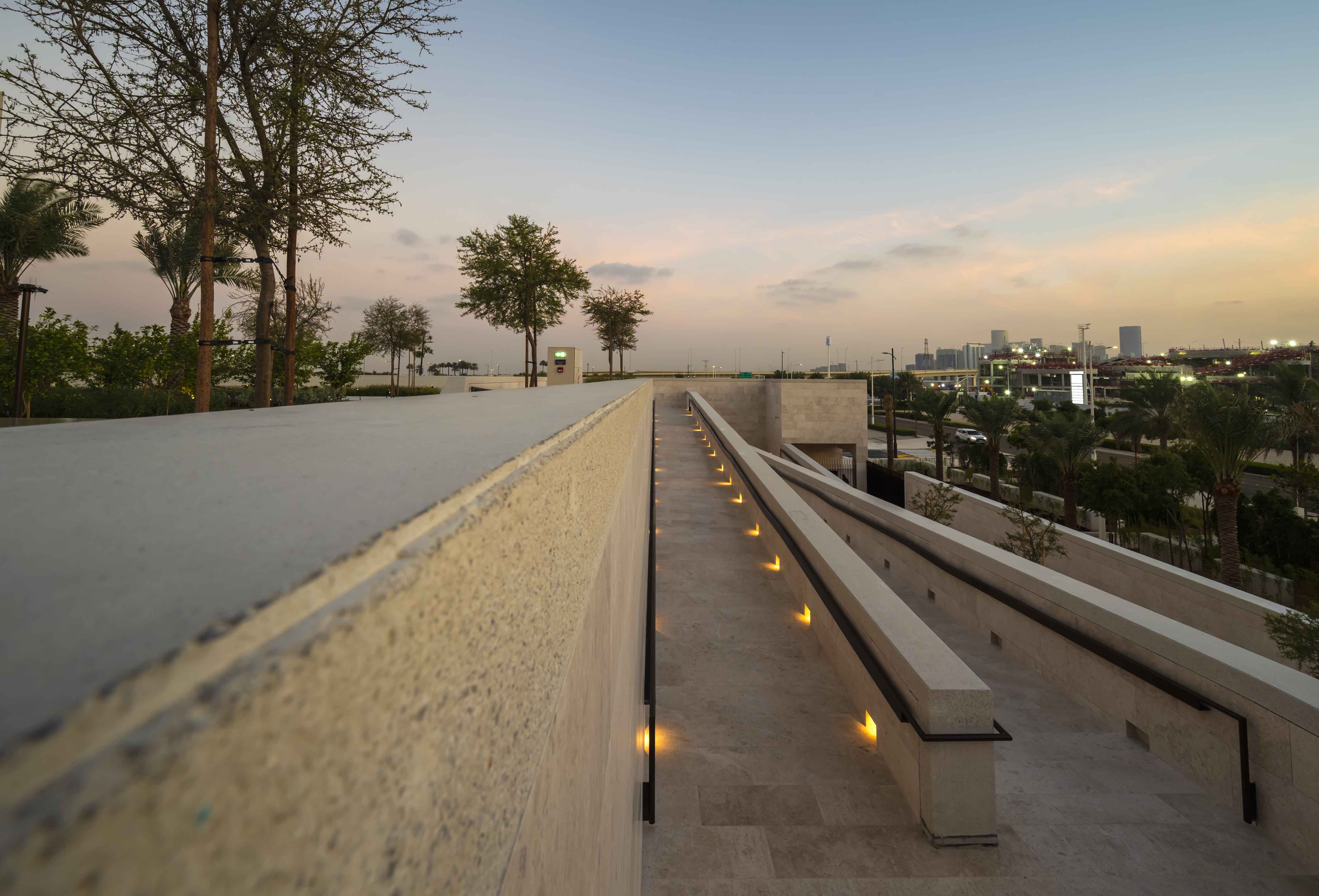
Two ramps to the east and west of the Abrahamic Family House offer accessible navigation to the garden and views to the city. © Arwa Alhati
At the Abrahamic Family House visitors are invited to participate in religious services, guided tours, celebrations, and opportunities to explore faith. Each of the dedicated houses of worship, the Eminence Ahmed El-Tayeb Mosque.
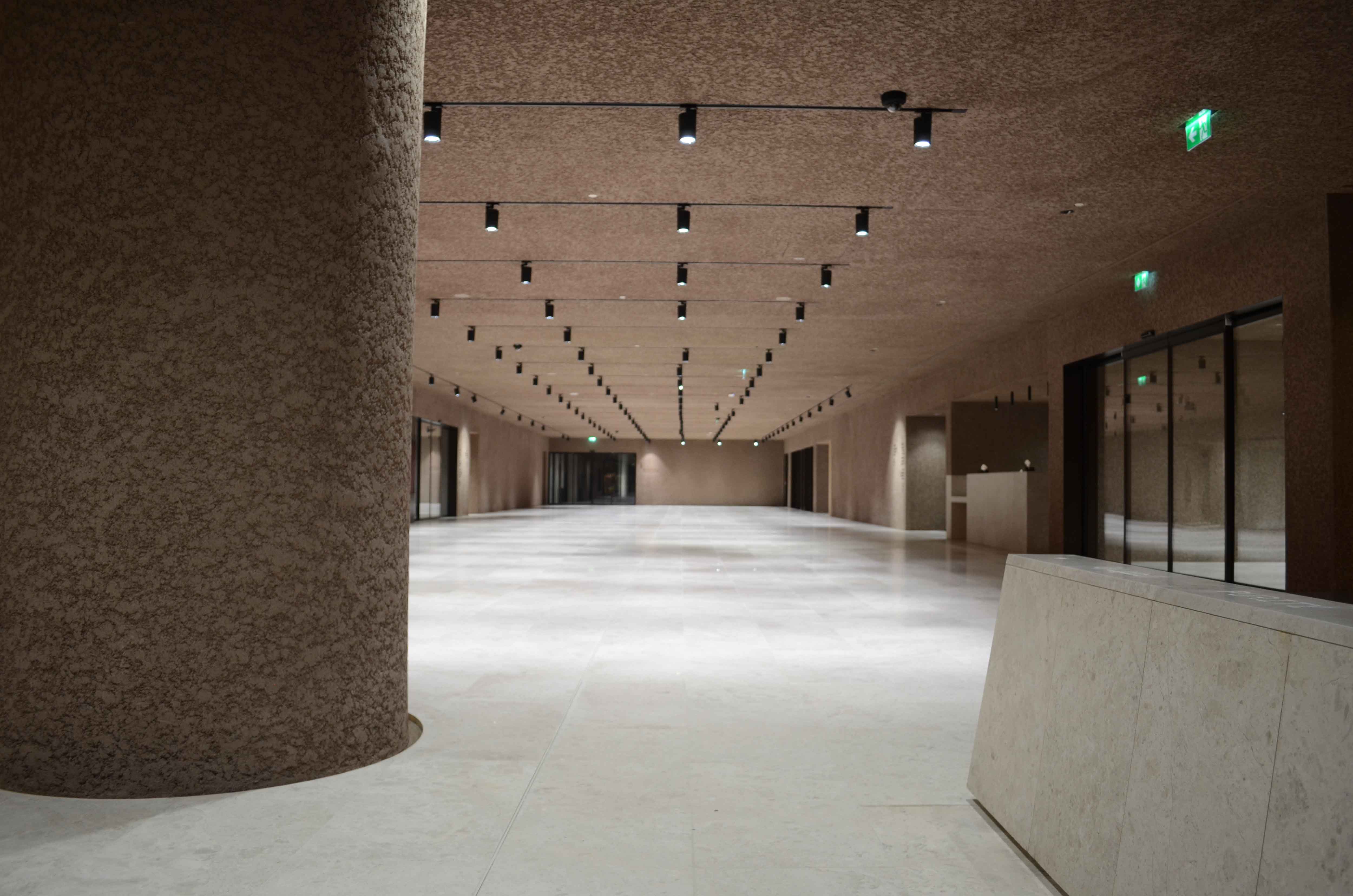
The Forum is wrapped in an earthen texture and serves as a place of convergence. © Dror Baldinger
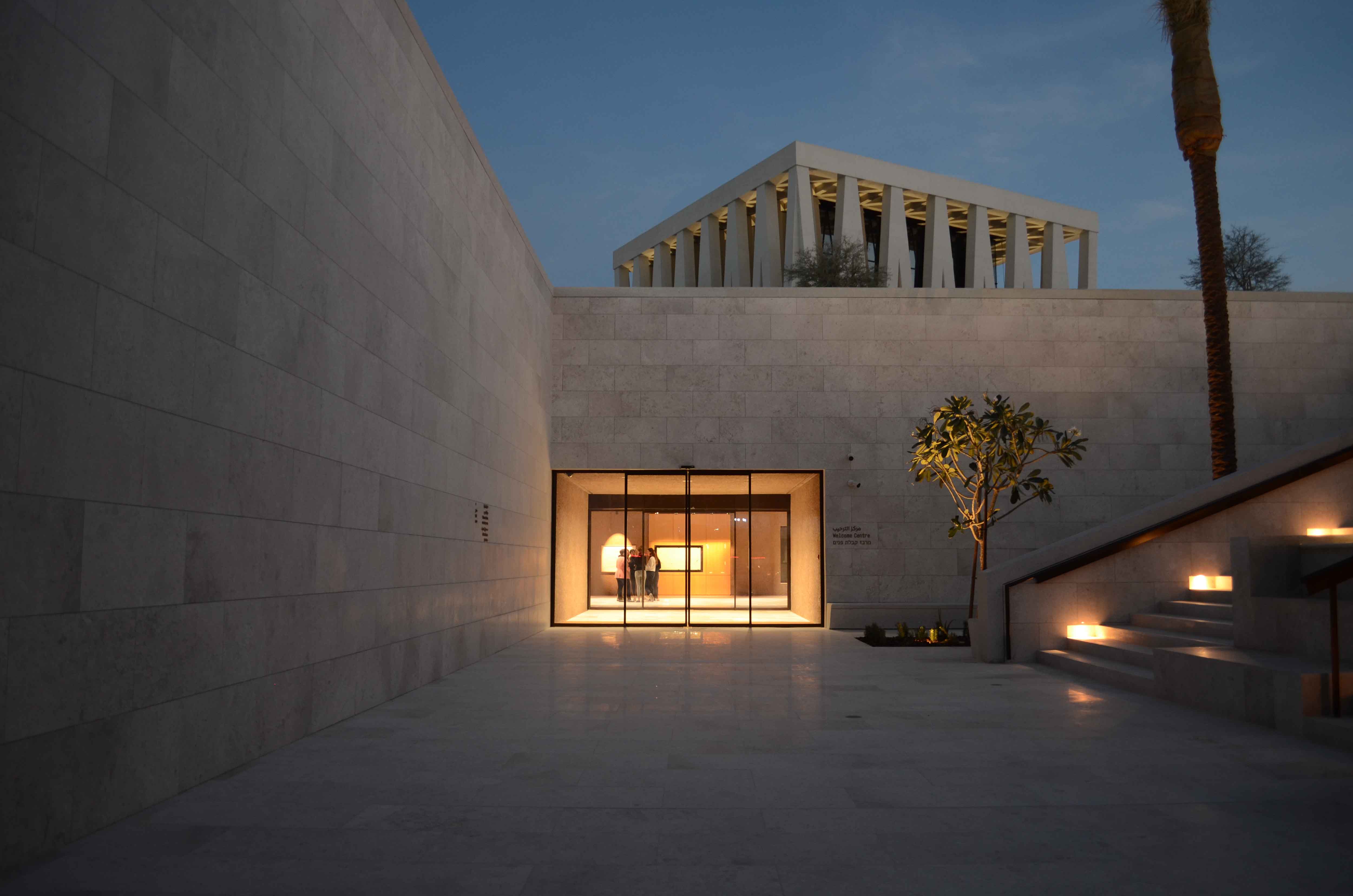
The main entrance to the Forum, from the north, sits beneath the raised garden, accessible by a staircase to the right. the Moses Ben Maimon Synagogue peeks above the Forum. © Adjaye Associates
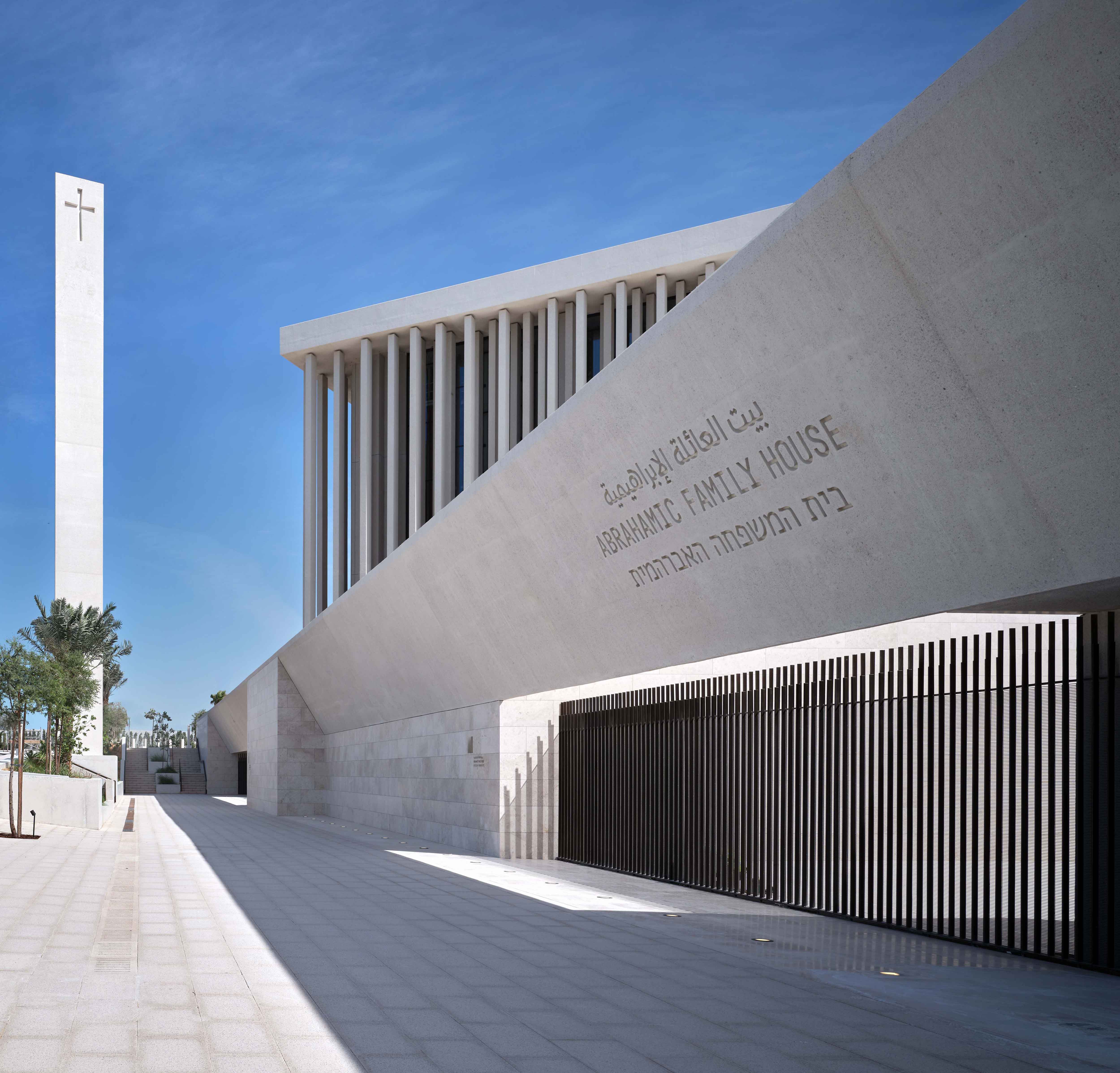
View of the main entrance to the Forum and the Abrahamic Family House complex, with His Holiness Francis Church and its emblematic totem in the background. © Adjaye Associates
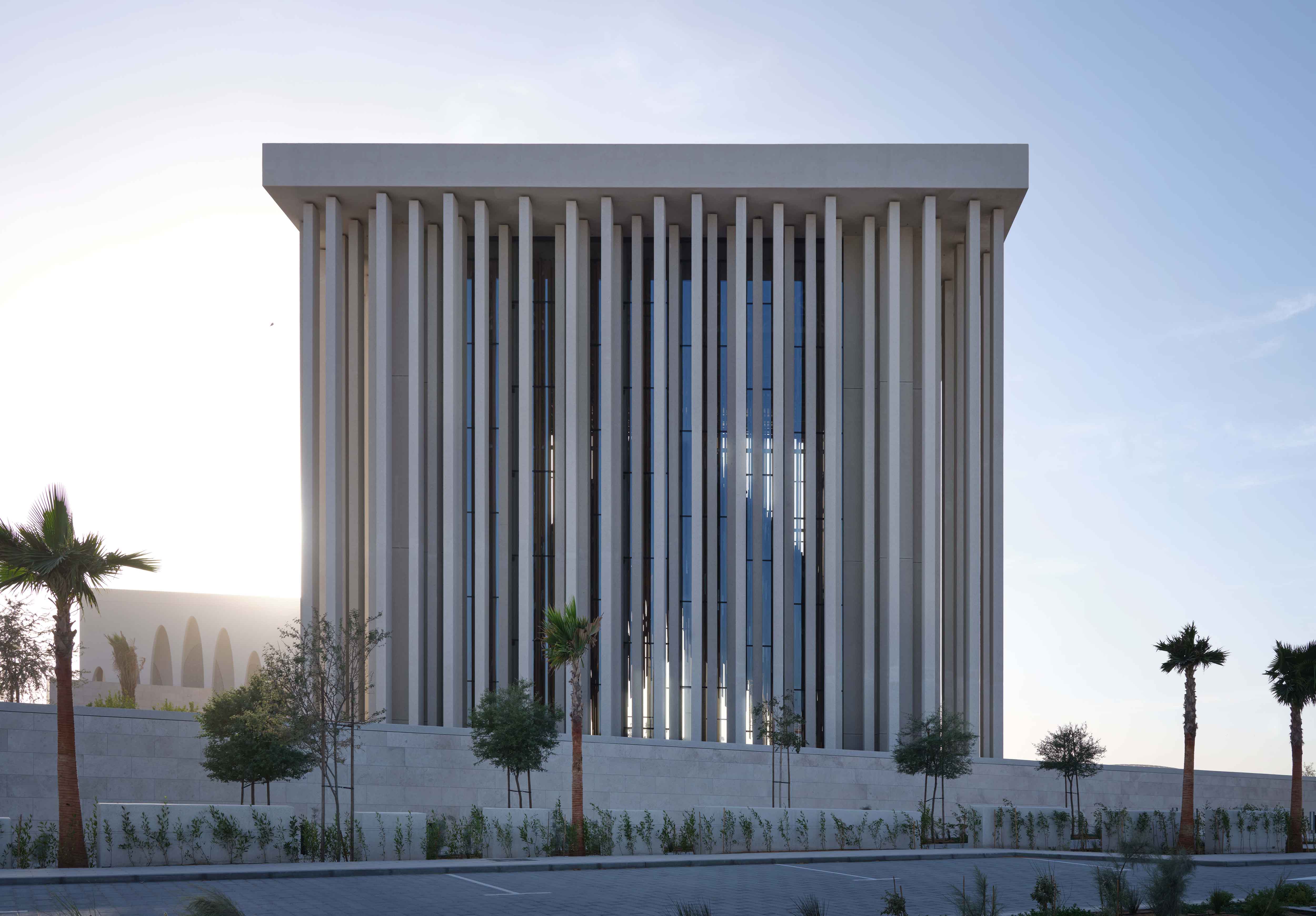
His Holiness Francis Church features a forest of staggered vertical colonnades, as viewed from the exterior of the Abrahamic Family House complex from the north. © Dror Baldinger
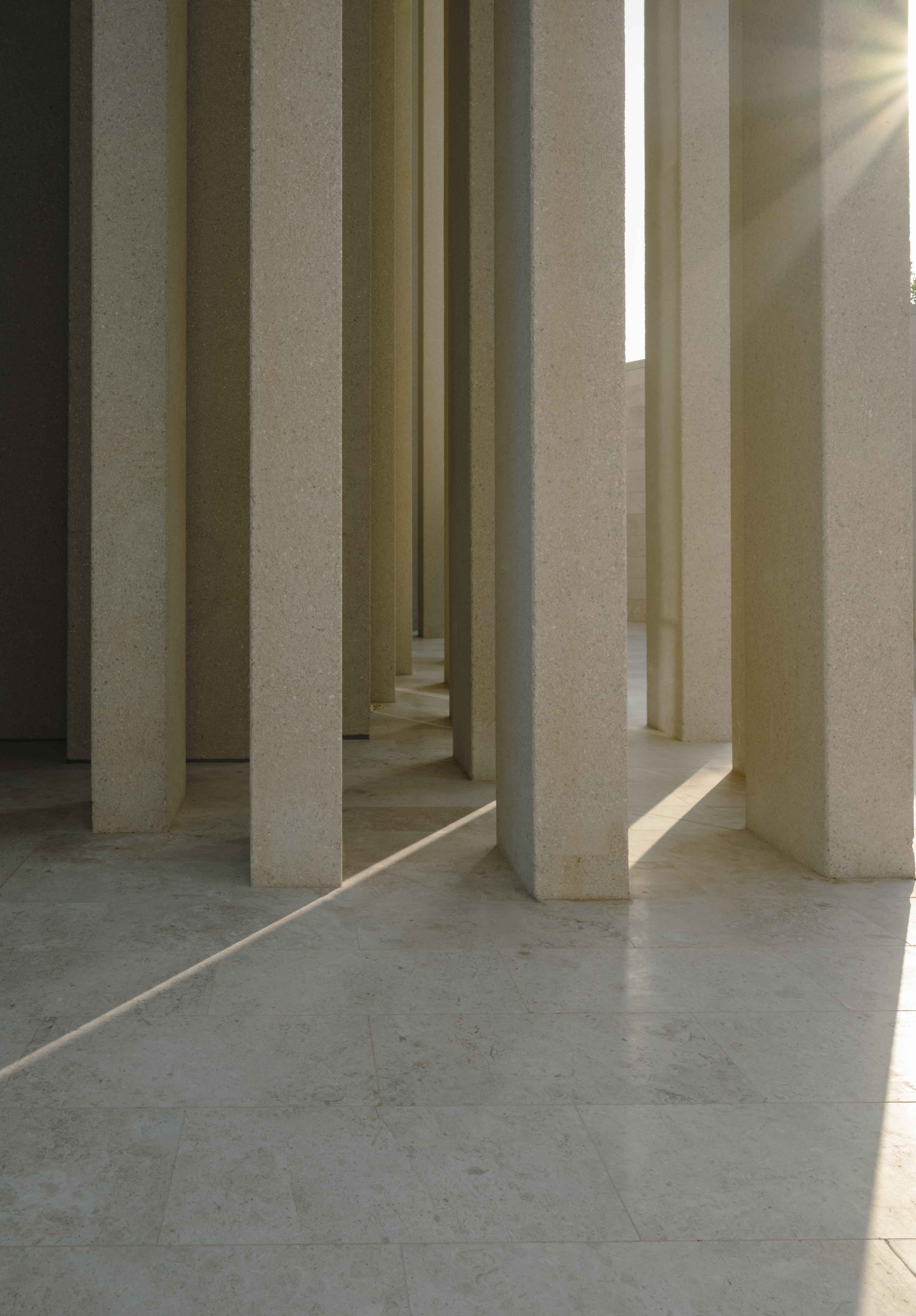
His Holiness Francis Church is surrounded by a forest of vertical columns oriented east-west. © Arwa Alhati
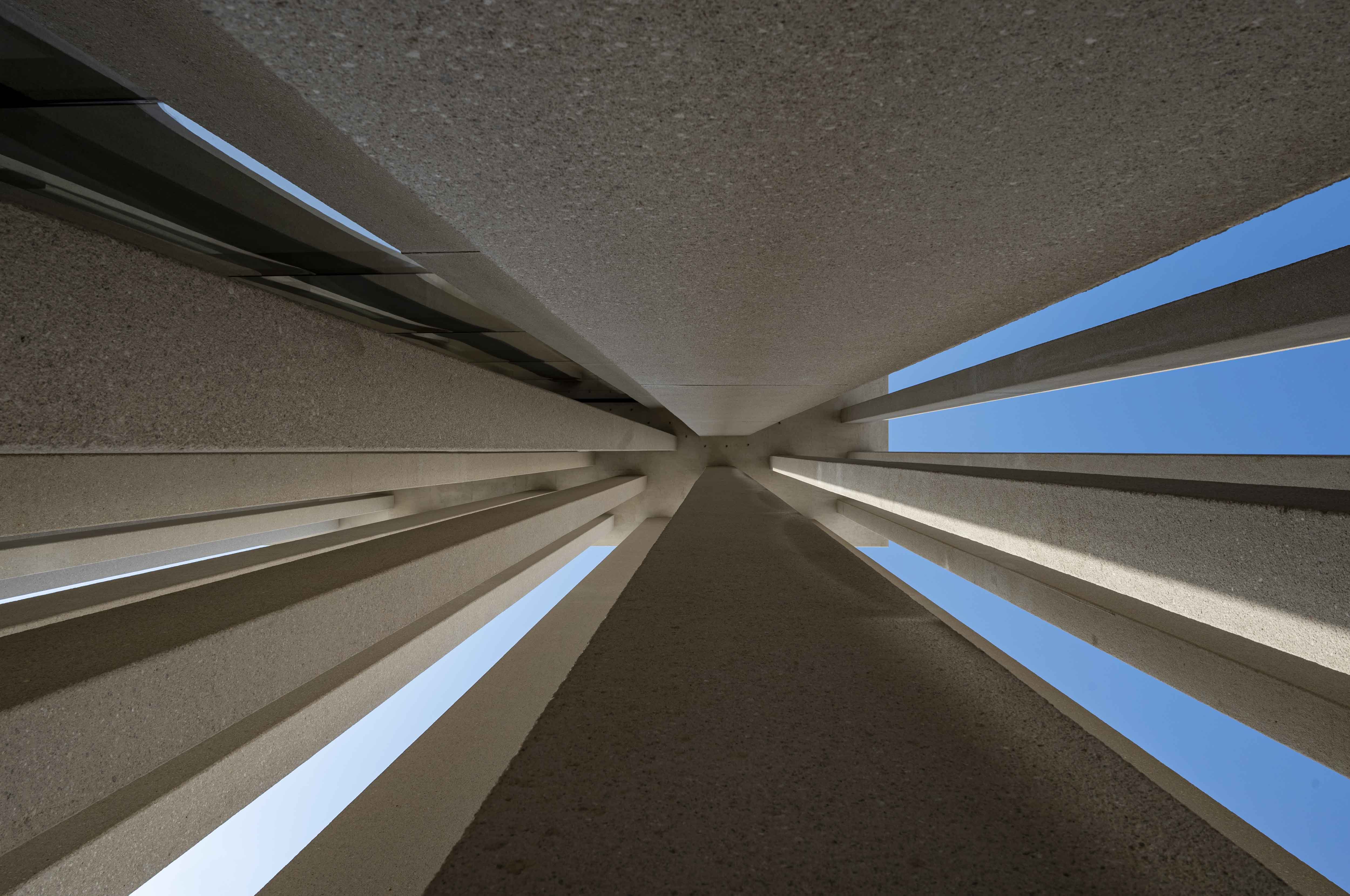
The forest of towering columns that define His Holiness Francis Church’s architectural expression stems from the ideas of rays of light and verticality. © Arwa Alhati
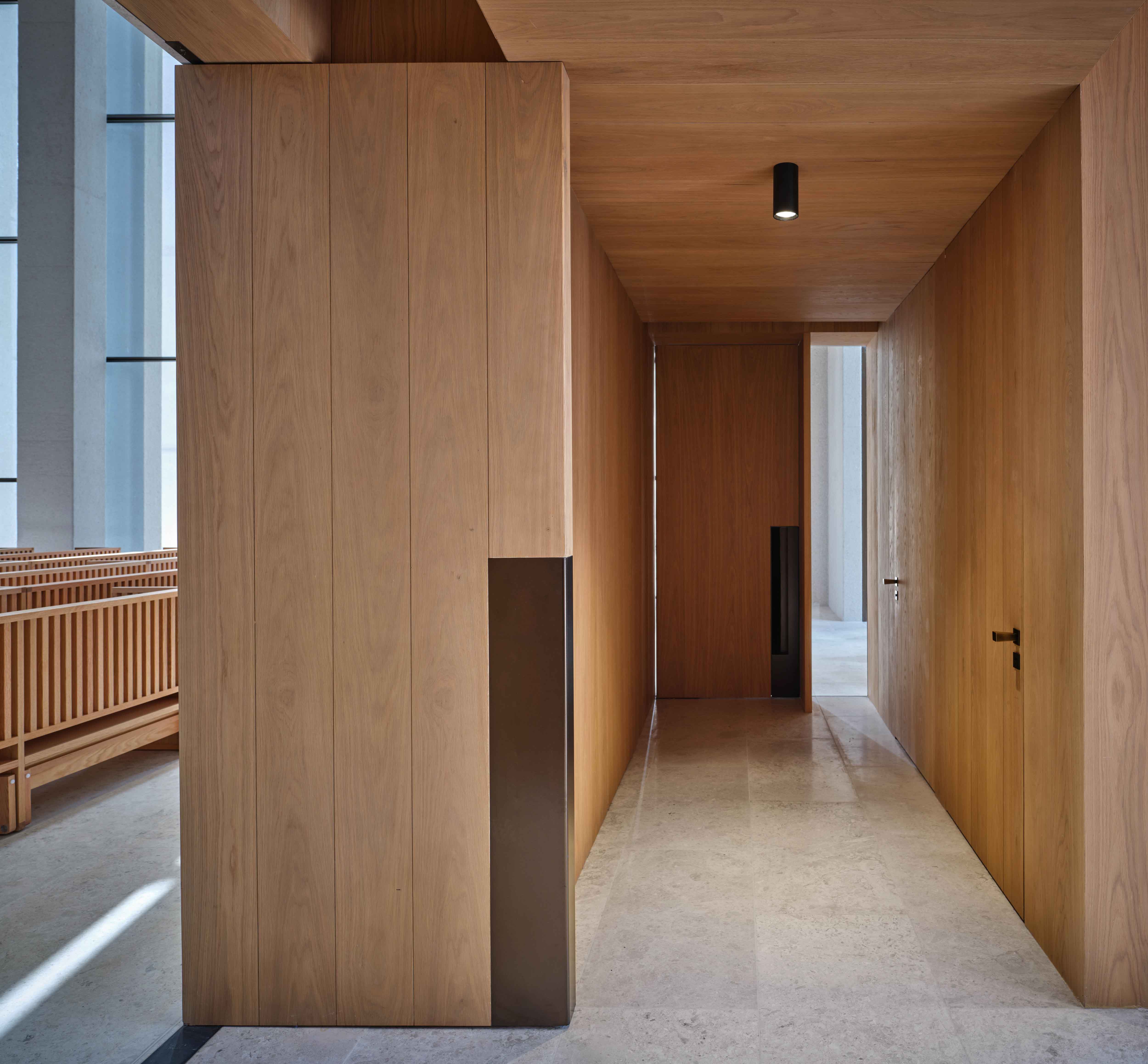
The warm, wooden entry vestibule with confession rooms at His Holiness Francis Church acts as a transition space between the exterior courtyard and interior space of worship. © Dror Baldinger
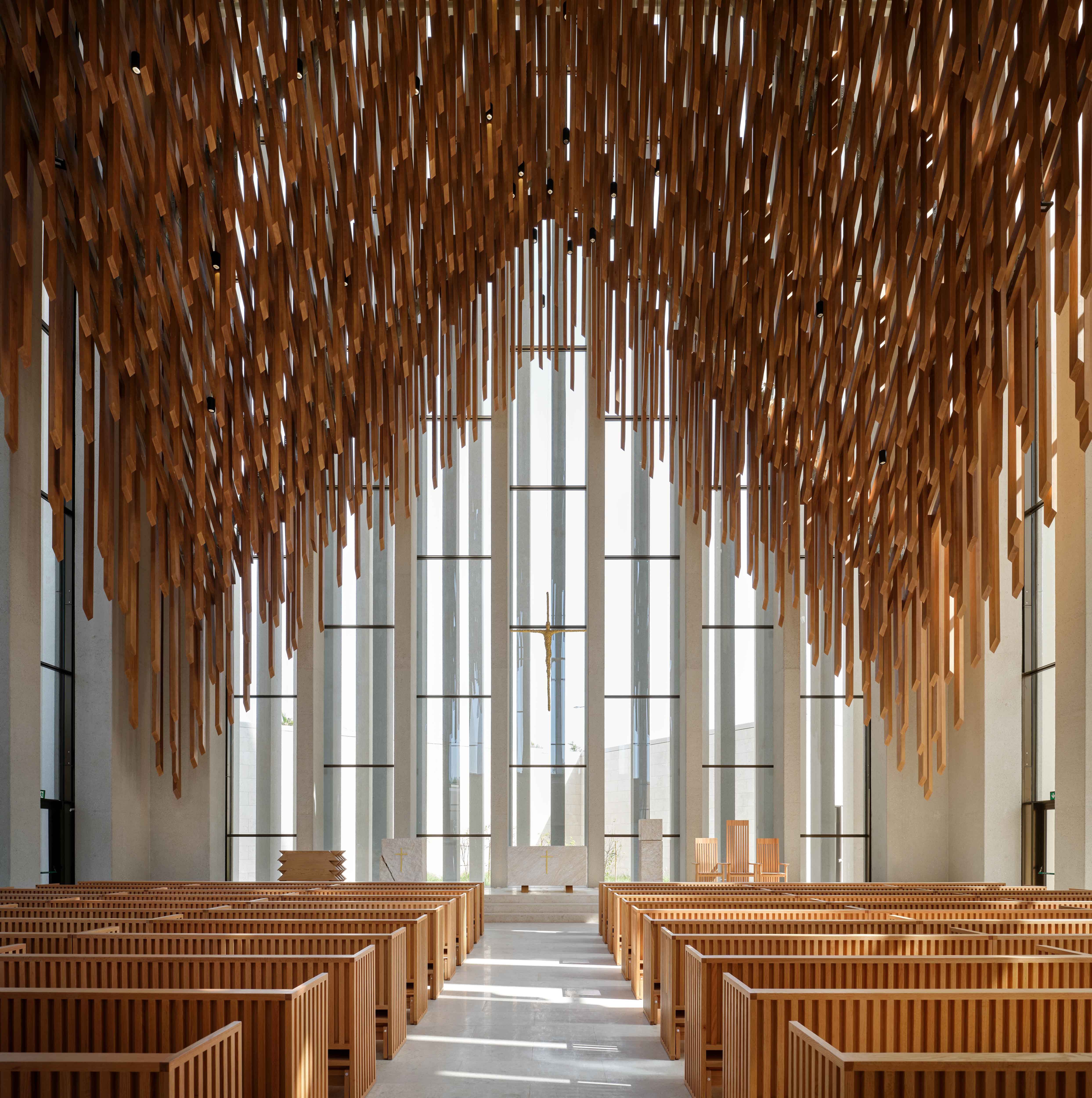
His Holiness Francis Church interior features a pyramidal form of linear timber battens that hang above oak pews facing the altar. © Dror Baldinger
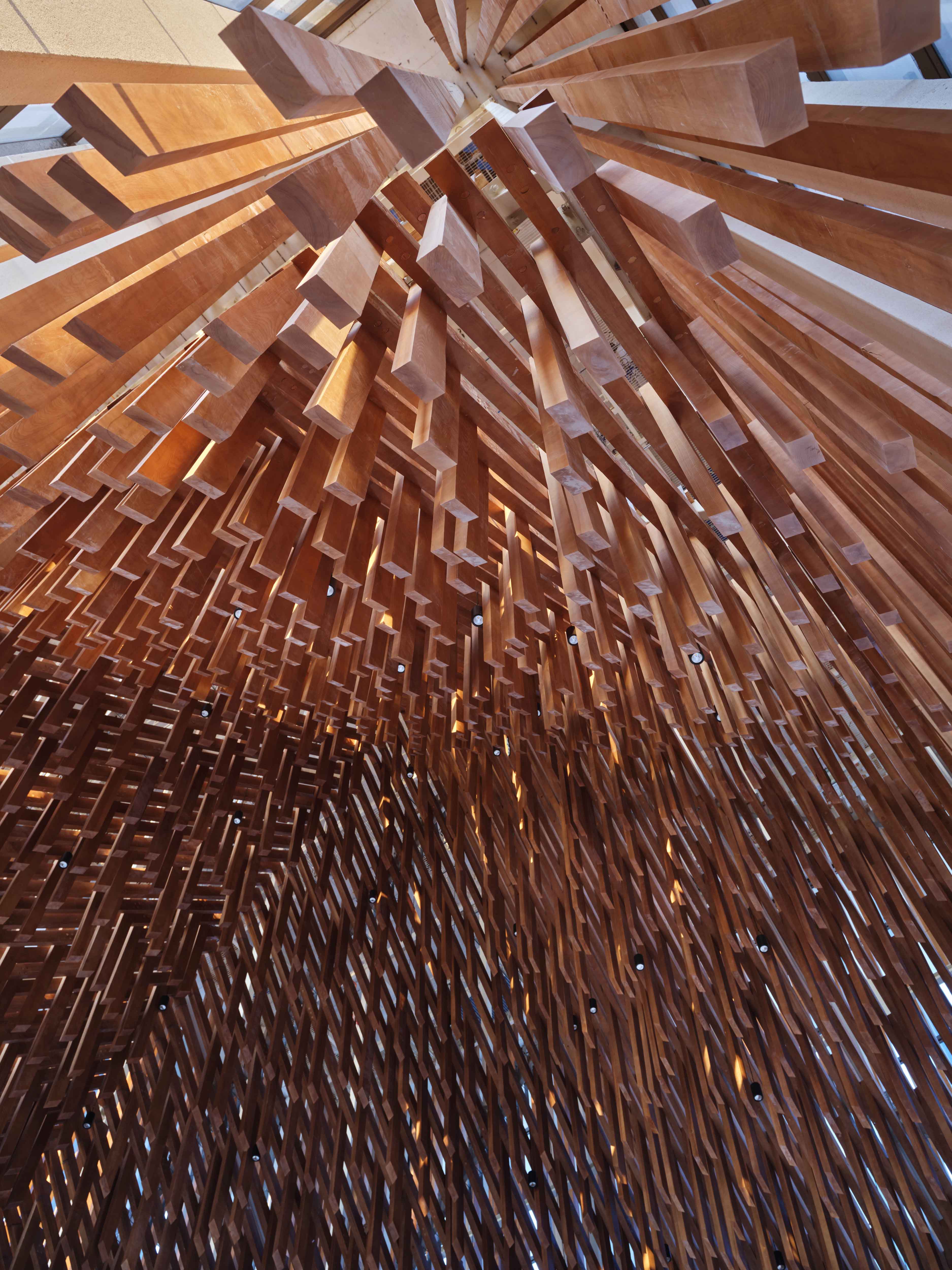
Suspended above the congregation in His Holiness Francis Church is a ceiling of timber battens that glow as sunlight enters the space. © Dror Baldinger
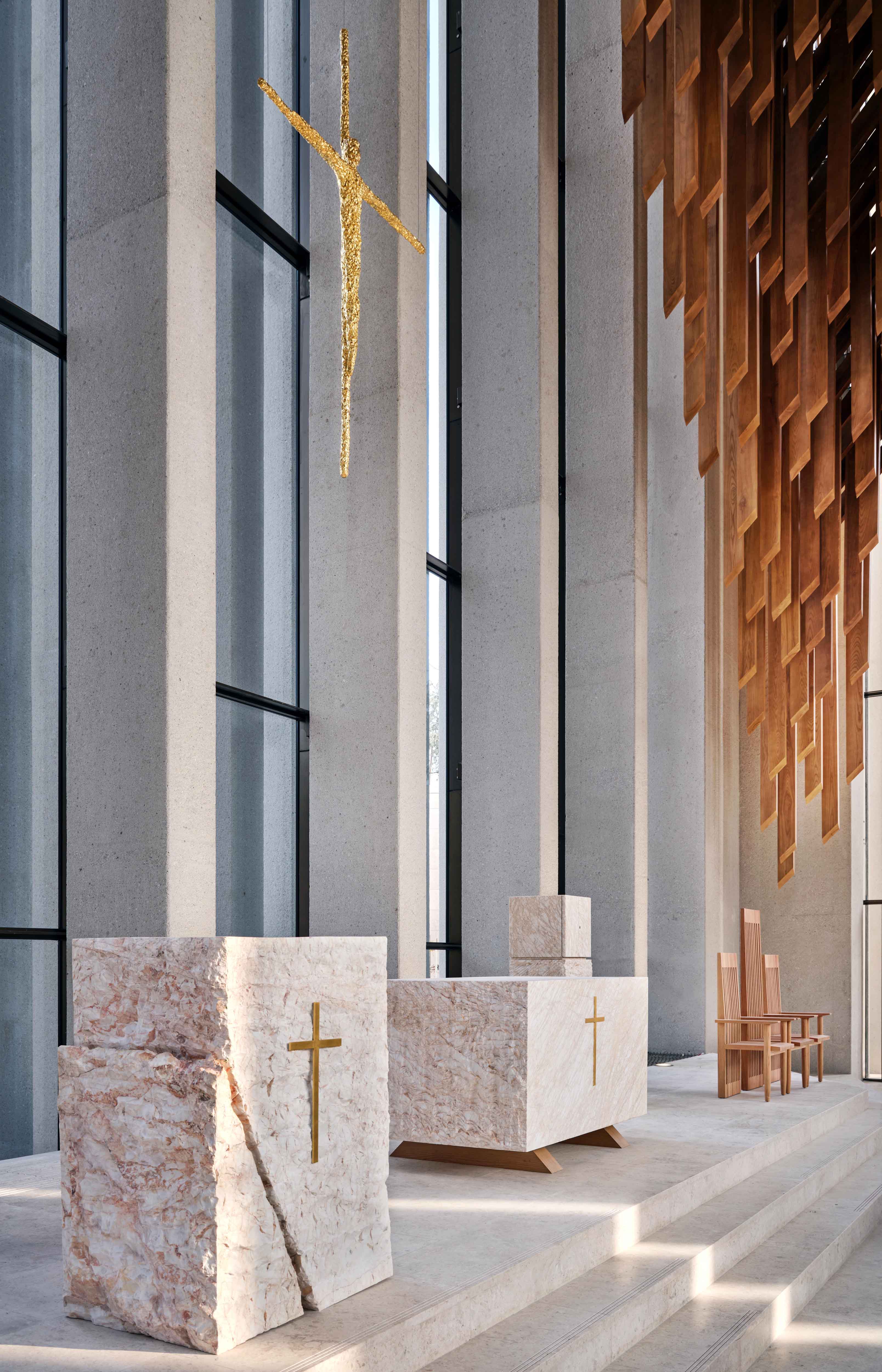
Within His Holiness Francis Church, a marble altar, ambo, and tabernacle, as well as an oak credence table and three chairs sit on the sanctuary below the crucifix—a humanoid form with no indication of race or creed. © Dror Baldinger
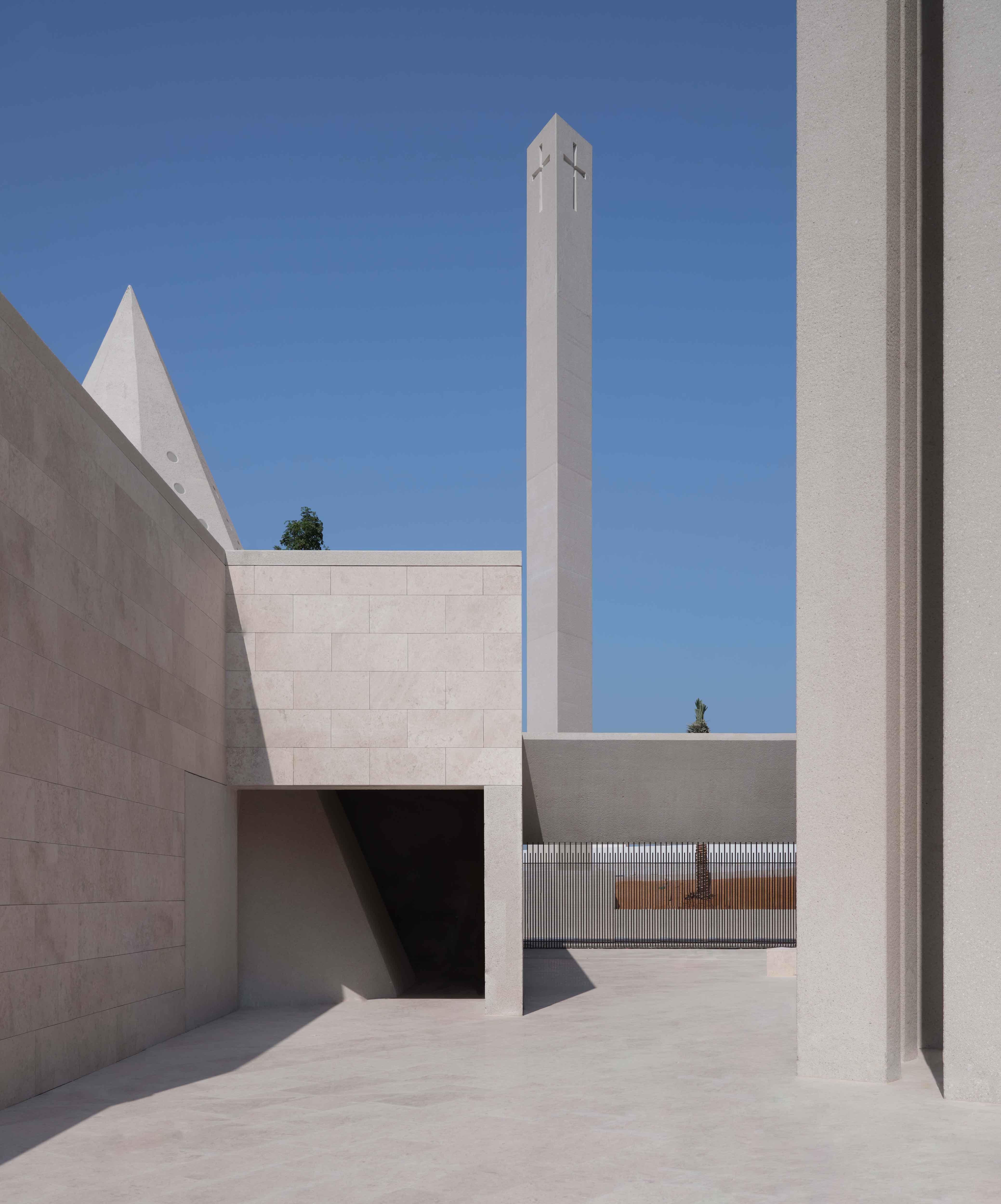
Entry to the baptistry and church’s ancillary spaces, viewed from the courtyard, with His Holiness Francis Church to the right and its emblematic totem centered. © Dror Baldinger
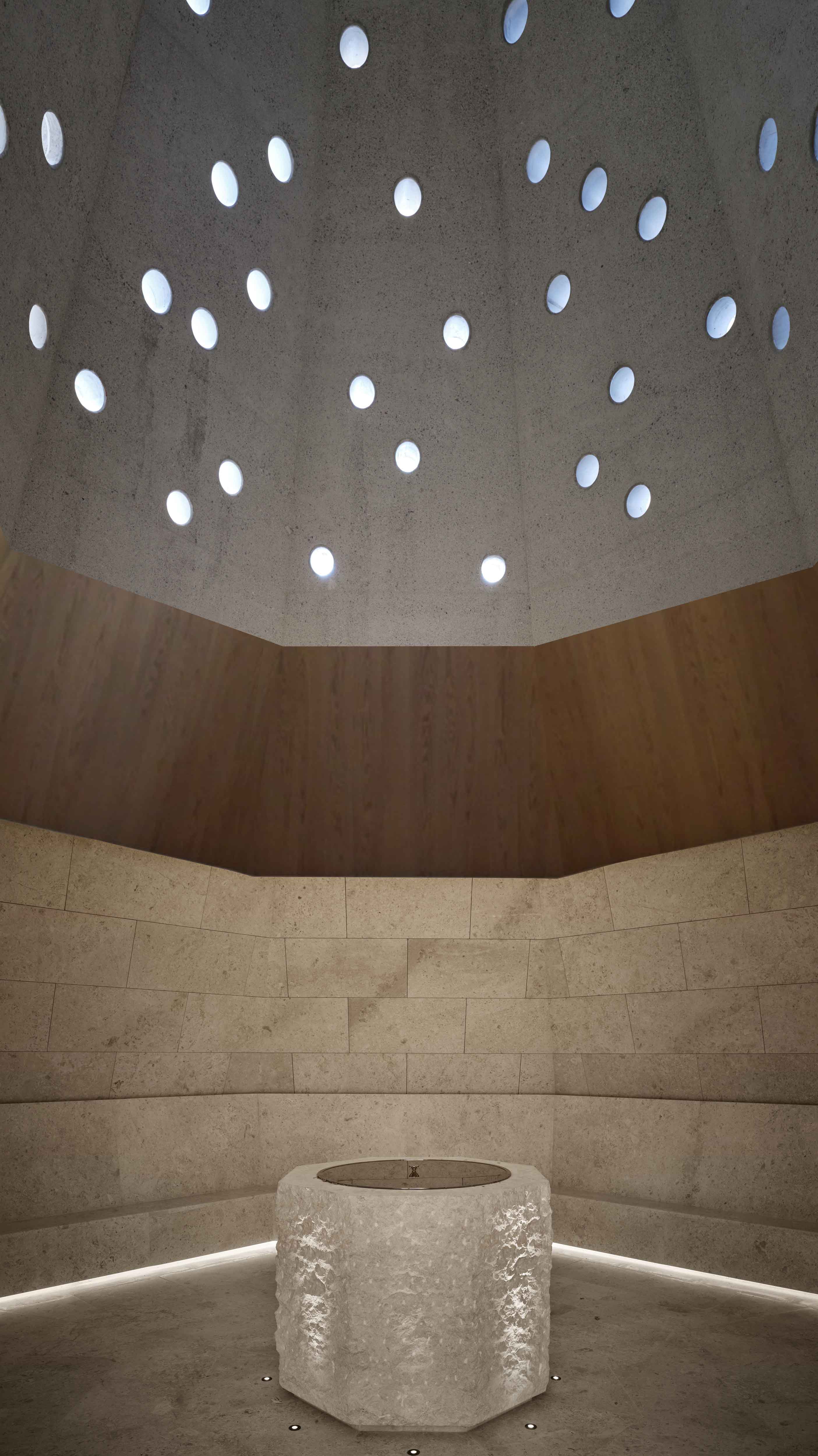
Within the baptistry of His Holiness Francis Church, a baptismal font is centered below a faceted conical ceiling with small apertures to the cosmos. © Dror Baldinger
His Holiness Francis Church, and Moses Ben Maimon Synagogue, has space for observers, and daily guided tours will show visitors features of the design pertinent to the practices and traditions of each faith.
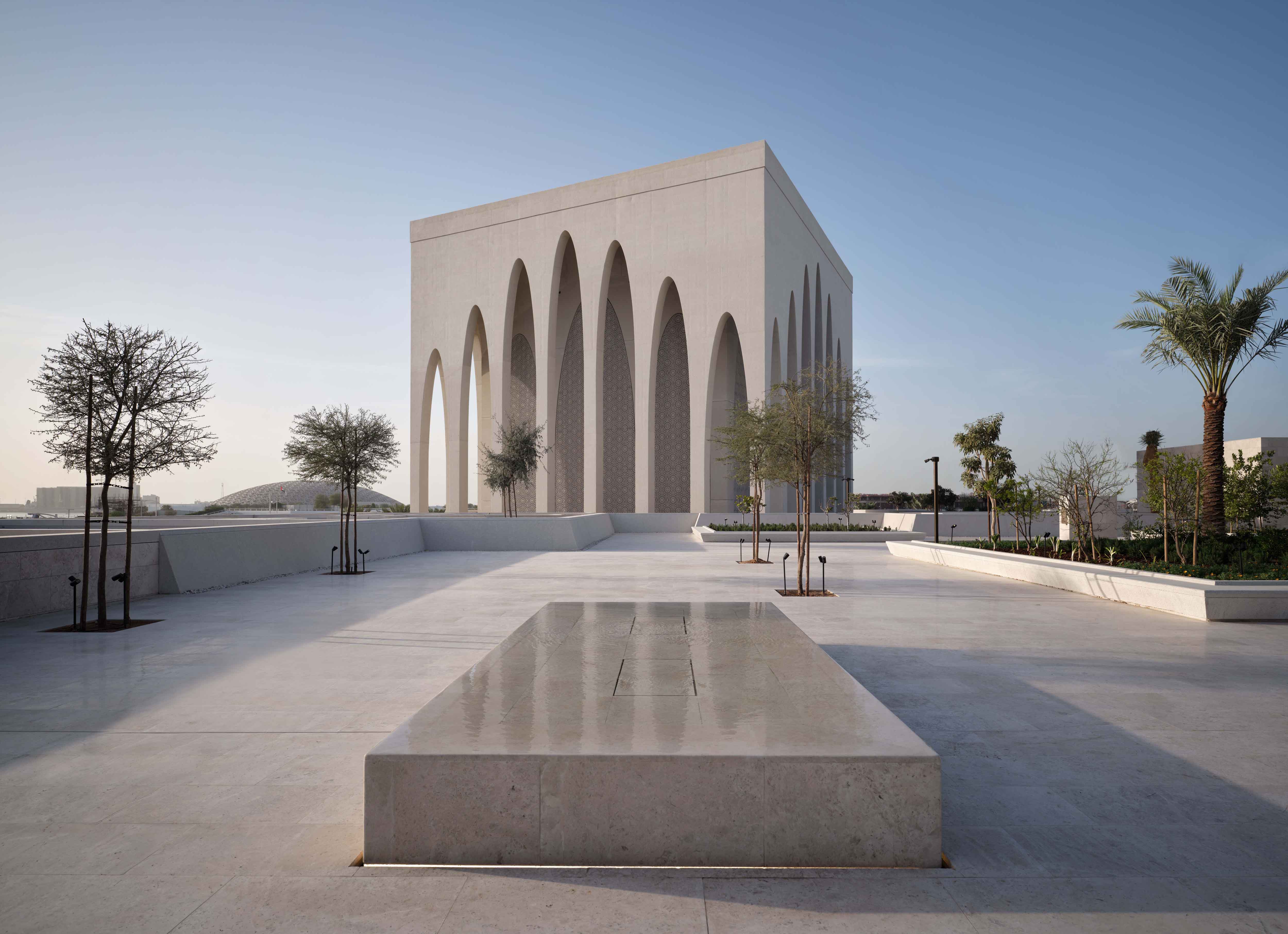
The Imam Al-Tayeb Mosque is distinguished by its elongated arches, as viewed from the Abrahamic Family House’s raised garden. © Dror Baldinger
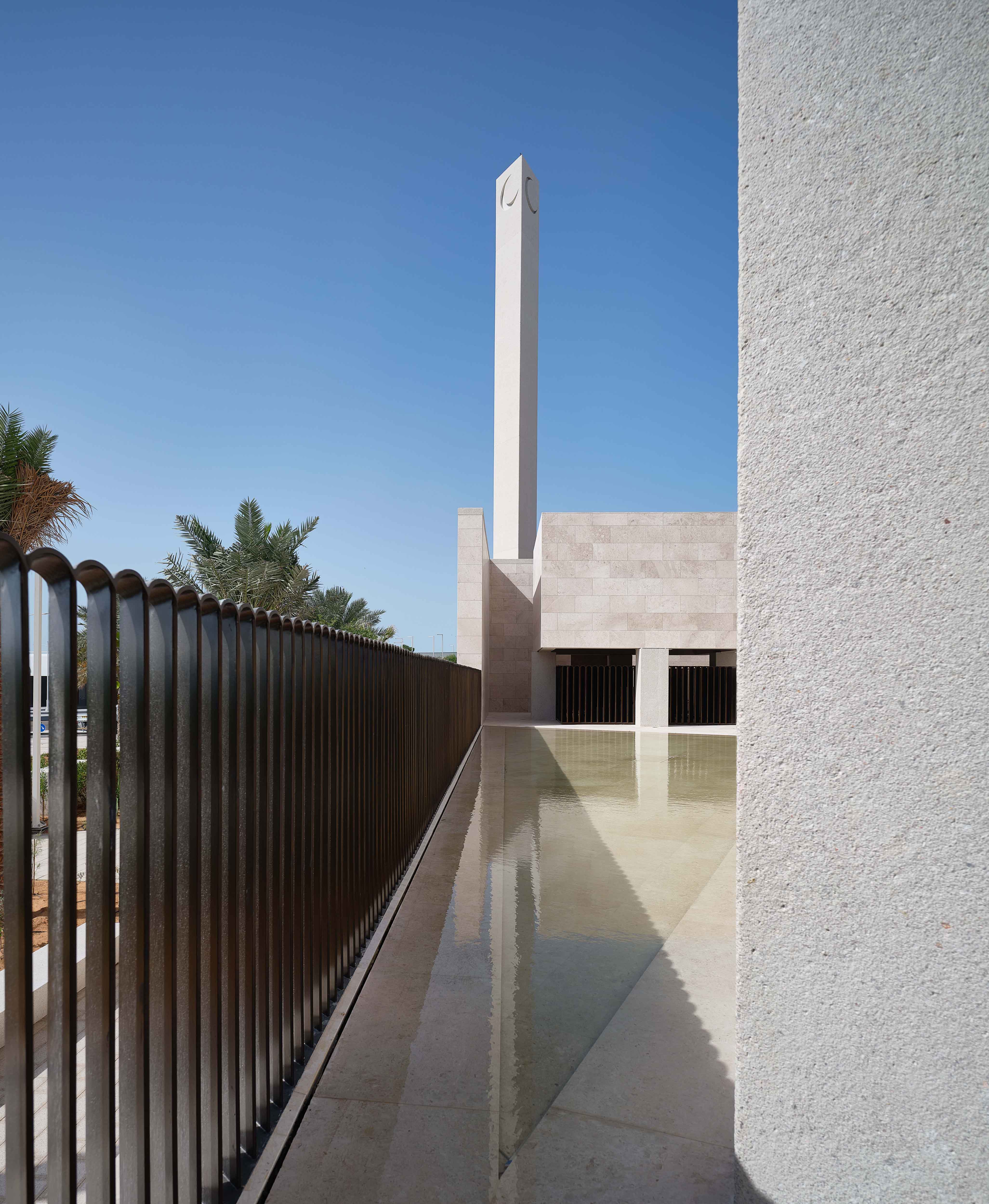
A triangular water feature cools the Imam Al-Tayeb Mosque’s courtyard while curating a path to the ablution. © Dror Baldinger
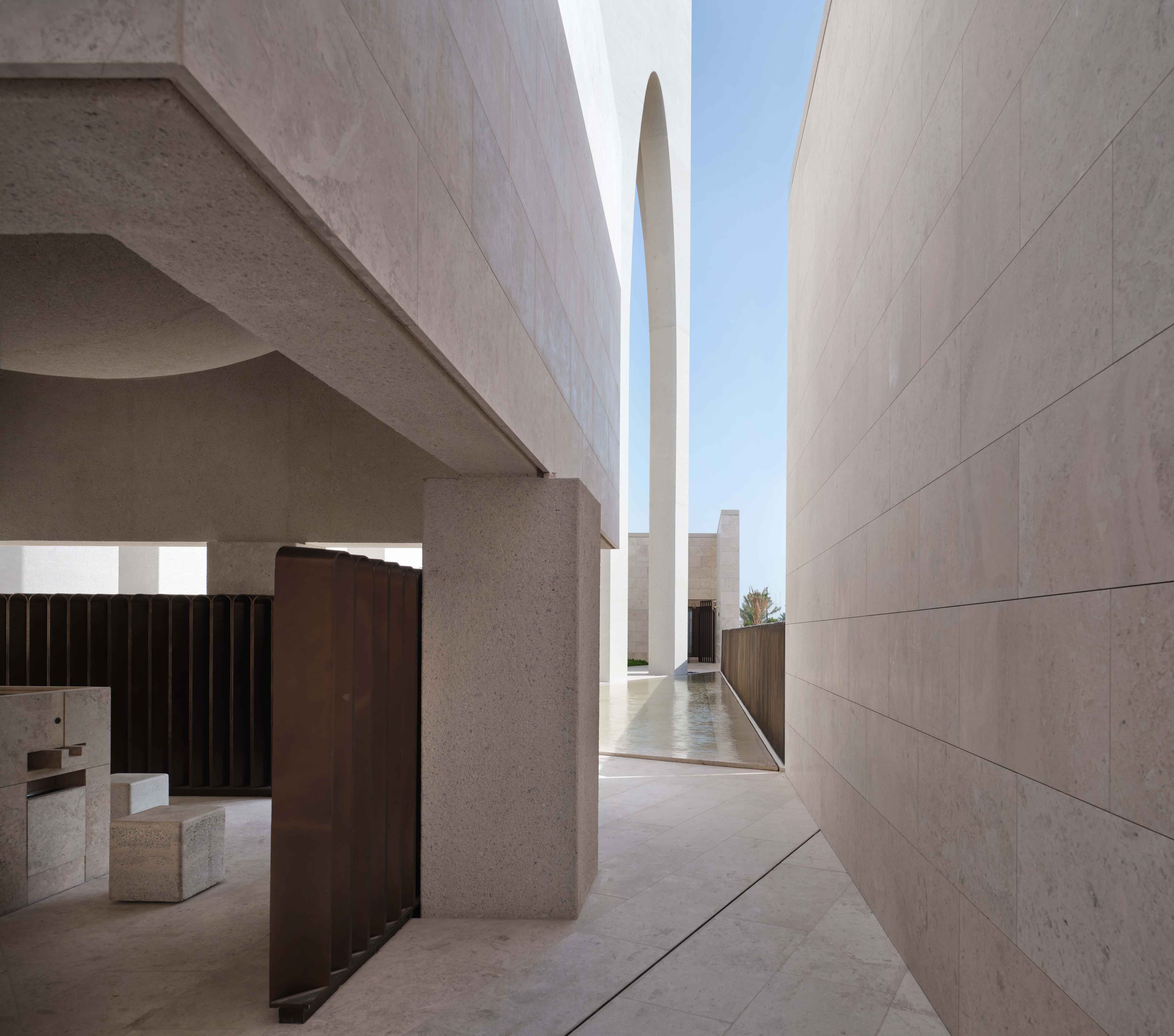
The two ablutions are screened by bronze gates that echo the arches that compose the exterior façade of the Imam Al- Tayeb Mosque; with a convex spherical ceiling above the space for performing wudu in the female ablution. © Dror Baldinger
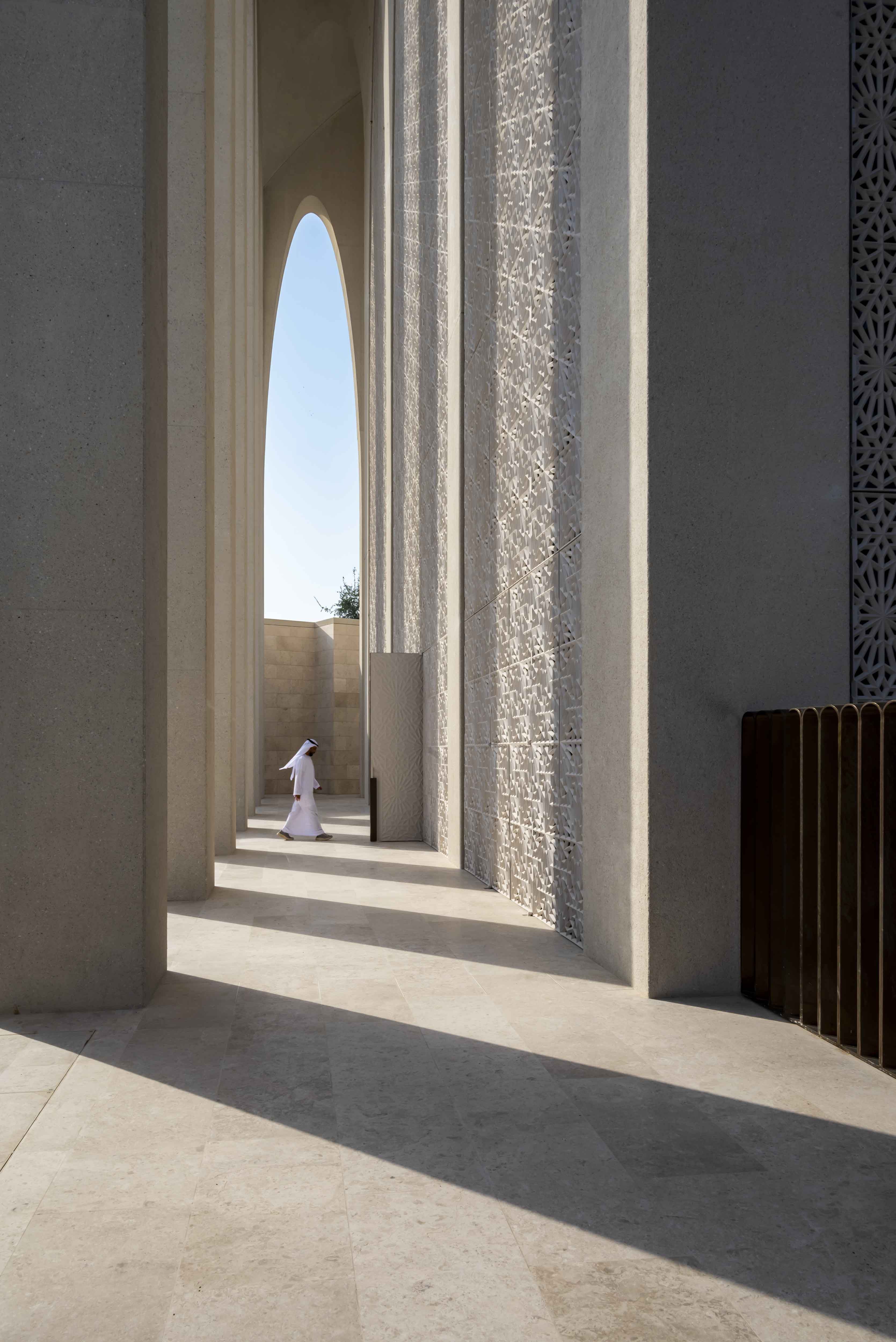
At the Imam Al-Tayeb Mosque, light filters into interiors through the structure’s archways and mashrabiya walls, which are modern translations of traditional Islamic architectural forms. © Dror Baldinger
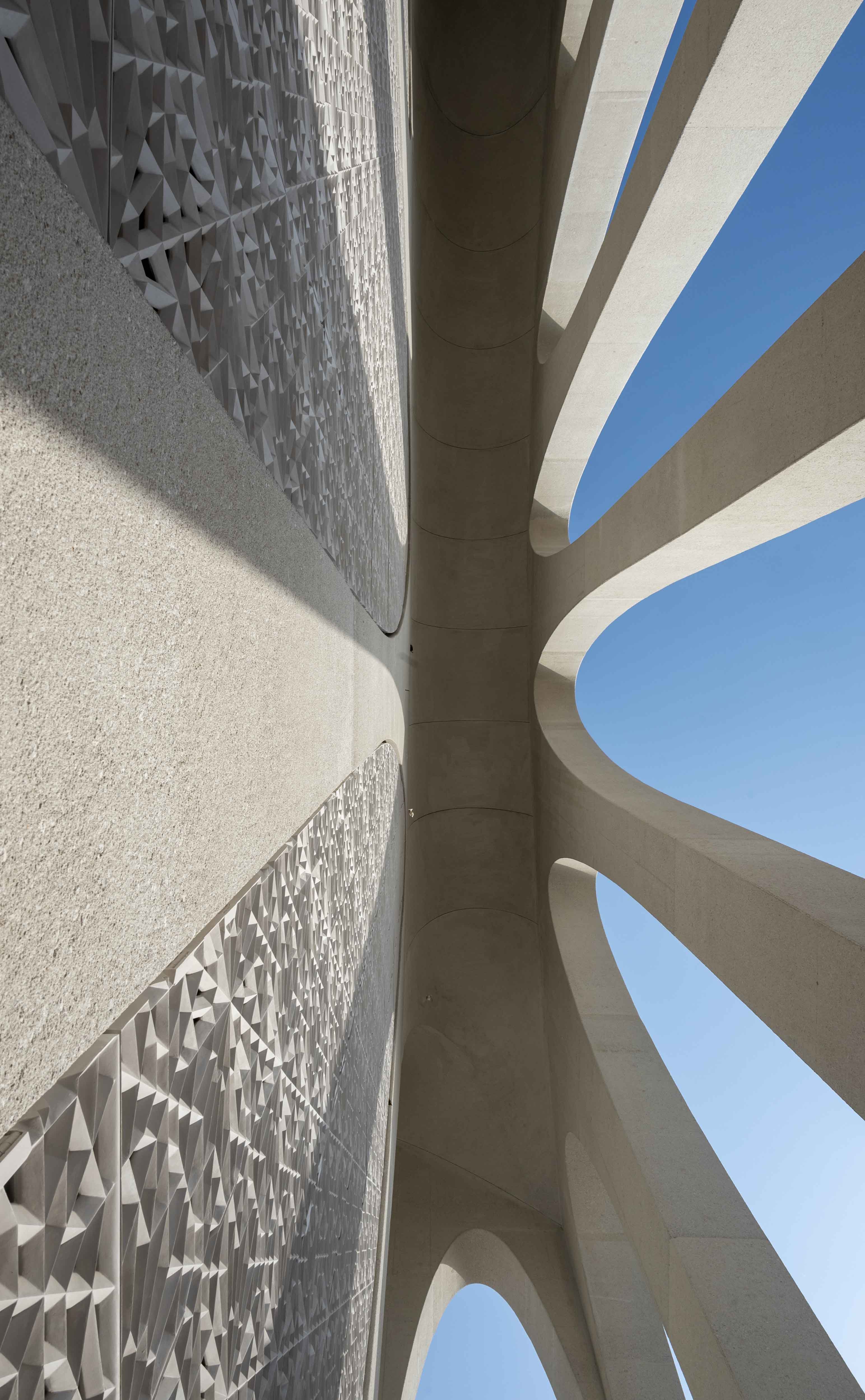
The façade of Imam Al-Tayeb Mosque features seven elongated arches on each side and mashrabiya walls of delicate latticework. © Dror Baldinger
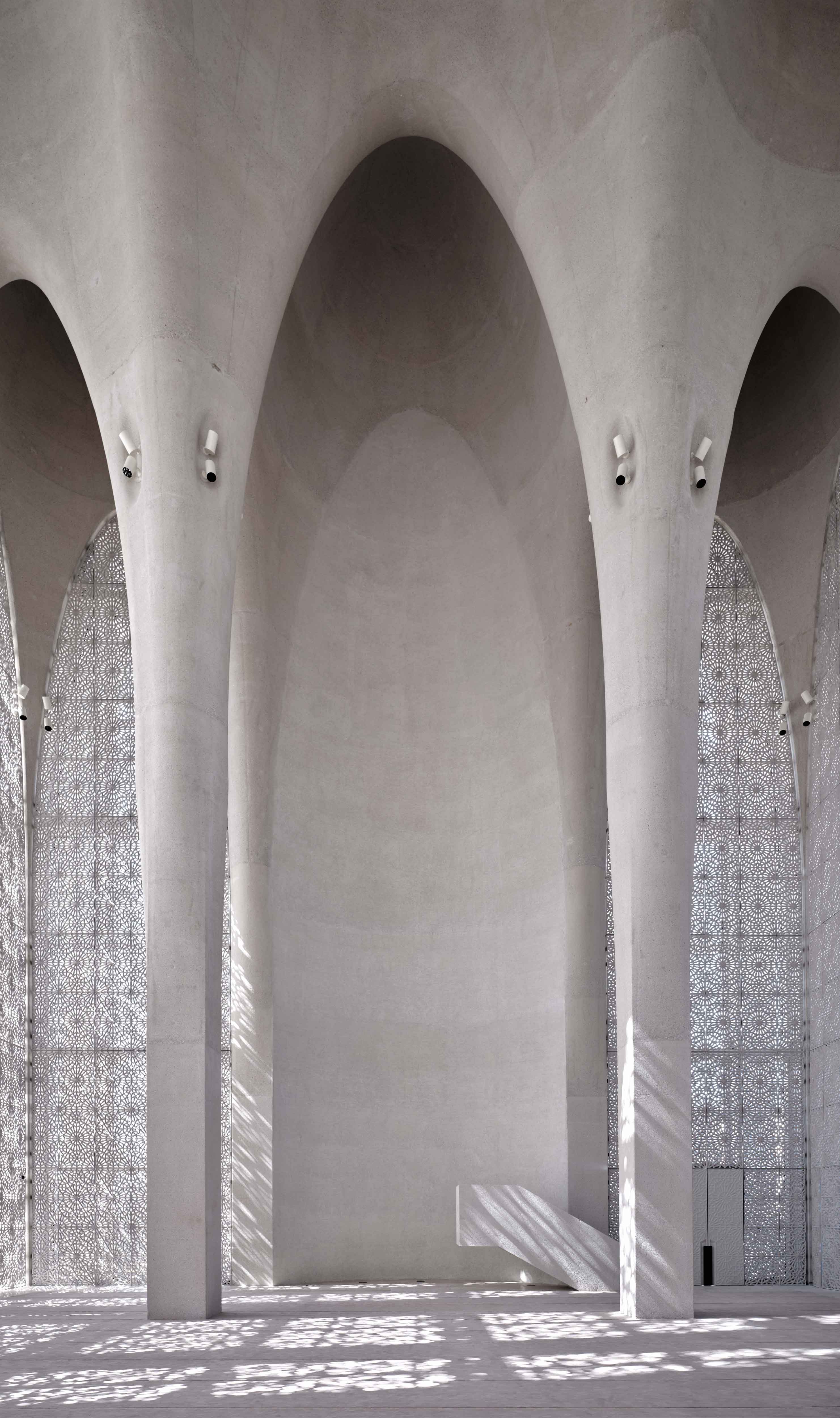
Light filters through mashrabiya screens onto seamless colonnades in the Imam Al-Tayeb Mosque and illuminates the mihrab. © Dror Baldinger
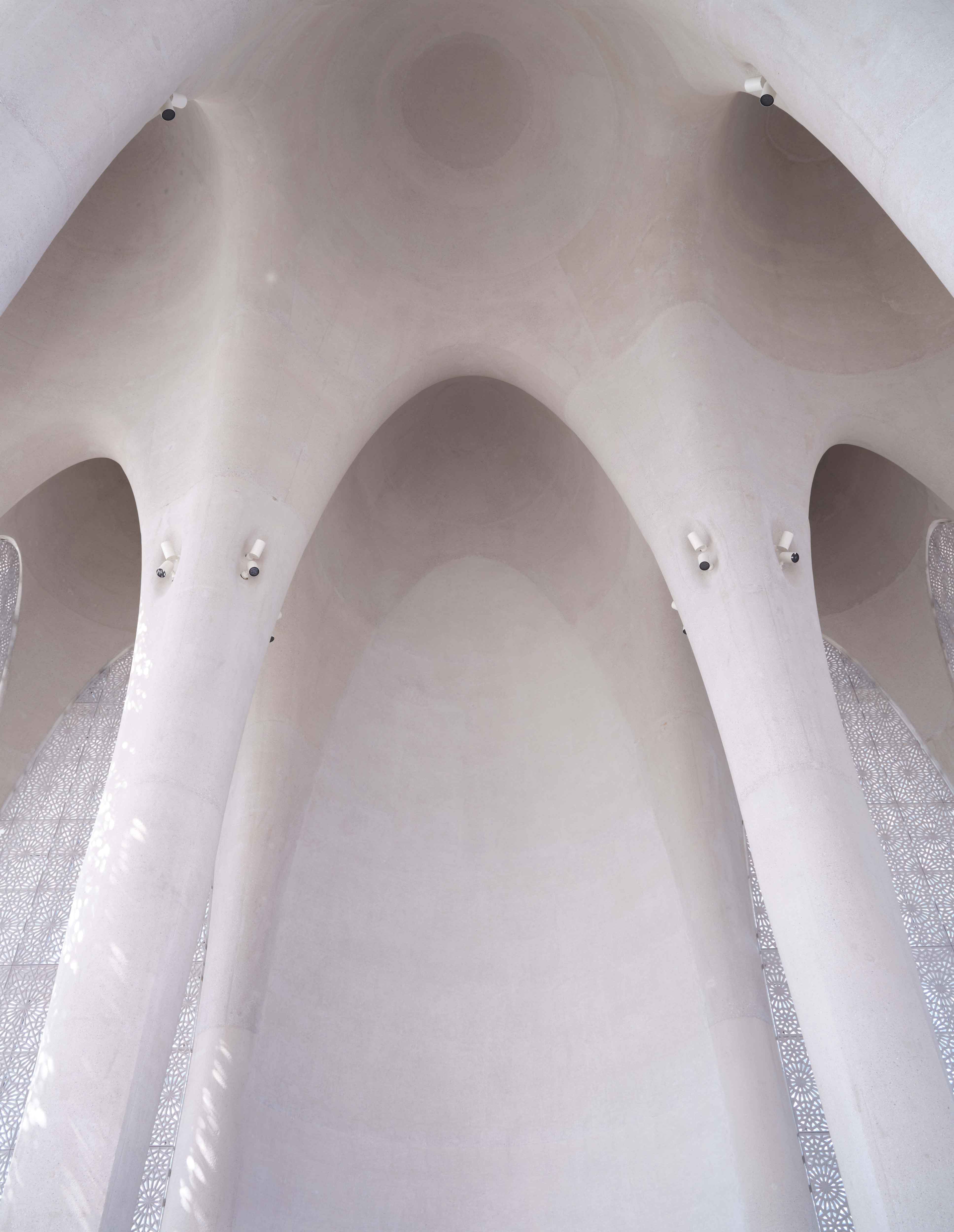
Within the Imam Al-Tayeb Mosque, four monolithic columns create nine seamless, monumental vaults. © Dror Baldinger
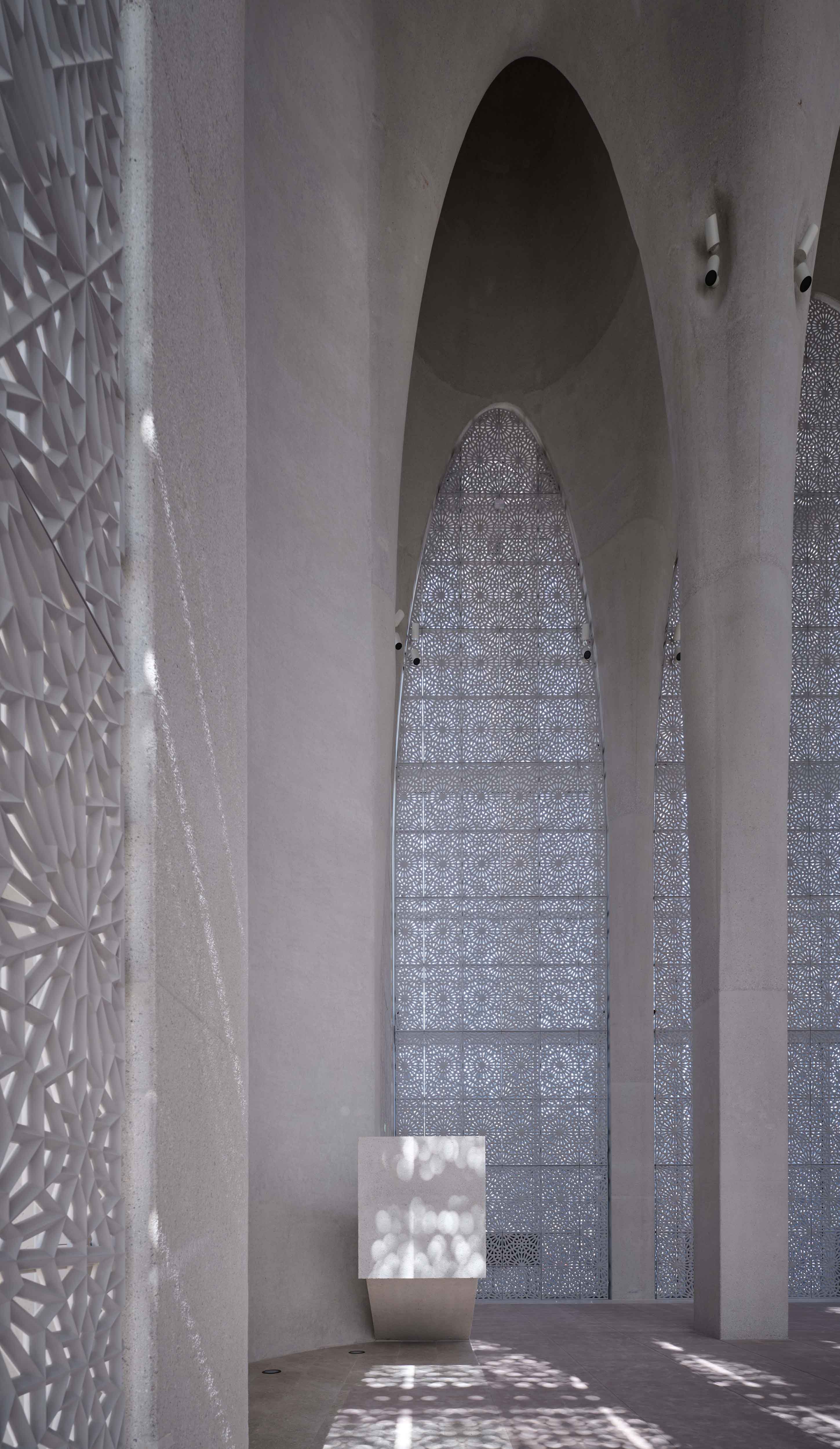
The mihrab rests against a concave wall within an arch, illuminated by the sunlight filtering through the mashrabiya screen that wraps the Imam Al-Tayeb Mosque’s exterior. © Dror Baldinger
The Abrahamic Family House was officially inaugurated and opened to worshippers on 16th February. Access to the forum and guided tours will be available to visitors from 1 March 2023.
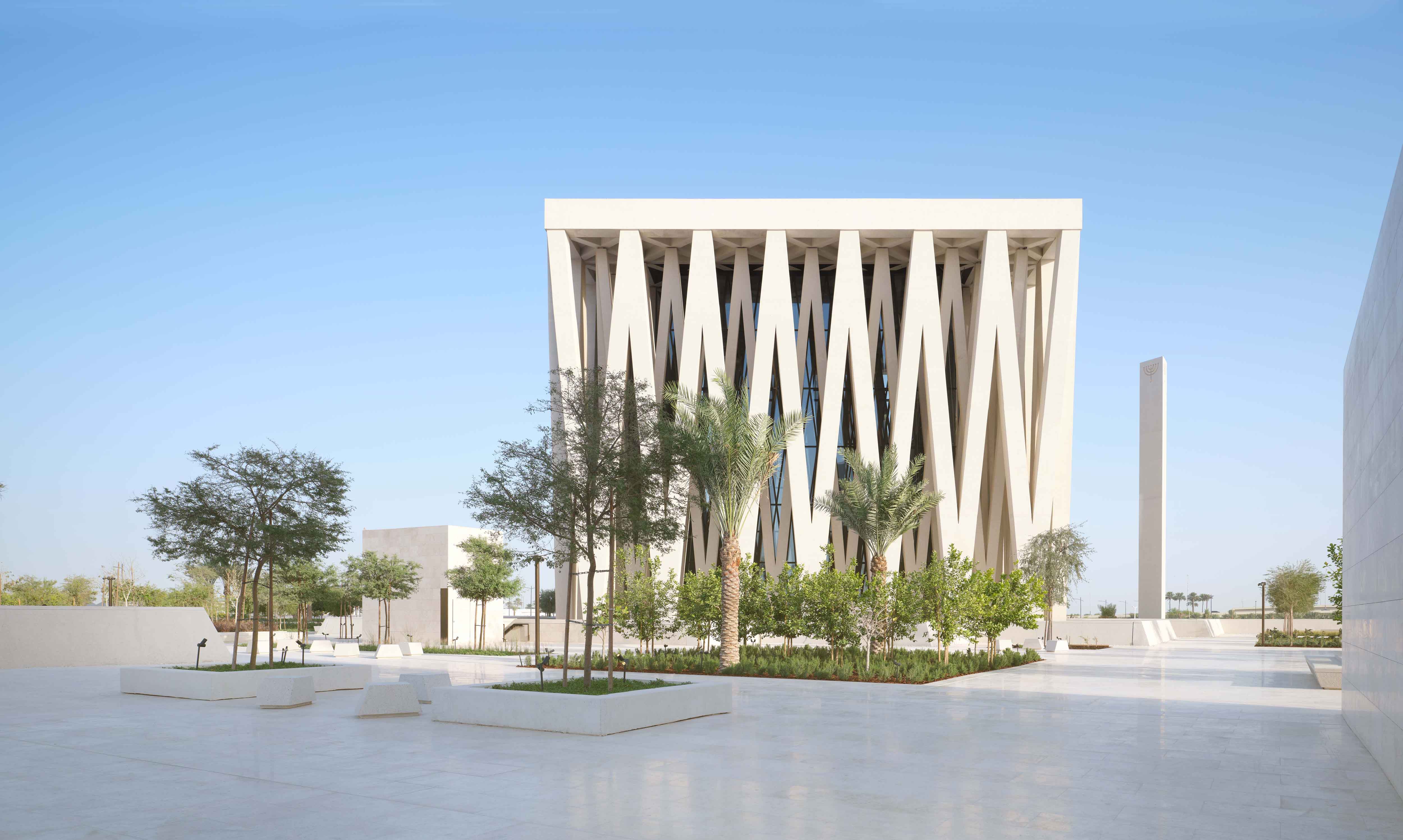
Moses Ben Maimon Synagogue, viewed from the raised garden, features layered V-shaped columns that represent the overlapping palm fronds on the sukkah—a structure used during Sukkot, the Jewish festival of shelter. © Dror Baldinger
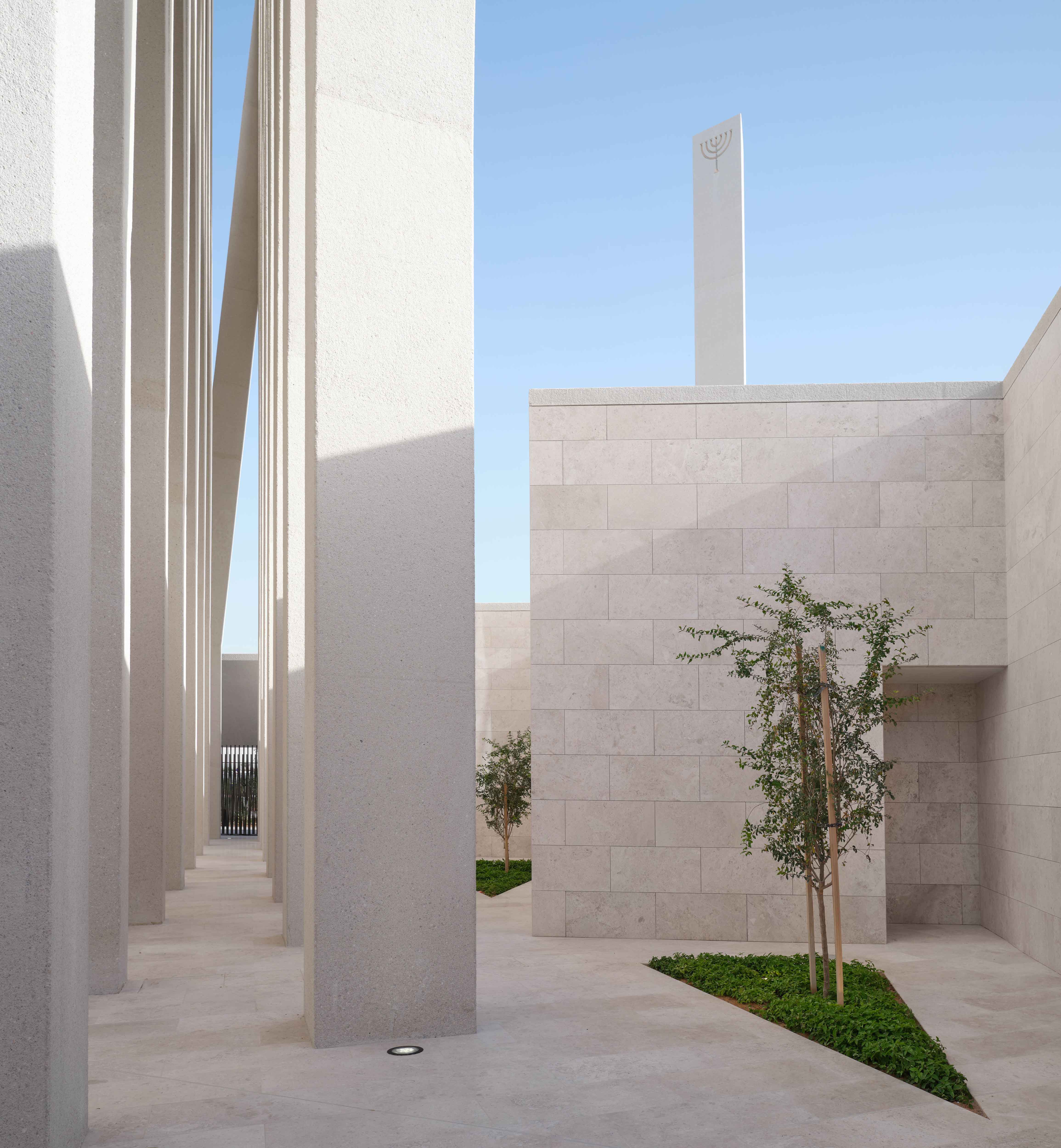
The courtyard of Moses Ben Maimon Synagogue features triangular areas of landscaping and discreet entrance to the mikveh. © Dror Baldinger
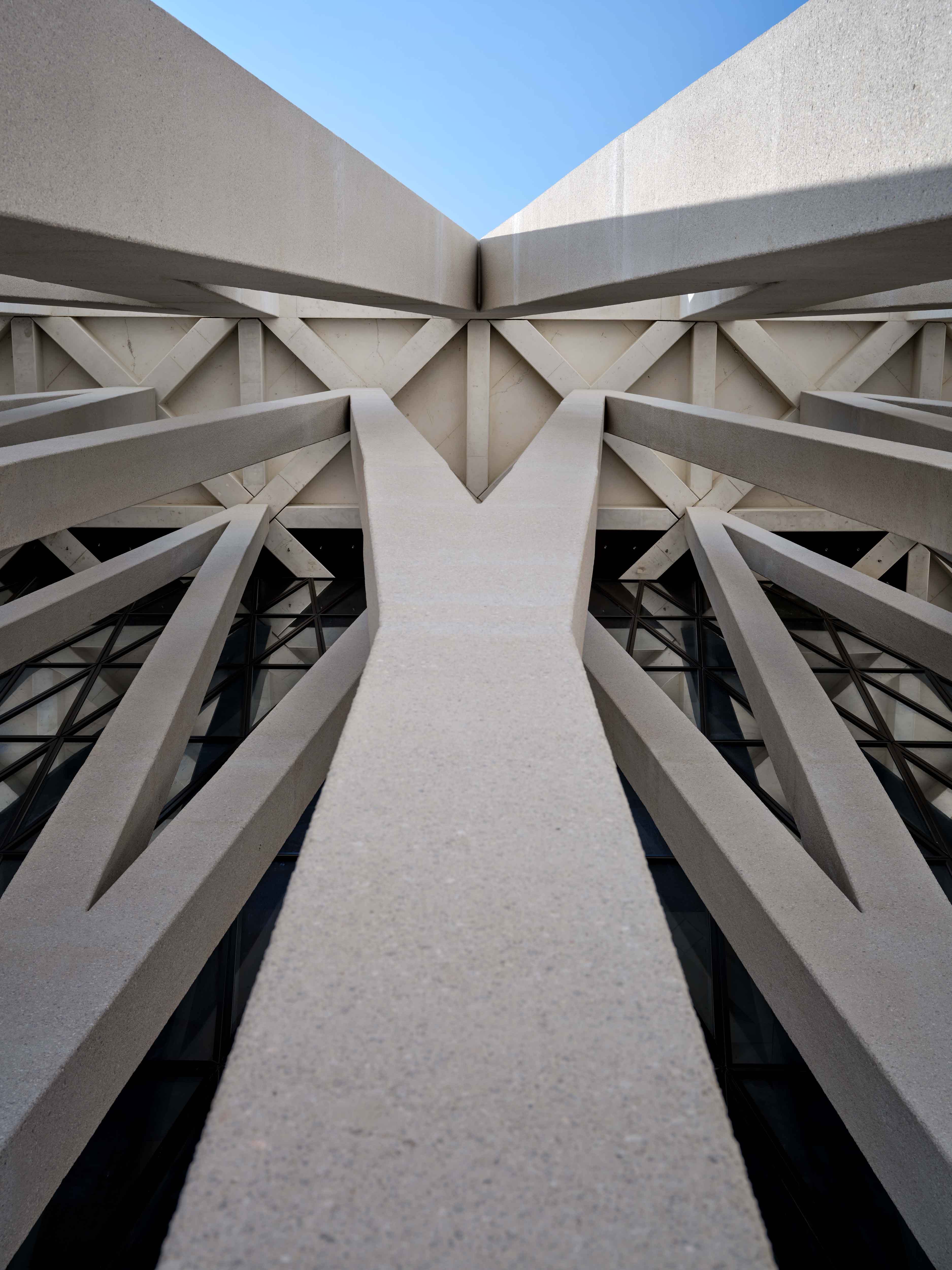
Three layers of concrete V-shaped columns surround the perimeter of the Moses Ben Maimon Synagogue symbolizing the overlapping palm fronds on the sukkah. © Dror Baldinger
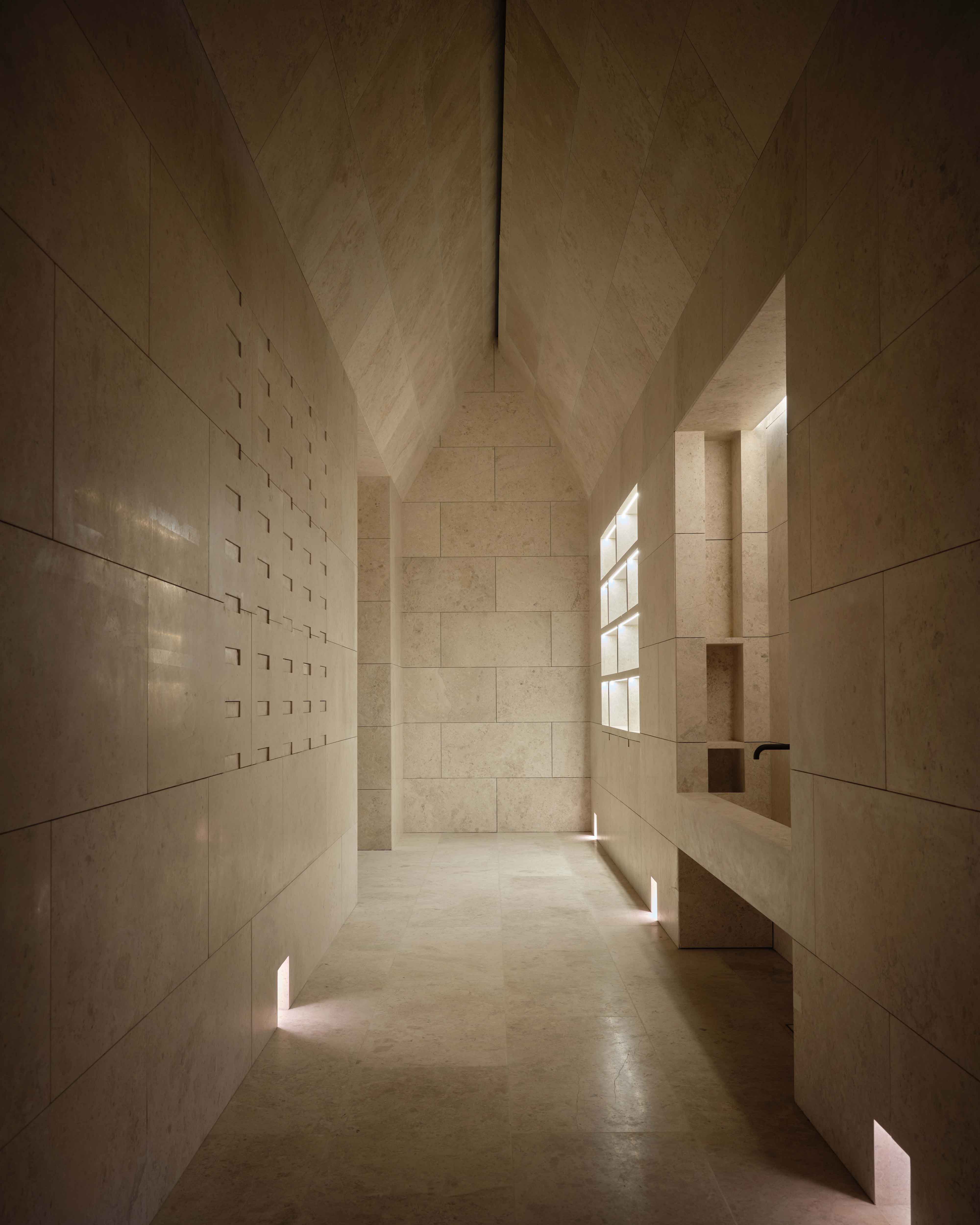
The vestibule of Moses Ben Maimon Synagogue includes niches and built-in sinks for ritual handwashing (natilat yadayim) prior to entering the sanctuary. © Dror Baldinger
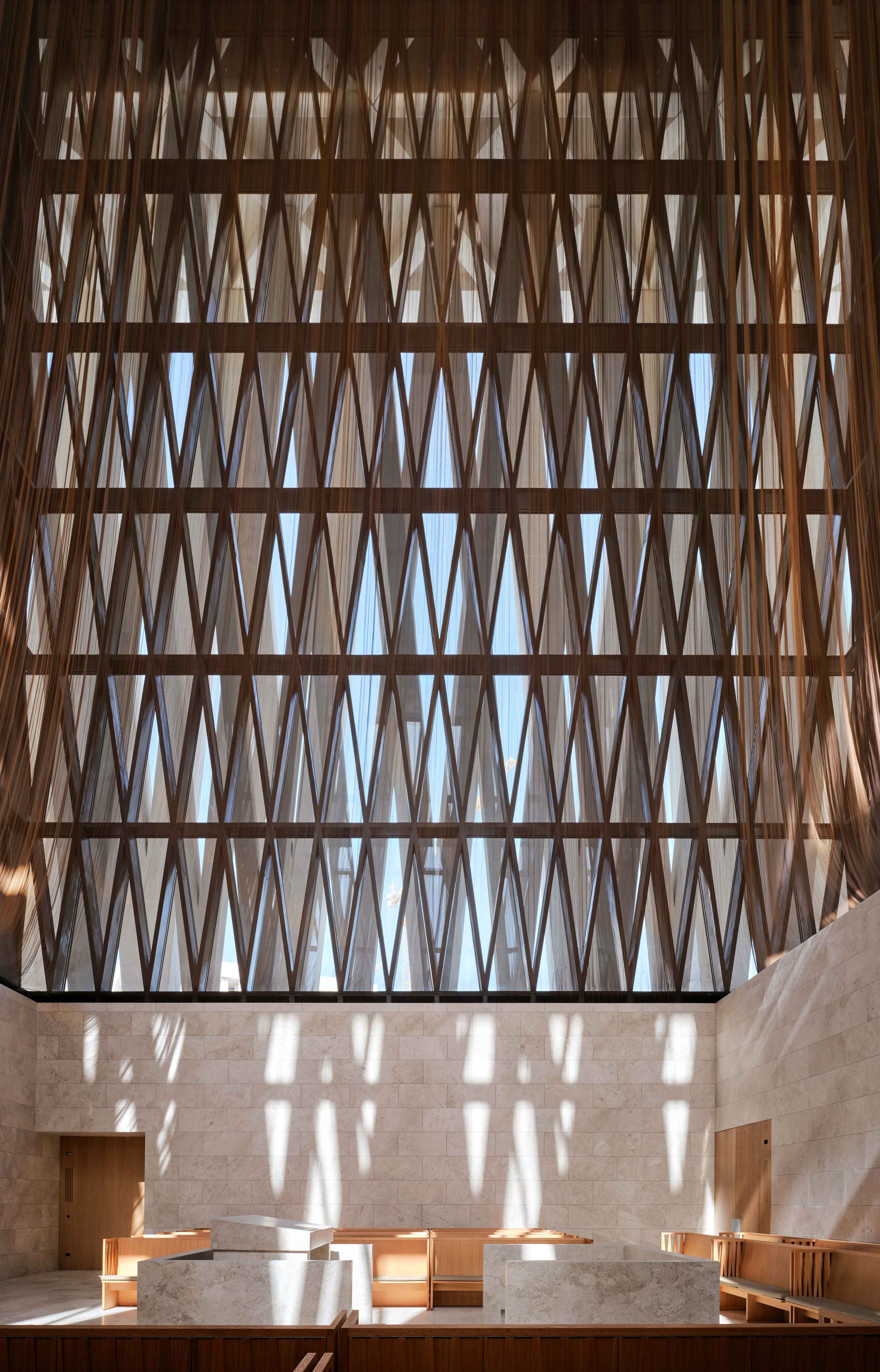
Light enters the Moses Ben Maimon Synagogue through three layers of V-shaped columns and a bronze mesh tent which drapes over the congregation. © Dror Baldinger
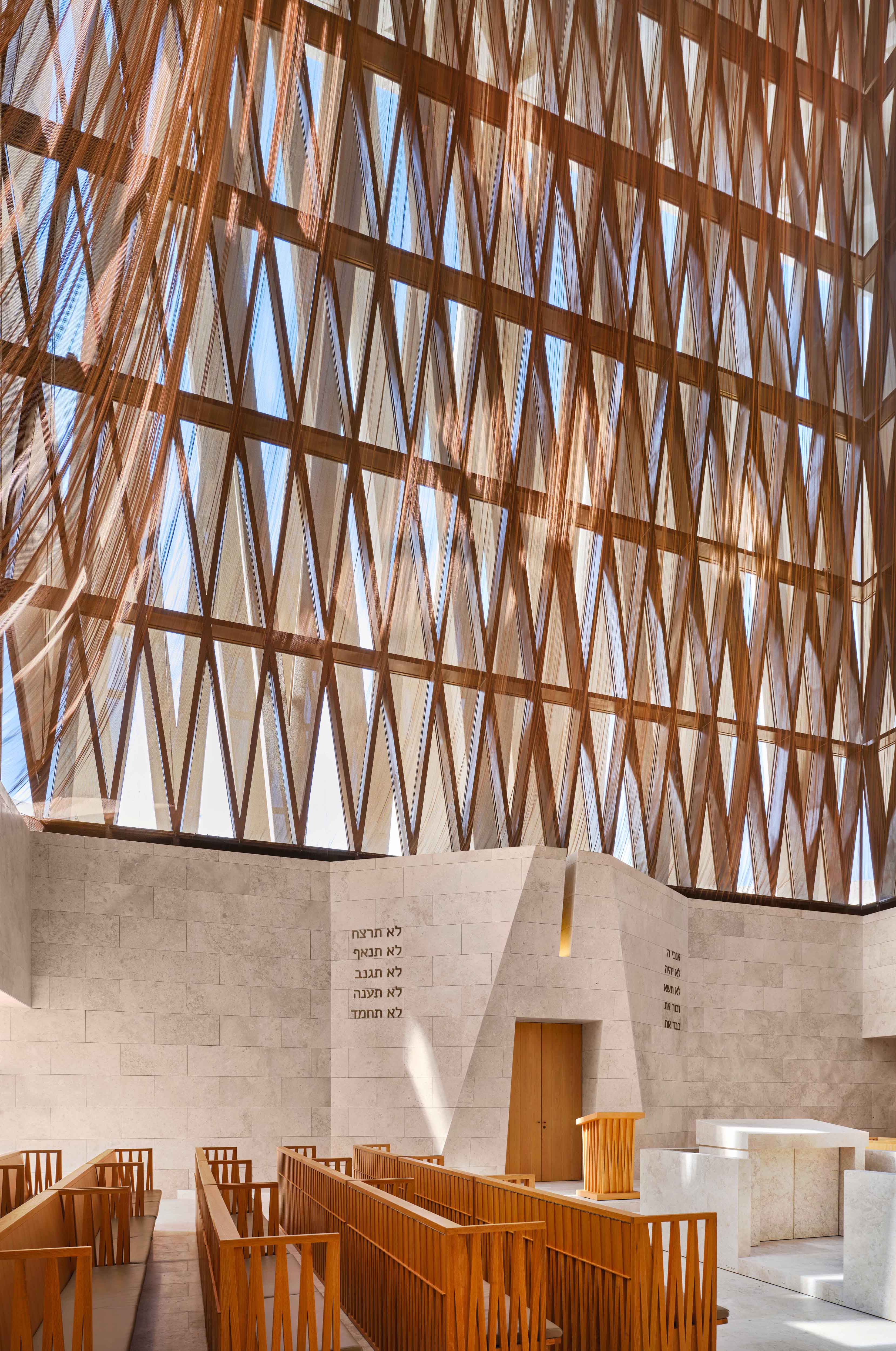
Beneath a bronze mesh tent that symbolizes the original tabernacle, a stone wall envelopes the base of Moses Ben Maimon Synagogue from which the ark emerges. © Dror Baldinger
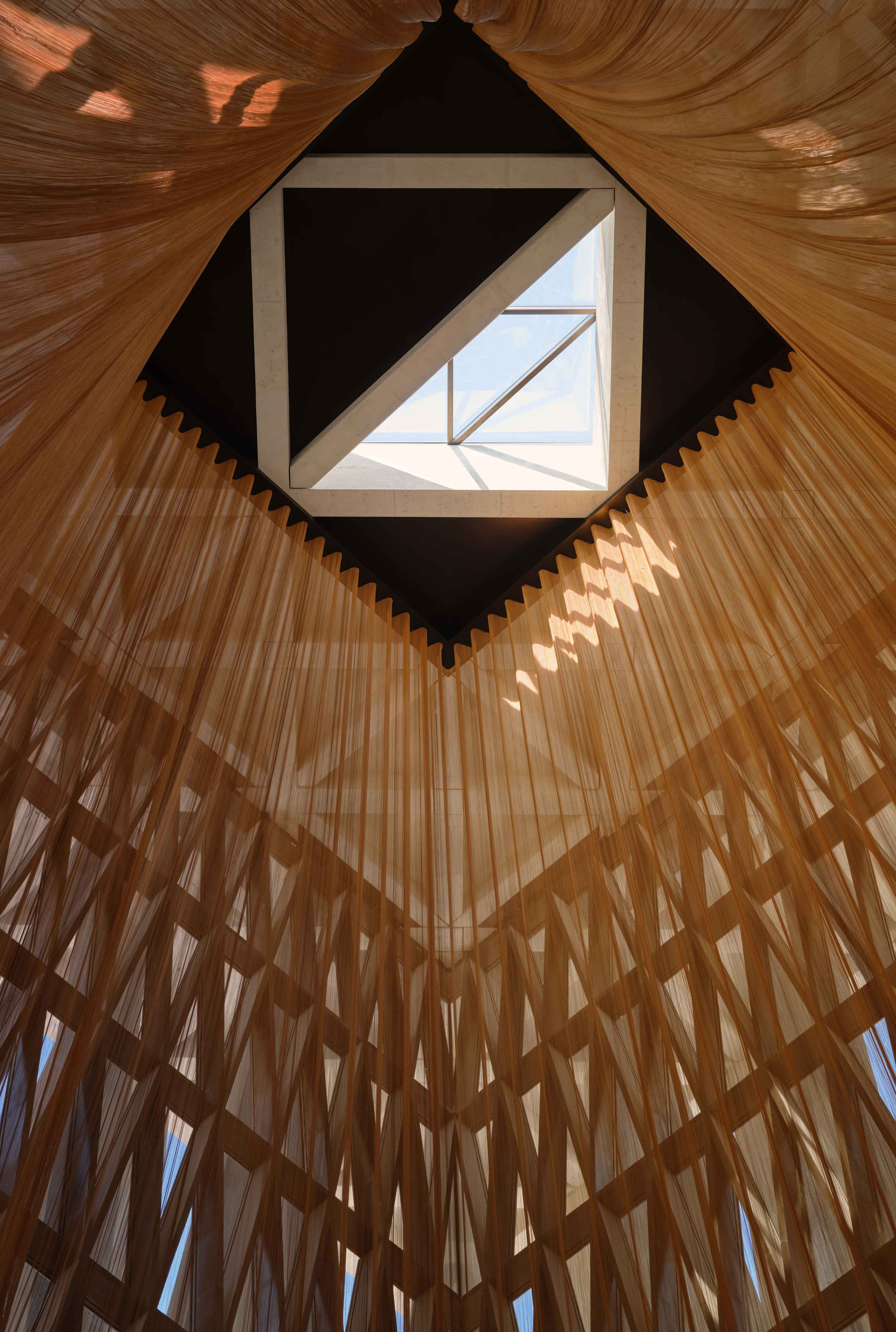
Within the Moses Ben Maimon Synagogue, a bronze mesh tent drapes from the ceiling’s central skylight, which allows mid-day sun and a view to the cosmos. © Dror Baldinger
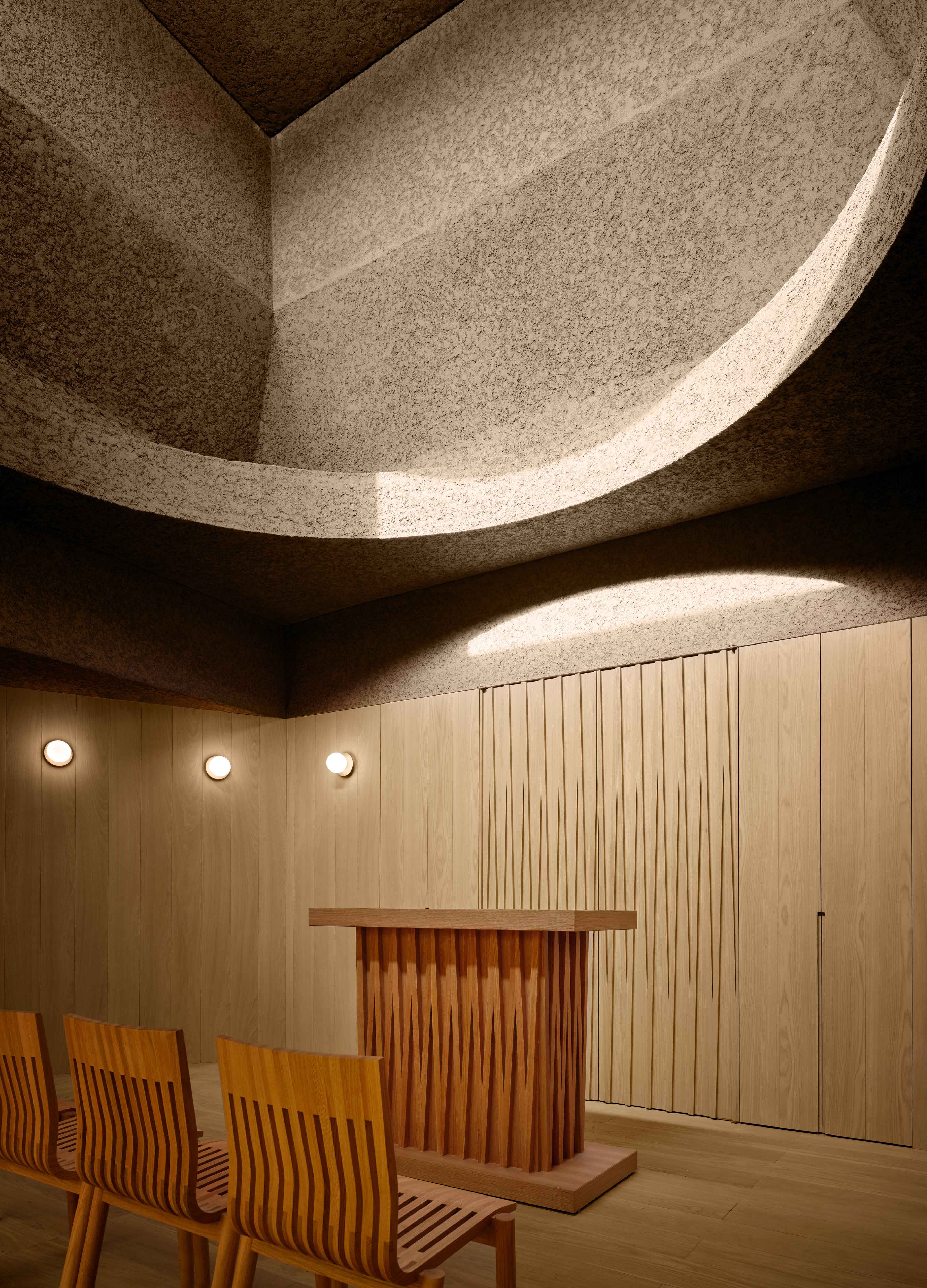
Moses Ben Maimon Synagogue’s Daily Shul features a textured, acoustical ceiling with skylight that merges circle and square forms—representing the earthly and the divine. © Dror Baldinger
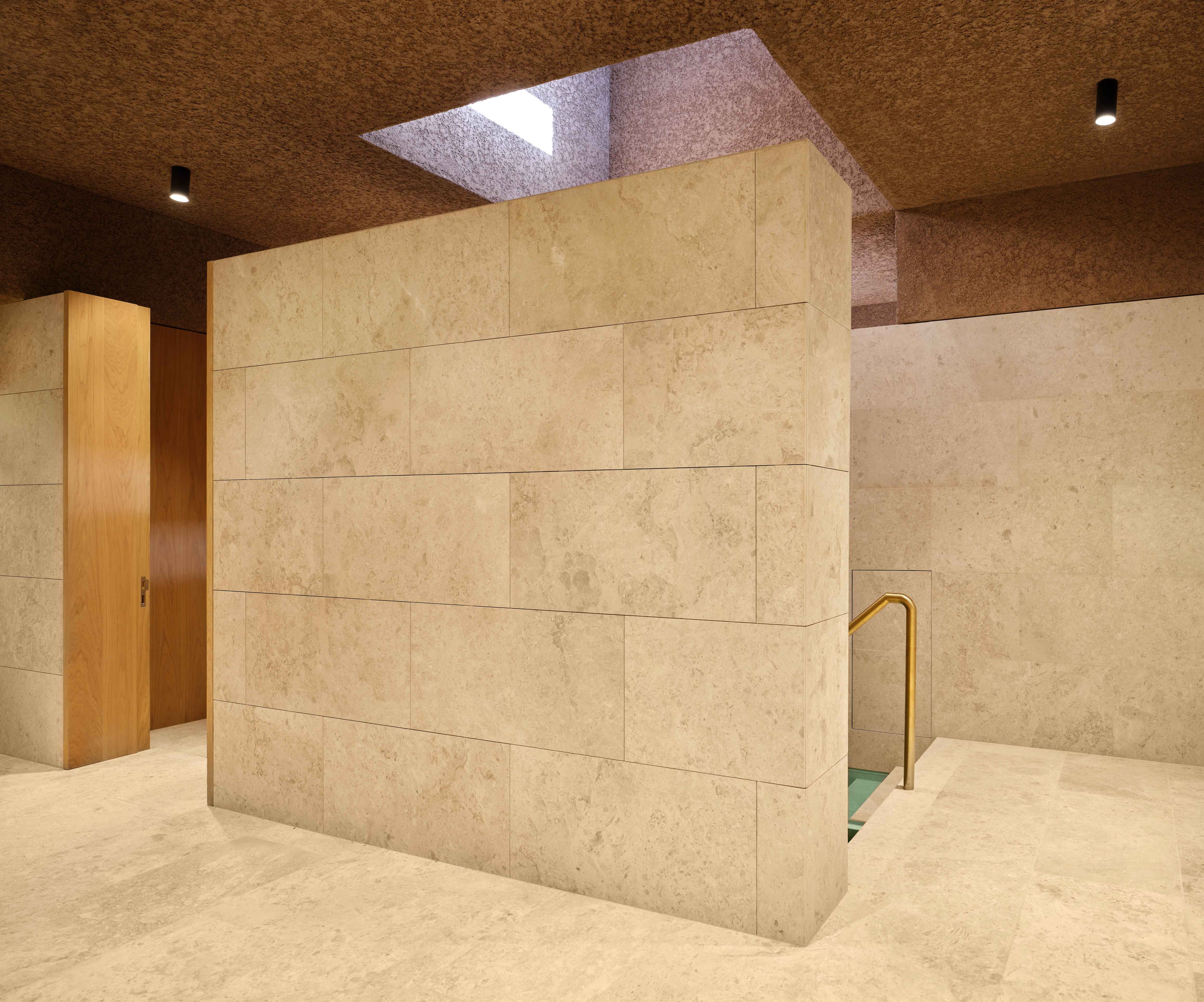
The mikveh is composed of limestone walls with a centralized square pool and skylight that punctures through its textured, monolithic ceiling. © Dror Baldinger
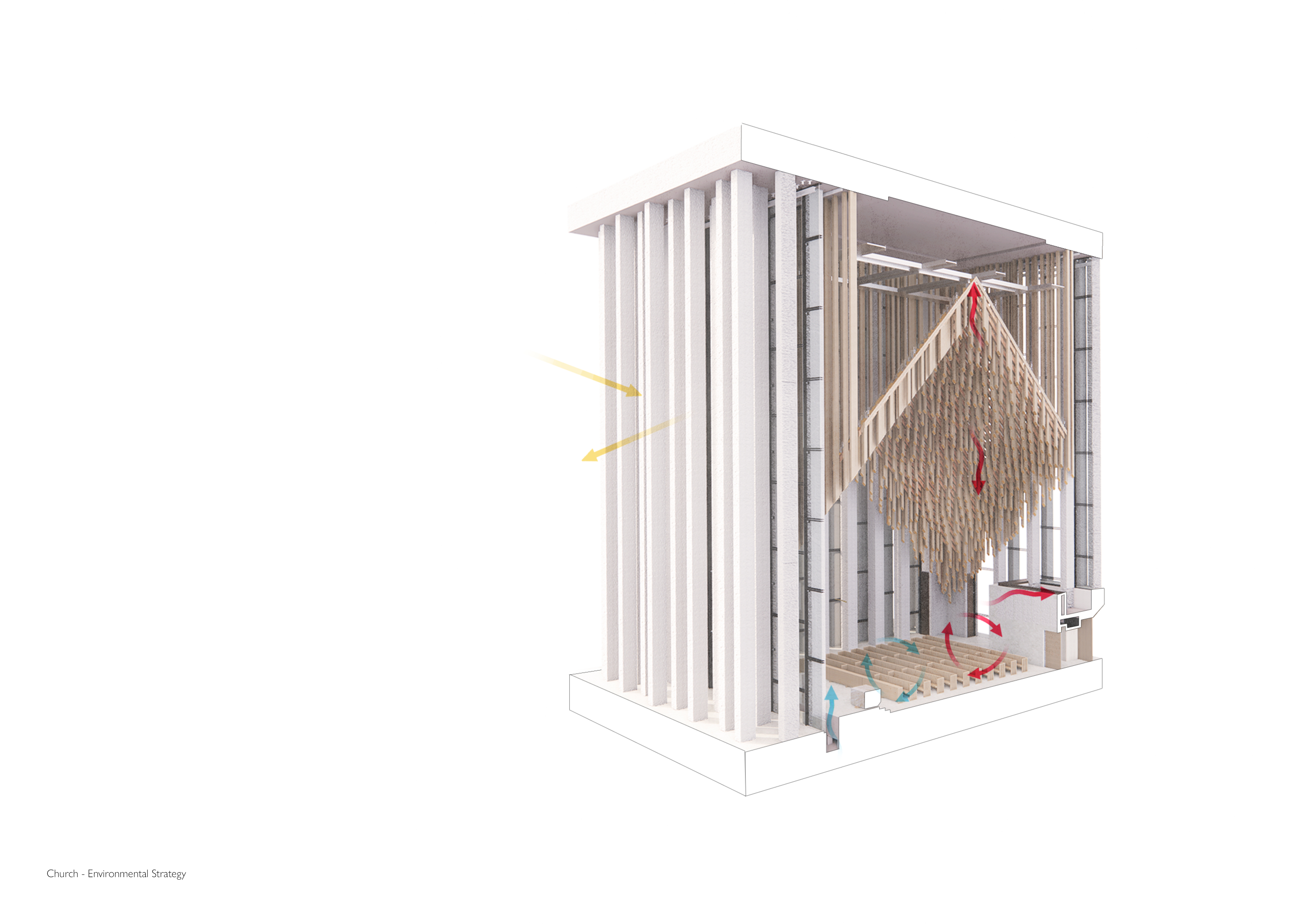
AFH_Church Environmental Strategy © Adjaye Associates
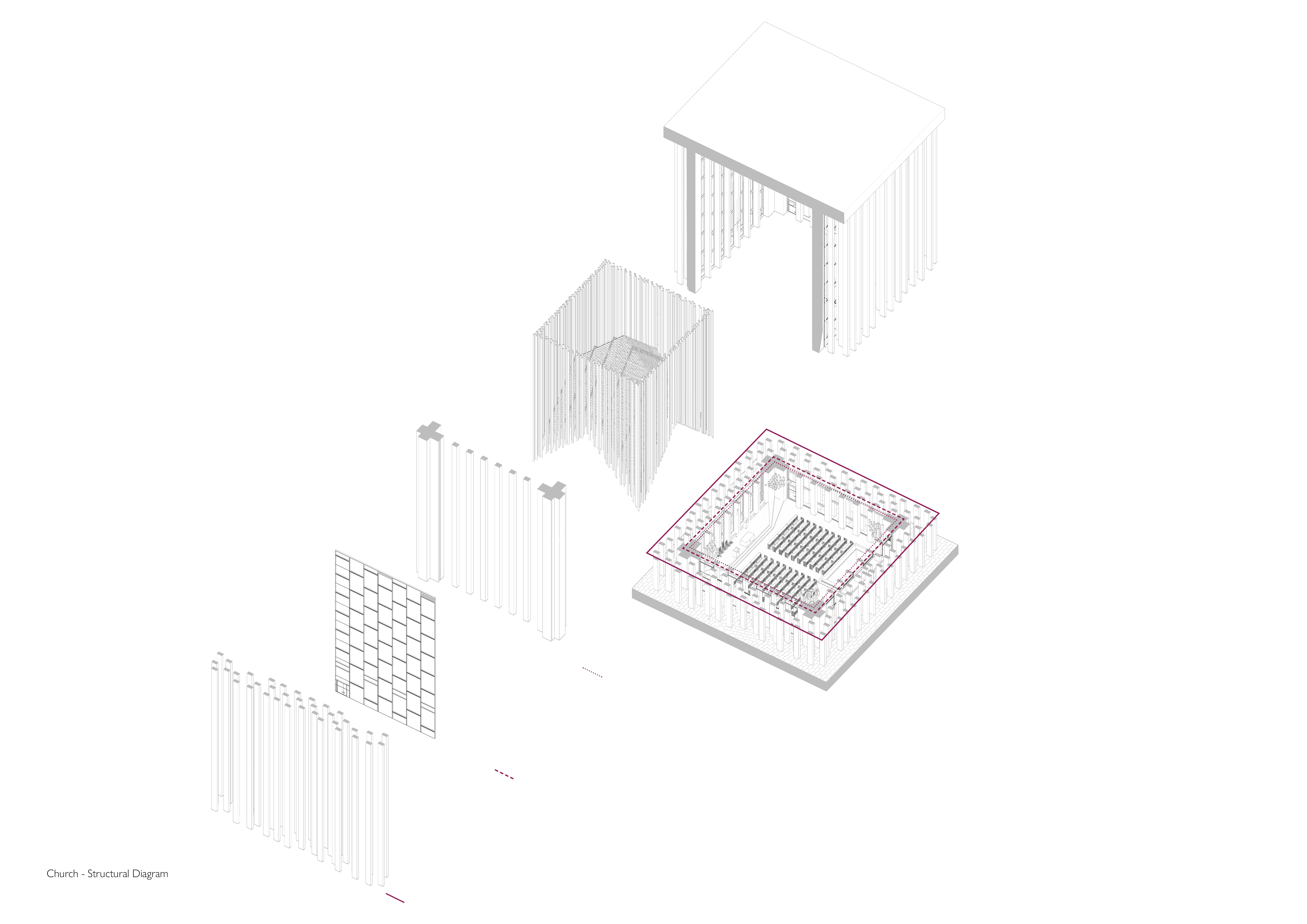
AFH_Church Structural Diagram © Adjaye Associates
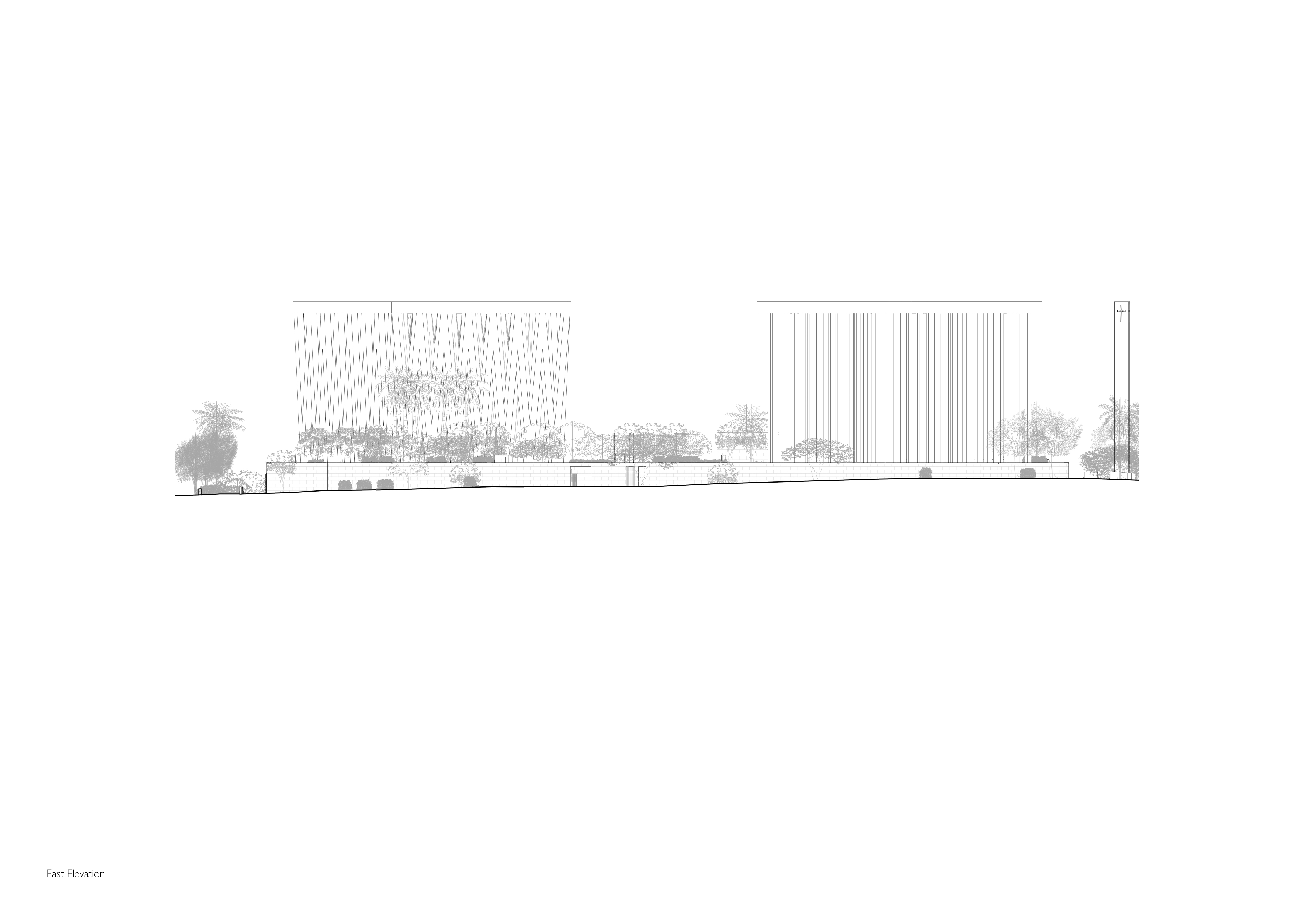
AFH_East Elevation_Black © Adjaye Associates
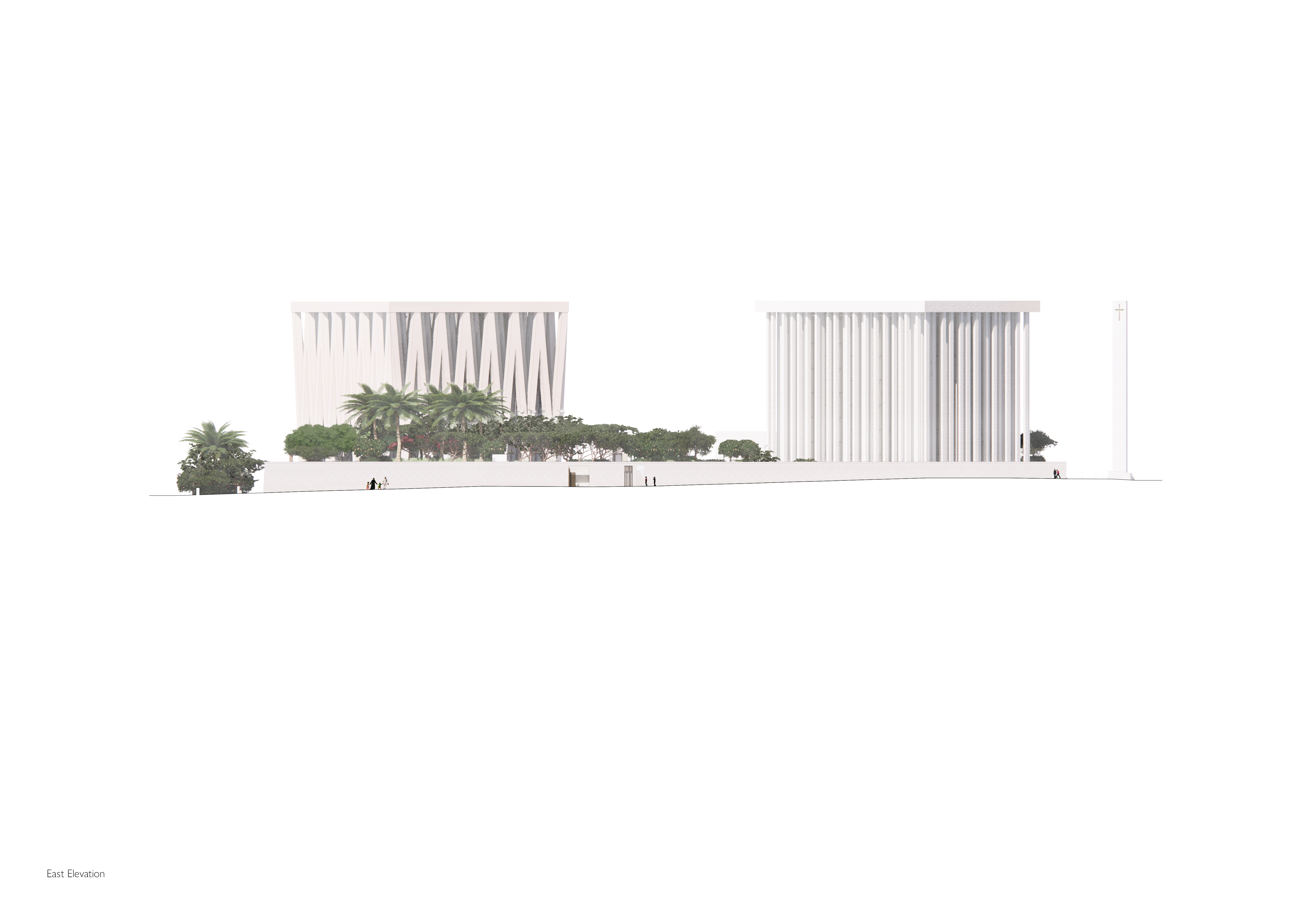
AFH_East Elevation_Rendered © Adjaye Associates
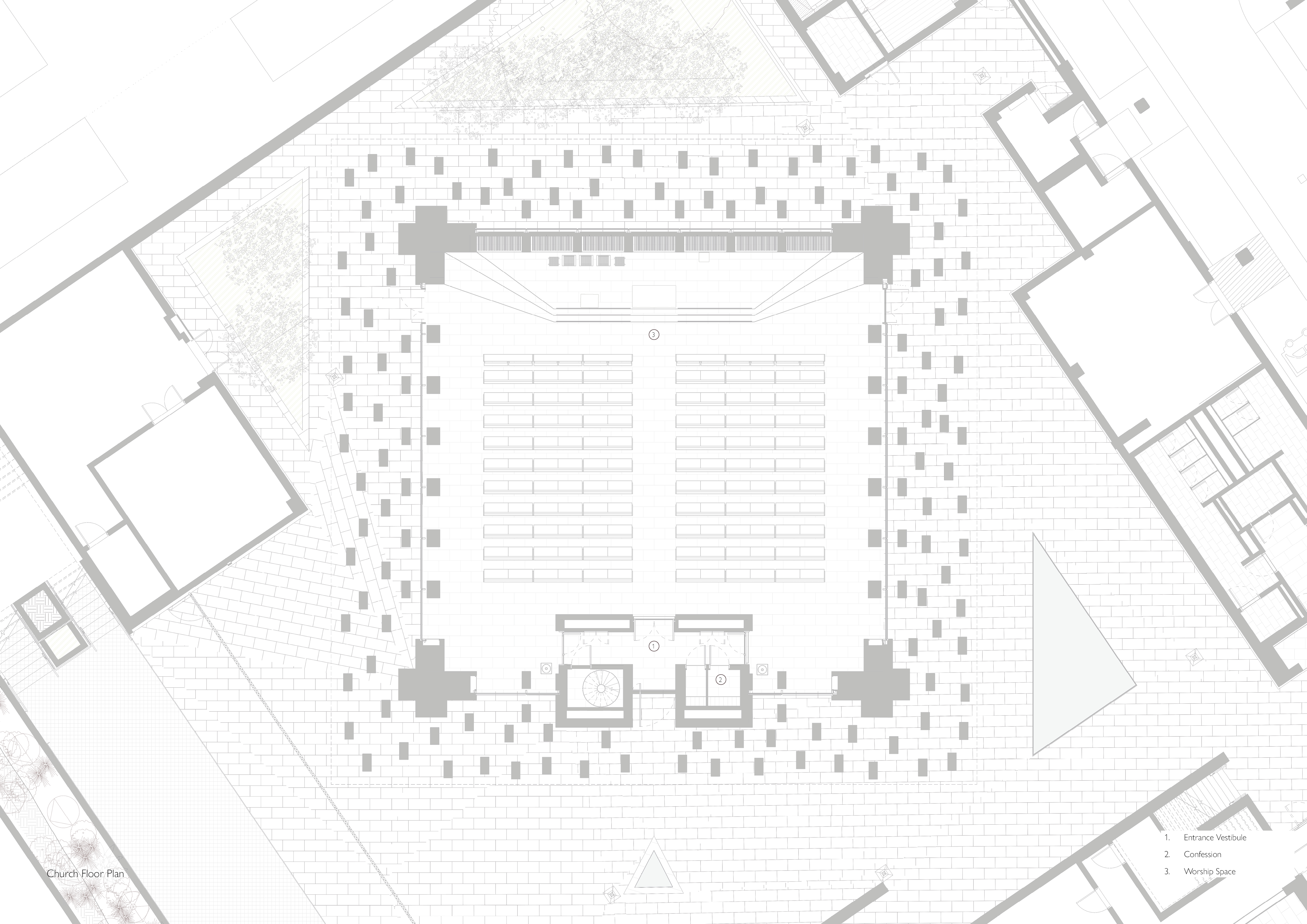
AFH_Enlarged Church Ground Floor Plan_1-60_Black © Adjaye Associates
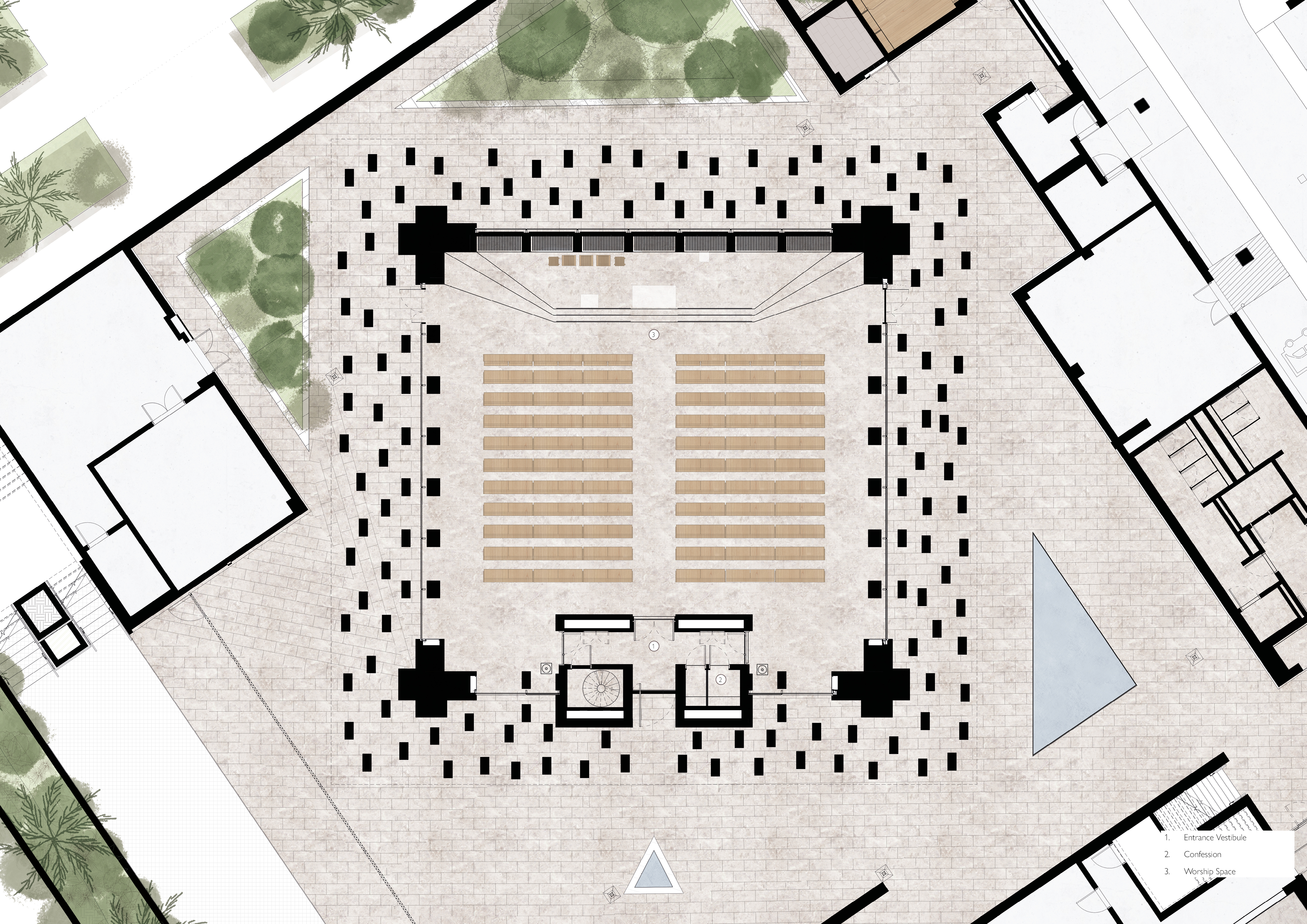
AFH_Enlarged Church Ground Floor Plan_1-60_Rendered © Adjaye Associates
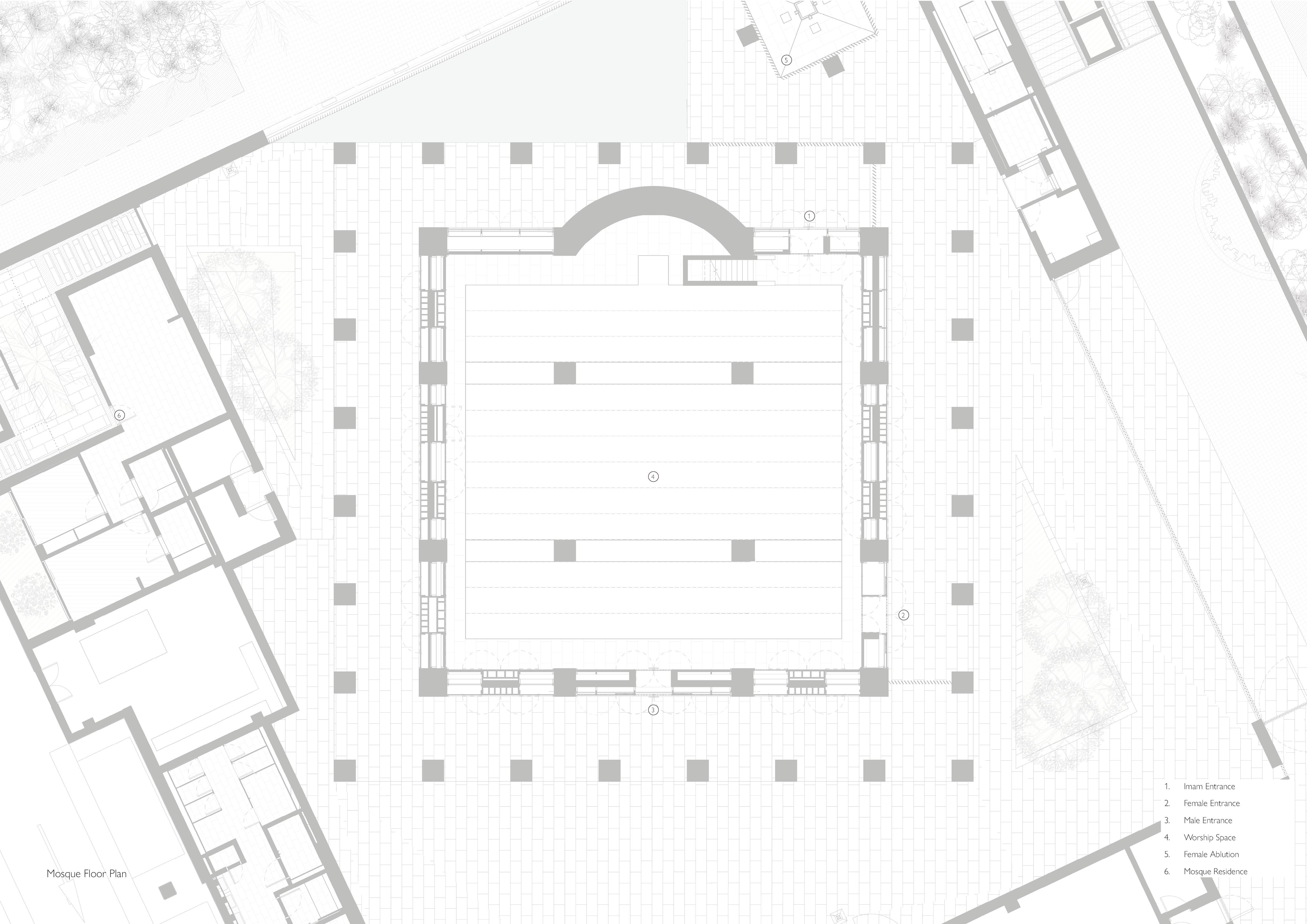
AFH_Enlarged Mosque Ground Floor Plan_1-60_Black © Adjaye Associates
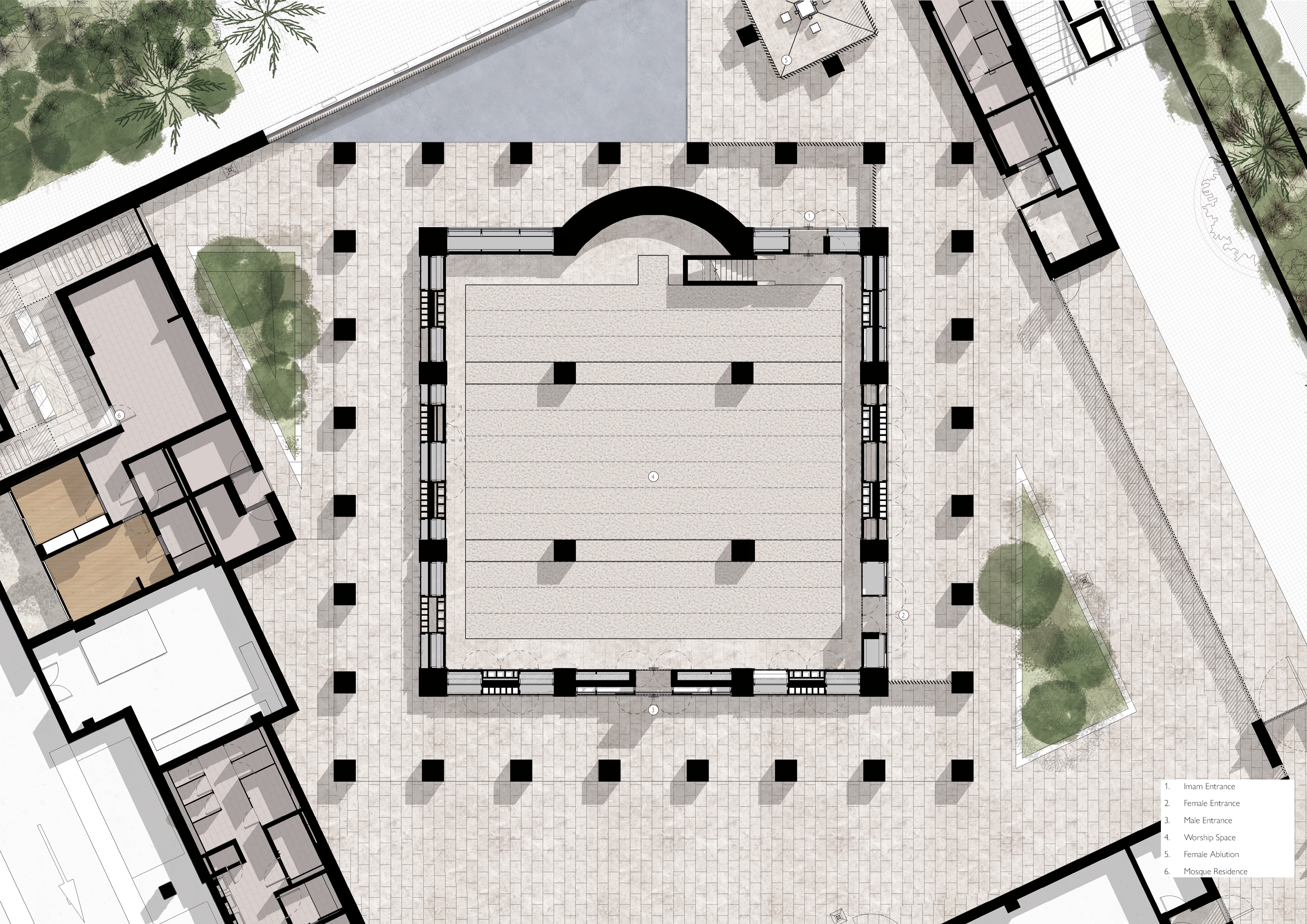
AFH_Enlarged Mosque Ground Floor Plan_1-60_Rendered © Adjaye Associates
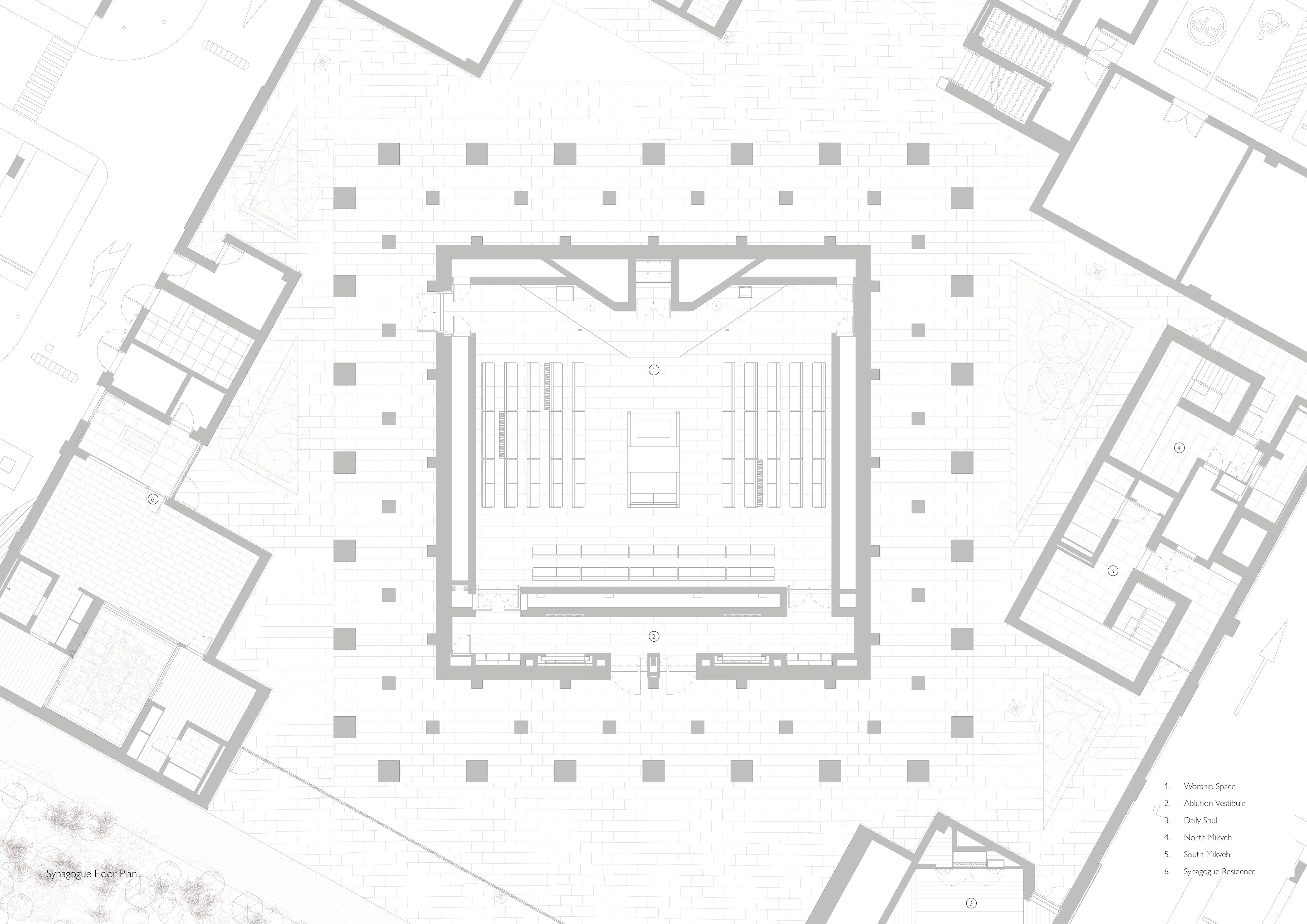
AFH_Enlarged Synagogue Ground Floor Plan_1-60_Black © Adjaye Associates
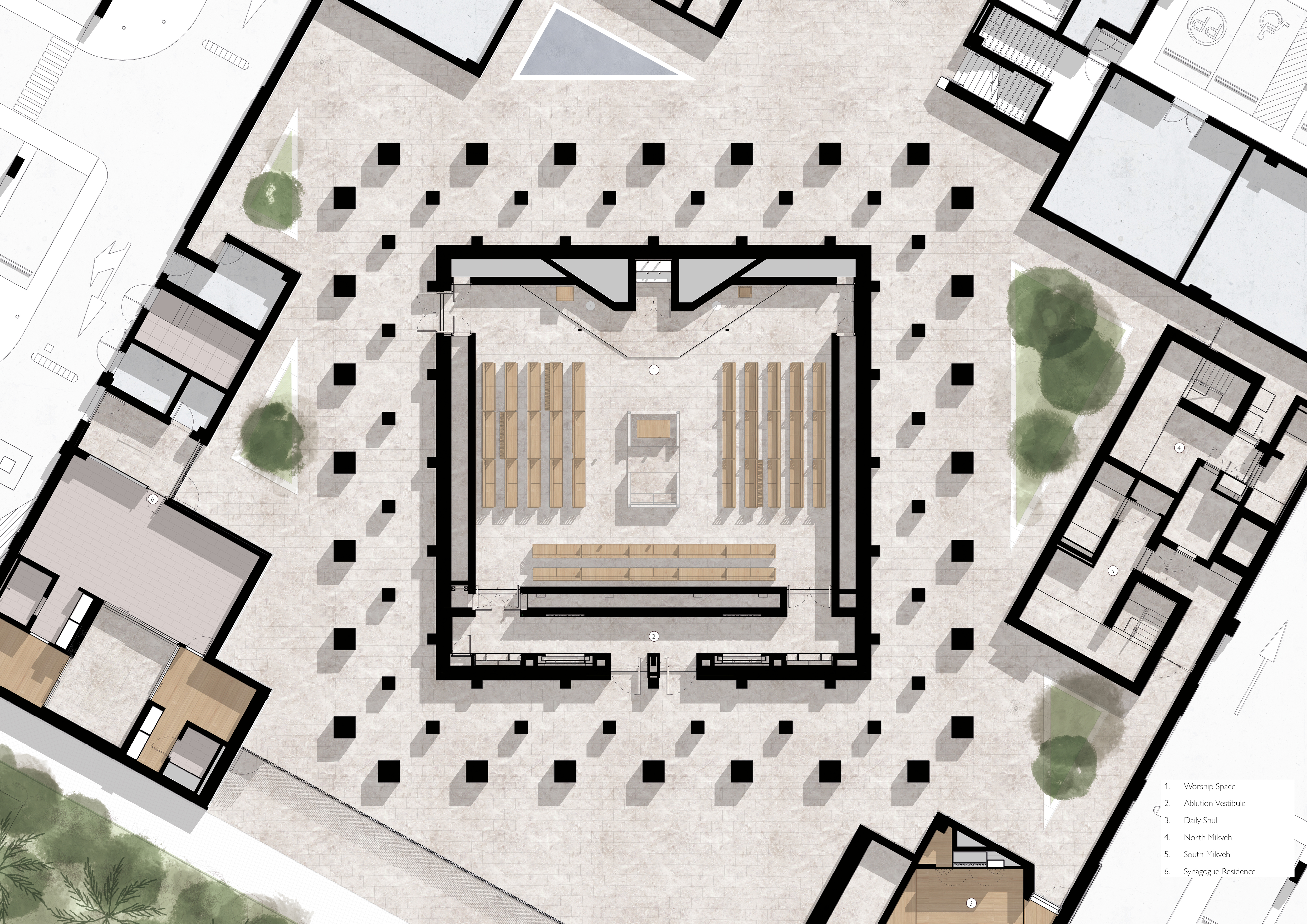
AFH_Enlarged Synagogue Ground Floor Plan_1-60_Rendered © Adjaye Associates
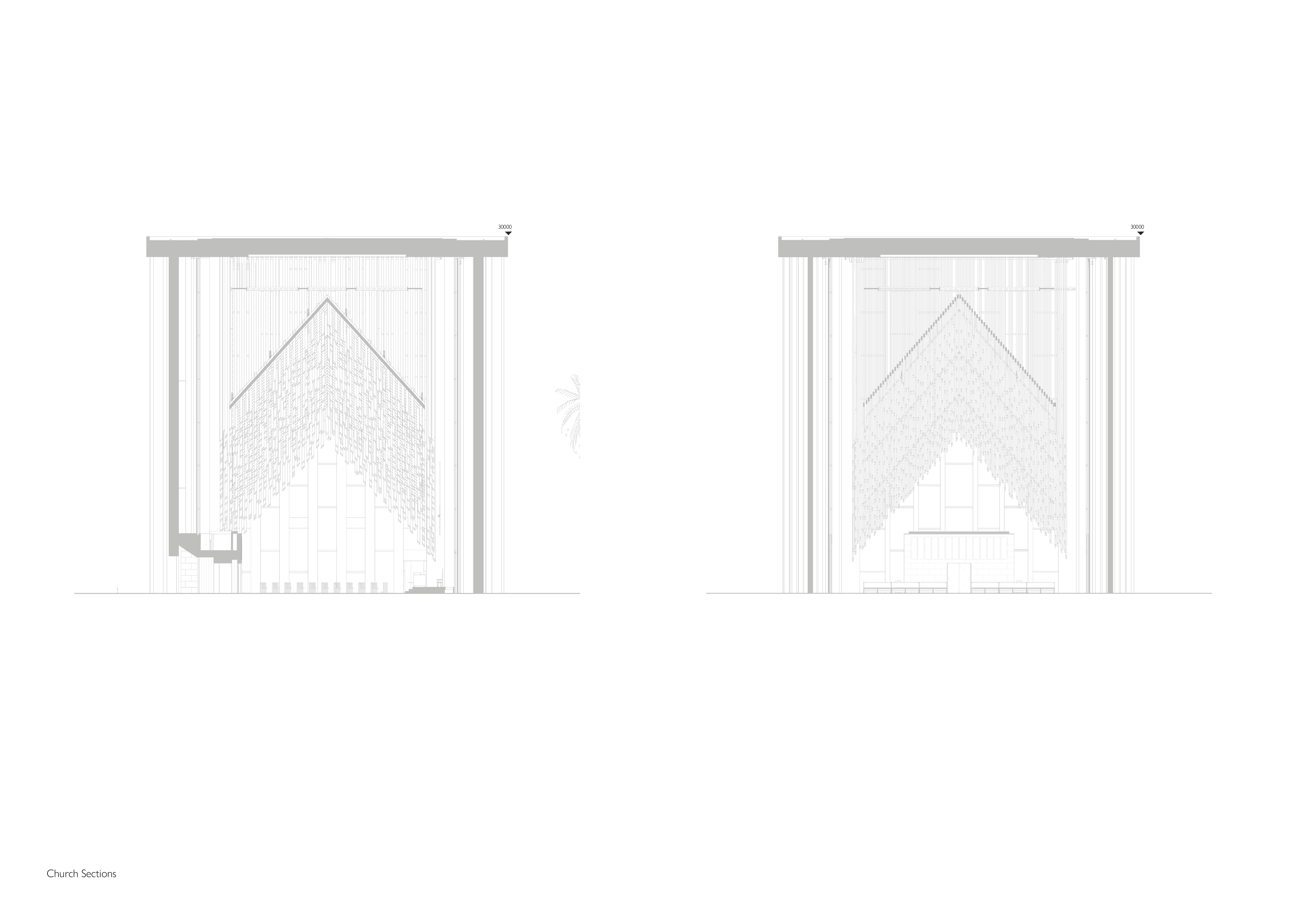
AFH_GA Church Sections © Adjaye Associates
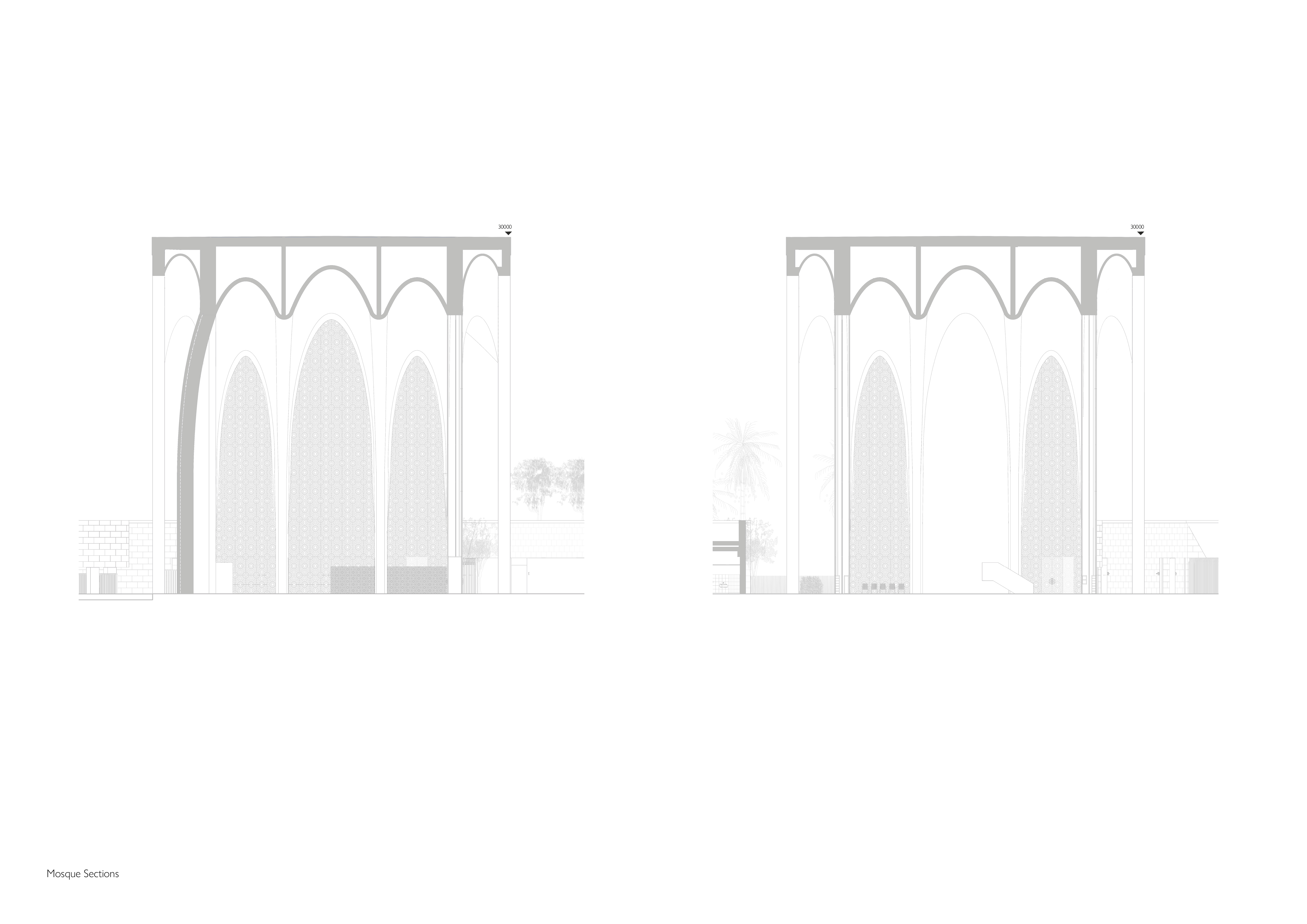
AFH_GA Mosque Sections © Adjaye Associates
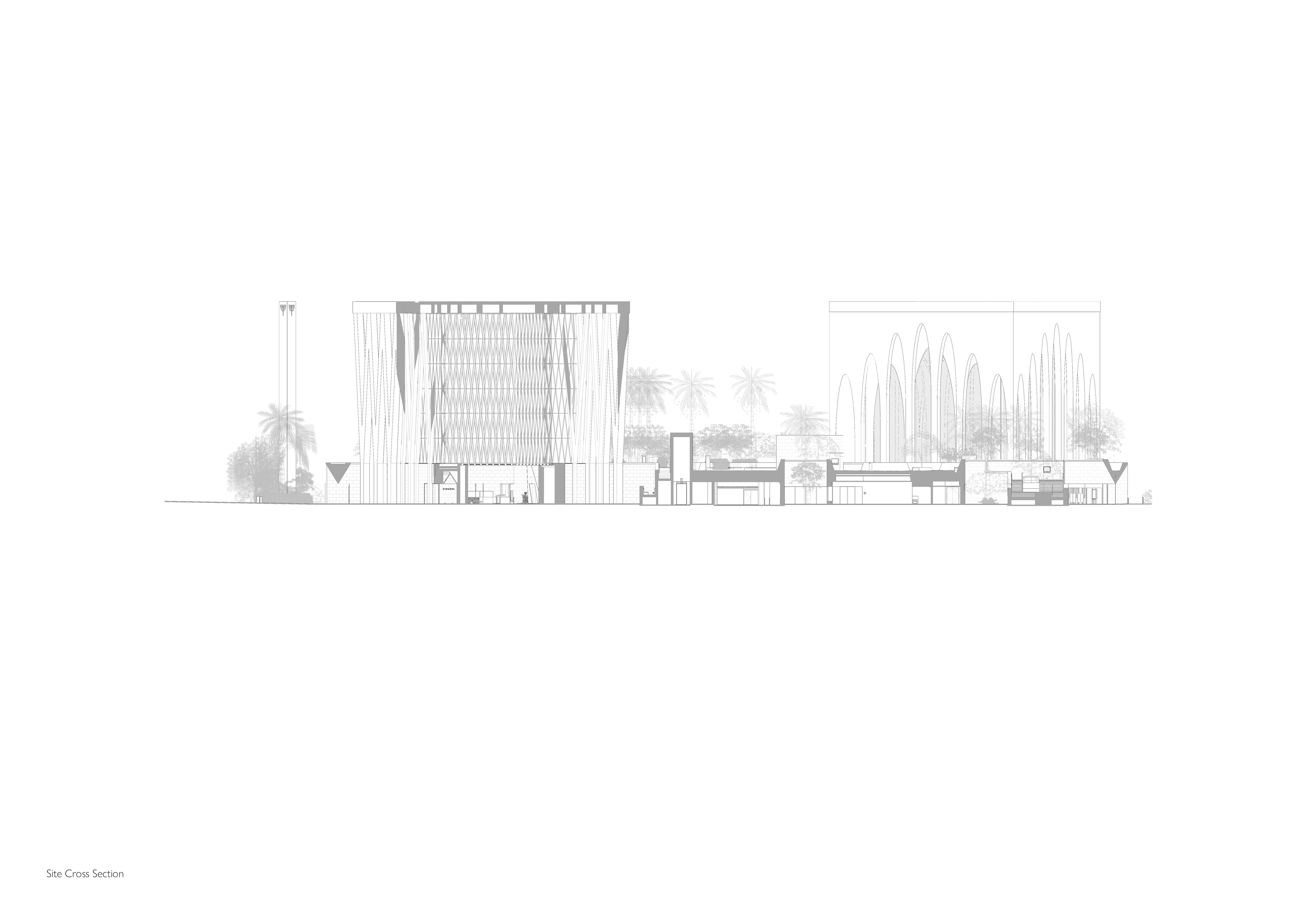
AFH_GA Site Cross Section_Black © Adjaye Associates
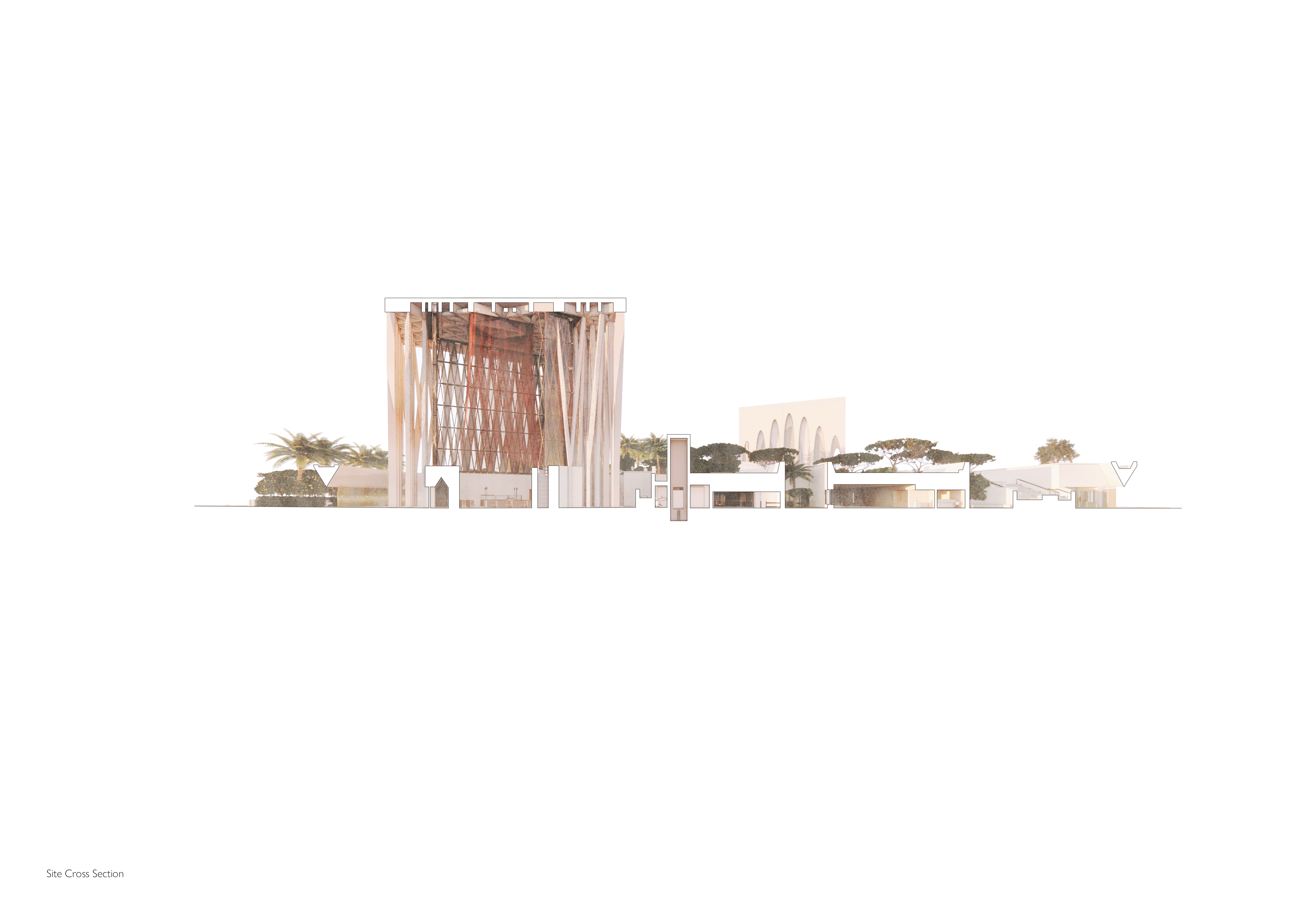
AFH_GA Site Cross Section_Rendered © Adjaye Associates
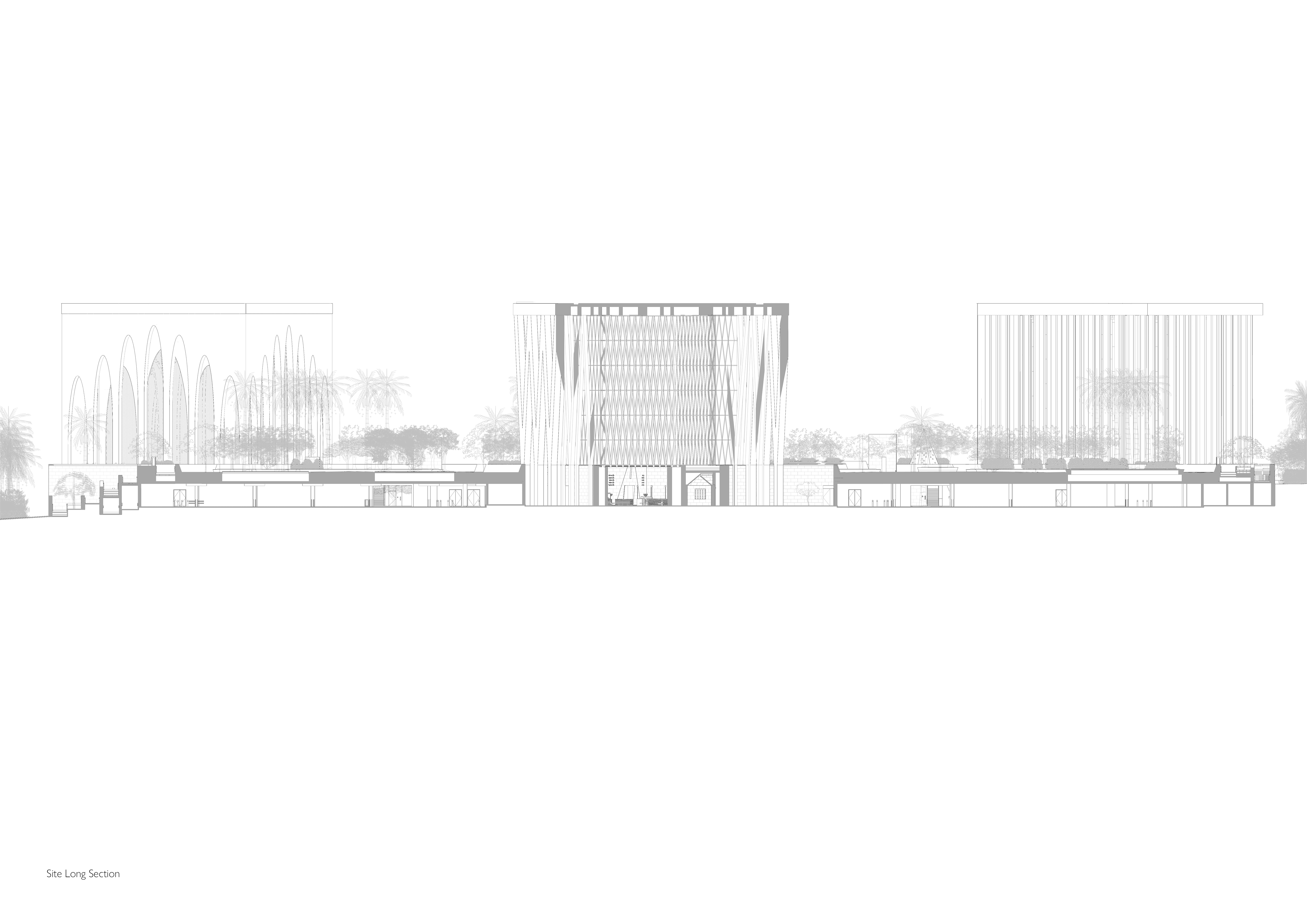
AFH_GA Site Long Section 1_Black © Adjaye Associates
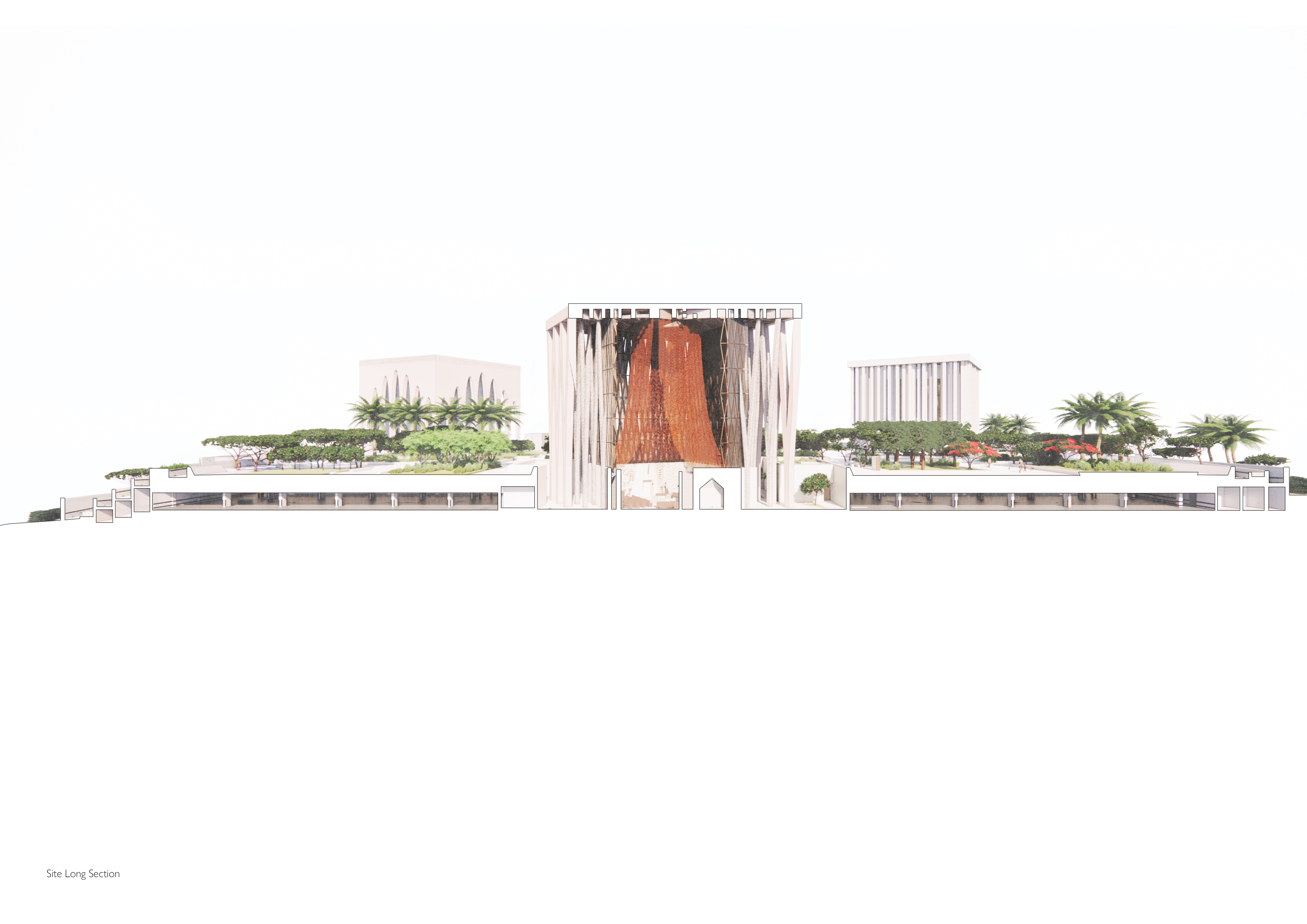
AFH_GA Site Long Section 1_Rendered © Adjaye Associates
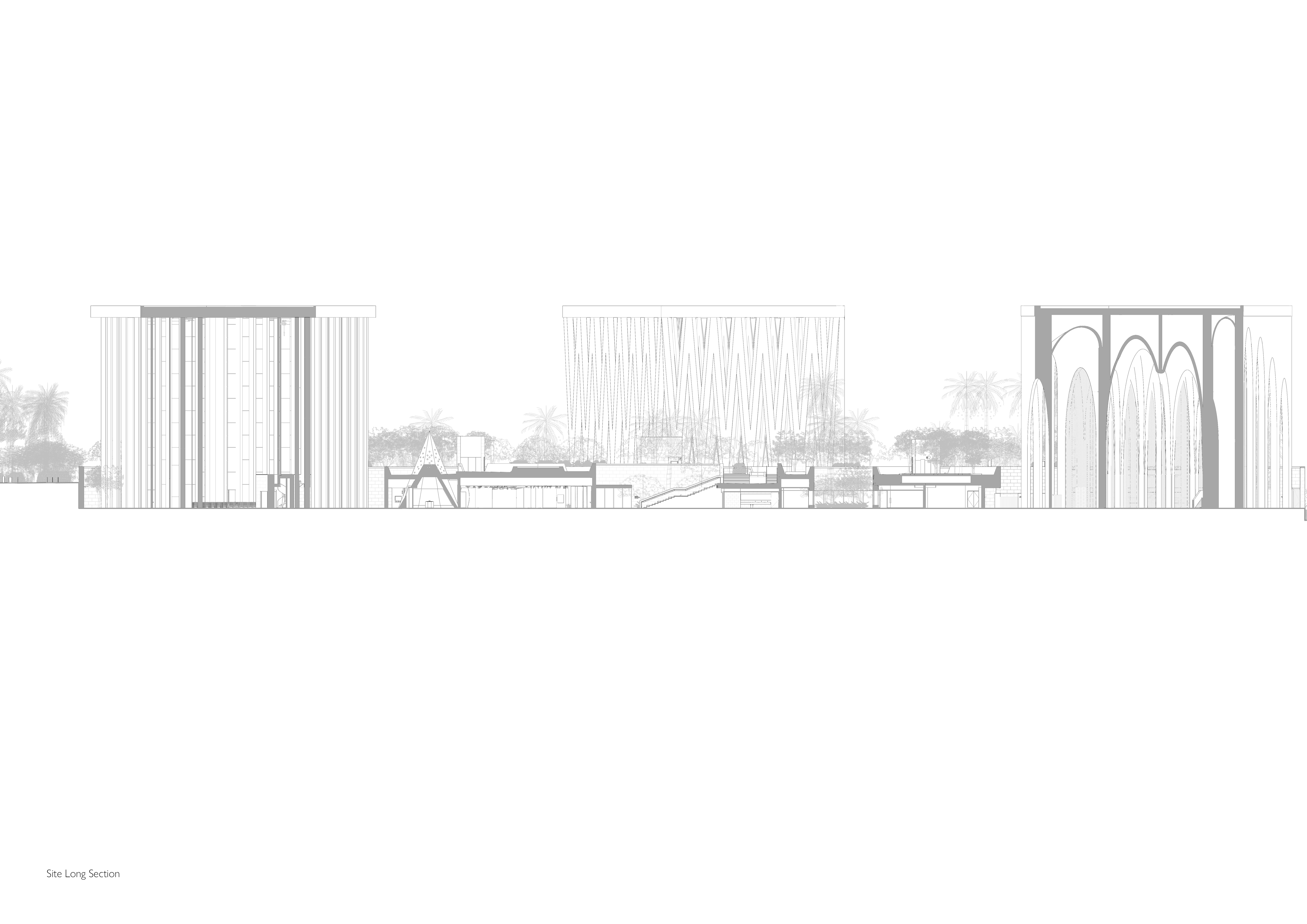
AFH_GA Site Long Section 2_Black © Adjaye Associates
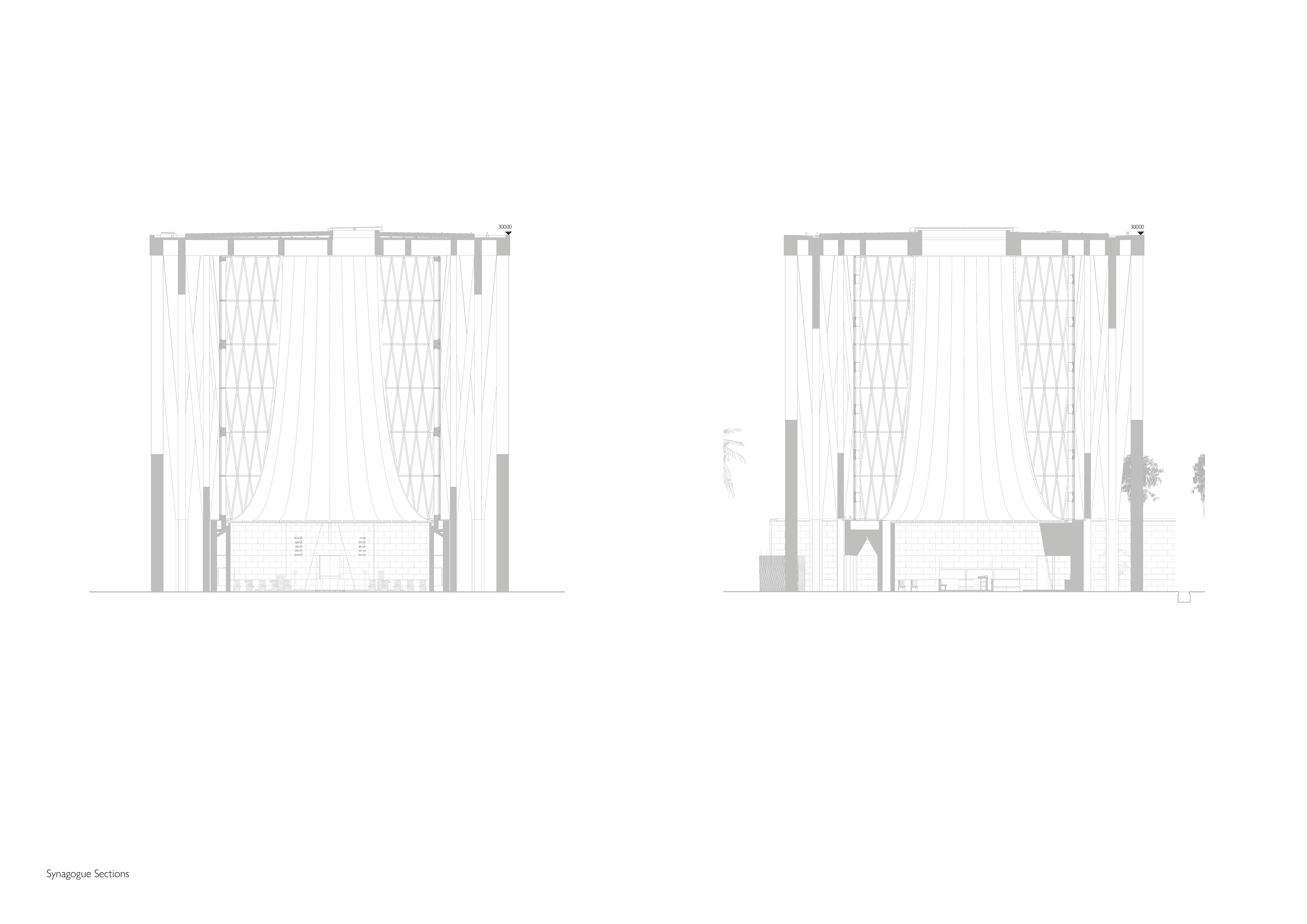
AFH_GA Synagogue Sections © Adjaye Associates
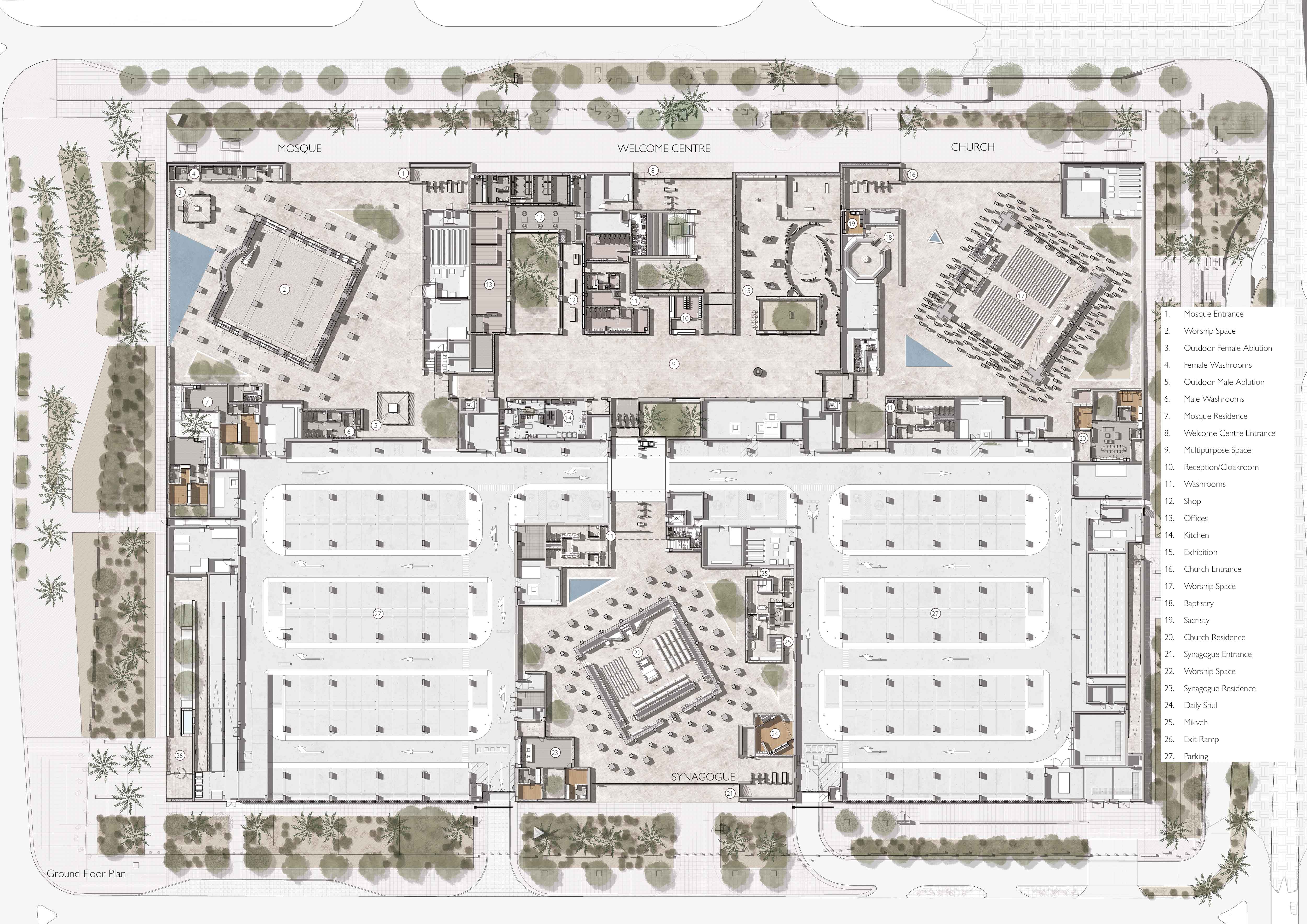
AFH_Lower Ground Floor Plan_1-250 © Adjaye Associates
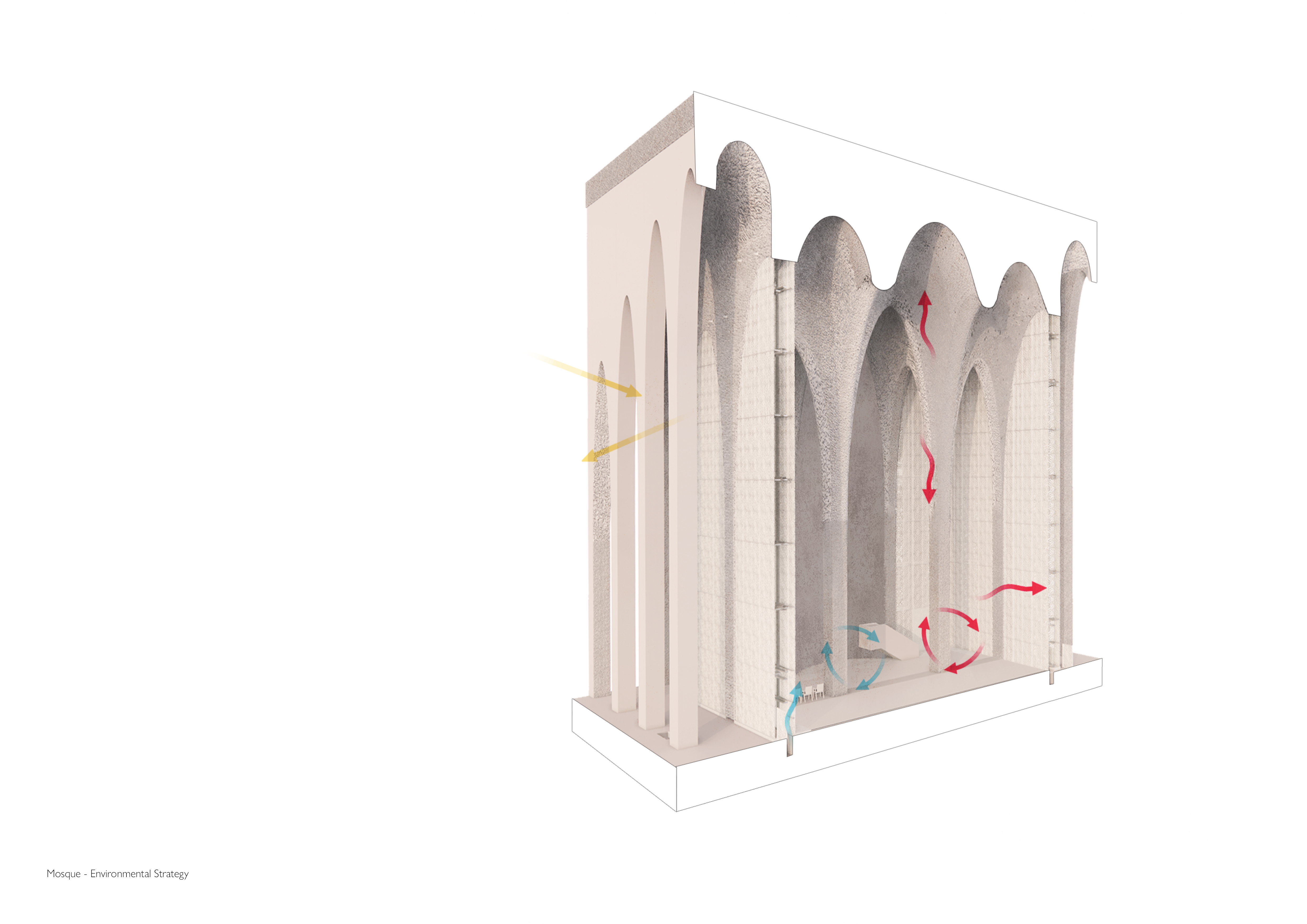
AFH_Mosque Environmental Strategy © Adjaye Associates
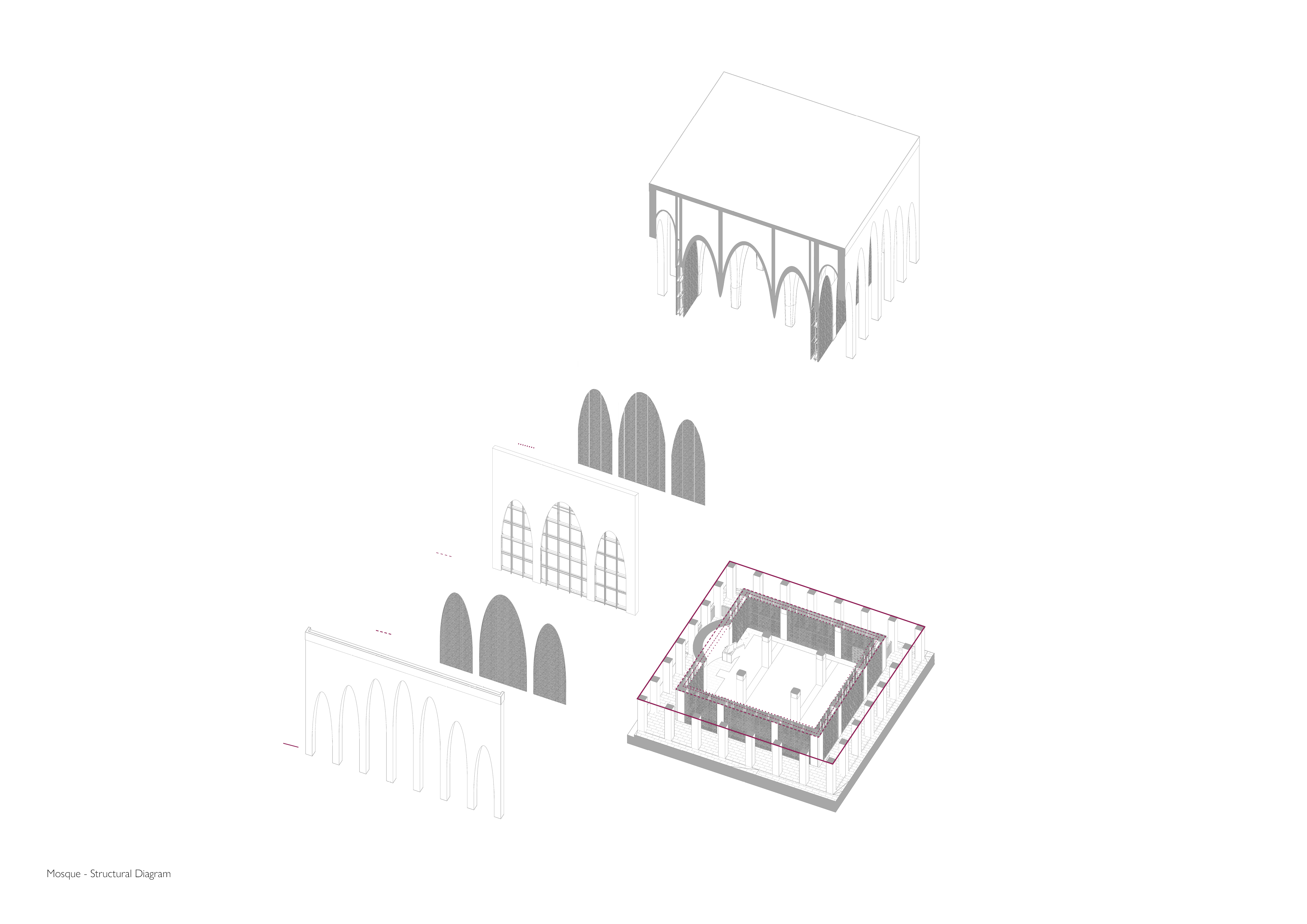
AFH_Mosque Structural Diagram © Adjaye Associates
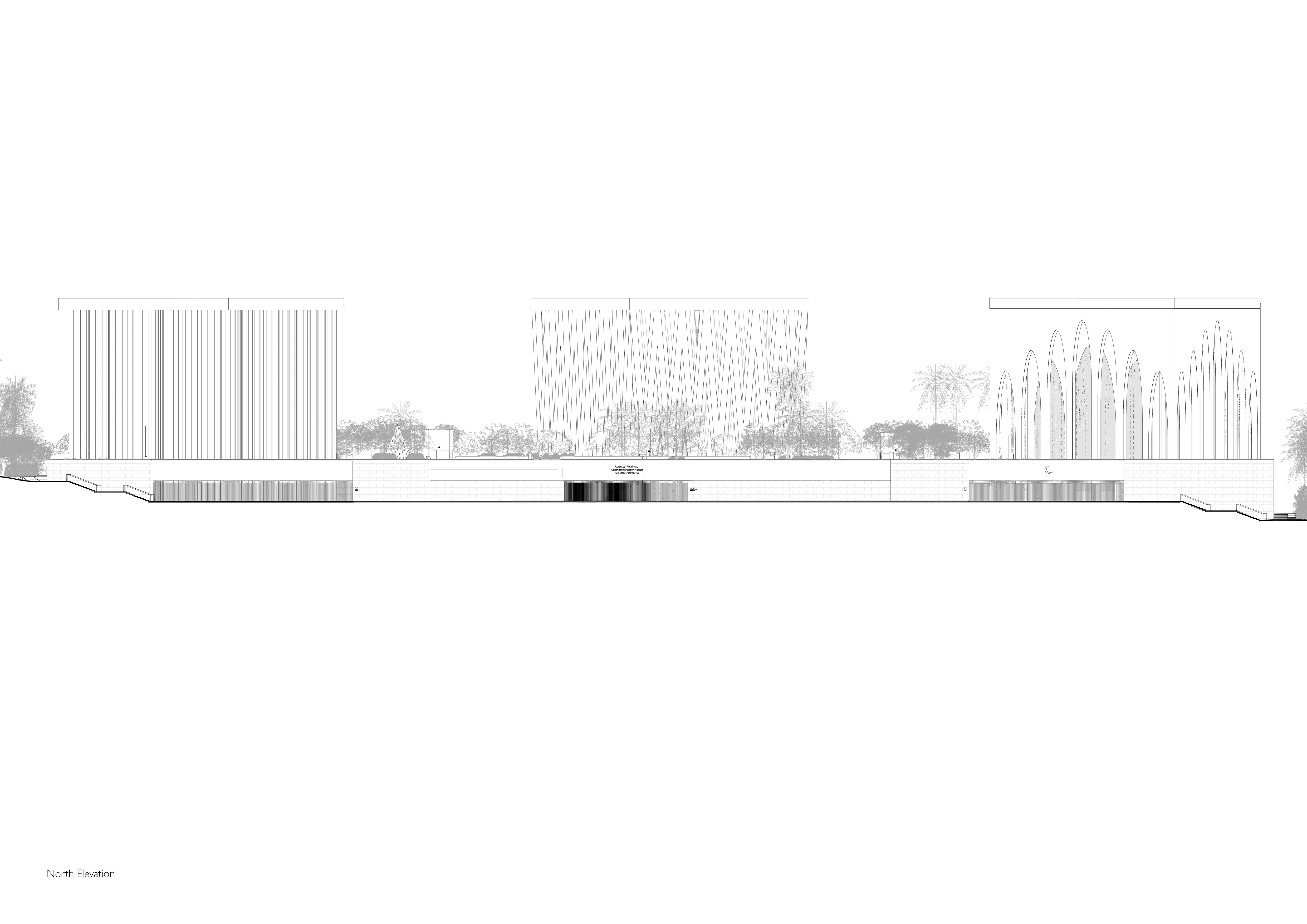
AFH_North Elevation_Black © Adjaye Associates
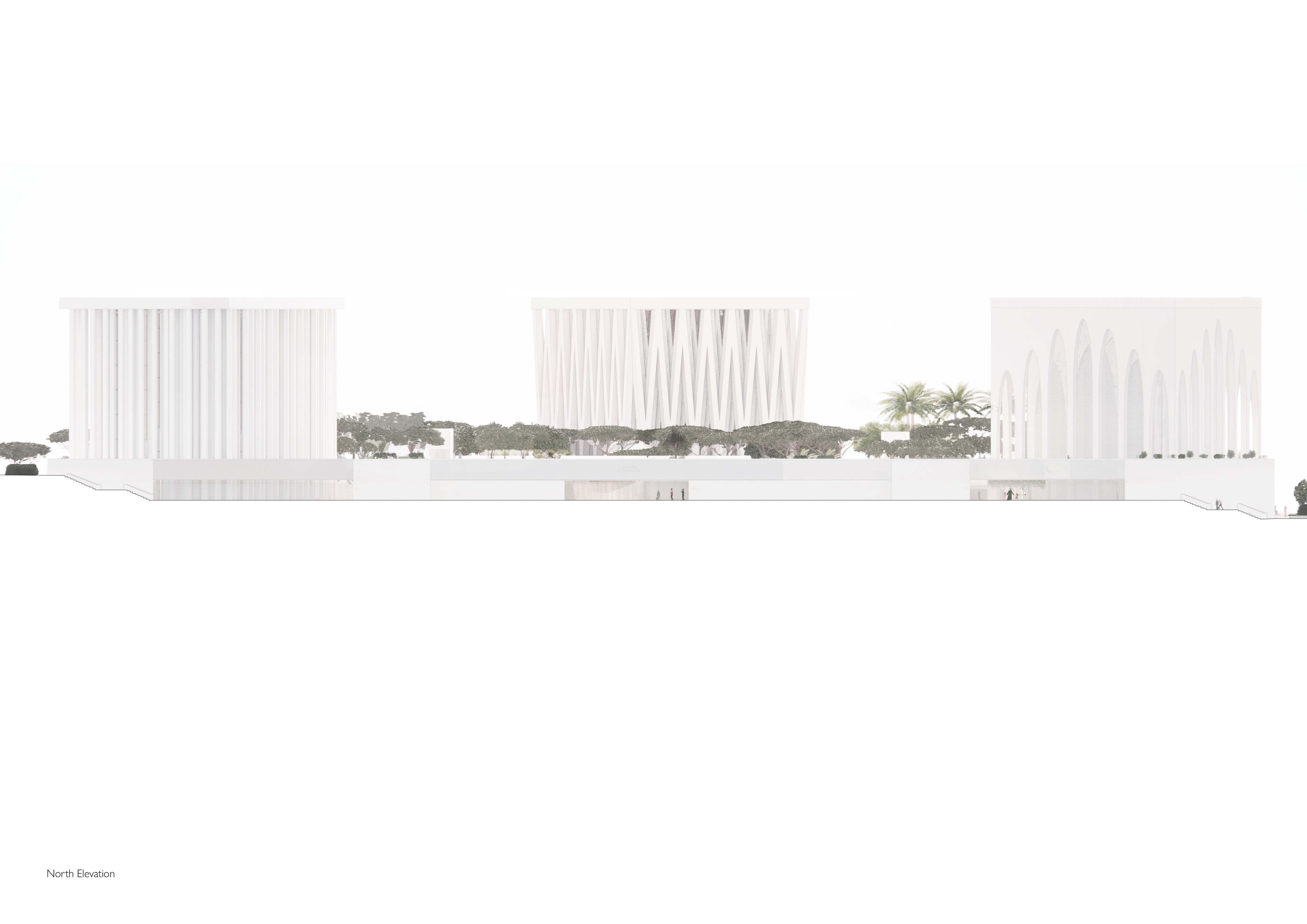
AFH_North Elevation_Rendered © Adjaye Associates
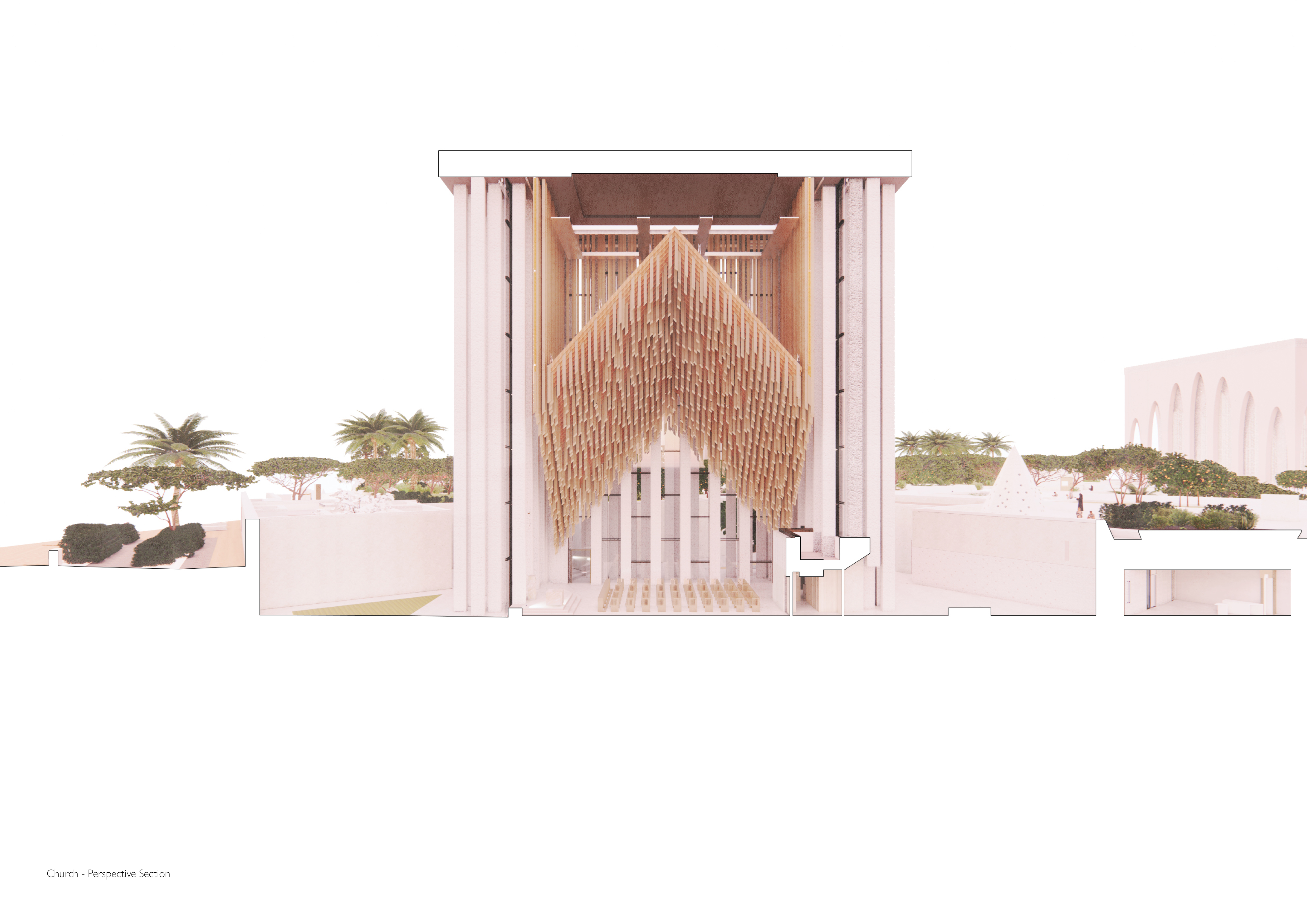
AFH_Perspective Section_Church © Adjaye Associates
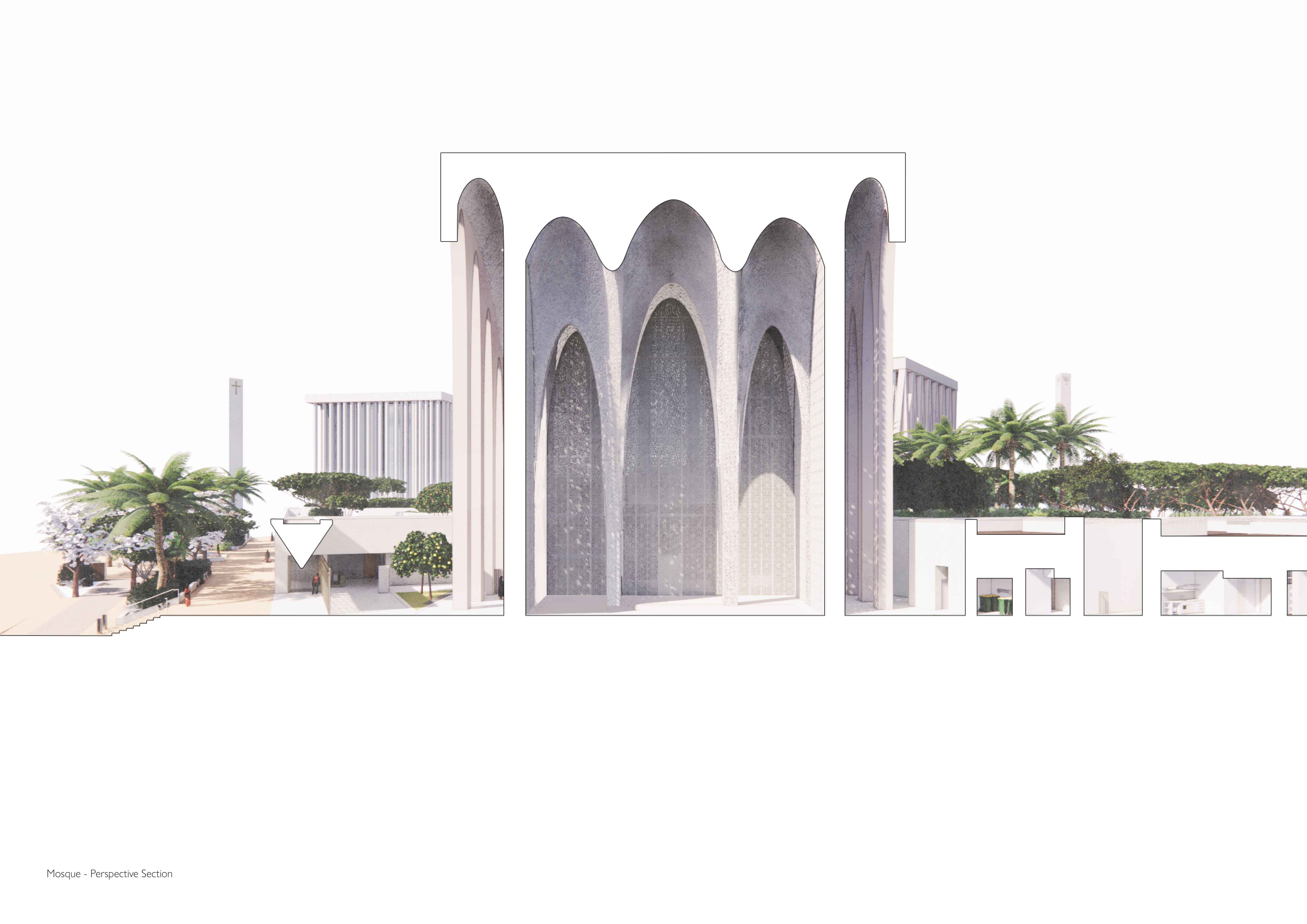
AFH_Perspective Section_Mosque © Adjaye Associates
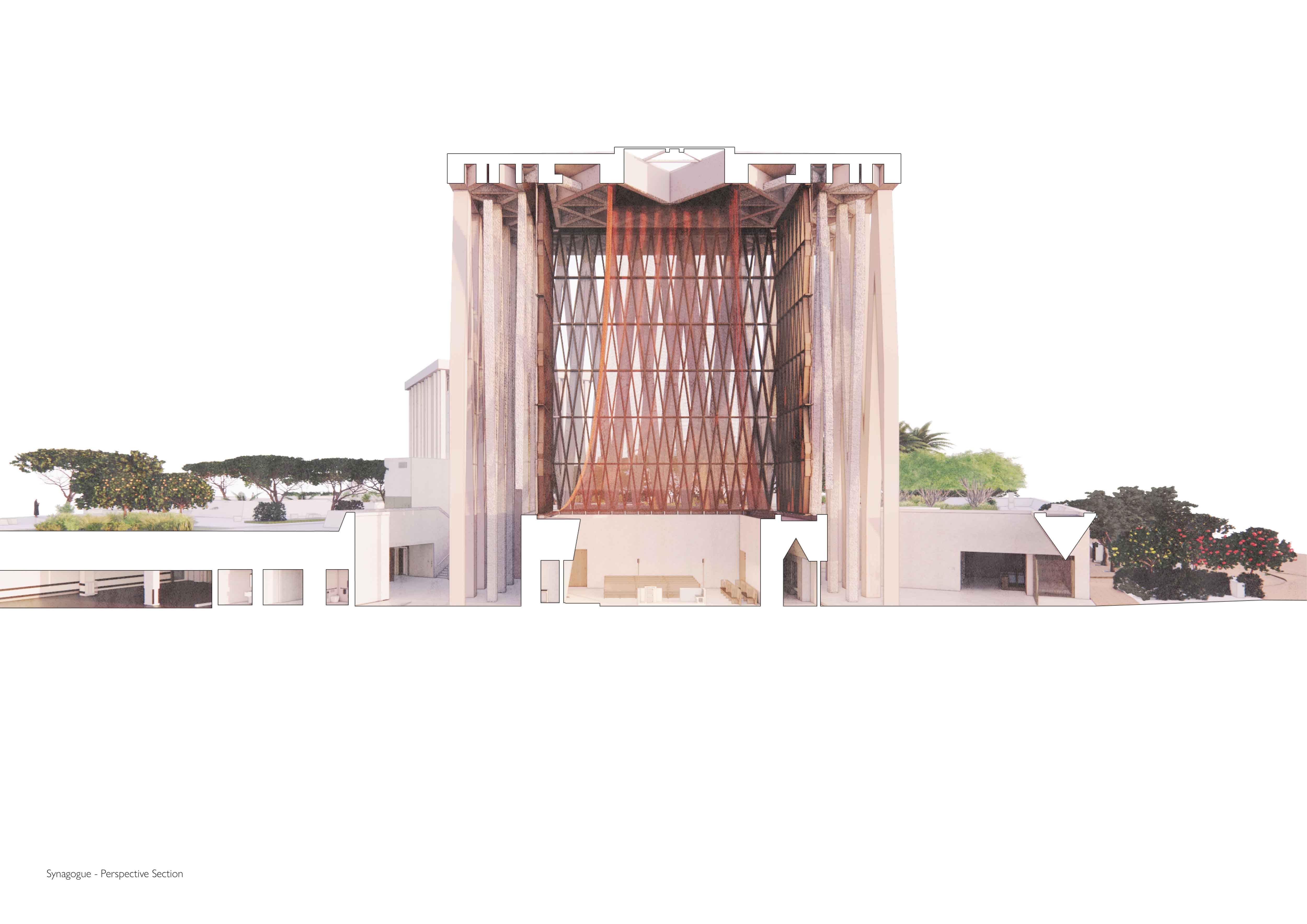
AFH_Perspective Section_Syg © Adjaye Associates
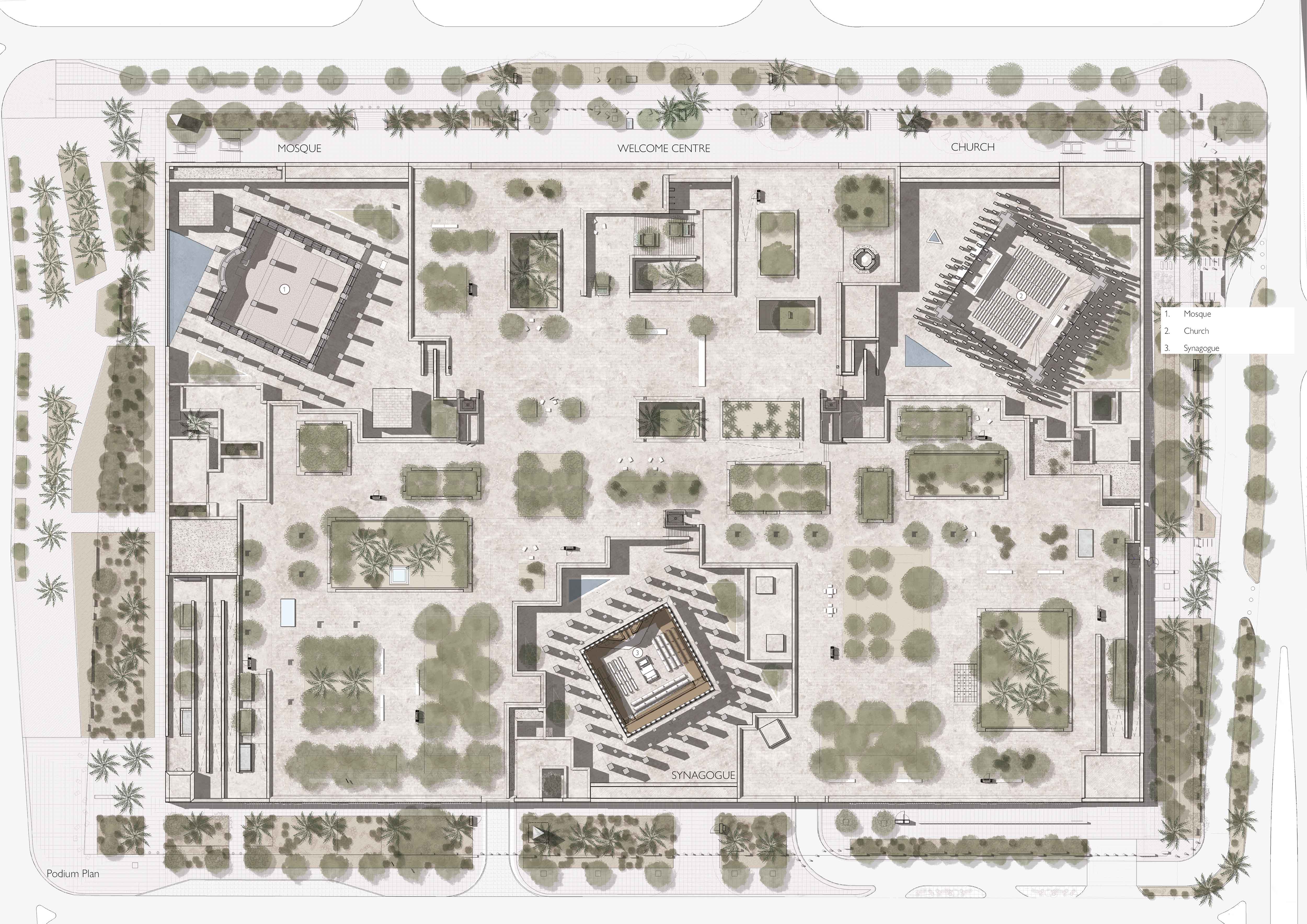
AFH_Podium Floor Plan_1-250 © Adjaye Associates
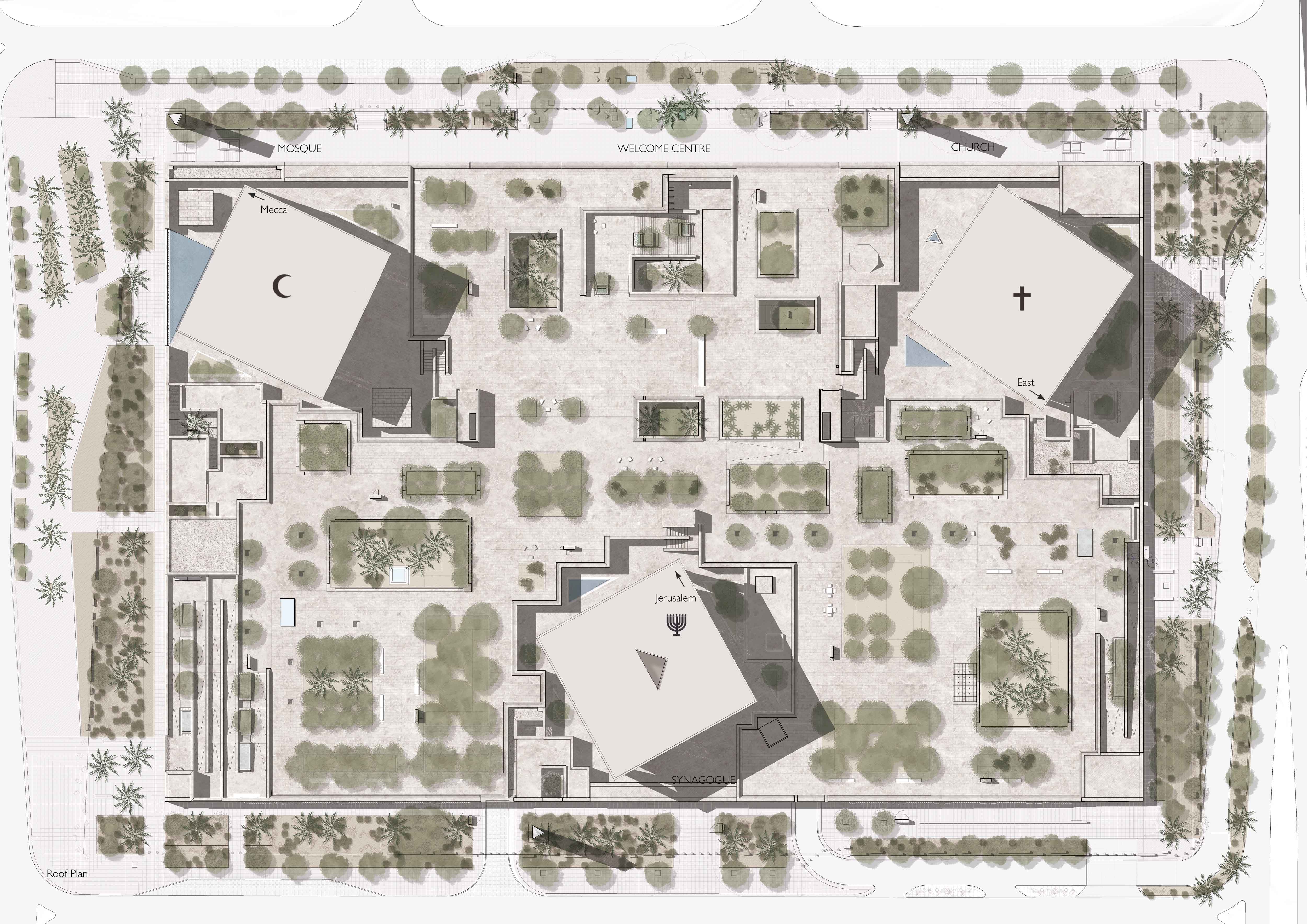
AFH_Roof Plan_1-250 © Adjaye Associates
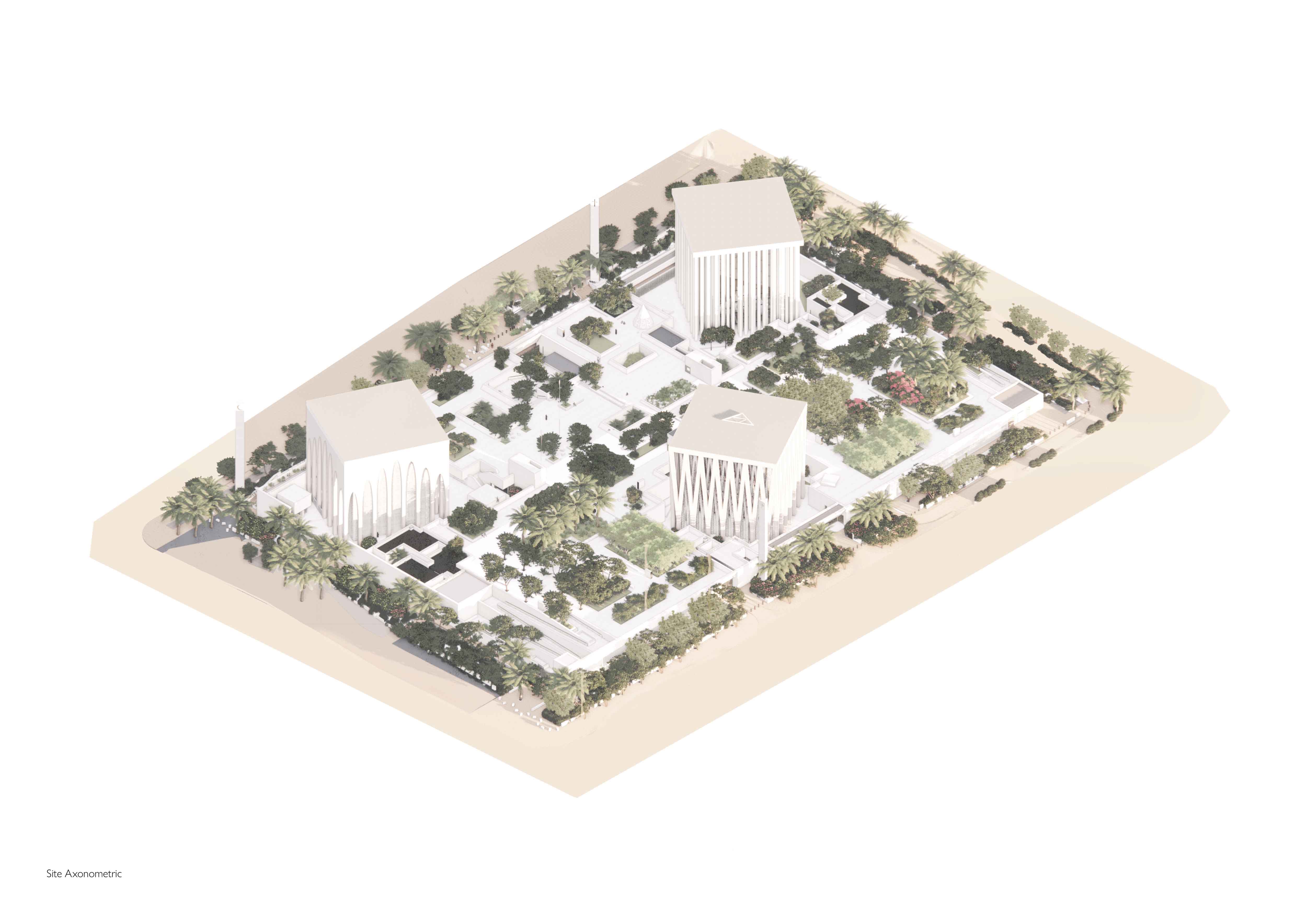
AFH_Site Axonometric © Adjaye Associates
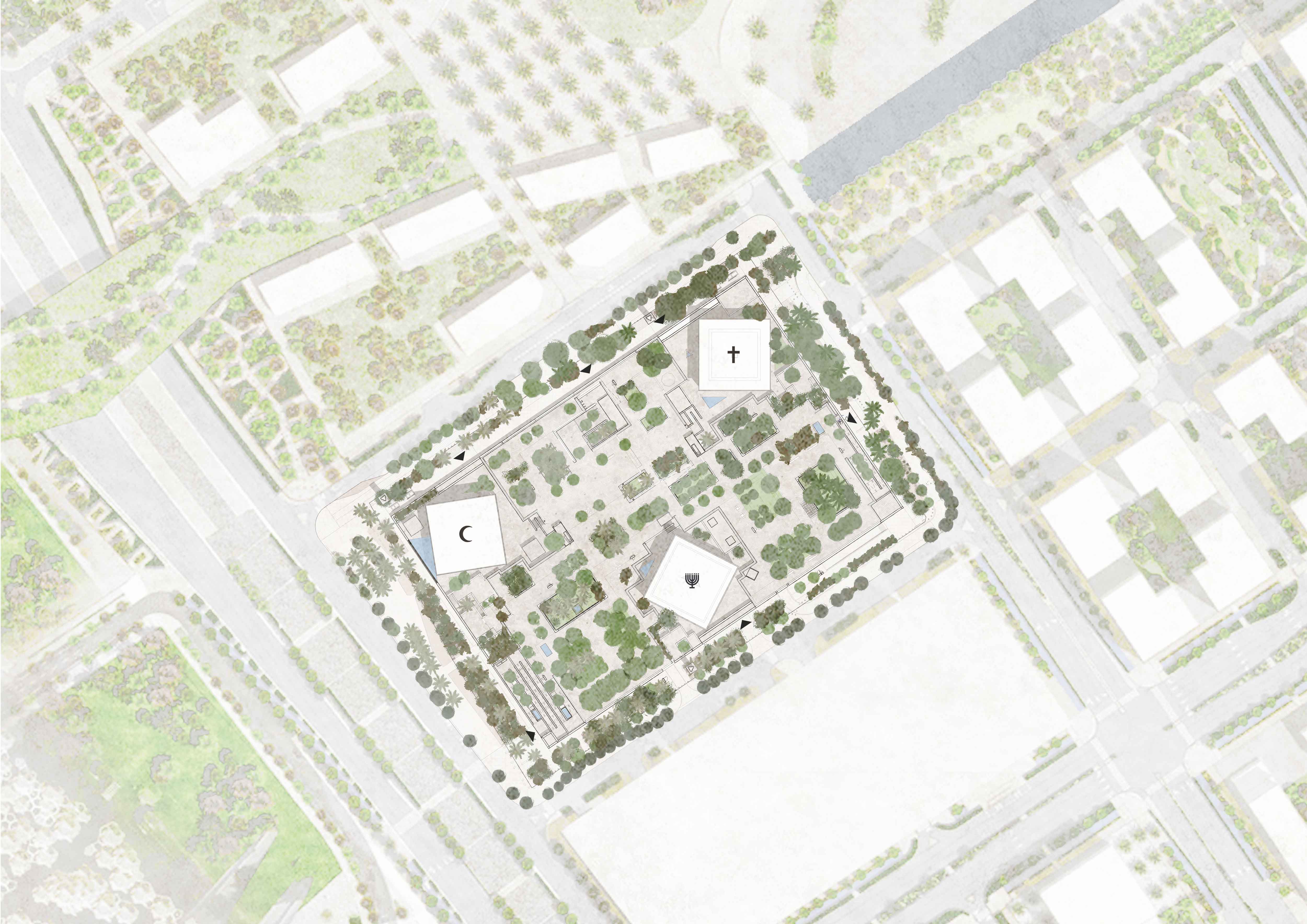
AFH_Site Plan_1-500 © Adjaye Associates
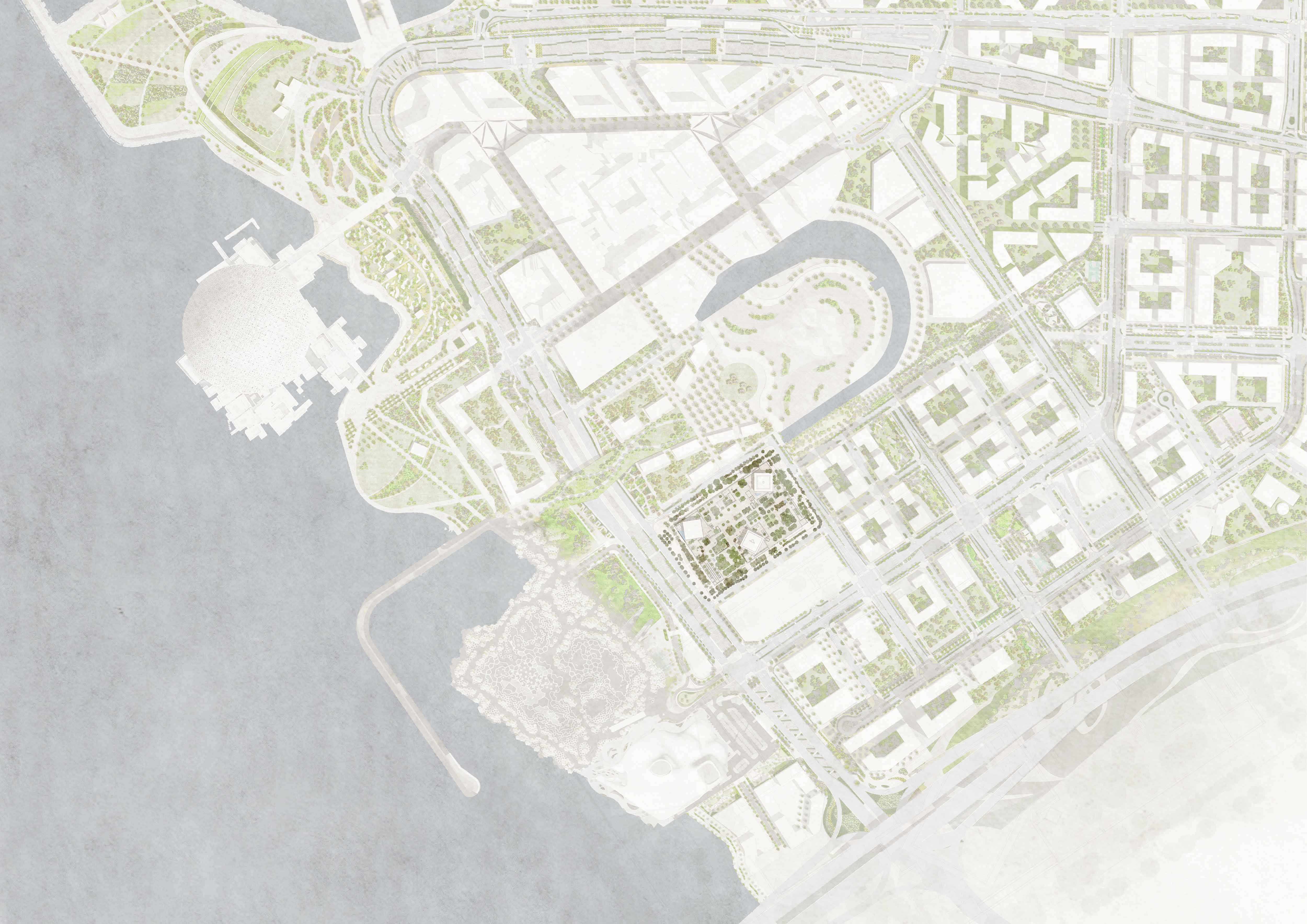
AFH_Site Plan_1-5000 © Adjaye Associates
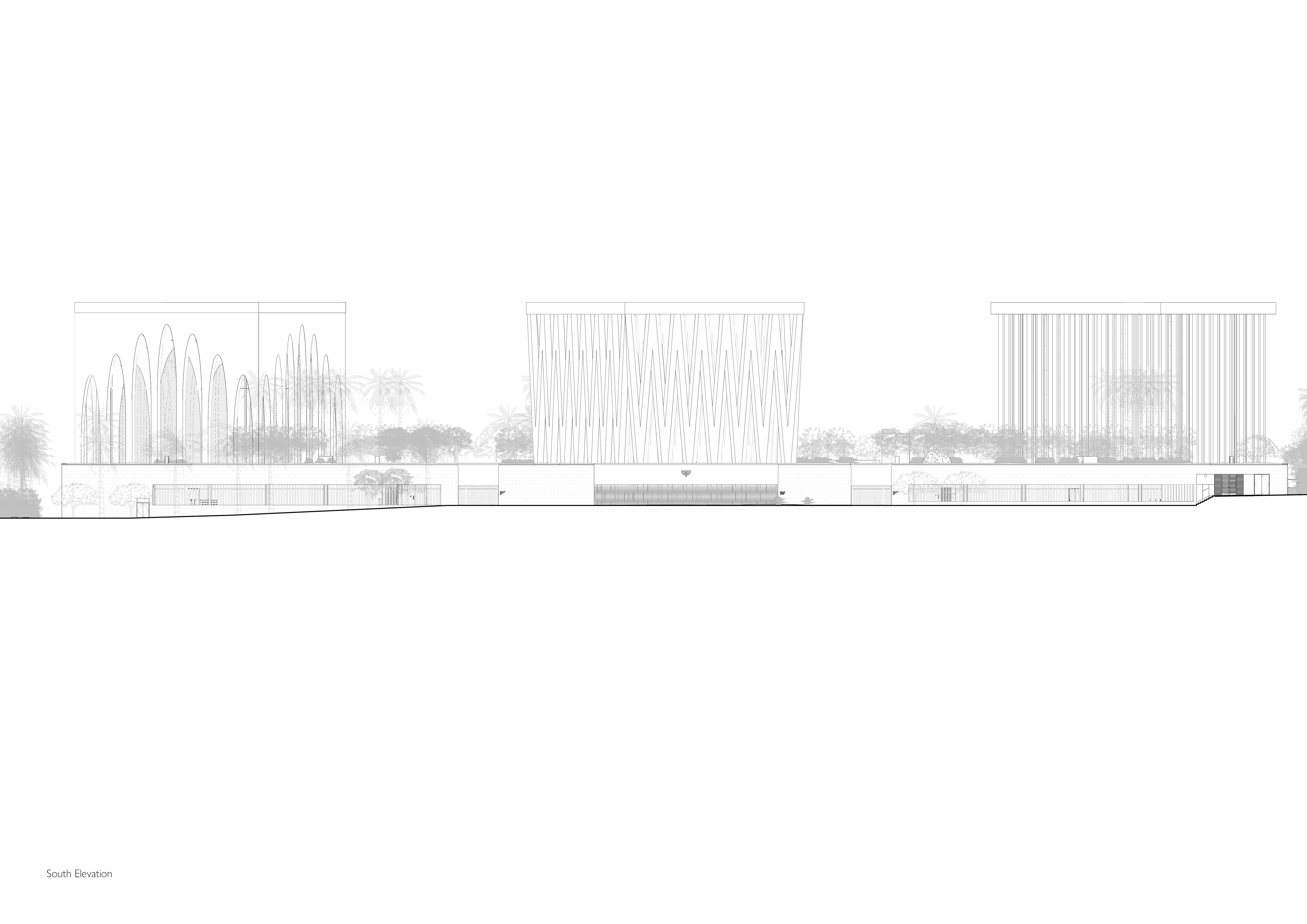
AFH_South Elevation_Black © Adjaye Associates
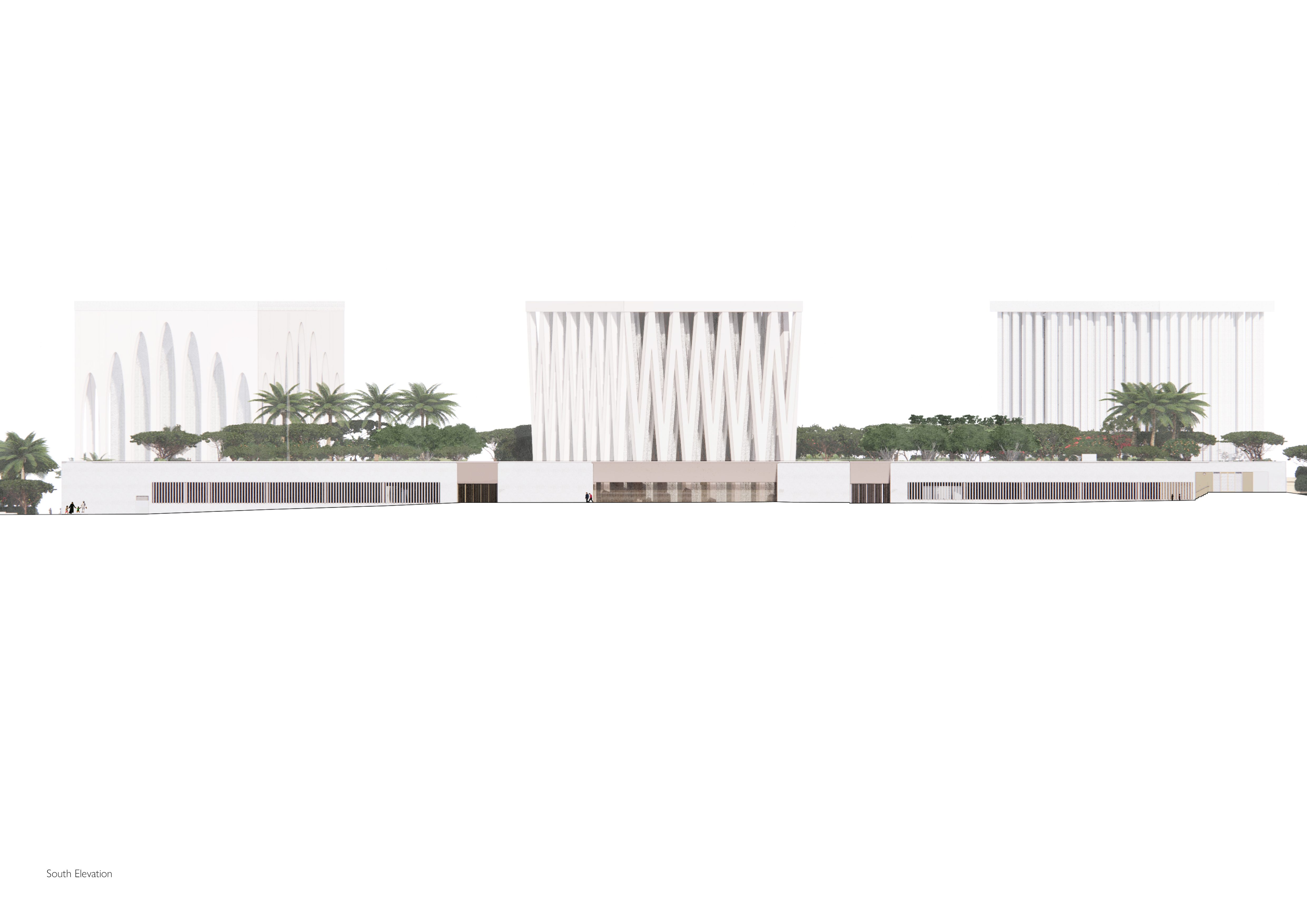
AFH_South Elevation_Rendered © Adjaye Associates
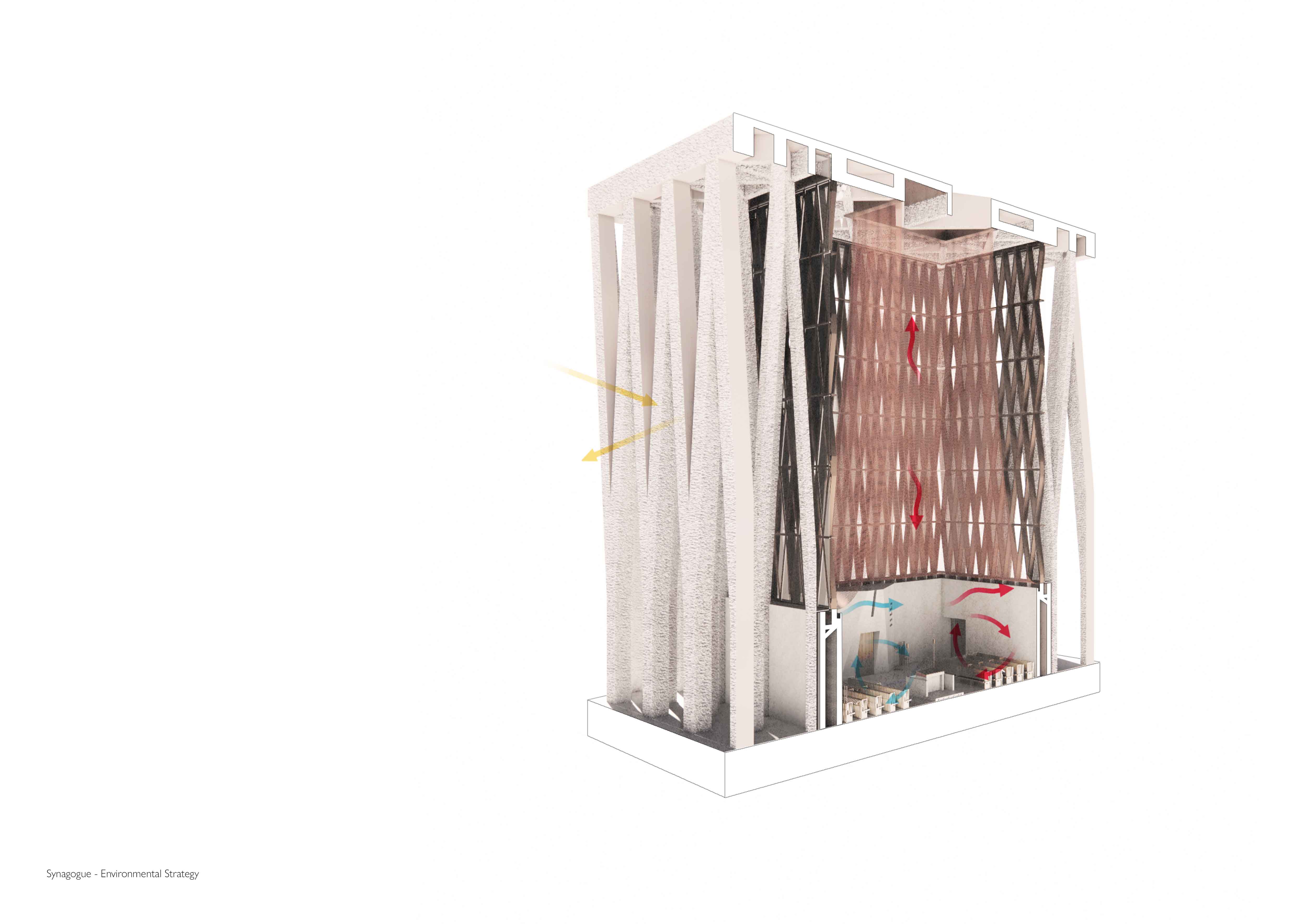
AFH_Synagogue Environmental Strategy © Adjaye Associates
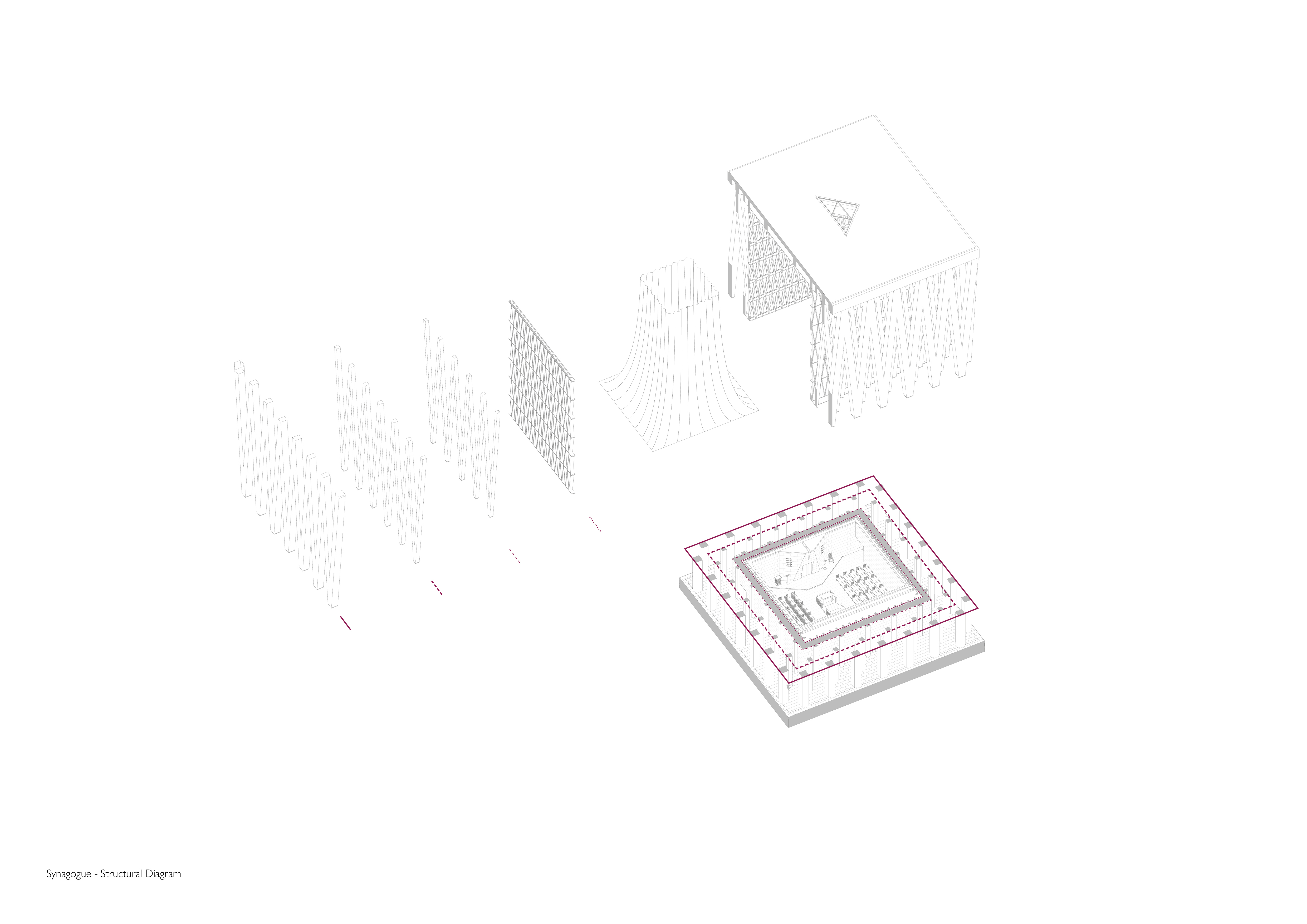
AFH_Synagogue Structural Diagram © Adjaye Associates
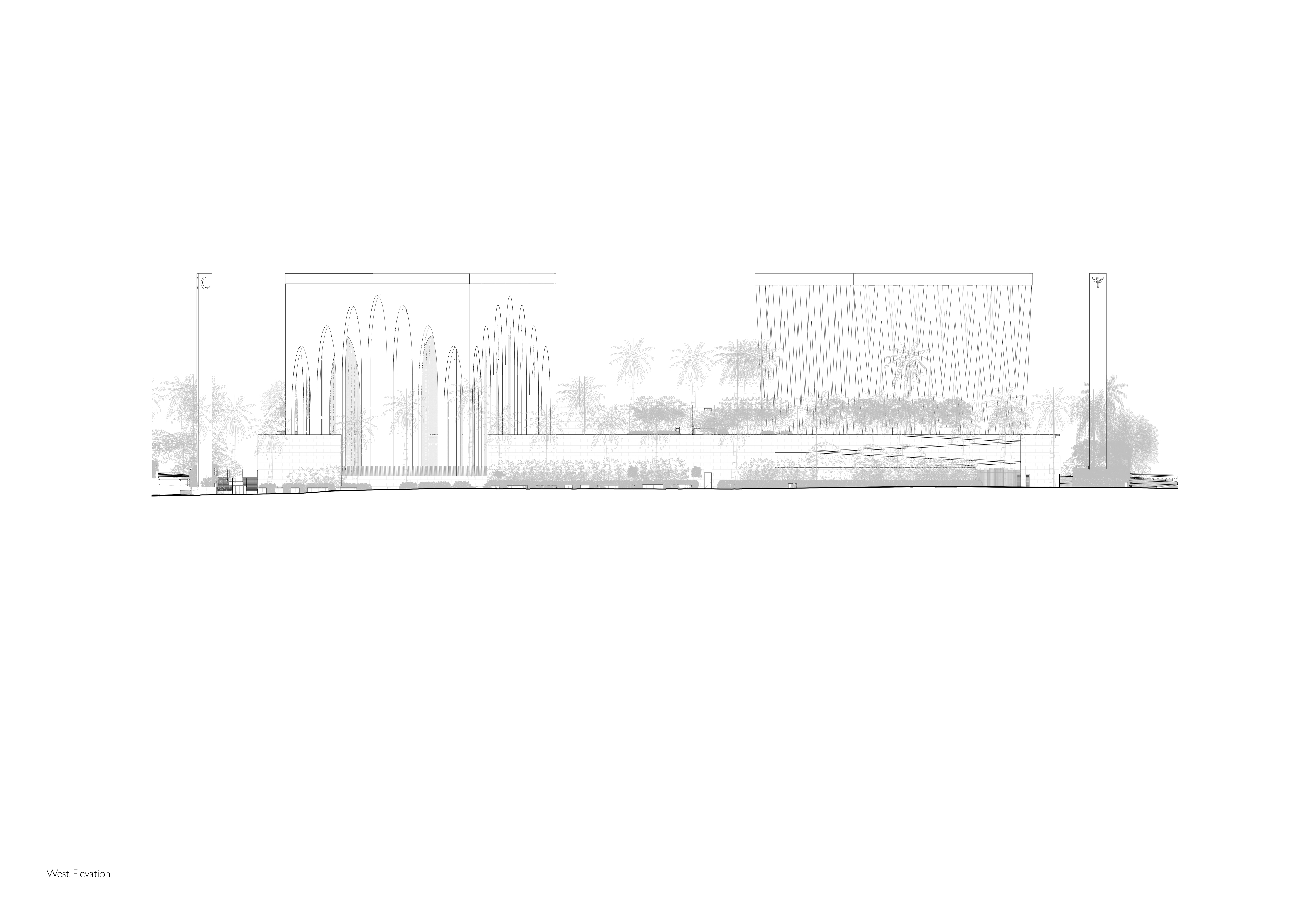
AFH_West Elevation_Black © Adjaye Associates
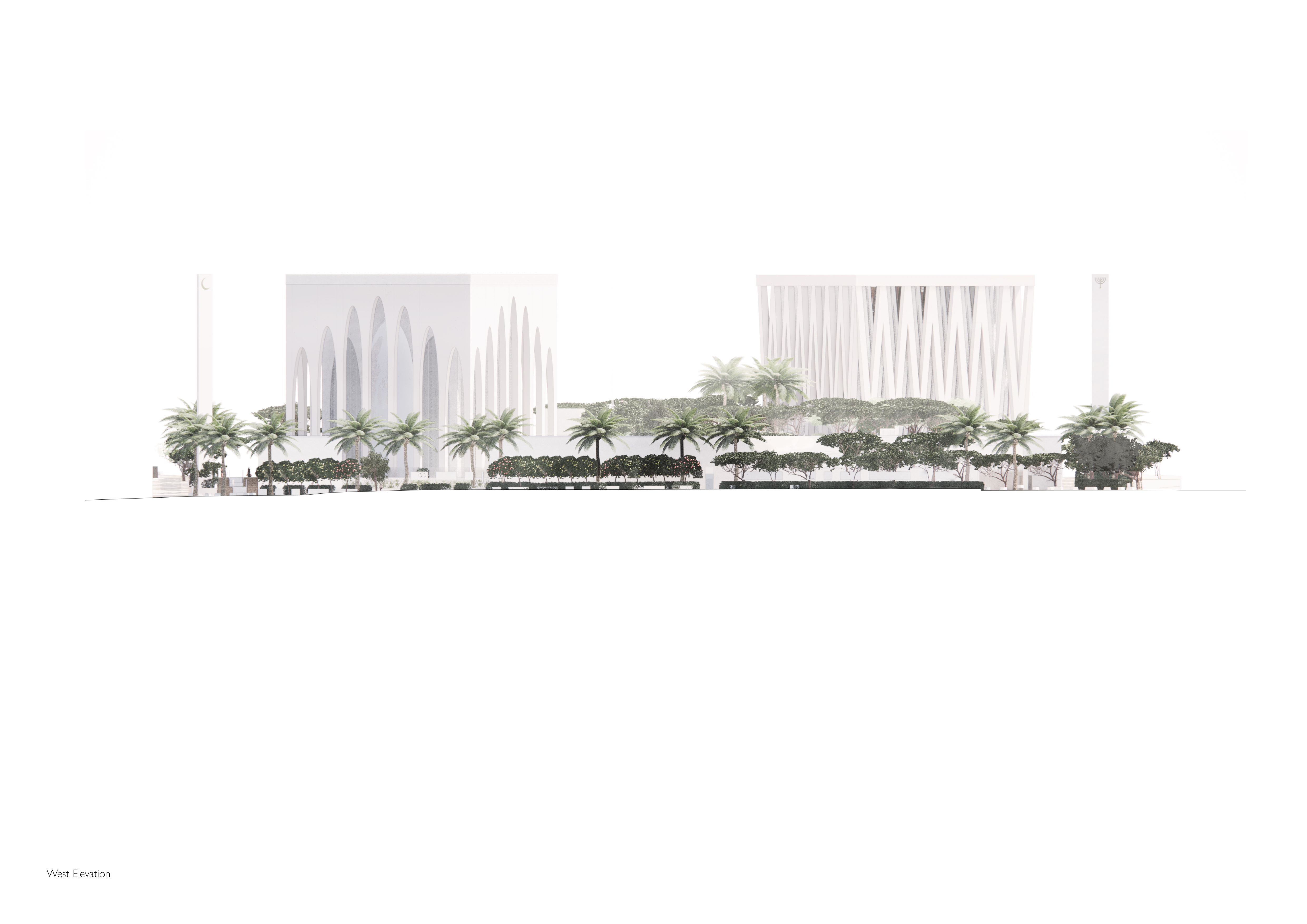
AFH_West Elevation_Rendered © Adjaye Associates

Cuattro Casa de Café丨Faci Leboreiro
Rosa Jamaica Beach Club丨Gris | Estudio de Diseño + Arquitectura
广州华侨糖厂旧址仓库改造丨SPARK思邦

Final Princeton University Art Museum | Adjaye Associates
Abrahamic Family House | Adjaye Associates

Ruby City Contemporary Art Center | Adjaye Associates

谷歌开发者社区丨不为变现,只为Coding而生

Gyeongdo 岛 - 以“自然”为动力的全新韩国可持续休闲目的地
Relic丨KAROLINA HALATEK

订阅我们的资讯
切勿错过全球大设计产业链大事件和重要设计资源公司和新产品的推荐
联系我们
举报
返回顶部