


Radiative sky cooling material丨SPACECOOL INC.
SPACECOOL INC. ,发布时间2026-02-02 14:59:08





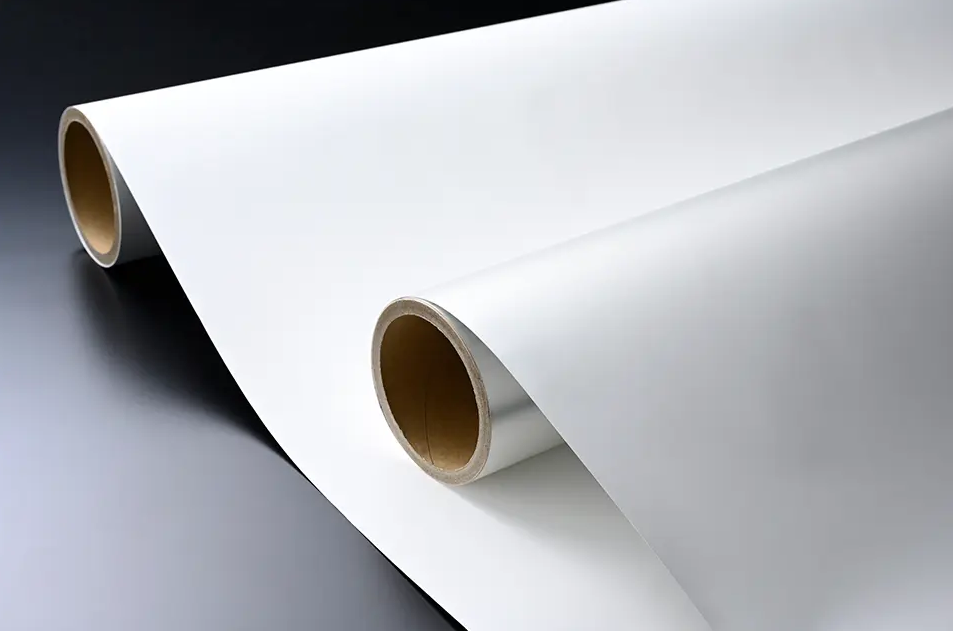
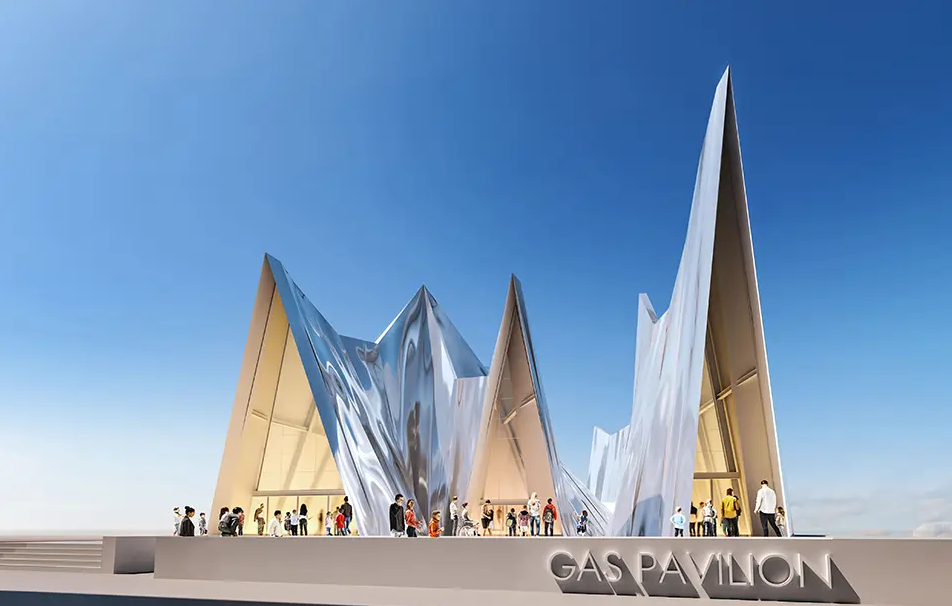
With Expo 2025 Osaka, Kansai, Japan set to open this April, one pavilion stands out among the many on display. Featuring the world’s first structure built with a radiative cooling membrane that lowers temperatures without consuming any energy, the pavilion’s groundbreaking material was developed by Japanese startup SPACECOOL INC.
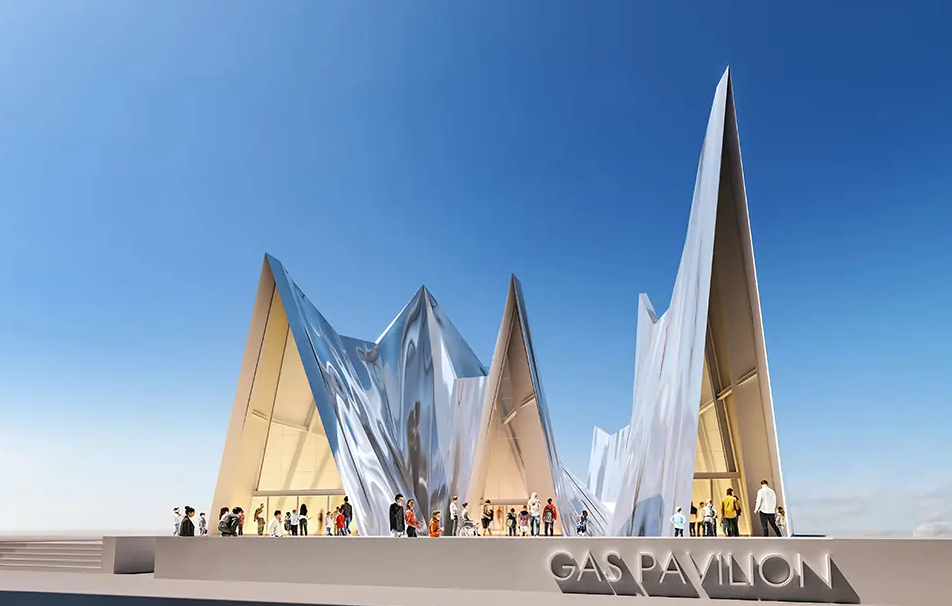
Striking triangular structures soar into the sky, their silver membranes reflecting the surrounding landscape to create a shimmering, dynamic exterior that shifts with the weather and time of day. This eye-catching structure is the remarkable Gas Pavilion, one of 13 corporate pavilions at Expo 2025 Osaka, Kansai, Japan, and sponsored by the Japan Gas Association.
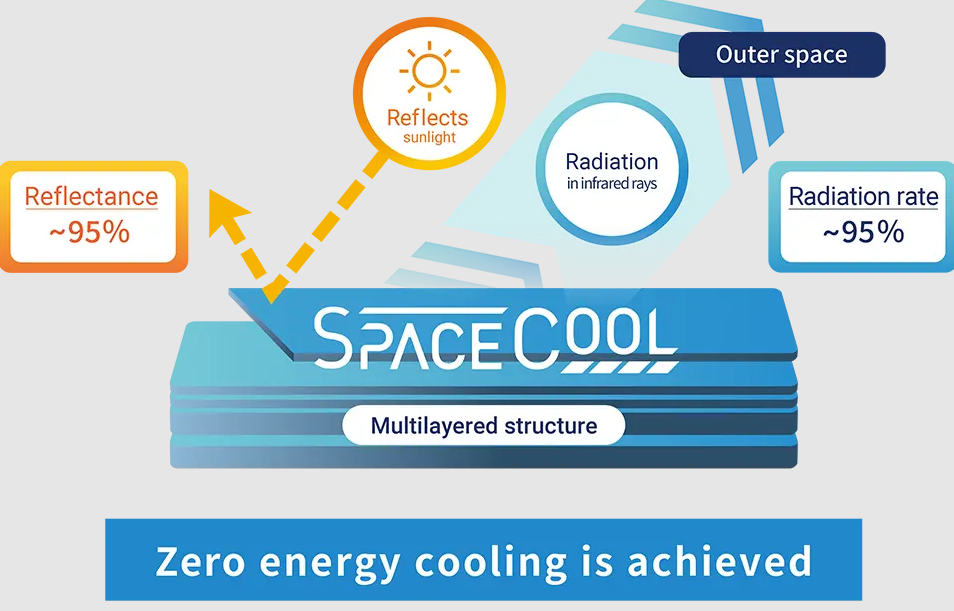
What sets the structure apart is its unique outer membrane. Developed by SPACECOOL INC., a startup from Osaka Gas Co., Ltd.—one of Japan’s leading energy companies—the radiative cooling material not only reflects sunlight to minimize heat absorption but also radiates internal heat into outer space through the atmosphere, effectively cooling objects and spaces without the use of electricity or any other energy source.
Radiative cooling is a natural phenomenon whereby objects cool down by releasing residual heat into the surrounding environment as infrared radiation. An everyday example is the way boiled water gradually cools over time. While the phenomenon itself is perfectly common, SPACECOOL’s proprietary technology enhances this effect. By converting surrounding heat energy into infrared wavelengths that pass through Earth’s atmosphere with minimal absorption—known as the “atmospheric window”—and thus escape into outer space more easily, the company successfully amplified radiative cooling effects and accomplished its commercialization as a multi-purpose membrane material.
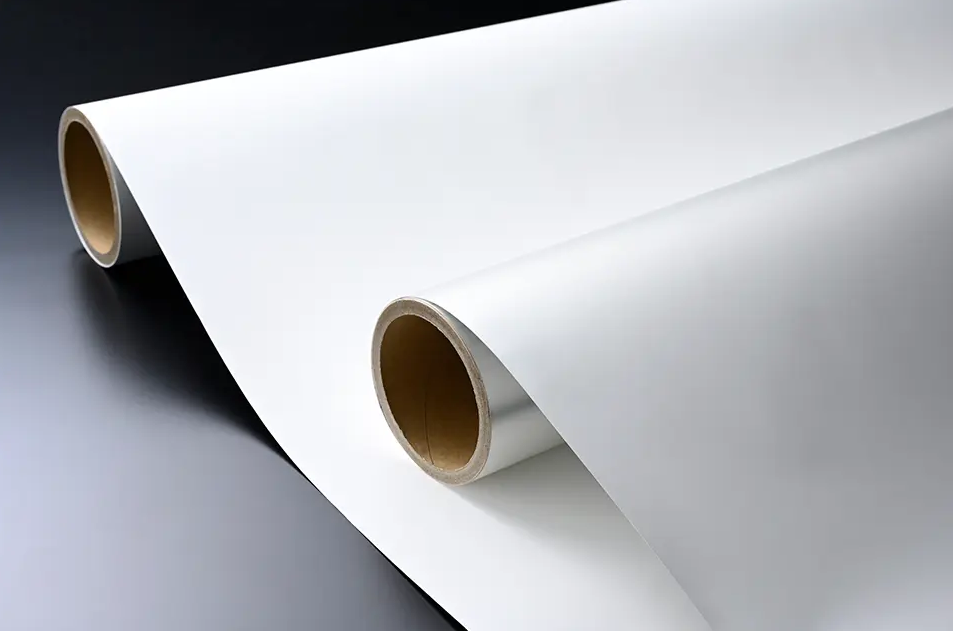
In a demonstration experiment comparing tents made with standard materials and those using SPACECOOL’s membrane, the latter maintained an interior apparent temperature of approximately 10 degrees Celsius lower. CEO of SPACECOOL SUEMITSU Masahiro remarked, “Even the craftsmen who helped construct the pavilion commented on how cool it felt inside.”
While air conditioning will still be used inside the Gas Pavilion during the Expo to help manage Japan’s hot and humid summer months, SPACECOOL’s exterior membrane will reduce cooling demand and overall CO₂ emissions.
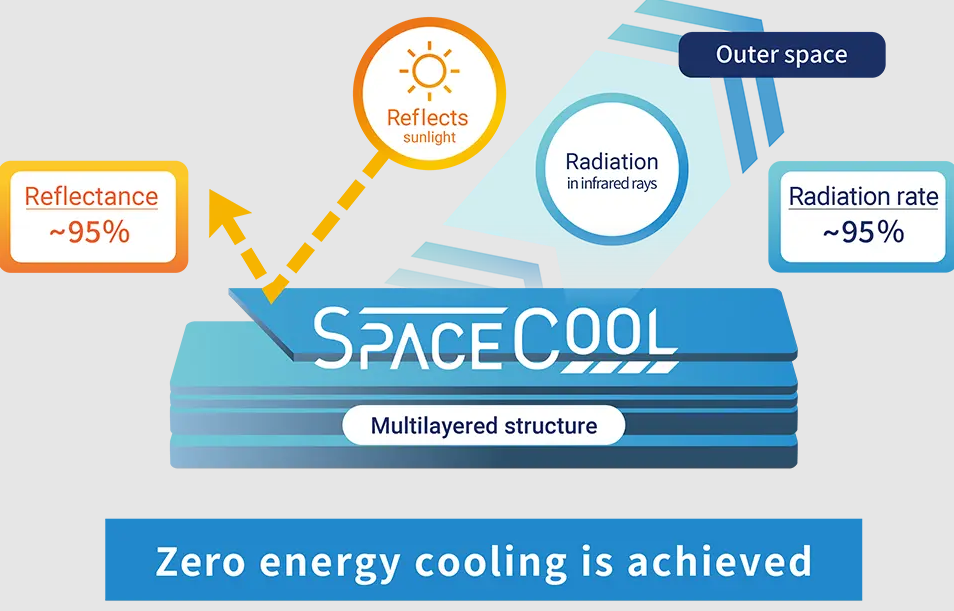
The membrane-based design also makes installation and dismantling easy. After the Expo ends in October, the pavilion membrane will be reused, aligning with the 3R principles of Reduce (minimizing building materials), Reuse (recovering the membrane), and Recycle (repurposing other materials). Furthermore, the membrane does not contain any fluoropolymers—commonly found in exterior coatings and known for their high CO₂ emissions during production—demonstrating yet another eco-friendly feature.
Suemitsu explained, “Although several other companies worldwide are researching radiative cooling materials, ours is the only one whose material has cleared stringent tests for tensile strength and resistance to harsh conditions—such as sunlight, wind, and rain—making it viable as a construction material. Our pavilion is the world’s first structure built entirely with radiative cooling material, and we highly encourage visitors to come and take a closer look.”
Beyond architectural applications, SPACECOOL’s membrane is being adapted for various cooling uses. The company’s technology is used as films and magnetic sheets, such as for shipping containers and cubicle switchboards to avoid overheating, as well as easily sewn tarpaulin and canvas materials for sunshades and truck covers, which have already been adopted in diverse environments.
Radiative cooling materials are drawing keen interest in regions such as the Middle East and Southeast Asia, where extreme heat and limited infrastructure for reliable air conditioning remain to be fully developed. “I feel heat to be a universal sensation and challenge that transcends language,” said Suemitsu. “By expanding the reach of SPACECOOL’s technology globally, we hope to contribute to the fight against climate change.”

Colour Archive Limited丨Montana Furniture

6099 Anniversary - Frankfurt Financial Watch丨Sinn Spezialuhren GmbH


Et Ark Basket丨Cecilie Manz Studio
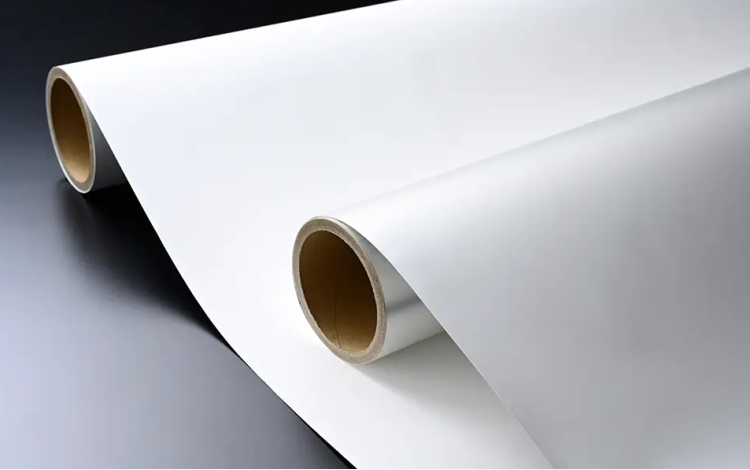
Radiative sky cooling material丨SPACECOOL INC.

GROHE SPA Rainshower Aqua Concealed丨LIXIL Global Design
蘑菇边桌 | Femo Design Studio
国王椅 | Femo Design Studio
订阅我们的资讯
切勿错过全球大设计产业链大事件和重要设计资源公司和新产品的推荐
联系我们
举报
返回顶部